Tag: home appliances

  • Top Home Appliance Releases in August 2026: Smart AI Washing Machines, Refrigerators, and More

    Top Home Appliance Releases in August 2026: Smart AI Washing Machines, Refrigerators, and More

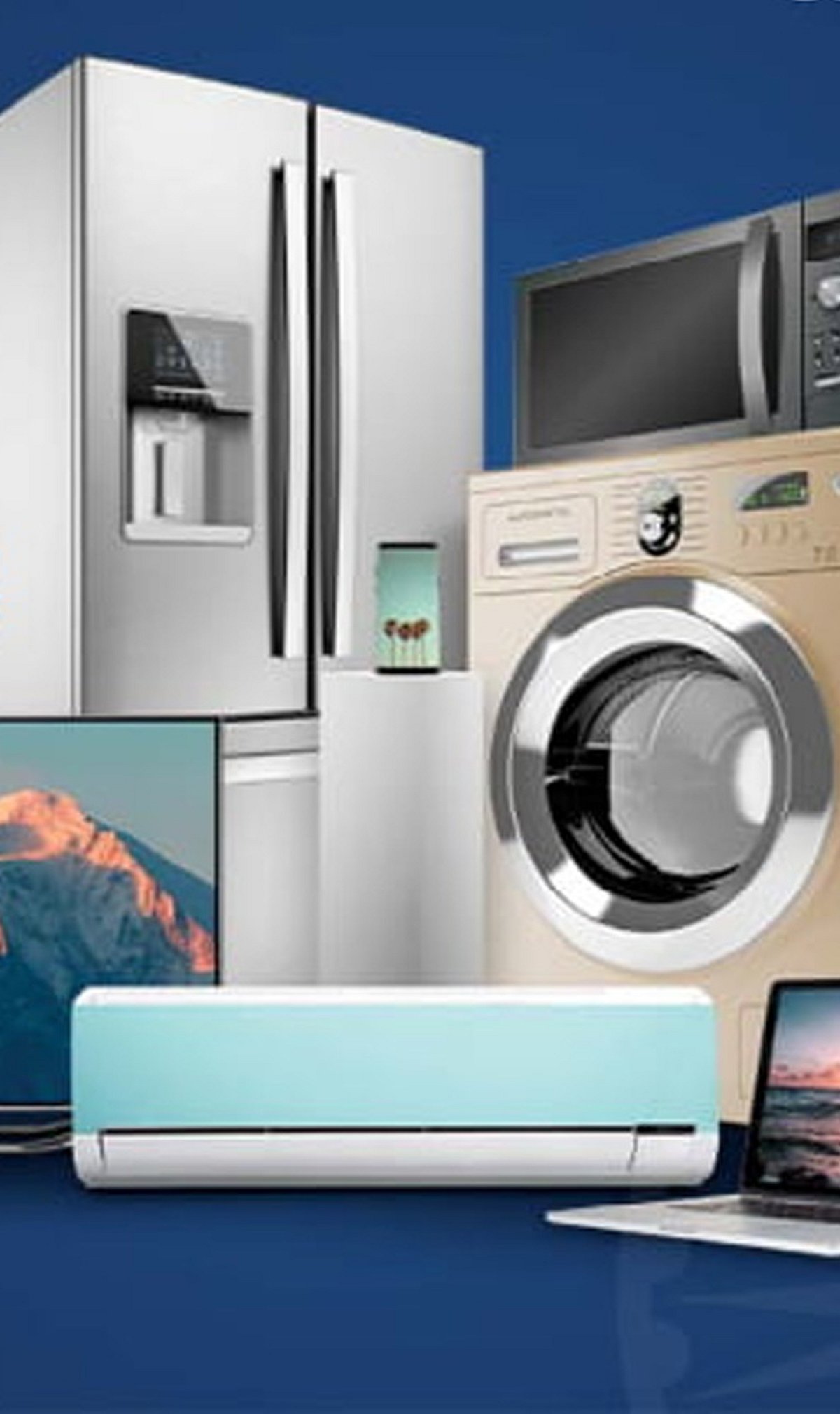
    August 2026 is set to be a landmark month for home appliances, with major brands unveiling a wave of smart, AI-powered products designed to enhance convenience, efficiency, and connectivity. From self-optimizing washing machines to intelligent air purifiers, here’s a roundup of the most exciting releases.

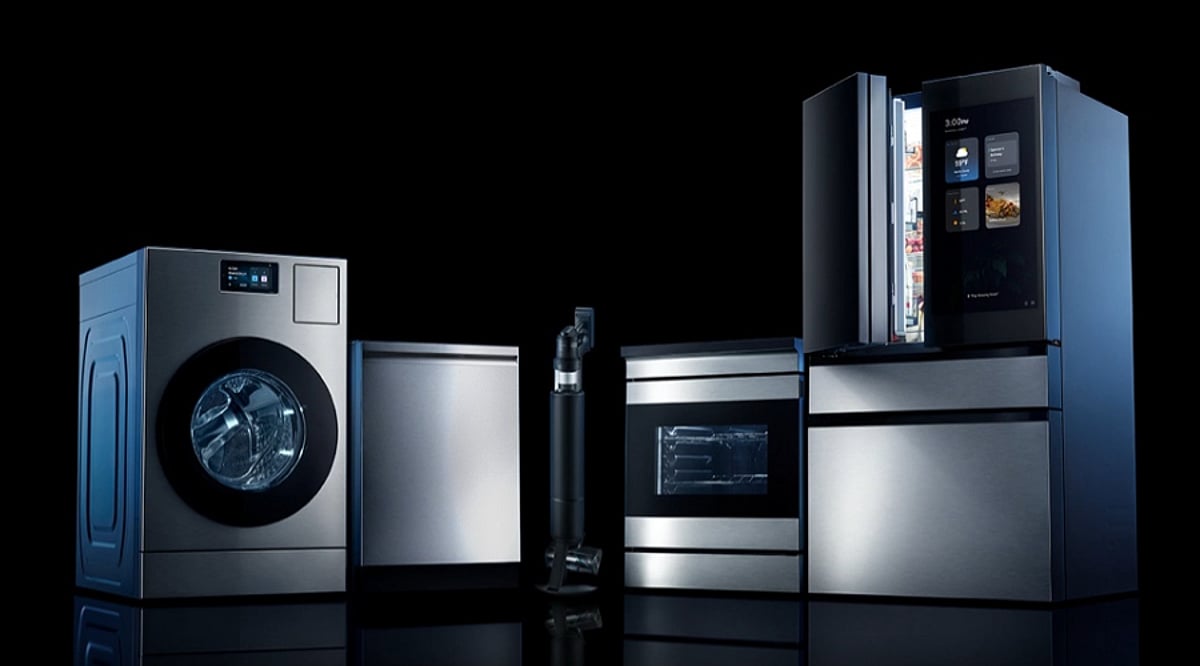
    Samsung AI Washing Machines

    Samsung introduces next-generation washing machines featuring AI-powered fabric care that automatically adjusts cycles based on load type, along with energy optimization to reduce utility costs.

    LG Smart Refrigerators

    LG expands its refrigerator lineup with enhanced cooling technology and connected smart features, allowing users to monitor and control temperatures remotely via smartphone.

    Dyson Air Purifiers

    Dyson launches advanced air purifiers that deliver cleaner indoor air through intelligent filtration systems, capable of detecting and removing pollutants in real time.

    Xiaomi Robot Vacuums

    Xiaomi’s latest robot vacuum cleaners boast stronger suction power and smarter navigation, making automated home cleaning more thorough and efficient.

    Panasonic Air Conditioners

    Panasonic introduces energy-efficient air conditioners with AI climate optimization, learning user preferences to maintain ideal temperatures while saving energy.

    Philips Kitchen Appliances

    Philips expands its smart kitchen portfolio with upgraded air fryers and cooking solutions that offer precise temperature control and recipe integration.

    Haier Washing Machines

    Haier focuses on faster washing cycles and improved energy efficiency, delivering high-performance laundry solutions for modern households.

    Smart Home Integration

    Many of these new appliances support voice assistants and connected smart home ecosystems, enabling seamless control through platforms like Amazon Alexa and Google Assistant.

    Stay tuned for more updates on the latest home technology innovations.

  • Independence Day 2026 Sales in India: Biggest Discounts on Smartphones, Electronics & Appliances

    Independence Day 2026 Sales in India: Biggest Discounts on Smartphones, Electronics & Appliances

    India’s biggest Independence Day sales are set to kick off from August 7–8, 2026, with major retailers like Amazon, Flipkart, and OnePlus offering massive discounts on electronics, fashion, home appliances, and more. Shoppers can expect savings of up to 80% across categories.

    Amazon Great Freedom Sale

    Amazon’s Great Freedom Sale starts on August 7, with Prime members getting early access. Look for deals on iPhones, Samsung Galaxy phones, smart TVs, laptops, and Amazon devices. Stack bank offers for extra savings.

    Flipkart Freedom Sale

    Flipkart’s Freedom Sale begins on August 8, while Plus members can shop a day earlier. Expect discounts on the iPhone 17, Samsung Galaxy S25, laptops, and premium gadgets.

    OnePlus, Myntra & AJIO Sales

    OnePlus will launch its own sale on August 7, offering deals on smartphones and accessories. Myntra and AJIO join the celebrations in mid-August with discounts on trendy fashion, footwear, and beauty products—some reaching up to 80% off.

    Top Product Categories to Watch

    The biggest savings are expected on smartphones, laptops, smart TVs, refrigerators, washing machines, and other home appliances. Many products will see discounts of 65–80%.

    Bank Offers & Payment Perks

    Don’t miss exclusive bank discounts: get 10% instant savings with HDFC cards on Amazon and SBI cards on Flipkart. No-cost EMI, cashback, and exchange bonuses add even more value.

    Pro Tips for Shoppers

    • Plan to buy a new phone? The best prices typically appear during the first few hours of the sale.
    • Add products to your wishlist in advance to grab limited-time offers.
    • Compare prices across Amazon, Flipkart, and brand stores before purchasing.
    • Stack coupons, exchange offers, cashback, and bank discounts to unlock the lowest effective price.

    Expected Sale Calendar

    • Amazon Great Freedom Sale – August 7
    • Flipkart Freedom Sale – August 8
    • OnePlus Sale – August 7
    • Myntra & AJIO – Mid August

    Prepare your wishlist now and shop early for the best deals.

  • Samsung Home Appliances Named Top Choice in US and France by Consumer Testers

    Samsung Home Appliances Named Top Choice in US and France by Consumer Testers

    Samsung has received international recognition for its home appliances in both the United States and France. Independent product testing organizations praised the brand for delivering reliable performance, innovative technology, energy efficiency, and user-friendly features. These achievements strengthen Samsung’s position as one of the world’s most trusted home appliance manufacturers.

    Several Samsung home appliances received high ratings from respected US consumer testing organizations. Products including refrigerators, washing machines, and kitchen appliances impressed reviewers with strong performance, durability, smart connectivity, and ease of use. These ratings reflect Samsung’s continued focus on quality and customer satisfaction across multiple categories.

    Samsung also achieved excellent results in France, where consumer organizations recognized its appliances for outstanding efficiency, dependable operation, and thoughtful design. High scores across different product categories highlight the company’s ability to meet the expectations of European households while maintaining premium quality and long-term reliability.

    Samsung’s connected home ecosystem continues to be one of its biggest strengths. Features such as AI-powered controls, SmartThings integration, remote monitoring, and energy management help users simplify daily tasks. These smart capabilities improve convenience while supporting modern lifestyles that increasingly rely on connected home technology.

    Energy-efficient performance played a major role in Samsung’s recognition. Many of its appliances are designed to reduce electricity and water consumption without compromising performance. This focus helps consumers lower utility bills while supporting environmentally friendly living, making Samsung products attractive to sustainability-conscious households around the world.

    Samsung continues to introduce advanced technologies across refrigerators, washing machines, dryers, ovens, and other household appliances. AI-powered optimization, improved cooling systems, intelligent washing cycles, and enhanced user interfaces demonstrate the company’s commitment to continuous innovation and delivering practical solutions for everyday home needs.

    Recognition from respected testing organizations in both the US and France reinforces Samsung’s reputation for quality and reliability. Consistent performance across multiple appliance categories gives buyers greater confidence when choosing Samsung products. These achievements further strengthen the company’s leadership in the competitive global home appliance market.

  • Best Convertible Refrigerators with Energy-Saving Features in 2026: A Complete Guide

    Best Convertible Refrigerators with Energy-Saving Features in 2026: A Complete Guide

    Convertible refrigerators combine flexible storage with energy-efficient cooling, making them an ideal choice for modern households. This guide explores some of the best convertible refrigerators with inverter technology, frost-free cooling, and smart energy-saving features to help you choose the right model for your home.

    Overview

    Compare the top convertible refrigerators offering energy-efficient performance, inverter compressors, and flexible storage configurations. Learn how convertible cooling technology helps reduce electricity consumption while adapting to changing household storage needs. Find the ideal refrigerator based on family size, capacity, cooling features, and long-term energy savings.

    Convertible refrigerators have gained popularity among Indian households since they provide convenience without sacrificing energy efficiency. In contrast to regular refrigerators, users can convert the freezer into extra fridge space as and when required. This, along with inverter compressors and advanced cooling techniques, helps save electricity and extend the shelf life of the food items stored. If you are planning to upgrade your kitchen, these energy-efficient convertible refrigerators deserve a closer look.

    Samsung 236 L, 3 Star

    Samsung 236 L Convertible Refrigerator is designed for small to medium-sized families looking for efficient cooling and flexible storage. Its Digital Inverter Compressor automatically adjusts cooling based on usage, which reduces energy consumption and noise levels. The convertible mode allows users to modify freezer space according to seasonal requirements. Its stabilizer-free operation, toughened glass shelves, and All-Around Cooling features provide consistent temperature distribution and dependable performance.

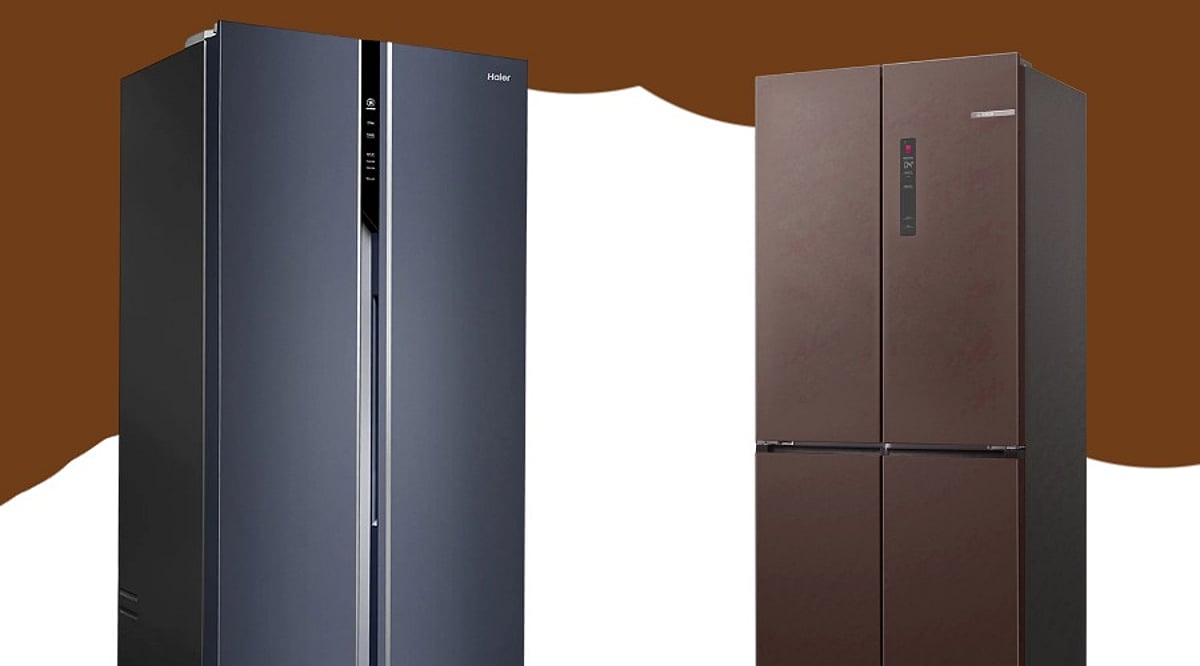
    Haier 325 L 3 Star Frost Free Triple Inverter Bottom Mount Refrigerator

    The Triple Inverter System of this Haier Refrigerator not only ensures efficient cooling but also saves on energy consumption by optimizing the performance of the compressor, fan, and motor. It has its freezer located at the bottom, which provides comfort in use by preventing you from bending. The versatile nature of its storage and frost-free system make it convenient to store your fruits, vegetables, dairy, and frozen items.

    Bosch 302L, 3 Star, MaxFlex Convert Frost Free Triple Door Refrigerator

    Bosch 302 L MaxFlex Refrigerator focuses on intelligent storage and cooling efficiency. Its triple-door layout helps organize different food categories while minimizing cold air loss each time a compartment is opened. The MaxFlex Convert technology helps to modify storage zones according to demand. Supported by an inverter compressor and Multi Airflow cooling system, the refrigerator delivers uniform cooling, better freshness, and lower energy consumption.

    Samsung 350 L, 3 Star, Convertible 5-in-1

    Samsung 350 L Convertible 5-in-1 Refrigerator is built for growing families that require adaptable storage. Its five cooling modes allow users to convert compartments based on food storage requirements, which reduces unnecessary energy consumption. Powered by Samsung’s Digital Inverter Compressor, it maintains stable temperatures. Features such as Power Cool, deodorizing filters, and spacious shelving further improve convenience and food preservation.

    LG 650 L, 3 Star, Smart Inverter Compressor, Convertible

    LG Refrigerator is equipped with the Smart Inverter Compressor, which optimizes cooling according to internal load while minimizing power usage. The convertible functionality offers flexible storage during festivals or family gatherings, and the large side-by-side design provides generous space.

    Maintenance Tips for Better Energy Efficiency

    Maintenance is key in ensuring that convertible refrigerators operate optimally while maintaining low energy costs. This can be achieved through the frequent cleaning of the condenser coils, proper venting of the appliance and checking of the door gaskets to ensure proper seals. It is advised not to put heated foods into the refrigerator since this will make the compressor work harder. Another tip would be filling the refrigerator with food and setting its temperature correctly.

    Final Thoughts

    Convertible refrigerators have transformed into effective appliances that are flexible, power-saving, and incorporate modern cooling technology. From a mini fridge that is suitable for small families to side-by-side fridge models which are ideal for bigger families, present-day refrigerators offer adaptability and save power usage. With proper selection, users will be able to benefit from their conveniences, save on electricity bills, and enjoy food storage all year round.

    FAQs

    What is a convertible refrigerator?

    A convertible refrigerator allows users to switch the freezer compartment into additional refrigerator space whenever required. This flexibility makes it easier to accommodate seasonal groceries, large food orders, or special occasions while maximizing storage without purchasing a larger appliance.

    Are convertible refrigerators more energy efficient?

    Yes. Most convertible refrigerators feature inverter compressor technology that automatically adjusts cooling according to usage and internal temperature. This reduces unnecessary compressor operation, lowers electricity consumption, minimizes noise, and helps maintain consistent cooling throughout the refrigerator.

    Which refrigerator brand offers the best convertible technology?

    Leading brands such as Samsung, LG, Bosch, and Haier offer excellent convertible refrigerator models. Each brand provides unique technologies, including Digital Inverter Compressors, Smart Inverter systems, Triple Inverter technology, and Multi Airflow cooling to improve energy efficiency and food preservation.

    Is a 3-Star convertible refrigerator a good choice?

    A 3-Star refrigerator offers a good balance between purchase price and energy efficiency. While 5-Star models generally consume less electricity, many modern 3-Star inverter refrigerators provide excellent cooling performance, making them suitable for households seeking value and lower upfront costs.

    How does an inverter compressor save electricity?

    Unlike conventional compressors that frequently switch on and off, inverter compressors continuously adjust their operating speed based on cooling demand. This reduces power consumption, minimizes temperature fluctuations, extends compressor life, and provides quieter operation throughout the day.

  • Top Auto-Clean Kitchen Chimneys for Indian Homes: 2026 Buying Guide

    Top Auto-Clean Kitchen Chimneys for Indian Homes: 2026 Buying Guide

    Auto-clean kitchen chimneys simplify maintenance by reducing grease buildup and maintaining consistent suction performance. This guide compares leading models based on motor technology, suction power, and filter design. It also highlights the features that matter most for efficient ventilation in Indian kitchens.

    How Auto Clean Technology Actually Works

    Filterless chimneys use centrifugal separation instead of a conventional grease filter. Incoming air spins fast enough that oil particles fling outward against the housing rather than passing through a mesh. A sealed motor keeps oil and water vapor away from the internal blower, while separated grease drains into a removable tray. Pressing the auto clean button activates a heating element that liquefies any built-up residue so it drains fully, cutting manual cleaning from a weekly task to an occasional one.

    A second category, baffle-filter auto clean, keeps a conventional curved steel filter in place but adds an oil collector tray to catch drained residue. It reduces hand-cleaning frequency without removing the filter altogether.

    Suction power matters alongside the mechanism. A rough guide: multiply kitchen length, width, and height in meters and then by ten to estimate the minimum m³/hr needed. Most Indian modular kitchens need 1000 to 1400 m³/hr. Chimney width should match stove size. A 60 cm chimney suits 2- to 4-burner cooktops, and a 90 cm chimney suits 4- to 5-burner setups. A BLDC motor typically consumes less power and runs quieter than a standard induction motor. It is worth paying extra for if budget allows, though higher suction generally brings more noise regardless of motor type. Duct diameter and the number of bends in the exhaust pipe affect real-world performance too. A shorter, straighter duct run keeps suction closer to the rated figure.

    Elica WDFL 600 BLDC: Best Overall

    This 60cm filterless chimney delivers 1500 m³/hr suction from a BLDC motor rated at roughly 80W annual energy consumption. Well below the 140 to 250W draw of standard motors in this category. Touch and motion sensor control lets a cook cycle through speeds without touching the panel, useful with oily hands. The warranty runs 15 years on the motor and 5 years comprehensively, the strongest terms checked here. Pricing sits close to ₹16,000, though this needs confirming at checkout.

    Glen 6058 BL: Best Value

    A filterless, heat-auto-clean chimney with 1200 m³/hr suction and a 150 to 180W motor, backed by a 7-year motor warranty. Touch controls with motion sensors cover the basics without a BLDC premium attached. The trade-off is real price movement. Listed prices for this exact model ranged from roughly ₹11,500 to ₹14,900 across different sellers during verification, so checking multiple listings before buying is worth the extra time.

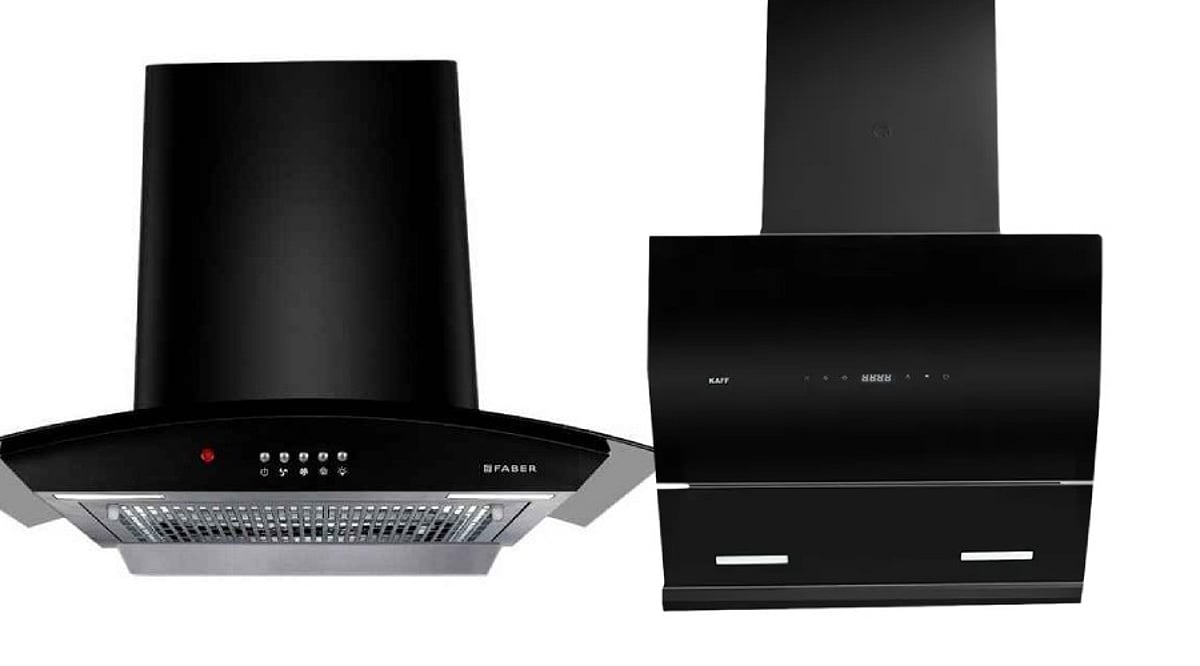
    Faber Hood Crest Plus: Best Brand Trust

    A filterless, heat-auto-clean chimney rated at 1200 m³/hr on a 180W motor from a company with a long-established Indian service network built over decades in the category. The warranty runs 5 years on the motor and 1 year on the product, shorter than Elica’s terms. Starting prices across Faber’s comparable filterless auto clean range begin near ₹10,990.

    Wonderchef Ultima: Best Baffle Filter Auto Clean

    This pick works differently from the rest. It keeps a stainless steel baffle filter in place rather than going filterless, pairing it with an oil collector tray for auto-clean drainage. A 140W motor delivers 1200 m³/hr suction with a metal motor housing for lower noise. Touch controls with a 3-speed motion sensor and a 7-year motor warranty plus a 1-year comprehensive product warranty. Worth considering for buyers who prefer a physical filter as backup rather than relying on centrifugal separation alone.

    Buying Mistakes to Avoid

    Choosing a 60 cm chimney over a 3- to 4-burner stove leaves the outer burners uncovered. Assuming a filterless design works without proper external ducting cuts its effectiveness fast, since these units depend on ducted venting rather than recirculation. Comparing suction figures alone while ignoring motor wattage misses the real running cost gap between a BLDC unit and a standard one.

    Final Thought

    Auto clean solves the maintenance problem an Indian kitchen creates daily, but the mechanism matters as much as the label. Duct length and bends decide whether the rated suction actually shows up in the kitchen.

    Frequently Asked Questions

    1. What is an auto clean kitchen chimney?

    An auto clean kitchen chimney uses a heating element to melt accumulated grease, which then drains into a removable oil collector. This reduces manual cleaning and helps maintain consistent suction performance over time.

    2. Is a filterless chimney better than a traditional filter chimney?

    Filterless chimneys are generally better suited for Indian kitchens because they use centrifugal technology to separate grease without mesh filters. This reduces maintenance while maintaining efficient airflow during regular cooking.

    3. What suction power is ideal for an Indian kitchen?

    For most Indian households, a chimney with 1,000 to 1,400 m³/hr suction is suitable. Homes with heavy frying, grilling, or multiple burners may benefit from models offering up to 1,500 m³/hr suction.

    4. Are BLDC motor kitchen chimneys worth buying?

    Yes. BLDC motor chimneys are typically more energy-efficient, quieter, and longer-lasting than conventional motor models. They are a good choice for households looking for lower power consumption and improved performance.

    5. How often should I clean an auto clean kitchen chimney?

    Even with auto clean technology, you should empty the oil collector regularly and wipe the exterior surfaces to prevent grease buildup. Periodic inspection of the duct and ventilation system also helps maintain optimal performance.

  • Dual Inverter vs Single Inverter AC: Which Model Delivers Better Energy Savings in 2026?

    Dual Inverter vs Single Inverter AC: Which Model Delivers Better Energy Savings in 2026?

    Choosing a new air conditioner can be challenging, as manufacturers promote several technologies and efficiency features. Two of the most common names you will see are Single Inverter AC and Dual Inverter AC. Many people think a dual inverter AC always uses much less electricity, but that is not completely true. The real answer depends on more than one factor.

    If you compare two ACs with the same cooling capacity, such as 1.5 Ton, a dual inverter model usually uses a little less electricity than a single inverter model. However, the BEE star rating and ISEER value matter even more. A 5-Star single inverter AC with a higher ISEER can use less electricity than a 3-Star dual inverter AC. So, one should never choose an AC only because the product is marketed as a Dual Inverter model.

    What is a Single Inverter AC?

    A single inverter AC has one rotary compressor. This compressor changes its speed based on the room temperature. When the room becomes cool, the compressor slows down instead of stopping completely. When the temperature rises again, it speeds up. This system helps the AC avoid constant on and off cycles. As a result, the AC uses less electricity than a normal fixed-speed AC. It also keeps the room temperature more stable and reduces pressure on the compressor.

    What is a Dual Inverter AC?

    A dual inverter AC comes with a twin rotary compressor instead of a single rotary compressor. Some brands also call it a Dual Rotary compressor. The basic idea stays the same. The compressor changes its speed based on the cooling demand, but the twin rotary design allows smoother operation. The second rotary cylinder helps the compressor work more efficiently across different speeds. It also reduces vibration and noise. Because of this design, the AC cools the room faster and maintains the desired temperature with less effort. The advantages of dual inverter technology become more noticeable during extended daily operation, where smoother compressor performance can improve efficiency, reduce noise, and maintain more consistent cooling.

    Which One Uses Less Electricity?

    If buyers compare the dual inverter vs. single inverter AC based on their tonnage and average BEE star rating, it is observed that the dual inverter AC consumes roughly 5% to 10% less energy than the single inverter variant. The reason behind the energy efficiency of the dual inverter AC is because of the twin rotary compressor, which operates quite efficiently under low working conditions. However, that doesn’t make all the models of dual inverter AC superior to the single inverter AC models. For example, a single inverter AC that has a 5-Star energy rating and ISEER of 5.3 may consume fewer units of energy as compared to a dual inverter AC that has a 3-Star energy rating and an ISEER of 4.2. Thus, this example makes it clear that energy ratings are more significant than the type of compressor.

    Why Does a Dual Inverter Save More Power?

    The twin rotary compressor allows smoother movement inside the AC. It keeps the compressor stable and helps it run at lower speeds without extra effort. This design also reduces vibration and friction. Since the compressor does not need sudden speed changes, it avoids unnecessary power use during long cooling sessions. These small improvements add up over time. They become more noticeable when the AC runs for many hours every day.

    Real Electricity Consumption Example

    Consider two 1.5 Ton ACs with similar cooling capacities operating under identical conditions during one cooling season. If each unit runs for approximately eight hours per day, a typical single inverter AC may consume around 850 kWh of electricity over the season. Under the same conditions, a comparable dual inverter model may consume between 780 and 810 kWh. This translates to an estimated saving of 40–70 kWh, although the actual difference varies depending on the BEE star rating, ISEER value, thermostat setting, room insulation, and outdoor temperature.

    Other Benefits of a Dual Inverter AC

    A dual inverter AC typically delivers faster cooling after startup. The twin rotary compressor is designed for smoother operation, which helps reduce noise and vibration. This results in quieter performance and improved comfort during extended use. Many customers also notice better temperature control because the compressor adjusts its speed more smoothly. These features improve comfort, especially during long summer days and nights.

    Which AC Should One Buy in 2026?

    Daily usage should guide the decision. Households that use an AC for six to ten hours every day or keep it running throughout the night may benefit more from a dual inverter AC. The small reduction in electricity use can add up over several years, while quieter operation and faster cooling make daily use more comfortable. For households that use an AC for only two to four hours each day, a single inverter AC can offer better value for money. Comparing the BEE star rating and ISEER value before compressor technology is recommended, as a high-efficiency single inverter AC often proves to be a smarter purchase than a lower-rated dual inverter model.

    Final Verdict

    A dual inverter air conditioning system is generally more energy-efficient than a single inverter system, as it uses a dual rotary compressor that operates more efficiently during prolonged cooling periods. In most instances, its efficiency gains are not excessively great, as one should only expect savings of about 5% to 10% when all other criteria are the same. Buyers looking for an economical AC in 2026 should begin by comparing the BEE star rating and ISEER value of the models under consideration. The compressor type should be evaluated afterward. When two models have the same energy ratings, a dual inverter AC typically offers advantages such as quieter operation and faster cooling. However, if a single inverter AC has a significantly higher ISEER value, it may be the better choice for overall energy efficiency.

    FAQs

    1. Does a dual inverter AC always consume less electricity?
    No. A higher-rated single inverter AC with a better ISEER can consume less electricity than a lower-rated dual inverter model.

    2. How much electricity can a dual inverter AC save?
    Under similar conditions, it can save around 5% to 10% more electricity than a comparable single inverter AC.

    3. What should I check before buying an AC in 2026?
    First compare the BEE Star Rating and ISEER value, then consider whether it uses a single or dual inverter compressor.

    4. Is a dual inverter AC worth the extra cost?
    Yes, if you use your AC for 6–10 hours daily or overnight. The energy savings, quieter operation, and faster cooling can justify the higher price.

    5. Besides saving electricity, what are the benefits of a dual inverter AC?
    It offers faster cooling, quieter operation, lower vibration, smoother temperature control, and improved comfort during extended use.

  • Best Samsung Double Door Refrigerators in India: 256L, 301L & 350L Models Compared for 2026

    Best Samsung Double Door Refrigerators in India: 256L, 301L & 350L Models Compared for 2026

    Samsung’s double-door refrigerator lineup offers options for every household, from compact models to smart, connected units. This comparison covers three popular models: the 256L Convertible, the 301L Convertible, and the 350L Bespoke AI. Prices range from Rs. 32,690 to Rs. 45,990, and all feature frost-free cooling and Digital Inverter compressors. However, they differ significantly in storage capacity, energy efficiency, and smart features.

    Samsung 350 L Bespoke AI (RT38HG5A23S8HL)

    Priced at Rs. 45,990, this 350-liter refrigerator includes a spacious 75-liter freezer, ideal for families of four or five. Its standout feature is energy efficiency: a 3-star BEE rating with annual consumption of 212 kWh. The 5-in-1 convertible system lets you adjust freezer and refrigerator compartments as needed. Wi-Fi connectivity and Samsung SmartThings AI Energy Mode enable remote monitoring and energy management. It operates without a stabilizer (100-300V) and comes with a 10-year warranty on the Digital Inverter compressor. Overall score: 9.3. However, it is the most expensive option, and some reviews mention transit dents.

    Buy Now

    Samsung 256 L Convertible (RT40H30U3FHL) – Best Value for Money

    At around Rs. 32,690, this 256-liter model (53-liter freezer) is the most balanced choice for smaller households of two to four people. It also has a 3-star energy rating (202 kWh/year). Its convertible functionality allows you to turn freezer space into extra refrigerator storage. With over 6,600 ratings, users praise its quiet operation and fast mode switching. Overall score: 9.2. The main limitation is storage capacity for larger families, and it lacks an external control display.

    Buy Now

    Samsung 301 L Convertible (RT31H4522S9/HL) – Best for Flexible Storage

    Priced at Rs. 36,990, this mid-range model offers 301 liters of storage with a generous 72-liter freezer. Its key selling point is the 5-in-1 convertible system with independent compartment controls and an external display, providing flexibility for frozen food, fresh produce, or beverages. However, it has only a 2-star energy rating (237 kWh/year) and lacks AI and Wi-Fi capabilities.

    Buy Now

    Which One Should You Buy?

    For larger families needing extra storage and smart features, the 350-liter Bespoke AI is the best choice. The 256-liter model is the most cost-effective, efficient, and reliable option for smaller households. The 301-liter model appeals to buyers who prioritize convertible versatility and an exterior display.

    Frequently Asked Questions

    1. Which Samsung double door fridge is the best overall?

    The Samsung 350 L Bespoke AI is the strongest overall option, combining large storage, a 75-liter freezer, 3-star efficiency, 5-in-1 convertible modes, Wi-Fi, and SmartThings AI Energy Mode. It suits families of four or five.

    2. Which Samsung refrigerator offers the best value for money?

    The Samsung 256 L Convertible offers the best balance of affordability and performance at around Rs. 32,690. Its 3-star rating, 202 kWh annual consumption, quiet operation, and convertible storage make it ideal for two to four people.

    3. Is the Samsung 301 L refrigerator energy efficient?

    No, it has a 2-star rating and consumes about 237 kWh per year. It is less efficient than the two 3-star models, but it offers a larger 72-liter freezer, flexible compartment controls, and an external display.

    4. What does a 5-in-1 convertible refrigerator do?

    It allows users to adjust how the freezer and fresh-food compartments operate. Depending on the model, the freezer can be converted into extra refrigerator space, or individual compartments can be switched off to match changing storage needs.

    5. Which Samsung fridge is suitable for a large family?

    The 350-liter Samsung Bespoke AI is the best choice for larger or growing families, thanks to its high capacity, spacious freezer, efficient power consumption, tall-bottle storage, and smart monitoring features.

  • AC vs. Dehumidifier: Which Appliance Works Best During Monsoon Season?

    AC vs. Dehumidifier: Which Appliance Works Best During Monsoon Season?

    Monsoon brings cool weather but also sticky air, damp walls, and musty smells. If your home feels humid, choosing the right appliance matters. While both an AC and a dehumidifier reduce moisture, they work differently and suit different situations.

    An air conditioner removes moisture as it cools the room. A dehumidifier does one job—extracting excess water from the air while keeping the room at nearly the same temperature. That’s why it’s more effective for humidity control alone.

    Choose a dehumidifier if your home has damp walls, mold, mildew, musty odors, or clothes that take too long to dry. It keeps indoor humidity in the ideal range without making the room uncomfortably cold and usually uses less electricity than an AC.

    Use your AC, especially Dry Mode, when the weather is both hot and humid. It cools the room while removing some moisture, making it the better option during hot summer or humid monsoon afternoons.

    A dehumidifier is usually cheaper to run because it consumes less power than an air conditioner. It also helps prevent mold growth, reduces damp smells, protects furniture, and speeds up indoor clothes drying during rainy days.

    If your home feels extremely damp, using both appliances together can give the best results. Let the AC cool the room while the dehumidifier removes excess moisture, creating a more comfortable and healthier indoor environment.

    Final verdict: If your home is humid but not hot, buy a dehumidifier. If it’s hot and humid, use an AC with Dry Mode. For severe monsoon dampness, combining both appliances offers the best comfort and moisture control.

  • Essential Factors to Consider When Buying an Air Purifier

    Essential Factors to Consider When Buying an Air Purifier

    Choosing the right air purifier can significantly improve indoor air quality, but with so many options on the market, it’s important to focus on key features that match your needs. Here’s a comprehensive guide to help you make an informed decision.

    HEPA Filter Quality

    A true HEPA filter is non-negotiable for effective air purification. It captures up to 99.97% of airborne particles as small as 0.3 microns, including dust, pollen, pet dander, mold spores, and common allergens. This makes it the most critical component for reducing respiratory irritants and improving overall air quality.

    Room Coverage

    Always match the purifier’s coverage area to your room size. An undersized unit will struggle to clean the air efficiently, while an oversized model may waste energy. Look for the Clean Air Delivery Rate (CADR) rating, which indicates how quickly the purifier can filter air in a given space — essential for bedrooms, living rooms, or offices.

    Filter Replacement Cost

    Air purifiers require ongoing filter changes, so factor in the cost and availability of replacement filters. Some models need new filters every six months, while others last longer. Choosing a purifier with affordable, widely available filters helps keep long-term maintenance costs manageable.

    Noise Levels

    If you plan to run the purifier while sleeping or working, noise level is crucial. Many modern purifiers offer low-noise or sleep modes that operate quietly, ensuring continuous purification without disturbing rest, concentration, or conversations. This is especially important for bedrooms, study rooms, and home offices.

    Energy Efficiency

    Since air purifiers often run for many hours each day, energy-efficient models can reduce electricity bills. Look for energy-saving certifications and low power consumption ratings, which allow you to maintain clean air without excessive utility costs, especially if the appliance runs continuously.

    Smart Features

    Modern air purifiers increasingly include Wi-Fi connectivity, mobile app controls, real-time air quality sensors, and automatic fan speed adjustments. These conveniences let you monitor indoor air quality remotely and optimize performance with minimal manual intervention.

    Maintenance and Build Quality

    Durable construction, easy-to-clean pre-filters, and simple filter replacement mechanisms extend the product’s lifespan. Reliable build quality ensures consistent performance and cleaner indoor air for years, making it a worthwhile long-term investment.

    By evaluating these factors carefully, you can select an air purifier that best fits your home, lifestyle, and budget.

  • Best Smart Water Purifier Deals This Weekend: Urban Company, Aquaguard & More

    Best Smart Water Purifier Deals This Weekend: Urban Company, Aquaguard & More

    Smart water purifiers now combine advanced RO, UV, and UF purification with features such as longer filter life, copper enrichment, lower maintenance, and extended warranty support. Weekend sales bring competitive pricing, bank offers, free installation, and service benefits across popular Urban Company Native and Aquaguard models. Choosing the right purifier depends on water source, purification technology, servicing costs, and long-term ownership value rather than the discount alone.

    A water purifier can look affordable today and become expensive within a year. That is why this weekend’s best deals are not just about price cuts. Urban Company and Aquaguard offer models that combine strong discounts with lower ownership costs. The five models below are live on major platforms right now, checked against multiple listings rather than a single source. Prices on these sale windows move often, sometimes within the same day, so a quick confirmation at checkout is worth the extra minute before adding anything to the cart.

    This Weekend’s Deal Highlights

    Select Aquaguard models are discounted up to 50 percent against the listed price. Free installation comes included on all five models covered here. Bank card discounts apply on select Amazon and Flipkart listings. Aquaguard’s Sure Delight NXT bundles a free service plan worth. Urban Company’s Native range waives annual maintenance contract fees, the recurring servicing charge most purifiers carry, for two years on every model.

    Urban Company Native M1

    Native M1 pairs a 10-stage RO, UV, and UF stack with copper and alkaline enrichment and carries a two-year zero-service warranty that covers every filter, membrane, and electrical part. The listed price sits close to Rs. 19,000, with current sale pricing around Rs. 13,500 depending on the seller. The real appeal is not the discount alone. It is the two-year no-service window, which removes the AMC cost that quietly eats into savings on cheaper purifiers within a year or two.

    Urban Company Native M2 Pro

    M2 Pro adds touch-based dispensing presets and battery backup on top of the same 10-stage purification and two-year AMC waiver as the M1. Launch pricing was set at Rs. 17,496, with weekend listings running lower on some platforms. This model fits households that want the convenience layer on top of core purification rather than a step up in water quality over the M1, and the battery backup matters most in areas with frequent power cuts.

    Aquaguard Delight Aquasaver RO+UV+UF+MC Tech

    This model runs a 9-stage purification process with a mega sediment pre-filter and delivers 60 percent higher water recovery than conventional RO systems. Higher recovery means less water gets rejected as waste per liter purified, a detail that matters most on tanker or borewell supply where every liter pumped in carries a cost, and the savings add up fast over a full year. Tracker data puts the current price near Rs. 12,500 against a listed price above Rs. 26,000 with a two-year filter-life cycle and two free cleaning services included.

    Aquaguard Sure Delight NXT RO+UV

    The NXT sits at the budget end of Aquaguard’s range, running RO and UV purification with a free service plan worth Rs. 2,000 that covers installation and one maintenance visit in the first year. Reported pricing sits near Rs. 8,000, though this model swings hardest on flash sales, so a live-listing check pays off more here than on the pricier entries above.

    Aquaguard Sure Delight UV+UF 2X

    This is a UV and UF unit without RO, built for municipal water under two hundred ppm TDS, and it should be skipped for borewell or tanker sources where TDS runs higher. It carries a six-stage process and a two-year filter life through its mega-sediment filter add-on. Sale pricing runs between Rs. 9,000 and Rs. 11,000. This is the cheaper option only for buyers on genuinely soft municipal supply, not a stand-in for the RO models above it.

    Comparing the Five

    The table below puts pricing, purification stages, filter life, and service terms side by side, which makes the trade-offs easier to spot than reading five separate entries again.

    Quick Verdict

    • Best Overall: Urban Company Native M1
    • Best Budget: Aquaguard Sure Delight NXT
    • Best for Borewell or Tanker Water: Aquaguard Delight Aquasaver
    • Best for Municipal Water: Aquaguard Sure Delight 2X
    • Best Premium Pick: Urban Company Native M2 Pro

    Final Thoughts

    Purifier prices on these sale windows will keep shifting through the week, and the model that looks cheapest today can trail the field once two years of servicing gets added back in. Checking the filter life and warranty terms against your actual water source is more important than simply looking at the discount percentage. Before focusing on the discount percentage, check the filter life and warranty terms. Doing so separates a good weekend buy from a purifier that costs more over time due to filter replacements and servicing.