Tag: home automation

  • 5 DIY Smart Home Projects You Can Build with a Raspberry Pi

    5 DIY Smart Home Projects You Can Build with a Raspberry Pi

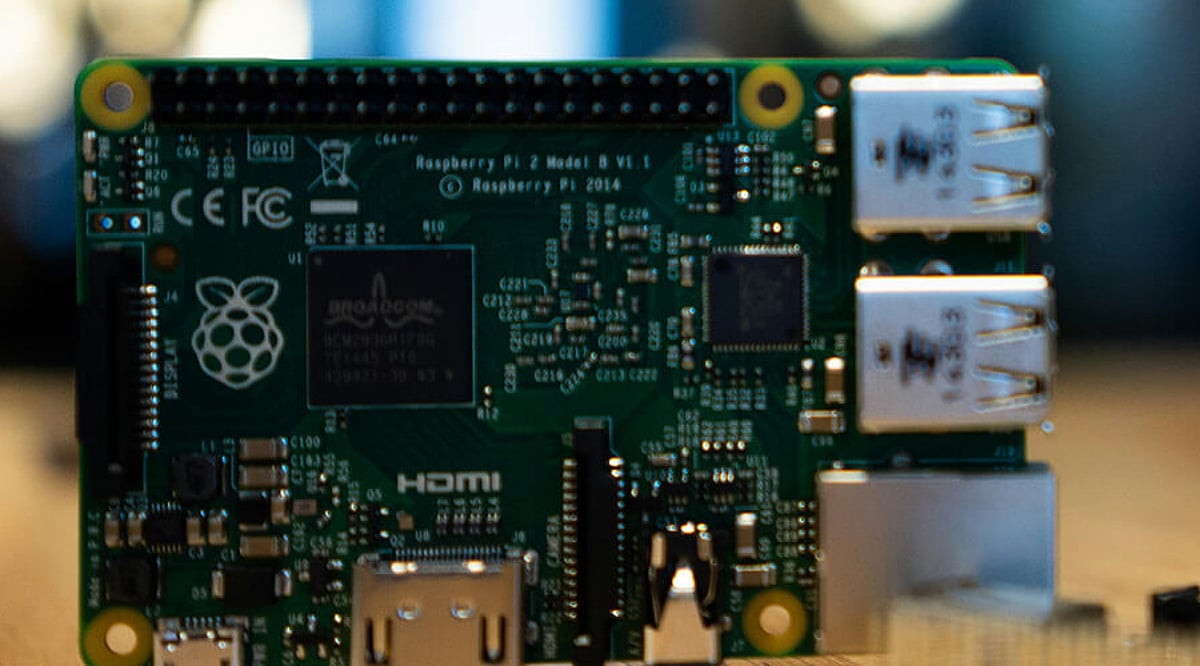
    Raspberry Pi is a compact, affordable computer that can serve as the brain for a wide range of home automation projects. By connecting sensors, switches, cameras, and other devices, you can build systems that monitor conditions and trigger actions automatically. These projects not only make your home smarter but also offer a hands-on way to learn about programming, networking, and the Internet of Things (IoT). Best of all, most can be expanded as you add more devices.

    1. Automated Smart Lighting

    With a Raspberry Pi, you can control lights based on schedules, motion sensors, or voice commands. Motion sensors can turn lights on when someone enters a room, while timers can switch them off automatically. Using appropriate hardware and software, you can create different lighting routines for various rooms. This project provides a practical introduction to automated device control.

    2. Smart Temperature Monitoring

    Connect temperature and humidity sensors to your Raspberry Pi to build a home environment monitoring system. The device can collect readings at regular intervals and display them on a local dashboard. You can also configure alerts when temperatures cross selected thresholds. This project is ideal for monitoring rooms, storage areas, or any space where environmental conditions need regular observation.

    3. DIY Home Security System

    Pair a Raspberry Pi with cameras and motion sensors to create a basic home monitoring system. The setup can capture images or video when movement is detected and store recordings for later review. You can also add notifications to alert you of activity. Remember to implement proper network security and access controls when connecting cameras to the internet.

    4. Smart Doorbell and Alerts

    Build a customized smart doorbell using a button, camera, and speaker connected to a Raspberry Pi. When someone presses the button, the system can capture an image and send an alert to your phone or another device. With the right hardware and software, you can add two-way communication, motion detection, or automated responses to create a more capable setup.

    5. Voice-Controlled Home Devices

    With suitable software and microphones, a Raspberry Pi can become part of a voice-controlled home automation system. You can issue commands to control lights, switches, or other connected devices. This project demonstrates how voice interfaces interact with IoT hardware. Be mindful of privacy settings, especially when using microphones or cloud-based services.

    Bonus: Create a Custom Automation Hub
    Bring multiple projects together by using your Raspberry Pi as a central dashboard or automation platform. Connect sensors, lights, cameras, and switches, then create rules that link different devices. For example, motion detection could trigger lighting automatically. Building a central hub lets you experiment with increasingly complex smart-home routines while retaining full control over your setup.
  • How IoT and Augmented Reality Will Revolutionize Smart Home Living

    How IoT and Augmented Reality Will Revolutionize Smart Home Living

    The next evolution of smart homes is being shaped by two powerful technologies: the Internet of Things (IoT) and Augmented Reality (AR). Together, they promise to make home environments more connected, intuitive, and responsive than ever before.

    IoT as the Backbone of Connectivity

    IoT acts as the nervous system of a smart home, linking devices such as lights, appliances, cameras, locks, and sensors. This network enables seamless data sharing and automated responses—for example, a motion sensor can trigger lights to turn on, or a smart thermostat can adjust temperature based on occupancy.

    AR Brings Controls into Physical Spaces

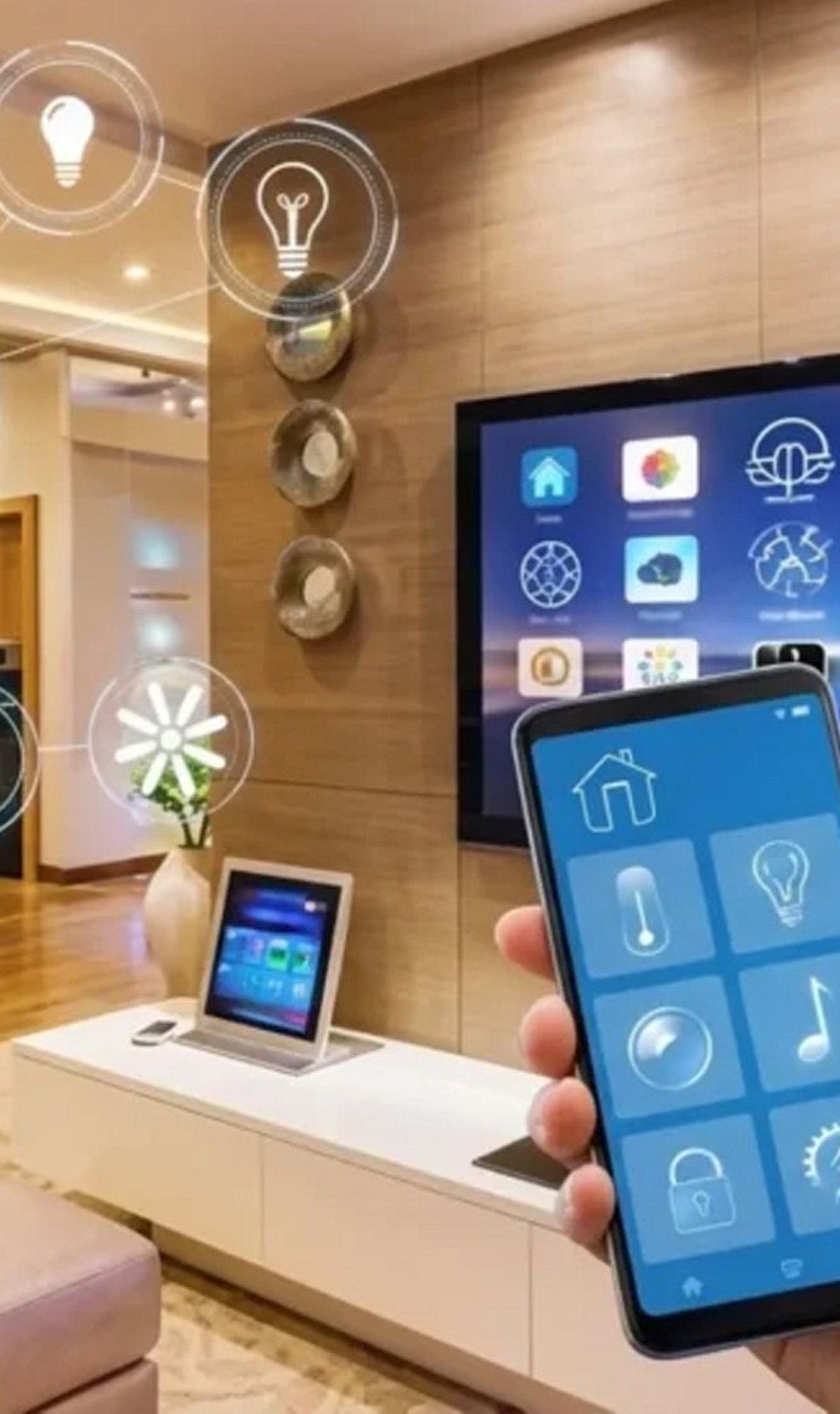
    Augmented Reality overlays virtual controls onto real-world rooms. Homeowners could adjust lighting, temperature, music, and appliances by interacting with visual interfaces that appear naturally within their field of view. This reduces the need for physical switches or separate apps.

    Smarter Automation Through Context Awareness

    Connected sensors learn daily routines and automate tasks without manual input. Lights can dim in the evening, heating can lower when no one is home, and devices can power down during periods of inactivity. This level of intelligence saves energy and increases convenience.

    AR Simplifies Device Setup

    Setting up smart home devices can be intimidating. AR can guide users step by step, superimposing virtual instructions directly onto the physical device. Connection points, configuration steps, and troubleshooting tips appear in real time, making installation accessible to everyone.

    Energy Management Becomes Visual

    IoT sensors monitor energy consumption throughout the home. AR interfaces can then display this data in easy-to-understand visuals, highlight energy-hungry appliances, and suggest improvements. Homeowners can see exactly where savings are possible.

    Interactive Security Monitoring

    Smart cameras and sensors already detect unusual activity. With AR, security alerts can be displayed within the user’s viewing area—for instance, a bright outline of a detected person or a notification overlaid on a smart lock. This makes security more immediate and actionable.

    Personalized Living Spaces Adapt to You

    The combination of IoT and AR can create rooms that automatically adjust lighting, temperature, entertainment, and decor based on individual preferences. Walk into a room and it knows whether you want a bright work space or a cozy movie setting.

    AI Ties Everything Together

    Artificial Intelligence analyzes data from IoT sensors and AR interactions, enabling the smart home to make faster, smarter decisions. AI identifies patterns, predicts needs, and optimizes device behavior without requiring user input.

    The fusion of IoT, AR, and AI is turning smart homes into truly immersive environments where technology feels natural, responsive, and integrated into everyday life. As these technologies mature, the home of the future will be not just connected, but intuitive.

  • Xiaomi Mijia Smart Clothes Dryer 3 Max: A Complete Look at Its Top Smart Features

    Xiaomi Mijia Smart Clothes Dryer 3 Max: A Complete Look at Its Top Smart Features

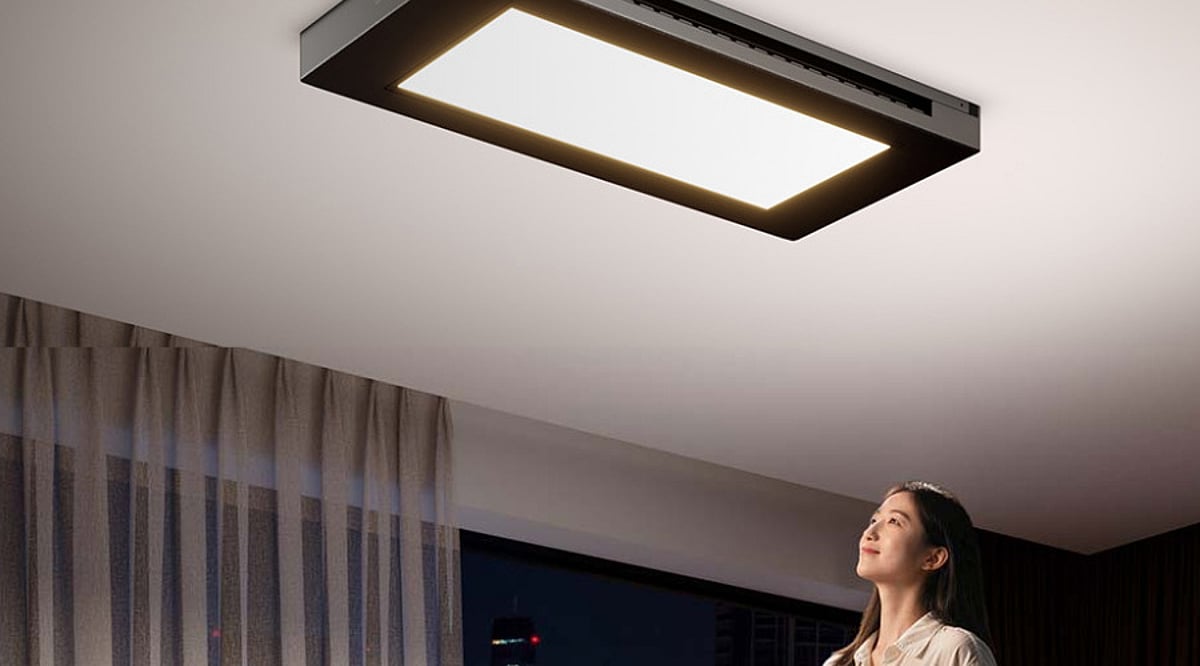
    Xiaomi’s Mijia Smart Clothes Dryer 3 Max transforms a routine household task into a high-tech experience. This ceiling-mounted system combines drying, lighting, and smart controls in one slim unit. It launched for crowdfunding in China at 2,399 yuan, while international availability remains unconfirmed.

    42-Inch Smart Light Panel

    The dryer doubles as a large ceiling light with a 42-inch integrated panel. Its colour temperature can be adjusted from 2,700K to 5,700K to suit different environments. Xiaomi also lists Ra95 colour rendering and RG0 certification, while presence sensing can automatically adjust the lighting.

    1,250W Hot-Air Drying

    Fast drying is one of the headline features of the Mijia 3 Max. Its 770mm air outlet delivers 1,250W of hot air, alongside a 10W natural airflow system. The design speeds up drying while keeping clothes arranged neatly overhead.

    Plasma-Based Sterilisation

    The system goes beyond simply blowing warm air onto clothes. It combines a drying net rated for 99% antibacterial effectiveness with plasma-release technology. Xiaomi positions this as a dual-effect sterilisation setup, adding a hygiene-focused layer to the dryer’s everyday laundry functions.

    Massive 45kg Load Capacity

    Heavy laundry is not a problem for this ceiling-mounted system. Xiaomi says the dryer can handle up to 45kg, while its 2.4-metre telescopic pole creates five hanging zones. It can accommodate around 80 pieces of clothing or two quilts simultaneously.

    Smart App Controls

    Users do not have to operate every function manually. The dryer can be controlled through a smartphone app, including its lifting height and timing. Scheduling also allows the rack to move down during the day and return upward automatically, making the system easier to manage.

    Slim Ceiling-Friendly Design

    Despite packing several functions into one appliance, the main body is only about 9cm thick. Its ceiling-mounted design keeps the drying system above the living space instead of occupying valuable floor area. That makes it particularly interesting for compact homes where every square metre matters.

    With its blend of drying power, integrated lighting, and smart automation, the Xiaomi Mijia Smart Clothes Dryer 3 Max represents a futuristic approach to home laundry.

  • Top Smart Plugs for Home Automation in 2026: Reviews and Buying Guide

    Top Smart Plugs for Home Automation in 2026: Reviews and Buying Guide

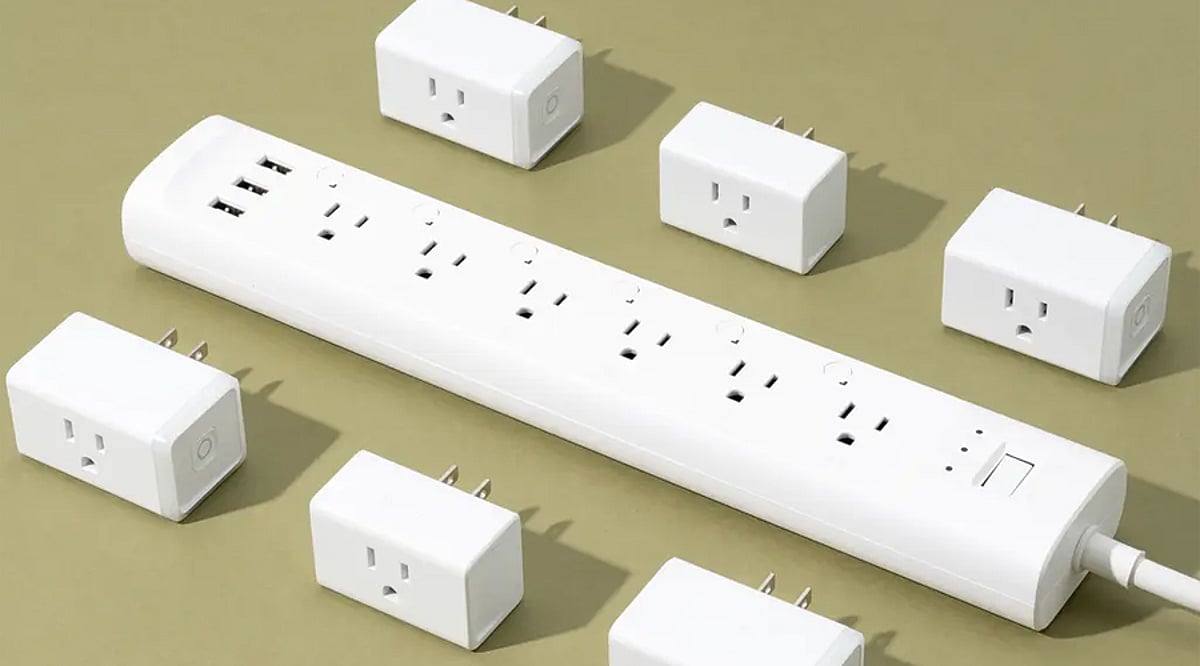
    Smart plugs are one of the easiest and most affordable ways to start automating your home. Whether you want to control lamps, fans, or outdoor lights, the right smart plug can save energy and add convenience. Here are the best smart plugs for 2026, covering a range of ecosystems and budgets.

    TP-Link Kasa KP125M (Matter)

    This Matter-certified plug offers energy monitoring and works with HomeKit, Alexa, and Google. The Kasa app shows live watts, daily/monthly totals, and cost estimates, making it ideal for tracking energy usage.

    Amazon Smart Plug

    The simplest option for Alexa users: plug-and-play pairing, a compact design, and reliable voice response. Perfect for Echo households that want easy scheduling and routines.

    TP-Link Tapo P125M (Matter)

    A beginner-friendly Matter plug that works with Apple Home, Alexa, Google, and SmartThings. Its compact body requires no hub and offers strong reliability across multiple ecosystems.

    Kasa HS103P4 (4-Pack)

    Best value 4-pack with robust Wi-Fi, a polished Kasa app, and support for Alexa and Google. Great for automating lamps, fans, and small appliances room by room.

    Eve Energy (Matter/Thread)

    A premium HomeKit-focused plug with Thread technology. Features include energy monitoring, schedules, and Away mode. Seamless Apple Home integration for iPhone-centric smart homes.

    Govee Smart Plug (4-Pack)

    A budget-friendly 4-pack with Wi-Fi and Bluetooth, Alexa and Google support, and ETL certification. A good entry option for testing automation across multiple outlets.

    Kasa Outdoor Smart Plug EP40

    Weather-resistant dual-outlet plug with independent control, schedules, and voice commands. Perfect for garden lights, pumps, and festive outdoor decorations.

    Whether you’re building a full smart home or just starting out, these smart plugs offer reliable performance, broad compatibility, and useful features for 2026.

  • Smart Home Security: How Video Doorbells Are Revolutionizing Safety and Convenience

    Smart Home Security: How Video Doorbells Are Revolutionizing Safety and Convenience

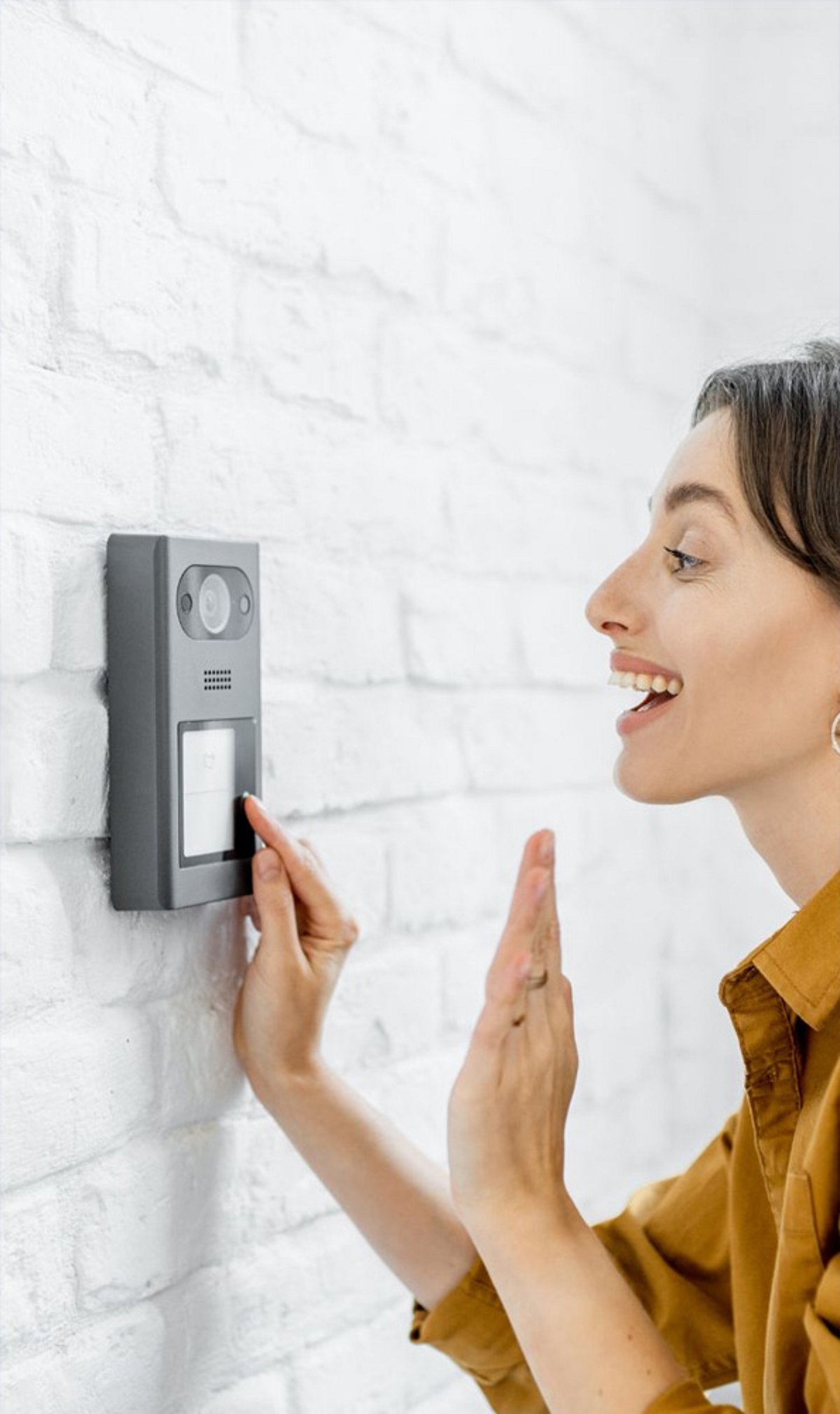
    Video doorbells have transformed the way homeowners monitor their entrances, offering a blend of convenience, awareness, and security. By providing an instant view of your doorstep, these devices let you see who is outside without opening the door, enhancing everyday safety.

    With remote access via smartphone, you can check your home from anywhere, making it easier to stay connected while traveling. Motion detection alerts you to activity near your door, whether it’s a visitor, a delivery, or unexpected movement, keeping you informed in real time.

    Two-way audio allows you to speak with visitors through your phone, even when you’re not at home. Night vision ensures clear footage even in low-light conditions, improving visibility when outdoor lighting is limited. Video doorbells also help track deliveries, providing footage that reduces uncertainty about packages left outside.

    Many models store recorded footage, giving homeowners valuable evidence for investigating suspicious activity. Modern video doorbells can integrate with smart home systems, enabling compatible devices to work together and simplify everyday security tasks. Ultimately, with alerts, live video, audio, and recording features, video doorbells offer a straightforward way to improve home security.

  • Smart Plugs: The Hidden Drawbacks You Need to Know Before Buying

    Smart Plugs: The Hidden Drawbacks You Need to Know Before Buying

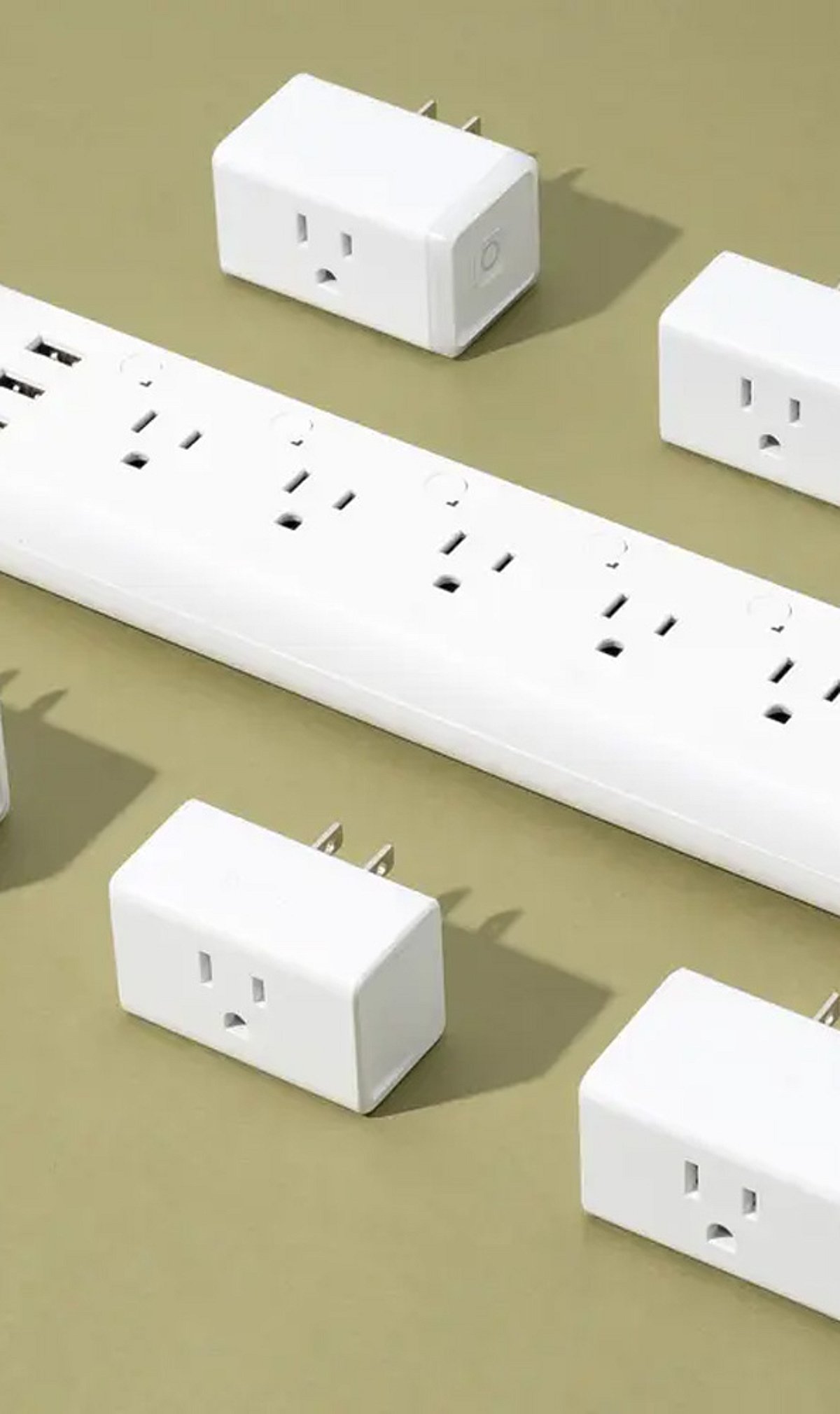
    Smart plugs have become a popular entry point into home automation, allowing users to turn ordinary appliances into connected devices. With a simple app or voice command, you can control lights, fans, and other gadgets remotely, schedule them to turn on or off, and even monitor energy usage. However, beneath the convenience lie several hidden drawbacks that every potential buyer should consider.

    Convenience at Your Fingertips

    The primary appeal of smart plugs is remote control and scheduling. Whether you’re at work or on vacation, you can switch devices on or off, create routines, and automate lights to simulate occupancy. Energy-monitoring models go a step further, showing how much electricity each appliance consumes, helping you identify power-hungry devices and reduce unnecessary standby waste.

    The Hidden Costs: Standby Power and Security Risks

    Smart plugs are not completely energy-free. They continuously draw electricity to maintain a Wi-Fi connection, typically consuming 1–2 watts in standby mode. While small, this adds up over multiple plugs and years of use. More concerning are security and privacy risks. Poorly secured or outdated smart plugs can become an entry point for hackers into your home network, and the associated apps may collect and share usage data without clear consent.

    Dependence on Internet and Compatibility Issues

    Smart plugs rely heavily on a stable internet connection. Weak Wi-Fi, cloud outages, app failures, or firmware bugs can delay commands or render features unavailable. Compatibility is another factor: smart plugs work best with appliances that have physical on/off switches. High-power devices like space heaters or air conditioners may exceed the plug’s current rating, posing a fire hazard. Additionally, many smart plugs are bulky and can block adjacent wall outlets.

    Tips for Safer and Smarter Use

    To minimize risks, choose reputable brands, keep firmware updated, and consider local-control options such as Matter or Thread that reduce cloud dependence. Always check the plug’s load rating before connecting high-power appliances. Also, review the plug’s size, supported ecosystem, and privacy policy before purchasing.

  • Top 10 Smart Home Devices to Simplify Your Daily Routine in 2026

    Top 10 Smart Home Devices to Simplify Your Daily Routine in 2026

    The evolution of smart home technology continues to transform how we manage our households. In 2026, a new wave of intelligent gadgets is designed to automate chores, enhance security, and optimize energy usage, freeing up time for what truly matters. Here are ten standout devices that are making everyday life significantly easier.

    1. AI Smart Display

    Acting as the central hub of the modern smart home, an AI-powered smart display controls connected devices, shows your schedule, streams entertainment, answers voice queries, and keeps the whole family organized from one convenient screen.

    2. Robot Vacuum and Mop

    These autonomous cleaners now map your floor plan with precision, avoid obstacles, and seamlessly switch between vacuuming and mopping. Your floors stay spotless with almost no effort on your part.

    3. Smart Thermostat

    By learning your daily routines and preferences, a smart thermostat adjusts heating and cooling automatically. It reduces energy waste and maintains a comfortable indoor climate year-round.

    4. Smart Video Doorbell

    See who is at your door from anywhere via live video feeds. Motion alerts, package detection, and two-way audio boost security and convenience, even when you are away.

    5. Smart Air Purifier

    Indoor air quality monitors detect pollutants and adjust purification levels in real time. Companion apps provide insights and alerts, ensuring you breathe cleaner air at home.

    6. Smart Lighting System

    Automate your lights to match your schedule, control them with voice commands, and change colors to set the mood. Smart lighting saves electricity and personalizes every room.

    7. Smart Kitchen Assistant

    From suggesting recipes and setting timers to managing grocery lists and integrating with other appliances, a smart kitchen assistant streamlines meal prep and cooking.

    8. Smart Leak Detector

    Place these sensors near sinks, water heaters, and basements to get instant alerts on your phone if a leak occurs. Early detection prevents costly water damage and plumbing emergencies.

    9. Smart Security Camera

    AI-powered person detection, night vision, and cloud recording provide round-the-clock surveillance. Instant notifications keep you informed of any activity around your property.

    10. Smart Lock

    Although not explicitly listed in the original article, a smart lock is a natural complement to a smart home ecosystem. It allows keyless entry, temporary access codes for guests, and remote locking—adding both convenience and peace of mind.

    Investing in these gadgets can significantly enhance your home’s efficiency, security, and comfort. As the Internet of Things expands, expect even more innovative devices to simplify daily life in 2026 and beyond.

  • Top 10 Apple Devices to Transform Your Home into a Smart Haven

    Top 10 Apple Devices to Transform Your Home into a Smart Haven

    Building a smarter, more connected home doesn’t have to be complicated, especially if you’re already in the Apple ecosystem. From the powerful HomePod 2 to the compact AirTag, Apple offers a range of devices that seamlessly integrate to automate your living space. Here are 10 essential Apple gadgets that can help you create a truly intelligent home.

    1. HomePod 2 – Apple’s flagship smart speaker delivers room-filling audio, Siri voice control, and acts as a central smart home hub.
    2. HomePod Mini – A compact speaker offering smart automation, intercom functionality, music playback, and seamless integration with Apple Home accessories.
    3. Apple TV 4K – Serves as both an entertainment device and a HomeKit hub, allowing you to control compatible smart home products remotely.
    4. iPhone – The primary controller for Apple Home, enabling you to automate, monitor, and manage connected devices from anywhere.
    5. iPad – Offers a larger interface for managing HomeKit accessories, viewing security cameras, and controlling automation routines effortlessly.
    6. Apple Watch – Lets you unlock doors, control lights, adjust thermostats, and receive smart home alerts directly from your wrist.
    7. AirTag – Helps locate frequently misplaced belongings and integrates with Apple’s Find My network for accurate item tracking.
    8. HomeKit Secure Video Cameras – Compatible cameras provide encrypted video storage, facial recognition, and secure monitoring through Apple Home.
    9. Smart Door Locks – HomeKit-enabled locks allow secure keyless entry, remote access, and automation with other Apple smart home devices.

    By combining these devices, you can create a cohesive smart home experience that’s both powerful and easy to use. Whether you’re just starting out or looking to expand your setup, Apple’s ecosystem has everything you need for a more connected lifestyle.

  • Best Music-Syncing Smart Lights Compatible with Alexa and Google Assistant

    Best Music-Syncing Smart Lights Compatible with Alexa and Google Assistant

    Transform every beat into a colorful light show with these top smart lights that work seamlessly with Alexa and Google Assistant. Whether you’re hosting a party or just want to enhance your listening experience, these devices bring your music to life.

    Philips Hue Play Light Bars

    Premium ambient lights that sync with music, movies, and games for an immersive entertainment experience. These bars are perfect for creating dynamic lighting behind your TV or monitor.

    Govee RGBIC Smart LED Strip

    Dynamic RGBIC technology displays multiple colors at once while syncing perfectly with your favorite playlists. The strip is flexible and easy to install, making it a great choice for any room.

    Nanoleaf Shapes

    Stylish modular light panels that react to music in real time and double as eye-catching wall décor. Each panel can be customized to create unique patterns and colors that pulse with the rhythm.

    TP-Link Tapo L930-5

    Affordable LED strip with vibrant lighting effects, voice control, and built-in music synchronization. It offers excellent value without compromising on features.

    Wiz Smart Bulb

    Easy-to-use smart bulb offering music sync, millions of colors, and hassle-free setup without a hub. Simply screw it in, connect to your Wi-Fi, and start controlling with voice or app.

    Sengled Smart Wi-Fi Bulb

    Voice-controlled RGB lighting that changes with music while offering energy-efficient performance. It’s a reliable option for those looking to save on electricity bills.

    Yeelight Lightstrip Pro

    Customizable lighting with smooth music synchronization and support for major smart home platforms. The strip is dimmable and can be cut to fit any space.

    LIFX Color A60

    Bright, vivid smart bulb featuring rich colors, music sync, and no need for an additional hub. It delivers consistent performance with deep blacks and vibrant hues.

  • Top Smart Door Locks for Home Security in 2026: Key Features and Buying Tips

    Top Smart Door Locks for Home Security in 2026: Key Features and Buying Tips

    Smart door locks have become an essential component of modern home security, offering convenience, remote access, and enhanced protection. As we move into 2026, these devices are more advanced than ever, integrating seamlessly with popular smart home ecosystems like Apple Home, Google Home, Amazon Alexa, and Samsung SmartThings.

    Key Features of 2026 Smart Door Locks

    • Fingerprint Recognition: Quick, keyless entry that eliminates the risk of lost or duplicated keys.
    • Wi-Fi Connectivity: Lock, unlock, and monitor your door from anywhere using a smartphone app.
    • Smart Home Integration: Compatible with major platforms for voice control and automation.
    • Virtual Access Codes: Create temporary digital codes for family members, guests, or service professionals.
    • AI-Powered Alerts: Real-time notifications and activity logs that flag unusual access attempts.
    • Long Battery Life: Many models now last up to a year on a single set of batteries, reducing maintenance hassles.

    What to Consider Before Buying

    Before investing in a smart lock, evaluate compatibility with your existing door, security certifications, emergency backup options (e.g., physical key or external battery port), and installation requirements. As smart homes continue to evolve, upgrading to a reliable smart door lock remains one of the most valuable improvements for both convenience and peace of mind.