Tag: home automation

  • Top AI-Powered Home Features That Simplify Daily Life

    Top AI-Powered Home Features That Simplify Daily Life

    Artificial intelligence is no longer just about chatbots and digital assistants. Some of the most impactful AI applications are quietly transforming everyday homes, making them safer, more energy-efficient, and easier to manage. Instead of answering questions or generating content, these systems observe patterns, understand surroundings, and help residents control their living spaces with minimal effort.

    Key AI Home Features at a Glance

    Package Recognition for Better Delivery Security

    Smart cameras and video doorbells now include package detection capabilities. They can identify when a package is delivered, picked up, or if suspicious activity occurs. Many security brands offer this as a standard feature, while others require a paid subscription. With online shopping continuing to grow, package recognition has become an essential tool for protecting deliveries.

    AI That Listens for Important Sounds

    AI technology has advanced beyond voice recognition to detect critical sounds like fire alarms, breaking glass, or other unusual noises. Smart speakers and security equipment can alert homeowners via their phones, even when they’re away. Some security cameras are now sophisticated enough to identify the sound of smoke or fire, providing an extra layer of safety without constant monitoring.

    Smart Thermostats That Learn Household Patterns

    Modern smart thermostats go beyond remote temperature control. Using AI, they learn your daily routines — when you leave for work, return home, or go to sleep — and adjust heating and cooling accordingly. This optimizes comfort while reducing energy waste. Users can also manage privacy settings to control the data collected by these devices.

    AI for Understanding Pet Behavior

    Pet technology has been enhanced with AI capabilities. Cameras, feeders, and trackers can detect specific behaviors such as walking, playing, or entering off-limits areas. More advanced products even identify abnormal patterns that might indicate health issues, sending alerts to owners for early intervention.

    More Natural Smart Home Conversations

    Voice assistants are becoming more conversational. Instead of requiring rigid commands, users can speak naturally — for example, “Turn down the lights and set the thermostat to 72.” New AI-powered assistants can handle connected requests, manage multiple devices, and create personalized routines, making smart homes more accessible for everyone.

    AI-Based Water Monitoring and Leak Detection

    Smart water systems use AI to monitor usage patterns and detect unusual changes that signal leaks. They provide early alerts before minor issues become major problems and can recommend ways to reduce water consumption based on household habits. This technology supports both cost savings and better resource management.

    AI Video Summaries for Faster Security Updates

    Security cameras traditionally required manual review of footage. AI now generates quick summaries of recorded events, describing what happened — such as a person arriving, a vehicle appearing, or activity near a specific area — rather than just triggering a motion alert. This helps users quickly grasp important events without sifting through hours of footage.

    AI Support During Wildfire Alerts

    AI is also playing a role in emergency response. Smart security networks can detect signs of smoke or fire and send faster alerts. Some platforms integrate cameras with emergency information services, helping residents stay aware during hazardous weather conditions. However, privacy concerns mean user control over settings is crucial.

    Final Thoughts

    The trend in home AI goes beyond simple automation. Devices now recognize needs, enhance security, and save effort. From protecting packages to managing energy, monitoring pets, and detecting dangers, AI is becoming a valuable part of modern living. As technology advances, the best home solutions will not just respond to commands but anticipate needs and provide proactive assistance.

  • 9 Smart Home Gadgets That Actually Reduce Your Utility Bills

    9 Smart Home Gadgets That Actually Reduce Your Utility Bills

    Smart home technology isn’t just about convenience—it can also lead to significant savings on your monthly bills. From thermostats that learn your schedule to irrigation controllers that adjust to the weather, these nine devices help cut electricity, water, and heating costs over time.

    • Google Nest Thermostat: Automatically adjusts temperatures to reduce energy consumption when you’re away or asleep.
    • Smart LED Lighting: Lights turn off automatically when rooms are empty, eliminating wasted electricity.
    • Smart Power Strips: Cut standby power usage by shutting off electronics that aren’t in use.
    • Smart Water Leak Detectors: Detect leaks early to prevent expensive water damage and wasted water.
    • Smart Irrigation Controllers: Optimize garden watering schedules based on local weather forecasts, reducing water usage.
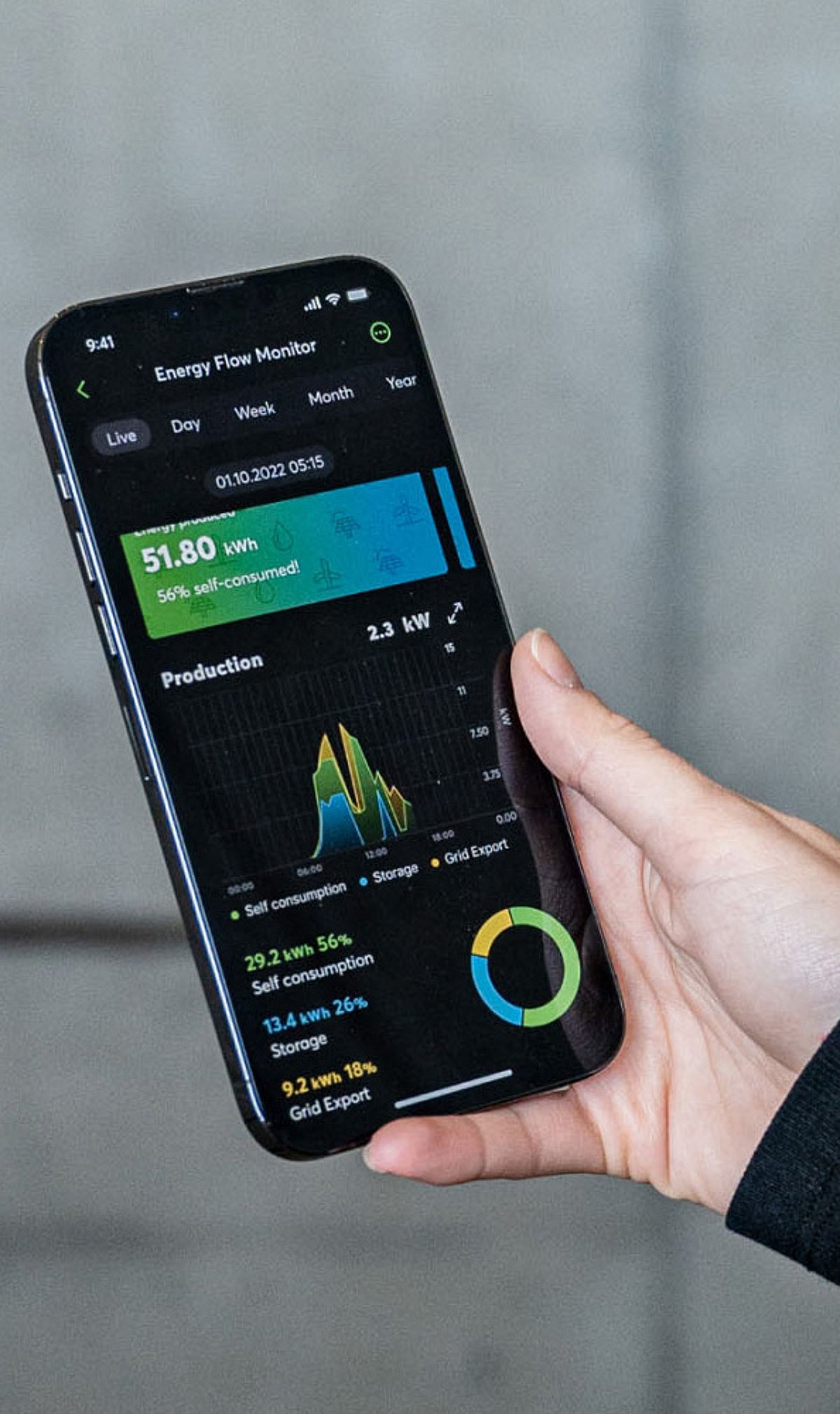
    • Smart Energy Monitors: Track your home’s electricity consumption in real time, helping you identify energy hogs.
    • Smart Blinds: Automatically open and close to manage solar heat gain, lowering cooling and heating costs year-round.

    While each device offers modest savings on its own, the combined effect can add up to hundreds of dollars annually. Investing in these smart home upgrades pays for itself over time—while making your home more efficient and comfortable.

  • GPS vs RTK Robot Mowers in 2026: Which Precision Lawn Mower Is Right for You?

    GPS vs RTK Robot Mowers in 2026: Which Precision Lawn Mower Is Right for You?

    Robot lawn mowers have transformed yard maintenance, letting homeowners automate grass cutting without manual effort. Two leading technologies dominate the market: GPS-based mowers and RTK (Real-Time Kinematic) mowers. While both offer hands-free operation, they differ significantly in accuracy, cost, and ideal use cases. This guide breaks down their differences and helps you choose the best mower for your lawn in 2026.

    GPS vs RTK: Core Differences

    A GPS robot mower relies on standard satellite positioning to navigate your yard. Many models create a digital map and operate without boundary wires. In contrast, an RTK mower uses satellite signals plus a correction station (base station or network) to achieve centimeter-level accuracy.

    Pros of GPS Mowers

    • More affordable than RTK models
    • Easy setup and minimal technical knowledge required
    • Works well on small to medium lawns
    • Good for homeowners seeking a budget-friendly automation solution

    Cons of GPS Mowers

    • Less precise navigation; mowing paths may appear uneven
    • Can struggle near tall trees, buildings, or other obstructions
    • May overlap or miss areas
    • Not ideal for complex or large lawns

    Pros of RTK Mowers

    • Extremely accurate positioning — down to a few centimeters
    • Creates straight, organized mowing lines for a professional look
    • Efficiently covers large lawns and multiple zones
    • Fewer missed spots and less unnecessary overlap

    Cons of RTK Mowers

    • Higher upfront cost
    • Setup can be more involved (may require a base station or network connection)
    • Performance depends on good satellite reception

    How to Choose the Right Robot Mower in 2026

    Your choice should align with your lawn size, layout, and budget. Here are key considerations:

    • Small yards: A GPS mower is usually sufficient. It keeps grass short without the extra expense of RTK.
    • Medium lawns: If the yard has many paths, trees, or flower beds, an RTK mower can save time and deliver cleaner results. For simple layouts, GPS still works well.
    • Large properties: RTK is the better option. Its high accuracy reduces overlap and covers large areas efficiently.
    • Battery life: Ensure the mower can finish most of your lawn on a single charge. Larger lawns need larger batteries.
    • App features: Look for a mobile app that allows scheduling, zone creation, and tracking.
    • Future needs: If you plan to move or redesign your yard, investing in RTK now may be worthwhile.
    • Support and updates: Choose a brand with reliable customer support and regular software updates.

    Final Verdict

    Both GPS and RTK robot mowers save time and reduce effort. GPS mowers are ideal for homeowners who want a simple, affordable solution for small to medium lawns. RTK mowers suit those who demand high accuracy, clean mowing patterns, and strong performance on larger or more complex properties. There is no universal best — measure your lawn, set a budget, and decide how much precision you truly need. With the right choice, you can enjoy a well-maintained lawn with minimal effort for years to come.

  • Must-Have Smart Home Devices for 2026: Upgrade Your Lifestyle with AI and Automation

    Must-Have Smart Home Devices for 2026: Upgrade Your Lifestyle with AI and Automation

    As we look ahead to 2026, the smart home ecosystem is becoming more integrated, intuitive, and energy-efficient than ever. Whether you’re a tech enthusiast or simply looking to simplify daily routines, these devices are worth the investment for a smarter, more connected lifestyle.

    AI-Powered Smart Speakers

    Smart speakers continue to evolve as the central hub of the connected home. With enhanced AI assistants, they now offer better voice recognition, multi-room audio, and seamless control over other smart devices. They are the cornerstone of any modern smart home setup.

    Advanced Security Cameras

    Modern security cameras go beyond simple recording. In 2026, models feature advanced object detection—distinguishing between people, animals, and vehicles—and send real-time alerts directly to your phone. This adds a new layer of safety and convenience.

    Video Doorbells

    Video doorbells have become essential for monitoring deliveries and visitors when you’re not home. Many now include package detection, two-way audio, and cloud storage, ensuring you never miss a moment at your doorstep.

    Smart Thermostats

    Energy savings and comfort go hand in hand with smart thermostats. These devices learn your schedule and preferences, automatically adjusting temperature settings to reduce energy consumption without sacrificing comfort.

    Connected Lighting Systems

    Smart lighting offers voice control, scheduling, and customizable scenes to match your mood or activity. From dimming lights for movie night to simulating occupancy while away, these systems add both convenience and ambiance.

    Robot Vacuum Cleaners

    Robot vacuums have become remarkably efficient thanks to AI navigation. They map your home, avoid obstacles, and clean thoroughly with minimal human intervention. Many models also include mopping functionality for complete floor care.

    Smart Locks

    Forget physical keys—smart locks provide app-based access, temporary digital keys for guests, and integration with other security systems. They enhance home security and offer peace of mind whether you’re inside or away.

    Smart Plugs

    Smart plugs are an affordable way to automate any appliance. Use them to schedule coffee makers, control lamps remotely, or monitor electricity usage—all from your smartphone. They are a simple entry point into home automation.

    Matter-Compatible Devices

    The Matter standard continues to unify the smart home landscape, making devices from different brands work together seamlessly. Investing in Matter-compatible products ensures future-proof interoperability and a smoother user experience.

    These smart home devices not only add convenience but also improve energy efficiency, security, and overall quality of life. As technology advances, the home of 2026 is smarter, safer, and more responsive to your needs.

  • Top Smart Home Platforms to Watch in 2026: A Comprehensive Guide

    Top Smart Home Platforms to Watch in 2026: A Comprehensive Guide

    As smart home technology continues to evolve, 2026 brings a new wave of automation platforms that promise seamless integration, advanced AI capabilities, and robust security. Whether you’re a tech enthusiast or a beginner, choosing the right platform can transform your living space into an intelligent, responsive environment. Below, we break down the leading home automation platforms and key trends shaping the future.

    Home Assistant

    Home Assistant remains the gold standard for users who demand complete control. It offers unparalleled customization with local processing, over 2,000 integrations, and extensive automation rules. Ideal for advanced enthusiasts, it keeps data private and operates without cloud dependency.

    Google Home

    Google Home excels in broad device compatibility and intuitive voice control. Its AI-powered routines and growing support for the Matter standard make it a top choice for Android users seeking a connected smart home that learns and adapts.

    Apple Home

    For Apple loyalists, Apple Home provides seamless integration across iPhones, iPads, and Macs. Privacy-focused automation, local processing, and effortless management via HomePod or Apple TV make it a secure and elegant solution.

    Amazon Alexa

    Amazon Alexa continues to dominate with thousands of compatible devices, reliable voice commands, and customizable routines. Its expansive ecosystem caters to both beginners and experienced users, offering flexibility and ease of use.

    Samsung SmartThings

    Samsung SmartThings stands out for its multi-protocol support — Zigbee, Z-Wave, Wi-Fi, Matter, and Thread. This enables centralized control of diverse smart devices from various manufacturers, reducing fragmentation.

    Key Trends in 2026

    Matter Compatibility

    Leading platforms increasingly adopt the Matter standard, simplifying cross-brand connectivity and improving interoperability across compatible devices. This unified protocol reduces setup headaches and expands choices.

    AI-Powered Automation

    Modern platforms leverage artificial intelligence for predictive routines, energy optimization, occupancy detection, and personalized automation that adapts to user behavior. These AI features make smart homes more intuitive and efficient.

    Enhanced Security Features

    Advanced encryption, local data processing, secure authentication, and granular privacy controls help protect connected devices from cyber threats and unauthorized access. Security is no longer an afterthought but a core feature.

    Scalability and Future Readiness

    The best platforms support expanding device ecosystems, frequent software updates, and emerging smart home standards, ensuring long-term compatibility and performance. Investing in a future-ready system protects your smart home investment.

  • Top Voice-Controlled Smart Lights for Modern Homes in 2026

    Top Voice-Controlled Smart Lights for Modern Homes in 2026

    Smart lighting has quietly reshaped the home decor market, pulling premium-grade technology into an accessible mid-range price. Today’s systems do more than illuminate a room. They let you dim, brighten, or shift the color of your lights on a schedule or through a simple voice command, working seamlessly with Amazon Alexa, Google Assistant, and Apple Siri.

    The appeal goes beyond convenience. A well-lit home uses less energy, adapts to your mood, and signals a deliberate choice to live smarter. Smart lighting fits naturally into the growing ecosystem of connected homes, where comfort and control go hand in hand.

    Key Features to Look For

    The smart lighting provides a wide range of modern features that deliver comfort, ambience, and a premium feel. Here are some features that have become quite mainstream and should be considered for smart lighting gadgets.

    • Voice Assistant Compatibility: Alexa, Google Assistant, Siri
    • Connectivity: Wi-Fi or Bluetooth (no hub required for most)
    • Color Options: Up to 16 million RGB colors + tunable whites
    • Smart Functions: Music sync, motion sensing, timers, app control
    • Energy Efficiency: LED-based, low power consumption

    Which Brand is Best for Which Use Case?

    Smart lights with voice control have a wide range of options. Each brand has established its niche for modern homes. Philips Wiz Neo shines as the premium all‑rounder, offering motion sensing and a larger palette of color options. Havells Glamax is a great choice for mood lighting, with music sync perfect for house parties and relaxed evenings.

    Wipro Smart LED Bulbs provide all-around lighting with advanced tunable whites and dimming, best suited for efficient work and leisure lighting. For budget‑friendly setups, Syska Smart LED features include RGB colors and scheduling, making it a solid entry‑level option.

    TP‑Link Tapo L530B is quite tech-savvy and shines with seamless Wi‑Fi integration. Realme Smart Bulbs attract the younger generation. Crompton Immensa works great on Bluetooth control, offering tunable whites and offline music sync. Finally, NovaGlow SiriSmart is specifically designed for Apple ecosystem users, with deep HomeKit integration and an elegant design, making it the best choice for Siri‑driven smart systems.

    Risks & Trade-offs

    Smart lighting provides futuristic technology, but some smart features can bring unexpected complexity. Here are things to watch out for before investing:

    • Wi-Fi Congestion: Multiple smart devices can slow down networks.
    • App Dependency: Some bulbs fall short on compatibility, requiring proprietary apps.
    • Price vs Features: Premium models (Philips, TP-Link) cost more but offer advanced features like motion sensing.
    • Compatibility Limits: Apple HomeKit users will need to stick with Siri-enabled options like NovaGlow.

    Final Thoughts

    Smart lights with voice control are gaining ground in the mainstream market for modern homes, offering utility, style, and energy efficiency. Each brand has its own strengths, catering to different lifestyles—from high-end models like Philips Wiz Neo to budget models like Syska Smart LED to ecosystem-specific options such as NovaGlow SiriSmart.

    Whether you want to automate complex setups, enjoy bright mood lighting, or integrate perfectly with your voice assistant, there is a smart light that’s right for your needs. These solutions make life easier and more lively, as lighting becomes a personal experience that reacts to your every command.