Tag: home entertainment

  • Top Smart TVs of 2026: Comprehensive Guide to Features, Deals, and Best Picks

    Top Smart TVs of 2026: Comprehensive Guide to Features, Deals, and Best Picks

    Smart TVs continue to evolve with cutting-edge technology, superior image quality, and advanced features. As of 2026, several models lead their categories, offering options for every budget, performance need, and smart-home integration. This guide highlights the best smart TVs of 2026, detailing their standout features and unique characteristics.

    Samsung QN90D – Best Smart TV Overall

    The Samsung QN90D is widely regarded as the best overall smart TV of 2026. It delivers crystal-clear picture quality with an anti-reflective screen, making it ideal for bright rooms. Samsung’s refined QLED technology provides deeper blacks, richer colors, and improved energy efficiency. AI-based picture and sound optimization create an immersive viewing experience.

    TCL C845K – Top Value Smart TV

    For value-conscious shoppers, the TCL C845K offers outstanding performance without breaking the bank. It features stunning picture quality, high brightness, and a user-friendly smart interface. Support for major HDR formats (Dolby Vision, HDR10+) makes it competitive in the mid-range segment. Built-in streaming apps and voice commands add convenience.

    Sony Bravia XR X90L – Best LED 4K TV

    The Sony Bravia XR X90L excels with excellent color accuracy and contrast, powered by Sony’s Cognitive Processor XR. Its superior motion handling makes it perfect for sports and action content. Google TV enhances the experience with personalized recommendations and easy access to streaming services.

    Amazon Fire TV – Best Smart 4K TV

    Amazon’s Fire TV stands out for its advanced smart capabilities and seamless Alexa integration. It offers 4K resolution with HDR for clear, vibrant images. The intuitive interface provides instant access to streaming media and hands-free voice commands. AI-based content discovery simplifies browsing, while its price offers great value.

    Hisense U8N – The Brightest Smart TV

    The Hisense U8N is acclaimed for its exceptional brightness, high contrast, and wide color gamut. With a 144Hz native refresh rate, VRR, and AMD FreeSync Premium Pro, it’s a top choice for gamers. Apple AirPlay, Google Assistant, and Google Cast support enable seamless multi-ecosystem connectivity. Hisense’s Mini-LED technology balances performance and price.

    LG Evo G4 OLED TV – Ultimate OLED TV for Gaming

    LG’s Evo G4 OLED TV delivers rich, precise colors and outstanding gaming performance. Near-instant response times and a 120Hz refresh rate make it ideal for console and PC gaming. LG’s OLED technology ensures deep blacks and high contrast for a cinematic experience. AI-enhanced picture and sound settings adapt to room lighting.

    Panasonic Z95A OLED TV – Brightest OLED TV

    The Panasonic Z95A OLED TV offers superb brightness, accurate wide-color representation, and a spatial audio speaker system. It supports all major HDR formats, including Dolby Vision IQ and HDR10+, delivering optimal picture quality for any content.

    Samsung S95D – Best OLED TV with Anti-Glare Technology

    Samsung’s S95D combines OLED technology with a distinctive matte finish that minimizes glare while preserving color accuracy. Superior contrast and brightness make it impressive even in brightly lit rooms. Sub-millisecond input lag appeals to gamers, and the smooth Tizen OS ensures easy navigation. This model is a strong contender in the high-end TV segment.

    Final Thoughts

    The top smart TVs of 2025 cater to diverse preferences, whether you prioritize gaming, value, or image quality. Brands like Samsung, Sony, LG, and Hisense continue to push boundaries with new features and improved user experiences. When choosing a smart TV, consider display technology, refresh rate, and smart features to find the best fit for your needs. With emerging AI and display technologies, the future of smart TVs promises even more immersive experiences for viewers worldwide.

    Frequently Asked Questions

    1. Which smart TV is best overall in 2026? Samsung QN90D offers strong picture quality, anti-reflective technology, and AI-based optimization.
    2. Which smart TV is best for gaming? LG Evo G4 OLED provides 120Hz refresh rate, fast response, deep blacks, and high contrast.
    3. Which smart TV is best for bright rooms? Samsung QN90D and Hisense U8N perform well due to high brightness and robust screen performance.
    4. Which smart TV offers the best value for money? TCL C845K combines high brightness, strong picture quality, HDR support, and smart features at a competitive price.
    5. What should you consider before buying a smart TV? Display type, picture quality, brightness, refresh rate, HDR support, gaming features, operating system, smart features, and budget.
  • How to Connect Multiple HDMI Devices to One TV: A Complete Guide

    How to Connect Multiple HDMI Devices to One TV: A Complete Guide

    Modern entertainment setups often involve several HDMI devices—gaming consoles, streaming sticks, Blu-ray players, laptops, and set-top boxes—but many TVs come with only a few HDMI ports. This guide walks you through the steps to connect and manage multiple HDMI devices using a single TV, whether you have enough ports or need an external switch.

    Check Your TV’s HDMI Ports

    Before connecting anything, examine the back or side of your TV to see how many HDMI ports are available. Note which ports are already in use by other devices like soundbars or cable boxes. This will help you plan your setup.

    List Your HDMI Devices

    Identify all the devices you want to connect: gaming consoles (PlayStation, Xbox, Nintendo Switch), streaming devices (Roku, Amazon Fire Stick, Apple TV), Blu-ray players, laptops, or set-top boxes. Knowing exactly what you need to connect will determine whether you can use the TV’s built-in ports or need an HDMI switch.

    Use Available HDMI Ports Directly

    If your TV has enough HDMI ports for all your devices, simply connect each device to a separate port. This is the simplest and most reliable method, as it avoids additional hardware and potential signal degradation.

    Get an HDMI Switch

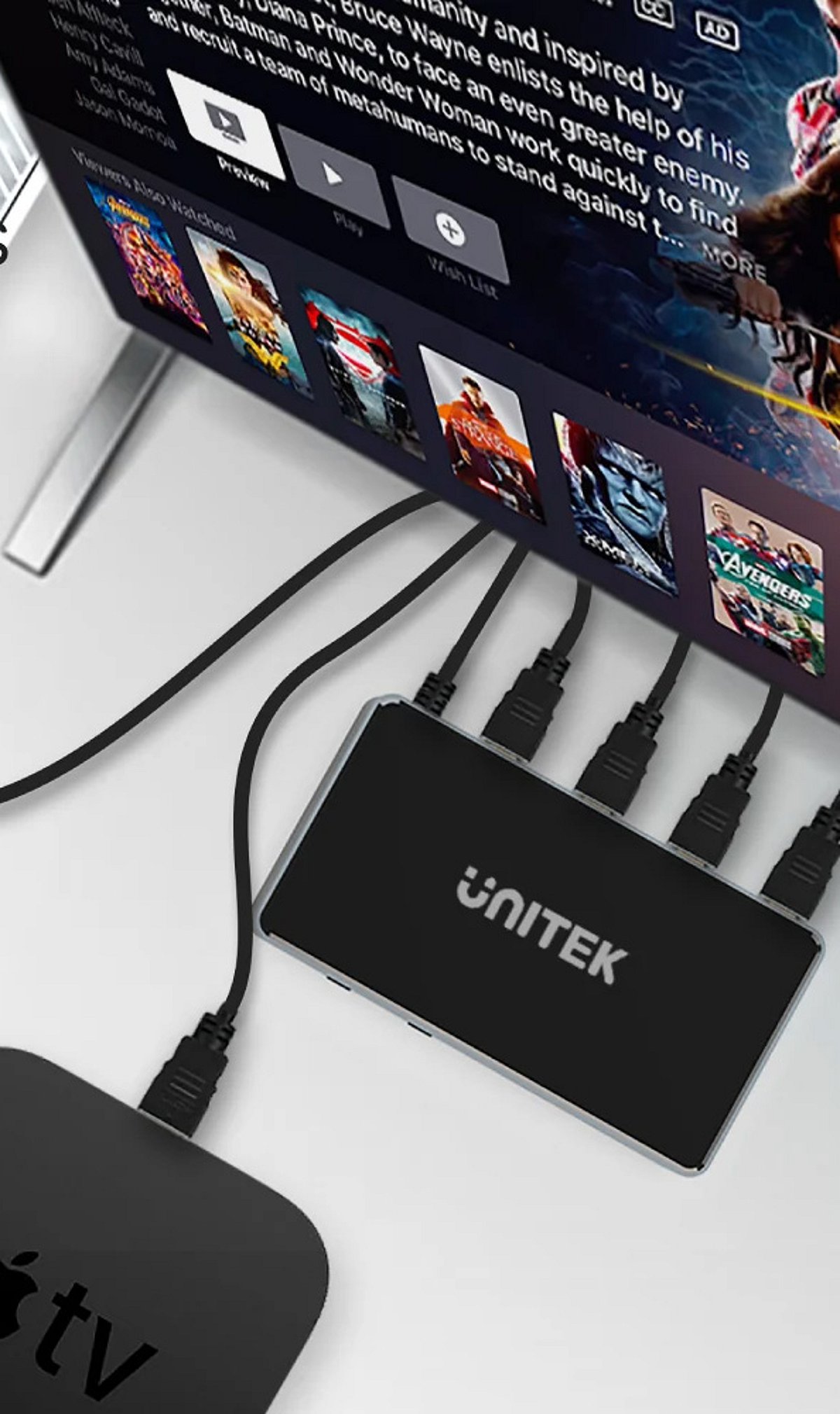
    If your TV lacks sufficient HDMI ports, an HDMI switch is the solution. A switch allows you to connect multiple devices to a single TV port. Switches come in various sizes (e.g., 3-port, 5-port) and support different resolutions and refresh rates.

    Connect the HDMI Switch

    Plug the HDMI switch into one of your TV’s available HDMI ports. Then connect your gaming consoles, streaming devices, and other equipment to the switch’s input ports. Most switches are plug-and-play, requiring no additional software.

    Choose the Right HDMI Switch

    Before purchasing a switch, check the supported resolution (1080p, 4K, 8K), refresh rate (60Hz, 120Hz), HDR compatibility, and HDMI version (2.0, 2.1). Ensure the switch matches your devices’ capabilities to avoid issues like lag or poor picture quality.

    Switch Between Connected Devices

    Most HDMI switches come with a physical button or a remote control to toggle between connected devices. Press the button or use the remote to select the device you want to use, eliminating the need to repeatedly unplug and replug cables.

    Check Audio and Video Settings

    After connecting everything, turn on your TV and select the correct HDMI input (the one connected to the switch, or the direct port). Verify that video, sound, HDR, and refresh rates are working properly. Adjust settings in your TV’s menu if needed.

    Keep Your Setup Organized

    Label your HDMI cables and the ports on the switch to quickly identify which device is which. This makes switching between consoles and other devices much simpler and keeps your entertainment area tidy.

    By following these steps, you can enjoy a clutter-free, efficient multi-device setup without constantly swapping cables. Share this guide with anyone looking to simplify their home entertainment system.

  • 2026 QLED TV Buying Guide: Top Models for India and Expert Tips

    2026 QLED TV Buying Guide: Top Models for India and Expert Tips

    Introduction

    A QLED TV offers more than just a large screen and high resolution. Its quantum dot technology delivers deeper contrasts, more vibrant colors, and superior brightness, transforming your home entertainment experience. Since early 2025, the Indian QLED market has evolved significantly. Mini-LED backlighting is now standard on mid-range models, and native 144Hz panels are available under ₹60,000. New brands like Lumio have raised the bar for budget QLED performance, making 2026 an exciting year for buyers.

    Key Features to Consider

    • Refresh Rate (Hz): Standard TVs run at 60Hz, but 120Hz is common in mid-range sets, and 144Hz panels are now widely available in India. Higher refresh rates reduce motion blur for sports and gaming.
    • Local Dimming: This feature allows different parts of the screen to adjust brightness independently, boosting contrast by making dark areas blacker and bright areas whiter within the same scene.
    • HDR (High Dynamic Range): HDR displays a wider range of brightness levels, preserving details in both very bright and very dark areas for a more realistic image with greater depth.
    • Gaming Features: Auto Low Latency Mode (ALLM) reduces input lag, while Variable Refresh Rate (VRR) eliminates screen tearing. Premium 2026 models often include sub-6ms input lag and full HDMI 2.1 support.

    Top QLED TVs in India for 2026

    1. Acer 139 cm (55 inches) Super Series 4K Ultra HD Smart QLED Google TV

    The Acer Super Series stands out with its powerful 80W PRO speakers and GIGA Bass, delivering room-filling sound without external audio. MEMC technology reduces motion blur in fast scenes, and AI picture optimization automatically adjusts settings. Dolby Vision enhances contrast and color accuracy, while Google TV provides easy access to streaming services.

    Pros: Exceptional color accuracy; powerful 80W speakers with rich bass. Cons: No Dolby Vision IQ support; limited premium app availability.

    2. TCL 139 cm (55 inches) 4K Ultra HD Smart QLED Google TV 55C61B

    The TCL 55C61B excels in motion handling with a 120Hz refresh rate, making it ideal for sports and action content. The ONKYO 2.1 channel speakers provide balanced sound, often eliminating the need for a soundbar. Dolby Vision and AI-enhanced picture quality ensure optimal viewing across different content types.

    Pros: Excellent motion clarity for sports and gaming; quality ONKYO speakers. Cons: Limited HDMI ports; slightly lower brightness than premium models.

    3. Lumio Vision 9 (2026) [NEW]

    Marketed as a flagship killer, the Lumio Vision 9 brings 144Hz refresh rates to the budget segment across 55-inch and 65-inch sizes. It targets buyers who want high-speed performance without the flagship price tag.

    Pros: 144Hz at a budget price; strong value for gamers. Cons: Newer brand with a shorter service track record.

    4. LG QNED evo QNED85B

    Built for sunlit Indian living rooms, this model holds saturation and clarity against heavy ambient light. Full HDMI 2.1 gaming support pairs with LG’s Magic Remote for easy navigation. It’s a solid choice for bright-room daytime viewing.

    Pros: Excellent bright-room performance; full HDMI 2.1 gaming support. Cons: Colors can look less punchy in dark rooms.

    5. Hisense 139 cm (55 inches) E68N Series 4K Ultra HD Smart Google QLED TV

    The Hisense E68N Series offers vibrant colors and sharp contrast at an affordable price. Quantum Dot display and Dolby Vision support enhance content, while Google TV integration provides voice control and easy access to streaming services.

    Pros: Vibrant colors at an affordable price point; user-friendly interface. Cons: 24W speakers insufficient for larger rooms; standard 60Hz refresh rate.

    6. TOSHIBA 164 cm (65 inches) C450NP Series 4K Ultra HD Smart QLED TV

    The Toshiba C450NP Series provides a large 65-inch screen for an immersive experience. Quantum Dot technology delivers good contrast and rich colors on the large display, and the VIDAA TV platform offers easy navigation and access to streaming apps.

    Pros: Immersive large-screen experience; straightforward user interface. Cons: Basic 24W speakers; 60Hz refresh rate limits gaming performance.

    Finding Your Perfect QLED TV

    When selecting a QLED, consider your room size and viewing distance. For an average living room, a 55-inch screen is ideal; larger rooms benefit from 65 inches or more. Brightness is key for well-lit rooms—look for models with at least 1000 nits for the best daytime viewing. Gamers should prioritize higher refresh rates, ALLM, VRR, and HDMI 2.1 support. Movie lovers should focus on color accuracy and HDR quality. Budget shoppers should rank their must-have features before comparing prices.

    Conclusion

    QLED technology continues to improve picture quality through better color reproduction, contrast, and brightness. The models on this updated list reflect where the Indian market stands in September 2026, with 144Hz panels and HDMI 2.1 support now reaching budget tiers that lacked them a year ago. Each pick suits a different need, from premium gaming to bright-room daytime viewing. These aren’t just better specs on paper—they translate into daily viewing that feels sharper, smoother, and more lifelike than ever before.

  • Modern Home Entertainment Hardware: Key Consumer Expectations

    Modern Home Entertainment Hardware: Key Consumer Expectations

    Home entertainment hardware has evolved dramatically over the past few years. A television is no longer an isolated screen; it now serves as the center of a broader digital ecosystem that includes streaming services, apps, wireless connectivity, voice controls, and high-resolution video. As a result, modern buyers look beyond a single feature and consider the entire package—performance, connectivity, storage, interface design, software support, and even after-sales service. This article explores what consumers expect from today’s home entertainment hardware and how products like the SuperBox S7 series are designed to meet those expectations.

    Performance Goes Beyond Basic Playback

    Consumers expect connected entertainment devices to respond quickly when opening apps, navigating menus, or switching between functions. A device that technically supports modern content but feels sluggish during everyday use quickly becomes frustrating. Processing power is now a major consideration when comparing consumer electronics.

    However, performance should be matched to actual usage. A casual viewer may not need the same processing muscle as a family that regularly uses multiple applications and connected features. The best choice is one that provides enough capability for current habits without adding unnecessary complexity.

    Better Connectivity Is a Core Requirement

    A modern entertainment device needs a dependable way to communicate with the home network. Wireless connectivity is especially important because many TVs and media players are located away from the main router. Wi-Fi improvements—such as Wi-Fi 6 support—make placement more flexible, while Gigabit Ethernet remains valuable when a wired connection is practical.

    Consumers are also paying more attention to the stability of their home networks. Even capable hardware cannot compensate for an unreliable internet connection or poor router placement. Buyers now evaluate the device and the network as parts of the same system rather than treating hardware specs as the only measure of performance.

    Connectivity also influences where a device can be installed. A living-room setup might have easy access to Ethernet, while a bedroom TV might depend entirely on wireless. Considering these conditions before purchasing helps consumers choose hardware that fits their existing environment without requiring a network redesign.

    Higher Resolution Is Part of the Buying Decision

    Display technology has raised expectations. As TVs become capable of showing increasingly detailed images, consumers naturally want connected devices that can work with modern video standards, including 4K and beyond. Support for higher-resolution content is becoming an important purchase factor, particularly for people upgrading several components at once.

    But resolution should not be viewed in isolation. The TV, content source, connection, and media device all contribute to the final viewing experience. A capable TV box can provide useful support for higher-resolution playback, but the result still depends on compatible content and the rest of the home setup.

    Storage Has Become More Useful

    Storage was once a secondary specification, but today it has a greater practical role. Connected TV hardware may need space for applications, system data, updates, and other functions. More storage reduces the need to constantly remove apps or manage space.

    This doesn’t mean every consumer needs the largest capacity available. A simple setup might be fine with less storage, while a household using many apps may appreciate more. The key is matching storage capacity with expected usage and the device’s lifespan.

    User Interfaces Need to Feel Simple and Responsive

    Consumers are accustomed to interfaces that are easy to understand. Complicated menus and unclear navigation can make even powerful hardware feel inconvenient. A connected TV device should make common actions straightforward, especially when multiple household members use the same equipment.

    Interface design also affects feature discovery. Search functions, organized applications, clear settings, and responsive navigation all contribute to a more comfortable experience. Software presentation is now nearly as noticeable as hardware specifications when consumers compare devices.

    Software Support Influences Long-Term Value

    Hardware specs attract attention at purchase, but software determines how useful a device remains over time. Consumers want access to applications and features that fit their viewing habits, and updates and compatibility can influence how practical the hardware feels later.

    This is especially relevant in the connected TV category because entertainment services and applications continue to evolve. Buyers should consider the software environment alongside processor speed, storage, and display support. Content and application availability can vary by region, so it’s wise to confirm that the services you intend to use are officially supported.

    Software also affects comfort months after installation. If applications are easy to manage and the interface remains familiar, users are more likely to get full value from the hardware.

    Brand Support Adds Confidence After Purchase

    The buying experience doesn’t end when the device arrives. Consumers want clear product information, reasonable return policies, warranty coverage, and access to support when something goes wrong. These factors are particularly important with connected electronics because setup questions and compatibility issues may arise after installation.

    Choosing an established source provides additional confidence. SuperBoxSmart, for example, presents itself as an authorized U.S. SuperBox dealer and offers product support, a one-year hardware warranty, and a 30-day return policy. Consumers should still review current terms before purchasing, but clear after-sales information makes the decision more comfortable.

    Consumers Want Technology That Fits Real Homes

    One of the strongest trends is the movement toward technology that works naturally within existing routines. People don’t want more features for the sake of having them; they want capabilities that solve practical problems—whether that means better connectivity, easier navigation, more storage, or support for modern displays.

    This changes how consumers should compare products. Instead of asking which device has the longest spec sheet, it’s more useful to ask which features will actually improve the household’s experience. A balanced combination of performance, connectivity, software, storage, and usability often provides more practical value than a single impressive specification.

    Different households have different priorities. A small apartment may value compact design and wireless connectivity, while a larger family may care more about storage and flexible application use. Looking at the intended environment first allows consumers to judge specifications in context.

    Future-Proofing Is About Flexibility Rather Than Hype

    No consumer electronic device can remain at the cutting edge forever. New apps, display technologies, network standards, and entertainment habits will continue to develop. Rather than trying to predict every future change, buyers can look for hardware with enough flexibility to support reasonable upgrades and evolving usage.

    This means considering factors like storage capacity, connectivity standards, processing capability, software environment, and available ports. A device with balanced specs may remain useful longer because it can adapt to more situations. Future-proofing is less about buying the most expensive model and more about avoiding obvious limitations that could become inconvenient later.

    Final Thoughts

    Modern home entertainment hardware is increasingly judged by the complete experience it provides. Consumers want responsive performance, dependable connectivity, useful storage, modern video support, straightforward software, and accessories that make everyday control easier. They also pay close attention to build quality, warranty coverage, and after-purchase support.

    The SuperBox S7 series illustrates how these expectations are shaping connected TV devices, offering multiple configurations with different storage capacities, Wi-Fi 6, Gigabit Ethernet, Bluetooth, modern Android software, and high-resolution video decoding. The right model depends on the user’s television, network, applications, storage needs, and viewing habits. By focusing on practical requirements instead of chasing specifications alone, consumers can make a more informed choice and build a home entertainment setup that remains convenient well beyond the initial purchase.

  • 5 AI-Powered TV Innovations Transforming Home Viewing by 2027

    5 AI-Powered TV Innovations Transforming Home Viewing by 2027

    Television has quietly evolved from a passive screen into an intelligent hub that listens, learns, and adapts. By 2027, AI will be the core of how we interact with our TVs, moving beyond simple voice commands to truly conversational experiences. The global AI TV market, valued at USD 9.76 billion in 2026, is projected to grow at a compound annual rate of 17.2 percent through 2030, according to market research firm Accio. This growth reflects how deeply artificial intelligence is becoming woven into the everyday act of watching television.

    1. Conversational AI Companions Replace Remote Controls

    Voice control on TVs is no longer about shouting single commands. Samsung’s Vision AI platform already lets viewers ask contextual questions about on-screen content, pulling in tools like Microsoft Copilot and Perplexity for real-time answers. In 2027, TVs will act less like screens and more like conversational assistants that understand what show is playing and respond accordingly. Consumer Reports notes that chatbots built into TVs will increasingly replace traditional remote navigation, allowing viewers to simply talk to find what they want.

    2. Personalized Content Discovery Gets Sharper

    AI-driven recommendation engines are becoming far more accurate. By 2027, TVs will study viewing patterns more closely, factoring in mood, time of day, and even who else is in the room. This means recommendations will feel highly tailored, keeping viewers engaged longer and reducing endless menu scrolling. For streaming platforms, smarter recommendations are a key competitive advantage.

    3. On-Device AI Processing Improves Privacy and Speed

    A major shift is moving AI processing from the cloud to local chips inside the TV. This reduces lag time and gives users more control over their data, addressing privacy concerns tied to always-listening devices. Stronger system-on-chip hardware makes this possible, and 2027 models are expected to lean further into local processing for faster, more private interactions.

    4. Smarter Picture and Sound Without Manual Tweaking

    AI upscaling is already standard, letting 1080p signals look close to 4K. By 2027, AI will automatically adjust brightness, contrast, and sound profiles based on content type—whether it’s a sports match, a dark thriller, or a video call. Viewers will spend less time fiddling with settings as the TV handles optimization in the background.

    5. The Bigger Picture: Why These Trends Matter

    These trends reshape how people interact with home entertainment and how much data companies collect. For manufacturers, AI has become the main differentiator in a market where screen technology alone no longer sets brands apart. For viewers, it means TVs that feel more intuitive, respond faster, and adapt to individual habits without extensive setup. As 2027 approaches, AI in television is no longer an add-on feature but the foundation shaping how screens are designed, marketed, and used every day.

  • Weekend Walmart TV Deals: Save on TCL, VIZIO, Hisense, and Philips 4K TVs

    Weekend Walmart TV Deals: Save on TCL, VIZIO, Hisense, and Philips 4K TVs

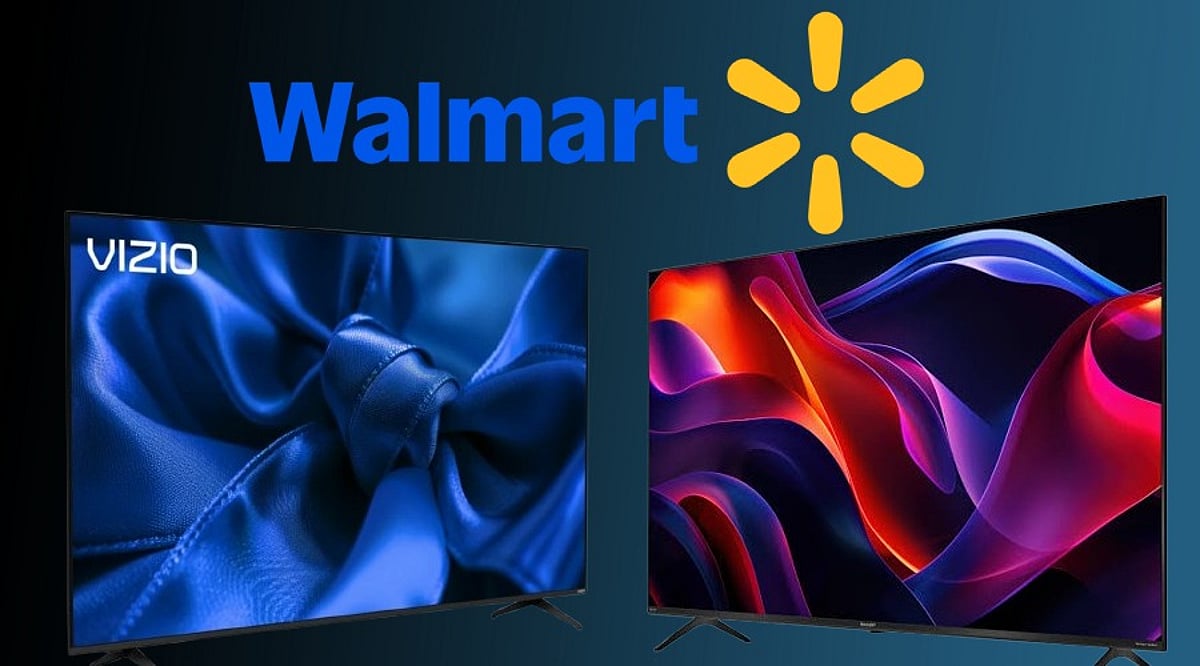
    Walmart’s weekend TV deals include 4K QLED and Mini-LED models from TCL, VIZIO, Hisense, and Philips. The selection ranges from 55-inch televisions to a massive 100-inch display. Whether you’re looking for an affordable upgrade or a home-theater centerpiece, these deals offer something for every budget and space.

    Top Walmart TV Deals This Weekend

    TCL 55-Inch QM51L

    The TCL 55-inch QM51L offers a strong balance of size and display technology. It combines QLED color with Mini-LED backlighting, delivering 4K UHD resolution for detailed movies and streaming content. Google TV provides smart entertainment access. This model suits bedrooms and medium-sized living rooms, and works well for gaming setups with limited space. Mini-LED technology enhances contrast, while QLED produces richer, more vibrant colors.

    Buy Now

    TCL 75-Inch QM51L

    The 75-inch QM51L brings the same series into larger living spaces. Its bigger panel creates a more immersive viewing experience, featuring QD-Mini LED technology and 4K UHD resolution. Google TV provides access to supported streaming apps. This model is ideal for dedicated entertainment rooms or replacing an older large-screen television. The larger display benefits movies, sports, and streaming content.

    Buy Now

    VIZIO 55-Inch Quantum QLED

    The VIZIO 55-inch Quantum QLED stands out on price. Walmart currently lists it at USD 228, down from USD 298. It features a 55-inch 4K QLED display with 3,840 × 2,160 resolution, supporting Dolby Vision, HDR10+, HDR10, and HLG. It includes Wi-Fi 6 for connected streaming and gaming features like Auto Low Latency Mode. VIZIO’s smart platform provides built-in apps and WatchFree+, plus Apple AirPlay 2 and Google Cast support. For value-conscious shoppers, this is a standout deal.

    Buy Now

    Hisense 65-Inch M7

    The Hisense 65-inch M7 offers a more advanced display package, combining Mini-LED technology with QLED color. The 2026 model supports Dolby Vision and HDR10+, with Full Array Local Dimming for improved contrast. Game Mode Pro enhances gaming performance, while AI Picture adjusts image settings based on content. AI Smooth Motion improves fast-moving visuals, and a built-in subwoofer adds audio depth. Walmart lists the model at USD 374, reduced from USD 418, making it an appealing choice for feature-focused shoppers.

    Buy Now

    Philips 100-Inch QLED+

    The Philips 100-inch QLED+ display is designed for a home-theater experience. It offers 4K UHD resolution and a native 144Hz refresh rate, benefiting fast-paced gaming and sports. Its matte screen reduces glare, and Google TV provides access to thousands of entertainment apps. The TV also supports Google Cast and Bluetooth connectivity, with EyeCare technology and an anti-bacterial remote. This model demands considerable wall and floor space, suiting large rooms with enough viewing distance.

    Buy Now

    Which Walmart TV Deal Should You Choose?

    Each television serves a different type of buyer. The VIZIO makes sense for shoppers prioritizing affordability. The Hisense M7 offers a strong mix of size and display features. The TCL 55-inch works well for smaller entertainment spaces. The TCL 75-inch suits buyers wanting a larger Mini-LED experience. Philips targets shoppers seeking an enormous home-theater display. Prices and availability can change quickly during weekend promotions. Before ordering, check the current price, seller information, and your room dimensions. For most shoppers, display technology and size should guide the decision—a good deal matters, but the right screen matters more.

    FAQs

    What are the best Walmart TV deals this weekend?
    The best choice depends on your budget and viewing needs. The VIZIO 55-inch Quantum QLED stands out for affordability. The Hisense 65-inch M7 offers more advanced display features. The Philips 100-inch QLED+ targets buyers seeking a large home-theater screen.

    Is the Hisense 65-inch M7 a good TV?
    Yes, it offers a strong feature combination with Mini-LED and QLED technology, Full Array Local Dimming, Dolby Vision, HDR10+, Game Mode Pro, and AI Smooth Motion for gaming and fast-moving content.

    Is the Philips 100-inch QLED+ worth considering?
    It is designed for large-room entertainment with a 100-inch matte display, 4K resolution, QLED technology, and a 144Hz native refresh rate. Best for buyers with enough space.

    Is TCL Mini-LED better than regular QLED?
    Mini-LED and QLED improve different parts of the viewing experience. Mini-LED uses smaller backlights for more precise brightness control. QLED uses quantum dots to enhance color performance. A combination offers strong contrast and vibrant colors.

    Which Walmart TV is best for gaming?
    The VIZIO supports Auto Low Latency Mode and up to 120fps at 1080p. The Philips 100-inch model offers a native 144Hz refresh rate. Check HDMI specifications for your console or PC.

  • Top BPL TV Deals at Reliance Digital: Save on QLED and MiniLED Models

    Top BPL TV Deals at Reliance Digital: Save on QLED and MiniLED Models

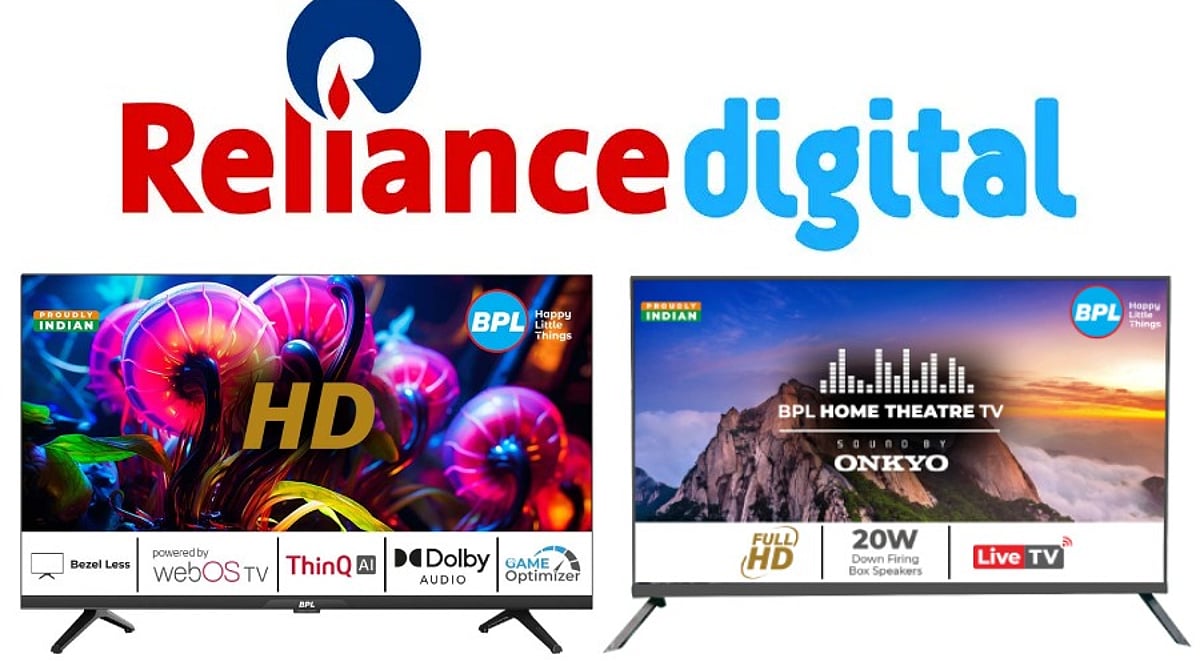
    Reliance Digital is offering attractive discounts on several BPL QLED and MiniLED smart TVs. The sale includes TVs in different screen sizes, making it easy to find one for every room and budget. Buyers can compare features and offers to get better value before making a purchase.

    A new TV is always exciting to buy, especially with a good discount. The better the screen, the more fun movies are, the more exciting sports are, and the more fun games are. Looking to upgrade your home entertainment? Now is the time, as Reliance Digital has slashed prices on many BPL smart TVs in its latest sale.

    The current line-up includes QLED and MiniLED TVs in a variety of sizes. Some models are meant for smaller rooms, while others are meant for people who want a big-screen experience. We’ve looked at some of the best BPL TV deals during the sale to help you decide.

    Best BPL TV Deals on Reliance Digital

    The sale covers TVs across different price ranges. Whether you want an affordable smart TV or a premium MiniLED model, there is something for almost every buyer.

    Looking at the range, it is clear that BPL has something for every type of buyer. If you want a TV for a bedroom, there are compact options. If you are planning to build a home theatre, larger MiniLED models are also available. The 43-inch QLED TV is a good choice for daily use. You get sharp 4K picture quality and smart features, fitting easily into smaller spaces. It is a good choice for apartments and bedrooms.

    Next, you have the 50-inch QLED TV that gives you a bigger screen without the big price tag, which is also great for family movie nights, live sports, and everyday streaming. This size is just right for many buyers. The 32-inch QLED HOMETHEATRE GTV is targeted at consumers looking for a smart TV at a lower price point. It is small, easy to install, and suitable for smaller rooms.

    In the premium range, you get better contrast and brightness with a 55-inch MiniLED TV. The detail in movies and HDR content makes the viewing experience more enjoyable. If you want something bigger, the 65-inch MiniLED and 65-inch QLED are good choices. They offer a larger screen for gaming, movies, and sports, while giving buyers two distinct display technologies to choose from.

    If you want the biggest screen in the lineup, check out the 75-inch MiniLED TV. It is aimed at buyers who want the real big-screen experience at home.

    Which BPL TVs Would I Recommend?

    If I had to choose just one, I would pick the BPL 55-inch MiniLED 4K Ultra HD TV. In my opinion, the TV offers a good mix of screen size, picture quality, and price. The model comes with a MiniLED display that makes colors brighter and dark scenes darker and more detailed.

    The next model that I would like to suggest is the BPL 65-inch MiniLED 4K Ultra HD TV. This model has a larger screen that makes every movie, sports, and games feel more engaging. It is a good option for families who spend a lot of time watching TV together.

    The third TV I would recommend is the BPL 50-inch QLED 4K Ultra HD TV. It offers good value for money, and the screen size suits most living rooms. For buyers who want a premium picture without spending too much, it is a smart choice.

    Final Thoughts

    A TV is one of those products people use almost every day. It is worth taking some time before making a decision. When choosing the right model, screen size, picture quality, smart features, and your budget all play a part.

    A good sale can also help you buy a better TV for less. Compare offers, consider the size of your room, and choose the model that best suits your daily needs. The right TV will keep you entertained for years to come.

    Frequently Asked Questions

    Which BPL TV offers the best value in the Reliance Digital sale?

    The 55-inch MiniLED 4K Ultra HD TV is one of the strongest value-for-money options. It offers a premium display, a comfortable screen size, and useful smart features at a competitive sale price.

    Should I buy a QLED or MiniLED BPL TV?

    If you mainly watch TV shows and movies, a QLED TV is a great choice. If you want better brightness, deeper contrast, and improved HDR performance, a MiniLED TV is worth considering.

    Is a 50-inch TV enough for most living rooms?

    Yes. A 50-inch TV is a comfortable size for most living rooms. It gives an enjoyable viewing experience without taking up too much space in the room.

    Is the 32-inch BPL QLED TV suitable for bedrooms?

    Yes. The 32-inch QLED HOMETHEATRE GTV fits well in bedrooms, study rooms, or guest rooms. It offers smart features while remaining compact and easy to place.

    Is this a good time to buy a BPL smart TV?

    Yes. With several models available at discounted prices, the Reliance Digital sale is a good opportunity for buyers who have been planning to upgrade their TV.

  • Top Home Theater Systems with Bluetooth and Wi-Fi: 2026 Buyer’s Guide

    Top Home Theater Systems with Bluetooth and Wi-Fi: 2026 Buyer’s Guide

    A high-quality home theater system transforms how you experience movies, shows, and music. Modern systems now offer Bluetooth and Wi-Fi connectivity, Dolby Atmos support, wireless speakers, and powerful bass. Whether you’re building a premium cinema setup or looking for an affordable surround sound upgrade, there are excellent options for every room size and budget.

    Samsung Q990H: The Best Overall Home Theater Choice

    The Samsung Q990H leads the premium segment with an 11.1.4 channel configuration and 756W total power output. It supports Bluetooth, Wi-Fi, Dolby Atmos, and DTS:X audio formats. Wireless rear speakers and a wireless subwoofer deliver a true cinema-style sound experience. This system is ideal for large rooms that need strong bass, clear dialogue, and wide sound coverage. Additional features like SpaceFit Sound Pro and SmartThings support allow the system to automatically adjust sound quality and offer convenient control through connected devices. Spotify Connect and AirPlay add versatile music playback options. The real surround setup with rear speakers creates natural sound movement, making action scenes, concerts, and movie effects feel immersive. Priced around $1,100, it sits in the premium segment and performs best in a large room with space for rear speakers.

    Sony Bravia Theatre Quad: Premium Wireless Home Theater

    The Sony Bravia Theatre Quad HT-A9M2 offers a high-end wireless approach to home cinema. It features four wireless speakers with a total output of 504W, supporting Bluetooth, Wi-Fi, Dolby Atmos, and Sony’s 360 Spatial Sound Mapping technology. The system emphasizes flexible placement and a clean setup—four separate speakers create a wide sound field without traditional speaker cables. This technology delivers detailed audio effects ideal for movies, sports, and music. It works especially well with Sony BRAVIA televisions. At around $2,400, it is one of the most expensive options, targeting buyers who want luxury sound quality and a modern wireless setup.

    Sonos Arc Ultra: Smart Features and Great Music Quality

    The Sonos Arc Ultra combines impressive home theater audio with smart audio capabilities. This high-end soundbar features Bluetooth and Wi-Fi connectivity and delivers a 9.1.4 Dolby Atmos sound effect. Its design prioritizes sound quality for music playback. With a Sonos surround sound system, users can enjoy multi-room audio, AirPlay, and voice assistant control through the Sonos app. Priced around $1,200, the system integrates seamlessly with existing Sonos devices and future upgrades. The main drawback is its relatively high cost.

    Sony Bravia Theatre System 6: Best Value for Real Surround Sound

    The Sony Bravia Theatre System 6 HT-S60 strikes an excellent balance between performance and price. This 5.1 channel system delivers 1000W of power and supports Dolby Atmos, DTS:X, Bluetooth, Wi-Fi, and wireless speakers. It provides an authentic surround sound experience without breaking the bank. Rear speakers significantly enhance movie experiences compared to standard soundbars, with clearer dialogue and better distinction between sound effects and actions. At around $630, it appeals to buyers who want good quality without overspending. It is suitable for large living rooms where space efficiency matters.

    Samsung Q800H: A Strong Mid-Range Atmos Option

    The Samsung Q800H features a 5.1.2 channel configuration with 400W output. It supports Bluetooth, Wi-Fi, Dolby Atmos, DTS:X, Q-Symphony, and SmartThings. This system significantly improves upon ordinary speakers. The 5.1.2 layout creates height effects that add realism to movies. Q-Symphony synchronizes compatible Samsung TV speakers with the sound system for better overall sound. At around $570, it offers fair value for those interested in modern sound features. It is ideal for mid-sized rooms and regular movie watching.

    Sony HT-S40R: Budget Surround Sound Option

    The Sony HT-S40R provides an affordable path to surround sound. It offers a 5.1 channel layout with 600W output and Bluetooth support, plus real rear speakers and Dolby Digital audio. Priced around $320, it is suitable for buyers who want a basic surround setup at a lower cost. While it lacks the full Wi-Fi feature set of higher models, it still delivers stronger movie sound than standard television speakers.

    Why This Matters

    A home theater system enhances how movies, shows, sports, and music feel at home. With Bluetooth and Wi-Fi features, users enjoy easier connections, better sound quality, and more control. Choosing the right system helps create a better entertainment experience while matching room size, budget, and personal needs.

    Final Choice

    The right home theater system depends on your room size, budget, and sound preferences. The Samsung Q990H remains the strongest all-around choice with its 11.1.4 channel layout and powerful 756W output. The Sony Bravia Theatre Quad suits premium wireless setups, while the Sonos Arc Ultra works best for smart homes and music lovers. The Sony Bravia Theatre System 6 offers the best value for many buyers, and the Samsung Q800H provides a solid mid-range Atmos experience. For a budget surround setup, the Sony HT-S40R remains a practical choice. These systems bring better sound, modern connectivity, and a more enjoyable home entertainment experience.

    FAQs

    1. Why choose a home theater system with Bluetooth and Wi-Fi? Bluetooth and Wi-Fi provide easy device connections, wireless streaming, and better control through smart apps.
    2. Which home theater system is best for movies? The Samsung Q990H is one of the best choices for movies with Dolby Atmos, wireless rear speakers, and powerful surround sound.
    3. Is Dolby Atmos important in a home theater system? Yes, Dolby Atmos creates a more realistic sound experience with better height effects and improved audio detail.
    4. Which home theater system is suitable for a medium-size room? The Sony Bravia Theatre System 6 and Samsung Q800H work well for medium living rooms.
    5. Are wireless home theater systems better than wired systems? Wireless systems offer easier setup and cleaner spaces while delivering strong sound performance for modern homes.
  • Top Multimedia Speakers with Subwoofer for Immersive Audio

    Top Multimedia Speakers with Subwoofer for Immersive Audio

    Enhance your audio experience with the best multimedia speakers featuring subwoofers. Whether for gaming, movies, or music, these systems deliver powerful bass and clear sound. Below is a curated list of top-rated options to suit various needs and budgets.

    • Creative Pebble X Plus – Compact 2.1 speaker system delivering punchy bass, crisp vocals, and USB-powered convenience for desktops, laptops, and entertainment setups.
    • Logitech Z623 – THX-certified speakers offering powerful bass, room-filling sound, and versatile connectivity for gaming, movies, and everyday multimedia.
    • Edifier M201BT – Bluetooth-enabled multimedia speakers combining wireless streaming, balanced audio, and compact design for modern home and office environments.
    • Sony SA-D40 – Stylish 4.1 channel speaker system producing rich bass, clear vocals, and immersive surround sound for music lovers.
    • F&D F3800X – Feature-packed speaker system with Bluetooth, FM radio, USB playback, and impressive bass for versatile multimedia entertainment.
    • Zebronics Zeb-BT6590RUCF – Affordable multimedia speaker delivering booming bass, multiple connectivity options, and reliable performance for everyday listening.
    • Philips SPA8000B – Powerful speaker setup featuring deep bass, wooden cabinet construction, and distortion-free sound for immersive movie and gaming experiences.
    • Bose Companion 2 Series III – Premium desktop speakers delivering balanced stereo sound, exceptional clarity, and elegant design for professional and personal use.
    • Harman Kardon SoundSticks 4 – Iconic transparent speakers combining artistic design, crystal-clear audio, and powerful subwoofer for premium multimedia enjoyment.

    Stay updated with the latest in audio technology by joining our WhatsApp channel for exclusive news and offers.

  • Top Affordable Portable Projectors for Home Entertainment (2026)

    Top Affordable Portable Projectors for Home Entertainment (2026)

    Portable projectors make it easy to enjoy a big-screen experience without spending a fortune. Most budget models project screens up to 200 inches and include smart TV features, making them ideal for movie nights, gaming, sports, and streaming in small rooms or outdoor spaces.

    Best Budget Portable Projectors

    Nothing Projector One Google TV

    One of the best overall budget choices. It offers Full HD (1080p) resolution, around 300 ANSI lumens, Google TV, and built-in streaming apps. It delivers a balanced mix of image quality, portability, and smart entertainment features for everyday use.

    XGIMI MoGo 4

    Perfect for streaming lovers. It comes with licensed Netflix, Google TV, quality speakers, and easy auto setup. Its compact design makes it a great travel companion while delivering smooth streaming and impressive audio for movies and TV shows.

    Lumio Arc 5

    If simple setup matters most, the Lumio Arc 5 is an excellent pick. It features Full HD resolution, Google TV, Dolby Audio, auto-focus, and auto-keystone correction. The lightweight design makes it easy to move between bedrooms, living rooms, or outdoor movie nights.

    HY320 Smart Projector

    Looking for the lowest price? The HY320 Smart Projector delivers excellent value at around ₹5,000. It supports Android 13, Wi-Fi 6, and screen sizes up to 200 inches. While brightness is limited, it performs surprisingly well in dark rooms for casual entertainment.

    Buying Tips

    When buying a portable projector, focus on brightness, resolution, and smart features. Choose at least native 1080p resolution and 200–450 ANSI lumens for better picture quality. Built-in Google TV or Android TV also removes the need for external streaming devices.

    Budget portable projectors work best in dark or dimly lit rooms. Premium models offer brighter images, better sound, and stronger after-sales support, while entry-level projectors are ideal for occasional movie nights. Pick the model that best matches your budget, room size, and viewing habits.