Tag: Infosys

  • Infosys Q1 Earnings: AI Revenue Reaches 8.2% as Net Profit Hits $820 Million

    Infosys Q1 Earnings: AI Revenue Reaches 8.2% as Net Profit Hits $820 Million

    Infosys (NSE, BSE, NYSE: INFY), a global leader in AI-first business consulting and technology services, reported its Q1 results for the period ending June 30, 2026. The company posted revenues of $5,082 million, representing year-over-year growth of 2.4% and sequential growth of 1.0% in constant currency. Operating margin stood at 21.1%, a sequential increase of 0.2%, while earnings per share grew 14.9% year-on-year in rupee terms. Net profit climbed to $820 million, and free cash flow reached $955 million, with a conversion rate of 116.5% of net profit.

    AI revenues accounted for 8.2% of total revenue in Q1, highlighting the rapid conversion of AI momentum into tangible financial results. The company secured large deal wins totaling $3.6 billion in total contract value, with 61% coming from net new business.

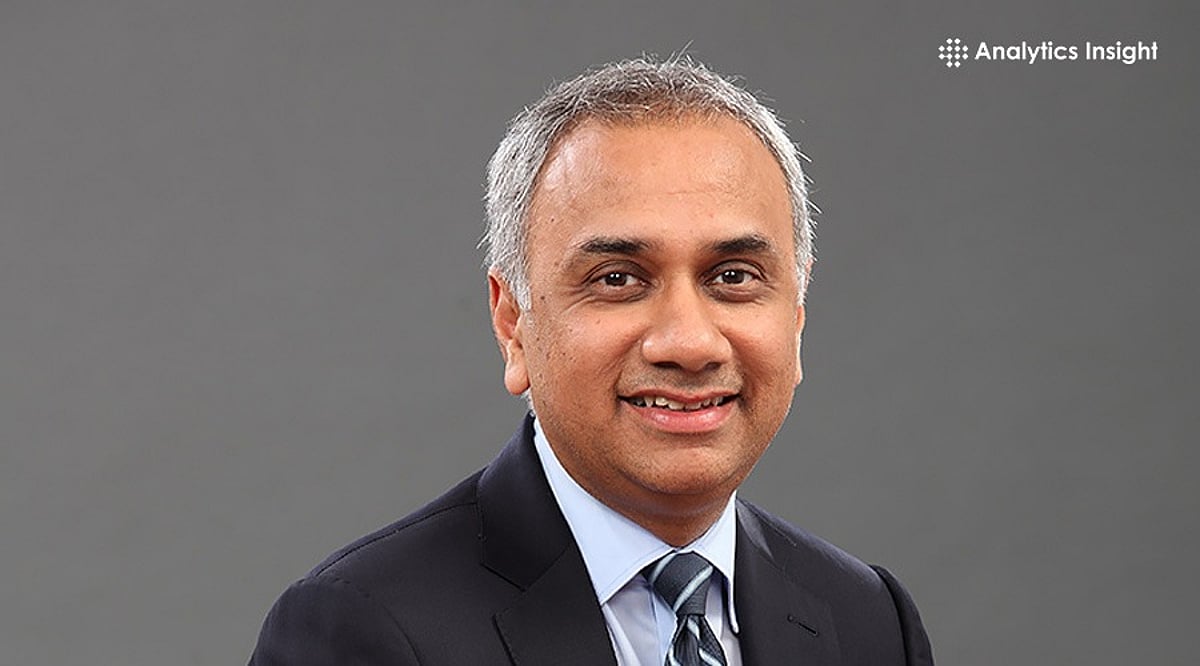
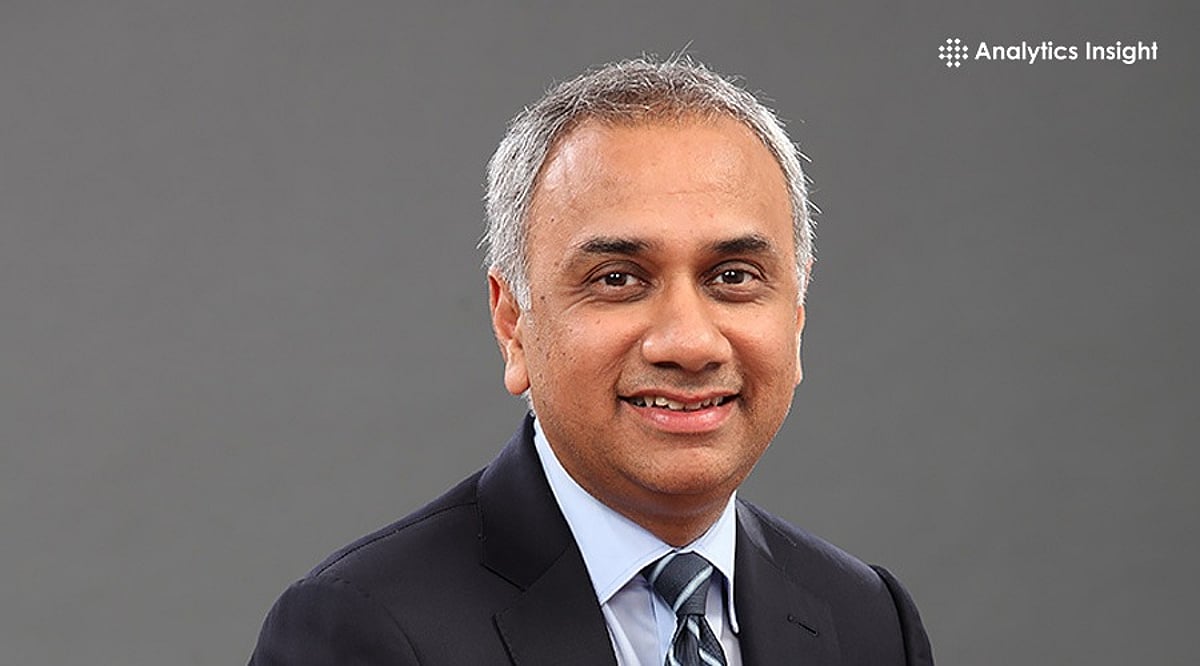
    “AI momentum is now rapidly converting into revenue, which demonstrates how Infosys’ differentiated enterprise AI value proposition is translating into consistent market share gains. Strong large deal wins, powered by Infosys Topaz, reinforce client confidence in our ability to be the strategic partner of choice for AI transformation driving tangible business value,” said Salil Parekh, CEO and MD.

    Infosys revised its FY27 revenue growth guidance to 1.5%-3.0% in constant currency and retained its operating margin guidance at 20%-22%.

    Key Financial Highlights (Q1 FY27)

    • Revenues in constant currency: +2.4% YoY, +1.0% QoQ
    • Reported revenues: $5,082 million (+2.8% YoY, +0.8% QoQ)
    • Operating margin: 21.1% (+0.3% YoY, +0.2% QoQ)
    • Basic EPS: $0.20 (+3.7% YoY)
    • Free cash flow: $955 million (FCF conversion: 116.5%)

    “Our resilient margins of 21.1% and consistent strong cash generation reflect the strength of our business model, disciplined execution and continued focus on operational excellence in a challenging business environment,” said Jayesh Sanghrajka, CFO.

    Major Client Wins and Partnerships

    Infosys announced several strategic collaborations and renewals during the quarter:

    • Mercedes-Benz Group AG: Renewed a long-standing partnership to move one of the automotive sector’s largest hybrid cloud and data center operations to an AI-led operating model, leveraging Infosys Topaz and Infosys Cobalt.
    • Nokia: Collaboration to strengthen product engineering capabilities across core networks, accelerating innovation and execution efficiency.
    • Bendigo Bank: A seven-year collaboration to build a future-ready bank, enhancing digital experiences for 2.9 million customers.
    • DNB Bank ASA: Expanded collaboration to modernize financial crime operations using NICE Actimize’s X Sight Enterprise platform.
    • Sentara: Collaboration to scale enterprise AI adoption in healthcare services.
    • GlobalFoundries: Expanded collaboration to accelerate AI-driven IT operations transformation.
    • Spark New Zealand: Accelerating AI-led transformation across technology delivery and digital operations with Infosys Topaz.
    • Cox Communications: Modernization of technology operations to enhance digital customer experiences.
    • Ventura Foods: Enterprise transformation using Oracle Fusion Cloud and Infosys Topaz for an AI-first value chain strategy.
    • OpenAI: Collaboration to accelerate enterprise AI transformation, focusing on deploying Codex for large-scale software modernization and automation.
    • Harness: Partnership to unlock AI value for enterprise transformation, addressing the “AI Velocity Paradox.”
    • Finacle Deals: Sterling Bank of Asia (enhancing employee and customer experience), Bank of Sydney (successful go-live of Finacle Digital Banking Suite on AWS).

    Industry Recognitions and Awards

    Infosys received multiple accolades in Q1, including ranking #1 on LinkedIn Top Companies in India for 2026, being recognized as a Leader in Gartner Magic Quadrant for Cloud ERP Services, and winning the Bronze Stevie Award for Innovation in Investor Relations. Infosys Finacle was rated a Leader in The Forrester Wave for Digital Banking Engagement Platforms and ranked #1 in 22 categories by IBS Intelligence.

    For a full list of awards and recognitions, visit the official Infosys newsroom.

  • Best Indian Web Development Companies for 2026: Trusted by Businesses

    Best Indian Web Development Companies for 2026: Trusted by Businesses

    Introduction

    As businesses increasingly move online, choosing the right web development partner is critical. India has emerged as a global hub for web development, offering a blend of technical expertise, scalability, and cost-effectiveness. Here are the top Indian web development companies that businesses trust in 2026.

    1. TCS: Enterprise-Grade Web Development

    TCS delivers secure, scalable digital platforms for large enterprises requiring complex integrations, cloud capabilities, and long-term technology support.

    2. Infosys: AI-Powered Digital Experiences

    Infosys combines web development with artificial intelligence, cloud computing, automation, and digital transformation for modern enterprise applications.

    3. HCLTech: Complex Technology Ecosystems

    HCLTech builds enterprise web platforms integrated with backend systems, cloud infrastructure, cybersecurity frameworks, and advanced digital engineering capabilities.

    4. Tech Mahindra: Industry-Focused Solutions

    Tech Mahindra develops customized web solutions for telecommunications, manufacturing, healthcare, banking, and businesses undergoing large-scale digital transformation.

    5. Aalpha Information Systems: Custom Development

    Aalpha provides full-stack development, e-commerce platforms, custom software, and mobile applications for businesses seeking flexible technology partnerships.

    6. Emizen Tech: E-commerce Expertise

    Emizen Tech focuses on web development, e-commerce platforms, custom software, and digital solutions designed for businesses across multiple industries.

    7. IndiaNIC: Digital Product Development

    IndiaNIC helps businesses create custom websites, web applications, software products, and digital platforms tailored to specific operational requirements.

    8. Hidden Brains: Enterprise Digital Transformation

    Hidden Brains offers web applications, enterprise software, cloud solutions, and emerging technologies for organizations pursuing long-term digital innovation.

    9. Acodez IT Solutions: Design And Development

    Acodez combines responsive web design, development, e-commerce capabilities, and digital solutions to help businesses build engaging online experiences.

  • Top Indian Web Development Companies to Partner With in 2025

    Top Indian Web Development Companies to Partner With in 2025

    India is home to some of the world’s most capable web development firms, offering everything from enterprise-grade applications to agile digital experiences. Whether you need a robust e-commerce platform, a cloud-native solution, or AI-powered customer portals, these Indian companies lead the market with proven expertise and global reach.

    Tata Consultancy Services (TCS): TCS delivers enterprise-grade web development, cloud integration, digital transformation, and scalable business applications for global organizations across multiple industries.

    Infosys: Infosys specializes in custom web applications, AI-powered digital experiences, responsive websites, and enterprise modernization solutions tailored to evolving business requirements worldwide.

    HCLTech: HCLTech provides secure web development, cloud-native applications, API integration, and digital engineering services that help businesses accelerate online transformation and growth.

    Wipro: Wipro builds responsive websites, enterprise portals, e-commerce platforms, and customer-focused digital experiences using modern technologies and agile development methodologies efficiently.

    Tech Mahindra: Tech Mahindra develops scalable web platforms, digital commerce solutions, customer engagement portals, and cloud-enabled applications for businesses across diverse sectors globally.

    LTIMindtree: LTIMindtree combines digital engineering, UI/UX expertise, cloud technologies, and application modernization to create high-performance web solutions for modern enterprises and startups.

    Persistent Systems: Persistent Systems focuses on custom web applications, SaaS platforms, API development, and cloud-based digital products that support innovation and business scalability effectively.

    Net Solutions: Net Solutions offers product engineering, web development, e-commerce solutions, and user-centric digital experiences for startups, enterprises, and fast-growing technology companies worldwide.

    OpenXcell: OpenXcell delivers affordable custom website development, web applications, e-commerce platforms, and dedicated development teams for businesses seeking scalable digital solutions.

  • Infosys Stock Plunges 36% from Peak Amid IBM Crash and Global IT Spending Concerns

    Infosys Stock Plunges 36% from Peak Amid IBM Crash and Global IT Spending Concerns

    Infosys shares were trading at Rs. 1,081.10, extending a prolonged decline from their January 2026 peak of nearly Rs. 1,700. The weakness comes amid growing concerns over slowing global technology spending, cautious enterprise budgets, and the ripple effect of IBM’s historic 25% single-day stock plunge. Although the sharp correction has weighed on investor sentiment, analysts believe client spending trends will shape the long-term outlook for Infosys, large deal wins, and the company’s ability to capitalize on the artificial intelligence (AI) boom.

    Why Infosys Is Feeling the Heat

    IBM’s sharp sell-off has become the latest trigger for weakness across technology stocks globally. The US technology giant reported weaker-than-expected preliminary quarterly results. Enterprise spending is softening, raising concerns about delayed discretionary business technology spending and a shift toward AI investments.

    The news is relevant to Infosys in many ways. Most of its revenue comes from enterprises globally that rely on digital transformation, cloud migrations, and consulting services. Any cut in tech spending, especially in North America, affects investor sentiment towards Indian IT companies. Yet the news will not affect all of its business areas equally, as it serves clients across various industry verticals with different economic cycles.

    IBM’s Decline Weighs on the Broader IT Sector

    The market response did not end at Infosys. The stocks of Tata Consultancy Services, Wipro, HCL Technologies, Tech Mahindra, Coforge, and Persistent Systems were also under selling pressure as the growth prospects of India’s IT industry were being reassessed. This is because companies are shifting their spending priorities. Even as companies keep pouring money into areas like artificial intelligence, cybersecurity, and cloud computing, projects like digital transformations and consulting projects are taking longer to get approval. These changes can affect the growth of outsourcing companies that rely heavily on long-term technology contracts.

    Nonetheless, experts have advised against comparing IBM’s performance with that of India’s IT sector companies. The business models of these companies differ significantly, and IBM’s earnings might not reflect the demand picture for offshore technology services.

    Can Infosys Recover?

    Though the recent rally has seen some retracement, Infosys continues to have solid fundamentals. This includes having a diversified clientele across the globe, maintaining sufficient cash on its balance sheet, and staying focused on growth sectors such as AI, cloud computing, automation, and digital engineering. Such sectors are set to drive enterprise IT spending in the coming years.

    Technically, Infosys is trying to consolidate around Rs. 1,050 – 1,100 levels. Holding above these levels can help it consolidate its gains, and a decisive move above Rs. 1,150 can restore investors’ confidence. On the downside, Rs. 1,000 remains a crucial support level for traders.

    Besides, investors would be keeping an eye on the next quarterly results, management commentary, the deal pipeline, and potential revenue from the AI sector.

    Market Outlook

    There is no doubt that IBM’s steep decline would have affected the share prices of technology companies worldwide. Still, in the case of Infosys, the long-term investment story is independent of any particular company’s fortunes. Infosys is well-placed to capitalize on emerging structural themes such as AI adoption, cloud migration, and digital transformation.

    Although near-term stock volatility may persist amid uncertainty about global tech spending, Infosys’s success in closing larger transformation deals and in AI-enabled services would ultimately determine whether the recent fall was merely a correction or an indication of lower growth ahead. For investors, the upcoming earnings season may provide important insights into this stock’s future.

    FAQs

    What caused Infosys shares to decline recently?

    Infosys shares fell after IBM’s historic stock plunge raised concerns about slowing global technology spending and weaker enterprise IT budgets.

    How does IBM’s decline affect Infosys?

    IBM’s weak outlook fuels fears of reduced enterprise technology spending, which could delay client projects and impact Infosys’ revenue growth.

    Is Infosys fundamentally weak despite the stock correction?

    No. Infosys continues to have strong fundamentals, healthy cash reserves, diversified clients and growing investments in AI and cloud services.

    Which sectors contribute the most to Infosys’ revenue?

    Financial Services is the largest contributor, followed by Retail, Manufacturing, Communication, Energy, Hi-Tech, and Life Sciences businesses.

    What should investors watch before buying Infosys shares?

    Investors should monitor quarterly earnings, deal wins, management guidance, AI-driven growth opportunities and global enterprise technology spending trends.

  • Indian Stock Market Surges: Sensex Reaches 77,314 and Nifty50 Hits 24,124 Led by IT Rally

    Indian Stock Market Surges: Sensex Reaches 77,314 and Nifty50 Hits 24,124 Led by IT Rally

    Indian markets traded higher on July 2, 2026, as the Nifty50 and Sensex gained over 0.5 percent. IT stocks led the rally, oil prices fell, and IPO activity remained strong.

    Key Takeaways

    • Infosys, HCLTech, and Adani Enterprises emerged as top gainers and lifted market sentiment.
    • The Nifty IT index jumped nearly 4 percent, becoming the best-performing sector of the day.
    • Knack Packaging IPO entered day two while five SME IPOs reached their final subscription day.

    The Indian stock market stayed in the green on Thursday, July 2, 2026, as strong buying support lifted the benchmark indices higher. The rise came after positive global signals and better investor confidence following an important development in international politics. Fresh talks between the United States and Iran in Doha brought relief to global markets and helped reduce pressure on crude oil prices.

    At the time of writing, the Nifty50 rose 0.5 percent, or 119.10 points, to reach 24,124.95. The Sensex also showed strength, moving up 0.51 percent, or 391.68 points, to touch 77,314.32. The overall mood in the market remained positive as major sectors supported the upward move.

    IT Stocks Lead the Market Rally

    The biggest support for today’s market rise came from information technology stocks. Strong demand in the IT sector pushed the market upward and created fresh buying interest across major companies. Investors showed confidence in technology companies as the sector recorded the best performance among all market segments.

    The Nifty IT index jumped nearly 4 percent and stood as the top sector of the day. Large technology firms played a major role in this sharp rise. Better sentiment in global technology markets also helped boost confidence in Indian IT shares.

    Among the biggest gainers in the Nifty50 index, Infosys took the lead with strong gains. HCLTech also recorded a solid rise and remained one of the top performers during the session. Adani Enterprises joined the list of major gainers and added further strength to the benchmark index.

    Fall in Oil Prices Supports Investor Sentiment

    Another major reason behind today’s market rise came from lower crude oil prices. Global markets reacted positively after the United States and Iran completed important talks in Doha. This development reduced fears around supply disruption and brought down international oil prices.

    Lower oil prices often create positive conditions for the Indian economy since India imports a large amount of crude oil. A fall in oil prices helps reduce inflation pressure and cuts import costs. As a result, investors showed more confidence in equities and supported buying activity in the market.

    Broader Markets Also Trade Higher

    The positive mood did not remain limited to large-cap stocks. Broader markets also showed healthy movement during the session as investors continued to place money in mid-sized and smaller companies.

    The Nifty MidCap index traded 0.33 percent higher, reflecting stable demand in the broader market segment. At the same time, the Nifty SmallCap index moved up 0.43 percent, showing continued interest in smaller companies.

    Sector Performance Shows Mixed Trend

    Different sectors showed mixed performance during Thursday’s trade session. The technology sector stood as the clear winner and recorded the strongest gain among all indices.

    The Nifty Realty index performed well and remained among the top sectors of the day. The Nifty Consumer Durables index also traded with strength as investors continued to support consumption-based companies.

    On the other hand, the Nifty PSU Bank index recorded the biggest fall among sectoral indices. Weakness in public sector banking stocks put pressure on the banking segment even as the overall market stayed positive.

    IPO Market Remains Active

    The primary market also saw important activity on Thursday. Knack Packaging’s initial public offer entered the second day of subscription. The company plans to raise ₹439.5 crore from the primary market. Market participants watched subscription numbers closely as interest remained steady.

    Apart from this, five SME IPOs entered the final day of subscription. These included Kratikal Tech, Vinit Mobile, Sampark India Logistics, Seemax Resources, Atharva Polyplast, and Teja Engineering Industries.

    Positive Sentiment Continues

    Thursday’s market session remained strong as gains in IT stocks and lower oil prices created positive momentum. The Nifty50 and Sensex stayed higher, broader markets remained firm, and IPO activity kept investor interest active.

    FAQs

    1. Why did the Indian stock market rise on July 2, 2026?

    The market climbed due to an exceptional 4% rally in IT stocks and falling crude oil prices, which dropped following positive US-Iran geopolitical talks in Doha.

    2. What are the Nifty50 and Sensex levels today?

    The Nifty50 index gained 0.5% to reach 24,124.95 points, while the Sensex advanced 0.51% to finish the trading session at 77,314.32.

    3. Which sector performed the best during the session?

    The Nifty IT index was the day’s clear winner, surging nearly 4% as large tech firms like Infosys and HCLTech experienced heavy institutional buying support.

    4. How did the broader market and other sectors respond?

    Mid-cap and small-cap indices climbed over 0.3%, showing broad-based strength, though the public sector banking sector (Nifty PSU Bank) bucked the trend and closed lower.

    5. Which IPOs are currently active in the primary market?

    Knack Packaging’s ₹439.5 crore IPO entered its second subscription day, while five SME public issues—including Kratikal Tech and Sampark India—reached their final bidding day.

  • Infosys Stock Nears 52-Week Low: Key Drivers and Investor Outlook

    Infosys Stock Nears 52-Week Low: Key Drivers and Investor Outlook

    Infosys Limited, one of India’s premier IT services companies, has seen its share price slide toward its 52-week low of ₹996, currently trading around ₹999–₹1,005 on the National Stock Exchange. The stock has corrected sharply from a high of ₹1,728, reflecting broader concerns in the global technology sector. Despite the price weakness, the company maintains strong fundamentals, including $20.16 billion in annual revenue and $14.9 billion in new contract wins during FY2026.

    Why Did Infosys Share Price Fall?

    The primary driver of the recent decline is a slowdown in global IT spending. In June 2026, Accenture lowered its revenue growth outlook, triggering a sector-wide sell-off. Infosys shares dropped 6–7% in a single week as investors worried about reduced demand from key markets like the US and Europe. The company derives a significant portion of revenue from international clients, making it sensitive to global economic trends.

    Valuation and Financial Strength

    At current levels, Infosys trades at a P/E ratio of approximately 13.7–14, well below historical averages. Its P/B ratio stands around 4.3, and the dividend yield has risen to about 4.7%. The company holds robust cash reserves, healthy margins, and a solid balance sheet. While market sentiment remains cautious, many analysts view the valuation as attractive for long-term investors.

    Business Performance and Guidance

    In FY2026, Infosys reported 3.1% constant currency revenue growth and secured large multi-year contracts worth $14.9 billion. Demand for AI, cloud, cybersecurity, and digital transformation services remains resilient. For FY2027, management guided revenue growth of 1.5%–3.5% — a conservative range reflecting the uncertain macro environment.

    Dividend Impact

    Infosys traded ex-dividend on June 10, 2026, after announcing a final dividend of ₹25 per share for FY2026. The stock fell about 2.45% following the adjustment, which is typical. The company maintains a strong record of consistent dividend payments, appealing to income-focused investors.

    Upcoming Catalyst: Q1 FY2027 Earnings

    The next major event is the Q1 FY2027 earnings release on July 23, 2026. Investors will scrutinize management commentary on AI projects, new deal wins, global demand trends, and revenue guidance. A strong report could fuel a recovery, while weak guidance may extend the sell-off.

    Technical Levels to Watch

    Support is at the 52-week low of ₹996. A break below this level could trigger further downside. Immediate resistance lies at ₹1,100, followed by stronger resistance near ₹1,250. Elevated trading volumes suggest active institutional participation.

    Overall Outlook

    Infosys remains fundamentally strong, but short-term headwinds from global IT spending weakness persist. The recent fall appears more a valuation correction than a structural problem. The upcoming quarterly results will likely determine whether the stock recovers or faces continued pressure.

    FAQs

    1. Why did Infosys share price fall in 2026?
    The drop stemmed from weak global tech demand following Accenture’s lowered outlook, stoking fears of reduced client spending.

    2. What is Infosys current share price?
    As of July 1, 2026, shares traded between ₹999 and ₹1,005 on the NSE.

    3. Is Infosys financially strong despite the stock weakness?
    Yes, the company reported $20.16 billion in revenue, $14.9 billion in new contracts, and maintains strong cash reserves.

    4. What is the next important event for Infosys stock?
    Q1 FY2027 results are due on July 23, 2026, with management commentary key for future direction.

    5. Can Infosys share price recover soon?
    Recovery depends on global IT spending trends, Q1 results, and any upward revision to conservative guidance.

  • Daily Tech Roundup: Qualcomm Deepens AI Chip Ambitions, QOSMIC Raises $3.3M, Infosys Boosts Hiring, and Crypto Compliance Tightens

    Good morning! Here’s your quick roundup of the latest developments across AI infrastructure, startup funding, IT services, cryptocurrency markets, and generative AI technologies.

    Qualcomm Expands AI Chip Push With Microsoft and Meta

    Qualcomm has launched an aggressive plan to expand its AI infrastructure capabilities, supplying its new AI processors to major partners including Microsoft and Meta. The company aims to achieve substantial revenue growth in its data centers and become a competitive player in the growing AI hardware market. Qualcomm’s processors are designed to deliver efficient AI performance at lower costs.

    QOSMIC Raises Fresh Capital for Space Communications

    Bengaluru-based space-tech startup QOSMIC has secured $3.33 million in seed funding, led by Accel and Prosus. The company specializes in optical communication hardware for fast data transmission between satellites and ground stations. The new capital will support manufacturing, testing, engineering expansion, and deployment of operational systems for global customers.

    Infosys Accelerates Graduate Hiring and Deal Growth

    Infosys has ramped up its workforce plans by recruiting approximately 20,000 new graduates, while also closing several large deals worth a total of $1.49 billion in FY26. This reflects the company’s continued optimism about corporate technology spending despite broader economic concerns.

    Crypto Compliance Risks Draw Increased Regulatory Attention

    Concerns around cryptocurrency compliance and illicit financial activity remain a key focus for regulators worldwide. Recent discoveries have highlighted the role some cryptocurrency exchanges play in facilitating sanctioned or restricted transactions. These developments reinforce growing pressure on crypto platforms to strengthen monitoring, transparency, and anti-money laundering frameworks as the sector matures.

    Claude AI Tokens Become Key Enterprise Discussion

    As organizations deploy increasingly sophisticated generative AI systems, understanding tokens and context windows has become critical. Claude AI’s token structure influences the amount of data processed in a conversation, impacting system efficiency, cost, and user experience.

  • How Salil Parekh’s Quiet Leadership Steered Infosys Through Tech Turmoil

    How Salil Parekh’s Quiet Leadership Steered Infosys Through Tech Turmoil

    In an industry that rewards loud personalities and bold declarations, Salil Parekh has built his reputation doing the opposite. No viral statements, no constant media appearances, no carefully curated social media presence. Yet over the years, he has quietly become one of the most respected names in India’s IT industry, leading Infosys through one of the most turbulent periods in global technology.

    Since taking charge of Infosys in 2018, Parekh has helped the company grow amid rapid changes in the tech industry. Cloud computing, AI, automation, and digital services have become a much bigger part of business across the world. Through all these changes, Infosys has continued to grow steadily.

    The Journey Before Infosys

    Before joining Infosys, Parekh spent many years at Capgemini, where he held various leadership roles and worked with global clients across industries. Those years gave him deep experience in technology, consulting, and business operations. When Infosys announced him as CEO in 2018, the company was navigating a difficult period marked by leadership changes and internal disagreements. Many felt the company needed stability and calm leadership. Parekh entered quietly and focused on the work rather than creating headlines.

    A Different Kind of CEO

    One thing many people notice about Salil Parekh is his calm demeanor. He is not the type of business leader who tries to dominate every conversation. He speaks in a simple, measured way. Even during difficult times, he rarely appears reactive or dramatic. That style has helped him build trust over time. Inside Infosys, employees see him as practical and balanced — someone who listens carefully and focuses on long-term goals rather than short-term excitement. In a business world that often rewards loud personalities, his quieter approach stands out.

    Infosys Under His Leadership

    Infosys has transformed during Parekh’s tenure. The company expanded its digital and cloud services as businesses worldwide moved more operations online. Infosys also ramped up work in AI and automation to meet growing demand. The company continued signing large global deals and strengthening relationships with international clients. Employee training became a priority as technology evolved rapidly; Infosys invested heavily in helping workers learn new skills and adapt to shifting industry needs. The company’s global presence also grew stronger during these years.

    Navigating Difficult Times

    The tech industry has faced significant headwinds. Economic uncertainty affected business spending in many countries. Competition in the IT sector intensified, with companies vying for major contracts. Managing large teams across different countries brought challenges, especially during remote work periods. Then came the rapid rise of AI, pressuring technology companies to move faster and adapt to changing customer demands. Through all this, steady leadership proved essential. Instead of reacting with panic, Parekh kept the company focused on stability and long-term growth.

    Why His Leadership Style Matters

    Many business leaders today are known for their high visibility. Salil Parekh is respected for the opposite reason: he keeps a low profile and focuses on execution rather than publicity. Clients trust consistency, employees value stability, and investors look for leaders who remain calm during uncertain times. Parekh has built that reputation over years of consistent leadership. His style may not always generate headlines, but it has helped Infosys remain strong during a rapidly changing period for global technology.

    Final Thoughts

    Salil Parekh embodies a quieter style of leadership that many people still deeply value. He does not try to be the loudest voice in the room. Instead, he focuses on steady work, long-term growth, and keeping the company prepared for the future. As AI, cloud services, and automation continue to reshape the tech world, Infosys is navigating that shift under his guidance. His story is a reminder that strong leadership is not always about visibility — sometimes calm thinking, patience, and consistency matter even more.

  • How Salil Parekh Quietly Built a Legacy of Steady Leadership at Infosys

    How Salil Parekh Quietly Built a Legacy of Steady Leadership at Infosys

    While many tech leaders chase headlines, Salil Parekh has built Infosys with calm leadership, steady decisions, and long-term thinking. From AI growth to global uncertainty, the company continued expanding quietly under his balanced and practical leadership style. His journey shows that strong leadership is not always loud—consistency, patience, and stability often matter more than constant visibility.

    Leading Without the Noise

    In an industry that rewards loud personalities and bold declarations, Salil Parekh has built his reputation doing the opposite. No viral statements, no constant media appearances, no carefully curated social media presence. Yet over the years, he has quietly become one of the most respected names in India’s IT industry, leading Infosys through one of the most turbulent periods in global technology.

    Since taking charge of Infosys in 2018, Parekh has helped the company grow amid rapid changes in the tech industry. Cloud computing, AI, automation, and digital services have become a much bigger part of business across the world. Through all these changes, Infosys has continued to grow steadily.

    The Journey Before Infosys

    Before joining Infosys, Parekh spent many years at Capgemini, handling different leadership roles and working with global clients across industries. Those years gave him experience in technology, consulting, and business operations. When Infosys announced him as CEO in 2018, the company was going through a difficult period with leadership changes and internal disagreements. Many people felt the company needed stability and calm leadership. Parekh entered quietly and focused on the work instead of creating headlines.

    A Different Kind of CEO

    One thing many people notice about Salil Parekh is his calm personality. He is not the kind of business leader who tries to dominate every conversation. He usually speaks in a simple and measured way. Even during difficult times, he rarely appears reactive or dramatic. That style has helped him build trust over time. Inside Infosys, many employees see him as practical and balanced, often described as someone who listens carefully and focuses on long-term goals instead of short-term excitement.

    Infosys Under His Leadership

    Infosys has changed a lot during Parekh’s time as CEO. The company expanded its digital and cloud services as businesses around the world started moving more operations online. Infosys also increased its work in AI and automation as demand for those services grew. The company continued to sign large global deals and strengthen relationships with international clients. Employee training became important as technology evolved rapidly, and Infosys invested in helping workers learn new skills and adapt to shifting industry needs. The company’s global presence also became stronger during these years.

    Difficult Times Along the Way

    The tech industry has not had an easy few years. Economic uncertainty affected business spending in many countries. Competition in the IT sector intensified, with companies vying hard for major contracts. Managing large teams across different countries brought challenges, especially during remote work periods. Then came the rapid rise of AI, pressuring technology companies to move faster and adapt quickly to changing customer demands. Through these periods, steady leadership became very important. Instead of reacting with panic, Parekh kept the company focused on stability and long-term growth.

    Why His Leadership Gets Attention

    Many business leaders today are known for high visibility. Salil Parekh is respected for almost the opposite reason. He keeps a low profile and focuses more on execution than publicity. Clients trust consistency, employees value stability, and investors often look for leaders who stay calm during uncertain times. Over the years, Parekh has built that kind of image. His leadership style may not always create headlines, but it has helped Infosys stay strong during a fast-changing period for the global tech industry.

    Final Thoughts

    Salil Parekh embodies a quieter style of leadership that many people still deeply value. He does not try to be the loudest voice in the room. Instead, he focuses on steady work, long-term growth, and keeping the company prepared for the future. As AI, cloud services, and automation continue changing the tech world, Infosys is moving through that shift under his leadership. His story is a reminder that leadership is not always about visibility—sometimes calm thinking, patience, and consistency can matter even more.