Tag: Institutional Adoption

  • Solana (SOL) Long-Term Price Forecast: Scenarios for 2030 and Beyond

    Solana (SOL) Long-Term Price Forecast: Scenarios for 2030 and Beyond

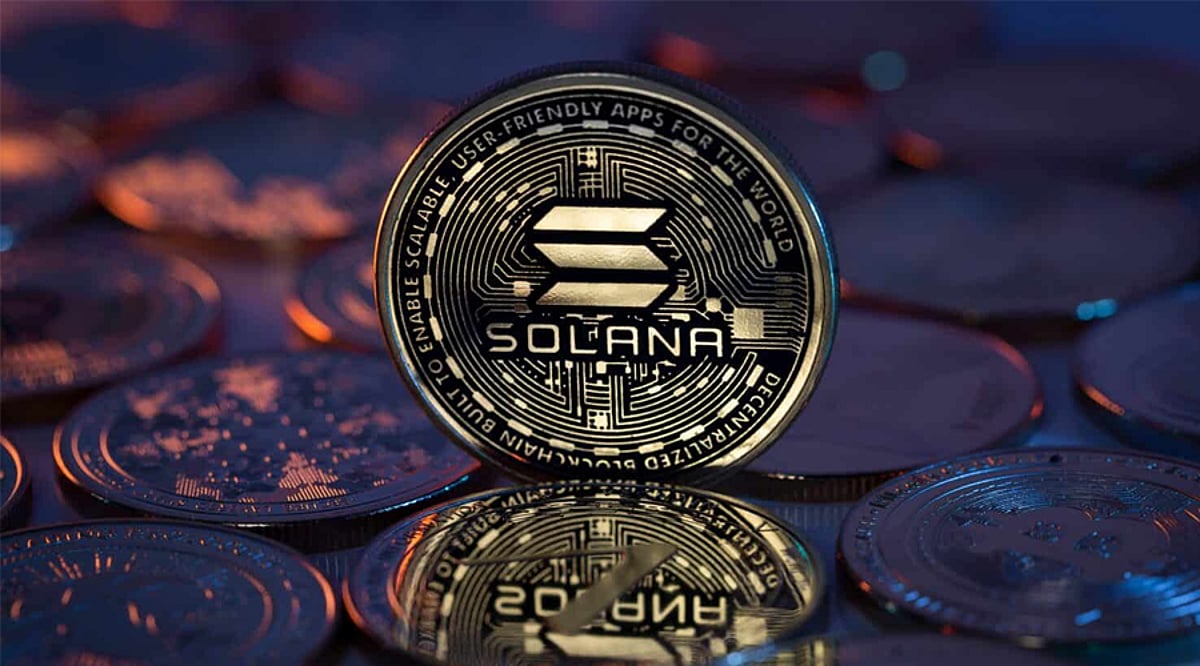
    Solana remains one of the fastest-growing Layer-1 blockchains, but its long-term price outlook is far from certain. Forecasts for SOL by 2030 range from around $90–$300 in cautious scenarios to over $2,000 in highly bullish cases. The outcome will depend on adoption, regulation, and overall crypto market growth.

    Institutional interest continues to strengthen Solana’s investment case. Spot Solana ETF inflows have crossed $1.1 billion, while major financial firms are exploring Solana-based products. Growing adoption by traditional institutions could significantly increase long-term demand for the SOL token.

    Technology remains one of Solana’s biggest advantages. Upgrades like Alpenglow, Firedancer, and future scaling improvements aim to boost speed, reduce latency, and improve network reliability. These innovations could make Solana an attractive platform for payments, DeFi, tokenized assets, and high-frequency trading.

    Real-world asset tokenization is becoming another major growth driver. Tokenized assets on Solana have reached record highs, while companies including Visa, Franklin Templeton, and Société Générale have explored the network for payments and digital asset settlement. Wider enterprise adoption could support higher SOL valuations over time.

    Despite its strengths, Solana faces serious challenges. Ethereum still leads decentralized finance with a much larger ecosystem and total value locked. Solana must also overcome concerns about past network outages, execution risks, and regulatory uncertainty to maintain long-term investor confidence.

    Analysts suggest thinking about Solana in scenarios rather than one fixed price target. A cautious outlook places SOL between $90 and $300 by 2030, while a moderate case sees several hundred dollars through steady ecosystem growth. A bullish scenario above $1,000 would likely require mass stablecoin adoption, expanding institutional investment, and a strong crypto bull market.

    Looking beyond 2030, forecasts become even wider. Some experts see SOL reaching $2,000–$4,000 by 2036 if Solana becomes a key layer for global tokenized finance, while bearish projections remain below $500 if competition, regulation, or adoption disappoints. As with all cryptocurrencies, long-term returns remain highly uncertain and volatile.

  • Solana Gains Traction as E*Trade Listing and Network Expansion Fuel Price Optimism

    Solana Gains Traction as E*Trade Listing and Network Expansion Fuel Price Optimism

    Solana has returned to the spotlight after two major developments: Morgan Stanley’s E*Trade platform now offers spot trading for SOL, and the network continues to show strong growth across key metrics. These events have sparked fresh discussion about the cryptocurrency’s price outlook, with market experts pointing to improved accessibility and healthy ecosystem activity as potential long-term catalysts.

    E*Trade Opens a New Door for Solana

    E*Trade, a brokerage owned by Morgan Stanley, has completed its rollout of crypto spot trading and included Solana alongside Bitcoin and Ethereum. Eligible customers can now buy, sell, and hold SOL through their familiar brokerage accounts. This move is significant because E*Trade serves a large base of traditional investors who may prefer not to open separate crypto exchange accounts. Broader access often leads to increased market activity and liquidity.

    Strong Network Growth Supports Confidence

    The Solana blockchain continues to show healthy expansion. Stablecoin activity remains strong, decentralized exchange (DEX) trading volume is high, and tokenized real-world assets are growing. Developer interest stays active, with new projects and improvements regularly added to the ecosystem. These fundamentals help build confidence, as a growing network often creates long-term value for a blockchain.

    Institutional Interest Continues to Rise

    Large financial firms have shown increasing interest in digital assets over the past year, and the E*Trade rollout adds another example. Institutional participation brings credibility and can improve market liquidity. While institutional support does not guarantee higher prices, it often becomes a key factor during sustained market growth.

    What Could Support the SOL Price?

    Several factors may support Solana in the months ahead: easier access through a major brokerage, continued network expansion, low transaction costs, and fast processing speeds. These features attract developers and projects. If stablecoin use, DeFi, and tokenized assets continue to grow, the ecosystem could become even stronger.

    Risks Still Remain

    Despite positive news, risks remain. Cryptocurrency is volatile, and prices can decline sharply. Competition from Ethereum and other smart contract platforms is intense, and regulatory changes or network issues could affect sentiment. Strong fundamentals alone do not always lead to immediate price gains.

    Price Outlook

    At the latest update, Solana traded at around $77.97. The E*Trade listing represents an important milestone, exposing SOL to millions of mainstream retail investors. Combined with robust network activity and rising institutional adoption, the long-term fundamentals appear solid. However, future price movement will still depend on broader crypto market conditions, particularly Bitcoin’s influence and overall investor sentiment.

  • XRP Double-Digit Potential: Ripple Price Forecast for the Next Bull Run

    XRP Double-Digit Potential: Ripple Price Forecast for the Next Bull Run

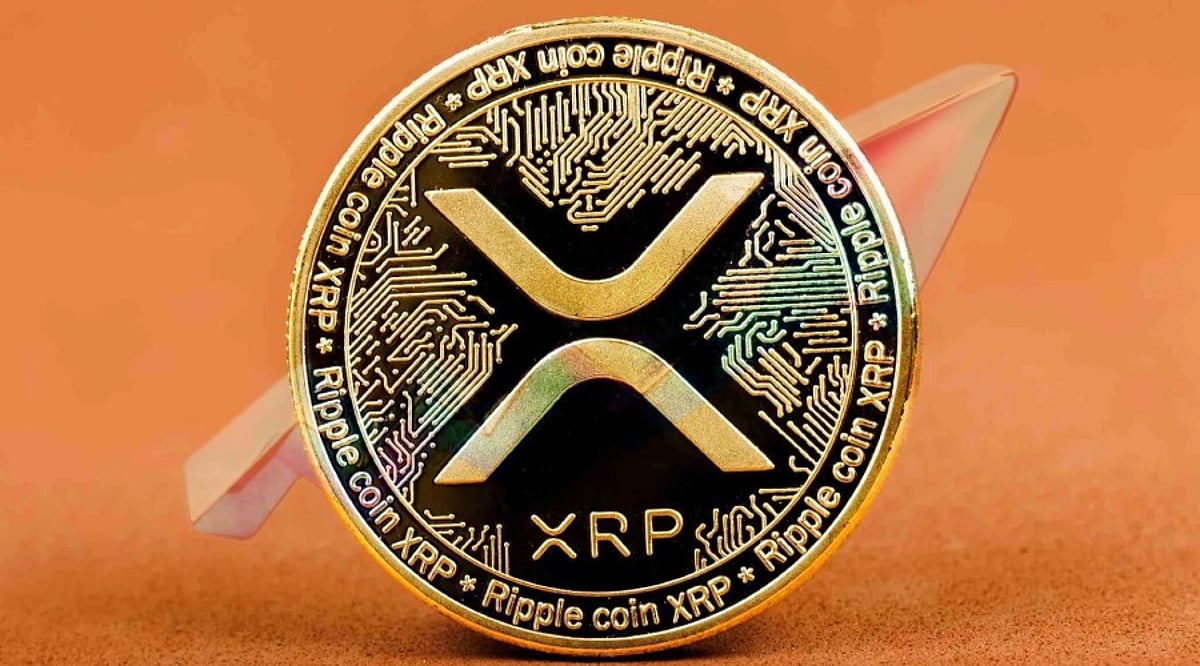
    Ripple’s stronger fundamentals, ETF inflows, regulatory progress, and institutional adoption improve XRP’s long-term outlook. While $4–$7 appears realistic, a $10+ price requires exceptional market conditions.

    Key Takeaways

    • Ripple’s legal clarity and institutional partnerships have significantly strengthened XRP’s long-term fundamentals.
    • Spot XRP ETFs and growing XRP Ledger adoption could drive higher institutional demand.
    • A $10+ XRP is possible but depends on a powerful crypto bull market and continued adoption.

    XRP remains one of the most talked-about cryptocurrencies as the market waits for the next major bull run. Ripple has spent the last few years building its payment network, expanding business partnerships, and securing better legal clarity in the United States. These developments have renewed interest in XRP, even though its price has not reached previous record levels. Many investors now wonder whether the token can finally break into double digits and trade above $10.

    As of mid-July 2026, XRP trades between $1.40 and $1.45. Its market value stands at more than $80 billion, which keeps it among the biggest cryptocurrencies in the world. While the current price is far below the all-time high, recent developments have created fresh optimism for the next market cycle.

    XRP Has Stronger Fundamentals Than Before

    Ripple today finds itself in a much stronger position compared to a few years back. The firm has solved many of its legal problems in the United States, one of the principal issues surrounding XRP. This legal clarity has allowed financial organizations to test Ripple’s payment solutions with ease.

    Ripple has added new features to XRP Ledger and rolled out RLUSD stablecoin. At the same time, the emergence of spot XRP exchange-traded funds (ETFs) has opened up great opportunities for institutional investors. These instruments give market participants exposure to the XRP cryptocurrency without them having to purchase and store cryptocurrencies.

    Despite the positive developments, XRP has failed to meet higher expectations when it comes to its price. Analysts believe that cautious investors, global economic uncertainty, and doubts regarding Ripple’s current offerings have affected XRP sales adversely.

    Latest News Supports Long-Term Growth

    Spot XRP ETFs have attracted more than $1 billion in total inflows since their launch. This shows that institutional investors have started to build positions in the asset.

    The XRP Ledger has also seen more activity in tokenized real-world assets. Today, hundreds of millions of dollars worth of assets exist on the network. This growth shows that the blockchain has started to move beyond simple payment transfers.

    Another positive development comes from new crypto regulations. Discussions around laws such as the CLARITY Act have increased confidence across the digital asset market. Clear rules often encourage banks, investment firms, and large financial institutions to participate more actively.

    These developments have strengthened XRP’s long-term outlook, even though the market has not fully reflected them in the current price.

    Can XRP Reach $10?

    A move from around $1.40 to $10 would require a gain of more than 600%. While this may sound difficult, the cryptocurrency market has delivered similar gains during previous bull runs.

    One major factor could be institutional adoption. Ripple continues to work with banks and payment providers that want faster and cheaper cross-border transactions. If more financial institutions use Ripple’s technology, demand for XRP could increase over time.

    Spot XRP ETFs may also play an important role. These investment products give pension funds, hedge funds, and asset managers easier access to XRP. If ETF inflows continue to rise during a strong crypto market, buying pressure could become much stronger.

    Regulatory clarity is another important factor. For several years, legal uncertainty limited XRP’s growth. As those concerns continue to fade, more institutions may feel comfortable investing in the asset.

    The overall crypto market will also influence XRP’s future. Bitcoin usually leads every major bull cycle. After Bitcoin reaches new highs, investors often shift money into large altcoins such as XRP. This pattern has appeared in several previous market cycles.

    What Could Stop XRP From Reaching Double Digits?

    Although the outlook has improved, several challenges still remain.

    Ripple’s RLUSD stablecoin is gaining traction in the company’s payment strategy. As a result, some analysts think that the use of this stablecoin may diminish the need to have XRP in certain transactions, which could reduce the potential benefits of Ripple’s business growth for XRP.

    There are concerns about competition. Networks such as Solana, Ethereum, and Stellar prove to be rivals in the sphere of payment services and blockchain adoption. They all want to attract financial organizations and programmers.

    Various global economic factors can influence the price of XRP. High interest rates, low economic growth, and low investor confidence could lead to decreasing demand for cryptocurrencies. Even the best projects may struggle in such hard times.

    XRP Price Forecast for the Next Bull Run

    The future price of XRP depends on how the market develops over the next few years.

    • Conservative outlook: $2 to $3 if crypto demand remains weak or institutional adoption slows.
    • Balanced forecast: $4 to $7. Many analysts consider this the most realistic outcome if Bitcoin reaches new highs, ETF inflows continue to grow, and Ripple expands its business.
    • Optimistic outlook: Above $10. This scenario would require several positive events to happen simultaneously: Bitcoin needs another strong bull run, institutional investors need to increase their exposure through ETFs, Ripple needs wider adoption across payment networks, and crypto regulations need to stay supportive.

    If all these factors come together, XRP could trade between $7 and $10, while the strongest market conditions could push the token slightly above the $10 mark.

    Why This Matters

    Growing institutional adoption, regulatory clarity, and new spot ETFs give XRP its strongest fundamentals yet. Understanding these drivers helps investors assess whether current developments can realistically push the token toward double-digit price targets.

    Final Thoughts

    XRP enters the next bull market with stronger fundamentals than ever before. Ripple has made major progress in legal clarity, institutional partnerships, blockchain development, and investment products. These improvements have created a stronger foundation for future price growth.

    Even so, a move above $10 should still be viewed as an ambitious target rather than an expected outcome. A price between $4 and $7 appears more realistic under normal bull market conditions. However, if institutional demand continues to rise, ETF investments grow, regulations remain favorable, and the overall crypto market enters another powerful rally, XRP could finally have a realistic chance to reach double-digit prices.

    FAQs

    1. Can XRP realistically reach $10? Yes, but it would require strong institutional adoption, sustained ETF inflows, favorable regulations, and a major crypto bull market.
    2. What is the most realistic XRP price target for the next bull run? Many analysts consider the $4–$7 range the most achievable under healthy market conditions.
    3. How do spot XRP ETFs impact the price? Spot ETFs make XRP more accessible to institutional investors, potentially increasing demand and long-term buying pressure.
    4. What are the biggest risks to XRP’s growth? Competition from other blockchains, macroeconomic uncertainty, slower adoption, and reduced utility if stablecoins replace some XRP use cases.
    5. Why are investors optimistic about XRP now? Improved legal clarity, expanding Ripple partnerships, XRP Ledger growth, tokenized real-world assets, and increasing institutional interest have strengthened confidence in XRP’s future.

  • AI Tokens vs. Bitcoin: Which Crypto Will Lead in 2026?

    AI Tokens vs. Bitcoin: Which Crypto Will Lead in 2026?

    The cryptocurrency landscape is evolving rapidly, and as we look toward 2026, a key question emerges: will AI tokens outperform Bitcoin? Both asset classes offer distinct advantages and risks, and understanding the dynamics can help investors make informed decisions.

    Higher Growth Potential for AI Tokens

    AI tokens could deliver stronger returns than Bitcoin if decentralized AI adoption and investor demand accelerate throughout 2026. The intersection of artificial intelligence and blockchain technology creates new opportunities for growth that Bitcoin alone cannot capture.

    Greater Market Volatility

    AI cryptocurrencies experience sharper price swings, making them riskier investments than Bitcoin despite their significant upside potential. Investors must be prepared for higher volatility when allocating capital to AI-focused digital assets.

    Institutional Confidence in Bitcoin

    Bitcoin continues attracting institutional investors through ETFs and corporate adoption, strengthening its long-term market position and stability. This institutional backing provides a foundation of reliability that newer AI tokens have yet to achieve.

    AI Infrastructure Demand

    Growing demand for decentralized GPU networks, AI agents, and blockchain computing could drive sustained growth for leading AI tokens. As industries increasingly rely on AI, the infrastructure supporting it becomes more valuable.

    Real-World Utility

    AI projects offering practical applications, decentralized computing, and data marketplaces stand better chances of outperforming speculative blockchain tokens. Utility-driven tokens are more likely to retain value and attract long-term users.

    Bull Market Advantage

    During crypto bull markets, AI tokens historically outperform Bitcoin as investors seek higher-growth opportunities across emerging blockchain sectors. The pattern suggests that in a bullish 2026, AI tokens could see outsized gains.

    Regulatory Challenges

    Changing cryptocurrency regulations may impact AI tokens more heavily than Bitcoin, creating additional uncertainty for investors during 2026. Regulatory clarity will be a crucial factor for the performance of AI tokens.

    Portfolio Diversification

    Combining Bitcoin’s stability with selective AI tokens offers balanced exposure to established digital assets and emerging AI-driven blockchain innovation. A diversified approach can mitigate risk while capturing growth.

    2026 Investment Outlook

    AI tokens may outperform Bitcoin in bullish conditions, while Bitcoin remains the safer choice during uncertain or bearish market cycles. Investors should assess their risk tolerance and market outlook before deciding where to allocate funds.

    As the crypto market matures, the interplay between AI tokens and Bitcoin will continue to shape investment strategies. Staying informed and adaptable will be key to navigating this dynamic landscape.

  • Solana Price Eyes $92 Breakout as Network Activity and Institutional Partnerships Fuel Bullish Sentiment

    Solana Price Eyes $92 Breakout as Network Activity and Institutional Partnerships Fuel Bullish Sentiment

    Solana has recovered above two important technical levels, strengthening its latest rebound while the broader trend remains undecided. The token now trades above its 50-day exponential moving average near $76.82 and the 50% Fibonacci retracement around $76.92. However, analysts caution that the recovery still requires confirmation through a decisive breakout above overhead resistance. Meanwhile, growing network activity, institutional developments, and steady derivatives positioning continue to support market attention as traders monitor whether SOL can sustain its upward momentum.

    Technical Indicators Point to a Critical Breakout Test

    SOL now faces immediate resistance at a descending trendline near $81.50. A daily close above that level could open the path toward $83.81. After that, the 78.6% Fibonacci retracement near $88.56 becomes the next technical target, sitting just below a supply zone that has rejected several rallies since March. Together, these indicators suggest buying strength has improved, but analysts continue to watch for a confirmed breakout before identifying a broader trend reversal.

    Crypto market analyst BitGuru also identified the $74–$75 range as an important short-term support zone. If buyers fail to defend that area, SOL could decline toward $68.88 before testing the June cycle low near $60.13.

    Network Growth and Institutional Support Add Momentum

    Beyond technical signals, Solana continues to record strong on-chain activity. Its decentralized exchanges processed roughly $4.15 billion in trading volume during the past 24 hours, placing the network ahead of competing blockchains. At the same time, Solana expanded its institutional reach through a partnership with SBI Holdings. The companies plan to develop on-chain financial infrastructure across Japan, covering stablecoins, tokenized real-world assets, cross-border settlement, institutional services, and payment systems designed for AI agents. Although the agreement does not guarantee higher prices, it broadens Solana’s practical use cases and connects the network with Japan’s financial sector and potential sources of global liquidity.

    Meanwhile, derivatives data continue showing stable speculative interest. Open interest has remained above $5 billion, while futures trading volume increased during the latest market recovery. CoinGlass data also indicate that leverage has not reached extreme levels.

    Analysts Watch the $89–$92 Resistance Zone

    The strongest resistance remains between $89 and $92. SOL has repeatedly struggled to break through that range, making it an important hurdle before any move toward $100. Above that area, the 200-day exponential moving average between $94 and $95 creates another technical obstacle. Traders continue watching both resistance levels closely.

    Crypto market analyst Ali Martinez reported that the SuperTrend indicator generated its first buy signal since October 2025. His analysis projects possible targets near $96 and $121 if buying pressure continues. Still, Martinez noted that the bullish structure would fail if SOL falls below the key support area near $60.

    Market Outlook

    Can buyers maintain enough momentum to push SOL above $81.50 and eventually clear the major resistance between $89 and $92? For now, analysts continue watching the price closely. A failure at $81.50 could keep SOL inside its current recovery range. A decline below $76.40 would weaken the short-term structure, while a break under $74.11 could send the token toward $68.88, where the previous rising trendline may attract renewed demand.

    Solana price has recovered above key technical support while approaching the important $81.50 resistance. Strong network activity, steady interest in derivatives, and the SBI Holdings partnership continue to support market attention as traders watch whether SOL can clear $92 or revisit lower support levels.

  • Solana’s Stablecoin Supply Surges 15x Since 2025, Fueling Liquidity and DeFi Expansion

    Solana’s Stablecoin Supply Surges 15x Since 2025, Fueling Liquidity and DeFi Expansion

    Solana’s stablecoin supply has experienced a remarkable 15-fold increase since 2025, propelling network growth through enhanced liquidity, surging DeFi activity, and rising institutional adoption. The total stablecoin supply on Solana now exceeds $13 billion, with non-USDC and non-USDT stablecoins alone reaching approximately $3.8 billion by mid-2026. This dramatic expansion underscores the blockchain’s growing appeal among users, developers, and financial institutions seeking scalable digital payment and decentralized finance solutions.

    Key Takeaways

    • Solana’s non-USDC and non-USDT stablecoin supply has grown nearly 15x since 2025.
    • Total stablecoin supply on Solana surpasses $13 billion, boosting network liquidity.
    • Institutional interest and DeFi expansion remain key drivers of long-term ecosystem growth.

    Diversification of Stablecoin Assets

    While USDC continues to dominate Solana’s stablecoin landscape, the market has witnessed a significant rise in alternative digital dollar tokens such as PayPal USD (PYUSD), Ethena’s USDe, and several emerging projects. This diversification reduces reliance on single issuers, enhances liquidity, and provides developers with greater flexibility—creating a more resilient and attractive ecosystem.

    Liquidity Fuels Trading and Lending

    The influx of stablecoins has deepened liquidity across Solana’s decentralized exchanges (DEXs) and lending platforms. Transaction volumes have surged, and Solana now competes closely with Ethereum and other leading smart contract chains in DEX trading volume. Fast transaction speeds and low fees continue to attract both retail and institutional participants.

    Total Value Locked (TVL) Surpasses $7.5 Billion

    Solana’s total value locked (TVL) climbed above $7.5 billion in 2025, reflecting sustained user confidence in the network’s DeFi ecosystem. Despite typical market fluctuations, TVL remains significantly higher than in previous cycles, signaling enduring trust in Solana’s infrastructure.

    Popular Applications Drive User Adoption

    Leading Solana applications—including Jupiter, Raydium, Kamino Finance, Orca, Meteora, Drift, Marginfi, and Jito—have seen increased user activity thanks to stablecoin-powered liquidity. These platforms benefit from Solana’s high throughput and low costs, making them attractive for traders and developers alike.

    SOL Price Reflects Network Health

    As of mid-July 2026, SOL trades near $80, recovering alongside the broader crypto market. The token previously reached an all-time high of nearly $294 in early 2025 before a market correction. The stabilisation of stablecoin supply has contributed to SOL’s price resilience.

    Institutional and Real-World Asset Adoption

    Institutional interest is growing, with asset managers developing Solana-based investment products and financial institutions leveraging the blockchain for faster payments and settlements. Real-world asset (RWA) tokenization is also gaining traction, as firms explore placing treasury products on-chain, drawn by Solana’s speed and low costs.

    Infrastructure Improvements Support Future Growth

    Solana’s technical foundation continues to strengthen. Validator participation remains robust, and developers are building across DeFi, gaming, AI, consumer services, and digital payments. Enhanced developer tools and institutional custody solutions are lowering barriers for new projects, sustaining long-term ecosystem expansion.

    Why This Matters

    Solana’s 15x stablecoin surge marks a pivotal shift from reliance on single asset issuers to a diversified capital base. This liquidity boost solidifies its position as a leading institutional-grade DeFi hub, directly supporting sustained network growth.

    Stablecoins: The Core Growth Driver

    Stablecoins do more than provide liquidity—they amplify transaction activity, improve lending markets, support decentralized trading, and create new opportunities for payments and yield generation. Each new dollar entering the ecosystem strengthens overall network activity. Solana now ranks as the third-largest blockchain by stablecoin supply, behind only Ethereum and TRON, underscoring its rapid ascent.

    If current trends continue, stablecoins will remain a central catalyst for Solana’s expansion, with increasing payment services, institutional participation, RWA tokenization, and DeFi innovation drawing more users and capital to the network.

    Frequently Asked Questions

    Why has Solana’s stablecoin supply grown so quickly?

    Higher DeFi adoption, low transaction fees, fast processing speeds, and increasing institutional participation have driven strong stablecoin growth.

    How much has Solana’s total stablecoin supply reached?

    The network’s total stablecoin supply has exceeded $13 billion, marking more than 150% annual growth during 2025.

    Which stablecoins are expanding on Solana?

    USDC remains the largest, while PYUSD, USDe, and several newer stablecoins have also seen significant growth.

    How does stablecoin growth benefit the Solana network?

    It improves liquidity, supports decentralized trading and lending, increases transaction activity, and attracts more developers and institutions.

    What is Solana’s current position among blockchain networks?

    Solana ranks as the third-largest blockchain by stablecoin supply, behind Ethereum and TRON, highlighting its rapid ecosystem expansion.

  • XRP Price Stabilizes Near $1.08 as CLARITY Act Progress and Ripple’s European Expansion Drive Optimism

    XRP Price Stabilizes Near $1.08 as CLARITY Act Progress and Ripple’s European Expansion Drive Optimism

    XRP traded near $1.08 on July 13, 2026, as investors weighed improving long-term developments against continued uncertainty across the wider cryptocurrency market. The digital asset remained within a trading range of $1.00 to $1.13 while traders awaited fresh catalysts that could shape the next price move.

    At the same time, regulatory progress, Ripple’s expanding institutional presence, and growing XRP Ledger adoption supported the long-term outlook, although macroeconomic concerns continued to limit stronger market momentum. As a result, many participants maintained a cautious approach while monitoring upcoming regulatory and market events.

    CLARITY Act and European Approval Draw Market Attention

    The proposed CLARITY Act remains one of the most closely watched developments for XRP. The legislation aims to establish a regulatory framework for digital assets in the United States. It previously cleared the Senate Banking Committee and was expected to reach the full Senate in July.

    The latest update indicates that the full Senate vote is now scheduled for August. According to the available information, the legislation could classify XRP as a digital commodity across most markets if lawmakers approve the measure.

    Although the delayed vote slowed immediate market expectations, many analysts continue to identify the legislation as a major long-term event for XRP. Meanwhile, investors continue tracking its progress as they assess future regulatory clarity. Could regulatory certainty become the catalyst that shifts XRP out of its current trading range?

    Besides developments in the United States, Ripple secured full Markets in Crypto-Assets (MiCA) authorization in Luxembourg. Consequently, the company can now operate within a regulated framework across member countries of the European Economic Area.

    Institutional Activity Supports XRP Ledger Growth

    Institutional participation continues to support XRP alongside expanding utility across the XRP Ledger ecosystem. The network increasingly serves payment services, liquidity management, and institutional transactions.

    At the same time, tokenization of real-world assets has become one of the fastest-growing applications on XRPL. Ripple’s RLUSD stablecoin also supports settlements across the ecosystem while providing additional liquidity for enterprise digital asset payments.

    Furthermore, Ripple continues expanding its on-demand liquidity services throughout Asia, Latin America, and other regions. These services allow banks and payment providers to settle cross-border transactions without maintaining pre-funded accounts.

    Ripple Prime, together with custody and treasury management services, also continues to add institutional clients. During the past month, spot XRP ETFs recorded inflows between $1.4 billion and $1.5 billion, although weekly inflows and outflows continued as investors responded to changing market conditions. Large wallets also continued accumulating XRP during market pullbacks. Even so, the available information indicates that prices may remain restrained without stronger bullish sentiment.

    Macro Conditions Continue to Shape Market Direction

    XRP continues moving alongside broader cryptocurrency market conditions. The token also remains closely correlated with Bitcoin, linking its short-term performance to overall digital asset sentiment. Meanwhile, expectations that U.S. interest rates could remain higher for longer continue supporting the U.S. dollar while reducing demand for higher-risk assets, including cryptocurrencies.

    Elsewhere, the reported agreement reached during U.S. and Iran talks may reduce geopolitical uncertainty and broader market volatility. Even so, the information suggests that any direct benefit for crypto assets could remain limited.

    Looking ahead, market participants continue monitoring several developments, including progress on the CLARITY Act, institutional positioning through spot XRP ETFs, growth in RLUSD adoption, rising XRPL transaction activity, Ripple’s European expansion following MiCA implementation, and future comments from the U.S. Federal Reserve regarding monetary policy.

    What’s Next?

    XRP price remained near $1.08 as investors balanced regulatory progress, Ripple’s European expansion, and growing XRP Ledger adoption against broader macroeconomic uncertainty. Market participants continue watching the CLARITY Act, Spot XRP ETFs, RLUSD growth, and Federal Reserve policy for the next major catalyst.

  • Solana (SOL) Price Outlook Brightens as SBI Launches Dedicated Blockchain Venture in Japan

    Solana (SOL) Price Outlook Brightens as SBI Launches Dedicated Blockchain Venture in Japan

    Solana has captured renewed market attention after two prominent analysts projected higher price targets, while Japan’s SBI Group unveiled a new Solana-focused venture. The developments come amid improved on-chain activity and a contrasting slowdown in exchange-traded fund (ETF) flows.

    Analysts Raise Price Targets for Solana

    Crypto trader Ansem predicted that Solana could move toward $150 over the coming months, saying that many on-chain altcoins appear ready for a breakout after extended consolidation. He expects Solana to first reclaim the top of its trading range near $84 before advancing to the $150 target, which would represent an increase of roughly 98% from the current price of about $75.8.

    Analyst Michaël van de Poppe offered a more cautious outlook, identifying $100 as a possible near-term target if key support at $76.6 remains intact. He said that holding that level is crucial for confirming continued upward momentum, and if support holds, Solana could trade above $100 within one to two months.

    On-Chain Data Strengthens Amid Softer ETF Demand

    Despite the technical optimism, on-chain activity has continued to improve. BeInCrypto reported that Solana’s total value locked (TVL) climbed to its highest level since early June, suggesting fresh capital has entered the network. Deposits across Solana-based applications increased, long-term holders accumulated tokens, and active wallet addresses approached yearly highs.

    Meanwhile, both open interest and funding rates declined, indicating that spot demand—rather than leveraged trading—drove recent activity. However, institutional demand painted a different picture. According to SoSoValue data, Solana spot exchange-traded funds recorded their first monthly net outflow in June 2026, totaling about $790,000. July brought some recovery with month-to-date inflows of roughly $3.65 million, but those figures remained far below the $199.21 million recorded during the October launch and the $419.38 million peak in November.

    Broader market risks also continued to weigh on sentiment. Renewed US-Iran tensions and the possibility of higher interest rates created additional uncertainty for cryptocurrency markets.

    SBI Launches Solana-Focused Venture to Boost Japan’s On-Chain Finance

    Separately, SBI announced a partnership that will place the Solana Foundation alongside SBI and Sumitomo Mitsui Financial Group within SBI R3 Japan. The company plans to rename the business SBI Solana Global after completing required corporate procedures.

    The new venture intends to use Solana as its primary blockchain infrastructure, aiming to connect Japan’s regulated financial system, domestic assets, and legal framework with international blockchain markets. SBI said the platform will support the issuance and distribution of yen stablecoins, including JPYSC, alongside tokenized corporate bonds, commercial paper, investment funds, and real estate products. The company also plans to provide integrated issuance, distribution, and settlement services throughout the on-chain lifecycle of assets.

    Future business areas listed by the partners include cross-border payments, institutional blockchain services, and payment systems for AI agents. However, no launch dates, revenue forecasts, client commitments, or details about regulatory approvals for individual services were provided. This project expands SBI’s broader digital asset strategy, which has previously included a regulated yen stablecoin developed with Startale and the launch of Ripple’s RLUSD stablecoin in Japan through SBI VC Trade.

    What’s Next for Solana?

    Solana has attracted renewed attention as analysts project higher price targets while on-chain activity strengthens despite softer ETF demand. Simultaneously, SBI’s expanded commitment to the Solana ecosystem adds another institutional development for the network. Market participants will continue monitoring both adoption trends and broader economic conditions.

  • Bitcoin’s Diminishing Returns: Historical Cycle Data Suggests Slower Gains Ahead of Next Rally

    Bitcoin’s Diminishing Returns: Historical Cycle Data Suggests Slower Gains Ahead of Next Rally

    Bitcoin analysts continue to project prices between $300,000 and $500,000 during the next market cycle, expected to peak in 2029. However, historical cycle data presents a different picture. Previous bull markets produced progressively smaller gains as Bitcoin expanded in size and attracted greater institutional participation. The latest cycle’s performance suggests future rallies could remain stronger than those in traditional assets but less explosive than earlier Bitcoin surges.

    4-Year Cycle Continues to Shape Market Expectations

    Bitcoin has historically followed a four-year cycle linked to its mining reward halving. Every four years, the network cuts new Bitcoin issuance by 50%, reducing the growth of the cryptocurrency’s supply. While the first halving event happened in 2012, the next will be in April 2028. Past market trends show that the price of Bitcoin usually starts rising around 18 months before the halving period and reaches its peak about 16 to 18 months later.

    In such a scenario, investors and analysts are expecting another rally in the coming years. Peter Brandt, a seasoned trader, estimates that Bitcoin may touch $300,000 to $500,000. Similarly, analysts at Bernstein estimate that the price will reach $500,000 by 2029 due to the high demand for spot Bitcoin exchange-traded funds.

    Historical Returns Show Slower Expansion

    Despite repeated all-time highs, each completed cycle has delivered smaller returns than the previous one. As a result, Bitcoin’s growth rate has steadily declined even while prices continued to reach new records.

    Bitcoin climbed from $266 in 2013 to nearly $20,000 in 2017, representing about a 75-fold increase. Afterward, the next cycle lifted prices to approximately $69,000 in 2021, or about 3.5 times the previous peak. The latest cycle reached roughly $126,000 in 2025, equal to about 1.8 times the 2021 high. Therefore, the historical pattern shows each successive bull market generated more measured gains than earlier cycles.

    Could this trend limit Bitcoin’s next peak below the widely discussed $300,000 to $500,000 range? According to the historical figures, a rise beyond $300,000 would require more than double the increase achieved between the 2021 and 2025 peaks.

    Institutional Growth Changes Market Dynamics

    As Bitcoin’s market value increases, larger amounts of capital become necessary to produce significant price movements. Meanwhile, institutional participation has continued expanding through spot ETFs and a broader range of financial products. Besides ETFs, investors now have access to futures, options, volatility products, arbitrage funds, and structured products with embedded options. These additions have contributed to a market that resembles traditional financial markets more closely.

    Some market participants argue that future Federal Reserve stimulus or direct Bitcoin purchases by the US Treasury could support stronger gains. Nevertheless, the previous cycle followed extensive global fiscal and monetary stimulus after the 2020 COVID-related market decline. Even with that environment, Bitcoin reached nearly $70,000 during the 2021 cycle, around 3.5 times its 2017 peak. Additionally, the 2025 high arrived during Bitcoin’s strongest period of institutional adoption, yet prices advanced only 1.8 times above the previous cycle peak. The historical record therefore shows that Bitcoin has continued setting new highs while delivering progressively smaller returns as the market matured and expanded.

    Conclusion

    Bitcoin’s historical four-year cycle continues to support expectations of new highs, yet each cycle has produced smaller gains than the last. Meanwhile, growing institutional participation and expanding investment products point to a more mature market as analysts monitor the next cycle leading into 2029.

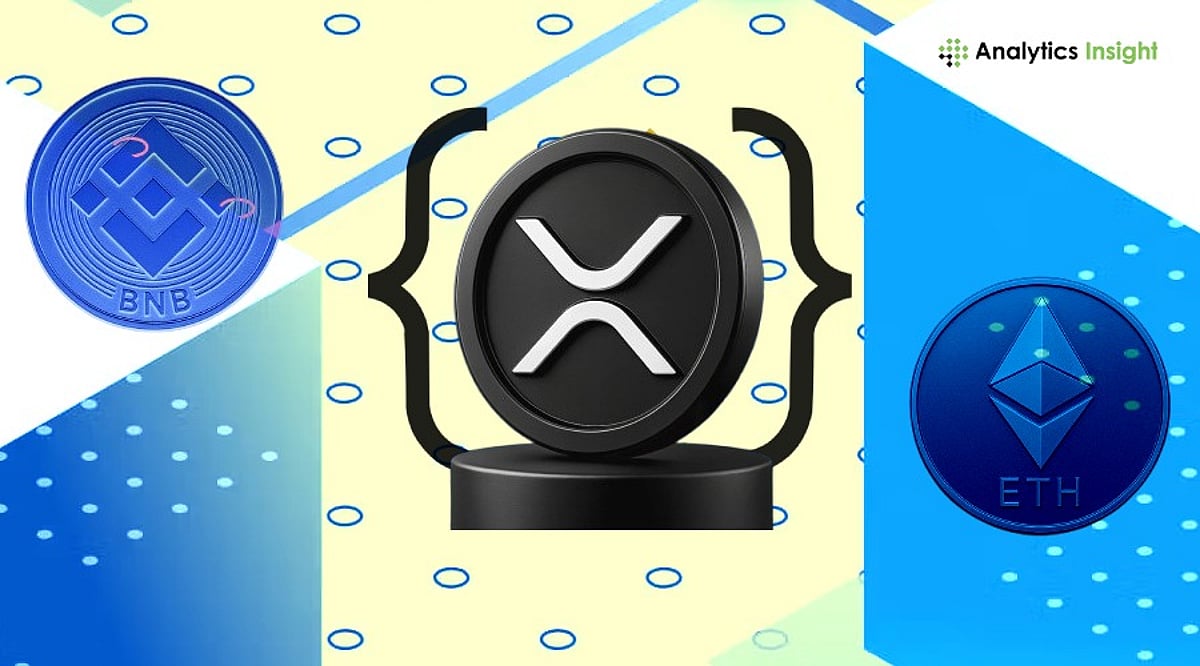
  • XRP Ledger Hits $4B in Tokenized Assets: How It Challenges Ethereum and BNB Chain

    XRP Ledger Hits $4B in Tokenized Assets: How It Challenges Ethereum and BNB Chain

    The XRP Ledger (XRPL) has achieved a remarkable milestone, with the value of tokenized assets on its network surpassing $4 billion. This represents a dramatic increase from approximately $150 million just one year ago, placing XRPL among the top blockchain networks for real-world asset tokenization and intensifying competition with established platforms like Ethereum and BNB Chain.

    Tokenized assets are blockchain-based digital representations of real-world financial instruments, such as bonds, stocks, real estate, and investment funds. The rapid growth on XRPL underscores rising institutional confidence in blockchain technology for faster, cheaper, and more transparent financial transactions.

    Explosive Growth in One Year

    The leap from $150 million to over $4 billion within twelve months highlights the accelerating adoption of XRPL for tokenization. This growth is driven by a combination of institutional interest, network upgrades, and enterprise demand. Financial institutions are increasingly turning to XRPL for its low transaction costs, high-speed settlement, and robust infrastructure.

    Institutional Adoption Fuels Expansion

    Major financial organizations are leveraging XRPL to tokenize government bonds, treasury products, and investment funds. The network’s established reputation in digital payments, combined with its efficient design, makes it an attractive choice for institutions seeking modern financial solutions. This institutional push has been a key catalyst for the surge in tokenized asset value.

    Network Improvements Support Growth

    Recent upgrades, including the introduction of Multi-Purpose Tokens (MPTs), have enhanced XRPL’s ability to support regulated financial assets and enterprise requirements. These features simplify the issuance and management of digital versions of traditional financial products. Stronger stablecoin activity and broader ecosystem participation further bolster the network’s appeal.

    Implications for Ethereum

    Ethereum remains the dominant force in asset tokenization, thanks to its extensive developer community, smart contract capabilities, and mature DeFi ecosystem. However, the rise of XRPL introduces new competition. Some enterprises may prefer XRPL for its lower fees and faster settlement, especially for regulated financial products. Despite this, Ethereum’s rich ecosystem of interconnected applications, such as lending platforms and decentralized exchanges, gives it a significant advantage.

    Implications for BNB Chain

    BNB Chain has built its reputation on low fees, fast speeds, and a strong retail user base, making it a hub for DeFi and trading. The growth of XRPL is likely to increase competition in institutional tokenization rather than retail finance. BNB Chain remains well-positioned for consumer-focused blockchain services, while XRPL attracts enterprise-level, regulated asset tokenization. Both networks may serve distinct niches in a multi-chain future.

    A Multi-Chain Future

    This milestone does not signal the end of Ethereum’s leadership. Instead, the blockchain industry is moving toward a multi-chain landscape where different networks excel in different areas. Ethereum leads in smart contracts and DeFi, XRPL strengthens in enterprise payments and regulated tokenization, and BNB Chain continues to serve retail users. This specialization allows each network to thrive without displacing others.

    Why This Matters

    XRPL reaching $4 billion in tokenized assets is a clear signal that Wall Street seeks specialized, high-performance infrastructure for digital finance. The rapid growth demonstrates that the market is ready for a multi-chain ecosystem where each network dominates specific use cases, rather than a single platform ruling everything.

    FAQs

    1. What are tokenized assets?
    Tokenized assets are blockchain-based digital certificates representing real-world financial products like bonds, stocks, and real estate, enabling seamless digital trading.

    2. Why has XRP Ledger grown so quickly?
    Rapid growth is driven by institutional adoption, ultra-low transaction costs, high-speed settlements, and network upgrades tailored for enterprise compliance.

    3. Will XRP Ledger replace Ethereum?
    No. Ethereum remains dominant in DApps and smart contracts, while XRPL carves out a specialized niche in regulated institutional finance.

    4. How is BNB Chain affected?
    BNB Chain stays strong in retail finance and community apps, while XRPL attracts the enterprise side of tokenized asset markets.

    5. Why is real-world tokenization important?
    Tokenization modernizes finance with 24/7 market access, fractional ownership, lower costs, instant settlements, and full transparency on a public ledger.