Tag: iOS 27

  • iPhone 18: Everything We Know So Far About Features, Release Date, and Price

    iPhone 18: Everything We Know So Far About Features, Release Date, and Price

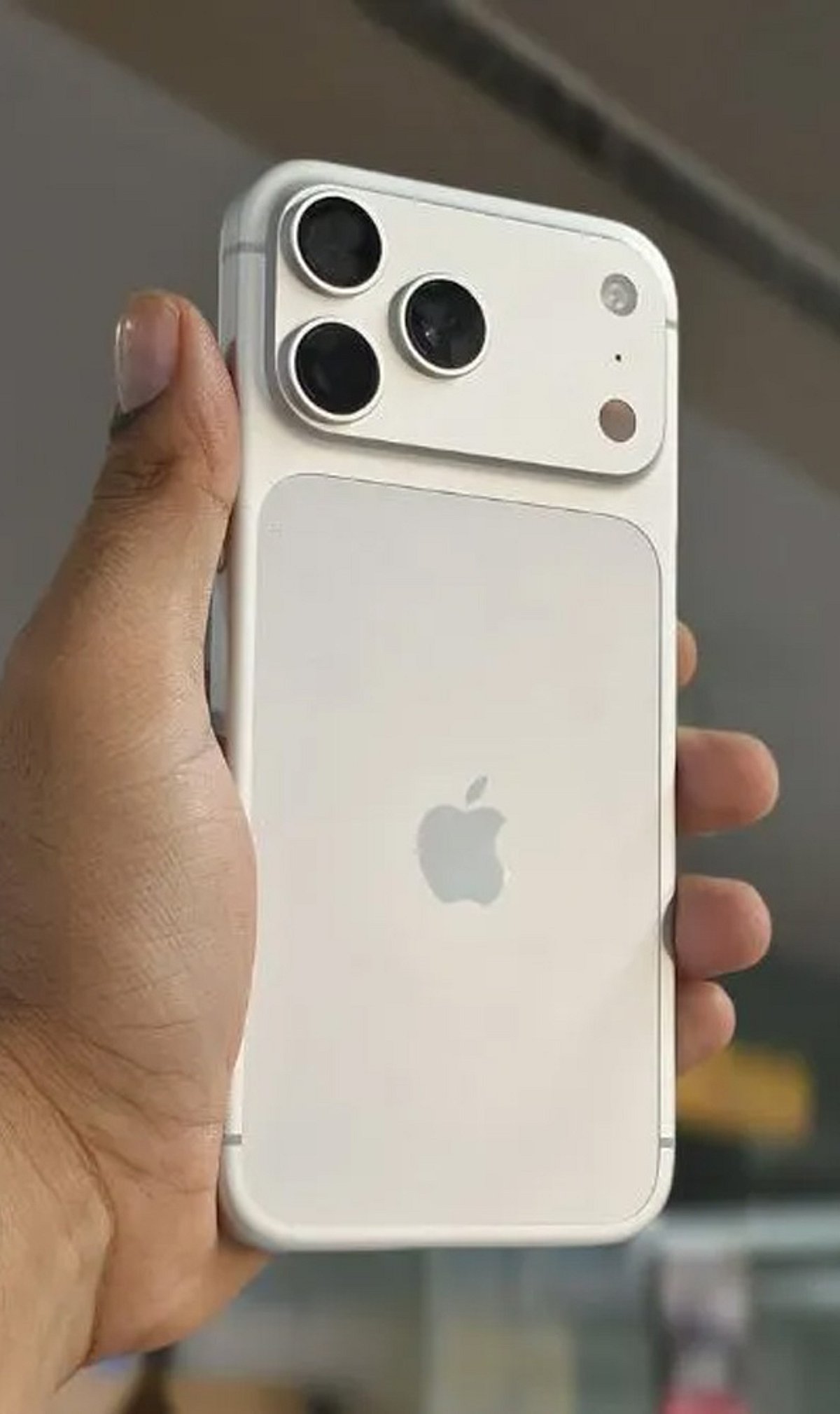
    Apple’s next-generation flagship, the iPhone 18, is already generating buzz with rumors of significant upgrades in performance, AI, cameras, and design. Here’s a comprehensive roundup of expected features, launch timeline, pricing, and the latest whispers from the industry.

    A20 Pro Chip: Faster and More Efficient

    Apple is expected to introduce the A20 Pro chipset, delivering faster processing, enhanced graphics, improved AI capabilities, and better battery optimization. The chip will likely power more demanding applications and enable advanced on-device intelligence.

    Apple Intelligence 2.0: Smarter On-Device AI

    The next generation of Apple’s AI platform, tentatively called Apple Intelligence 2.0, may bring a more conversational Siri, improved writing tools, image generation, and personalized productivity features across apps — all processed locally for privacy.

    Advanced Camera System

    Leaked specs point to improved computational photography, larger sensors, and an enhanced periscope zoom lens. These upgrades should deliver better low-light performance, sharper portraits, and greater optical zoom capabilities.

    Display Technology Upgrades

    The iPhone 18 lineup is rumored to feature brighter OLED panels with thinner bezels, smoother refresh rates (potentially 120Hz on all models), and improved outdoor visibility for a premium viewing experience.

    Battery and Charging Improvements

    Hardware and software optimizations are expected to extend battery life, while faster wired and wireless charging may also be introduced.

    iOS 27: Fresh Features and Privacy

    The iPhone 18 will likely debut with iOS 27, bringing new customization options, enhanced privacy controls, and AI-driven tools that integrate seamlessly with the new hardware.

    Premium Design and Build

    Rumors suggest Apple will use lighter materials, refine the camera housing, and slim down the chassis while maintaining its signature premium feel.

    Expected Pricing

    Flagship pricing is expected to remain in line with previous iPhone launches, though regional variations may occur due to component costs and international market factors.

    Launch Timeline

    Apple is widely expected to unveil the iPhone 18 series at its traditional September launch event in 2027.

  • Apple Music Gains AI-Powered Search and Smart Playback with iOS 27 Update

    Apple Music Gains AI-Powered Search and Smart Playback with iOS 27 Update

    Apple is giving Apple Music a significant upgrade with the upcoming iOS 27 release, introducing a range of artificial intelligence features designed to transform how users discover and enjoy music. The update focuses on making search more intuitive, recommendations more personalized, and playback more seamless.

    Smarter Search with Natural Language Understanding

    The most notable addition is conversational search, which allows users to type casual phrases such as “play relaxing songs for a rainy evening” or “find upbeat workout music” instead of needing exact song or artist names. Apple Music will interpret these requests and surface matching tracks, making music discovery effortless even when users aren’t sure what they’re looking for.

    Personalized Recommendations and AutoMix

    Recommendations become smarter by analyzing listening habits over time, learning favorite artists, genres, and moods to suggest playlists and albums tailored to each listener. A new AutoMix feature blends songs with smooth transitions, delivering a DJ-style listening experience that keeps the music flowing.

    Enhanced Global Music Experience

    Apple is also catering to listeners who enjoy music in multiple languages. Live lyric translation will display real-time translations of song lyrics, while pronunciation guides help users sing along accurately in unfamiliar languages. These tools make foreign-language music more accessible and enjoyable.

    Better Library Management

    Playlist folders are being added to streamline library organization, making it easier for users to sort and group their growing collections. This improvement is particularly welcome for those with extensive music libraries.

    The AI-driven features are part of Apple’s broader push to integrate artificial intelligence across its ecosystem. By combining natural language search, adaptive recommendations, and polished playback, Apple Music aims to evolve from a simple streaming app into a personal music assistant. These features are expected to launch alongside iOS 27 later this year on supported iPhones.

  • iOS 27 Public Beta Now Available: Siri AI Leads New Features—Check iPhone Compatibility

    iOS 27 Public Beta Now Available: Siri AI Leads New Features—Check iPhone Compatibility

    Apple has officially released the iOS 27 public beta, giving users an early look at the next-generation operating system ahead of its stable launch later this year. The headline feature is Siri AI, a redesigned, more intelligent assistant that brings deeper on-device processing, improved contextual understanding, and more natural conversations. The update also includes Apple Intelligence enhancements, performance improvements, and several interface upgrades.

    Siri AI: The Core of iOS 27

    The most exciting addition in iOS 27 is the new Siri AI. Unlike previous versions, this assistant can understand context, identify on-screen information, and perform complex multi-step tasks across Apple’s native apps. Users can ask Siri to locate a specific email, find a particular photo, create notes from messages, summarize content, or complete other multi-stage requests without switching apps. Natural language understanding has also been significantly improved. While the feature is available in the beta, compatibility with third-party apps will expand over time.

    This public beta offers the first opportunity for non-developers to experience Apple’s latest AI capabilities. Experts recommend backing up your device before installing the beta software.

    Other Features Coming in iOS 27

    Beyond Siri AI, iOS 27 introduces AI-powered photo editing, faster search in Photos, improvements to Camera and Messages, overall system performance optimizations, and security enhancements. Apple is clearly focused on delivering AI-driven experiences and refining performance.

    How to Download iOS 27 Public Beta

    To install the beta, sign in to Apple’s Beta Software Program with your Apple ID. Then go to Settings > General > Software Update > Beta Updates, select iOS 27 Public Beta, and begin the installation. Apple advises making a full device backup before upgrading, as beta versions may contain bugs and are incomplete.

    iPhone Compatibility

    iOS 27 supports many iPhone models, but Apple Intelligence and Siri AI require newer hardware. Older iPhones that support iOS 27 may not have access to all of Apple Intelligence’s capabilities. Check Apple’s official list to see if your device is eligible for the full experience.

  • Apple’s Biggest AI Upgrade Yet: Smarter Siri Arrives Across 5 Platforms

    Apple’s Biggest AI Upgrade Yet: Smarter Siri Arrives Across 5 Platforms

    Apple Intelligence is getting its most significant update to date, with a smarter Siri now spanning iPhone, iPad, Mac, Apple Watch, and Vision Pro. The upgrade brings enhanced conversational abilities, deeper app integration, and new features like Visual Intelligence, Live Translation, and stronger privacy protections.

    Originally introduced alongside iOS 18 in 2024, Apple Intelligence has evolved to deliver on its promise of an AI-powered personal assistant. The latest software cycle—iOS 27, iPadOS 27, macOS 27, watchOS 27, and visionOS 27—finally rolls out the previously delayed Siri improvements. Apple now positions Siri as a digital companion that understands personal context, moving beyond simple voice commands.

    Siri Gets Smarter

    The redesigned Siri can search across messages, emails, calendars, photos, and supported apps, then perform actions spanning multiple apps simultaneously. For example, it can pull restaurant recommendations from old texts, retrieve hotel confirmations from email, and locate travel photos without manual searching. For broader questions, Siri now pulls current information from the web.

    Apple Intelligence also integrates intelligent tools throughout the operating system. Writing tools offer proofreading, rewriting, summarizing, and content generation, alongside faster dictation. Image Playground generates original artwork in various styles, while Genmoji creates custom emoji from text prompts. The Photos app now includes object removal, natural language search, and AI-assisted memory creation.

    New Features Across Devices

    Visual Intelligence lets users interact with whatever appears on screen—screenshots, photos, and webpages all become searchable through plain-language prompts. Apple is also adding receipt recognition, aimed at simplifying bill-splitting in future updates. Live Translation adds real-time translation to Messages, FaceTime, and Phone calls. Shortcuts now builds automations from plain-English descriptions. Accessibility tools gain richer image descriptions, smarter Voice Control, and instant reading summaries.

    Hardware limitations remain, as the underlying models require significant processing power. Support covers iPhone 15 Pro and newer, iPad models with A17 Pro or M-series chips, and Apple Silicon Macs. Apple’s most capable on-device model is reserved for select premium hardware with higher memory.

    Privacy and Availability

    Rollout timing varies by region. Siri’s upgraded features won’t launch immediately in the European Union, citing privacy considerations, and China remains outside the initial rollout. Apple says it continues expanding language support elsewhere. Privacy remains a central focus: most requests are processed on-device, while heavier tasks route through Private Cloud Compute without retaining personal data.

  • Today’s Top Tech Roundup: iOS 27 Beta 3, Vivo X300e, iPhone Fold Ultra, Vivo X500 Pro Max, and iQOO 16

    Today’s Top Tech Roundup: iOS 27 Beta 3, Vivo X300e, iPhone Fold Ultra, Vivo X500 Pro Max, and iQOO 16

    Apple has released iOS 27 Beta 3 to developers, bringing new features and performance improvements ahead of the public release. Meanwhile, the Vivo X300e has received 3C certification in China, signaling an imminent launch. Luxury customization brand Caviar has unveiled the iPhone Fold Ultra, a premium foldable concept. The Vivo X500 Pro Max is nearing its global launch, and reports suggest the iQOO 16 may face a delay in its India release.

    Stay tuned for more updates on these exciting developments in the world of tech.

  • iOS 27 Beta Code Hints at Apple’s Next AI Wearable: Vision Glasses or Camera-Equipped AirPods?

    iOS 27 Beta Code Hints at Apple’s Next AI Wearable: Vision Glasses or Camera-Equipped AirPods?

    New code discovered inside Apple’s iOS 27 developer beta has reignited speculation about the company’s upcoming AI-powered wearable. Initially, the code appeared to reference the long-rumored Apple Vision Glasses, but developers now believe it may point to a pair of camera-equipped AirPods instead.

    The mystery device, carrying the internal codename B790, was uncovered by developer Sam Henri Gold in the second beta of iOS 27. The code includes system messages tied to Apple’s Visual Intelligence feature, which allows a wearable to recognize landmarks, text, and objects using onboard cameras. Examples embedded in the software—such as the Eiffel Tower and a coffee mug—suggest the wearable could deliver real-time contextual information about what users see.

    What initially fueled Vision Glasses hype has shifted after closer analysis. The code describes images captured “from cameras on either side of a user’s head,” a description that aligns more naturally with earbuds than eyewear. Developers also note that the B790 codename follows a pattern consistent with earlier AirPods identifiers, while Apple’s rumored smart glasses are believed to carry a different internal designation.

    Visual Intelligence, part of Apple’s broader Apple Intelligence initiative, already enables users to identify objects and landmarks through AI-powered image recognition on the iPhone. The latest code indicates Apple intends to extend this functionality to wearable devices. Whether the final product will be Vision Glasses or camera-equipped AirPods remains unknown, but one thing is clear: Apple is actively developing software for a new class of AI-powered wearables with integrated cameras.

  • iOS 27 Beta 2 Leak Suggests Apple Is Developing Camera-Equipped AirPods for Spatial AI

    iOS 27 Beta 2 Leak Suggests Apple Is Developing Camera-Equipped AirPods for Spatial AI

    Apple’s rumored camera-equipped AirPods have received a fresh vote of confidence from code discovered in iOS 27 beta 2. Developer Sam Henri Gold spotted references to an unreleased product codenamed B790, arriving on the same day that a separate leaker claimed the project had been suspended—creating two conflicting signals about the product’s future.

    What the Leaked Code Actually Shows

    The code Gold found is a system prompt template designed to process ‘two images from cameras on either side of the user’s head,’ handling the left image first and the right one second. That description outlines stereo image processing, where two slightly offset views of the same scene provide Apple’s AI with extra spatial context. The template also includes worked examples, asking about the Eiffel Tower or a coffee mug, along with fallback instructions telling the system to request a new image if the original comes out blurry or poorly lit.

    Why This Points to AirPods, Not Smart Glasses

    Gold initially floated smart glasses as the likely target, but the codename tells a different story. Apple’s AirPods Pro 3 carry the internal codename B788, while the company’s rumored smart glasses are tied to the N50 codename instead. B790 fits far more naturally into Apple’s existing audio-hardware numbering than into its glasses lineup, which is why multiple outlets now treat camera-equipped AirPods as the more likely explanation. The camera placement described in the code—positioned on either side of the head—also aligns better with earbuds than with a front-facing glasses design.

    A Timeline Clouded by Conflicting Reports

    The bigger question isn’t whether the hardware exists, but when it might actually ship. Bloomberg’s Mark Gurman has previously reported that both the camera-equipped AirPods and Apple’s smart glasses are now targeting a late 2027 release, a shift from earlier hopes of a 2026 launch. Adding to the confusion, leaker Kosutami posted that the AirPods camera project had been ‘suspended’ the same week the code surfaced—a claim that sits awkwardly next to active development work showing up in a shipping beta. Whether that means a full cancellation, a temporary pause, or simply a slower internal timeline remains unclear.

    What These AirPods Would Actually Do

    If the product does arrive, its core pitch centers on Visual Intelligence, the feature that already lets iPhone users point their camera at an object and ask Siri what it is. Camera-equipped AirPods would extend that same capability to earbuds, letting users ask contextual questions about their surroundings without pulling out their phone. Early pricing chatter places the product above the existing AirPods Pro 3, possibly in the $299–$349 range under a new ‘AirPods Ultra’ branding, though none of these details have been confirmed by Apple.

  • Apple’s Siri AI Faces EU Delays: Davis Park Management Analyzes Regulatory Hurdles and Investor Impact

    Apple’s Siri AI Faces EU Delays: Davis Park Management Analyzes Regulatory Hurdles and Investor Impact

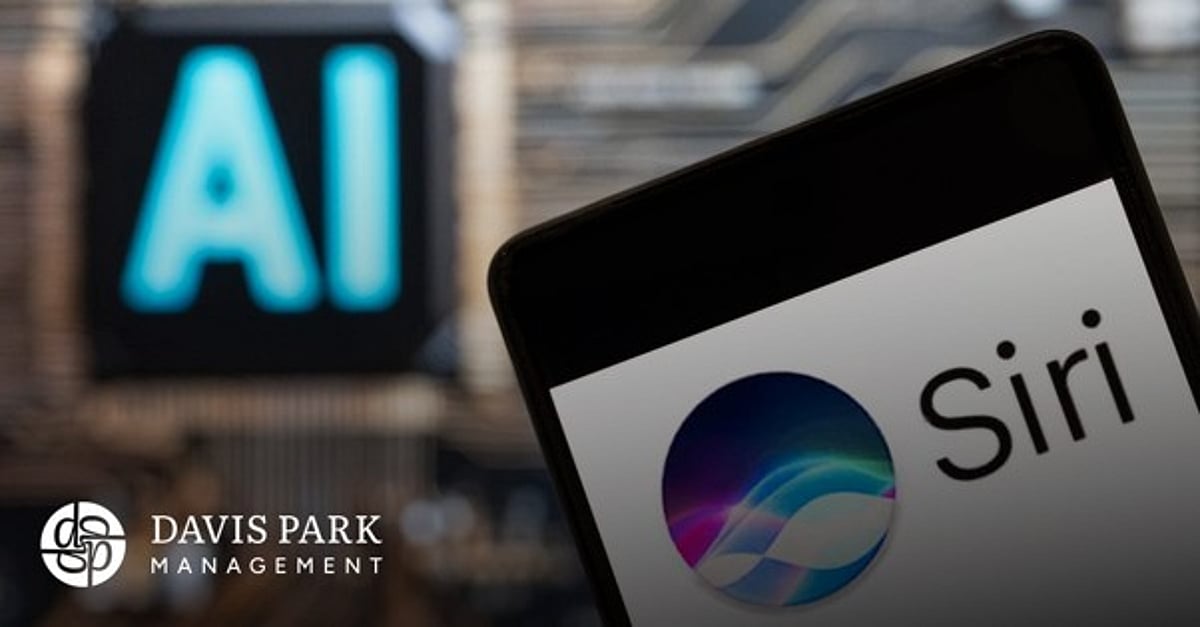
    Apple’s upgraded Siri AI assistant, unveiled at the Worldwide Developers Conference, has hit a regulatory roadblock in the European Union. The Digital Markets Act (DMA) compliance obligations are preventing the feature from launching on European devices, creating a staggered rollout that has caught the attention of institutional investors. Davis Park Management Pte. Ltd., a Singapore-based capital management firm, is examining the implications for allocators as the regulatory landscape complicates Apple’s AI ambitions.

    Regulatory Challenges and Market Access

    The new Siri architecture, powered by a custom version of Google’s Gemini model with 1.2 trillion parameters, represents a significant leap from the previous query-and-response design. However, Apple has confirmed that the assistant will not accompany the forthcoming iOS 27 and iPadOS 27 releases within the EU. Regulators have rejected a succession of proposals, including a phased plan built around a Trusted System Agent, marking the second occasion Apple Intelligence has been withheld from European markets.

    A parallel restriction applies in China, where foreign manufacturers must submit large language models for local approval. China accounts for 17% of Apple’s group revenue, sharpening the commercial stakes of prolonged delays in either market.

    Davis Park Management’s Perspective

    Michael Sheldon, Director of Private Equity at Davis Park Management, views the licensing approach as a deliberate decision to rent frontier capability rather than fund it outright. This preserves capital for areas where Apple retains a defensible advantage and reassures investors focused on margin durability. The firm reads the friction as a question of capital allocation rather than a verdict on the technology.

    Apple’s AI revenue stands near $1.1 billion for the period, while services revenue of about $33.2 billion carries a margin of 76.5%. The active device base exceeds two billion units, and paid subscriptions surpass one billion, expanding at a double-digit rate. Market capitalization briefly overtook Microsoft’s valuation of about $3.6 trillion following the conference, a three-day move adding $358.5 billion in value.

    Broader Implications for Investors

    Sheldon emphasizes that the clearer risk lies in the durability of the ecosystem. Every regulatory concession that loosens the integration between Apple’s hardware and its services chips away at the retention mechanics behind recurring revenue. Regulatory enforcement compounds trade-policy exposure, with a penalty of about $580 million for anti-steering breaches under the DMA and tariff payments approaching $3.7 billion in aggregate.

    Equity research remains divided. One bullish brokerage maintains an “Outperform” rating with a price target near $343.1, projecting AI could add between $83 and $110.7 per share. A more cautious peer has trimmed iPhone unit-growth expectations to 2% across the forecast period, to about 232 million units, with commercial availability slipping into the next year.

    For Davis Park Management, the open question is timing. European availability rests on continuing negotiation and precedent enforcement, while the staggered rollout shows the difficulty of reconciling deep platform integration with divergent compliance regimes. The delay weighs on near-term services projections given the scale of the European installed base, yet the underlying partnership keeps Apple within the competitive frontier of applied AI, leaving the investment case finely balanced between regulatory drag and long-term value.