Tag: IoT

  • 5 DIY Smart Home Projects You Can Build with a Raspberry Pi

    5 DIY Smart Home Projects You Can Build with a Raspberry Pi

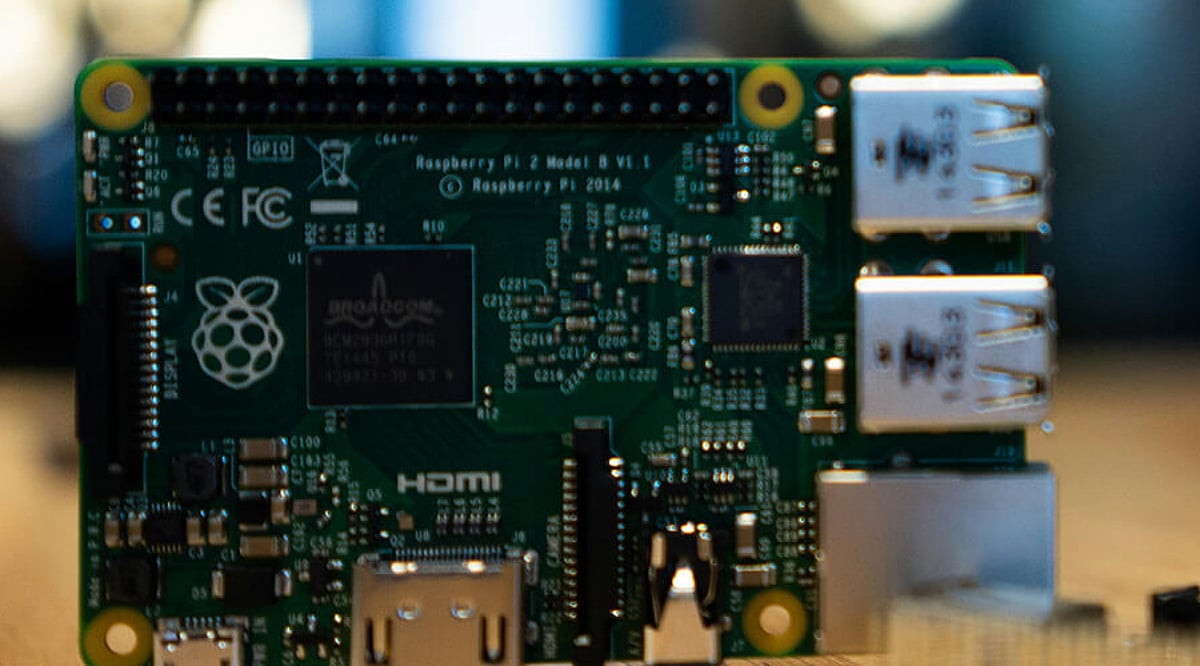
    Raspberry Pi is a compact, affordable computer that can serve as the brain for a wide range of home automation projects. By connecting sensors, switches, cameras, and other devices, you can build systems that monitor conditions and trigger actions automatically. These projects not only make your home smarter but also offer a hands-on way to learn about programming, networking, and the Internet of Things (IoT). Best of all, most can be expanded as you add more devices.

    1. Automated Smart Lighting

    With a Raspberry Pi, you can control lights based on schedules, motion sensors, or voice commands. Motion sensors can turn lights on when someone enters a room, while timers can switch them off automatically. Using appropriate hardware and software, you can create different lighting routines for various rooms. This project provides a practical introduction to automated device control.

    2. Smart Temperature Monitoring

    Connect temperature and humidity sensors to your Raspberry Pi to build a home environment monitoring system. The device can collect readings at regular intervals and display them on a local dashboard. You can also configure alerts when temperatures cross selected thresholds. This project is ideal for monitoring rooms, storage areas, or any space where environmental conditions need regular observation.

    3. DIY Home Security System

    Pair a Raspberry Pi with cameras and motion sensors to create a basic home monitoring system. The setup can capture images or video when movement is detected and store recordings for later review. You can also add notifications to alert you of activity. Remember to implement proper network security and access controls when connecting cameras to the internet.

    4. Smart Doorbell and Alerts

    Build a customized smart doorbell using a button, camera, and speaker connected to a Raspberry Pi. When someone presses the button, the system can capture an image and send an alert to your phone or another device. With the right hardware and software, you can add two-way communication, motion detection, or automated responses to create a more capable setup.

    5. Voice-Controlled Home Devices

    With suitable software and microphones, a Raspberry Pi can become part of a voice-controlled home automation system. You can issue commands to control lights, switches, or other connected devices. This project demonstrates how voice interfaces interact with IoT hardware. Be mindful of privacy settings, especially when using microphones or cloud-based services.

    Bonus: Create a Custom Automation Hub
    Bring multiple projects together by using your Raspberry Pi as a central dashboard or automation platform. Connect sensors, lights, cameras, and switches, then create rules that link different devices. For example, motion detection could trigger lighting automatically. Building a central hub lets you experiment with increasingly complex smart-home routines while retaining full control over your setup.
  • How Bluetooth Beacons Transform Indoor Spaces into Connected Environments

    How Bluetooth Beacons Transform Indoor Spaces into Connected Environments

    Finding a specific item in a large facility sounds simple, but it becomes challenging when that item is constantly moving. A hospital cart may shift floors, a warehouse tool may transfer between stations, or a visitor may struggle to navigate a sprawling venue. Bluetooth beacons offer a practical solution, making spaces easier to navigate and track.

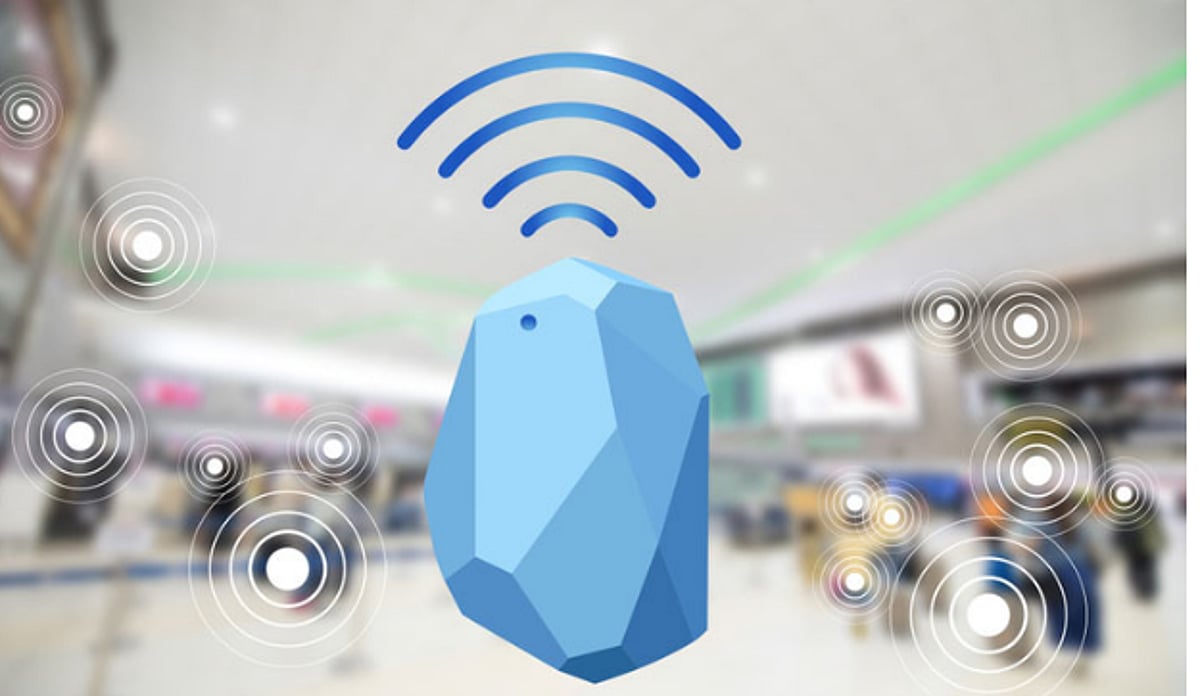
    This technology uses Bluetooth Low Energy (BLE) transceivers to send and receive small data packets to and from enabled devices like smartphones or gateways. The system doesn’t require constant communication with every receiver; beacons simply broadcast information at regular intervals. A device within range picks up the signal and forwards it to a program or management system, which then makes decisions and performs actions.

    What Makes a Bluetooth Beacon Useful?

    The primary advantage is simplicity. Beacons don’t need to stay connected to every receiver—they only broadcast packets periodically. A warehouse management system can detect a tagged trolley entering a loading bay, a museum app can recognize a visitor near an exhibit, or an office system can track equipment moving between rooms. All this is possible without attaching complex, power-hungry computers to every object.

    Bluetooth Low Energy Helps Save Power

    Battery life is critical when deploying dozens or hundreds of wireless devices. BLE was designed for short message exchanges, allowing transmitters to enter sleep mode after sending a signal and wake up only when needed. Battery longevity depends on transmitter power, broadcast frequency, battery size, temperature, and other factors. Striking a balance between update frequency and power conservation is essential.

    Why Indoor Tracking Needs Different Technology

    GPS works well outdoors but fails indoors due to signal blockage by walls and ceilings. Bluetooth beacons circumvent this by using a network of receivers inside buildings that pick up signals from wireless devices and relay them to software. The software processes data to determine an object’s location—often down to the floor or department rather than centimeter-level precision, which is sufficient for many business needs.

    Practical Uses Across Different Industries

    • Asset tracking: In large warehouses, wireless tags help workers quickly locate tools, containers, and vehicles.
    • Healthcare: Portable medical equipment can be found faster, saving critical time for hospital staff.
    • Retail: Apps recognize when a customer enters a section and provide relevant information or directions.
    • Indoor positioning: Airports, museums, universities, and conferences use beacon-based systems to replace physical signs with digital guidance.
    • Manufacturing: Production chains can be monitored automatically, reducing manual checks.

    Understanding Range and Location Accuracy

    Signal strength can indicate proximity, but real-world obstacles like walls, metal shelves, people, and other wireless devices distort signals. Therefore, signal strength should not be relied upon for precise distance measurement. For higher accuracy, advanced methods like direction finding using multiple antennas are available. Businesses should choose the approach that fits their needs.

    Choosing Hardware for the Real Environment

    Specifications alone don’t tell the full story. Installation environment greatly affects performance. Key questions include: How far must the signal travel? Is the device indoors or outdoors? What are the temperature extremes? How long should the battery last, and how often can it be changed? Mounting method matters too—a device on a moving vehicle differs from one on a fixed structure. Hardware should be appropriate to the task, not necessarily the toughest option.

    Software Matters as Much as the Device

    Wireless hardware is just a transmitter; real value comes from analytics, location history, alerts, and integrations. For example, an asset management system might alert when inventory leaves a location, or a warehouse dashboard shows which aisle a container is in. Systems must integrate seamlessly with gateways, apps, APIs, cloud platforms, and existing infrastructure. Compatibility issues can derail an otherwise excellent solution.

    Security Should Be Part of the Design

    Wireless broadcasts can be intercepted by any compatible receiver. Never transmit sensitive information in open packets. Instead, send only an identifier and store data in a protected application or database. Protect device configuration with passwords, authentication, and secure firmware to prevent unauthorized changes that could affect coverage, battery life, or system integrity. When personal devices are involved, define what data can be collected and why.

    Test Before Installing at Scale

    A pilot project is crucial to avoid costly mistakes. Test devices in real environments—especially busy areas, doorways, and challenging spots like thick-walled rooms or near heavy machinery. Experiment with receiver placement; moving a gateway a few feet can improve coverage. Document factors like advertising intervals, transmit power, mounting location, battery characteristics, and firmware version. This data helps quickly resolve issues during testing.

    Building a System That Solves a Real Problem

    Start with a clear goal: locate equipment faster, enable indoor positioning, track materials, etc. Choose technologies based on the need. Systems should be built around a purpose, not complicated by unnecessary features. A Bluetooth beacon provides a simple signal, but receivers, software, network infrastructure, and planning turn that signal into something useful. Plan for maintenance—battery changes, firmware updates, and coverage checks. Realistic expectations and thorough testing make Bluetooth-based location systems practical and valuable. Successful implementations often start modestly and expand based on actual performance.

  • How IoT and Augmented Reality Will Revolutionize Smart Home Living

    How IoT and Augmented Reality Will Revolutionize Smart Home Living

    The next evolution of smart homes is being shaped by two powerful technologies: the Internet of Things (IoT) and Augmented Reality (AR). Together, they promise to make home environments more connected, intuitive, and responsive than ever before.

    IoT as the Backbone of Connectivity

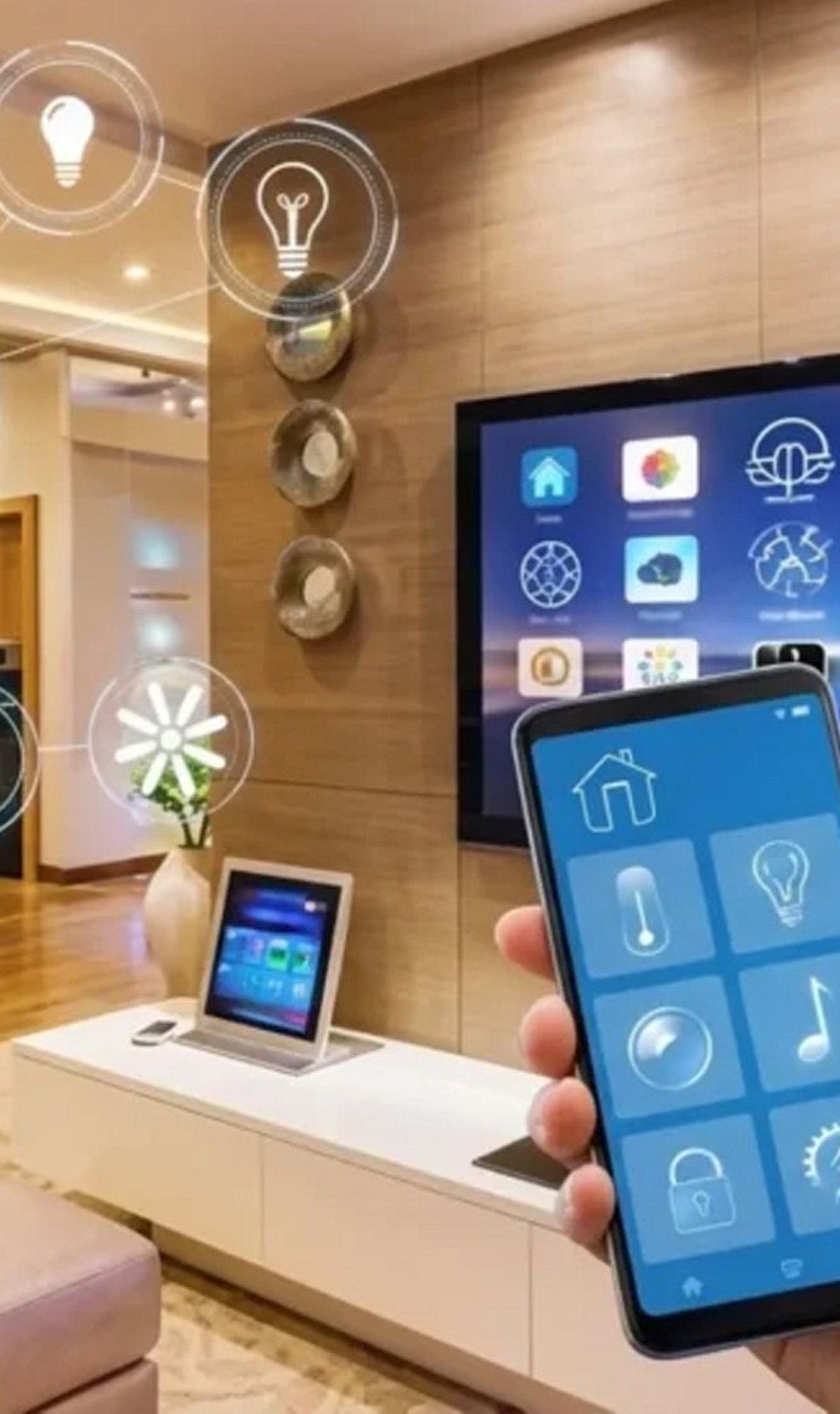
    IoT acts as the nervous system of a smart home, linking devices such as lights, appliances, cameras, locks, and sensors. This network enables seamless data sharing and automated responses—for example, a motion sensor can trigger lights to turn on, or a smart thermostat can adjust temperature based on occupancy.

    AR Brings Controls into Physical Spaces

    Augmented Reality overlays virtual controls onto real-world rooms. Homeowners could adjust lighting, temperature, music, and appliances by interacting with visual interfaces that appear naturally within their field of view. This reduces the need for physical switches or separate apps.

    Smarter Automation Through Context Awareness

    Connected sensors learn daily routines and automate tasks without manual input. Lights can dim in the evening, heating can lower when no one is home, and devices can power down during periods of inactivity. This level of intelligence saves energy and increases convenience.

    AR Simplifies Device Setup

    Setting up smart home devices can be intimidating. AR can guide users step by step, superimposing virtual instructions directly onto the physical device. Connection points, configuration steps, and troubleshooting tips appear in real time, making installation accessible to everyone.

    Energy Management Becomes Visual

    IoT sensors monitor energy consumption throughout the home. AR interfaces can then display this data in easy-to-understand visuals, highlight energy-hungry appliances, and suggest improvements. Homeowners can see exactly where savings are possible.

    Interactive Security Monitoring

    Smart cameras and sensors already detect unusual activity. With AR, security alerts can be displayed within the user’s viewing area—for instance, a bright outline of a detected person or a notification overlaid on a smart lock. This makes security more immediate and actionable.

    Personalized Living Spaces Adapt to You

    The combination of IoT and AR can create rooms that automatically adjust lighting, temperature, entertainment, and decor based on individual preferences. Walk into a room and it knows whether you want a bright work space or a cozy movie setting.

    AI Ties Everything Together

    Artificial Intelligence analyzes data from IoT sensors and AR interactions, enabling the smart home to make faster, smarter decisions. AI identifies patterns, predicts needs, and optimizes device behavior without requiring user input.

    The fusion of IoT, AR, and AI is turning smart homes into truly immersive environments where technology feels natural, responsive, and integrated into everyday life. As these technologies mature, the home of the future will be not just connected, but intuitive.

  • How IoT and AI Are Reshaping the Automatic Door Industry in 2026: 5 Key Trends

    How IoT and AI Are Reshaping the Automatic Door Industry in 2026: 5 Key Trends

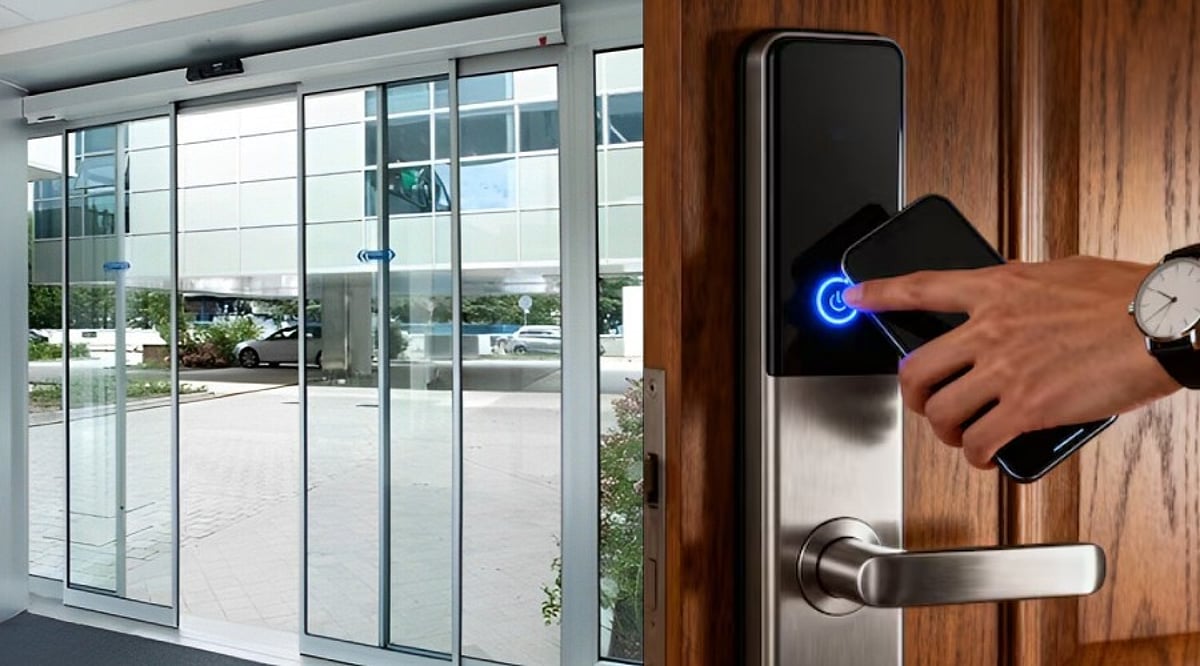
    The automatic door at your office entrance is no longer just a mechanical convenience. In 2026, it is a data-generating, self-diagnosing node in a building-wide intelligence network — and the companies manufacturing these systems are undergoing a transformation just as dramatic as the technology itself.

    The global automatic door market, valued at approximately USD 2.8 billion in 2025, is projected to grow at a CAGR of 6.2% through 2030. But the real story is not the market size — it is how IoT connectivity and AI-driven predictive maintenance are reshaping the entire value chain, from contract manufacturers to facilities managers.

    Here are five shifts redefining this industry.

    1. Predictive Maintenance Replaces Reactive Repairs

    Traditional automatic door maintenance follows a simple pattern: something breaks, someone calls a technician, and the building pays a premium for emergency service. IoT sensors are flipping this model. Modern door operators from brands like Dormakaba and Geze now embed vibration, temperature, and cycle-count sensors that stream data to cloud platforms. Algorithms detect degradation patterns — a worn drive belt, a drifting motor controller — weeks before failure.

    For facilities managers overseeing hundreds of entry points across multiple sites, this shift is transformative. Instead of scheduling reactive maintenance visits, they receive automated alerts ranked by urgency. The result: up to 40% fewer unplanned downtime events, according to early adopter case studies from European commercial real estate firms.

    2. Contract Manufacturers Become the Innovation Layer

    The brands that dominate automatic door installations — Dormakaba, Geze, Record, Assa Abloy, Gilgen, and BEA — rely on a network of specialized contract manufacturers to produce critical components. These manufacturers are no longer passive suppliers executing blueprints. Increasingly, they are co-developing next-generation parts: IoT-ready motor controllers, energy-efficient drive systems, and sensor arrays compatible with Building Management Systems (BMS).

    DoorDynamic, for example, serves as a contract manufacturer for several of the world’s leading automatic door brands, producing both genuine OEM components and certified compatible alternatives. This dual-track model — genuine brands alongside 100% compatible parts — gives distributors and facilities managers flexibility on cost without compromising on performance or warranty coverage.

    3. The Rise of Compatible Alternatives Disrupts Pricing

    One of the most significant trends in the automatic door aftermarket is the growing acceptance of compatible replacement parts. Historically, building operators had no choice but to purchase OEM components at premium prices. Today, manufacturers like DoorDynamic offer certified compatible alternatives for drive motors, controllers, drive belts, safety sensors, and door operators — all backed by warranties of up to five years.

    This shift mirrors what happened in the automotive aftermarket a decade ago. Independent manufacturers proved they could match OEM specifications at a fraction of the cost, and the market adjusted. In the automatic door industry, compatible parts are projected to capture 25% of the aftermarket by 2028, driven by cost-conscious facilities managers and distributors seeking better margins.

    4. Edge Computing Brings Intelligence to the Door

    Not every smart door use case requires cloud connectivity. Edge computing — processing data locally on the door controller — is emerging as the preferred architecture for latency-sensitive applications like safety sensor fusion and real-time obstacle detection. BEA’s latest sensor systems, for instance, combine radar and laser scanning to create a 3D detection zone that adapts in real time, reducing false triggers in high-traffic environments.

    This trend favors contract manufacturers with embedded systems expertise. The ability to integrate edge-capable controllers into existing door form factors — without requiring full system replacements — is becoming a key differentiator.

    5. Sustainability Drives Component-Level Upgrades

    Green building certifications like LEED and BREEAM are pushing building owners to evaluate the energy footprint of every system, including automatic doors. The good news: upgrading a door’s motor, controller, and sensors can reduce its energy consumption by 30-50% without replacing the entire door assembly.

    Contract manufacturers are responding with high-efficiency brushless motors, low-standby-power controllers, and LED-integrated sensor housings. For buildings pursuing net-zero targets, these component-level upgrades offer a fast ROI — often under 18 months — compared to full door replacements.

    What This Means for the Industry

    The automatic door industry is at an inflection point. IoT and AI are not just adding features to existing products — they are restructuring how components are designed, manufactured, and serviced. Contract manufacturers that invest in smart-component capabilities are moving up the value chain. Distributors that embrace compatible alternatives are unlocking new margins. And facilities managers that adopt predictive maintenance are cutting costs while improving reliability.

    For decision-makers evaluating building access solutions, the takeaway is clear: the intelligence of your automatic doors now depends less on the brand on the box and more on the capabilities of the manufacturers and suppliers behind it.

  • Data Science Goes to the Edge: 5 Trends Reshaping Modern Analytics

    Data Science Goes to the Edge: 5 Trends Reshaping Modern Analytics

    Data science is moving closer to the edge. More analytics workloads are being processed where data is created, enabling faster responses and reducing unnecessary data transfers. From edge AI to real-time intelligence, these five trends are reshaping modern analytics.

    Edge AI

    Cameras, sensors, smartphones, and industrial machines can analyze information without constantly sending raw data to the cloud. The result is faster decisions, lower latency, and greater resilience when connectivity is limited.

    Real-Time Data Streaming

    Real-time streaming allows analytics systems and AI agents to react to events almost immediately. Gartner identifies agentic data streaming as a major data and analytics trend as organizations demand faster intelligence.

    Smaller AI Models

    Techniques such as quantization and pruning can reduce model size while retaining useful performance. This makes local inference more practical for smartphones, industrial equipment, healthcare devices, and other resource-constrained systems.

    AI-Powered Data Management

    AI agents can help identify patterns, recommend actions, and support routine data processes in real time. Gartner expects agentic approaches to increasingly reshape how organizations manage complex and rapidly growing data environments.

    Analytics Meets IoT

    Edge analytics allows connected devices to filter and interpret information locally before sending only useful insights onward. This approach is especially relevant to manufacturing, logistics, healthcare, energy, and smart-city applications.

    Privacy Moves Closer to the Data

    This is especially useful when devices handle sensitive images, health information, or industrial data. Edge architectures therefore offer another tool for organizations trying to balance analytics performance with privacy and security requirements.

    5G Adds More Momentum

    5G can connect distributed devices with nearby computing infrastructure while supporting data-intensive applications. Together, 5G, specialized AI chips, and optimized models are helping push analytics beyond traditional cloud-only architectures.

    From Dashboards to Instant Decisions

    Modern analytics is moving beyond simply explaining what happened. Streaming data, AI agents, and edge processing can help systems detect events and support decisions as they happen.

  • Xiaomi Enters India’s Smart Home Arena with Mijia Brand Launch

    Xiaomi Enters India’s Smart Home Arena with Mijia Brand Launch

    Xiaomi has officially introduced its Mijia smart home brand in India, marking a strategic move beyond its smartphone roots. The launch coincides with the company’s 12th anniversary in the market and positions Mijia as the fourth sub-brand under the Xiaomi Group umbrella, joining Xiaomi (premium), Redmi (mid-range smartphones), and Poco (digital-native products).

    Mijia, which translates to “Xiaomi home,” will serve as the dedicated brand for connected home and lifestyle products. According to Sudhin Mathur, COO of Xiaomi India, the brand will cover a range of devices including smart air purifiers, security cameras, robot vacuum cleaners, and other appliances designed to simplify everyday life. Xiaomi already sells many of these products in India, but consolidating them under the Mijia name aims to create a stronger identity in the smart home space and make it easier for consumers to recognize compatible devices within Xiaomi’s ecosystem.

    India’s smart home market is growing increasingly competitive, with established players like Samsung, LG, Amazon, and Google already offering connected home devices. By introducing Mijia, Xiaomi seeks to capture a larger share of this market through competitive pricing and a comprehensive ecosystem of interoperable products. For consumers, the move promises more choices and better value, as smart home technology transitions from premium gadgets to mainstream household essentials.

  • Orange Business Services: Driving Global Digital Transformation with Cloud, AI, and Cybersecurity Solutions

    Orange Business Services: Driving Global Digital Transformation with Cloud, AI, and Cybersecurity Solutions

    Orange Business Services is a worldwide leader in digital transformation, helping enterprises develop new products with complete assurance. The company provides advanced connectivity, cloud, AI, IoT, and cybersecurity solutions that optimize operations, generate valuable insights, and establish secure digital systems for the future.

    About the Company

    Orange Business Services enables enterprises to create digital ecosystems that combine network resources, cloud services, and security features. Its solutions deliver operational resilience, unrestricted collaboration, and data-driven decision-making across global operations. The company drives innovation through strategic partnerships focused on sustainable technologies, helping organizations modernize infrastructure and achieve greater operational flexibility to meet evolving digital and market demands.

    Products and Services

    Orange Business Services offers a comprehensive portfolio including cloud, cybersecurity, networking, IoT, AI, collaboration, and consulting services. Key offerings include VPN, VoIP, multi-cloud management, automation, customer experience solutions, and digital transformation support for enterprises worldwide.

    Core Leadership Team

    The company is led by a team of experienced executives driving its strategic vision and operational excellence.

    Revenue Streams

    Orange Business Services generates revenue through cybersecurity services, cloud services, IT integration services, SD-WAN connectivity, IoT solutions, AI-driven data solutions, and industry-specific digital services. The company is shifting from legacy voice and data services toward more profitable, modern offerings.

    Client Segments and Target Geography

    B2B Client Segments: The company serves enterprises, governments, and public sector organizations. Target companies include large enterprises in financial services, healthcare, manufacturing, telecommunications, and global corporations.
    Target Geography: Orange Business Services operates worldwide, with primary operations in Europe, the Middle East, Africa, and the Americas.

    Social Media

    LinkedIn: Orange Business Services
    Website: https://www.orange-business.com

  • Svitla Systems: A Global Partner for Software Development and Digital Transformation

    Svitla Systems: A Global Partner for Software Development and Digital Transformation

    Company Overview

    Svitla Systems is a worldwide provider of custom software development, testing, and consulting services. The company specializes in digital transformation, Big Data, artificial intelligence, and cloud solutions, delivering highly skilled engineering talent to startups and large enterprises. Through flexible engagement models and dedicated teams, Svitla Systems offers scalable, high-quality technology solutions tailored to diverse business needs.

    About the Company

    Svitla Systems serves as a global technology partner, helping clients develop digital solutions that scale and perform at high levels. Its expertise spans cloud technologies, artificial intelligence and machine learning, DevOps, and mobile solutions. The company provides various engagement models, including team extension and managed services, supported by a strong engineering team. By combining advanced technologies with user-centered design and data analysis, Svitla Systems enables customers to achieve digital transformation and sustainable growth.

    Products and Services

    Svitla Systems offers a comprehensive suite of services:

    • Custom software development
    • AI and machine learning solutions
    • Cloud services
    • DevOps
    • Cybersecurity
    • Big Data analytics
    • Quality assurance
    • Internet of Things (IoT)
    • Mobile and web development
    • Consulting and managed teams

    Core Leadership Team

    The company is led by a team of experienced technology and business executives who drive innovation and operational excellence.

    Revenue Streams

    Svitla Systems generates revenue through three primary sources: service engagements, long-term client partnerships, and technology-driven projects. This diversified model supports steady business growth and operational expansion.

    Client Segments and Target Companies

    B2B Client Segments: Custom software, AI/ML, cloud & DevOps, QA, Big Data, IoT, team extension, managed services, digital transformation consulting.

    Target Companies: Startups, mid-sized businesses, and large enterprises in fintech, healthcare, logistics, e-commerce, and technology sectors.

    Global Presence

    Svitla Systems operates across North America, Europe, Asia, and Latin America, supporting innovation, efficiency, and digital growth for clients worldwide.

    Social Media

    LinkedIn | Website

  • Kellton: Empowering Enterprises with AI-First Digital Transformation and Cloud Solutions

    Kellton: Empowering Enterprises with AI-First Digital Transformation and Cloud Solutions

    Kellton is a global information technology services provider that specializes in helping organizations achieve digital transformation through a comprehensive suite of services. The company leverages an AI-first approach to deliver digital engineering, artificial intelligence, cloud computing, Internet of Things (IoT), and enterprise solutions. By focusing on innovation and system modernization, Kellton enables businesses to build advanced technology-driven solutions that drive growth and efficiency.

    About the Company

    Kellton offers technology consulting and IT services designed to digitize business operations via modern enterprise solutions. The company serves a wide range of industries, including healthcare, finance, retail, manufacturing, logistics, energy, and technology. Its core capabilities include digital transformation, cloud modernization, AI and machine learning, and enterprise resource planning (ERP) solutions. Kellton is also at the forefront of emerging technologies such as agentic AI and autonomous systems, which help organizations automate workflows, improve decision-making, and accelerate digital innovation.

    Products and Services

    Kellton provides a broad portfolio of solutions, including digital transformation, product engineering, AI/ML solutions, cloud engineering, SAP services, data analytics, and IoT platforms. Key products include Audit.io, Kai SDLC 360, Tasks.io, Optima, tHRive, Digital DataTwin, SmartScope, and DataLift. The company’s leadership team drives these offerings to deliver measurable value to clients.

    Revenue Streams

    Kellton generates revenue through digital transformation services, AI/ML solutions, cloud engineering, SAP enterprise implementations, and IT consulting. Income is derived from project-based engagements, long-term enterprise contracts, and technology platforms delivered to global business clients.

    Client Segments and Target Markets

    Kellton’s B2B clients include enterprises in healthcare, finance, retail, manufacturing, logistics, energy, and technology sectors. The company targets organizations in North America, Europe, Asia-Pacific, and other global markets, providing digital innovation solutions tailored to industry-specific needs.

    Social Media and Contact

    For more information, visit Kellton’s LinkedIn and website.

  • Real-Time Asset Tracking with Telematics: Smarter Monitoring for Business Operations

    Real-Time Asset Tracking with Telematics: Smarter Monitoring for Business Operations

    For many businesses, tracking physical assets remains a challenge. Vehicles, equipment, and tools are often spread across multiple sites, and manual methods lead to wasted time and delayed problem detection. Telematics-based smart asset tracking offers a solution by providing real-time visibility into asset location and status.

    What Is Smart Asset Tracking?

    Smart asset tracking uses connected technology to monitor physical assets in real time. A typical setup includes a tracking device on the asset, a wireless connection to transmit data, and a cloud platform where users can view the information. This gives businesses a live view of location and status.

    The key difference from traditional tracking is continuous visibility. Older methods rely on manual records, barcode scans, or team communications, which only provide occasional updates. IoT-based tracking turns assets into connected data points, allowing businesses to check status directly without waiting for reports.

    Benefits of Real-Time Asset Tracking

    Better visibility is the primary advantage. Teams can locate equipment instantly, saving time and reducing friction. Tracking also reduces risk by detecting unusual activity early—an asset moving outside normal hours can trigger alerts. This early warning helps prevent costly losses.

    Additionally, real-time data improves asset utilization. Businesses can see which assets are overused or underused, leading to smarter allocation and replacement decisions. Historical usage patterns also support long-term planning by revealing inefficiencies.

    Real-World Applications

    Asset tracking is valuable across industries. In logistics, it helps manage fleets and shipments across large areas. Devices like the GL53MG Plus ensure visibility even when continuous power is unavailable. In equipment rental, compact trackers such as the GL52RP simplify monitoring without complex installation. For industrial operations, the GV500MAP combines location tracking with vehicle data for maintenance planning.

    Best Practices for Implementation

    Start with high-priority assets—those that are expensive, frequently moved, or hard to replace. Define events that trigger alerts, such as unexpected movement or maintenance thresholds. Regularly review usage data to spot patterns and improve allocation. Finally, train staff to use the system effectively, ensuring adoption and practical use.

    Conclusion

    Smart asset tracking with telematics gives businesses a clearer view of field operations. Real-time monitoring reduces blind spots, improves control, and turns asset data into actionable insights. Whether managing trailers, rental equipment, or industrial machinery, this technology delivers reliable oversight.