Tag: IPO

  • OpenAI Reportedly Proposes 5% Stake for US Government Amid Rising AI Oversight

    OpenAI Reportedly Proposes 5% Stake for US Government Amid Rising AI Oversight

    OpenAI is reportedly in early discussions about granting the U.S. government a 5% equity stake in the company as federal scrutiny of artificial intelligence intensifies. The proposal, still unconfirmed, comes as the AI giant prepares for a potential initial public offering (IPO) and the Trump administration explores ways to give the public a financial stake in AI’s growth.

    Discussions Over Public Ownership Gain Momentum

    According to the Financial Times, OpenAI executives have floated a plan that would allow the U.S. government to hold a 5% stake in the company. Similar arrangements might be extended to other leading American AI firms, though their support remains unclear. The talks are preliminary and have not been finalized.

    Based on OpenAI’s latest funding round in March, a 5% stake would be valued at approximately $42.6 billion. CEO Sam Altman has suggested that public participation in AI’s financial gains could help address concerns about the technology’s impact on jobs and the broader economy. In April, OpenAI proposed creating a ‘public wealth fund’ to give every citizen a stake in AI-driven economic growth, regardless of their involvement in financial markets.

    The report also indicates that Altman discussed the proposal with President Donald Trump, Commerce Secretary Howard Lutnick, Treasury Secretary Scott Bessent, and Senator Bernie Sanders. Any final arrangement would likely require congressional approval.

    Growing Federal Oversight of AI

    The proposed stake comes as OpenAI and fellow AI developer Anthropic prepare for public stock listings. IPOs would allow public investment while requiring greater financial disclosure. Meanwhile, U.S. officials have ramped up oversight of advanced AI systems, reviewing new models before public release citing national security and safety concerns.

    Previously, Anthropic worked with officials before export restrictions on one of its models were lifted. OpenAI has reportedly faced White House requests to limit access to an upcoming GPT-5.6 model to government-approved partners during its initial rollout. These developments reflect deeper cooperation between AI companies and federal agencies as governments seek more involvement in managing rapidly advancing AI technology.

    Trump Administration Seeks Broader Government Role

    Last month, President Trump said his administration was exploring ways for the public to benefit directly from AI industry growth. One proposal, as reported by the Financial Times, would place government-owned AI shares into a fund modeled on Alaska’s Permanent Fund, which distributes annual dividends from oil revenue.

    Government investment in strategic technology firms has expanded during Trump’s second term. Last year, the U.S. acquired a 10% stake in Intel as part of efforts to strengthen domestic technology leadership.

    OpenAI has not confirmed whether the reported proposal will move forward. For now, discussions remain preliminary while policymakers and AI companies continue negotiations over future ownership models, regulation, and public participation in the sector’s growth.

  • Indian Stock Market Surges: Sensex Reaches 77,314 and Nifty50 Hits 24,124 Led by IT Rally

    Indian Stock Market Surges: Sensex Reaches 77,314 and Nifty50 Hits 24,124 Led by IT Rally

    Indian markets traded higher on July 2, 2026, as the Nifty50 and Sensex gained over 0.5 percent. IT stocks led the rally, oil prices fell, and IPO activity remained strong.

    Key Takeaways

    • Infosys, HCLTech, and Adani Enterprises emerged as top gainers and lifted market sentiment.
    • The Nifty IT index jumped nearly 4 percent, becoming the best-performing sector of the day.
    • Knack Packaging IPO entered day two while five SME IPOs reached their final subscription day.

    The Indian stock market stayed in the green on Thursday, July 2, 2026, as strong buying support lifted the benchmark indices higher. The rise came after positive global signals and better investor confidence following an important development in international politics. Fresh talks between the United States and Iran in Doha brought relief to global markets and helped reduce pressure on crude oil prices.

    At the time of writing, the Nifty50 rose 0.5 percent, or 119.10 points, to reach 24,124.95. The Sensex also showed strength, moving up 0.51 percent, or 391.68 points, to touch 77,314.32. The overall mood in the market remained positive as major sectors supported the upward move.

    IT Stocks Lead the Market Rally

    The biggest support for today’s market rise came from information technology stocks. Strong demand in the IT sector pushed the market upward and created fresh buying interest across major companies. Investors showed confidence in technology companies as the sector recorded the best performance among all market segments.

    The Nifty IT index jumped nearly 4 percent and stood as the top sector of the day. Large technology firms played a major role in this sharp rise. Better sentiment in global technology markets also helped boost confidence in Indian IT shares.

    Among the biggest gainers in the Nifty50 index, Infosys took the lead with strong gains. HCLTech also recorded a solid rise and remained one of the top performers during the session. Adani Enterprises joined the list of major gainers and added further strength to the benchmark index.

    Fall in Oil Prices Supports Investor Sentiment

    Another major reason behind today’s market rise came from lower crude oil prices. Global markets reacted positively after the United States and Iran completed important talks in Doha. This development reduced fears around supply disruption and brought down international oil prices.

    Lower oil prices often create positive conditions for the Indian economy since India imports a large amount of crude oil. A fall in oil prices helps reduce inflation pressure and cuts import costs. As a result, investors showed more confidence in equities and supported buying activity in the market.

    Broader Markets Also Trade Higher

    The positive mood did not remain limited to large-cap stocks. Broader markets also showed healthy movement during the session as investors continued to place money in mid-sized and smaller companies.

    The Nifty MidCap index traded 0.33 percent higher, reflecting stable demand in the broader market segment. At the same time, the Nifty SmallCap index moved up 0.43 percent, showing continued interest in smaller companies.

    Sector Performance Shows Mixed Trend

    Different sectors showed mixed performance during Thursday’s trade session. The technology sector stood as the clear winner and recorded the strongest gain among all indices.

    The Nifty Realty index performed well and remained among the top sectors of the day. The Nifty Consumer Durables index also traded with strength as investors continued to support consumption-based companies.

    On the other hand, the Nifty PSU Bank index recorded the biggest fall among sectoral indices. Weakness in public sector banking stocks put pressure on the banking segment even as the overall market stayed positive.

    IPO Market Remains Active

    The primary market also saw important activity on Thursday. Knack Packaging’s initial public offer entered the second day of subscription. The company plans to raise ₹439.5 crore from the primary market. Market participants watched subscription numbers closely as interest remained steady.

    Apart from this, five SME IPOs entered the final day of subscription. These included Kratikal Tech, Vinit Mobile, Sampark India Logistics, Seemax Resources, Atharva Polyplast, and Teja Engineering Industries.

    Positive Sentiment Continues

    Thursday’s market session remained strong as gains in IT stocks and lower oil prices created positive momentum. The Nifty50 and Sensex stayed higher, broader markets remained firm, and IPO activity kept investor interest active.

    FAQs

    1. Why did the Indian stock market rise on July 2, 2026?

    The market climbed due to an exceptional 4% rally in IT stocks and falling crude oil prices, which dropped following positive US-Iran geopolitical talks in Doha.

    2. What are the Nifty50 and Sensex levels today?

    The Nifty50 index gained 0.5% to reach 24,124.95 points, while the Sensex advanced 0.51% to finish the trading session at 77,314.32.

    3. Which sector performed the best during the session?

    The Nifty IT index was the day’s clear winner, surging nearly 4% as large tech firms like Infosys and HCLTech experienced heavy institutional buying support.

    4. How did the broader market and other sectors respond?

    Mid-cap and small-cap indices climbed over 0.3%, showing broad-based strength, though the public sector banking sector (Nifty PSU Bank) bucked the trend and closed lower.

    5. Which IPOs are currently active in the primary market?

    Knack Packaging’s ₹439.5 crore IPO entered its second subscription day, while five SME public issues—including Kratikal Tech and Sampark India—reached their final bidding day.

  • Indian Stock Market Today: Sensex Rises to 76,865, Nifty50 Approaches 23,981 as Auto and FMCG Sectors Drive Gains

    Indian Stock Market Today: Sensex Rises to 76,865, Nifty50 Approaches 23,981 as Auto and FMCG Sectors Drive Gains

    Indian benchmark indices traded higher on July 1, 2026, showing resilience amid global geopolitical tensions. The Sensex gained 0.51% to close at 76,865.87, while the Nifty50 rose 0.48% to reach 23,980.80. Buying interest was led by the auto, FMCG, and media sectors, while metal stocks faced selling pressure.

    Key Takeaways

    • Nifty50 climbed 115.05 points (+0.48%) to 23,980.80; Sensex added 387.20 points (+0.51%) to 76,865.87.
    • Top sectoral performers: FMCG, Auto, and Media. Weakest sector: Metal.
    • IPO market remains active with Knack Packaging IPO opening and several SME IPOs continuing subscription.

    Market Performance

    Despite heightened uncertainty from U.S.-Iran tensions, domestic markets stayed positive. Large-cap stocks provided strong support, with Mahindra & Mahindra, Titan Company, and Eternal emerging as top gainers on the Nifty50.

    Broader Markets

    The Nifty MidCap index inched up 0.21%, and the Nifty SmallCap index rose 0.41%, indicating healthy investor participation beyond blue chips.

    Sectoral Highlights

    • Top sectors: FMCG, Auto, and Media recorded strong gains.
    • Weakest sector: Nifty Metal dropped the most, dragged by selling pressure.

    IPO Activity

    Knack Packaging launched its Rs. 439.5 crore IPO on July 1. Six SME IPOs entered the second day of subscription: Kratikal Tech, Vinit Mobile, Sampark India Logistics, Seemax Resources, Atharva Polyplast, and Teja Engineering Industries. Meanwhile, Aastha Spintex (Rs. 170 crore) and Adon Agro Commodities (book-built issues) reached their final subscription day.

    FAQs

    1. How did the Indian stock market perform on July 1, 2026?
    The market showed strong resilience. Sensex rose 0.51% to 76,865.87 and Nifty50 climbed 0.48% to 23,980.80.

    2. Which stocks led the gains?
    Mahindra & Mahindra, Titan Company, and Eternal were the top Nifty50 gainers.

    3. Which sectors outperformed?
    FMCG, Auto, and Media sectors led; Metal sector declined the most.

    4. How did mid-cap and small-cap stocks fare?
    MidCap index rose 0.21%, SmallCap index gained 0.41%, reflecting broad-based confidence.

    5. What IPO activity was reported?
    Knack Packaging IPO opened for subscription, six SME IPOs continued, and two IPOs (Aastha Spintex, Adon Agro) entered final day.

    Disclaimer: This article is for informational purposes only and does not constitute investment advice. Always conduct your own research before making any investment decisions.

  • Weekly IPO Preview: Knack Packaging and Aastha Spintex Lead India’s July Market Open

    Weekly IPO Preview: Knack Packaging and Aastha Spintex Lead India’s July Market Open

    India’s primary market remains active as the first week of July 2026 brings a slate of initial public offerings spanning packaging, textiles, logistics, and cybersecurity. Two mainboard IPOs—Knack Packaging and Aastha Spintex—anchor the calendar alongside several SME issues on BSE SME and NSE Emerge. Investors are advised to focus on fund usage clarity and profitability trends rather than headline issue sizes.

    Key Dates and Timeline

    • Aastha Spintex: Opened June 29, closes July 1.
    • Knack Packaging: Opens July 1, closes July 3 (anchor book closed June 30).
    • SME IPOs (Kratikal Tech, Sampark India Logistics, Atharva Polyplast, Seemax Resources): Opened June 30, close July 2, listing July 7.
    • Listings this week: Turtlemint Fintech Solutions and Anubhav Plast on June 30; Waterways Leisure Tourism on July 1; CSM Technologies on July 2.

    Knack Packaging – Capacity Expansion in Focus

    Gujarat-based Knack Packaging manufactures printed and laminated woven polypropylene (PLWPP) bags. The Rs. 439.5 crore IPO (Rs. 380 crore fresh issue + Rs. 59.5 crore OFS) values the company at roughly Rs. 2,080 crore at the upper price band. Key financials: Revenue rose from Rs. 747.38 crore in FY25 to Rs. 843.77 crore in FY26; profit increased from Rs. 73.81 crore to Rs. 92.72 crore. The company plans to deploy Rs. 320 crore of fresh proceeds toward a new manufacturing facility in Mehsana, Gujarat. Grey market premium stood at Rs. 17–Rs. 18 as of June 29, suggesting modest listing gains.

    Aastha Spintex – Acquisition-Driven Growth

    Aastha Spintex manufactures carded, combed, and compact combed cotton yarns and bales. The Rs. 170 crore fresh-issue IPO is priced at Rs. 125–Rs. 136 per share. Revenue grew 15.19% to Rs. 351.16 crore in FY25, while net profit jumped 40.7% to Rs. 22.92 crore. Funds will primarily finance the acquisition of Falcon Yarns Private Limited, expanding capacity to 17,457 MTPA. The IPO is fully valued at roughly 15x estimated FY27 PAT, leaving limited safety margin. Investors should weigh integration risk and raw material dependency.

    SME Issues to Watch

    • Kratikal Tech: Cybersecurity and rapid application development; raising Rs. 40 crore on BSE SME.
    • Sampark India Logistics: Logistics services across 18 states; raising Rs. 27.22 crore.
    • Atharva Polyplast: Precision plastics manufacturer from Satara; raising Rs. 27 crore for working capital and debt reduction.

    SME IPOs carry higher post-listing liquidity risk and wider bid-ask spreads. Investors should assess exit options carefully.

    Investor Outlook

    Knack Packaging presents a clearer investment case with steady growth, rising profitability, and a concrete capex plan. Aastha Spintex’s story hinges on successful M&A integration and margin expansion. Given favorable market conditions, institutional participation is expected, but issuer-specific due diligence remains critical. Monitoring subscription trends across QIB and retail categories, along with grey market premiums, will help gauge demand.

    For full details, refer to each company’s Red Herring Prospectus.

  • What XRP Holders Can Expect from a Ripple IPO: No Direct Payouts, But Major Upside Potential

    What XRP Holders Can Expect from a Ripple IPO: No Direct Payouts, But Major Upside Potential

    Key Takeaways

    • XRP holders will not automatically receive Ripple company shares after an IPO.
    • Ripple’s valuation has climbed close to $50 billion, increasing IPO speculation.
    • XRP price could rise sharply if institutional demand grows after listing.

    For years, Ripple Labs has remained one of the biggest private companies in the cryptocurrency industry. Now, fresh market developments have once again pushed speculation around a possible Ripple IPO into the spotlight. Investors across the crypto market have started asking one major question: if Ripple goes public, what could XRP holders actually receive?

    The simple answer is that XRP holders will most likely not receive direct payments or company shares. However, recent developments show that a Ripple IPO could still create major financial opportunities for those holding XRP.

    Ripple IPO Rumors Have Become Stronger

    Talk about Ripple entering the stock market has grown much stronger in recent months. Ripple has stayed private for years, but new financial data has made analysts believe that a public listing may happen sooner than expected.

    Recent private market transactions show Ripple shares trading near $136.90 per share. This has pushed Ripple’s estimated company valuation close to $50 billion, which marks roughly 376% growth in private valuation over a relatively short period.

    This huge rise in valuation has made Ripple one of the most valuable private companies in the digital asset sector. Many analysts now believe that 2026 has become the strongest possible timeline for a public listing.

    Strong Company Performance Supports IPO Expectations

    Reports show that the company recently completed a $750 million share buyback program. A buyback usually signals strong confidence from company leadership and often shows that the business has enough capital available internally.

    At the same time, major financial institutions have started showing interest in a future Ripple listing. Japanese financial giant SBI Holdings, one of Ripple’s long-time partners, has reportedly shown interest in investing somewhere between $626 million and $1.25 billion once Ripple eventually enters public markets.

    XRP Holders Do Not Own Ripple Shares

    One of the biggest misunderstandings in crypto markets comes from the belief that owning XRP means partial ownership in Ripple Labs. Ripple Labs and XRP operate as two different things. Ripple is a private technology company that focuses on payment infrastructure, blockchain solutions, custody services, and financial settlement systems. XRP is a digital asset that runs independently on the XRP Ledger. If Ripple launches an IPO, XRP holders will not automatically receive company stock, ownership rights, or direct payouts from the money raised through the listing.

    XRP Could Still Benefit After an IPO

    Even though XRP holders would not receive direct company shares, the token could still benefit in a major way. History shows that whenever large crypto companies enter public markets, investor confidence usually rises across related assets. If Ripple becomes a publicly traded company, institutions may start paying much closer attention to the entire Ripple ecosystem.

    At the moment, XRP trades between $1.04 and $1.15, far below its previous July 2025 peak near $3.65. Despite lower prices compared to previous highs, XRP’s overall market position has become stronger over the past year.

    Major XRP Ecosystem Growth Continues

    The XRP ecosystem has expanded significantly during the past year, which adds more strength to the long-term story. In March 2026, U.S. regulators officially recognized XRP as a commodity, which removed a major regulatory concern that had affected the asset for years.

    At the same time, the United States now has seven spot XRP ETFs actively trading, something that has helped attract institutional capital. Since launch, these XRP ETFs have already brought in nearly $1.43 billion in cumulative inflows, which shows growing demand from larger investors.

    Ripple has also expanded its stablecoin project called RLUSD, which recently crossed $1.5 billion in market capitalization. On top of that, RippleNet now connects more than 300 financial institutions worldwide, which continues to strengthen Ripple’s role in global payments.

    What Could XRP Holders Actually Receive?

    If Ripple launches its IPO, shareholders of Ripple Labs could benefit directly since they own part of the company. XRP holders will not receive direct payouts as XRP ownership does not equal company ownership. A successful public listing could increase media attention, attract institutional capital, improve market confidence, and create fresh buying pressure around XRP itself.

    Several market analysts currently estimate medium-term XRP price targets between $3 and $8, depending on ETF demand, broader market conditions, and future adoption.

    Why This Matters

    Ripple’s $50B IPO clarifies that token holders don’t own corporate equity, but it brings massive Wall Street validation. Transitioning to a public entity boosts institutional trust, potentially driving widespread commercial utility and price appreciation across the XRP ecosystem.

    Final Outlook

    No evidence suggests that Ripple will directly distribute company shares or cash payouts to XRP investors once the IPO happens. If Ripple successfully enters public markets with a valuation between $50 billion and $60 billion, confidence around the entire ecosystem could rise sharply. Instead of direct cash payouts or free company stock, the biggest benefit may simply come from a strong rise in XRP value after one of crypto’s most highly anticipated public listings.

    FAQs

    1. Will XRP holders receive free Ripple shares after the IPO? No. XRP is an independent digital asset, and owning it does not grant corporate stock, equity rights, or direct cash payouts from Ripple Labs’ public listing.
    2. What is Ripple’s current estimated valuation? Driven by recent private market transactions and a $750 million share buyback program, Ripple Labs’ private market valuation is currently estimated close to $50 billion.
    3. Can XRP price rise if Ripple goes public? Yes. A successful public listing could dramatically boost media visibility, improve investor confidence, and attract substantial new institutional capital, which may drive up XRP’s price.
    4. How many XRP ETFs currently trade in the U.S.? There are currently seven spot XRP exchange-traded funds actively trading in the U.S. market, which have brought in nearly $1.43 billion in cumulative inflows.
    5. What is the biggest benefit for XRP holders from an IPO? The biggest benefit is indirect long-term asset appreciation and increased commercial adoption, rather than direct payouts or free stock distributions.
  • Knack Packaging IPO: Rs. 439.50 Crore Issue Opens July 1 – Price Band, GMP, Lot Size & Key Dates

    Knack Packaging IPO: Rs. 439.50 Crore Issue Opens July 1 – Price Band, GMP, Lot Size & Key Dates

    The initial public offering (IPO) of Knack Packaging Ltd will open for subscription on July 1, 2026, and close on July 3, 2026. The company aims to raise approximately Rs. 439.50 crore through a book-built issue comprising both a fresh issue and an offer for sale (OFS). The equity shares are expected to list on the BSE and NSE on July 8, 2026.

    Knack Packaging IPO GMP (Grey Market Premium)

    In the grey market, Knack Packaging shares are currently trading at a premium of Rs. 5 to Rs. 9 per share. Based on the upper price band of Rs. 170 and a GMP of Rs. 5, the estimated listing price is around Rs. 175, implying a potential listing gain of approximately 2.9%. Investors should note that the GMP is not an official figure and may change before listing.

    IPO Size, Structure & Reservation

    The issue is a combination of a fresh issue of 2.24 crore shares aggregating Rs. 380 crore and an OFS of 0.35 crore shares aggregating Rs. 59.50 crore.

    • Price Band: Rs. 161–170 per share
    • Lot Size: 88 shares
    • Minimum Investment (Retail): Rs. 14,960
    • sNII (Small Non-Institutional Investors): 14 lots (1,232 shares) – Rs. 2,09,440
    • bNII (Big Non-Institutional Investors): 67 lots (5,896 shares) – Rs. 10,02,320
    Category Reservation
    Qualified Institutional Buyers (QIB) Not more than 50%
    Retail Investors Not less than 35%
    Non-Institutional Investors (NII) Not less than 15%

    The basis of allotment is expected to be finalized on July 6, 2026 (July 4 being a Saturday). Systematix Corporate Services Ltd. is the book-running lead manager, and MUFG Intime India Pvt. Ltd. is the registrar for the issue.

    About Knack Packaging

    Founded in 2013, Knack Packaging is a one-stop packaging solutions provider specializing in printed and laminated woven polypropylene (PLWPP) bags. The company serves the food, pet food, agriculture, fertilizers, cement, chemicals, and other industries. It holds approximately 10.1% market share in India’s flexible bulk PLWPP bag market as of Fiscal 2025. The firm serves over 1,950 customers across 68 countries and has created more than 73,000 printing cylinders.

    Financial Performance

    • Total Income (FY26): Rs. 843.77 crore (up 13% from Rs. 747.38 crore in FY25)
    • Profit After Tax (FY26): Rs. 92.72 crore (up 26% from Rs. 73.59 crore in FY25)
    • EBITDA (FY26): Rs. 172.29 crore

    The IPO presents investors an opportunity to participate in the growth of a leading packaging player with a strong financial trajectory and a large international client base.

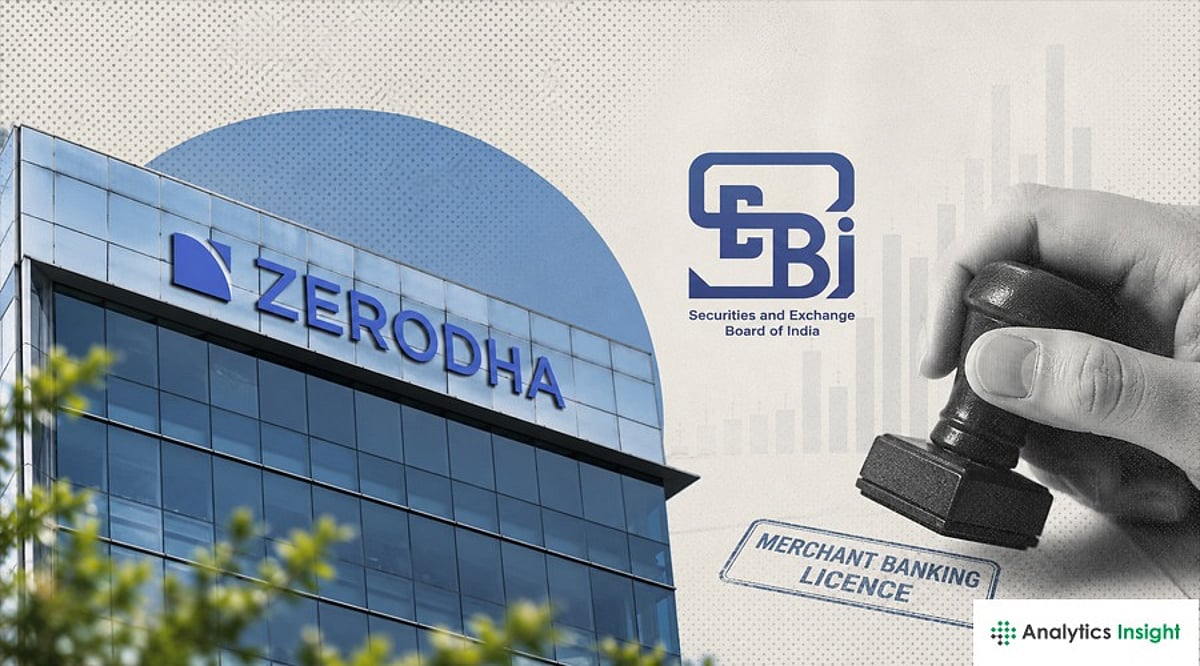
  • Zerodha Files for SEBI Merchant Banking License as Revenue Hits ₹8,847 Crore

    Zerodha Files for SEBI Merchant Banking License as Revenue Hits ₹8,847 Crore

    Zerodha, India’s largest stockbroker by active clients, is taking a significant step beyond its core business. The Bengaluru-based fintech company has applied for a Category I merchant banking license from the Securities and Exchange Board of India (SEBI), seeking to offer services such as initial public offering management, corporate advisory, and fund-raising. The application was submitted in April and awaits regulatory approval, a company spokesperson confirmed, adding that more details will be shared once the license is granted.

    Strategic Expansion into Investment Banking

    The move positions Zerodha to tap into India’s booming IPO pipeline, as dozens of startups and new-age companies prepare to go public over the coming years. A merchant banking license would allow Zerodha to help these firms navigate public offerings, raising capital through the stock market. This expansion comes as the company already offers a wide array of financial services—mutual funds, lending, asset management, startup investments via Rainmatter, international investing, and fixed deposits through its Coin platform.

    By adding investment banking to its portfolio, Zerodha aims to diversify revenue streams and reduce its reliance on brokerage income. In FY25, the company reported revenue of ₹8,847 crore and net profit of ₹4,237 crore, underscoring its financial strength as it ventures into new territory.

    Competition and Market Impact

    Zerodha’s entry into merchant banking could intensify competition in a sector traditionally dominated by established players such as JM Financial, Kotak Mahindra Capital, Axis Capital, and ICICI Securities. Industry experts believe that a digital-first approach from Zerodha may appeal especially to technology companies and startups, potentially improving service quality and offering more choices for businesses raising capital.

    The application aligns with a broader trend of fintech companies moving into conventional financial services. As India’s public markets continue to attract new issuers, more firms are seeking merchant banking licenses, which could foster a more dynamic capital market ecosystem.

    What This Means for Zerodha’s Future

    If SEBI approves the license, Zerodha will join a growing list of full-service financial companies. The company recently launched fixed deposit investments on its Coin platform, allowing customers to invest across partner banks from a single interface. Expanding into investment banking would further solidify its presence in the capital markets and create new income sources, supporting long-term growth.

    Zerodha’s latest move highlights how fintech innovators are reshaping traditional finance. With strong fundamentals and a loyal user base, the company is well-positioned to compete for IPO and fund-raising mandates in the years ahead—pending the regulator’s green light.

  • Pharma and Healthcare Stocks Propel Nifty50 Past 24,000 as Sensex Holds Steady at 77,083

    Pharma and Healthcare Stocks Propel Nifty50 Past 24,000 as Sensex Holds Steady at 77,083

    Indian stock markets traded mixed on Monday, June 29, with pharmaceutical and healthcare stocks providing a solid foundation for benchmark indices. While the Nifty50 climbed above the 24,000 mark, the Sensex remained nearly flat, reflecting cautious optimism among investors. The broader market, however, faced selling pressure, particularly in mid- and small-cap segments.

    Market Overview

    At the time of writing, the Nifty50 rose 0.1 percent, gaining 24.6 points to reach 24,073.60. In contrast, the Sensex slipped marginally by 0.02 percent, or 16.72 points, settling at 77,083.75. The mixed movement highlights selective buying, with sector-specific trends shaping the day’s trading direction.

    Pharma and Healthcare Lead the Rally

    The strongest support came from the pharmaceutical and healthcare sectors, which saw steady buying interest. This defensive rotation helped keep the benchmark indices in positive territory despite weakness in other areas. The Nifty Pharma and Nifty Healthcare indices emerged as the top sectoral performers, reflecting sustained investor confidence in healthcare-related businesses.

    Nifty50 Top Gainers

    Several stocks in the Nifty50 index recorded strong gains:

    • Dr. Reddy’s Laboratories led the gainers, benefiting from the overall strength in pharma shares.
    • Shriram Finance also posted notable gains as financial stocks attracted selective buying.
    • Eternal joined the top gainers, adding further momentum to the benchmark index.

    Broader Markets Under Pressure

    While large-cap indices held firm, the broader market showed weakness.

    • The Nifty MidCap index slipped 0.23 percent.
    • The Nifty SmallCap index fell 0.66 percent, indicating sharper declines among smaller companies.

    IT Sector Faces Selling Pressure

    Sectoral performance was mixed. The Nifty IT index recorded the steepest fall, as technology shares faced selling pressure that limited overall market gains.

    IPO Market Stays Active

    The primary market remained vibrant with several new offerings:

    • Aastha Spintex IPO opened for subscription, aiming to raise ₹170 crore.
    • Adon Agro Commodities IPO and Twinkle Papers IPO are both book-built issues worth ₹44.03 crore and ₹27.52 crore, respectively.
    • Crazy Snacks IPO entered its second day of subscription, targeting ₹31.47 crore.
    • CSM Technologies IPO and Sri Priyanka Geo Commex IPO are in their final subscription days, with fundraising goals of ₹145.78 crore and ₹94.51 crore, respectively.

    Conclusion

    Overall, the stock market remained mixed. Pharma and healthcare shares provided strength, while weakness in broader markets and IT stocks kept sentiment cautious. Investors are closely watching for further sectoral rotations and upcoming IPOs.

  • SpaceX to Join NASDAQ 100 on July 7 Following New Index Entry Rules for Large IPOs

    SpaceX to Join NASDAQ 100 on July 7 Following New Index Entry Rules for Large IPOs

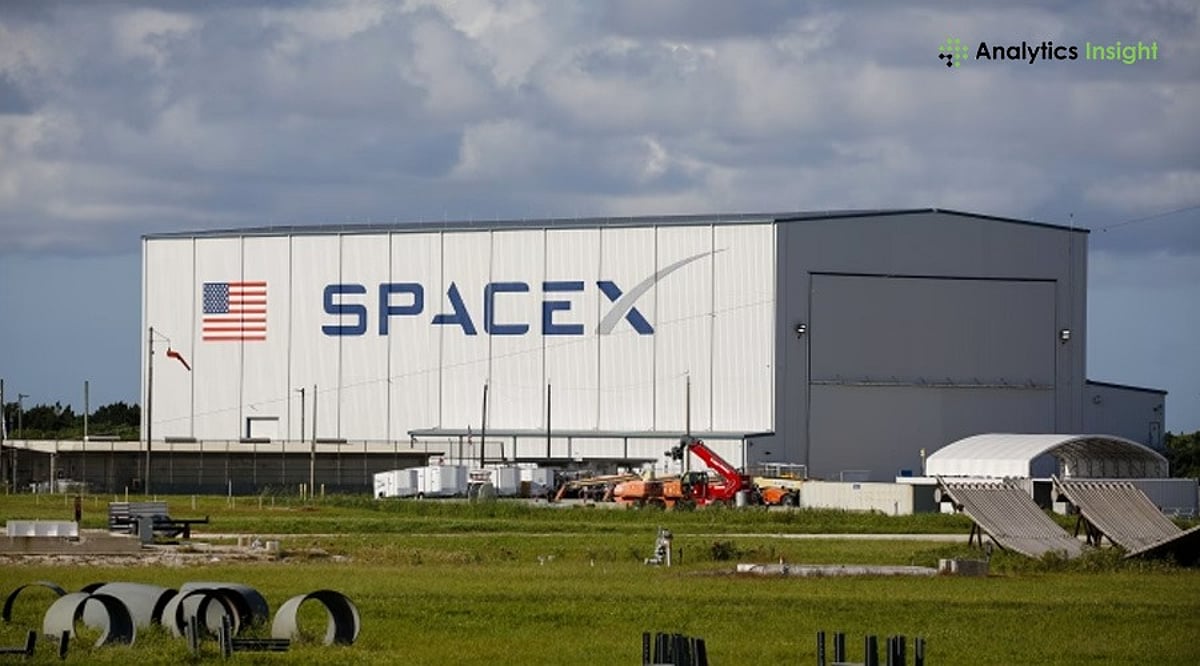
    SpaceX will officially enter the NASDAQ 100 index before the market opens on July 7, 2026, less than a month after its public debut on June 12. The addition, confirmed by NASDAQ on Friday, places the rocket, satellite, and artificial intelligence company among the exchange’s largest non-financial firms.

    JP Morgan estimates that the inclusion could trigger approximately $4.3 billion in passive inflows from index-tracking funds. However, skeptics like Morningstar have raised valuation concerns, noting the company’s limited trading history and recent net losses.

    Index Funds Prepare for Rebalancing

    Funds that replicate the NASDAQ 100, including Invesco QQQ and QQQM, will need to purchase SpaceX shares according to its assigned weight. The NASDAQ 100 tracks 100 large non-financial companies listed on NASDAQ, and its membership influences retirement accounts, brokerage portfolios, and other savings vehicles. NASDAQ reports that over 200 investment products track the index, with more than $800 billion in assets under management worldwide. This could create a large block of price-insensitive demand when the change takes effect.

    Faster Index Rules Pave the Way

    SpaceX began trading under the ticker SPCX on June 12, pricing its IPO at $135 per share. The swift entry into the NASDAQ 100 reflects revised rules that ease conditions on profitability, public float, and trading history for newly listed companies. NASDAQ, FTSE Russell, and MSCI have all relaxed some of these criteria to accommodate large, high-valuation firms. SpaceX reported a $4.9 billion net loss for 2025, though revenue grew as the company expanded Starlink, launch services, and AI operations.

    Valuation Debate Persists

    Despite the expected buying, concerns about SpaceX’s valuation remain. Morningstar chief equity market strategist Michael Field commented, “We think the stock is overvalued,” citing the company’s short public record and heavy spending needs. Meanwhile, S&P Global maintains stricter entry requirements for the S&P 500, including a 12-month trading history and profitability tests, meaning SpaceX cannot be considered for that index until at least June 2027.

    The divergent approaches create separate timelines for index-linked buying. NASDAQ 100 trackers will adjust in July, while S&P 500 funds will not purchase SpaceX under current rules. Other high-profile tech companies like OpenAI and Anthropic may face similar index questions if they proceed with public listings in 2026 or 2027 at valuations above $1 trillion.

  • OpenAI Weighs IPO Delay to 2027 Amid $1 Trillion Valuation Skepticism

    OpenAI Weighs IPO Delay to 2027 Amid $1 Trillion Valuation Skepticism

    OpenAI is reportedly considering delaying its initial public offering until 2027, as financial advisers question whether current market conditions can support a $1 trillion valuation. The ChatGPT developer had been preparing for a possible listing in late 2026 after filing confidential paperwork with the U.S. Securities and Exchange Commission.

    The potential shift follows notable volatility in technology shares. SpaceX’s stock, which soared after its June 2026 IPO, has since fallen sharply, raising concerns about investor appetite for high-valuation tech offerings.

    Advisers Flag Concerns Over 2026 IPO Timing

    OpenAI has engaged bankers and legal teams to explore a public listing. CEO Sam Altman reportedly directed the team to target a $1 trillion market capitalization, exceeding OpenAI’s most recent private valuation of roughly $852 billion. However, advisers cautioned that public markets may not show sufficient enthusiasm for the deal under current conditions.

    According to sources familiar with the discussions, two paths were presented: wait until 2027 to pursue the full valuation, or accelerate the timeline in 2026 at a lower price. Altman described any valuation reduction as a “nonstarter.” OpenAI confirmed it has filed confidential IPO documents but emphasized it has not committed to any specific timeline.

    Financial Readiness and Spending Pressures

    OpenAI generated approximately $13 billion in revenue last year while reporting a net loss of about $21 billion. The company expects sustained heavy spending on computing infrastructure, chips, data centers, and hardware through 2030. CFO Sarah Friar has voiced concerns about whether OpenAI is prepared for the rigorous public reporting requirements, including regular financial statements, risk disclosures, and cost guidance.

    Meanwhile, OpenAI is exploring new revenue streams. It has tested advertising within ChatGPT and is pursuing commerce partnerships with Shopify and Stripe. The company has also scaled back spending on some loss-making projects, such as parts of its Sora video business, as part of a broader cost-review initiative.

    SpaceX Market Activity Reshapes IPO Sentiment

    SpaceX went public on June 12 in a record-breaking IPO that raised more than $85 billion. Shares initially surged above $225 but later dropped to around $153, demonstrating how quickly investor sentiment can shift after a high-profile debut. This volatility has become a key reference for OpenAI’s advisers, reinforcing that a strong first trading day does not guarantee sustained support at elevated valuations.

    Broader weakness in the technology sector has also made investors more cautious toward capital-intensive companies. Anthropic, another AI firm, has filed confidentially for its own IPO, and other companies like Discord, Kraken, Strava, and Oura have also entered the IPO pipeline, creating a crowded market.

    OpenAI has not made a final decision. The company could still list in late 2026 at a lower valuation, or postpone to 2027. Any update will depend on its financial performance, spending trajectory, market stability, and investor confidence in the $1 trillion target.