Autonomous AI agents operating on XRP Ledger infrastructure are increasingly turning to Ripple USD (RLUSD) for continuous settlement, according to data from XRPL AI Hub. The trend underscores a growing preference for dollar-pegged predictability in machine-to-machine payments, even as XRP remains the network’s native asset.
Why AI agents favor RLUSD
XRPL AI Hub data shows RLUSD dominance across direct clearing settlements, both in all-time-high activity and in the latest 30-day settlement data. By contrast, XRP transaction volumes were largely unchanged over the past week, creating a clear split between the network’s native token and its dollar-linked stablecoin in automated transactions.
The reason is straightforward: machines need predictable costs when paying for computing resources, APIs and other digital services. RLUSD tracks the U.S. dollar one-to-one, allowing software to calculate expected expenses more precisely before executing payments. XRP, by contrast, remains exposed to market volatility, and even a small price move can change the real cost of a planned transaction.
The machine-native economy
BlackRock’s research note, “The Machine-Native Economy,” describes a financial system increasingly built around autonomous software. Traditional banking operates on human schedules, while AI agents can transact continuously. According to the research, the global stablecoin market has surpassed USD 300 billion, and annual stablecoin transaction volume has reached USD 11.6 trillion.
That liquidity gives automated systems access to assets designed for frequent transfers. AI agents can pay for computing power, APIs and other services without waiting for traditional banking hours. Tokenized GPUs also form part of this emerging infrastructure because autonomous systems require computing resources around the clock.
Coinbase CEO Brian Armstrong has said the number of AI agents making transactions could grow exponentially. Yet those systems need predictable costs to operate within strict budgets. RLUSD’s dollar peg supports that requirement, while XRP still retains a role in interbank clearing. The XRPL data, however, shows RLUSD taking a larger share of transactions linked to autonomous software.
Prediction markets: near-term caution, longer-term optimism
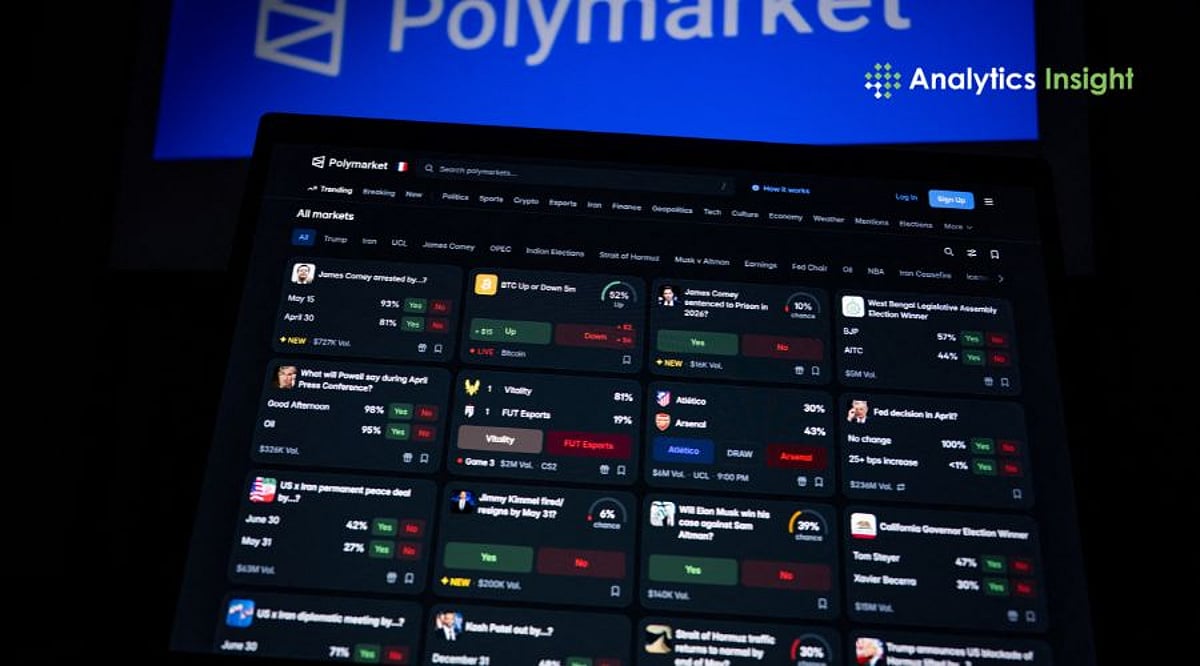
Prediction-market positioning around XRP’s price tells a different story. Kalshi’s September XRP market currently shows a USD 1.70 forecast, up USD 0.10 on the day. Still, the contract tied to XRP trading above USD 1.70 last changed hands at 32 cents, down from 36 cents a day earlier. Since each contract pays USD 1 if XRP reaches that level, the price implies roughly one-in-three odds.
About 46,650 contracts have changed hands since the market opened on September 1, while roughly 10,870 remain open. Further up the September ladder, the USD 1.80 contract trades near 19 cents. Contracts tied to USD 2.00 and USD 2.10 each sit near 7 cents.
Kalshi’s full-year XRP market has strengthened. The contract covering XRP above USD 2.00 in 2026 rose to 59 cents from 53 cents. The USD 2.50 contract increased to 33 cents from 26 cents, while the USD 3.00 contract climbed to 24 cents from 19 cents. The pattern shows a split between near-term and longer-term expectations: traders have reduced exposure to an immediate September breakout while assigning higher prices to later 2026 outcomes.
ETF inflows add support below USD 1.60
Fund flows have also provided support to the XRP market. U.S. spot XRP ETFs recorded USD 22.65 million in inflows on September 25, with Bitwise leading those inflows. The buying indicates continued demand through regulated investment products, even as XRP remains below the USD 1.60 level.
Yet ETF demand has not produced an immediate breakout. That leaves the coming trading sessions important for both price positioning and prediction-market expectations.
Two narratives for XRP Ledger
XRP Ledger activity now presents a separate structural development. RLUSD continues to gain relevance in machine-driven settlements because automated systems prioritize stable and measurable costs. At the same time, XRP traders continue to debate how quickly the native asset can recover.
Final thoughts: RLUSD is gaining traction among AI agents because stable pricing supports continuous automated payments. Meanwhile, XRP remains below USD 1.60 despite USD 22.65 million in ETF inflows. Kalshi traders show weaker September expectations but stronger confidence in higher XRP prices later in 2026.