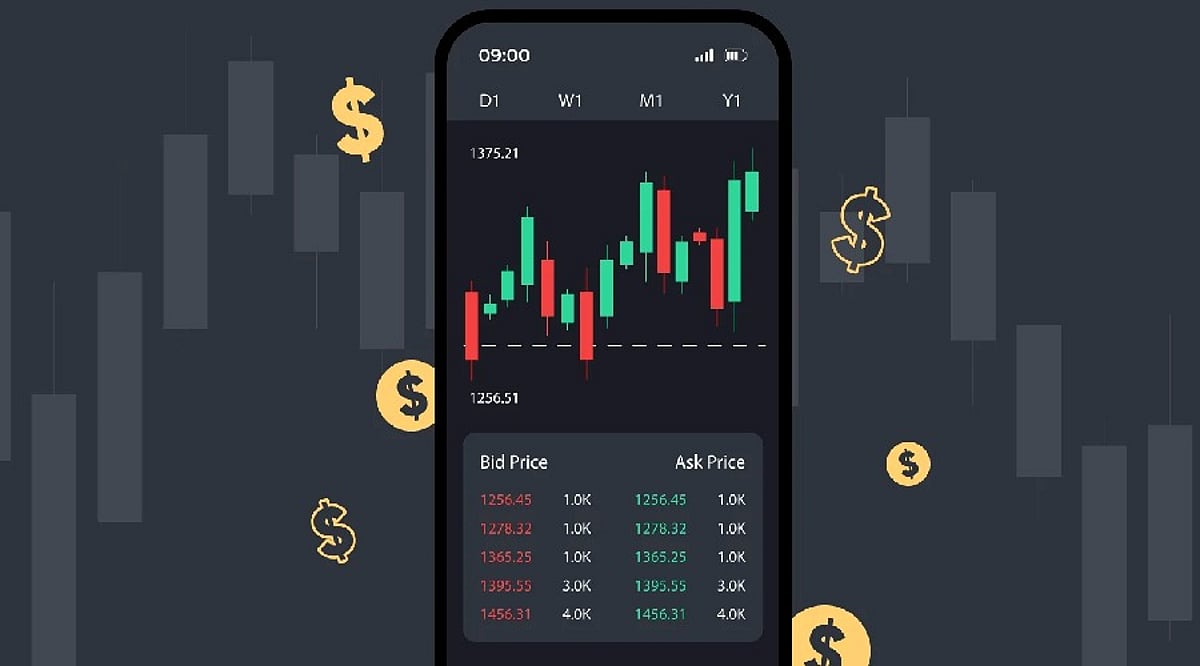
When you click the buy button on your trading platform, the process feels instantaneous. However, behind the scenes, your order travels through a complex series of steps before it becomes a position on your account. Each step takes time, even if only milliseconds, and during that time, the price can move against you or in your favor.
The Order Leaves Your Platform
Your platform sends the order to the broker’s server first, not directly to the market. The broker validates the order, checks that you have sufficient margin, and then decides where to route it next. Depending on your account type and trade size, the order is either routed to a liquidity provider or filled against the broker’s own book.
Market Execution vs. Instant Execution
With market execution, you set the trade size and accept the current market price when the order arrives. There are no requotes; the trade opens at the live price, even if it has shifted slightly since you clicked. With instant execution, you request a specific price along with the size. If the price has moved, the broker sends a requote instead of filling the order, and you decide whether to accept the new price or cancel.
Where Latency Creeps In
Latency is the delay between sending your order and it reaching the point of execution. It builds up across several stages: your internet connection, the platform’s servers, and the network path to the liquidity provider. A few milliseconds rarely matter in a calm market, but during fast moves, even a short delay can mean the price has already changed by the time your order arrives.
Slippage: Positive and Negative
Slippage is the difference between the expected price and the actual execution price. Negative slippage means you paid more on a buy or received less on a sell. Positive slippage is the opposite, giving you a better price than expected. Slippage is most common during high volatility around news events or when liquidity thins out. Market orders are more exposed to slippage than limit orders, which only fill at your chosen price or better.
Why Order Size Matters
Small orders usually fill at a single price without issue. Large orders, however, can eat through several price levels in the order book because there may not be enough volume at the best price to cover the entire size. In such cases, part of the order fills at the first price and the rest at slightly worse prices, resulting in an average fill price that blends these levels—another form of slippage tied to size rather than speed.
What a Requote Looks Like
Imagine you request a price on instant execution and the market ticks up half a pip before your order arrives. The broker cannot fill you at the old price, so it sends back a new quote and waits for your response. You can accept, reject, or let the request time out. Each of these choices takes time, so a series of requotes in a fast market can cost you more time than the small price gap itself.
Why This Matters Beyond Forex
This process is not unique to currency pairs. Trading CFDs on shares and indices follows the same steps, as these contracts also route through liquidity providers and face similar latency and slippage risks.
Checking Execution Quality
Execution speed and slippage rarely appear on a pricing page, but they shape your actual results as much as the spread. Ask your broker how orders are routed, how fast they typically fill, and how often clients see requotes. A broker that suits your trading style is one whose execution matches how you trade, not just one with the tightest advertised spread. A scalper feels latency far more than a long-term position holder.
What You Can Control
You cannot eliminate slippage or latency, but you can reduce your exposure. Avoid placing large market orders right before major news releases, when liquidity often drops and volatility spikes. Use limit orders when the exact price matters more than instant execution—this trade-off between price certainty and speed underlies almost every order type you will encounter. Splitting a large order into smaller pieces can also reduce how much it moves the price against you, even if it takes a bit more effort to manage.
Disclaimer: This article is for informational purposes only and does not constitute financial advice. Always conduct your own research before making any investment decisions.