
Tag: maintenance costs

  • Essential Checklist: What to Evaluate Before Purchasing an Air Purifier

    Essential Checklist: What to Evaluate Before Purchasing an Air Purifier

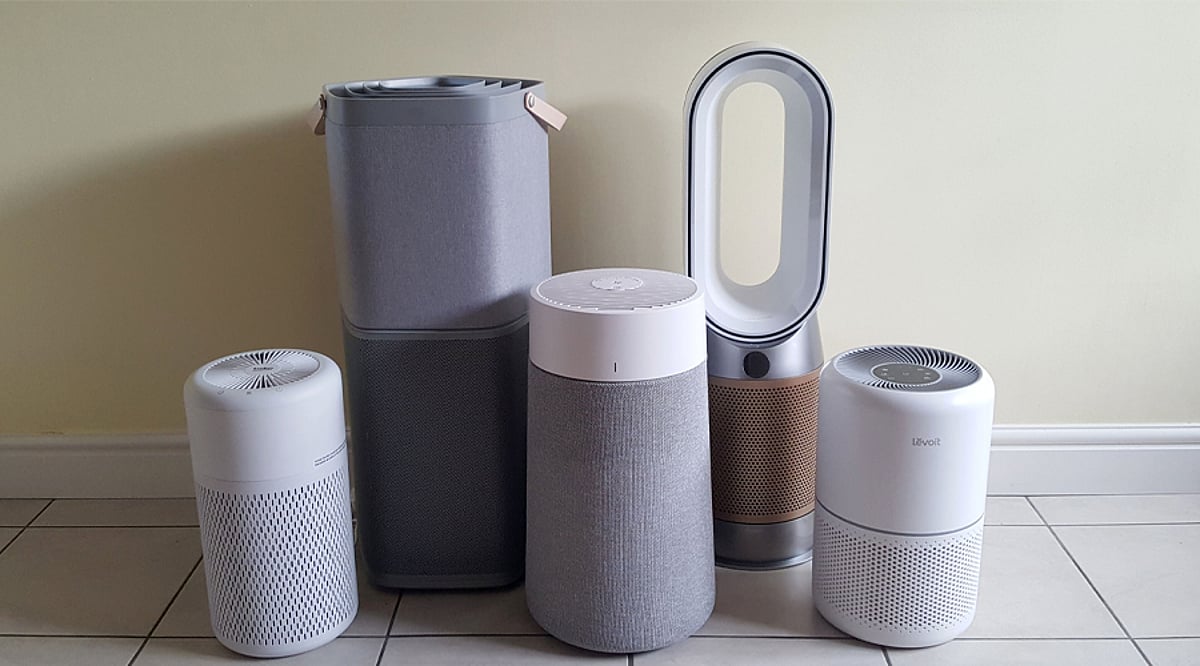
    Before investing in an air purifier, it’s crucial to look beyond the marketing claims and examine the features that genuinely affect performance and long-term value. The following factors will help you select a model that suits your space and needs.

    Match the Purifier to Your Room Size

    Always verify that the purifier’s coverage area aligns with the dimensions of the room where it will be used. A unit designed for a compact bedroom cannot effectively clean a large living area. Compare the manufacturer’s recommended square footage with your room’s measurements to ensure optimal air circulation and purification efficiency.

    Prioritize a True HEPA Filter

    A True HEPA filter is essential for capturing microscopic particles such as dust, pollen, and PM2.5. Look for a model that also includes a pre-filter to trap larger debris. Multi-stage filtration systems deliver more thorough indoor air cleaning by addressing different particle sizes.

    Check the CADR Rating

    The Clean Air Delivery Rate (CADR) measures how quickly an air purifier can remove airborne pollutants. A higher CADR generally indicates faster cleaning. When comparing models, consider the CADR in relation to your room size rather than relying solely on aesthetics or advertised features.

    Activated Carbon Filtration for Odors and Gases

    While HEPA filters target particles, an activated carbon filter is necessary for reducing unpleasant odors, smoke, and certain gaseous pollutants. The quality and quantity of activated carbon influence how effectively the purifier handles these contaminants. If you live in an area with smoke or strong odors, this feature is especially important.

    Evaluate Noise Levels

    Noise can be a significant factor if you plan to use the purifier in a bedroom, office, or study. Check the decibel rating and look for a sleep mode or quiet operation setting. A quieter unit is more comfortable for continuous use, especially during nighttime or focused work sessions.

    Consider Long-Term Maintenance Costs

    Don’t base your decision solely on the purchase price. Find out how often filters need to be replaced and the cost of replacements. Also confirm that replacement filters are readily available in your region. A less expensive purifier can become costly over time if filters are expensive or hard to find.

    Making the Right Choice

    The best air purifier isn’t necessarily the most expensive one. By comparing room coverage, True HEPA filtration, CADR, activated carbon capability, noise levels, and ongoing maintenance costs, you can select a model that delivers effective performance and better long-term value.
  • Electric vs. Petrol Cars: A 2026 Cost Comparison for Daily Driving

    Electric vs. Petrol Cars: A 2026 Cost Comparison for Daily Driving

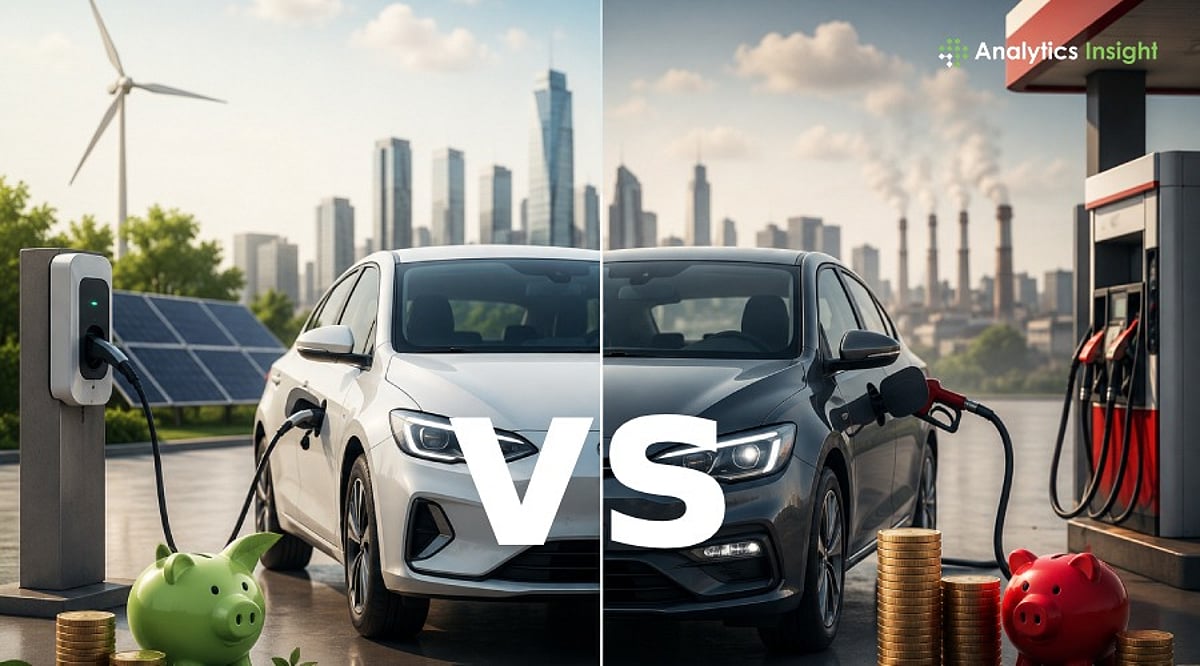
    Electric cars are more expensive upfront but offer significantly lower running costs, making them cheaper than petrol cars over time, especially for daily commutes. In 2026, the gap in total ownership costs has narrowed further, with electric vehicles (EVs) recovering their price premium within three to four years.

    Daily Cost of Driving

    Petrol prices remain near Rs. 100 per litre in many parts of India. A typical petrol car delivers about 14 km per litre, translating to roughly Rs. 7 per kilometer. In contrast, electric cars consume 15–18 kWh per 100 km. At home electricity rates of around Rs. 8 per unit, the cost drops to Rs. 1.2–Rs. 1.5 per kilometer. Even using public fast chargers, the cost stays between Rs. 2.5 and Rs. 4.5 per km — a 70–80% reduction compared to petrol.

    Yearly Fuel and Charging Expenses

    For a driver covering 15,000 km annually, petrol costs about Rs. 105,000 per year. Home-charging an electric car for the same distance costs just Rs. 20,000–Rs. 25,000. That’s over Rs. 80,000 in annual savings, a gap that widens as petrol prices rise.

    Maintenance Costs Remain Lower for EVs

    Petrol cars require regular oil changes, filter replacements, spark plug service, clutch and gearbox work, and exhaust repairs — costing Rs. 12,000–Rs. 20,000 per year. Electric cars have far fewer moving parts, no engine oil, and no exhaust system, reducing annual maintenance to Rs. 4,000–Rs. 8,000. Studies show EVs cut maintenance expenses by 40–60%.

    Purchase Price Still Favors Petrol Cars

    In 2026, a compact petrol SUV in India costs around Rs. 13–14 lakh, while a comparable electric SUV ranges from Rs. 16–18 lakh — a premium of Rs. 3–5 lakh. However, manufacturers like Tata and Mahindra are introducing lower-priced EVs, gradually closing the gap.

    Charging Infrastructure Still Creates Problems

    Petrol stations are ubiquitous, but charging stations remain limited in many areas. A June 2026 survey of Uber drivers found charging availability is now a bigger concern than vehicle price for those considering switching to EVs. Fast-charging stations also cost more than home charging, reducing savings for drivers dependent on public networks.

    Five-Year Ownership Cost Comparison

    A petrol car priced at Rs. 13.5 lakh incurs about Rs. 5 lakh in fuel and Rs. 70,000 in maintenance over five years — total approximately Rs. 19.2 lakh. An electric car at Rs. 17 lakh needs only Rs. 70,000 for charging and Rs. 25,000 for maintenance, totaling about Rs. 17.95 lakh. Despite the higher upfront cost, the EV recovers the difference within three to four years.

    Final Verdict

    Electric cars clearly cost less to run. Daily expenses are much lower, yearly fuel savings are significant, and maintenance remains minimal. Petrol cars still appeal to buyers seeking a lower purchase price and easy access to fuel stations, especially for long-distance travel. However, for regular city driving and higher annual mileage, EVs offer better long-term value. The shift toward electric vehicles continues because lower running costs have become impossible to ignore.

    FAQs

    1. Are electric cars cheaper to run than petrol cars in 2026? Yes, electric cars cost much less per kilometer because electricity remains far cheaper than petrol.
    2. How much does a petrol car cost per kilometer in 2026? A petrol car costs around Rs. 7 per kilometer based on average fuel prices and mileage.
    3. How much does an electric car cost per kilometer in 2026? An electric car usually costs between Rs. 1.2 and Rs. 1.5 per kilometer with home charging.
    4. Why do electric cars have lower maintenance costs? Electric cars have fewer mechanical parts and do not require engine oil changes, exhaust repairs, or spark plug replacement.
    5. Which car type saves more money over five years? Electric cars usually save more money over five years because charging and maintenance costs stay much lower than petrol cars.