
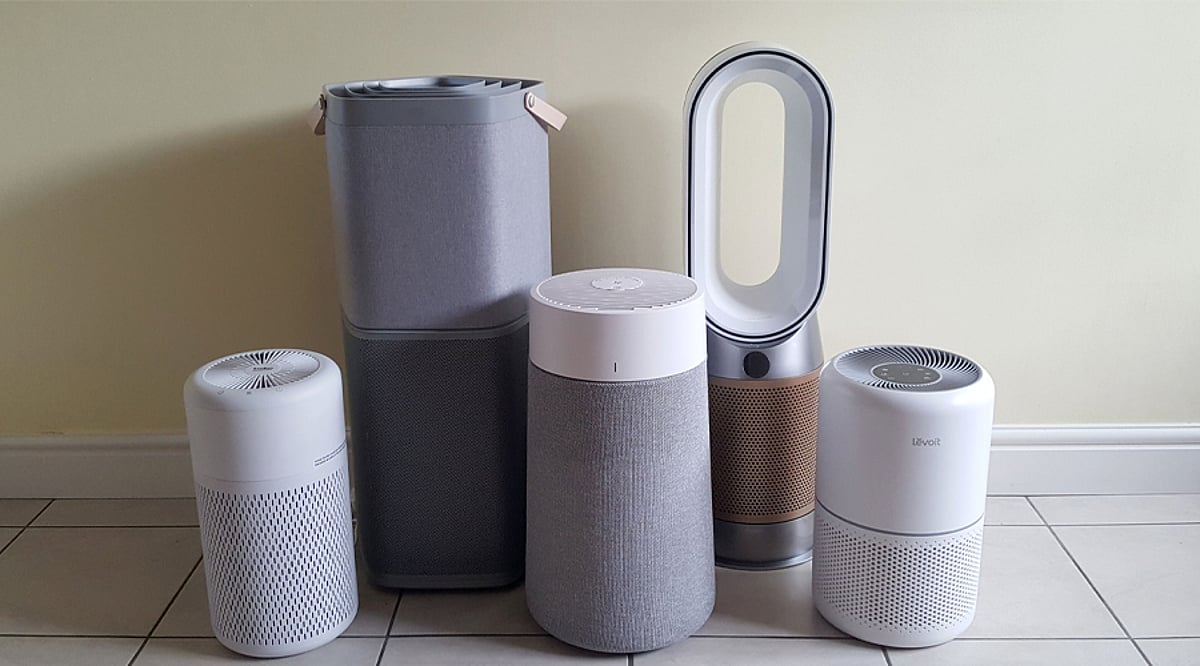
Before investing in an air purifier, it’s crucial to look beyond the marketing claims and examine the features that genuinely affect performance and long-term value. The following factors will help you select a model that suits your space and needs.
Match the Purifier to Your Room Size
Always verify that the purifier’s coverage area aligns with the dimensions of the room where it will be used. A unit designed for a compact bedroom cannot effectively clean a large living area. Compare the manufacturer’s recommended square footage with your room’s measurements to ensure optimal air circulation and purification efficiency.
Prioritize a True HEPA Filter
A True HEPA filter is essential for capturing microscopic particles such as dust, pollen, and PM2.5. Look for a model that also includes a pre-filter to trap larger debris. Multi-stage filtration systems deliver more thorough indoor air cleaning by addressing different particle sizes.
Check the CADR Rating
The Clean Air Delivery Rate (CADR) measures how quickly an air purifier can remove airborne pollutants. A higher CADR generally indicates faster cleaning. When comparing models, consider the CADR in relation to your room size rather than relying solely on aesthetics or advertised features.
Activated Carbon Filtration for Odors and Gases
While HEPA filters target particles, an activated carbon filter is necessary for reducing unpleasant odors, smoke, and certain gaseous pollutants. The quality and quantity of activated carbon influence how effectively the purifier handles these contaminants. If you live in an area with smoke or strong odors, this feature is especially important.
Evaluate Noise Levels
Noise can be a significant factor if you plan to use the purifier in a bedroom, office, or study. Check the decibel rating and look for a sleep mode or quiet operation setting. A quieter unit is more comfortable for continuous use, especially during nighttime or focused work sessions.
Consider Long-Term Maintenance Costs
Don’t base your decision solely on the purchase price. Find out how often filters need to be replaced and the cost of replacements. Also confirm that replacement filters are readily available in your region. A less expensive purifier can become costly over time if filters are expensive or hard to find.
Making the Right Choice
The best air purifier isn’t necessarily the most expensive one. By comparing room coverage, True HEPA filtration, CADR, activated carbon capability, noise levels, and ongoing maintenance costs, you can select a model that delivers effective performance and better long-term value.
Leave a Reply