Tag: memory chips

  • SK Hynix Reduces US IPO Ambition to $28 Billion as Memory Volatility Rises

    SK Hynix Reduces US IPO Ambition to $28 Billion as Memory Volatility Rises

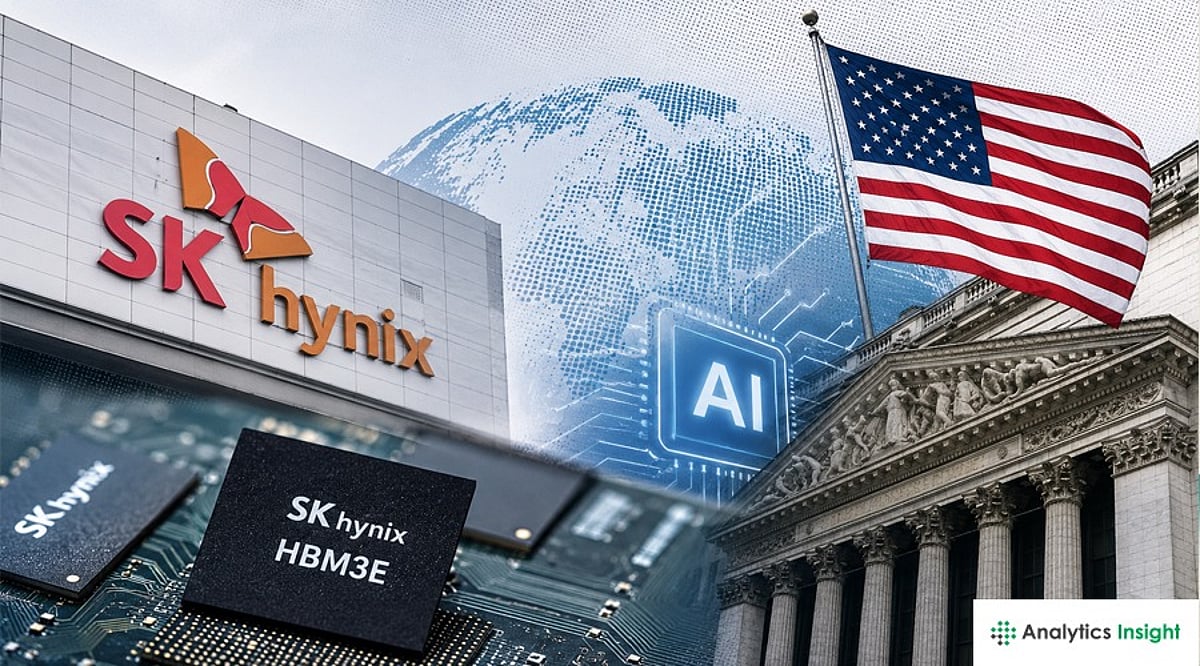
    South Korean chipmaker SK Hynix is scaling back its US listing ambitions, trimming its target to roughly $28 billion amid growing concerns about the memory chip cycle. The company plans to offer American Depositary Receipts on the NASDAQ, aiming to raise funds for factory expansion and equipment purchases while the AI-driven demand for high-bandwidth memory continues to evolve.

    According to regulatory filings, SK Hynix will issue 17.79 million new shares via depositary receipts, with ten ADRs representing one common share. The final pricing is expected on Thursday, with trading set to begin Friday. The revised target of about 43.141 trillion won ($28.21 billion) is lower than the earlier estimate of 45.453 trillion won, reflecting recent declines in the company’s Seoul-listed shares, which fell about 4% on Monday to 2,327,000 won. Broader pressure on memory chip stocks and a dip in the KOSPI index have contributed to the cautious outlook.

    If completed, the deal would rank among the largest share sales in history, trailing only SpaceX’s record US listing last month and surpassing major offerings like Saudi Aramco and Alibaba. The proceeds will be used to expand chip facilities in South Korea and acquire advanced equipment, including ASML’s extreme ultraviolet scanners, essential for cutting-edge semiconductor production.

    SK Hynix is a key supplier of high-bandwidth memory to AI infrastructure giants such as NVIDIA and Google. The company’s stock has surged this year, buoyed by AI demand, but investors remain wary of the memory cycle’s mid-stage timing. “We expect better access, but timing of the memory cycle is equally important,” said Sundeep Gantori, chief investment officer of equities at Standard Chartered. Steve Sosnick of Interactive Brokers noted that the US listing would primarily benefit individual and smaller institutional investors seeking momentum in AI-linked stocks.

    The NASDAQ listing is expected to improve access for US investors and potentially narrow the valuation gap with rival Micron Technology. It could also pave the way for inclusion in the Philadelphia Semiconductor Index, tracked by global passive funds. Dave Mazza, CEO of Roundhill Investments, described the move as “more than a liquidity event,” emphasizing that SK Hynix has been a crucial company that most US institutions could not easily own.

    South Korea’s broader semiconductor push, including a $576 billion chip and AI investment program led by President Lee Jae Myung, underscores the strategic importance of such expansions. Lee has urged officials to expedite permits and infrastructure to support the country’s advanced industry ambitions.

  • Apple to Launch Five New iPhones by 2027, Including Foldable Model with Higher Production Target

    Apple to Launch Five New iPhones by 2027, Including Foldable Model with Higher Production Target

    Apple is reportedly preparing to launch at least five new iPhone models between the second half of 2026 and early 2027, including its first foldable device. The company has raised its foldable production target and is exploring new memory chip suppliers as AI-driven demand tightens global component supplies.

    The planned lineup includes the company’s first foldable iPhone, a standard iPhone 18, and a new iPhone Air model. Apple is also reviewing new memory chip suppliers as demand from artificial intelligence data centers limits global supplies. Apple has not confirmed the product plans or its reported discussions with Chinese chipmakers.

    Apple Raises Foldable iPhone Production Plans

    Apple has reportedly asked suppliers to prepare components for about 10 million foldable iPhones in 2026, up from an earlier target of between 7 million and 8 million units. The increase suggests Apple is allocating more production capacity to its first foldable smartphone. Still, the figures come from people familiar with the supply chain, and Apple has not publicly announced the device or confirmed its expected production volume.

    Reports have described the foldable phone as a premium model that could sit above Apple’s existing Pro lineup. Some market estimates have placed its possible price near $2,500, although Apple has not provided any official pricing information. Meanwhile, Samsung and Huawei already sell several foldable smartphone models. Apple’s entry would add another major brand to the category, which remains smaller than the standard smartphone market.

    Apple has also secured parts for about 80 million new iPhones scheduled for production in the second half of 2026. Its total smartphone output could exceed 220 million units this year, according to current supplier estimates.

    Five-Model Roadmap Extends into Early 2027

    Apple’s reported launch schedule covers at least five devices across two release periods. The company is expected to introduce several models in late 2026 before adding the standard iPhone 18 and another iPhone Air in early 2027. A spring release would mark a change from Apple’s usual approach of launching its main iPhone range in September. The move could allow the company to spread demand across the year and target different price groups at separate times.

    One supplier executive reportedly said Apple has ‘good motivation’ to release iPhones in spring and gain market share. However, the launch timetable remains unconfirmed, and production plans can change before devices enter mass manufacturing.

    Apple’s purchasing scale may also give it more access to limited memory supplies than smaller smartphone makers. Reports say Xiaomi, Oppo, and Vivo have reduced annual production targets to below 100 million units amid higher component prices. Additionally, Apple recently raised prices for some MacBook and iPad products as memory and storage costs increased, showing how supply pressure has reached several parts of the consumer electronics market.

    Apple Considers Chinese Memory Chip Suppliers

    Apple is reportedly holding discussions with ChangXin Memory Technologies and Yangtze Memory Technologies about supplying chips for devices sold in China. The talks are said to be ongoing, and no agreement has been announced. Both Chinese companies appear on a Pentagon list of businesses accused of links to China’s military, so any supply agreement could face political and regulatory review in the United States.

    Apple is seeking more supply options as AI data centers consume a growing share of global memory production. Strong demand for DRAM and NAND chips has raised prices for smartphone, computer, and data-center manufacturers. Using more suppliers could help Apple secure enough parts and negotiate better purchasing terms. Nevertheless, the company must consider product quality, production capacity, trade rules, and restrictions linked to Chinese technology companies.

    Apple has not commented on the reported supplier talks. The company has also not confirmed the foldable iPhone, its five-model launch schedule, or its production targets through early 2027.

  • Apple Requests US Government Approval for Memory Chip Purchases from Blacklisted Chinese Firm CXMT

    Apple Requests US Government Approval for Memory Chip Purchases from Blacklisted Chinese Firm CXMT

    Apple is seeking approval from the U.S. government to purchase memory chips from ChangXin Memory Technologies (CXMT), a Chinese chipmaker currently on the Pentagon’s 1260H list of companies with alleged ties to China’s military. The move comes as the iPhone maker faces rising component costs and a global shortage of memory chips.

    According to sources familiar with the discussions, Apple has contacted the U.S. Commerce Department and other officials within President Donald Trump’s administration. The company wants clear assurances that future trade restrictions will not disrupt any potential supply agreement with CXMT.

    Why Apple is Turning to CXMT

    Apple is not currently prohibited from buying chips from CXMT. However, the designation on the Pentagon’s list creates political and business risks, even though it does not automatically block commercial deals. The reported talks began more than a month ago, and Apple has since reached out to officials across the administration and influential figures in Washington. The company is seeking government support before adding CXMT to its supply network, as any later restrictions could disrupt production.

    Apple also wants assurances that the Commerce Department will not place CXMT on the Entity List, which would impose strict licensing rules and could limit the Chinese chipmaker’s access to U.S. technology, making it harder for American companies to purchase their products.

    The White House has not publicly stated whether it will approve Apple’s request, and Apple declined to comment on the reported lobbying campaign. It remains unclear whether the company will receive the guarantees it is seeking.

    Product Price Increases Add Pressure

    Apple recently raised prices for Mac computers, iPads, home devices, and the Vision Pro headset, citing higher memory and storage costs. Chief Executive Tim Cook described current memory costs as “unsustainable” and said “everything needs to be on the table” when discussing possible suppliers, suggesting Apple could consider Chinese memory producers where U.S. rules allow such purchases.

    The price increases contributed to a sharp decline in Apple shares, erasing about $263 billion from its market value in one trading session. Investors also sold shares in other technology companies amid concerns that expensive components could reduce demand for consumer devices.

    Memory shortages have affected companies across the technology sector, with several manufacturers increasing prices, adjusting production plans, or looking for alternative suppliers. Apple warned earlier that the shortage could become more severe over the year.

    Political and Security Questions

    Some U.S. lawmakers oppose any arrangement between Apple and CXMT. House China Committee Chair John Moolenaar called a possible partnership a “grave mistake,” arguing that the deal could make the U.S. technology industry more dependent on Chinese supply chains.

    U.S. officials previously raised similar concerns when Apple considered buying memory chips from Yangtze Memory Technologies (YMTC) in 2022. Both YMTC and CXMT were recently restored to the Pentagon’s 1260H list after briefly being removed.

    Apple currently purchases DRAM memory from Micron Technology, Samsung Electronics, and SK Hynix. However, increased demand for high-bandwidth memory used in artificial intelligence systems has reduced the supply of standard memory chips for phones, computers, and other devices.

    CXMT is expanding its position in China’s semiconductor industry and has received approval for a Shanghai listing. Access to its chips could give Apple another source of lower-cost memory. Still, any agreement would depend on U.S. government policy and future trade decisions involving China.

  • Musk and Cook Warn Memory Chip Shortage Could Stifle AI Growth as Prices Soar

    Musk and Cook Warn Memory Chip Shortage Could Stifle AI Growth as Prices Soar

    Elon Musk has publicly backed Apple CEO Tim Cook’s stark warning about an unprecedented memory chip shortage, as surging costs driven by AI data center demand create ripple effects across the consumer electronics and automotive industries.

    Cook described the shortage as a “hundred-year flood,” noting he had not seen a similar cost shock in any sector in over four decades. Musk echoed that sentiment, calling it the “biggest price jump in anything I’ve ever seen.” Both executives are now calling for a massive expansion of production capacity to avert long-term constraints.

    AI Infrastructure Fuels Demand for Advanced Memory

    The rapid expansion of artificial intelligence infrastructure has dramatically increased demand for high-bandwidth memory (HBM) products, which are critical for running AI processors and handling large datasets. Chip manufacturers have shifted significant production capacity toward these higher-value components, creating tighter supplies of standard memory and storage chips used in smartphones, computers, televisions, and game consoles.

    Cook stated that Apple could no longer absorb the full increase in component costs, calling price hikes “unavoidable.” The company subsequently raised prices across several product lines, including Mac computers and iPads, with some increases reaching hundreds of dollars depending on the model and storage configuration. Apple also adjusted prices for its Apple TV, HomePod, and iMac products.

    Microsoft followed suit by announcing higher prices for Xbox consoles, and other electronics manufacturers have similarly adjusted their pricing as memory and storage costs climb throughout the supply chain.

    Tesla’s AI Ambitions at Risk

    Musk warned that the gap between memory demand and production capacity is “insane,” adding that the industry requires significantly higher output to alleviate the shortage. Tesla relies on advanced chips for its vehicles, AI systems, and Optimus robots. During Tesla’s fourth-quarter earnings call in January, Musk indicated that supplier output could constrain the company’s plans.

    He noted that memory could become “an even bigger limiter than AI logic.” While AI logic chips handle calculations, memory chips store and move the data those processors require. Both must be available in large volumes for AI systems to operate effectively.

    Tesla currently works with external manufacturers, including major chip producers in the United States and Asia, but Musk said the company faces risks if suppliers cannot ramp up production quickly enough. The shortage also impacts SpaceX and xAI, both of which require growing computing power for satellite systems, AI training, and data center projects.

    TeraFab Project Aims to Boost Production

    Musk has proposed TeraFab as a potential long-term solution. The project involves Tesla, SpaceX, and xAI, with Intel also announcing its participation. The planned facility would combine logic chip production, memory manufacturing, and advanced packaging, potentially reducing reliance on outside suppliers and supporting future AI and robotics projects.

    However, many details remain unclear. The companies have released limited information about production timelines, financing, and each participant’s exact role. Reports have noted that formal commitments between some parties have not been fully disclosed. Tesla has begun recruiting semiconductor workers with experience in advanced manufacturing, covering chip design, packaging, lithography, testing, and production management.

    Even with new factories, semiconductor facilities take years to build and prepare for mass production. Consequently, current supply pressure may persist as data center operators, automakers, and device manufacturers compete for available chips.

    For consumers, the immediate outcome is higher prices across computers, tablets, consoles, and other electronics that depend on memory and storage components. Both Cook and Musk have urged the industry to invest in new capacity, but relief is unlikely in the near term.

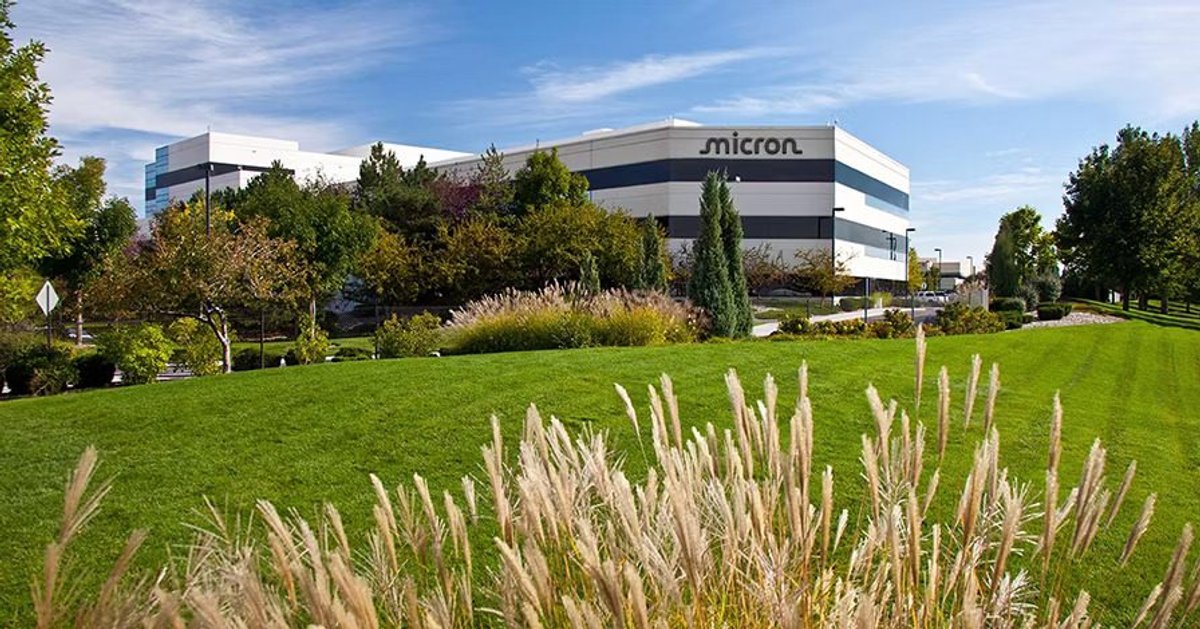
  • Micron Locks in $22 Billion AI Chip Deals with NVIDIA to Break Memory Market Cycles

    Micron Locks in $22 Billion AI Chip Deals with NVIDIA to Break Memory Market Cycles

    Memory chipmakers are rewriting their playbook. Long treated as interchangeable commodities, memory chips forced suppliers into brutal boom-bust cycles. Now, with AI demand surging, Micron Technology has secured $22 billion in multi-year commitments from customers like NVIDIA — a move designed to stabilize cash flow and shield production from market volatility.

    The agreements follow similar long-term deals by rivals SK Hynix and Samsung. Under these “take-or-pay” contracts, clients must either purchase chips or pay up anyway. Micron’s Chief Business Officer Sumit Sadana told Reuters that billions of dollars have been placed on Micron’s balance sheet as a show of confidence in the new business model.

    While the deals provide visibility and validate the AI demand narrative, analysts warn that the strategy remains a gamble. Memory stocks stay vulnerable to sudden downturns, and any cooling of AI demand could send buyers back to the negotiating table. Micron itself posted a $5.3 billion loss in 2023 when consumer electronics spending collapsed.

    Investors are watching whether Micron’s pricing power can last. The company argues that these long-term contracts push financial risk further into the future and turn chipmakers into strategic partners rather than commodity suppliers. New factory expansions will now require collaborative customer funding, keeping supplies tight until at least 2027.