Apple iPhone Air Review: Design, Performance, and the Trade-Offs You Should Know
Apple introduces the iPhone Air, its thinnest and lightest iPhone yet, designed to blend elegance with power. Featuring a titanium frame, a stunning OLED display, and the A19 Pro chip, the iPhone Air promises smooth performance with everyday usability. The Air model comes with trade-offs in the camera system, battery life under heavy use, and certain connectivity features.
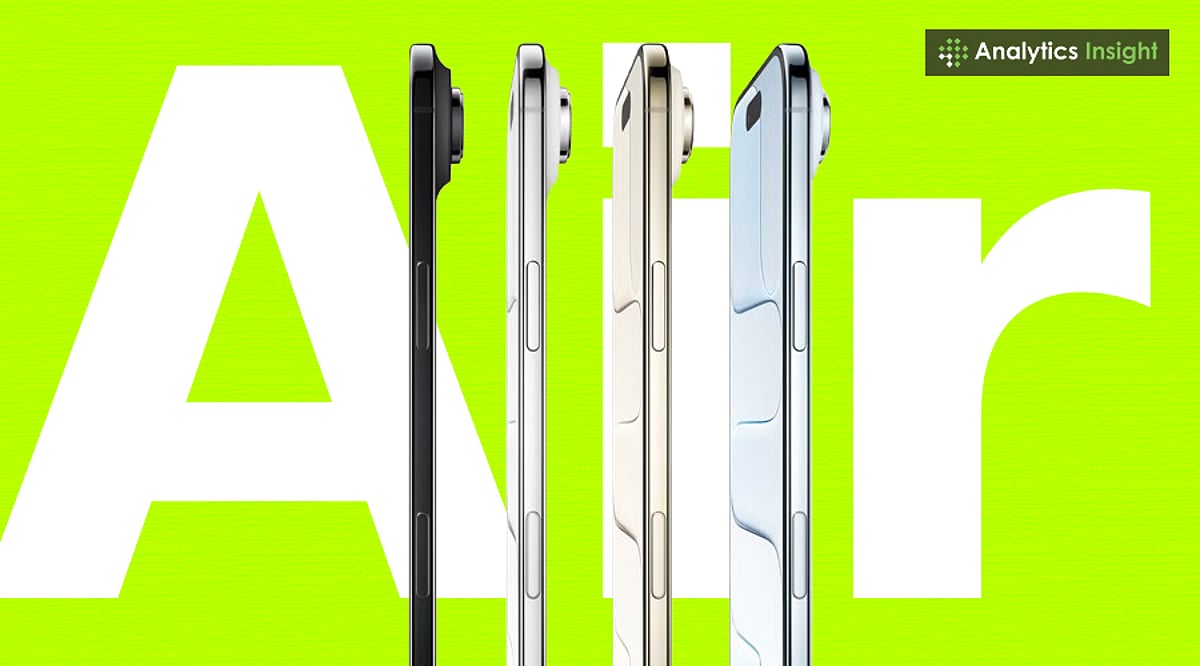
Since the announcement of the iPhone 17 lineup, one model that has drawn the most attention is iPhone 17 Air. This slimmest iPhone model has captured the interest of every tech enthusiast, despite some notable drawbacks. With a thickness of only 5.6 mm and a weight of 165 grams, iPhone 17 Air offers a featherlight experience compared to other models. Apple’s approach is clear: the company has prioritized portability over raw power. If you are considering an upgrade and wonder whether the thin design affects functionality, this detailed review of iPhone 17 Air will help you decide if it deserves your attention.
When Will it Impress? Design, Display & Everyday Performance
The latest lightweight iPhone model excels in two aspects that users will immediately notice. First, design and second, usability. The titanium frame, combined with Apple’s Ceramic Shield, makes this model durable, contrasting its slim build. Covering all the concerns around its design and build, the brand-new Air model feels sturdy in daily use.
At a $999 price, the model integrates a 6.5-inch OLED display with a 120 Hz refresh rate. It is one of the standout features of iPhone 17 Air that’s bound to impress users. One interesting point is that users will notice the display size of the Air fits right between the base model iPhone 17 and iPhone 17 Pro Max. Scrolling in Air feels fluid, while streaming looks crisp. Regarding brightness, the iPhone 17 Air can withstand bright sunlight.
On the performance aspect, A19 Pro chip ensures everything can be handled without lag. From heavy gaming to multitasking, iPhone 17 Air can handle everything. Surprisingly, the battery life, although a bit compromised by the design, can last for 24 hours under regular use. For power users, they probably need to charge the phone once in the middle of the day.
In short, for daily tasks, including calls, web browsing, watching videos, and casual gaming, the brand-new iPhone model is more impressive than initially speculated. Therefore, if you aren’t a power user, this device is a good choice to go for.
What Hampers the Experience? Trade-Offs You Should Consider
All the Air products in Apple’s lineup sacrifice some features to gain the desired slimness. iPhone 17 Air isn’t an exception. So, here are the main trade-offs to consider:
- Camera Limitations: The first thing that the model has sacrificed is the camera. The Air model sticks to a single 48MP main lens, while leaving the ultrawide and telephoto lenses behind, which are core features of premium iPhone models. Low-light shots are decent, but not as good as Pro models.
- Heat Build-Up: Air supports gaming, but extended gaming sessions cause the phone to heat up, especially in the camera area. It’s not like the device gets too hot to use, but the heat is noticeable compared to thicker models with better cooling.
- Connectivity & Data Transfer: iPhone Air supports only sub-6 5G (no mmWave). Notably, it comes with USB 2 transfer speeds, which doesn’t fit with a model that costs nearly $1,000.
For casual gamers and users, iPhone Air isn’t disappointing. Instead, they will find this lightweight device impressive. On the contrary, hardcore gamers and professional photographers will be bothered by these trade-offs.
Pros and Cons of iPhone 17 Air at a Glance
iPhone Air is a compelling choice, but before investing in this model, consumers should consider the following positive and negative effects:
Pros:
- Slim and lightweight design
- iOS 26
- Impressive battery life
- Enhanced durability
- A19 Pro Chip
- 6.5-inch OLED display
Cons:
- Single rear camera
- No ultrawide and telephoto lens
- Device heating issue
- USB 2 Transfer Speed
- Higher price tag
Final Thoughts: Strategic Choice or Beautiful Compromise?
iPhone Air is undoubtedly one of the boldest steps in iPhone design. The Air model is Apple’s lightest and thinnest model yet, striking a balance between performance and elegance. However, there are some compromises, as the camera features, connectivity, and heat management make the device less convenient for power users.
If you’re looking for a sleek and everyday iPhone that looks premium, iPhone 17 Air is worth considering. However, for those who require professional photography, long gaming sessions, or fast data transfers, the Pro lineup best suits their needs.