Tag: Mobile Technology

  • Top 10 Most Powerful Smartphones in 2025: Flagship Performance Compared

    Top 10 Most Powerful Smartphones in 2025: Flagship Performance Compared

    In the ever-evolving world of mobile technology, 2025 has brought a new generation of flagship smartphones that push the boundaries of performance, AI capabilities, and user experience. Here is a curated list of the ten most powerful phones currently available, each excelling in its own right.

    1. Apple iPhone 17 Pro Max

    Powered by Apple’s latest flagship chipset, the iPhone 17 Pro Max delivers exceptional speed, advanced AI features, desktop-class gaming, premium cameras, and outstanding battery efficiency.

    2. Samsung Galaxy S26 Ultra

    Combining a powerful flagship processor with advanced Galaxy AI, the Galaxy S26 Ultra excels in productivity, photography, gaming, multitasking, and long-term software support.

    3. ASUS ROG Phone 10 Pro

    Designed for gamers, the ROG Phone 10 Pro offers flagship performance, advanced cooling, a high-refresh display, responsive controls, a massive battery, and immersive gaming experiences daily.

    4. OnePlus 14

    Featuring flagship hardware with optimized software, the OnePlus 14 delivers blazing-fast performance, smooth multitasking, rapid charging, excellent gaming, and premium everyday usability consistently.

    5. Xiaomi 16 Ultra

    A performance-focused flagship combining cutting-edge processing power, advanced camera technology, vibrant display, AI enhancements, and reliable all-day battery life effortlessly.

    6. Google Pixel 11 Pro XL

    Powered by Google’s latest Tensor processor, the Pixel 11 Pro XL emphasizes AI-driven performance, intelligent photography, seamless Android integration, strong security, and smooth everyday operation.

    7. HONOR Magic8 Pro

    Offering flagship-level speed, advanced AI capabilities, premium display quality, fast charging, capable cameras, and efficient battery management for demanding users everywhere.

    8. Vivo X300 Pro

    Combining flagship performance with advanced imaging technology, the Vivo X300 Pro delivers smooth multitasking, premium photography, vibrant display quality, and dependable battery endurance daily.

    9. OPPO Find X9 Ultra

    This premium flagship offers top-tier processing, AI-powered photography, fast wired and wireless charging, an immersive display, and reliable performance across demanding applications.

    10. (Additional Entry)

    While the original list highlighted nine models, the tenth spot remains open for emerging contenders. Stay tuned for updates as new devices launch.

    For the latest news, exclusives, and videos, join our WhatsApp Channel.

  • 2026 Foldable Phone Buyer’s Guide: What to Look For Before You Buy

    2026 Foldable Phone Buyer’s Guide: What to Look For Before You Buy

    Foldable phones have come a long way in 2026. Better displays, stronger hinges, and longer battery life have made them a practical choice for everyday users who want a phone that offers both portability and a larger screen.

    A few years back, foldable phones felt like expensive gadgets for a premium group of buyers. However, the picture has changed. These foldable devices have become part of the mainstream smartphone market. With better screens, stronger hinges, and longer battery life, models are now much more practical than before.

    Modern smartphone users prefer a device that functions as both a phone and a small tablet. A foldable phone gives them that option without carrying two devices. It is useful for watching videos, reading, gaming, and even working while traveling.

    Still, not every foldable phone is worth buying. Some focus on style, while others are built for people who need a larger screen every day. Before spending a large amount of money, it is worth knowing what really matters.

    How to Choose the Right Foldable Phone

    Foldable phones look impressive, but looks alone aren’t enough. Before you decide to purchase a model, you must cross-check some important aspects.

    1. Hinge Quality

    The hinge is the first thing to evaluate. Since you will open the phone multiple times a day, the hinge should feel smooth. A good hinge also helps the phone last longer.

    2. Display Quality

    The inner screen should be bright enough to read in scorching sunlight. Additionally, the latest models have a small external screen that allows you to reply to messages or check notifications without unfolding the phone.

    3. Battery Life

    If the screen is large, it will use more power. Thus, a bigger battery is always helpful. Fast charging is also worth looking for if you stay away from a charger for long hours.

    4. Performance

    Most users neglect this, but performance matters as much as others. A modern processor with enough RAM keeps apps running smoothly. This becomes even more important if you play games, edit photos, or use multiple apps at once.

    5. Software Support

    Do not ignore software support. Brands that promise several years of Android updates and security patches usually offer better value over time.

    6. Storage

    Photos, videos, and games continue to grow in size every year. Buying a model with enough storage now can save you trouble later.

    7. Budget

    Premium foldable phones offer the best experience, but several mid-range models now provide solid features at a much lower price.

    Foldable vs Flip vs Flat Phones

    The easiest way to understand the difference is to compare them side by side. A quick comparison reveals that foldable models offer the highest flexibility. Their biggest strength is larger screens, which make reading documents, editing photos, and using multiple apps simultaneously easier than ever.

    Flip phones are a good option for those who want a compact device that fits into a pocket. They save space but do not provide the same work experience as larger foldables. Flat phones remain the most popular option—they are affordable and reliable.

    For users who spend several hours on their phones every day, a foldable model often feels like a meaningful upgrade rather than just another smartphone.

    Are Foldable Phones Finally Worth Buying?

    If it were a few years back, most experts would tell people to wait. Early foldable phones were expensive, and many buyers worried about durability. Things look very different now. Newer models feel stronger, faster, and far more polished. The hinge has improved, the crease is less noticeable, and battery life is no longer a major concern. Software has also caught up, making better use of the larger screen.

    This does not mean everyone should rush to buy one. If you mainly use your phone for calls, messaging, and social media, a regular smartphone still does the job well. However, if your priority is watching videos, reading documents, or working while traveling, a foldable phone offers obvious advantages. It removes the need for a second screen in many cases.

    In the end, the best phone is the one that matches your daily routine. Foldable phones are no longer new. For many users, they have become a useful option that streamlines daily tasks.

    FAQs

    1. Which type of foldable phone is better for work?
    Book-style foldable phones are usually the better choice. Their larger internal display makes it easier to edit documents, attend video meetings, and use two apps simultaneously.

    2. How long do foldable phones usually last?
    Most modern foldable phones are built for years of regular use. Improved hinges, stronger screens, and better protection have made them much more reliable than older models.

    3. Are foldable phones good for gaming and streaming?
    Yes. The larger display gives games more room, and watching movies or sports feels much more enjoyable than on a standard phone.

    4. Should I buy a foldable phone or a regular smartphone?
    If you mainly use your phone for basic tasks, a flat phone is enough. If you want a bigger screen for work, entertainment, or multitasking, a foldable phone is the better option.

    5. What should I check before buying a foldable phone?
    Look at the hinge quality, display, battery life, processor, software update policy, storage, and price. These features have the biggest impact on long-term use.

  • iPhone 18 Pro Rumored to Feature 12GB RAM and Major Apple Intelligence Upgrades

    iPhone 18 Pro Rumored to Feature 12GB RAM and Major Apple Intelligence Upgrades

    Apple’s next flagship smartphone is already generating significant buzz, even though it remains months away from an official launch. According to the latest leaks and industry speculation, the iPhone 18 Pro could deliver one of the most substantial upgrades in recent years, with a focus on enhanced artificial intelligence capabilities, a brighter display, improved cameras, and a next-generation processor.

    12GB RAM for Smarter AI and Multitasking

    One of the most talked-about rumors is the jump to 12GB of RAM. This memory increase is expected to power more advanced Apple Intelligence features, enabling smoother multitasking and more sophisticated on-device AI processing. The move would bring the iPhone 18 Pro closer to the memory capacities seen in many high-end Android rivals.

    Display and Design Innovations

    Apple is reportedly working on a display that hides Face ID components beneath the screen, though the technology may not be ready for the iPhone 18 Pro. If delayed, users could still benefit from a larger usable screen area without sacrificing facial recognition security.

    Camera and Performance Upgrades

    According to supply chain analyst Ming-Chi Kuo, Apple is testing larger camera sensors to improve low-light photography and zoom capabilities. Video recording is also expected to see sharpness improvements thanks to sensor enhancements. The iPhone 18 Pro is likely to be powered by the A20 chipset, built on TSMC’s 2nm process, delivering a significant leap in speed and energy efficiency.

    Keeping Pace with Android Rivals

    The premium smartphone market is fiercely competitive, with Samsung, Google, Xiaomi, and Vivo all pushing boundaries in zoom, AI, and fast charging. Apple’s rumored upgrades — including better cameras, a brighter display, a faster chip, and deeper AI integration — suggest the company is aiming to match these strengths while retaining its advantages in software support and ecosystem integration.

    While none of these features have been officially confirmed, the leaks point to an iPhone 18 Pro that focuses on improving the daily user experience rather than just changing the exterior design. Improved cooling, smarter AI-assisted photography, and performance optimizations could make this one of Apple’s most meaningful upgrades in years.

  • Apple’s Foldable iPhone Nears Launch After Solving Key Display Durability Issues

    Apple’s Foldable iPhone Nears Launch After Solving Key Display Durability Issues

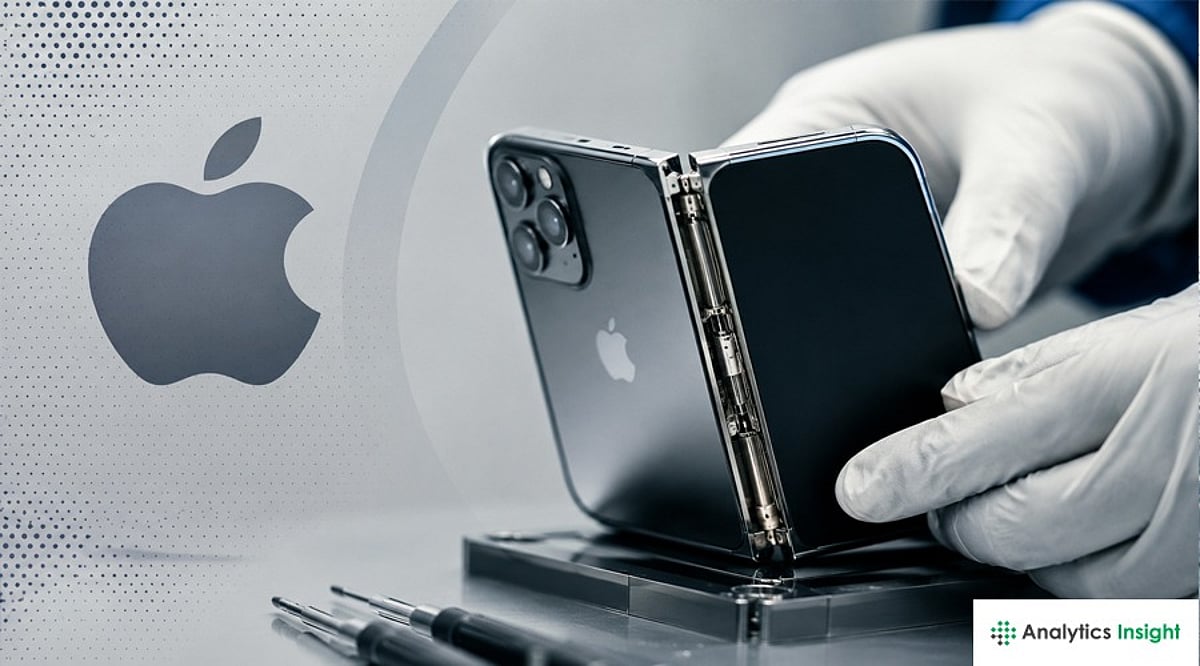
    Apple’s long-rumored foldable iPhone has reportedly achieved significant engineering breakthroughs, bringing the device closer to reality. Industry sources suggest that Apple has overcome two of the most persistent challenges in foldable design: display durability and the visible crease that has marred competing devices. These advancements could pave the way for a launch within months.

    The foldable iPhone is expected to debut alongside the iPhone 18 lineup in September 2026. According to supply chain reports, the device—likely to be named ‘iPhone Ultra’—will open like a book, offering a large tablet-like screen when unfolded while maintaining a standard phone form factor when closed. Mass production is slated between June and August 2026, with a potential delay of one to two months. The anticipated price is around $2,000.

    Apple has taken a measured approach to the foldable market, opting to refine core technologies rather than rush to compete with Samsung and other early entrants. The company invested years in perfecting the screen crease, hinge mechanism, and overall thinness of the device. This patient strategy aligns with Apple’s history of entering categories only when the technology meets its standards for everyday reliability.

    The foldable iPhone could also serve as a testbed for future Apple products. As flexible display technology matures, the innovations could influence next-generation iPads and other devices. For now, Apple remains silent on the project, but the growing evidence suggests that a foldable iPhone is no longer a distant rumor—it is an imminent product.

  • Apple iPhone Air Review: A Deep Dive into Design, Performance, and Key Compromises

    Apple iPhone Air Review: A Deep Dive into Design, Performance, and Key Compromises

    Apple iPhone Air Review: Design, Performance, and the Trade-Offs You Should Know

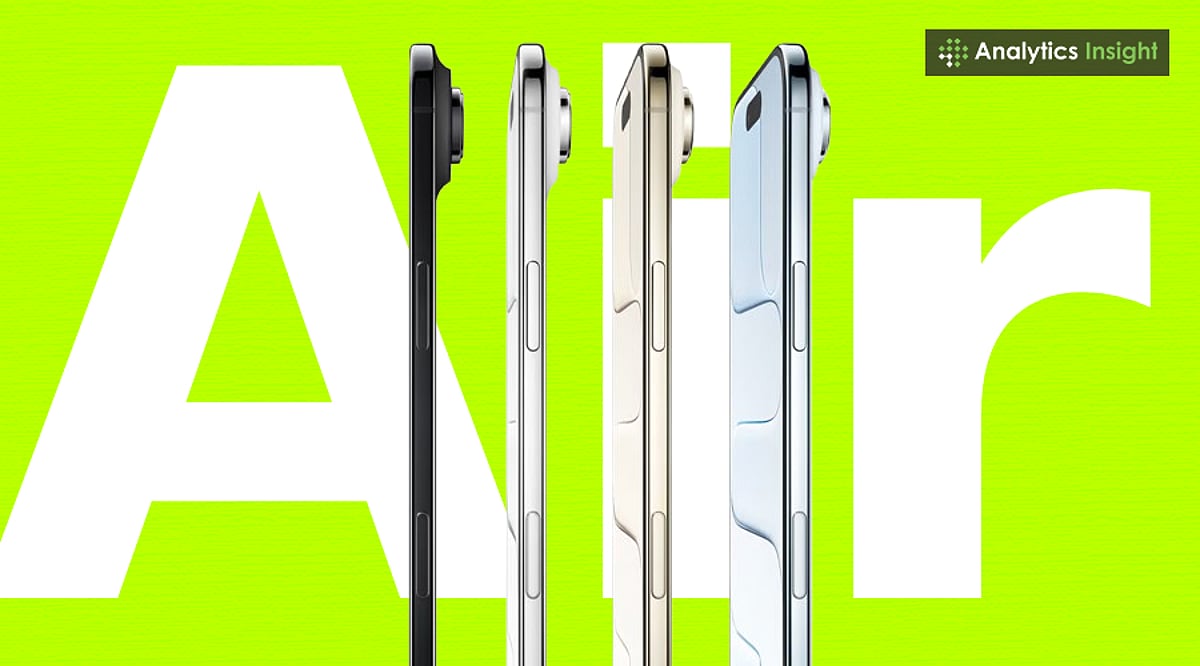
    Apple introduces the iPhone Air, its thinnest and lightest iPhone yet, designed to blend elegance with power. Featuring a titanium frame, a stunning OLED display, and the A19 Pro chip, the iPhone Air promises smooth performance with everyday usability. The Air model comes with trade-offs in the camera system, battery life under heavy use, and certain connectivity features.

    Since the announcement of the iPhone 17 lineup, one model that has drawn the most attention is iPhone 17 Air. This slimmest iPhone model has captured the interest of every tech enthusiast, despite some notable drawbacks. With a thickness of only 5.6 mm and a weight of 165 grams, iPhone 17 Air offers a featherlight experience compared to other models. Apple’s approach is clear: the company has prioritized portability over raw power. If you are considering an upgrade and wonder whether the thin design affects functionality, this detailed review of iPhone 17 Air will help you decide if it deserves your attention.

    When Will it Impress? Design, Display & Everyday Performance

    The latest lightweight iPhone model excels in two aspects that users will immediately notice. First, design and second, usability. The titanium frame, combined with Apple’s Ceramic Shield, makes this model durable, contrasting its slim build. Covering all the concerns around its design and build, the brand-new Air model feels sturdy in daily use.

    At a $999 price, the model integrates a 6.5-inch OLED display with a 120 Hz refresh rate. It is one of the standout features of iPhone 17 Air that’s bound to impress users. One interesting point is that users will notice the display size of the Air fits right between the base model iPhone 17 and iPhone 17 Pro Max. Scrolling in Air feels fluid, while streaming looks crisp. Regarding brightness, the iPhone 17 Air can withstand bright sunlight.

    On the performance aspect, A19 Pro chip ensures everything can be handled without lag. From heavy gaming to multitasking, iPhone 17 Air can handle everything. Surprisingly, the battery life, although a bit compromised by the design, can last for 24 hours under regular use. For power users, they probably need to charge the phone once in the middle of the day.

    In short, for daily tasks, including calls, web browsing, watching videos, and casual gaming, the brand-new iPhone model is more impressive than initially speculated. Therefore, if you aren’t a power user, this device is a good choice to go for.

    What Hampers the Experience? Trade-Offs You Should Consider

    All the Air products in Apple’s lineup sacrifice some features to gain the desired slimness. iPhone 17 Air isn’t an exception. So, here are the main trade-offs to consider:

    • Camera Limitations: The first thing that the model has sacrificed is the camera. The Air model sticks to a single 48MP main lens, while leaving the ultrawide and telephoto lenses behind, which are core features of premium iPhone models. Low-light shots are decent, but not as good as Pro models.
    • Heat Build-Up: Air supports gaming, but extended gaming sessions cause the phone to heat up, especially in the camera area. It’s not like the device gets too hot to use, but the heat is noticeable compared to thicker models with better cooling.
    • Connectivity & Data Transfer: iPhone Air supports only sub-6 5G (no mmWave). Notably, it comes with USB 2 transfer speeds, which doesn’t fit with a model that costs nearly $1,000.

    For casual gamers and users, iPhone Air isn’t disappointing. Instead, they will find this lightweight device impressive. On the contrary, hardcore gamers and professional photographers will be bothered by these trade-offs.

    Pros and Cons of iPhone 17 Air at a Glance

    iPhone Air is a compelling choice, but before investing in this model, consumers should consider the following positive and negative effects:

    Pros:

    • Slim and lightweight design
    • iOS 26
    • Impressive battery life
    • Enhanced durability
    • A19 Pro Chip
    • 6.5-inch OLED display

    Cons:

    • Single rear camera
    • No ultrawide and telephoto lens
    • Device heating issue
    • USB 2 Transfer Speed
    • Higher price tag

    Final Thoughts: Strategic Choice or Beautiful Compromise?

    iPhone Air is undoubtedly one of the boldest steps in iPhone design. The Air model is Apple’s lightest and thinnest model yet, striking a balance between performance and elegance. However, there are some compromises, as the camera features, connectivity, and heat management make the device less convenient for power users.

    If you’re looking for a sleek and everyday iPhone that looks premium, iPhone 17 Air is worth considering. However, for those who require professional photography, long gaming sessions, or fast data transfers, the Pro lineup best suits their needs.