
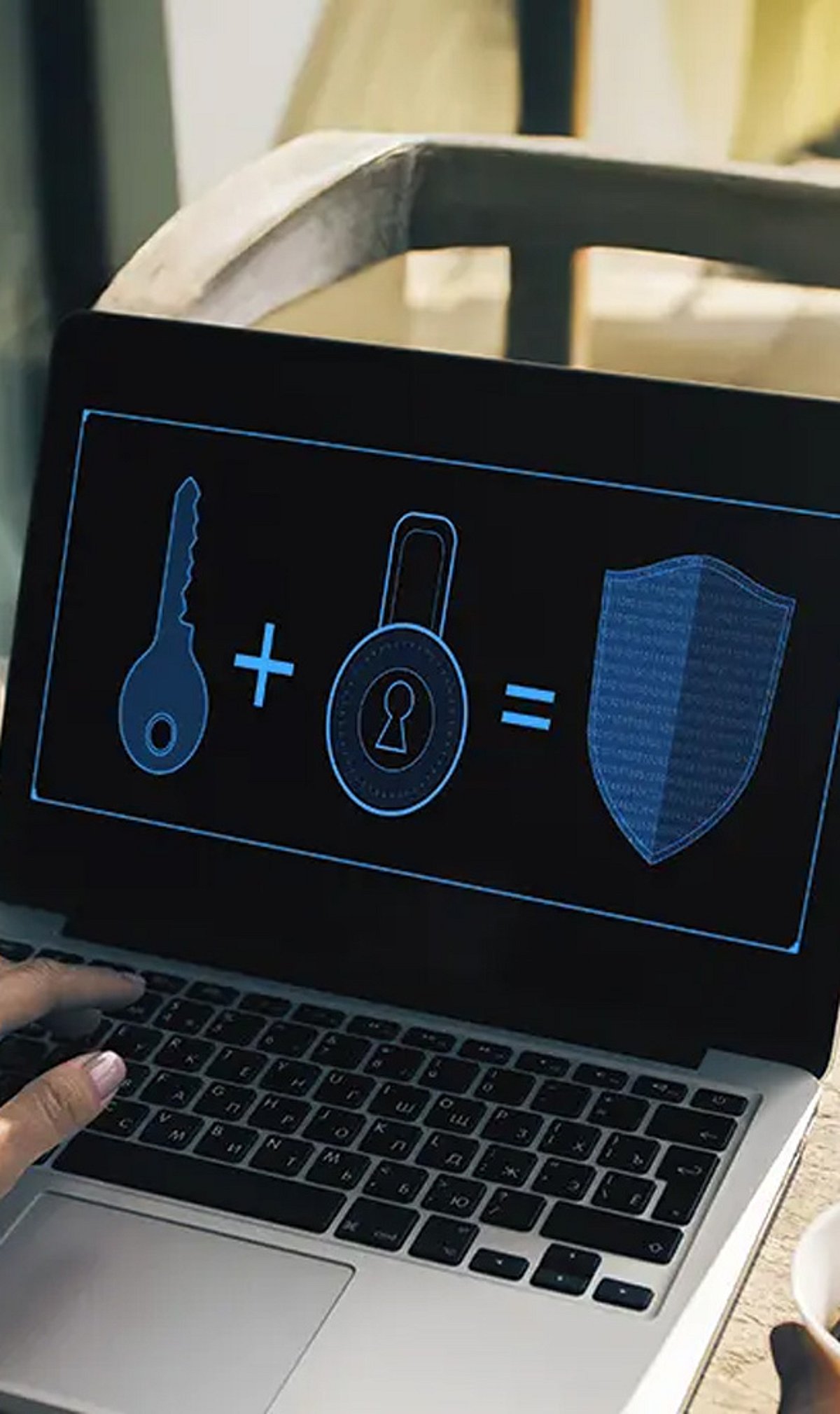
Tag: passwordless authentication

  • Why Passwordless Authentication is a Game-Changer for Security

    Why Passwordless Authentication is a Game-Changer for Security

    Passwordless authentication is rapidly transforming how organizations protect digital identities. By eliminating traditional passwords, this approach addresses a wide range of security vulnerabilities while improving user experience. Below are the key benefits of adopting passwordless authentication.

    Eliminates Password Theft

    Traditional passwords are a prime target for cybercriminals. Passwordless authentication removes the risk of credential theft through phishing, brute-force attacks, password reuse, and database breaches. Without a password to steal, attackers lose a major entry point.

    Strengthens User Authentication

    Instead of relying on easily guessed or stolen passwords, passwordless methods use biometrics (fingerprint, facial recognition), security keys, or trusted devices. These factors provide a much higher level of assurance than conventional password-based systems.

    Reduces Phishing Attacks

    Phishing attacks often trick users into entering their passwords on fake websites. With passwordless authentication, users never enter a password, so attackers cannot steal credentials through deceptive login pages. This dramatically reduces the effectiveness of phishing campaigns.

    Improves User Experience

    Passwordless login simplifies access through fingerprint scans, facial recognition, passkeys, or device-based authentication. Users enjoy faster, frictionless logins without sacrificing security, leading to higher satisfaction and productivity.

    Minimizes Credential Reuse

    Many users reuse passwords across multiple accounts, increasing the risk of credential stuffing attacks. Passwordless authentication eliminates the practice of password reuse, reducing exposure when one service is compromised.

    Supports Multi-Factor Security

    Passwordless solutions can be combined with device verification, biometrics, or hardware tokens to create robust multi-factor authentication. This layered approach provides stronger protection against unauthorized access, even if one factor is compromised.

    Lowers IT Support Costs

    Organizations spend significant time and resources on password resets and account recovery. Passwordless authentication reduces help desk tickets related to forgotten passwords, freeing IT teams to focus on higher-value security initiatives.

    Enhances Regulatory Compliance

    Many regulations require strong authentication controls. Passwordless authentication helps organizations meet compliance standards for data protection and privacy, safeguarding sensitive business and customer information.

    Secures Remote Workforces

    As remote work becomes permanent, secure access to business applications is critical. Passwordless authentication allows employees to use trusted devices to log in from any location, maintaining security without compromising convenience.

    By adopting passwordless authentication, organizations can significantly improve their security posture while delivering a better user experience. The trend is clear: passwords are becoming obsolete, and passwordless authentication is the future of secure access.

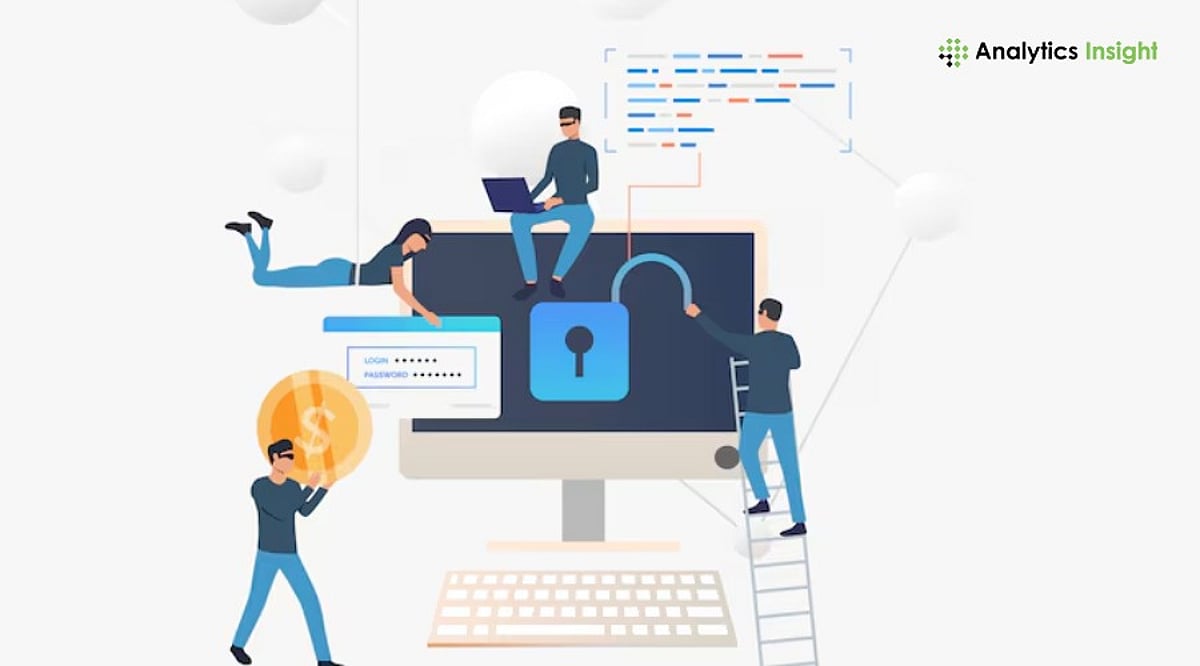
  • Zero Trust Security in 2026: Why Enterprises Are Ditching Passwords for Continuous Identity Verification

    Zero Trust Security in 2026: Why Enterprises Are Ditching Passwords for Continuous Identity Verification

    Zero Trust Security has become a core cybersecurity model in 2026 as companies move away from traditional password-based systems. The model follows a simple rule: never trust any user or device by default, even inside the network perimeter.

    Organizations now rely on continuous identity verification instead of one-time password authentication to reduce security risks. Multi-factor authentication has evolved into passwordless systems using biometrics like fingerprints, face recognition, and device-based trust signals.

    AI-driven security tools now monitor user behavior in real time to detect unusual access patterns and potential breaches. Cloud adoption has accelerated Zero Trust implementation, especially in hybrid and remote work environments.

    Companies are using micro-segmentation to limit access, ensuring users only reach the systems they are authorized to use. Cyber threats are becoming more advanced, pushing enterprises to adopt adaptive security systems that respond instantly.

    Experts say Zero Trust is no longer optional, as data breaches and identity attacks continue to rise globally.

  • Passkeys Reshape Enterprise Cybersecurity in 2026: A Passwordless Future

    Passkeys Reshape Enterprise Cybersecurity in 2026: A Passwordless Future

    Passwords remain one of the weakest links in enterprise security. Passkeys are changing authentication by replacing shared secrets with phishing-resistant credentials. As organizations strengthen identity security, passwordless authentication is becoming a practical strategy rather than a future goal.

    Most security breaches still start the same way. Someone types a password into the wrong place, and an attacker walks in through the front door. For years, enterprises responded by layering stronger password policies, multi-factor authentication, and user training onto a system that remained fundamentally vulnerable. A large share of them stopped patching the problem and started removing it entirely. Passkeys have moved from a security add-on to a workforce standard, and the shift is changing how companies think about identity itself.

    Why 2026 is the Turning Point

    The scale of the move is hard to miss. FIDO Alliance research covering more than a thousand enterprise decision-makers found that 68% of organizations have deployed or are actively deploying passkeys for employee sign-ins. Global passkey usage has crossed 5 billion. Support has caught up with demand too. Major operating systems, browsers, and identity platforms now handle passkeys as a native feature, so IT teams are not stitching together workarounds anymore. Regulators and cyber insurers are pushing in the same direction, treating phishing-resistant sign-in as a baseline requirement rather than an extra.

    Timing plays a part as well. AI-generated phishing campaigns now produce convincing, personalized lures at a pace human attackers never matched. A static password offers little defense against this kind of pressure, no matter how strong the policy behind it.

    What is a Passkey?

    A passkey replaces the password with a cryptographic key pair, built on the FIDO2 and WebAuthn standards, which most enterprise identity platforms now support directly. The private key stays on the employee’s device, unlocked by a fingerprint, face scan, or PIN. The public key sits with the service being accessed. Sign-in happens through a cryptographic exchange, so there is nothing typed, nothing to intercept, and nothing an attacker can lift from a breached database and reuse elsewhere.

    Origin binding adds a second layer of protection. A passkey created for a real company site simply will not work on a lookalike domain. This one design choice quietly shuts down most of the tricks that make phishing profitable in the first place. It also explains why passkeys resist being filed under ordinary multi-factor authentication. A password paired with a one-time code still relies on the first, phishable credential. Passkeys skip the password model entirely, which makes the real comparison less passkeys against MFA and more passkeys against the login system MFA was built to patch.

    Identity, Not Just Authentication

    For enterprises, the value runs past blocking phishing attempts. Passkeys are becoming a building block of identity-first security, where protecting the identity matters more than gatekeeping a single login moment. This links directly to Zero Trust architecture, where continuous verification and device trust carry more weight than a one-time check at the door. A device-bound credential fits this model well, giving security teams a stronger read on who is actually behind a session, not just what was typed once at sign-in.

    Finance and IT leadership notice the operational side quickly. Fewer password resets mean lighter help-desk loads, and FIDO’s 2026 data shows organizations reporting solid cuts to both login times and support costs after rollout. Employees benefit too. Authentication turns faster and less frustrating, a real gain across a hybrid workforce signing in from laptops, phones, and personal devices scattered across time zones.

    What Still Slows Adoption

    None of this makes the shift effortless. FIDO’s own numbers show that even among organizations running passkeys, more than half still lean on older, phishable methods for everyday sign-in. Deploying passkeys and retiring passwords turn out to be two separate milestones, and most enterprises are still closing the gap. Legacy systems never built for WebAuthn, tight budgets, and lingering doubts about account recovery when a device is lost all slow the pace. The reassuring part: most organizations that have already rolled out passkeys report confidence in their recovery process, which suggests the barrier is often perception rather than reality.

    A Practical Rollout Path

    A sound rollout tends to start with governance rather than technology. Security teams assess risk and identify high-value user groups first. They pilot with a contained group before scaling wider. They integrate the credential into existing identity and access systems rather than bolting it on separately. They lock down a recovery process before going further. Then they measure what actually shifted: phishing incidents, login speed, and help-desk volume.

    Final Thoughts

    Passkeys will not finish the password’s retirement alone. What they have done is change the question security teams are asking. The conversation used to focus on managing a weak credential. However, it now centers on building identity systems that are hard to fool by design, from the first login. The shift is underway, and companies still running on passwords alone are the ones carrying the most exposure into what comes next.