
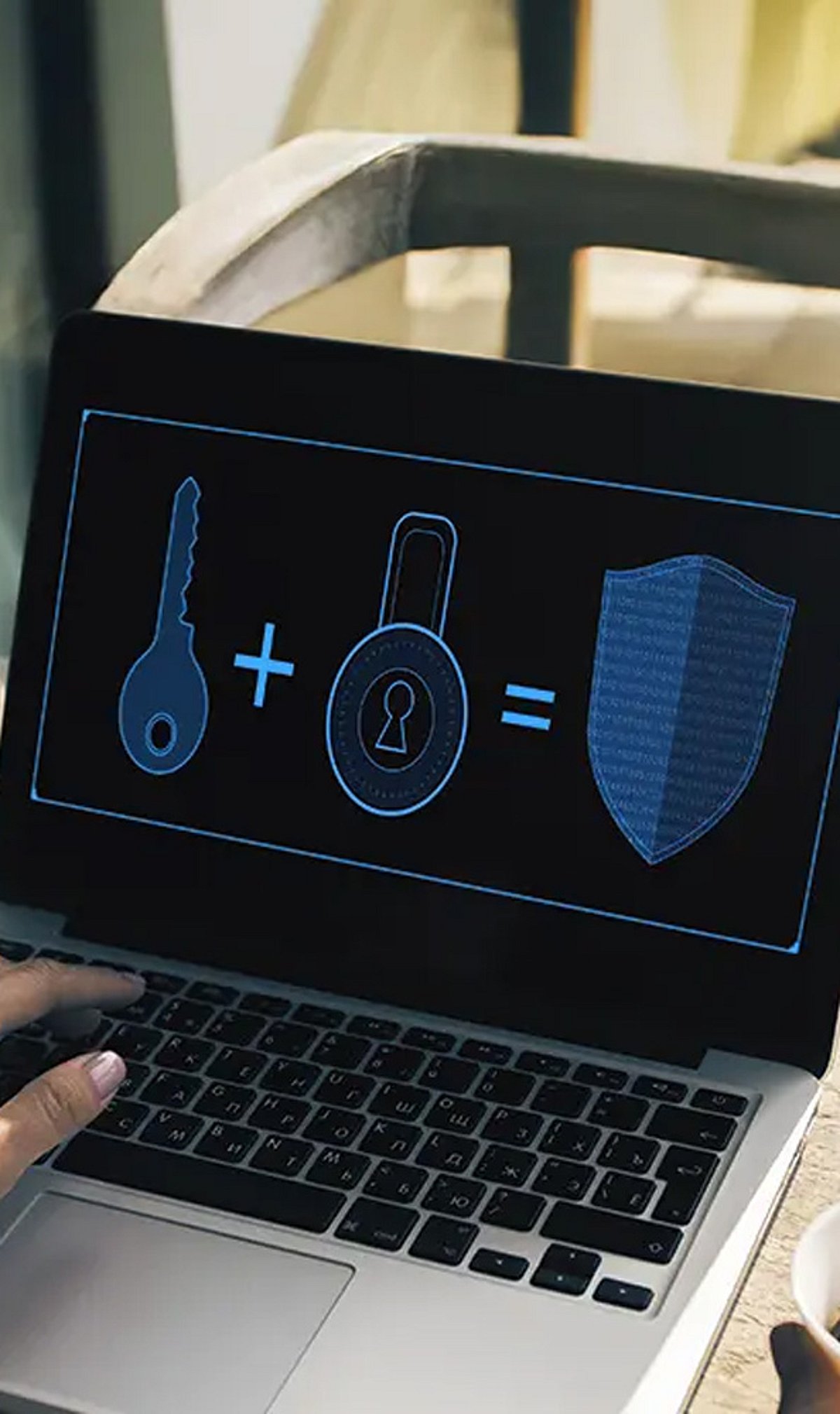
Passwordless authentication is rapidly transforming how organizations protect digital identities. By eliminating traditional passwords, this approach addresses a wide range of security vulnerabilities while improving user experience. Below are the key benefits of adopting passwordless authentication.
Eliminates Password Theft
Traditional passwords are a prime target for cybercriminals. Passwordless authentication removes the risk of credential theft through phishing, brute-force attacks, password reuse, and database breaches. Without a password to steal, attackers lose a major entry point.
Strengthens User Authentication
Instead of relying on easily guessed or stolen passwords, passwordless methods use biometrics (fingerprint, facial recognition), security keys, or trusted devices. These factors provide a much higher level of assurance than conventional password-based systems.
Reduces Phishing Attacks
Phishing attacks often trick users into entering their passwords on fake websites. With passwordless authentication, users never enter a password, so attackers cannot steal credentials through deceptive login pages. This dramatically reduces the effectiveness of phishing campaigns.
Improves User Experience
Passwordless login simplifies access through fingerprint scans, facial recognition, passkeys, or device-based authentication. Users enjoy faster, frictionless logins without sacrificing security, leading to higher satisfaction and productivity.
Minimizes Credential Reuse
Many users reuse passwords across multiple accounts, increasing the risk of credential stuffing attacks. Passwordless authentication eliminates the practice of password reuse, reducing exposure when one service is compromised.
Supports Multi-Factor Security
Passwordless solutions can be combined with device verification, biometrics, or hardware tokens to create robust multi-factor authentication. This layered approach provides stronger protection against unauthorized access, even if one factor is compromised.
Lowers IT Support Costs
Organizations spend significant time and resources on password resets and account recovery. Passwordless authentication reduces help desk tickets related to forgotten passwords, freeing IT teams to focus on higher-value security initiatives.
Enhances Regulatory Compliance
Many regulations require strong authentication controls. Passwordless authentication helps organizations meet compliance standards for data protection and privacy, safeguarding sensitive business and customer information.
Secures Remote Workforces
As remote work becomes permanent, secure access to business applications is critical. Passwordless authentication allows employees to use trusted devices to log in from any location, maintaining security without compromising convenience.
By adopting passwordless authentication, organizations can significantly improve their security posture while delivering a better user experience. The trend is clear: passwords are becoming obsolete, and passwordless authentication is the future of secure access.
Leave a Reply