

Tag: Patient Care

  • Why Patient Follow-Ups Slip Through the Cracks and How to Fix It

    Why Patient Follow-Ups Slip Through the Cracks and How to Fix It

    After a patient leaves the office with a lab order, a new prescription, and a care plan, the real work of follow-up begins. Yet, all too often, weeks pass without a single check-in. Heavy workloads and competing priorities cause practices to miss these critical touchpoints, putting patient outcomes at risk.

    The Hidden Costs of Missed Follow-Ups

    When follow-ups fall by the wayside, the consequences go beyond a missed phone call. Patients may not complete necessary tests, fail to fill prescriptions, or skip specialist appointments. This can lead to delayed diagnoses, worsening conditions, and even liability concerns. The Texas Medical Association emphasizes the importance of tracking diagnostic tests, reviewing results, and documenting patient notifications—steps that are impossible without a reliable follow-up system.

    Why Follow-Ups Get Overlooked

    Several workflow issues contribute to the problem:

    • Front desk overload: Staff juggle check-ins, insurance verification, phone calls, and scheduling. When the lobby fills up, follow-up calls are the first to be postponed—and often forgotten.
    • Manual processes: Paper lists, spreadsheets, and personal reminders are prone to error and easily lost in the shuffle. Each follow-up requires finding contact info, making the call, documenting the outcome, and scheduling the next check—time that busy staff simply don’t have.
    • Unclear ownership: When everyone is responsible, no one is accountable. Follow-up tasks get deprioritized unless a specific person owns them.
    • Medication and referral gaps: A patient may leave with a prescription or referral, but if no one tracks whether they filled it or booked the appointment, the practice remains in the dark.

    Practical Solutions to Improve Follow-Up Rates

    The good news is that with a few strategic changes, practices can dramatically improve their follow-up consistency:

    1. Leverage Virtual Medical Assistants

    Virtual assistants can handle appointment reminders, post-visit check-ins, and follow-up calls. They free up in-house staff and ensure patients are contacted in a friendly, professional manner. This reduces no-shows and boosts patient engagement.

    2. Assign Clear Ownership

    Designate one team member to manage all follow-ups. Define tracking rules, maintain a shared task list, and review progress daily. A quick 5-minute end-of-day audit can flag incomplete tasks and ensure they carry over to the next day.

    3. Standardize Follow-Up Workflows

    Create a step-by-step process for each type of follow-up: when to contact the patient, what to ask, how to document, and when to escalate to a clinician. For example, abnormal lab results should first be reviewed by the physician, then the staff calls the patient and records the conversation.

    4. Track Medications and Referrals

    When a provider orders a new prescription or referral, add it to the follow-up list immediately. Assign someone to verify the patient picked up the medication or scheduled the appointment, and document everything in the EHR. If the patient hasn’t acted, staff can follow up or alert the care team.

    Conclusion

    Patient follow-up is not an optional extra—it’s a vital part of the care continuum. By assigning clear ownership, leveraging virtual support, and standardizing workflows, practices can ensure no patient falls through the cracks. The visit may end at check-out, but the care doesn’t stop there.
  • How Predictive AI Can Reduce Healthcare Costs and Improve Patient Care: Expert Insights from Sachin Bajpai

    How Predictive AI Can Reduce Healthcare Costs and Improve Patient Care: Expert Insights from Sachin Bajpai

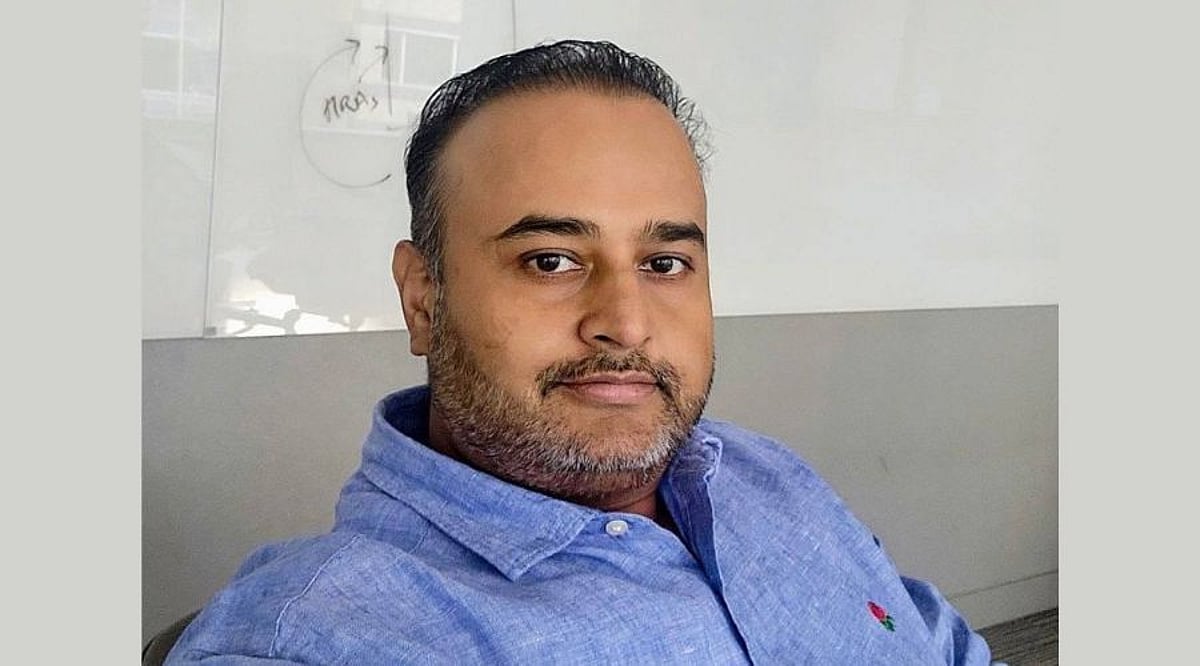
    Healthcare systems around the world are increasingly turning to artificial intelligence to improve patient outcomes and reduce costs. During the recent AI Impact Summit in New Delhi, India’s Ministry of Health and Family Welfare unveiled a national strategy to deploy AI in medicine “that works for every patient, in every region, regardless of income, language, or geography.” To understand how these technologies can make healthcare more accessible and affordable, we spoke with Sachin Bajpai, an experienced healthcare AI leader who has worked with major medical organizations through companies including PwC, Deloitte, and CitiusTech.

    Bajpai believes that one of the biggest opportunities for AI lies in early intervention. “AI systems can analyze medical and behavioral patterns early, allowing healthcare providers to identify high-risk patients before their conditions become critical or require expensive emergency and intensive care,” he explains.

    One example of this approach is a predictive AI system Bajpai developed while at PwC, a global professional services firm operating in more than 150 countries. The model focused on elderly patients covered by U.S. government-sponsored insurance programs and identified those at risk of requiring costly skilled nursing facility care—one of the most expensive forms of long-term treatment. During a six-month pilot involving over 300,000 patients, the system identified around 20,000 high-risk cases and reduced medical spending by nearly $10 million. The program later expanded across 21 U.S. states.

    Bajpai’s approach is especially valuable in countries with large populations and overstretched healthcare systems, such as India. “The earlier healthcare providers can identify risk, the more effectively they can intervene,” he says.

    Beyond prediction, AI can fundamentally change how healthcare systems manage resources. “Having spent many years in India, I know hospitals and doctors often work under enormous pressure because of the sheer number of patients they see every day,” Bajpai notes. “AI can reduce some of that operational burden, improve coordination, and give medical professionals more time to focus on patient care.”

    Much of Bajpai’s work has focused on solving large-scale operational challenges. Before joining PwC, he led the development of a cloud-based clinical reporting platform at CitiusTech, a global healthcare technology company. The solution earned certification from the National Committee for Quality Assurance (NCQA), allowing healthcare providers to use it for official quality reporting in the U.S. healthcare system. Within two years, the product expanded to a portfolio of 15 customers.

    At PwC, where he now serves as Managing Director leading healthcare AI and data transformation, Bajpai has helped expand the company’s healthcare AI operations tenfold across the U.S., India, China, Poland, and Mexico. During his tenure, PwC’s healthcare AI solutions received major industry recognition, including Microsoft Partner of the Year awards.

    Still, Bajpai emphasizes that technology alone is not enough. “For AI to work effectively in medicine, both doctors and patients need to trust the systems they use,” he explains. Building that trust requires transparency, regulatory compliance, data security, and a clear understanding of how AI-generated recommendations are produced and validated in clinical settings.

    As AI adoption accelerates, experienced specialists like Bajpai play a crucial role in evaluating medical technology systems and advising healthcare clients and startup founders on technical strategy, scalability, and long-term performance. His cross-regional experience has given him a close view of how differently medical environments operate. “Healthcare systems in India operate across different languages, regions, and levels of infrastructure,” he says. “Developers need to train AI models on diverse and representative data so the systems can work reliably at scale.”

    Despite these challenges, Bajpai believes India is well-positioned to become a major market for practical healthcare AI solutions, thanks to its strong engineering talent and rapidly growing digital infrastructure.

  • How AI and Smart CRM Systems Are Revolutionizing TMJ Treatment in 2026

    How AI and Smart CRM Systems Are Revolutionizing TMJ Treatment in 2026

    Simple daily tasks like chewing or talking can become exhausting challenges for millions suffering from temporomandibular joint disorders (TMD). Chronic tension headaches, localized facial pain, and persistent jaw clicking are common symptoms, yet conventional diagnostic methods have long relied on trial-and-error splint adjustments and generalized therapy plans. Fortunately, TMJ treatment in 2026 has been transformed by cutting-edge clinical tools, including artificial intelligence and automated client relationship management platforms. These integrated systems deliver unprecedented diagnostic accuracy while providing a seamless, organized, and personalized patient experience at every step of care.

    How AI Improves Diagnostic Accuracy

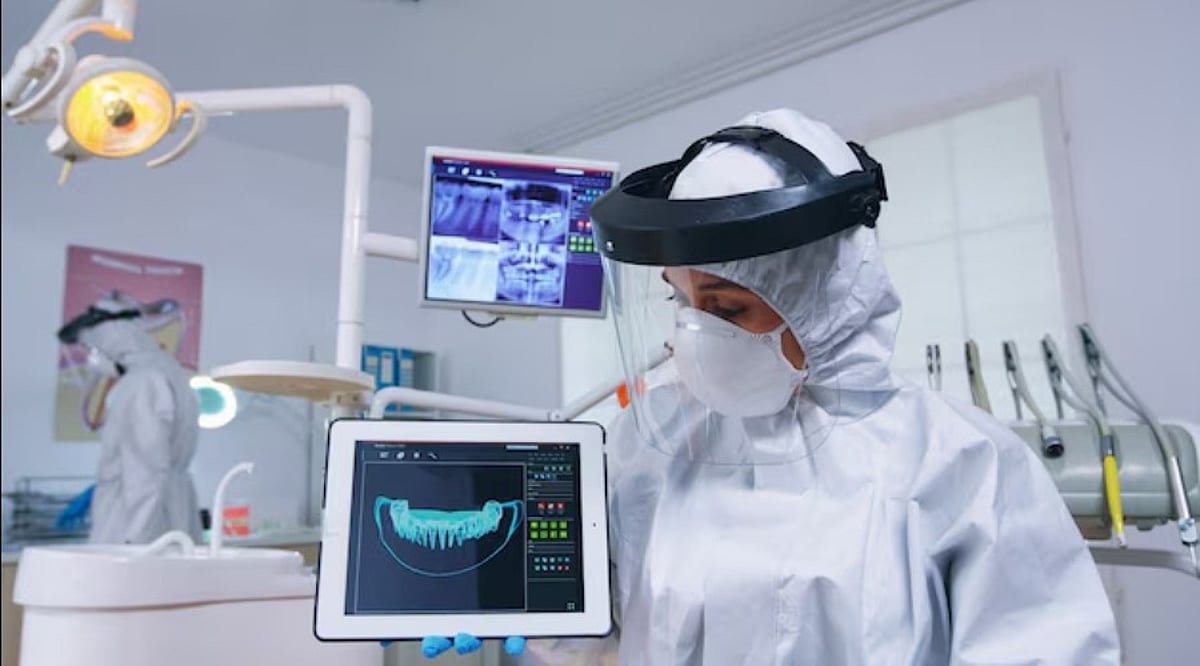
    Identifying the cause of jaw joint dysfunction is clinically challenging. TMJ problems arise from a complex mix of structural misalignments, muscle overactivity, joint arthritis, or psychological stress. AI-powered diagnostic software now interprets 3D scans of jaws, dynamic bite motion tracking, and electromyographic muscle data within seconds.

    Automated Biomechanical Analysis

    Sophisticated algorithms detect micro-movements in the temporomandibular joint that the naked eye might miss. By analyzing how upper and lower teeth interact during chewing, AI tools create dynamic biomechanical maps. These digital models pinpoint specific pressure hot spots along the joint, allowing clinicians to design custom orthotic splints that precisely neutralize bite forces.

    Predictive Recovery Maps

    Machine learning algorithms leverage thousands of anonymized historical treatment outcomes to predict how a patient’s unique joint structure will respond to therapy. Instead of waiting months to see results from an orthotic device, treatment progression can be modeled with software, enabling dentists to make adjustments on the fly before physical appliances are manufactured.

    Traditional vs. AI and CRM Integrated TMJ Therapy

    To understand why patient satisfaction continues to soar, compare how modern automated workflows improve clinical outcomes over legacy care models:

    • Legacy Diagnostics: Traditional methods relied on visual assessments and basic X-rays across several appointments. AI software now processes complex 3D scans and joint motion tracking in seconds.
    • Appliance Customization: Traditional night guards are manually molded and have static fits. Digital AI planning creates dynamic, custom-milled orthotics based on real-time muscle activity.
    • Patient Support: Traditional offices needed phone check-ins during business hours. Smart CRM platforms offer automated wear reminders, progress surveys, and instant appointment bookings.
    • Treatment Tracking: Manual clinical note-taking made tracking slight joint improvements difficult. Cloud CRM portals store continuous biometric data to log measurable recovery milestones.

    Intelligent CRM Systems Enhance Patient Journeys

    AI drives the clinical side of care, but smart CRM software transforms the entire patient experience. For those living with a chronic condition like TMJ dysfunction, regular follow-ups, therapy commitment, and proactive communication are essential. Smart CRM networks connect patients directly to their clinical team, ensuring nothing falls through the cracks.

    Automated Care Pathways and Monitoring Progress

    Latest practice management software delivers customized education, exercise videos, and automatic progress check-ins directly to a patient’s smartphone. If a patient fills out a simple digital survey noting increased jaw pain, the smart CRM immediately alerts the dental team to reach out or automatically reschedules the follow-up.

    Multi-Discipline Coordination with Synchronization

    Effective joint therapy often requires cooperation between neuromuscular dentists, physiotherapists, and pain management specialists. Multi-disciplinary practices use centrally based smart CRM networks to store detailed digital files, ensuring all attending specialists have instant, secure access to diagnostic imaging and recovery timelines for truly integrated care.

    Digital Innovation for Enduring Jaw Comfort

    No more months of guessing and living with chronic jaw pain. The integration of artificial intelligence and intelligent CRM software has turned temporomandibular joint treatment into a precise, highly supportive clinical experience. Modern dental practices use predictive analytics, automated custom splint design, and seamless digital communication to help patients confidently conquer joint pain and achieve long-term oral function.