
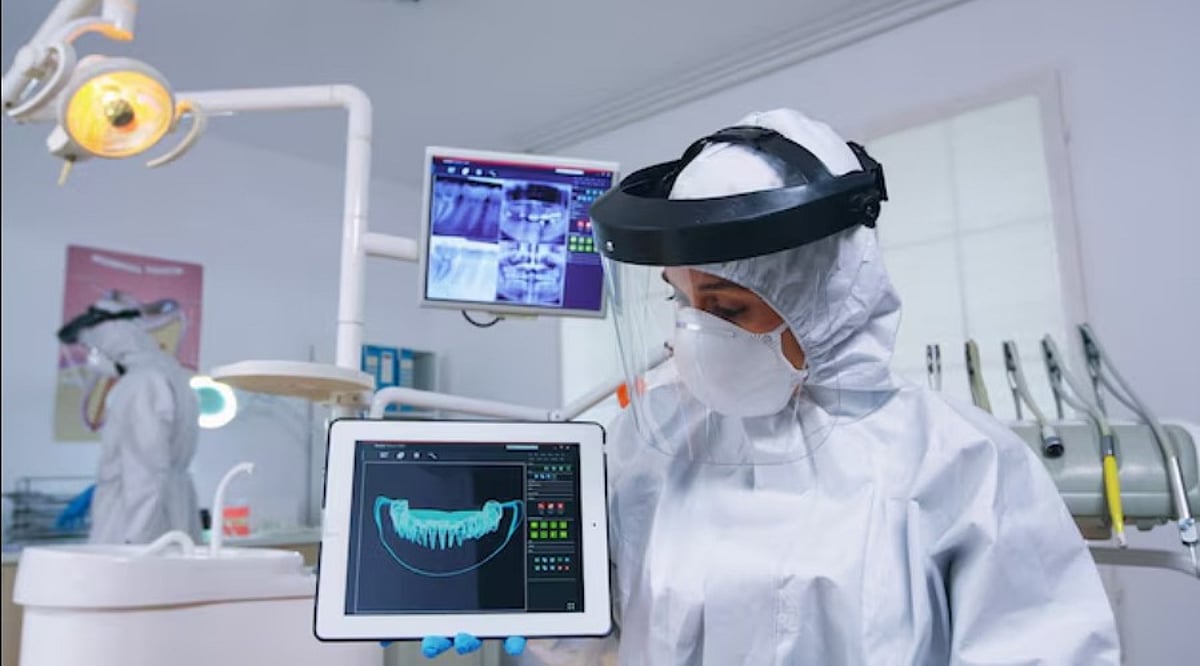
Simple daily tasks like chewing or talking can become exhausting challenges for millions suffering from temporomandibular joint disorders (TMD). Chronic tension headaches, localized facial pain, and persistent jaw clicking are common symptoms, yet conventional diagnostic methods have long relied on trial-and-error splint adjustments and generalized therapy plans. Fortunately, TMJ treatment in 2026 has been transformed by cutting-edge clinical tools, including artificial intelligence and automated client relationship management platforms. These integrated systems deliver unprecedented diagnostic accuracy while providing a seamless, organized, and personalized patient experience at every step of care.
How AI Improves Diagnostic Accuracy
Identifying the cause of jaw joint dysfunction is clinically challenging. TMJ problems arise from a complex mix of structural misalignments, muscle overactivity, joint arthritis, or psychological stress. AI-powered diagnostic software now interprets 3D scans of jaws, dynamic bite motion tracking, and electromyographic muscle data within seconds.
Automated Biomechanical Analysis
Sophisticated algorithms detect micro-movements in the temporomandibular joint that the naked eye might miss. By analyzing how upper and lower teeth interact during chewing, AI tools create dynamic biomechanical maps. These digital models pinpoint specific pressure hot spots along the joint, allowing clinicians to design custom orthotic splints that precisely neutralize bite forces.
Predictive Recovery Maps
Machine learning algorithms leverage thousands of anonymized historical treatment outcomes to predict how a patient’s unique joint structure will respond to therapy. Instead of waiting months to see results from an orthotic device, treatment progression can be modeled with software, enabling dentists to make adjustments on the fly before physical appliances are manufactured.
Traditional vs. AI and CRM Integrated TMJ Therapy
To understand why patient satisfaction continues to soar, compare how modern automated workflows improve clinical outcomes over legacy care models:
- Legacy Diagnostics: Traditional methods relied on visual assessments and basic X-rays across several appointments. AI software now processes complex 3D scans and joint motion tracking in seconds.
- Appliance Customization: Traditional night guards are manually molded and have static fits. Digital AI planning creates dynamic, custom-milled orthotics based on real-time muscle activity.
- Patient Support: Traditional offices needed phone check-ins during business hours. Smart CRM platforms offer automated wear reminders, progress surveys, and instant appointment bookings.
- Treatment Tracking: Manual clinical note-taking made tracking slight joint improvements difficult. Cloud CRM portals store continuous biometric data to log measurable recovery milestones.
Intelligent CRM Systems Enhance Patient Journeys
AI drives the clinical side of care, but smart CRM software transforms the entire patient experience. For those living with a chronic condition like TMJ dysfunction, regular follow-ups, therapy commitment, and proactive communication are essential. Smart CRM networks connect patients directly to their clinical team, ensuring nothing falls through the cracks.
Automated Care Pathways and Monitoring Progress
Latest practice management software delivers customized education, exercise videos, and automatic progress check-ins directly to a patient’s smartphone. If a patient fills out a simple digital survey noting increased jaw pain, the smart CRM immediately alerts the dental team to reach out or automatically reschedules the follow-up.
Multi-Discipline Coordination with Synchronization
Effective joint therapy often requires cooperation between neuromuscular dentists, physiotherapists, and pain management specialists. Multi-disciplinary practices use centrally based smart CRM networks to store detailed digital files, ensuring all attending specialists have instant, secure access to diagnostic imaging and recovery timelines for truly integrated care.
Digital Innovation for Enduring Jaw Comfort
No more months of guessing and living with chronic jaw pain. The integration of artificial intelligence and intelligent CRM software has turned temporomandibular joint treatment into a precise, highly supportive clinical experience. Modern dental practices use predictive analytics, automated custom splint design, and seamless digital communication to help patients confidently conquer joint pain and achieve long-term oral function.
Leave a Reply