Tag: personal finance

  • 7 Key Assets for Building Long-Term Wealth

    7 Key Assets for Building Long-Term Wealth

    Building wealth is a long-term endeavor that requires a strategic approach to investing. By diversifying across different asset classes, you can spread risk and increase your potential for returns. Here are seven assets that can help you build wealth over time.

    1. Stocks

    Stocks offer long-term growth potential by giving investors exposure to company performance, market movements, and economic conditions. However, they come with varying levels of risk depending on the company and market trends.

    2. Bonds

    Bonds provide income through regular interest payments and can help diversify a portfolio. Their returns and risk depend on the issuer and prevailing market conditions, making them a more stable option compared to stocks.

    3. Gold

    Gold is a tangible asset that often moves differently from financial assets, offering a hedge against inflation and economic uncertainty. Its price can fluctuate based on global economic factors, but it remains a popular diversification tool.

    4. Real Estate

    Investing in physical property can generate rental income and appreciate in value over time. However, it requires significant capital and ongoing maintenance costs, making it less accessible for some investors.

    5. REITs (Real Estate Investment Trusts)

    REITs allow you to invest in real estate without directly buying properties. They offer accessibility and potential income through distributions, making real estate investment more liquid and manageable.

    6. Mutual Funds

    Mutual funds pool money from multiple investors to invest in a diversified portfolio of securities. They are professionally managed, making them a convenient way for individuals to achieve diversification without picking individual stocks or bonds.

    7. Yourself

    Investing in your own education, skills, and professional development can significantly improve your earning potential. This personal investment supports stronger long-term financial decision-making and career growth.

    Diversification and Risk Management

    Combining different asset classes spreads exposure across investments, reducing dependence on any single asset’s performance. Your asset choices should align with your personal goals, risk tolerance, and investment time horizon rather than following popular trends.

    By carefully selecting a mix of these assets, you can build a robust portfolio that works toward your financial future.

  • PennyGuard: How Its Features Support Everyday Money Decisions

    PennyGuard: How Its Features Support Everyday Money Decisions

    PennyGuard is a personal finance tool designed to bring the details of your everyday spending into one view. Rather than focusing only on saving, it helps you understand what is happening with each charge, identify recurring expenses, and uncover benefits linked to the cards you already use.

    What PennyGuard Does

    PennyGuard connects to your financial data through a few different paths. It works with bank connections through Plaid, offers a card connection option, and supports email connections from Gmail, Outlook, or Yahoo. The level of bank support depends on Plaid coverage.

    Once connected, the platform uses that information to identify options tied to individual transactions. The outputs fall into three main categories:

    • Information: explaining what a charge is, reminding you of a renewal, or showing a card perk.
    • Requests: actions you confirm, such as a cancellation or refund request.
    • Fulfilled outcomes: completed results, such as a confirmed cancellation or a refund that has landed in your account.

    Keeping these categories separate helps you know exactly what a feature is doing and what still needs to happen.

    Card Benefits for Purchases You Plan to Keep

    Not every transaction needs to be reduced or eliminated. Some charges reflect purchases you are happy with, and your main interest is whether your card offers a benefit for them.

    PennyGuard’s planned transaction-focused main view is meant to surface cashback or perks associated with your card, along with possible ways to pay less. The goal is to help you notice a benefit you might otherwise miss.

    There is an important difference between seeing a benefit and receiving it. Cashback is paid by the bank or card network under its own terms, so eligibility and fulfillment matter after discovery.

    When You Need More Context About a Charge

    A charge can look unfamiliar without being something you want to stop. In those cases, the text AI assistant is designed to answer questions using the same connected information that powers transaction analysis.

    You could ask what a charge is, which subscriptions are worth reviewing, or what perk may apply to a specific transaction. The explanation comes first; deciding to keep a service, cancel it, or request a refund comes later.

    PennyGuard helps surface opportunities and prepares actions, but you stay in control before any request is sent.

    Subscription Review and Cancellation Support

    Subscription detection uses bank and email data to spot recurring payments. The tool also looks for regular bills, trial periods, price increases, and duplicate charges. Those findings are a starting point for reviewing what you actually use.

    For example, you might go through a list of subscriptions after a change in your routine. Some services may still be essential, others may be occasional, and a few may no longer make sense. PennyGuard helps organize that review without assuming every subscription should be canceled.

    When you decide to cancel a service, PennyGuard can initiate cancellation requests through an AI agent, email, or a partner. Confirmation is required before anything is sent. The time to completion depends on the service, and you should treat a cancellation request as separate from a confirmed cancellation.

    Refund Requests vs. Bill Negotiation

    Merchant refunds and bill negotiation both involve another organization’s response, but they address different situations. A refund request is about money already charged. Negotiation is about lowering a bill.

    If you want a merchant to review a charge, PennyGuard can help submit a refund request after your confirmation. The useful output at that stage is initiation. Approval and the return of funds are separate outcomes.

    If you want to keep a service but pay less, the path is negotiation through a partner. The intended result is a changed cost rather than ending the service.

    Because timing depends on the merchant or provider, it helps to distinguish between the request you sent, the decision that came back, and the actual money impact.

    Notifications and Safe to Spend

    PennyGuard includes notifications for renewals, trial endings, price changes, and unfamiliar charges. Email and in-app notifications are planned delivery methods. An alert may simply prompt you to make a conscious decision to keep a service unchanged.

    The Safe to Spend feature answers a common question: how much may be left before your next deposit? It is an estimate, not a guarantee, so you should use it alongside commitments and upcoming expenses when weighing a purchase.

    PennyGuard does not hold money, transfer funds, pay bills, or open financial products. Its role is to keep you informed and help you decide what deserves attention.

    How to Use PennyGuard in Practice

    Start with the question you actually have:

    • If the purchase is staying, look at card benefits.
    • If the charge is unclear, seek context.
    • If a recurring service is no longer useful, consider a cancellation request.
    • If the issue is a past charge, think about refund assistance.
    • If the issue is a high ongoing bill, explore negotiation.

    Then identify what result you are looking at: information displayed, an action you confirmed, or a completed outcome. That distinction is the thread that connects PennyGuard’s planned features without making them interchangeable.

    PennyGuard is scheduled to launch on October 15, 2026. For current product information, consult the official PennyGuard site.

  • No-Cost EMI: Who Really Pays the Interest and What to Check Before You Buy

    No-Cost EMI: Who Really Pays the Interest and What to Check Before You Buy

    What a no-cost EMI actually means

    A no-cost EMI lets a buyer split a purchase into equal monthly payments while the offer advertises zero interest. In practice, the lender may still charge interest, and the merchant or platform offsets that amount through an upfront discount, a merchant contribution, or another promotional adjustment. The customer may not pay interest as a separate line item, but the transaction can still include fees, taxes, or conditions that change the real cost.

    In India, the Reserve Bank of India requires credit-card issuers to disclose the principal, interest, and upfront discount behind a no-cost EMI before converting a purchase. The same details must appear separately on the card statement. That disclosure matters because it lets borrowers see how the offer is structured instead of relying on the monthly payment alone.

    How the interest is offset

    Consider a Rs. 60,000 product with a six-month EMI. A regular EMI would include principal and interest. Under a no-cost offer, the lender may calculate interest, while the merchant provides a discount that offsets it. The exact arrangement varies by lender, merchant, product, and promotion.

    Because the discount may reduce the effective purchase price, two offers with the same monthly payment can have different total costs. Borrowers should compare the cash price, the discount, the interest calculation, the processing fee, taxes, and the total of all installments.

    Who pays the interest?

    The customer may not pay the interest separately, but that does not mean the interest disappears. The merchant or platform often absorbs it through a discount or contribution. In some cases, the cost is built into the product price or promotion. The key point is that no-cost EMI describes the interest structure, not a guarantee that every cost is zero.

    Where extra costs can appear

    • Processing fees: Lenders may charge a one-time fee to set up the EMI.
    • Taxes: Applicable taxes may apply to interest, fees, or the transaction, depending on the lender and location.
    • Late-payment penalties: Missing an installment can trigger charges and affect the account.
    • Foreclosure or cancellation terms: Closing an EMI early or cancelling a purchase may involve conditions or charges.
    • Credit-limit impact: On a credit card, the purchase can reduce available credit until the EMI is repaid.

    No-cost EMI versus a regular EMI

    A regular EMI normally includes both principal and interest, so the borrower repays the purchase price plus financing cost over time. A no-cost EMI tries to offset the interest through a discount or merchant contribution. The final structure can differ from one offer to another, so the safest comparison is the total amount repaid.

    Check the product’s cash price, the advertised discount, any fees or taxes, the EMI tenure, and the sum of all monthly payments. If the total EMI cost is higher than the cash price after adjustments, the offer is not truly cost-free.

    What to check before accepting an EMI offer

    • Confirm the original price and the final amount payable.
    • Ask whether the discount is applied upfront or adjusted later.
    • Review the interest rate, processing fee, taxes, and EMI tenure.
    • Check the total repayment amount, not just the monthly installment.
    • Confirm cancellation, refund, and early-closure conditions.
    • For credit cards, check available credit and how the EMI will affect the limit.
    • For loans, review the annual percentage rate and other cost-of-credit disclosures.

    When a no-cost EMI may make sense

    A no-cost EMI can help spread a large purchase across several payments, but it should fit the borrower’s budget without relying on the promotional label. Multiple EMIs can quickly increase monthly obligations. Before signing, compare the total EMI cost with paying upfront and make sure each installment is comfortably affordable.

    The practical rule is simple: no-cost EMI may describe how interest is handled, but it does not mean every charge is zero. Read the full offer, compare the final repayment amount, and verify all fees before accepting.

    FAQs

    Does no-cost EMI really have zero interest?

    The lender may still calculate interest. Under a no-cost structure, a discount or merchant contribution can offset that interest. Borrowers should review the transaction details rather than assume no interest is involved at any stage.

    Who pays the interest on a no-cost EMI?

    The merchant or platform may effectively absorb it through a discount or contribution. The customer may not pay it as a separate cost, but the arrangement varies by lender, merchant, product, and promotion.

    Can a no-cost EMI include extra charges?

    Yes. Processing fees, taxes, late-payment penalties, and other conditions may apply. Check the complete terms before accepting the offer.

    Does no-cost EMI affect a credit card limit?

    Yes. The purchase can reduce available credit until the EMI is repaid. Check the remaining limit before making another large purchase with the same card.

  • Fixed Deposit Return Calculator: How to Estimate Your Maturity Amount

    Fixed Deposit Return Calculator: How to Estimate Your Maturity Amount

    A Fixed Deposit (FD) return calculator helps investors estimate the amount they will receive at maturity based on the deposit amount, interest rate, and tenure. By processing these inputs, the calculator provides a clear picture of the total payout, including both principal and interest. It also allows depositors to compare different tenures and payout options without changing the principal amount, making it easier to understand how each variable affects returns.

    What Is a Fixed Deposit Maturity Figure?

    The maturity figure is the total amount payable when a cumulative fixed deposit completes its chosen tenure. This figure includes the original deposit and the interest accumulated over the investment period. For example, an investor who deposits Rs. 1 lakh will receive the principal plus applicable interest at maturity, depending on the annual rate, tenure, investor category, and interest calculation method.

    For non-cumulative deposits, interest is paid out periodically, and the principal is returned at maturity. In this case, the calculator may show periodic income instead of a single combined maturity amount.

    Details Required to Calculate FD Returns

    A return calculation requires several connected inputs. The accuracy of the estimate depends on the following details:

    • Deposit Amount: The principal invested at the beginning. For instance, Bajaj Finance Fixed Deposit accepts investments starting from Rs. 15,000.
    • Investor Category: Customers below 60 years and senior citizens may receive different applicable interest rates.
    • Deposit Tenure: Investors can select a tenure between 12 and 60 months for Bajaj Finance Fixed Deposit.
    • Applicable Rate: The rate varies according to tenure, investor age, and payout option.
    • Payout Frequency: Investors can choose cumulative, monthly, quarterly, half-yearly, or annual payouts.

    Using accurate inputs is essential. Even a small change in the applicable rate or tenure can significantly affect the calculated maturity value.

    How the Calculator Converts Inputs into Returns

    The calculator starts with the principal and applies the annual interest rate for the selected tenure. Under the cumulative option, interest remains within the deposit and contributes to the maturity amount. A longer tenure allows the principal to earn interest over an extended period. Where compounding applies, interest already added to the deposit can also earn additional interest in subsequent periods.

    The general relationship is:

    Maturity Amount = Principal + Total Interest Earned

    The exact calculation depends on the product terms, tenure, and interest calculation method. An online calculator performs this process automatically, providing an estimate without manual calculations.

    Step-by-Step Guide to Using an FD Return Calculator

    Investors can follow these steps to estimate a maturity figure:

    1. Enter the Investment Amount: Add the principal you plan to deposit.
    2. Select the Investor Type: Choose whether the investor is below 60 or a senior citizen.
    3. Choose the Tenure: Select an investment period between 12 and 60 months.
    4. Select the Payout Option: Choose cumulative returns for a maturity figure or periodic payouts for regular income.
    5. Review the Applicable Interest Rate: Check that the rate matches the selected investor category, tenure, and payout frequency.
    6. View the Estimated Result: Note the expected interest earnings and maturity amount.
    7. Compare Alternatives: Change one input at a time to assess how the result changes.

    Keeping the deposit amount constant while changing the tenure provides a clearer comparison of time-based returns.

    How Tenure Influences the Maturity Figure

    Tenure affects both the applicable rate and the period for which the principal earns interest. Bajaj Finance Fixed Deposit has three main cumulative interest-rate bands for deposit amounts from Rs. 15,000 to Rs. 3 crore. Moving from 14 months to 15 months, for example, places the deposit in a higher rate band. Similarly, selecting 24 months instead of 23 months provides access to the next applicable cumulative rate.

    Within the 24-to-60-month band, the annual rate remains the same for a particular investor category. However, a longer tenure may produce a larger maturity amount because the investment earns interest for more time. Interest rates can change, so investors should confirm the latest applicable rates before booking a deposit.

    How Investor Type Affects the Calculation

    Bajaj Finance Senior Citizen Fixed Deposit offers extra interest to those over the age of 60, up to a maximum of 0.35 per cent for deposits with a tenure of 24 to 60 months. For individuals under 60, the interest rate applicable for a 24-to-60-month fixed deposit is 6.95 per cent. If the deposit amount and tenure are the same, the extra interest rate offered to senior citizen depositors results in higher maturity amounts.

    It is important to select the correct age category to avoid confusion and ensure the calculation uses the right interest rate.

    Cumulative vs Non-Cumulative Terminal Cash Analysis

    The payout option chosen for a term deposit affects the numbers shown by the calculator. With the cumulative option, the total amount, including principal and interest, becomes payable to the investor at maturity. Those opting for the non-cumulative option will receive interest on a monthly, quarterly, half-yearly, or annual basis. The calculator can provide the expected amount of cash received along with the total interest paid. For example, the interest payable is 6.74 per cent for those under 60 opting for monthly payouts.

    Why the Displayed Figure Is an Estimate

    The calculation is based on the entered values and the rate available when the estimate is generated. The final amount depends on the terms confirmed at the time of booking. Taxes can also influence the amount received by the investor, as interest earned is generally taxable according to applicable income-tax provisions. Tax deducted at source may apply when the interest crosses the relevant statutory threshold.

    Premature withdrawal can also change the expected return because the initial estimate assumes the deposit will continue until maturity.

    Premature Withdrawal Conditions to Consider

    Bajaj Finance Fixed Deposit generally does not allow premature withdrawal during the first three months. Specified exceptions may apply in cases such as death, medical emergencies, critical illness, or natural calamities. For withdrawal after three months but before six months, no interest is payable. If withdrawal takes place after six months and before maturity, the payable interest is generally 2% lower than the applicable rate for the completed period.

    Deposits of up to Rs. 10,000 may be withdrawn without interest. Selecting an appropriate tenure can reduce the possibility of closing the deposit before maturity.

    Comparing FD Rates Before Investing

    Investors can use the calculator to compare FD rates across different tenure bands and payout frequencies. The comparison should use the same principal so that differences in the estimated results remain clear. The highest available annual rate may not always match the investor’s financial timeline. When comparing FD rates, investors should also consider the maturity date, payout requirements, liquidity needs, and premature withdrawal conditions.

    Conclusion

    A return calculator translates the principal, applicable rate, and tenure into an estimated maturity amount or periodic interest figure. This helps investors evaluate the likely outcome before booking a Bajaj Finance Fixed Deposit. Before investing, verify the latest FD rates and compare several suitable tenure and payout combinations. The selected option should support the required maturity amount while remaining aligned with the investor’s financial goal and expected need for liquidity.


  • Why Regular Contributions to a Stocks and Shares ISA Can Build Wealth Over Time

    Why Regular Contributions to a Stocks and Shares ISA Can Build Wealth Over Time

    If your money is stretched in all directions, finding a large lump sum to invest can feel unrealistic. But smaller, regular investments offer another route. By setting aside an affordable amount each month, you can work towards longer-term goals without waiting for the perfect moment to put your money into the market.

    Why Consistency Matters When Investing

    Investing can be thought of like a routine, a bit like saving. Instead of deciding each month whether you can spare some money, you can arrange an automatic payment shortly after payday. This approach makes investing part of your normal budget, much like saving for a holiday or paying a household bill.

    Consistency can also reduce the temptation to time the market. Even experienced investors can’t reliably predict when prices will reach their lowest or highest points. Investing according to a schedule means you keep working towards your goal rather than waiting on the sidelines for an opportunity that may never arrive.

    How Smaller Amounts Can Build Over Time

    You don’t necessarily need a substantial lump sum to get started. For example, investing £100 each month would mean contributing £1,200 over a year and £12,000 over ten years, before allowing for any investment growth or losses.

    Starting with a manageable figure can make a distant goal feel more practical. You might initially contribute £50 a month towards retirement or another long-term objective, then increase the amount when your income rises or major expenses fall.

    Your returns may also generate further returns over time through compounding. That said, investments can fall as well as rise, so you could get back less than you contribute. Your best bet is investing for the long term.

    Choosing a Suitable Investment Structure

    Where you hold your investments can affect how much of your returns you keep. A stocks and shares ISA lets you invest within a tax-efficient account, meaning you won’t pay UK Income Tax or Capital Gains Tax on investments and returns held inside it.

    You could set up a monthly payment into your account and invest it according to your chosen strategy. The ISA allowance limits how much you can contribute across your ISAs each tax year, so check the current rules before deciding how much to put away.

    Staying Invested When Markets Move

    Markets move up and down. Economic news, company results, global events, and changes in investor confidence can all push prices higher or lower, sometimes sharply.

    Regular investing (specifically a strategy called dollar-cost averaging) means your fixed contribution buys fewer units when prices are high and more when they are lower. This can smooth your purchase price over time, although it does not protect you from losses.

    A longer-term perspective can also help you avoid reacting emotionally to short-term falls. Selling after a sudden decline can turn a temporary paper loss into a permanent one and may mean missing a later recovery.

    Reviewing Your Progress

    A regular plan should still change when your circumstances do. A pay rise might allow you to increase your monthly amount, while higher essential costs could mean reducing it temporarily rather than abandoning your goal altogether.

    Review your contributions, investments, and objectives at least once a year and after significant financial changes. Regular investing works best when the amount remains affordable, and your choices continue to match your goals and attitude to risk.

  • SIP Investing Explained: How Systematic Investment Plans Work and How to Begin

    SIP Investing Explained: How Systematic Investment Plans Work and How to Begin

    Systematic Investment Plans (SIPs) have become a cornerstone of mutual fund investing in India, enabling ordinary savers to build wealth through small, regular contributions rather than a single large payment. This article explains how SIPs work, the types available, and the steps needed to start.

    What is a Systematic Investment Plan?

    A SIP is a method of investing a fixed sum in a mutual fund scheme at regular intervals, typically monthly. It functions like a recurring bank deposit, but the money goes into a market-linked fund instead of a fixed-rate account. The amount is automatically deducted from the investor’s bank account on a chosen date and converted into fund units. Many schemes allow entry with amounts as low as Rs. 500, making SIPs accessible to almost every income group.

    How SIP Works in Practice

    Each SIP installment buys units of the chosen mutual fund at that day’s Net Asset Value (NAV). When markets fall, the same installment buys more units; when markets rise, it buys fewer units. Over time, this pattern averages out the purchase cost and reduces the pressure of timing the market. Investors who stay invested through ups and downs typically achieve a smoother average cost than those who invest a lump sum at a single point.

    The process follows a simple cycle: select a fund and fix the installment amount, set up a bank mandate for automatic transfer on a chosen date, receive units at each installment based on that day’s NAV, and build returns gradually through market-linked growth and reinvestment.

    Why Investors Prefer SIPs

    SIPs suit both first-time and experienced investors for practical reasons: low entry amount keeps budgets manageable, automatic transfers build a savings habit, rupee-cost averaging smooths market volatility, and flexibility to pause, increase, or stop installments adapts to changing goals. Investors also benefit from professional fund management without needing deep market knowledge.

    Types of SIP Available

    Fund houses offer several SIP formats: regular, step-up, flexible, perpetual, and trigger SIPs. Each caters to different saving patterns and goals.

    Steps to Start Investing Through SIP

    1. Complete KYC using PAN and address proof.
    2. Define a financial goal (e.g., home purchase, education, retirement).
    3. Choose a fund category (equity, debt, or hybrid) based on goal and time horizon.
    4. Select the SIP amount and frequency that fits your monthly cash flow.
    5. Set up an auto-debit mandate linked to your bank account.
    6. Track investments periodically and adjust the amount as income grows.

    Online SIP calculators help estimate the projected corpus by entering the monthly amount, expected return, and tenure, aiding in setting realistic targets.

    Final Thoughts

    Mutual fund returns depend on market performance, with no guaranteed outcomes. Equity-oriented funds carry higher short-term volatility; debt funds tend to move within a narrower range. Always read the scheme document, check the expense ratio, and review the fund manager’s track record. Staying invested through market cycles, rather than exiting during downturns, generally benefits long-term SIP investors.

    A well-planned SIP journey rests on three habits: starting early, staying consistent, and reviewing the portfolio once or twice a year. Time in the market matters more than trying to pick the perfect entry point. For beginners, a SIP offers a structured, low-pressure path toward long-term financial goals like a home, education, or retirement.

  • Bank FD vs. Post Office Deposits: Which Offers Better Returns in 2026?

    Bank FD vs. Post Office Deposits: Which Offers Better Returns in 2026?

    When deciding where to park your savings, the interest rate is only part of the story. Government-backed schemes sometimes offer higher returns, but they often require locking your money away for longer. A recent comparison by entrepreneur Prafull Billore highlights how small rate differences and access to funds can shape the right choice.

    Post Office vs. SBI: The Rate Gap

    For the quarter ending September 30, 2026, the Post Office one-year Time Deposit offers an annual interest rate of 6.90%. In comparison, the State Bank of India (SBI) offers 6.25% a year to general customers on retail domestic deposits below Rs 3 crore for a tenure of one year to less than two years. That is a difference of 0.65 percentage points.

    For senior citizens, the gap narrows. SBI offers them 6.75% on the same tenure, making the Post Office rate just 0.15 percentage point higher.

    Convenience and Access Matter

    Looking only at returns, the Post Office deposit may seem more attractive. But convenience plays a key role. Many bank customers can open, renew, or close fixed deposits through mobile or internet banking, depending on the bank’s terms. Post Office deposits may suit investors who are comfortable managing their savings in a separate account and do not need frequent access to the funds.

    SCSS: Higher Rate, Longer Lock-in

    The Senior Citizens Savings Scheme (SCSS) currently offers 8.2% a year. That is significantly higher than both SBI and Post Office products. However, SCSS carries a five-year tenure, which makes it very different from a one-year deposit. Senior citizens who may need the money sooner for medical costs, household expenses, or other short-term needs should review the scheme’s withdrawal conditions before investing.

    Billore noted that investors could keep funds for immediate use in liquid options and consider Post Office schemes for money that can remain invested. The comparison shows that a higher rate does not always mean easier access to savings.

    Which Option Should You Choose?

    Bank FDs, Post Office Time Deposits, and SCSS serve different savings needs. A bank FD may offer easier access for people who already manage their money through the same bank. A Post Office deposit may provide a slightly better return for the same general tenure. SCSS offers a much higher rate, but its longer tenure changes the comparison.

    Before deciding, check the premature withdrawal rules, tenure, and access to funds. The best-paying option may not always be the most suitable one. The choice depends on how soon you may need the money, the interest rate available, and the conditions attached to the deposit.

  • Indian Bank Launches AI-TARA Voice Banking in 10 Languages at Global Fintech Fest 2026

    Indian Bank Launches AI-TARA Voice Banking in 10 Languages at Global Fintech Fest 2026

    Indian Bank introduced three digital banking solutions at the Global Fintech Fest 2026 on September 10. The public sector bank launched AI-TARA, Smart Wealth, and IND Cash Optima as part of its strategy to expand digital services for retail, corporate, and institutional customers.

    The new products cover voice-based banking, personal finance management, and digital cash management. The bank stated that these services aim to make banking more accessible while giving customers additional ways to manage their finances through digital platforms.

    AI-TARA Voice Banking in 10 Languages

    Indian Bank unveiled AI-TARA, which stands for Trusted AI Relationship Assistant, as a conversational banking service. Customers can use voice commands to complete selected banking tasks in 10 languages. These services include fund transfers, IMPS transactions, and fixed deposit creation.

    The bank designed AI-TARA to assist customers who may find standard mobile banking applications difficult to use. Senior citizens and people with limited digital experience are among the customer groups expected to benefit from the voice-based service.

    Indian Bank MD and CEO Binod Kumar said, “At Indian Bank, we are leveraging technology to make banking simpler, more accessible and responsive to evolving customer needs.”

    He added, “Our voice banking solution, ‘AI-TARA’, is aimed at bringing senior citizens and customers with limited digital expertise who may face challenges in navigating conventional banking applications into the digital banking ecosystem.”

    Kumar noted that voice commands allow customers to access key banking services without relying solely on conventional app navigation.

    Smart Wealth Combines Financial Accounts and Investments

    Indian Bank also presented Smart Wealth, a personal finance management service available through its IndSMART platform. The module provides customers with a consolidated view of their financial holdings across different products.

    Customers can view bank accounts, mutual funds, fixed deposits, equities, exchange-traded funds, and National Pension System investments through the service. Smart Wealth also offers spending analytics and personalized financial information based on the customer’s financial portfolio.

    By consolidating different financial products into one platform, Indian Bank aims to reduce the need for customers to check multiple accounts or investment services separately. The bank has positioned the service as part of its broader digital banking offering for retail customers.

    The Smart Wealth launch adds another personal finance feature to IndSMART as Indian Bank expands its digital channels. The service focuses on account visibility, portfolio tracking, and spending information within a single banking platform.

    IND Cash Optima Targets Corporate Cash Management

    For corporate and institutional customers, Indian Bank unveiled IND Cash Optima, a digital cash management platform. The service combines several functions used by businesses to manage collections, payments, and financial records.

    IND Cash Optima supports digital collections, paperless corporate onboarding, mobile-based cash management, and invoice-to-payment services. The bank stated that the platform gives businesses better visibility over transactions while supporting faster reconciliation of payments and financial records.

    Indian Bank introduced the platform as companies increasingly adopt digital systems to manage cash flows and payment processes. The bank has integrated multiple corporate banking functions into one digital service to reduce manual processes and improve access to transaction information.

    Speaking about the overall product launch, Kumar said, “The solutions showcased at GFF reflect our focus on combining innovation with convenience, inclusion and an enhanced customer experience.”

    The launch of AI-TARA, Smart Wealth, and IND Cash Optima expands Indian Bank’s digital banking services across both personal and business banking. The bank presented all three solutions at Global Fintech Fest 2026 as part of its technology-led banking strategy.

  • Mint Money Expands Fintech App with NPCI Bharat Connect Bill Payments

    Mint Money Expands Fintech App with NPCI Bharat Connect Bill Payments

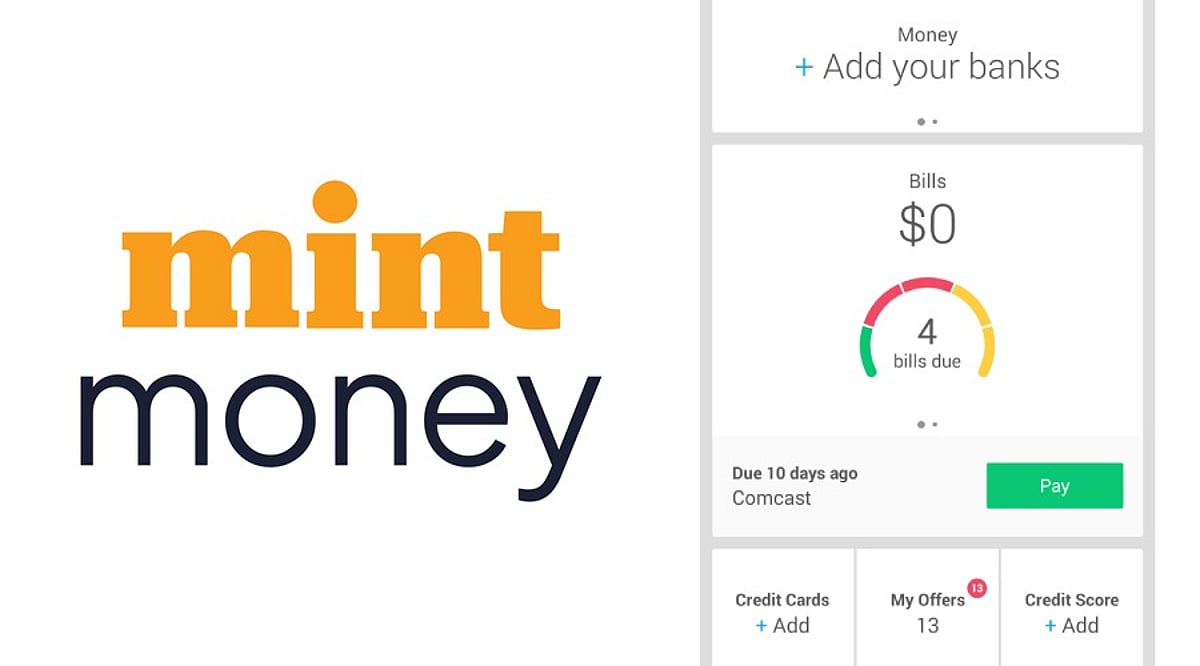
    Mint Money, the fintech app from HT Media Group, has expanded its personal finance platform with a new bill payments feature powered by NPCI Bharat Connect. The announcement was made at Global Fintech Fest 2026 in Mumbai on September 10.

    Bill Payments, Reminders, and Auto Pay

    Through the new integration, users can track bills, receive reminders, make instant payments, and enable Auto Pay directly within the Mint Money app. Eligible transactions may also earn rewards, according to the company. The service is built on Bharat Connect, part of the NPCI-operated Bharat Bill Payment System (BBPS).

    Puneet Jain, CEO – Digital at HT Media Group, said the company designed Mint Money to combine financial information with services that support smarter financial decisions. “With Bill Payments, we are taking that mission into everyday money management,” Jain said.

    More Than Bill Payments

    The app continues to offer free credit score checks, personalized credit guidance, personal loan discovery, and credit card recommendations. Loan offers range from Rs. 5,000 to Rs. 20 lakh, with repayment tenures between six and 60 months. Depending on the borrower’s profile, annual percentage rates can range from 10.5% to 36%, with interest rates starting at 11% and processing fees from 1.5% to 5% of the loan amount.

    Eligible users may also see loan options of up to Rs. 5 lakh in about five minutes, subject to lender approval. An EMI and personal loan interest calculator helps users estimate costs before applying.

    AI Tools and Credit Features

    Mint Money also includes Credit Safe, which helps users assess whether a loan fits their financial situation, and Credit Score Builder, which provides personalized steps to understand and improve credit profiles. The app’s Money Guru AI coach answers common financial questions, while financial content from Mint remains available in the same platform.

    Mint Money said it plans to use the Hindustan Times Group’s content network, which reaches about one in four Indians, to bring its tools to users beyond major metropolitan areas. The new bill payments feature is available now in the app.