Tag: personal finance

  • 5 Essential Mutual Fund Books to Sharpen Your Investing Skills in India

    5 Essential Mutual Fund Books to Sharpen Your Investing Skills in India

    Building strong mutual fund investing skills begins with the right knowledge. The best books explain fund selection, portfolio construction, and long-term investing using practical frameworks. Following a structured reading roadmap helps Indian investors make informed decisions and build disciplined wealth creation habits.

    Most Indian investors lose money not from picking bad funds, but from investing without a clear framework or process. Five books, read in the right order, build four distinct skills: fund basics, fund evaluation, portfolio construction, and emotional discipline. Books are selected for practical value, Indian market relevance, and principles that hold across market cycles.

    Every market correction produces the same behavior. Investors scan social media, chase last year’s top-performing funds, and reshuffle portfolios on impulse. Months later, many realize the problem was never the fund. It was the absence of a process. One well-chosen book can close that gap faster than years of trial and error. Monika Halan’s Let’s Talk Mutual Funds has done exactly that for a wide range of Indian investors by teaching them how to think before they invest, not after.

    The books in this guide are not ranked by popularity. Each one is chosen for the specific investing skill it develops. Read them in order, and the effect is cumulative.

    The Four Skills That Actually Drive Investment Success

    Good mutual fund investing is not one skill. It is four. First, understand what funds are and how they work. Second, learn to evaluate them without relying on tips or rankings. Third, build a portfolio that fits your goals and risk tolerance. Fourth, stay rational when markets move against you. Most investors develop the first skill and skip the rest. That is where the damage happens.

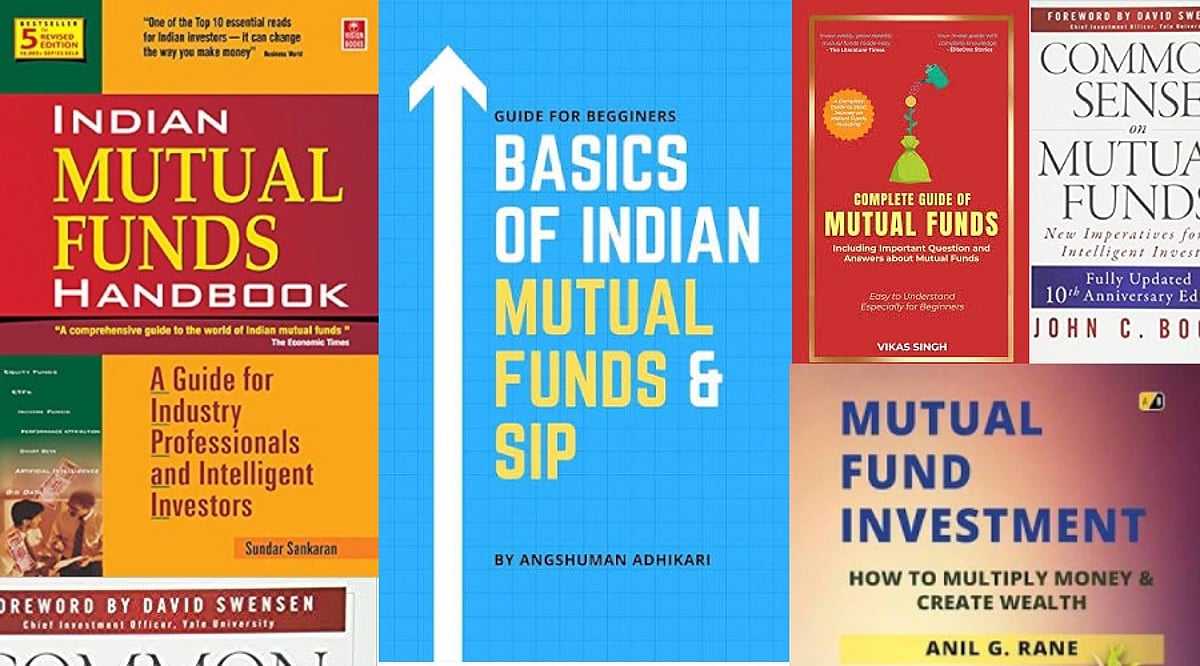
    Let’s Talk Mutual Funds — Monika Halan

    Skill Built: Fund Basics

    Halan writes for real people, not finance professionals. She explains SIPs, NAV, fund categories, and risk using everyday Indian financial situations. The book is grounded in local regulations and household budgeting realities, which makes it immediately useful for first-time investors.

    Her central point is worth repeating: choose funds based on your goals, not on recent performance tables. Investors who miss this early tend to keep chasing returns for years. The book does not go deep into fund evaluation. That is intentional. It is designed to build a foundation, and it does that well.

    Indian Mutual Funds Handbook — Sundar Sankaran

    Skill Built: Fund Evaluation

    Once the basics are clear, the next step is learning to read a fund properly. Sankaran walks through scheme documents, factsheets, expense ratios, and fund manager assessment with more detail than most Indian investing books attempt.

    This is the reference that helps investors stop depending on third-party rankings and start forming their own views. It pairs naturally with Common Sense on Mutual Funds, which extends the conversation on costs.

    Common Sense on Mutual Funds — John C. Bogle

    Skill Built: Cost Awareness

    Bogle’s argument is direct. Reducing costs does more for long-term wealth than identifying the next top-performing fund. For Indian investors still in regular plans, this insight alone can translate into a material difference over a decade or more. Every percentage point saved in annual fees compounds quietly in the background. Most investors underestimate how much that adds up.

    The Four Pillars of Investing — William J. Bernstein

    Skill Built: Portfolio Construction

    Bernstein moves the conversation away from individual fund selection toward how a portfolio holds together as a whole. He covers diversification, rebalancing, and long-term planning in a way that is structured without being dense. This is the right book to read after fund evaluation is clear but before a long-term portfolio is locked in.

    The Intelligent Investor — Benjamin Graham

    Skill Built: Emotional Discipline

    Graham wrote this for stock investors, but the core lessons apply directly to anyone holding mutual funds through a volatile market. His framing of “Mr. Market” remains the clearest explanation of why reacting to short-term price moves is almost always a mistake. Chapters 8 and 20 carry the most practical value for mutual fund investors and are worth reading more than once.

    Read Them in this Sequence

    Start with Let’s Talk Mutual Funds to build a solid foundation. Move to the Indian Mutual Funds Handbook to learn fund evaluation. Follow with Common Sense on Mutual Funds to understand what fees actually cost over time. Then read The Four Pillars of Investing before constructing a diversified portfolio. Finish with The Intelligent Investor to develop the discipline that separates long-term investors from short-term reactors. The sequence matters. Each book builds on the one before it.

    Final Thoughts

    The investors who hold steady through ten or twenty years of market cycles are rarely the ones who picked the best fund at the right time. They are the ones who built a clear process early and trusted it when things got uncomfortable. These five books do not promise shortcuts. They build the kind of judgment that holds up across market conditions, economic shifts, and personal financial changes. That is what makes them worth reading.

  • Top 10 Personal Finance Books to Master Money in 2026

    Top 10 Personal Finance Books to Master Money in 2026

    Managing money well depends as much on behavior as on financial knowledge. The right books can help build better saving, investing, and spending habits over time. Timeless principles remain valuable even as markets, technology, and personal finance continue to evolve.

    A budgeting app can track spending in seconds. It cannot explain why a person overspends every payday despite knowing better. That gap between knowing and doing is where books still earn their place, and it is wider in 2026 than it was five years ago, with gig income, AI-driven job cuts, and market swings reshaping how people relate to money.

    Here are the ten worth reading, grouped by financial stage rather than ranked by popularity.

    Strongest Starting Trio

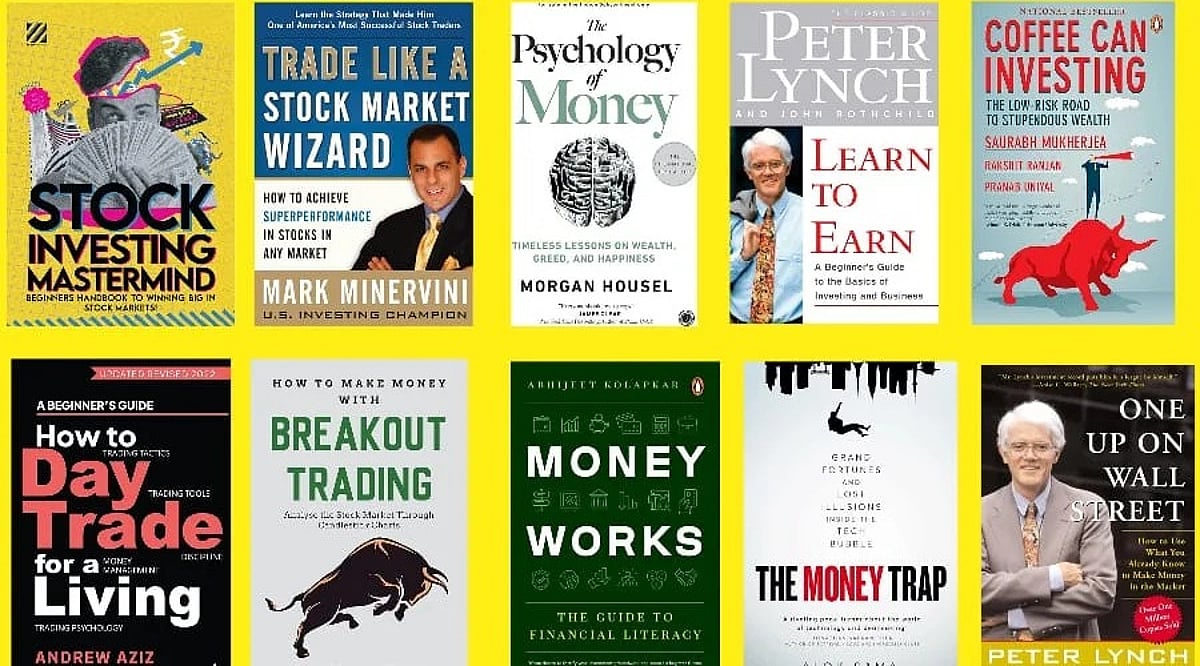
    Most readers, regardless of stage, gain the most from three books together: The Psychology of Money, I Will Teach You to Be Rich, and The Simple Path to Wealth. One reshapes how money is understood. One provides a working routine for daily decisions. One builds a durable investing foundation. Together they cover the three most common failure points: poor instincts, no system, and fear of investing.

    For Money Mindset and Behavior

    The Psychology of Money, by Morgan Housel, explains why capable people still make poor financial decisions under stress and social pressure. Rich Dad Poor Dad, by Robert Kiyosaki, reframes how readers categorize assets and liabilities. That shift proves useful even though several of Kiyosaki’s specific claims have drawn criticism from financial professionals over the years. Housel holds up better on rereading and works well as a single starting point for anyone who reads only one book from this list.

    Financial anxiety has become routine for many readers in 2026. Layoffs tied to AI adoption and unpredictable gig income have made that anxiety a daily condition, and no budgeting app addresses it directly. Both books tackle that psychological layer instead of the numbers alone.

    For Budgeting, Debt, and Daily Money

    The Total Money Makeover, by Dave Ramsey, and I Will Teach You to Be Rich, by Ramit Sethi, solve the same problem through opposite personalities. Ramsey favors strict rules: cut up the cards, snowball the debt, and live on a fixed cash plan. It works well for readers who need firm boundaries. Sethi favors automation: build routines that run quietly in the background so willpower matters less. Neither method is wrong. They suit different temperaments.

    Get Good with Money, by Tiffany Aliche, serves a third kind of reader—someone who feels structurally lost rather than simply undisciplined, with no baseline financial education to build from. It starts several steps earlier than the other two, covering credit basics and account structure before moving into strategy. Rigid budgets tend to break under variable income, and gig work keeps growing. Sethi’s automation-first model tends to hold up better for readers without a fixed monthly paycheck.

    For Investing and Wealth Building

    The Simple Path to Wealth, by JL Collins, and The Intelligent Investor, by Benjamin Graham, are both essential but not interchangeable. Collins offers a direct, low-friction case for index investing that a reader could act on within a week. Graham offers a philosophy of value and risk that takes longer to absorb but shapes every future investment decision. Collins builds action. Graham builds judgment.

    Friends that Invest, by Simran Kaur, works as the right entry point for readers who find both intimidating. It skips theory and walks through mechanics instead: opening a brokerage account, choosing a first fund, and understanding fees. Together, Collins and Graham argue for disciplined, low-cost investing over chasing trends, a case that has only grown stronger as AI-driven volatility and a flood of new ETF products make picking individual winners harder.

    For Retirement, FIRE, and Life Design

    Die with Zero, by Bill Perkins, and Your Money or Your Life, by Vicki Robin, share a premise: most people over-save and under-live. They land in different places. Perkins argues for deliberate spending before health or energy declines, treating memories and experiences as assets with their own expiration date. Robin pushes further, asking readers to treat every purchase as hours of life spent rather than dollars traded.

    The FIRE conversation has moved past the question of early retirement itself. Higher borrowing costs and pricier healthcare have made the math harder than it looked a decade ago, shifting the real question toward what retirement is actually for. Perkins and Robin, read together, address both the numbers and the purpose behind them.

    Suggested Reading Order

    Start with The Psychology of Money to reset how money gets evaluated. Move to I Will Teach You to Be Rich for a working routine. Read The Simple Path to Wealth next to build investing confidence. From there, branch based on priority: Die with Zero for life design, or The Intelligent Investor for deeper investment judgment.

    Final Thought

    Reading ten books was never the goal. Applying one lesson from the right book, at the right stage, changes outcomes faster than collecting a shelf of titles that never get opened. That single act of follow-through will matter more in the next few years than it has in the last decade, as financial noise keeps multiplying and genuine signal gets harder to find.

  • Fin AI Review: AI-Powered All-in-One Personal Finance App for Budgeting, Investing, and Credit

    Fin AI Review: AI-Powered All-in-One Personal Finance App for Budgeting, Investing, and Credit

    Overview

    Fin AI is a financial management app that leverages artificial intelligence to help users handle budgeting, investing, insurance, credit, and financial planning—all from a single platform. By combining AI-driven insights with regulated financial services, the app simplifies personal finance management and enhances financial literacy.

    Key features include expense tracking, personalized financial insights, investment recommendations, credit monitoring, and an AI-powered assistant. Fin AI offers easy financial planning, intelligent budgeting, secure services, and access to a variety of financial tools.

    General Information

    • Founded: 2025
    • Platform Support: Android
    • Download: Available on Google Play Store

    Main Features

    Fin AI delivers a comprehensive suite of features:

    • AI-powered financial assistant that provides insights on budgeting, investments, credit, insurance, and financial planning through intelligent chat.
    • Budgeting tools, expense tracking, financial health scores, and goal-based planning.
    • Access to mutual funds, bonds, fixed-income investments, retirement plans, and investment education via financial partners.
    • Credit score tracking, personal loans, insurance solutions, tax planning, fraud alerts, and financial calculators.
    • Integrated AI guidance for budgeting, investment, credit, insurance, and planning in one FinTech app.

    Benefits

    • Manage personal finances with AI-driven insights and budgeting.
    • Facilitate financial planning through a single platform for investment, insurance, tax, and retirement information.
    • Make sound financial decisions with personalized scores, planning tools, and educational resources.
    • Secure financial services using encrypted technology and licensed providers.
    • Consolidate multiple financial services into one streamlined management platform.

    Challenges

    • Market risks remain for investments despite AI analysis.
    • Availability of certain financial products and partner offerings may vary based on qualifications and compliance.
    • Internet connectivity is required for AI analysis and online services.
    • AI recommendations should be complemented with personal research.
    • Users must actively plan their finances to maximize the app’s benefits.

    Subscription Information

    Fin AI – All in One Finance is free to download from the Google Play Store. Basic financial planning and AI services are available upon installation. Some financial products and services from partners may require meeting specific conditions.

    Support Options

    Help Center and Learning Resources: FAQs, financial education materials, AI finance guides, budgeting articles, investment awareness content, tax planning information, product updates, and a knowledge base.

    Customer Support: Email support, in-app assistance, technical support, account support, financial service guidance, issue reporting, and help documentation.

    Conclusion

    Fin AI – All in One Finance is an innovative solution that merges AI-based financial intelligence with budgeting, investment planning, insurance, and credit management in a single mobile app. With its smart assistant, secure platform, and powerful money management features, Fin AI is a useful tool for daily finances. Although investment and financial products depend on regulation and market conditions, Fin AI serves as a capable digital helper for all financial needs.

  • Google Pay Launches ‘Ask Google Pay’ AI Assistant in India for Smarter Personal Finance Management

    Google Pay Launches ‘Ask Google Pay’ AI Assistant in India for Smarter Personal Finance Management

    Google Pay has introduced a new AI-powered feature called ‘Ask Google Pay’ in India, designed to help users manage their personal finances more intuitively. Powered by Google’s Gemini AI model, the conversational assistant allows users to interact with the app using natural language—either text or voice—to track expenses, gain spending insights, and learn about financial concepts.

    Gemini AI Brings Conversational Finance to Google Pay

    With ‘Ask Google Pay’, users can pose queries about their expenditures without manually sifting through transaction history. The assistant analyzes spending patterns, clarifies financial jargon, offers savings advice, and even helps compare credit card options based on individual spending habits. The feature supports 10 Indian languages, making it accessible to a broader audience across the country. Users can also ask about SIP investments and CIBIL scores.

    Privacy Controls Remain at the Core

    Unlike some AI platforms that are automatically enabled, ‘Ask Google Pay’ is an optional feature. Users must activate it by turning on “Personalisation within Google Pay,” giving them control over whether their transaction history is used to generate personalized recommendations. Google assures that all financial data processed by the assistant stays within the Google Pay ecosystem and is not shared with third-party apps. The company also states that user data is not used to train any Google AI models. However, the assistant may occasionally generate incorrect responses and should not be considered a replacement for professional financial advisors.

    Expanding AI Beyond Payments

    This launch aligns with Google’s broader strategy of integrating Gemini across its consumer products. Google Pay is evolving from a simple payment app into a comprehensive financial companion that not only facilitates transactions but also provides budgeting help, financial education, and personalized recommendations. The feature is currently rolling out to select Google Pay users in India, with a wider release expected soon.

    India remains a key market for Google’s digital payment services, and the introduction of AI-powered financial assistance highlights the growing convergence of fintech and generative AI. As digital payment platforms compete to offer more intelligent budgeting and spending analysis, ‘Ask Google Pay’ positions Google Pay as a leader in personalized financial guidance.

  • 3 Essential Steps to Build an Emergency Savings Safety Net

    3 Essential Steps to Build an Emergency Savings Safety Net

    Emergency savings can help families handle sudden medical bills, job loss, or other urgent costs. Experts suggest building savings, getting proper insurance, and keeping financial records organized.

    Ram Patrudu, Co-Founder of Trovity & Mad Over Insurance, recommends three simple steps to prepare for financial emergencies. He shared his advice in an NDTV report, emphasizing that families should focus on financial protection before chasing investment returns. The plan includes building an emergency fund, obtaining suitable insurance, and maintaining organized finances.

    Start Building an Emergency Fund

    “People often believe emergencies will give them time to prepare. They don’t,” Patrudu said. The first step is to start an emergency fund with a small, realistic target. Saving enough for two weeks or one month of essential expenses can make the goal more achievable. The long-term target should cover three to six months of essential expenses. Regular monthly savings can help build this amount without putting too much pressure on the household budget.

    Get the Right Insurance Coverage

    The second step is securing appropriate insurance. Health insurance, life insurance for earning members, and disability coverage can protect savings during major emergencies. These policies safeguard your financial safety net from being wiped out by unexpected events.

    Keep Insurance and Financial Records Updated

    The third step is keeping financial records organized. Bank accounts, investments, insurance plans, loans, and important documents should be easy to access. Extra money—such as bonuses, gifts, tax refunds, or leftover monthly funds—can also be channeled into the emergency fund to accelerate growth.

    A strong financial safety net does not require large savings at the beginning. Small, consistent steps can make household finances more resilient to unexpected problems.

  • Top Personal Finance Apps to Simplify Freelance Money Management

    Top Personal Finance Apps to Simplify Freelance Money Management

    Managing finances as a freelancer can be challenging due to irregular income and the need to track expenses, invoices, and taxes. The right personal finance app can streamline these tasks, helping you stay organized and financially healthy. Below are some of the best apps tailored for freelancers, along with key features to consider when choosing one.

    YNAB (You Need A Budget)

    YNAB helps freelancers assign every dollar a purpose, encouraging disciplined budgeting, savings, and smarter financial planning throughout unpredictable income cycles. It focuses on giving every dollar a job, which is ideal for managing variable earnings.

    QuickBooks

    QuickBooks simplifies bookkeeping, invoice generation, expense tracking, and tax preparation, making financial management easier for independent professionals and consultants. It’s a comprehensive tool for handling business finances.

    Zoho Books

    Zoho Books offers invoicing, bank reconciliation, automated accounting, and GST support, making it suitable for freelancers handling multiple clients efficiently. It’s particularly useful for those who need robust automation features.

    FreshBooks

    FreshBooks focuses on invoicing, time tracking, expense management, and client payments, helping freelancers maintain organized financial records effortlessly. Its intuitive interface is great for non-accountants.

    Money Manager

    Money Manager provides simple budgeting, expense categorization, and spending insights, enabling freelancers to monitor finances without complex accounting knowledge. It’s a lightweight option for basic tracking.

    Key Features to Look For

    Expense Tracking

    Reliable finance apps automatically categorize expenses, helping freelancers understand spending habits while maintaining accurate records for taxation purposes.

    Invoice Management

    Integrated invoicing tools streamline billing processes, track payments, and reduce delays, ensuring healthier cash flow throughout freelance projects.

    Tax Planning

    Many apps estimate taxes, organize deductible expenses, and simplify filing, minimizing financial stress during tax season for freelancers annually.

    Choosing the Right App

    Compare pricing, automation, integrations, security, and reporting capabilities before selecting a finance app matching your freelance business requirements. The best choice depends on your specific needs, such as the number of clients, preferred features, and budget.

  • Why Online Loans Are Becoming the Go-To Solution for Emergency Expenses

    Why Online Loans Are Becoming the Go-To Solution for Emergency Expenses

    Unexpected expenses rarely arrive at a convenient moment. A vehicle can break down, a heating system can fail, or an unexpected medical bill may appear before the next paycheck, requiring urgent financial decisions.

    Growing numbers of borrowers are responding by turning to online loans. Digital lending has become increasingly popular because it combines speed, convenience, and accessibility when unexpected expenses demand timely financial support.

    Understanding what’s driving this shift helps borrowers make more informed decisions. Looking beyond fast funding to compare loan features and repayment terms can lead to choices that better fit individual financial needs.

    The Shift Toward Online Loans for Emergency Expenses

    Online lending has evolved rapidly over the past decade, becoming a mainstream financial option for many households facing urgent and unexpected expenses.

    Digital applications, automated technology, and improved customer experiences have driven much of this growth. Borrowers increasingly value faster processes that reduce paperwork and simplify access to funding during unexpected financial emergencies.

    Changing consumer expectations have reinforced the shift. Many people now expect financial services to offer the same convenience and accessibility as online shopping or mobile banking, particularly when time is limited or when emergencies require prompt action.

    Economic pressures have also increased demand. Inflation, rising repair costs, and higher household expenses have reduced emergency savings, making personal loans a practical way to bridge unexpected financial gaps when essential costs can’t wait.

    Speed and Convenience Are Reshaping Emergency Borrowing

    When unexpected costs become a reality, every hour matters. Online lending platforms have streamlined applications and ease of funding, making them especially appealing during financial emergencies.

    Emergency Expenses Leave Little Time to Wait

    Many financial emergencies share one characteristic: delaying action often makes the problem worse. A broken vehicle can disrupt work, while a leaking pipe may cause more extensive and expensive property damage if left unrepaired.

    Overdue utility bills can lead to additional fees or service interruptions, while unexpected medical expenses often require prompt payment. In situations like these, many borrowers prioritize funding that avoids lengthy approval processes.

    Faster Applications Reduce Delays

    Modern online lenders have streamlined the borrowing experience. Digital applications can often be completed on a computer or smartphone, while identity and income verification increasingly rely on secure electronic systems instead of paper documents.

    Automated review processes also reduce waiting times compared with many traditional lenders. Rather than visiting a physical branch, borrowers can often submit applications whenever convenient, including evenings and weekends.

    Quick Funding Helps Resolve Urgent Costs

    Approval is only part of the equation during a financial emergency. Access to funds is equally important when essential expenses cannot be delayed or ignored.

    Many online lenders provide funding within one or two business days, with some offering even faster disbursement depending on eligibility and banking arrangements. That shorter timeline can help borrowers cover urgent expenses before costs escalate.

    Greater Accessibility Is Expanding Borrowing Options

    Digital lending has also broadened access to emergency financing by giving borrowers more ways to explore available options. Technology has made comparing lenders easier while encouraging lenders to prioritize more flexible approaches to evaluating applications.

    Many online lenders today consider factors beyond traditional credit scores, including employment, income, and overall financial circumstances. Some also offer soft-credit prequalification, making it easier to compare loan offers without affecting a borrower’s credit profile.

    Comparing CreditNinja online loans alongside other lenders helps borrowers evaluate loan amounts, eligibility, funding timelines, and repayment terms. Looking beyond a single feature often provides a clearer picture of the overall borrowing experience.

    Greater accessibility doesn’t mean every applicant will qualify or receive the same terms. It does give borrowers more opportunities to compare lenders offering products designed for different financial situations and borrowing needs.

    Predictable Repayment Structures Offer Greater Financial Clarity

    Speed may attract borrowers initially, yet repayment often determines whether a loan fits comfortably within an overall budget. Predictability has therefore become another reason many people prefer online installment loans for emergency expenses.

    Fixed monthly payments help borrowers understand exactly how much is due each billing cycle. Knowing the repayment schedule from the date the loan is taken can reduce uncertainty around household expenses and make budgeting easier during a stressful financial period.

    Installment loans also differ from revolving forms of credit because they generally include a defined repayment timeline. Borrowers know when the loan is expected to be fully repaid rather than carrying an open-ended balance (such as credit card debt) that can continue growing over time.

    A clearer loan structure can make it easier to plan for future expenses while balancing other financial priorities. Understanding how repayments fit within a household budget remains just as important as obtaining funds quickly when managing long-term financial stability.

    Choosing an Online Loan That Fits Your Financial Needs

    Funding speed is important, but it shouldn’t be the only factor when evaluating an online loan. Taking a few extra minutes to compare loan features can lead to a borrowing decision that better supports both immediate needs and long-term financial stability.

    When comparing online loans, borrowers should consider: Annual Percentage Rate (APR) – the yearly cost of borrowing, expressed as a percentage, repayment terms, funding timelines, origination or administrative fees, prepayment policies, and overall lender transparency.

    Comparing these factors helps borrowers understand the total cost of borrowing rather than focusing only on monthly payments or approval speed. Looking at the full picture often leads to more informed financial decisions.

    Borrowing only what is necessary and choosing repayment terms that fit comfortably within a household budget can make emergency financing more manageable over time. Careful planning also reduces the likelihood of future financial strain.

    Making More Informed Borrowing Decisions

    Online loans have become a popular option for emergency expenses because they align with consumer expectations for immediate, digital-first financial services. The application process tends to be faster, access can be wider, and the digital setup makes things easier, supporting timely financial decisions.

    Clear repayment details and consistent installment schedules make these loans more appealing in sudden situations. However, getting the money quickly isn’t the only factor that matters—understanding how repayment works can be just as important when something unexpected arises.

    Even if emergencies can’t be predicted, borrowing decisions can still be guided step by step. Comparing different lenders, reviewing loan conditions carefully, and choosing an option that matches both immediate needs and longer-term financial objectives helps build stronger financial confidence.

  • Best Smart Budgeting Apps for 2026: Features, Market Growth, and Expert Picks

    Best Smart Budgeting Apps for 2026: Features, Market Growth, and Expert Picks

    Smart budgeting apps have transformed how people manage income, expenses, savings, and subscriptions. Instead of juggling multiple bank accounts or keeping paper records, these tools consolidate everything into one screen, often with automatic bank syncing and detailed reports. Below, we explore seven popular apps, their standout features, and the latest market figures shaping personal finance.

    Key Takeaways

    • Wallet by BudgetBakers delivers detailed cash-flow tracking with automatic bank synchronization.
    • YNAB follows a zero-based budgeting approach that supports disciplined financial planning.
    • Rocket Money helps identify unwanted subscriptions and reduce unnecessary monthly expenses.

    Market Overview

    The global smart budgeting app market reached about US$1.21 billion in 2024 and is projected to grow to around US$6.6 billion by 2034, at a compound annual growth rate (CAGR) of 18.4%. Mobile apps hold 72.6% of the market, while expense tracking and financial planning account for nearly 49.8% of total usage. Individual consumers represent 68.4% of users, highlighting that personal money management drives this growth.

    Top Budgeting Apps in Detail

    Wallet by BudgetBakers – Complete Money Tracking

    Wallet by BudgetBakers is a strong choice for users who want a clear picture of their finances. It combines multiple tools in one app and creates detailed reports to show where money goes each month. Forbes recently ranked it among the best budgeting apps for cash-flow monitoring thanks to its practical features and reliable bank synchronization. The app connects with multiple bank accounts, automatically records transactions, supports shared wallets for household budgeting, and offers cash-flow forecasts to help users prepare for future expenses.

    YNAB (You Need a Budget) – Builds Disciplined Habits

    YNAB follows a zero-based budgeting method that assigns every dollar to a specific category before spending. This approach promotes planning over impulsive spending. Widely regarded as one of the most popular budgeting apps, YNAB helps users achieve long-term financial goals by cutting costs and improving savings systematically.

    Monarch Money – Household Finances Together

    Monarch Money focuses on complete financial management, combining budgets, investments, savings goals, and net worth into one dashboard. It is especially useful for couples and families, as shared financial planning keeps everyone updated. Investment tracking adds extra value for users who want both budgeting and wealth management in one platform.

    Rocket Money – Reduce Unnecessary Expenses

    Rocket Money targets forgotten subscriptions and unnecessary monthly payments. It identifies recurring charges before they become costly. Besides subscription management, it offers spending analysis, budget planning, bill negotiation, and credit score monitoring, helping users gain better financial control.

    Copilot Money – Smart Automation for Apple Users

    Copilot Money has gained traction among Apple users due to its intuitive interface and smart automation. It automatically categorizes expenses and provides insights into financial behaviors. Instant identification of recurring payments reduces manual work, and visual dashboards make finances easy to understand at a glance.

    Goodbudget – Digital Envelope Method

    Goodbudget brings the traditional envelope budgeting method into a digital format, creating virtual envelopes for groceries, transport, shopping, savings, and more. With over 3 million downloads, it supports shared budgets and cross-device synchronization, making it ideal for families. Goal-based saving envelopes encourage regular saving without complexity.

    PocketGuard – Safe Daily Spending

    PocketGuard answers a simple question: how much money is safe to spend today? It calculates available funds after bills, savings goals, and recurring expenses are allocated. The Safe-to-Spend feature helps users avoid unnecessary purchases, and automatic budgeting reduces manual effort while providing clear financial guidance.

    Smart Features Shaping Budgeting Apps

    Modern budgeting apps go beyond simple expense tracking. Artificial intelligence enables smarter categorization and personalized advice. Subscription tracking has become essential as more people pay for multiple online services. Other features include real-time bank synchronization, automatic savings goal management, investment monitoring, cash-flow forecasting, and collaborative household budgeting. These developments make contemporary apps increasingly powerful for financial planning.

    Frequently Asked Questions

    1. What is a smart budgeting app? A smart budgeting app helps track income, expenses, savings, and bills while providing financial insights through automation and reports.
    2. Which budgeting app is best for beginners? Wallet by BudgetBakers is a strong choice given its simple interface and detailed expense tracking.
    3. Which app works well for subscription management? Rocket Money specializes in identifying recurring subscriptions and helping reduce unnecessary monthly payments.
    4. What makes YNAB different from other budgeting apps? YNAB follows a zero-based budgeting method that assigns every dollar a specific purpose before spending begins.
    5. How fast is the smart budgeting app market growing? The market was valued at about US$1.21 billion in 2024 and is projected to reach around US$6.6 billion by 2034, growing at a CAGR of 18.4%.