Tag: real-world assets

  • Crypto Investment Strategies: From Bitcoin HODLing to DeFi, ETFs and Tokenized Assets

    Crypto Investment Strategies: From Bitcoin HODLing to DeFi, ETFs and Tokenized Assets

    Why crypto investing looks different today

    Crypto investing has moved well beyond the early model of buying Bitcoin and safeguarding private keys. Today’s market includes exchange-traded funds, staking, decentralized finance, derivatives and tokenized assets. That shift reflects technological progress, new financial infrastructure and growing institutional participation. Investors can now choose between direct ownership, yield-generating strategies and regulated investment products.

    The first playbook: buy, hold and self-custody

    In Bitcoin’s early years, investment options were limited. Investors typically bought BTC through exchanges or peer-to-peer markets and then moved it into personal wallets. Long-term holding, later widely known as HODLing, became one of crypto’s defining strategies. Investors were mainly betting on Bitcoin’s scarcity and future adoption rather than expecting income from the asset. Self-custody was therefore a central part of early crypto investment strategy.

    Altcoins and the diversification lesson

    Ethereum and other blockchain networks widened the investment universe beyond Bitcoin. Ethereum introduced programmable smart contracts, giving investors exposure to decentralized applications and blockchain infrastructure. The 2017 ICO boom then brought thousands of new tokens to market. Failed projects and severe corrections showed that spreading capital across cryptocurrencies does not automatically reduce risk when assets share similar market drivers.

    DeFi and staking add yield, along with new risks

    Decentralized finance changed how investors could use their crypto holdings. Lending, borrowing, liquidity provision and yield farming became accessible strategies. Proof-of-stake networks also expanded staking, allowing holders to earn rewards by participating in blockchain security. These approaches introduced potential income but also added risks tied to smart contracts, liquidation, validators, token incentives and protocol failures.

    ETFs bring crypto into traditional brokerage accounts

    Exchange-traded products marked another major shift by bringing crypto exposure into conventional brokerage accounts. By 2026, US-listed products extended beyond Bitcoin. SEC filings show the Grayscale Solana Staking ETF supports in-kind creations and redemptions, while its updated trust structure provides for distributions derived from staking rewards. The Bitwise Solana Staking ETF similarly seeks SOL exposure while generating additional SOL through staking. These products illustrate how traditional investment vehicles are incorporating features once associated with on-chain investing.

    Tokenization connects blockchains and traditional assets

    The latest phase increasingly links blockchain infrastructure with traditional financial assets. Solana currently indexes approximately USD 7 billion in tokenized value across nearly 2,700 assets, including equities, ETFs, Treasuries and commodities, with roughly USD 348 million in 24-hour real-world asset volume. More broadly, Bitwise reported that tokenized real-world assets reached USD 32.89 billion during 2026 after increasing 50.3% year-to-date in its Q2 review. Tokenization is also becoming more integrated with DeFi, where real-world assets can potentially serve as collateral or interact with lending and trading protocols.

    Data-driven portfolio management takes hold

    Modern crypto investors increasingly monitor ETF flows, derivatives positioning, on-chain cost bases, liquidity and macroeconomic conditions alongside traditional technical indicators. This creates strategies that combine blockchain-specific data with techniques already familiar to conventional financial markets.

    What investors should keep in mind

    Crypto investment strategies have evolved from straightforward Bitcoin holding into a multi-layered market spanning diversification, staking, DeFi, ETFs and tokenization. More options give investors greater flexibility, but they also introduce custody, liquidity, smart-contract and market risks that require careful research and risk management. This article is for informational purposes only and does not constitute investment advice.

    FAQ

    How did early crypto investment strategies work?

    Early crypto investing largely involved buying Bitcoin through exchanges or peer-to-peer markets and holding it in personal wallets. Investors generally focused on Bitcoin’s scarcity and long-term adoption rather than earning income from their holdings.

    How did Ethereum change crypto investing?

    Ethereum introduced programmable smart contracts, expanding investment opportunities beyond digital money. Investors could gain exposure to decentralized applications, tokens and eventually DeFi protocols, creating new strategies involving lending, liquidity provision and other blockchain-based financial activities.

    What role does staking play in modern crypto investing?

    Staking allows holders of proof-of-stake cryptocurrencies to participate in network security while potentially earning rewards. It provides an alternative to simply holding tokens, although investors must consider validator, liquidity, slashing and protocol-related risks.

    How have crypto ETFs changed investment strategies?

    Crypto ETFs allow eligible investors to gain digital-asset exposure through traditional brokerage infrastructure without directly managing wallets and private keys. By 2026, some products also incorporated features such as staking and in-kind creations and redemptions.

    How is tokenization changing crypto investment strategies?

    Tokenization brings traditional assets such as equities, ETFs, Treasuries and funds onto blockchain infrastructure. This increasingly connects conventional finance with crypto markets and can enable programmable transfers, on-chain trading and integration with decentralized-finance applications.
  • Solana Emerges as a Settlement Hub for Tokenized Stocks as RWA Activity and xStocks Adoption Accelerate

    Solana Emerges as a Settlement Hub for Tokenized Stocks as RWA Activity and xStocks Adoption Accelerate

    Tokenization is steadily pulling traditional equities onto public blockchains, and Solana has become one of the more consequential venues for that shift. Tokenized stocks are blockchain-based instruments tied to conventional shares or ETFs, offering fractional ownership, round-the-clock transfers and compatibility with decentralized finance. The network’s combination of fast settlement and deep liquidity is now being tested by real capital.

    Real-World Assets on Solana Reach New Milestones

    Solana’s real-world asset (RWA) footprint now spans equities, ETFs, Treasuries, commodities and investment funds. According to on-chain data, the network’s RWA value reached $4.6 billion on September 23, with distributed assets at $4.49 billion — an 11.47% increase from the prior month.

    Ownership breadth grew even faster than headline value. RWA holder wallets climbed 94.86% over 30 days to 685,850, while transfer volume rose 95.56% to $6.89 billion, suggesting that assets are not just being minted but actively moving between participants.

    Metric Figure Change
    Solana RWA value (Sept 23) $4.6 billion —
    Distributed RWA assets $4.49 billion +11.47% month over month
    RWA holder wallets 685,850 +94.86% (30 days)
    RWA transfer volume $6.89 billion +95.56% (30 days)
    Stablecoin market cap on Solana $16.58 billion —

    Stablecoin market capitalization on Solana stood at $16.58 billion, far exceeding the network’s distributed RWA value — a reminder that the settlement layer for tokenized assets is still dominated by dollar-denominated cash instruments.

    xStocks Brings Tokenized Equity Into Focus

    Among tokenized-equity frameworks, xStocks has become one of the most visible. The platform says it now covers more than 800 stocks and ETFs and has processed over $40 billion in transaction volume across supported networks.

    On Solana specifically, xStocks crossed $500 million in assets under management with roughly 190,000 holders by August. Its product lineup includes exposure to NVIDIA, Tesla, SPY and QQQ. Each xStock is designed to be backed 1:1 by the corresponding underlying asset, though availability, redemption conditions and investor rights vary by product and jurisdiction.

    Why Solana Is Being Used for Tokenized Equities

    Tokenized markets demand infrastructure that can absorb frequent transfers without making each transaction prohibitively expensive. Solana’s high-throughput architecture and rapid settlement make it a natural fit for trading and moving tokenized instruments at scale.

    The network’s DeFi stack adds a second layer of utility:

    • Raydium provides decentralized trading venues for tokenized assets.
    • Jupiter routes swaps and tokenized-asset transactions across liquidity sources.
    • Kamino supports lending and collateral strategies built around these instruments.

    The result is that tokenized stocks can function inside DeFi rather than sitting as isolated representations of securities.

    Yield Vaults Extend the Model

    The design is evolving beyond simple holding. On September 14, xStocks launched vaults for SPYx, QQQx and NVDAx on Kraken. The strategies rely on lending protocols including Kamino on Solana and allow eligible holders to earn variable yield while retaining exposure to the underlying xStock.

    Tokenized Equities Keep Expanding

    CoinDesk Research reported that tokenized stocks and equities reached a record $4.45 billion on August 26, after rising 11.3% during the month. xStocks has also announced plans to tokenize internationally listed shares, starting with Hong Kong and later extending toward the UK, EU and South Korea.

    What Investors Should Keep in Mind

    Tokenized exposure is not the same as directly owning conventional shares. Products can differ in voting rights, dividend treatment, custody arrangements, redemption terms and geographic availability. Regulatory protections may also vary considerably depending on the issuer and the investor’s location.

    Outlook

    Solana is positioning itself as core infrastructure for tokenized stocks by pairing fast settlement with DeFi liquidity and programmable assets. How far adoption goes will depend on regulation, issuer credibility, available liquidity and whether tokenized products can deliver advantages that traditional brokerage systems cannot match.

    Frequently Asked Questions

    What are tokenized stocks on Solana?

    They are blockchain-based instruments designed to provide exposure to traditional equities or ETFs. On Solana, they can be transferred on-chain and, depending on the product, plugged into decentralized trading, lending and other DeFi applications.

    What are xStocks?

    xStocks are tokenized products linked to traditional stocks and ETFs, including assets tracking NVIDIA, Tesla, SPY and QQQ. They are designed to be backed by the corresponding underlying assets, though investor rights and availability differ by jurisdiction.

    Why is Solana used for tokenized equities?

    Its high transaction throughput, relatively low costs and fast settlement support frequent transfers and trading, while allowing tokenized assets to interact with DeFi protocols.

    How do tokenized stocks interact with Solana DeFi?

    Platforms such as Raydium offer decentralized trading, Jupiter routes swaps, and Kamino supports lending and collateral strategies — letting eligible tokenized assets move beyond simple ownership into broader on-chain financial applications.

    Are tokenized stocks the same as owning traditional shares?

    Not necessarily. Tokenized products can differ from brokerage-held shares in voting rights, dividends, custody, redemption and regulatory protections. Investors should review the specific issuer and product structure before treating them as equivalent.

  • Why Real-World Assets (RWA) Are Becoming the Next Trillion-Dollar Crypto Narrative

    Why Real-World Assets (RWA) Are Becoming the Next Trillion-Dollar Crypto Narrative

    Over the past few years, market attention has shifted from Bitcoin and Ethereum to DeFi, NFTs, artificial intelligence, and various emerging tokens. Entering 2026, a new keyword is redefining the relationship between crypto assets and the real economy: Real-World Assets (RWA).

    What Are Real-World Assets (RWA)?

    RWA refers to the process of bringing real-world assets, rights, or financial instruments onto a blockchain. Unlike native digital assets such as Bitcoin, the value of RWA is rooted in tangible items like U.S. Treasuries, private credit, real estate, gold, commodities, and energy infrastructure. As blockchain adoption grows, an increasing number of such assets are being tokenized.

    From XRP to AI: Two Major Narratives Intersect

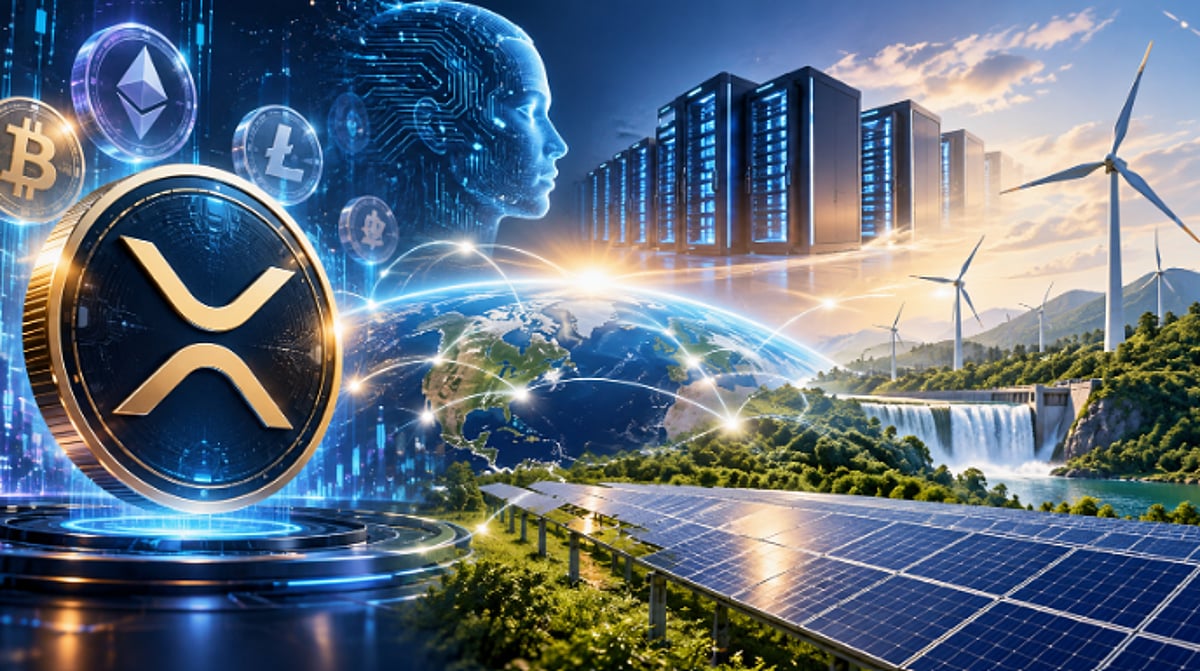
    Three seemingly separate hot sectors—XRP, AI, and RWA—are showing clear points of convergence. XRP, often used for cross-border payments, and AI, which demands massive computational resources, both rely on real-world infrastructure. At this intersection, a critical question emerges: If blockchain can connect real-world assets and AI requires massive energy infrastructure, could energy become the next major direction for RWA?

    Why RWA Is Gaining Traction in the Crypto Market

    The explosion of generative AI applications like ChatGPT has driven a surge in data center construction, GPU clusters, and AI computing infrastructure. All of this computing depends on one key resource: electricity. The International Energy Agency estimates that by 2035, renewable electricity generation to meet data center demand could exceed 450 TWh, with renewables expected to cover roughly half of the growth in global data center electricity demand.

    This creates a powerful ripple effect: AI → Data Centers → Electricity Demand → Solar, Wind, Hydropower, and Energy Storage → Energy Infrastructure. RWA offers a way to tokenize these energy assets, making them accessible to a wider audience.

    Energy Infrastructure: The Next Frontier for RWA

    Lake Energy is one company exploring this connection. The firm focuses on renewable energy infrastructure—solar, wind, hydropower, and Battery Energy Storage Systems (BESS)—and uses a digital platform to connect real-world energy projects with individual participants. Users don’t need to build or operate power plants; instead, they can view available energy projects and choose to participate using digital assets such as BTC, XRP, ETH, or LTC.

    How to Participate on Lake Energy

    • Create an account on the Lake Energy website.
    • Browse available solar, wind, hydropower, or energy storage projects.
    • Select a project and choose to participate using supported digital assets (BTC, XRP, ETH, LTC, etc.).
    • Choose a project duration: options include 5, 10, 30, or 50 days.
    • View project records and income distributions through your account.

    Such platforms illustrate how RWA can bridge the digital and physical economies, allowing token holders to gain exposure to real-world infrastructure without the traditional barriers of capital or expertise.

    The Future of RWA: AI, Energy, and Beyond

    As AI continues to expand, the demand for electricity from data centers will grow, making energy infrastructure a prime candidate for tokenization. RWA is no longer limited to U.S. Treasuries and traditional financial assets; it is evolving to include the very resources that power the digital age. The intersection of XRP, AI, and energy infrastructure could drive the next trillion-dollar narrative in crypto.

    Disclaimer: This article is for informational purposes only and does not constitute financial or investment advice. Always do your own research before investing.

  • Crypto Roundup: $296M Bitcoin ETF Outflows, Aave’s RWA Hub, and Strategy’s $950M Buyback

    Crypto Roundup: $296M Bitcoin ETF Outflows, Aave’s RWA Hub, and Strategy’s $950M Buyback

    Today’s crypto market is marked by significant capital movements and strategic expansions. Spot Bitcoin ETFs saw a combined daily net outflow of $295.98 million, led by BlackRock’s IBIT. Meanwhile, Aave is building an institutional real-world asset (RWA) hub on Avalanche, and Strategy has deployed nearly $1 billion to repurchase its preferred stock. Ripple also unveiled new AI payment capabilities, and Zcash surged 15% amid regulatory uncertainty.

    Bitcoin ETFs Record $295.98 Million in Outflows

    According to SoSoValue, Bitcoin spot ETFs experienced a net outflow of $295.98 million yesterday. BlackRock’s IBIT led the outflows with $144.11 million leaving the fund, while Morgan Stanley’s MSBT was the top gainer, attracting $3.47 million in net inflows. The total net asset value of all Bitcoin spot ETFs stands at $95.19 billion, with the historical cumulative net inflow reaching $54.57 billion.

    Aave Plans RWA Hub on Avalanche for Institutional Borrowing

    Aave is set to deploy a real-world asset hub on the Avalanche network, targeting institutional borrowers. Through this infrastructure, approved entities can use tokenized financial instruments as collateral to access digital fiat liquidity, enabling direct loans without liquidating underlying on-chain holdings. The initiative will run on Aave V4 and uses a Hub and Spoke architecture to partition credit markets into independent modules.

    Strategy Spends $950 Million on STRC Buybacks

    Strategy has been aggressively repurchasing its perpetual preferred stock (STRC) to push the price back toward the $100 par value. Between July 20 and September 13, the company bought back 9.96 million STRC shares, spending approximately $950 million—about 18% of trading volume during that period. Funding came from MSTR common stock sales ($765 million) and Bitcoin disposals ($161 million). STRC has rebounded from around $70 to nearly $99, and analysts note that reaching par value will allow Strategy to more effectively reissue the security and raise funds for Bitcoin purchases.

    Ripple Expands AI Payment Capabilities with MPP

    Ripple announced the XRPL AI Starter Kit 1.1, adding support for the Machine Payment Protocol (MPP) and an open wallet standard developed by Stripe and payment chain Tempo. This enables AI agents to pay for online services—such as data and computing power—using XRP, RLUSD, and other tokens. Jazzi Cooper, RippleX product lead, said the goal is to make XRP and RLUSD the preferred payment options for developers. MPP allows service providers to quote prices, agents to authorize payments, and providers to deliver resources upon authorization.

    Zcash Jumps 15% as Privacy Coins Gain Traction

    Zcash (ZEC) is trading at $1,330, up 15% in the last 24 hours. The surge is linked to the stalled CLARITY Act, which leaves US crypto market structure rules in limbo, driving traders toward privacy-focused coins that don’t rely on regulatory clarity. Paradigm co-founder Matt Huang publicly disclosed his firm’s ZEC position, calling Zcash “a private complement to Bitcoin.” Additionally, Zcash holders have backed proposals for faster transactions and bitcoin-style halving schedules, signaling strong community governance.

    Key Takeaways

    • Bitcoin spot ETFs saw a daily net outflow of $295.98 million.
    • Aave plans an institutional RWA hub on Avalanche using Aave V4.
    • Strategy spent $950 million on STRC buybacks to restore its Bitcoin financing capability.
    • Ripple’s new toolkit enables AI agents to pay for services with XRP and RLUSD.
    • Zcash rose 15% to $1,330 amid regulatory uncertainty and governance momentum.
  • Tokenization Goes Mainstream: 7 Real-World Assets Moving to the Blockchain

    Tokenization Goes Mainstream: 7 Real-World Assets Moving to the Blockchain

    Blockchain-based tokenization is no longer an experimental niche. From real estate to carbon credits, real-world assets are being converted into digital tokens, unlocking liquidity, transparency, and programmability. Here are seven asset classes leading the shift.

    1. Real Estate

    Property tokenization divides ownership into smaller digital units recorded on blockchain networks. This model makes traditionally illiquid real estate more accessible, enabling programmable ownership, automated transfers, and faster settlement. Tokenized property can represent residential, commercial, or infrastructure assets, depending on platform rules and legal frameworks.

    2. Government Bonds

    Government securities are increasingly being issued as blockchain-based tokens, letting investors access familiar fixed-income instruments through digital infrastructure. Tokenized bonds support faster settlement, automated compliance, and greater transaction transparency. They also show how traditional financial instruments can integrate with blockchain networks without requiring investors to hold volatile cryptocurrencies directly.

    3. Private Credit

    Private credit and lending assets can be tokenized to create digital representations of loans, receivables, or debt instruments. Blockchain provides transparent ownership records, automates servicing processes, and improves settlement efficiency. For financial institutions, tokenization can streamline fragmented markets and open new ways to distribute credit assets to eligible investors.

    4. Gold

    Physical gold can be represented through blockchain-based tokens, with each digital unit linked to a specified quantity of underlying metal. Tokenized gold offers digital transferability while preserving exposure to a traditional commodity. Depending on the issuer and custody arrangements, holders receive claims to stored bullion rather than owning a cryptocurrency with independently determined value.

    5. Art and Collectibles

    Artwork, luxury goods, and collectibles can be represented digitally through tokens, creating blockchain records tied to physical or digital items. Tokenization helps establish provenance, ownership records, and transfer histories, and can enable fractional ownership in certain structures. Legal rights attached to these tokens depend heavily on contracts, custodianship, and the issuing platform.

    6. Investment Funds

    Traditional investment funds can issue blockchain-based tokens representing shares or units, moving fund administration and ownership records onto digital networks. Tokenized funds can automate transfers, improve settlement, and provide more transparent transaction records. This approach connects established investment products with programmable blockchain infrastructure and digital settlement systems.

    7. Carbon Credits

    Carbon credits can be tokenized to create digital representations of verified environmental instruments on blockchain networks. Tokenization makes ownership and transaction histories easier to track while supporting automated transfers. However, the technology itself does not verify whether a carbon credit reflects genuine emissions reductions, so robust standards, registry integration, and credible projects remain essential to the asset’s value.

    As these examples show, tokenization is moving rapidly into mainstream finance and beyond. The ability to digitize real-world assets on blockchain networks is creating new opportunities for liquidity, efficiency, and transparency across industries.

  • Top Altcoins Poised to Dominate the Crypto Market in H2 2026

    Top Altcoins Poised to Dominate the Crypto Market in H2 2026

    The cryptocurrency market is entering the second half of 2026 with a renewed focus on utility, adoption, and real-world applications. While Bitcoin continues to command significant attention, several altcoins are emerging as strong contenders for market leadership. Investors are shifting away from hype and toward projects with robust technology, active user bases, institutional backing, and clear growth trajectories.

    This article explores the most promising altcoins for H2 2026, including Ethereum, Solana, Chainlink, XRP, BNB, Sui, Bittensor, Render, Hyperliquid, and Ondo. Each represents a major trend such as artificial intelligence (AI), real-world assets (RWA), decentralized finance (DeFi), payments, and blockchain infrastructure.

    Ethereum (ETH): The Undisputed Blockchain Leader

    Ethereum remains a cornerstone of the crypto ecosystem, trading around $1,850–$1,900 with a market capitalization of approximately $213–$220 billion. Its vast ecosystem supports thousands of decentralized applications (dApps), DeFi platforms, and blockchain services. Institutional investors view Ethereum as a premier network for tokenized assets and digital products.

    Key growth drivers for H2 2026 include the expansion of Layer-2 networks, which enhance transaction speed and reduce costs, and the tokenization of real-world assets (RWA). Favorable market conditions could push ETH toward $3,500–$5,000, with a conservative estimate of $2,200–$2,800.

    Solana (SOL): The High-Speed Challenger

    Solana is a major player in the smart contract space, trading near $75–$80 with a market cap of $40–$45 billion. Its platform offers fast transaction speeds, low fees, and robust support for DeFi, payments, and digital asset initiatives. The growing adoption of stablecoins and real assets on Solana further strengthens its position.

    However, Solana faces increasing competition from other Layer-1 blockchains and must manage high market expectations.

    Chainlink (LINK): Bridging Crypto and Traditional Finance

    Chainlink provides essential data services that connect blockchains to external information, a role that becomes increasingly critical as financial institutions explore tokenized assets and blockchain systems. Trading at $12–$15 with a market cap of $8–$10 billion, LINK offers strong potential for two-fold growth or more during a bullish market phase.

    The growth of RWA creates a major opportunity for Chainlink, as banks and investment firms require secure data feeds for blockchain applications.

    XRP: The Global Payment Network

    XRP continues to attract attention with its focus on fast international transfers and financial settlement. Trading around $1–$1.10 with a market cap near $120 billion, its future growth depends on regulatory progress and wider institutional adoption. Given its already large market value, real adoption and market confidence will be key.

    BNB: The Exchange Ecosystem Token

    BNB remains one of the largest cryptocurrencies, priced near $575–$600 with a market cap above $77 billion. Its value derives from utility within the Binance ecosystem, blockchain activity, and DeFi services. While BNB enjoys strong market recognition, regulatory challenges pose the biggest risk to future growth.

    Sui (SUI): A Next-Generation Layer-1 Project

    Sui represents a newer generation of blockchain networks, trading near $0.80 with a market cap of approximately $2.5 billion. It uses the Move programming language and focuses on speed, gaming, and dApps. Its smaller market size offers higher growth potential but also carries greater risk, as it must continue to attract users and developers.

    Bittensor (TAO) and Render (RENDER): AI Crypto Leaders

    Artificial intelligence remains one of the strongest themes in crypto for 2026. Bittensor focuses on decentralized AI networks, while Render provides decentralized GPU computing services. TAO attracts interest through its AI infrastructure model, and Render benefits from rising demand for computing power to support advanced AI systems.

    Both assets offer high growth potential but are subject to sharp price fluctuations during market shifts.

    Hyperliquid (HYPE) and Ondo (ONDO): Future Finance Trends

    Hyperliquid focuses on decentralized trading and on-chain derivatives, gaining attention from users seeking alternatives to traditional exchanges. Ondo represents the RWA sector, specializing in tokenized financial products and institutional blockchain adoption. Both align with key crypto themes for H2 2026: DeFi and asset tokenization.

    Final Outlook for H2 2026

    The strongest altcoin opportunities for H2 2026 center around Ethereum, Solana, Chainlink, Bittensor, Ondo, and Render. These projects are tied to major trends such as blockchain adoption, AI, institutional finance, and digital asset infrastructure.

    Large-cap assets like ETH, SOL, LINK, XRP, and BNB offer greater stability, while smaller projects like TAO, RENDER, SUI, HYPE, and ONDO provide higher growth potential with increased risk. The next phase of the crypto market may favor projects with real technology, active ecosystems, and clear practical use cases over short-term speculation.

    Frequently Asked Questions

    1. Which altcoins could lead the crypto market in H2 2026? Ethereum, Solana, Chainlink, XRP, Bittensor, Render, and Ondo are among the altcoins with strong growth potential.
    2. Why is Ethereum considered a top altcoin for 2026? Ethereum remains a leading blockchain with a large ecosystem, institutional interest, DeFi activity, and strong support for tokenized assets.
    3. Can AI crypto projects perform well in H2 2026? AI-focused projects such as Bittensor and Render may gain attention as demand for decentralized AI infrastructure continues to grow.
    4. Are smaller altcoins better than large-cap cryptocurrencies? Smaller altcoins can deliver higher returns, but they also carry higher risks compared with established assets like ETH, SOL, and LINK.
    5. What crypto trends could shape H2 2026? Artificial intelligence, real-world asset tokenization, decentralized finance, blockchain payments, and institutional adoption may influence the next market cycle.

    Disclaimer: This article is for informational purposes only and does not constitute investment advice. Cryptocurrency investments carry significant risk. Always conduct your own research (DYOR) before making any investment decisions.

  • Altcoin Market Rebounds: ONDO and BANK Surge on CLARITY Act Optimism

    Altcoin Market Rebounds: ONDO and BANK Surge on CLARITY Act Optimism

    The cryptocurrency market has recovered from several weeks of sluggish price action, with Bitcoin holding above key support levels and altcoins staging a strong rebound. Investor sentiment has improved amid expectations surrounding the CLARITY Act, a proposed U.S. bill aimed at establishing clear regulations for digital assets. Among the top performers are Ondo Finance (ONDO) and Lorenzo Protocol (BANK), both of which have attracted fresh capital due to strong fundamentals and renewed institutional interest.

    Key Takeaways

    • ONDO has gained momentum through its focus on tokenized real-world assets.
    • BANK has benefited from renewed investor interest in DeFi projects.
    • CLARITY Act expectations have boosted confidence across the crypto market.

    CLARITY Act Brings New Confidence

    The CLARITY Act is widely seen as a catalyst for the current market recovery. The legislation seeks to define the roles of regulatory agencies and create unambiguous rules for digital assets in the United States. Although the bill has not yet been signed into law, recent congressional discussions have fueled optimism among investors, who believe that clear guidelines will encourage broader participation from businesses and financial institutions.

    ONDO Stands Out Among RWA Projects

    Ondo Finance has emerged as one of the strongest performers during this rebound. The project specializes in tokenized real-world assets (RWAs), including U.S. Treasury products and other yield-bearing instruments. The RWA sector has grown rapidly as traditional financial firms explore blockchain technology for faster settlements and greater accessibility. At the time of writing, ONDO is trading around $1.40, with a market capitalization exceeding $4 billion—placing it among the largest projects in the real-world asset space. Daily trading volume has also risen as more investors enter the market. The recent price move has pushed ONDO above a key resistance level, and traders are watching to see if it can maintain its upward trajectory.

    Institutional Interest Supports ONDO

    Large-scale financial companies have increasingly turned to blockchain technology to enhance efficiency, reduce costs, and improve transparency. Ondo Finance has developed products that bridge traditional finance with blockchain, earning trust from institutional investors. Unlike purely speculative cryptocurrencies, ONDO’s focus on fundamentally sound applications makes it attractive during periods when investors prioritize quality over hype.

    BANK Records Strong Gains

    BANK has also delivered impressive returns in the latest rally. The token has gained momentum as investors return to promising decentralized finance (DeFi) projects. Higher trading activity and improved liquidity have supported its price growth. The positive mood across the crypto market has encouraged investors to look beyond Bitcoin and Ethereum for projects with higher growth potential, and BANK has emerged as a popular choice due to its expanding ecosystem and rising community interest.

    Bitcoin Creates Room for Altcoins

    Bitcoin has played a pivotal role in this recovery. After the world’s largest cryptocurrency found stability, traders began shifting capital into altcoins. Ethereum also posted steady gains, strengthening activity across the DeFi sector. This pattern has appeared in previous market cycles: Bitcoin moves first, then investors rotate into altcoins with strong narratives and solid development. This cycle, real-world asset projects and DeFi platforms have been the primary beneficiaries.

    Investors Stay Selective

    Despite the broad gains, experts do not believe a full altcoin season has begun. Money has flowed into a limited number of projects rather than the entire market. Investors continue to focus on cryptocurrencies with clear products, active development, and long-term potential. External factors such as economic conditions, interest rate decisions, geopolitical events, and future regulatory announcements remain influential. Many traders are therefore prioritizing quality over speculation.

    Why This Matters

    The recent rally in ONDO and BANK demonstrates that investors are paying closer attention to projects with real value and long-term potential. Clear crypto regulations could attract more institutional capital, strengthen market confidence, and support wider blockchain adoption. These developments may shape the next phase of growth across the digital asset industry.

    What Comes Next

    The next few months could be critical for the crypto industry. Progress on the CLARITY Act could further boost confidence and encourage institutional participation. Projects like ONDO, which already work closely with traditional financial products, stand to benefit. BANK could also attract more attention if interest in DeFi continues to grow. If favorable market conditions persist and regulatory clarity improves, both tokens could remain among the strongest performers in the current altcoin recovery.

    Frequently Asked Questions

    1. What is the CLARITY Act? The CLARITY Act is a proposed U.S. bill that aims to create clear regulations for digital assets and define the responsibilities of crypto regulators.
    2. Why has ONDO gained attention? ONDO has attracted investors because it focuses on tokenized real-world assets, including U.S. Treasury-backed financial products.
    3. Why is BANK rising? BANK has benefited from stronger interest in DeFi projects, improved market sentiment, and higher trading activity.
    4. What is driving the altcoin market recovery? Better Bitcoin stability, renewed investor confidence, and optimism about future crypto regulations have supported the latest rebound.
    5. Can the rally continue? Future gains will depend on broader market conditions, regulatory progress, institutional participation, and continued demand for high-quality crypto projects.

    Disclaimer: This article is for informational purposes only and does not constitute financial advice. Cryptocurrency investments carry risk. Always conduct your own research before making investment decisions.

  • Leading Tokenized Real-World Asset (RWA) Platforms to Track in 2026

    Leading Tokenized Real-World Asset (RWA) Platforms to Track in 2026

    The tokenization of real-world assets (RWAs) is reshaping finance by bringing real estate, bonds, commodities, and other traditional assets onto the blockchain. As the RWA revolution accelerates, several platforms stand out for their innovation, compliance, and liquidity solutions. Below are the top tokenized RWA platforms to watch in 2026.

    Securitize

    Securitize is a leader in digital securities, enabling the tokenization of real-world assets while ensuring regulatory compliance. Its platform streamlines issuance and secondary trading for institutions.

    Ondo Finance

    Ondo Finance brings tokenized US Treasuries and institutional financial products to blockchain investors, offering yield-bearing assets with transparency and efficiency.

    Centrifuge

    Centrifuge connects real-world business assets with decentralized finance, allowing companies to unlock liquidity by tokenizing invoices, royalties, and other receivables.

    Polymesh

    Built specifically for regulated assets, Polymesh simplifies security token issuance and compliance, providing a purpose-built blockchain for financial instruments.

    MANTRA Chain

    MANTRA Chain focuses on institutional-grade infrastructure for tokenized real-world assets across global markets, emphasizing security and scalability.

    DigiShares

    DigiShares enables businesses to tokenize real estate, private equity, and investment funds efficiently, with a user-friendly platform for asset management.

    Brickken

    Brickken offers an easy-to-use platform for tokenizing business assets while automating compliance processes, making tokenization accessible to a wider audience.

    Backed Finance

    Backed Finance creates blockchain-based tokens backed by real-world financial securities, bridging traditional finance with decentralized ecosystems.

    These platforms are at the forefront of the RWA movement, driving adoption and innovation in 2026 and beyond.

  • Top Altcoins to Watch in July 2026: Beyond the Altcoin Season Slowdown

    Top Altcoins to Watch in July 2026: Beyond the Altcoin Season Slowdown

    Key Takeaways

    • Bitcoin dominance remains high, delaying a broad altcoin season.
    • AI, RWA, DeFi, and Layer-1 ecosystems continue to attract the strongest investor interest.
    • Ethereum, Solana, Chainlink, Sui, Ondo Finance, TAO, Render, Hyperliquid, Avalanche, and XRP are among the top projects to watch.

    As of July 2026, Bitcoin continues to dominate the cryptocurrency market, with many altcoins unable to match its recent performance. The long-anticipated altcoin season has yet to materialize. Experts note that Bitcoin dominance remains near 58–60%, while the Altcoin Season Index hovers around 30–35. A true altcoin season typically begins only when at least 75% of leading altcoins outperform Bitcoin over a 90-day period—a condition that has not been met. This suggests that most investors still favor Bitcoin over smaller cryptocurrencies. Market analysts believe the next rally may benefit only a select group of strong projects rather than the entire altcoin sector.

    Ethereum Holds Its Lead

    Ethereum continues to rank among the strongest altcoins despite the slow market. The blockchain supports decentralized finance (DeFi), stablecoins, and tokenized real-world assets. Its Layer-2 networks help lower transaction fees and improve speed. Large financial firms continue to choose Ethereum due to its trusted network and vast developer community. Although its price has lagged behind Bitcoin recently, Ethereum retains strong long-term value. Many experts believe it could be one of the biggest winners once market activity picks up.

    Solana Continues to Impress

    Solana has established a strong foothold through fast transaction speeds and low costs. It serves a growing variety of decentralized applications, including DeFi, NFT collectibles, blockchain gaming, and other user-facing services. New applications are constantly being built on Solana, fostering an ecosystem that thrives despite bearish sentiment. Institutions are also becoming more engaged with Solana, making it a highly discussed cryptocurrency heading into July 2026.

    Chainlink Benefits From Strong Demand

    Chainlink has become one of the most important infrastructure projects in blockchain. Its oracle system enables smart contracts to receive secure real-world data. The project also plays a key role in cross-chain communication and tokenized real-world assets. As banks and financial companies show greater interest in blockchain technology, demand for Chainlink’s services is likely to increase. Strong utility and widespread adoption continue to support its long-term outlook.

    Sui and Ondo Finance Stay Among Top Picks

    Sui has gained attention as one of the fastest-growing Layer-1 blockchains. The network has attracted many developers, blockchain games, and staking users. Strong ecosystem growth has helped Sui earn a place among leading altcoins this year. However, scheduled token unlocks may create short-term price pressure.

    Ondo Finance has become a major name in the real-world asset (RWA) sector. The platform offers tokenized Treasury products, bonds, and other financial assets. Since tokenized assets have become a hot trend in 2026, Ondo Finance continues to receive strong support from market analysts.

    AI Projects Keep Market Interest Alive

    Artificial intelligence remains one of the strongest themes in crypto. Bittensor (TAO) has attracted attention through its decentralized AI network that connects machine learning models with developers. Render has also become important by providing decentralized GPU power for AI, 3D graphics, and digital content creation. As AI technology expands across industries, both cryptocurrencies continue to attract investors seeking long-term opportunities beyond traditional blockchain projects.

    Hyperliquid, Avalanche, and XRP Stay Relevant

    Hyperliquid has emerged as one of the fastest-growing decentralized futures trading platforms. High trading volume and strong liquidity have helped the project gain popularity in DeFi.

    Avalanche remains an important blockchain focused on enterprise solutions, gaming, and custom blockchain networks. Many companies continue to test its technology for large-scale business use.

    XRP still holds a strong position due to its focus on cross-border payments. Financial institutions continue to explore its payment technology, while investors closely follow legal developments that may influence future adoption. Although price performance has been mixed, XRP remains among the largest cryptocurrencies by market cap.

    Strong Narratives Shape the Market

    In July 2026, the market is more selective than in prior cycles. Instead of a broad rally across hundreds of assets, capital is flowing into projects with tangible value and advanced technology. Areas that have outperformed—and are likely to continue if sentiment shifts—include artificial intelligence, tokenization of real-world assets, blockchain infrastructure, decentralized finance, and high-performance Layer-1 networks.

    Final Outlook

    July 2026 presents a cautious but promising outlook for altcoins. Bitcoin continues to dominate, yet several established projects stand out for their strong technology, active ecosystems, and practical use cases. Ethereum, Solana, Chainlink, Sui, Ondo Finance, Bittensor, Hyperliquid, Render, Avalanche, and XRP remain among the top cryptocurrencies to watch. A full altcoin season has not arrived, but these projects appear well-positioned to benefit if market conditions improve during the second half of the year.

    Frequently Asked Questions

    1. Why hasn’t the altcoin season started yet?

    Bitcoin dominance remains around 58–60%, and the Altcoin Season Index is well below the level typically associated with a broad altcoin rally.

    2. Which sectors are expected to lead the next crypto rally?

    Artificial intelligence (AI), real-world assets (RWA), DeFi, blockchain infrastructure, and high-performance Layer-1 networks are considered the strongest narratives.

    3. Why is Ethereum still a top altcoin?

    Ethereum continues to lead in DeFi, stablecoins, tokenized assets, and developer activity, making it one of the most established blockchain ecosystems.

    4. Which emerging altcoins are gaining momentum?

    Sui, Ondo Finance, Hyperliquid, Bittensor (TAO), and Render have attracted attention due to ecosystem growth, AI adoption, and real-world utility.

    5. Should investors expect all altcoins to rally together?

    Not necessarily. Current market conditions suggest capital is likely to favor fundamentally strong projects rather than the entire altcoin market.

  • XRP Ledger Hits $4B in Tokenized Assets: How It Challenges Ethereum and BNB Chain

    XRP Ledger Hits $4B in Tokenized Assets: How It Challenges Ethereum and BNB Chain

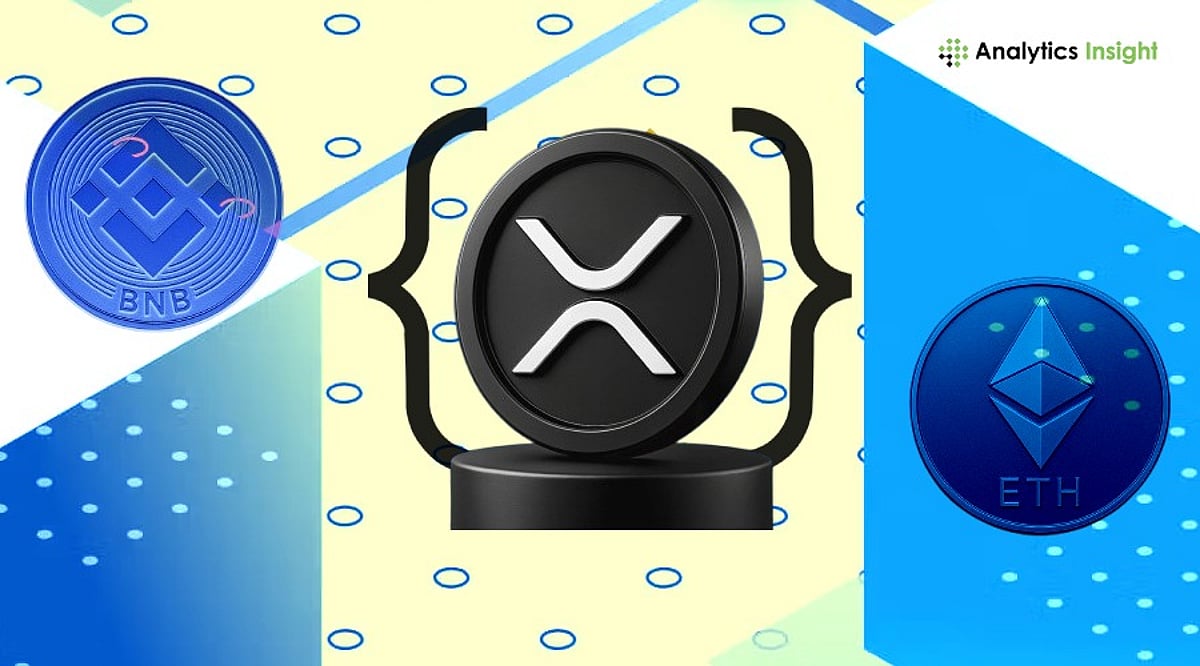
    The XRP Ledger (XRPL) has achieved a remarkable milestone, with the value of tokenized assets on its network surpassing $4 billion. This represents a dramatic increase from approximately $150 million just one year ago, placing XRPL among the top blockchain networks for real-world asset tokenization and intensifying competition with established platforms like Ethereum and BNB Chain.

    Tokenized assets are blockchain-based digital representations of real-world financial instruments, such as bonds, stocks, real estate, and investment funds. The rapid growth on XRPL underscores rising institutional confidence in blockchain technology for faster, cheaper, and more transparent financial transactions.

    Explosive Growth in One Year

    The leap from $150 million to over $4 billion within twelve months highlights the accelerating adoption of XRPL for tokenization. This growth is driven by a combination of institutional interest, network upgrades, and enterprise demand. Financial institutions are increasingly turning to XRPL for its low transaction costs, high-speed settlement, and robust infrastructure.

    Institutional Adoption Fuels Expansion

    Major financial organizations are leveraging XRPL to tokenize government bonds, treasury products, and investment funds. The network’s established reputation in digital payments, combined with its efficient design, makes it an attractive choice for institutions seeking modern financial solutions. This institutional push has been a key catalyst for the surge in tokenized asset value.

    Network Improvements Support Growth

    Recent upgrades, including the introduction of Multi-Purpose Tokens (MPTs), have enhanced XRPL’s ability to support regulated financial assets and enterprise requirements. These features simplify the issuance and management of digital versions of traditional financial products. Stronger stablecoin activity and broader ecosystem participation further bolster the network’s appeal.

    Implications for Ethereum

    Ethereum remains the dominant force in asset tokenization, thanks to its extensive developer community, smart contract capabilities, and mature DeFi ecosystem. However, the rise of XRPL introduces new competition. Some enterprises may prefer XRPL for its lower fees and faster settlement, especially for regulated financial products. Despite this, Ethereum’s rich ecosystem of interconnected applications, such as lending platforms and decentralized exchanges, gives it a significant advantage.

    Implications for BNB Chain

    BNB Chain has built its reputation on low fees, fast speeds, and a strong retail user base, making it a hub for DeFi and trading. The growth of XRPL is likely to increase competition in institutional tokenization rather than retail finance. BNB Chain remains well-positioned for consumer-focused blockchain services, while XRPL attracts enterprise-level, regulated asset tokenization. Both networks may serve distinct niches in a multi-chain future.

    A Multi-Chain Future

    This milestone does not signal the end of Ethereum’s leadership. Instead, the blockchain industry is moving toward a multi-chain landscape where different networks excel in different areas. Ethereum leads in smart contracts and DeFi, XRPL strengthens in enterprise payments and regulated tokenization, and BNB Chain continues to serve retail users. This specialization allows each network to thrive without displacing others.

    Why This Matters

    XRPL reaching $4 billion in tokenized assets is a clear signal that Wall Street seeks specialized, high-performance infrastructure for digital finance. The rapid growth demonstrates that the market is ready for a multi-chain ecosystem where each network dominates specific use cases, rather than a single platform ruling everything.

    FAQs

    1. What are tokenized assets?
    Tokenized assets are blockchain-based digital certificates representing real-world financial products like bonds, stocks, and real estate, enabling seamless digital trading.

    2. Why has XRP Ledger grown so quickly?
    Rapid growth is driven by institutional adoption, ultra-low transaction costs, high-speed settlements, and network upgrades tailored for enterprise compliance.

    3. Will XRP Ledger replace Ethereum?
    No. Ethereum remains dominant in DApps and smart contracts, while XRPL carves out a specialized niche in regulated institutional finance.

    4. How is BNB Chain affected?
    BNB Chain stays strong in retail finance and community apps, while XRPL attracts the enterprise side of tokenized asset markets.

    5. Why is real-world tokenization important?
    Tokenization modernizes finance with 24/7 market access, fractional ownership, lower costs, instant settlements, and full transparency on a public ledger.