Tag: Samsung

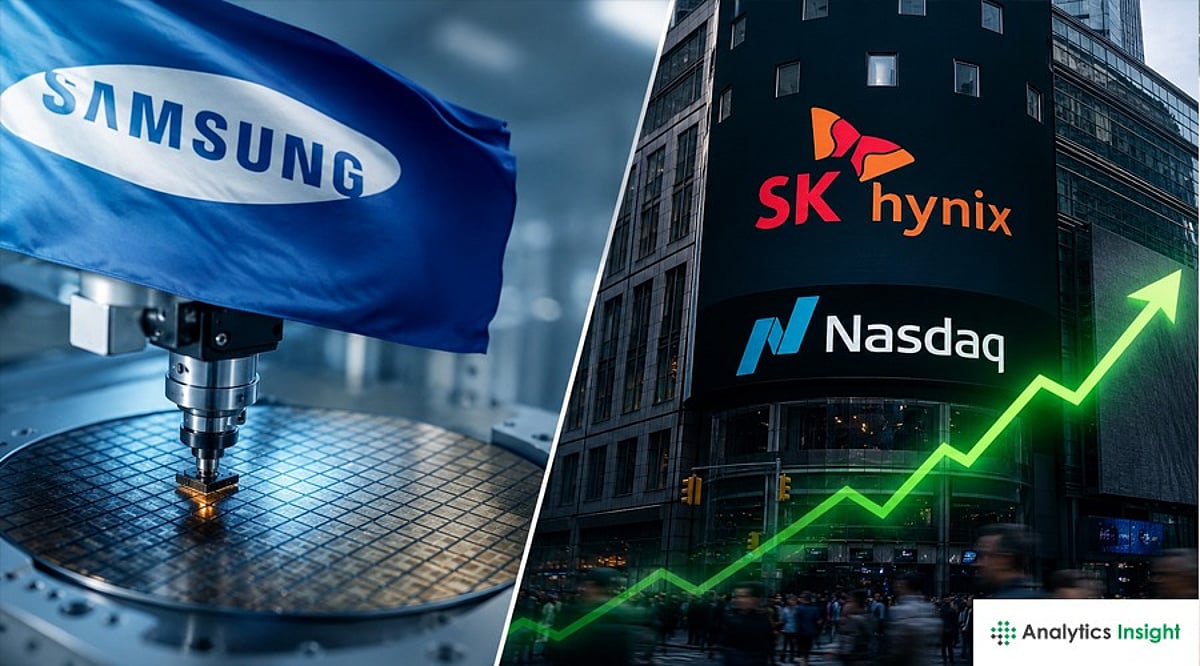
  • Samsung Refutes US Share Listing Rumors After SK Hynix’s Record NASDAQ Debut

    Samsung Refutes US Share Listing Rumors After SK Hynix’s Record NASDAQ Debut

    Samsung Electronics has officially denied recent reports that it is considering a United States share listing via American depositary receipts (ADRs). The denial follows a media report suggesting the company had held preliminary discussions with banks about a potential offering. In a statement, a Samsung spokesperson said, “Samsung Electronics is not reviewing the possibility of issuing American Depositary Receipts,” directly challenging the earlier account. The company did not elaborate on any past discussions or its reasoning.

    The earlier report indicated that any talks were at a very early stage and that Samsung had not decided whether to proceed. It also noted that the review “may not result in a listing.” Samsung had previously explored a similar plan but ultimately chose not to move forward. ADRs allow foreign companies to list shares on U.S. exchanges, making them more accessible to American retail investors. Currently, Samsung Electronics trades primarily on the Korea Exchange, limiting direct access for U.S. investors.

    The speculation gained momentum after SK Hynix, Samsung’s main competitor in memory chips, completed a massive U.S. share offering. SK Hynix priced its ADRs at $149 each, raising approximately $26.5 billion — the largest U.S. listing by a foreign company, according to Reuters. The shares began trading on NASDAQ on July 10 and surged more than 12% on their first day, reflecting strong investor demand for exposure to memory chips used in AI data centers.

    Both Samsung and SK Hynix compete in the DRAM, NAND, and high-bandwidth memory markets, and both have benefited from surging demand for chips powering artificial intelligence servers. However, memory stocks remain volatile. SK Hynix shares later fell as some investors took profits, and market participants are closely watching production growth, chip supply, and the pace of AI infrastructure spending.

    Samsung recently released preliminary second-quarter results, estimating sales of about 171 trillion won and operating profit of approximately 89.4 trillion won — a dramatic increase from 4.68 trillion won a year earlier. Despite the strong profit growth, Samsung shares declined after the update, as investors weighed high expectations against concerns about future AI spending and potential oversupply. The company plans to publish detailed quarterly results on July 30.

    In June, Samsung and the SK Group announced major manufacturing expansions, each planning to build two new chip plants in South Korea. The combined investment totals 800 trillion won (about $536 billion). Additionally, South Korean companies including Naver have committed 550 trillion won to build 8.4 gigawatts of data-center capacity by 2029. For now, Samsung’s public denial leaves no active ADR plan confirmed. Any future U.S. listing would require a new official announcement or regulatory filing.

  • Samsung Accelerates Yongin AI Chip Fab Opening to 2029 as SK Hynix Shares Drop After NASDAQ Debut

    Samsung Accelerates Yongin AI Chip Fab Opening to 2029 as SK Hynix Shares Drop After NASDAQ Debut

    Samsung Electronics has announced plans to begin operations at its first Yongin semiconductor factory in 2029, advancing the original target by one to two years. The accelerated timeline reflects surging demand for memory chips used in artificial intelligence data centers and aligns with South Korea’s broader strategy to expand domestic chip production.

    Samsung’s Revised Timeline for Yongin Fab

    Previously, Samsung expected the first fabrication plant at the Yongin cluster to start operations in 2030 or 2031. A company spokesperson confirmed that the facility is now scheduled to open by 2029, placing the project on a tighter schedule. The Yongin site is part of a larger semiconductor cluster south of Seoul, where Samsung plans to build six chip factories. The first plant will serve as the foundation for subsequent construction phases.

    To meet the revised date, Samsung must prepare the land and begin major construction work early. The company aims to add production capacity as technology companies increase spending on AI infrastructure and advanced memory products.

    South Korea’s Push for Chip Production Expansion

    South Korean authorities are supporting faster construction by shortening approval periods and providing earlier access to essential infrastructure like electricity and water. The national strategy targets doubling the country’s memory-chip production capacity within five years, including expedited development of Samsung and SK Hynix factories in Yongin and a new semiconductor cluster in Gwangju.

    Samsung has also outlined plans to invest 400 trillion won in semiconductor factories in Gwangju and 56 trillion won in high-bandwidth memory facilities in Cheonan and Onyang. Its domestic semiconductor program covers existing operations in Pyeongtaek and the new Yongin cluster.

    SK Hynix is similarly expanding its production network. The company plans to complete the fourth factory at its Yongin cluster by 2033, moving the target forward from 2045.

    SK Hynix Shares Retreat After NASDAQ Debut

    SK Hynix’s American depositary receipts (ADRs) debuted on NASDAQ on July 10, opening 14% above the $149 offering price at $170 and closing the session 12.8% higher. The company raised $26.5 billion from the US offering, with demand exceeding available shares by more than seven times. SK Hynix plans to use the funds for factories and equipment related to rising AI chip demand.

    However, on Monday, SK Hynix shares dropped more than 15% in Seoul as investors took profits after the NASDAQ surge. The decline marked the stock’s largest single-day drop in nearly two decades and weighed on the broader Kospi index. CEO Kwak Noh-jung noted that memory demand could outpace production capacity beyond 2030 and warned that 2027 might become the industry’s worst year for memory supply as AI customers require more advanced chips.

  • Samsung Galaxy Z Fold 8 Appears in Spider-Man Teaser Ahead of Unpacked 2026

    Samsung Galaxy Z Fold 8 Appears in Spider-Man Teaser Ahead of Unpacked 2026

    Samsung has sparked intense speculation after a foldable phone resembling the Galaxy Z Fold 8 appeared in a teaser for Spider-Man: Brand New Day — just days before the company’s Galaxy Unpacked 2026 event. The brief clip, posted across Samsung’s social media channels as part of a Marvel collaboration, shows Spider-Man interacting with an unreleased-looking foldable device for a few seconds before cutting away. While Samsung has not confirmed the gadget’s identity, the fleeting glimpse has set the rumor mill ablaze.

    The phone seen in the teaser appears noticeably thicker and shorter than previous Galaxy Z Fold models, with a thinner overall profile, an updated button layout, and a redesigned rear camera module. These details align with recent leaks suggesting Samsung plans a full redesign for the Galaxy Z Fold 8 series rather than an incremental upgrade. Samsung’s invitation for Unpacked 2026, which promises ‘A New Shape Unfolds,’ further fuels the anticipation.

    Samsung has not officially confirmed that the device in the Spider-Man promo is the Galaxy Z Fold 8. Instead, the company has framed the teaser exclusively as a collaboration with the upcoming Marvel film, leaving product announcements for Unpacked. Still, fans widely believe the timing is intentional and that Samsung is offering a subtle preview of its next-generation foldable.

    Galaxy Unpacked 2026 is scheduled for July 22 in London, where Samsung is expected to unveil the Galaxy Z Fold 8, Galaxy Z Fold 8 Ultra, and Galaxy Z Flip 8. The standard Fold will emphasize size, while the Ultra model will boast improved cameras and premium hardware. Until that event, the Spider-Man teaser remains additional fuel for Samsung’s marketing campaign.

  • Best Surround Sound Systems of 2026: Expert Buying Guide for Every Home

    Best Surround Sound Systems of 2026: Expert Buying Guide for Every Home

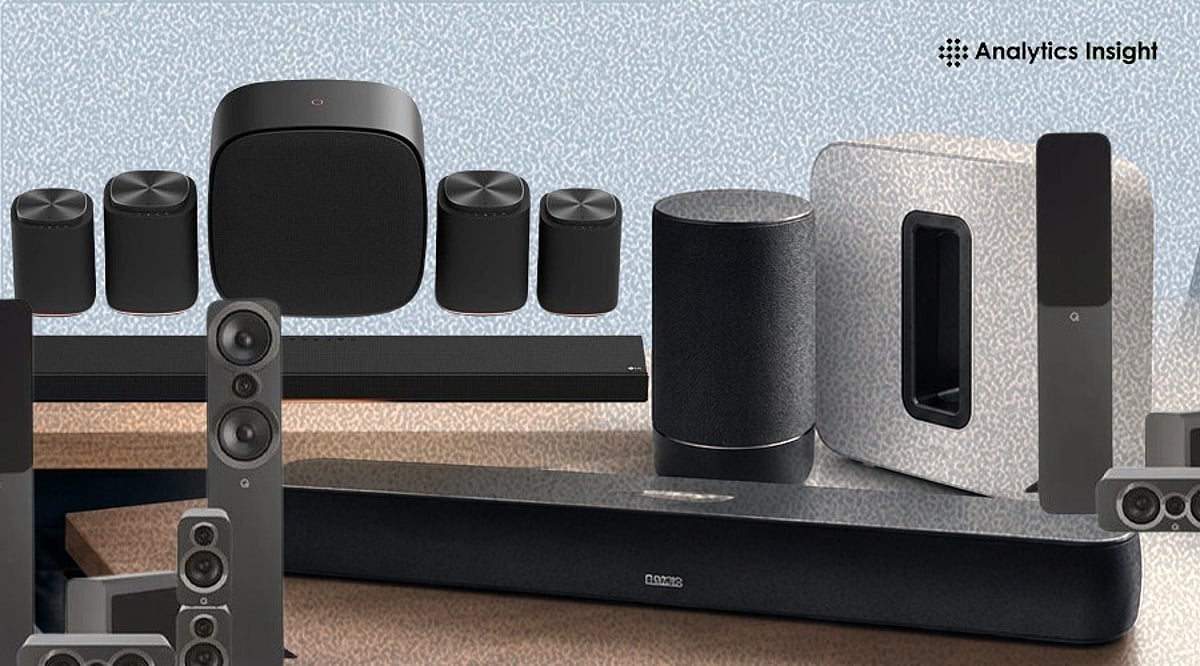
    Choosing the right surround sound system depends on your room, budget, and entertainment needs. From premium wireless setups to affordable speaker systems, these top picks deliver immersive sound for movies, music, gaming, and everyday home entertainment.

    What to Consider Before Buying

    Before investing, evaluate room size, budget, and essential features like Dolby Atmos, DTS:X, HDMI eARC, Wi-Fi, and Bluetooth. These ensure top sound quality and smart connectivity.

    Top Surround Sound Systems in 2026

    Sony Bravia Theatre Quad

    A premium wireless system with four speakers that create wide, natural audio. Supports Dolby Atmos, DTS:X, 360 Spatial Sound Mapping, HDMI eARC, Wi-Fi, and Bluetooth. Ideal for cable-free setups.

    Samsung HW-Q990F

    An all-in-one home theater solution with a soundbar, rear speakers, and wireless subwoofer. Features 11.1.4-channel audio, Dolby Atmos, DTS:X, HDMI eARC, Wi-Fi, Bluetooth, and Q-Symphony. Easy setup and powerful sound for families.

    Sonos Ultimate Immersive Set

    Includes Arc Ultra soundbar, Sub, and Era rear speakers. Supports Dolby Atmos, HDMI eARC, Apple AirPlay 2, Wi-Fi, Bluetooth, and Amazon Alexa. Fully wireless, expandable, and great for music lovers.

    Klipsch Reference Theater Pack

    Traditional 5.1-channel system with five compact speakers and a wireless subwoofer. Requires an AV receiver. Delivers clear, balanced sound for medium-sized rooms.

    Logitech Z906

    Budget-friendly 5.1-channel system with 500W RMS output and THX certification. Supports Dolby Digital and DTS, with optical, coaxial, and 3.5mm inputs. Lacks Dolby Atmos but offers rich audio for movies and games.

    Which System Is Best for You?

    • Sony Bravia Theatre Quad: Best for premium wireless audio.
    • Samsung HW-Q990F: Ideal for families wanting easy setup and strong performance.
    • Sonos Ultimate Immersive Set: Perfect for smart connectivity and music enthusiasts.
    • Klipsch Reference Theater Pack: Great for traditional speaker lovers with limited space.
    • Logitech Z906: Best for budget-conscious buyers.

    Final Thoughts

    There’s no one-size-fits-all system. Consider room size, features, budget, and sound quality. Visit stores to hear systems firsthand. The right choice will transform your home entertainment experience.

    Frequently Asked Questions

    What is the best surround sound system for home use in 2026?

    The best system depends on your needs. Sony Bravia Theatre Quad for premium wireless, Samsung HW-Q990F for easy setup, or Logitech Z906 for budget.

    Is Dolby Atmos worth it?

    Yes, it adds height channels for a more immersive experience. Many premium systems now support it.

    Do I need an AV receiver?

    Not with soundbar-based systems like Samsung HW-Q990F or Sonos. Traditional speaker packs like Klipsch require one.

    Which system is best for a small living room?

    Compact wireless systems like Sonos Ultimate Immersive Set or Sony Bravia Theatre Quad work well.

    What should I consider before buying?

    Room size, budget, content type, audio formats (Dolby Atmos, DTS:X), connectivity (HDMI eARC, Wi-Fi, Bluetooth), and wireless vs. traditional setup.

  • Best Samsung Neo QLED TVs in India for Gaming, Movies & Streaming (2026 Guide)

    Best Samsung Neo QLED TVs in India for Gaming, Movies & Streaming (2026 Guide)

    Samsung’s Neo QLED lineup delivers bright displays, deep contrast, and smooth motion, making it a top choice for gaming, movies, and streaming in India. With Mini LED technology and sizes from 55 to 75 inches, these TVs cater to different budgets and room sizes. Here are the best models for 2026.

    Top Samsung Neo QLED TVs Compared

    After evaluating the lineup, three models stand out:

    • Samsung 55-inch Neo QLED (QA55QN90CAKLXL): The best all-rounder with a 120Hz refresh rate, excellent picture quality, and strong gaming performance.
    • Samsung 65-inch Mini-LED Neo QLED (QA65QN80FAULXL): Offers an immersive large screen at a lower price than 8K models, ideal for movies and sports.
    • Samsung 65-inch 8K Neo QLED (QA65QN800CKXXL): Ultra-high detail and smart upscaling for future-proof viewing, though premium-priced.

    Which One Should You Buy?

    For most buyers, the QA55QN90CAKLXL is the top pick—balancing price and premium features. If you want a bigger screen without breaking the bank, go for the QA65QN80FAULXL. Enthusiasts seeking cutting-edge technology should consider the 8K model.

    Final Verdict

    Samsung Neo QLED TVs excel in brightness, natural colors, and smooth performance. Whether for gaming, streaming, or movie nights, there’s a model for every need. Take your room size, budget, and viewing habits into account when choosing.

    Frequently Asked Questions

    Which Samsung Neo QLED TV is best for gaming?
    The QA55QN90CAKLXL offers a 120Hz refresh rate and smooth console performance.

    Which model offers the best value?
    The QA55QN70HAULXL provides a strong mix of features and price.

    Is a 65-inch Neo QLED good for movies?
    Yes, the larger screen creates an immersive cinema-like experience.

    Should I buy 4K or 8K?
    Most users will be satisfied with 4K. 8K is for those wanting the latest display tech.

    Are these TVs good for streaming?
    Yes, they support popular apps and deliver bright, detailed pictures.

  • Best Flipkart Party Speaker Deals This Week: Budget to Premium Picks

    Best Flipkart Party Speaker Deals This Week: Budget to Premium Picks

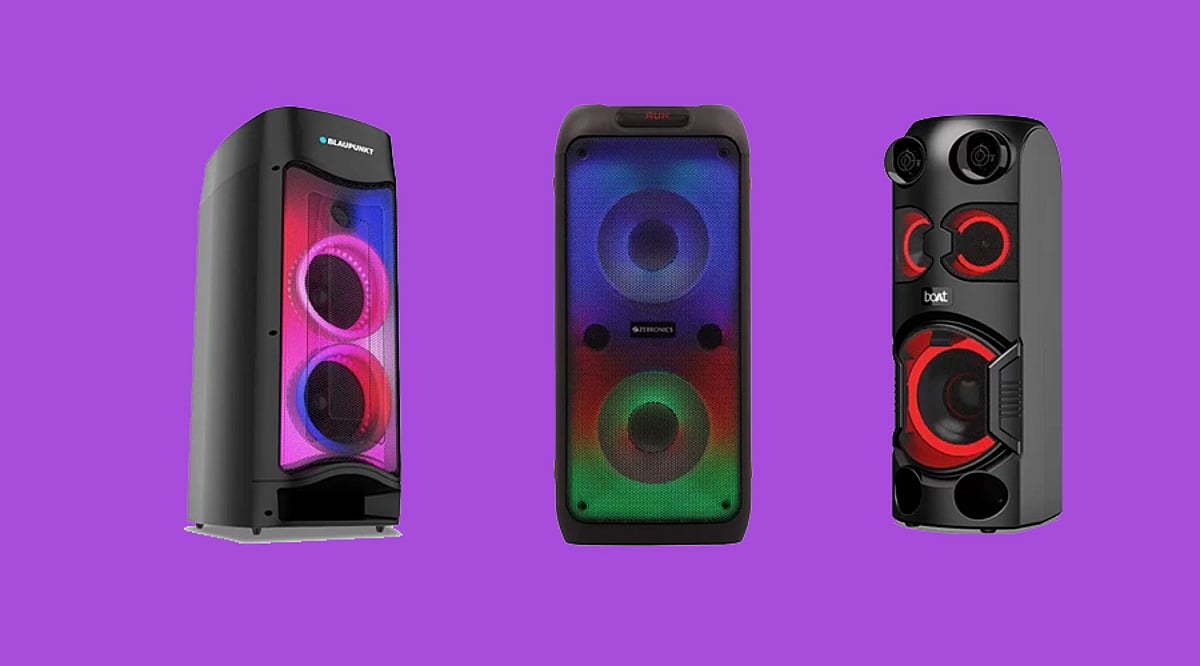
    Flipkart is offering attractive discounts on party speakers from leading brands such as boAt, Zebronics, Samsung, Portronics, and GOVO. Whether you’re planning house parties, karaoke nights, or outdoor gatherings, this week’s sale features speakers for every budget. Buyers can also benefit from bank offers, exchange discounts, and EMI options.

    Budget-Friendly Picks Under ₹2,000

    If you’re looking for affordable audio, PTron Fusion Octane and PTron Fusion Beats deliver excellent value. Both offer 48W output, Bluetooth connectivity, RGB lighting, and portable designs. These speakers are ideal for students, casual listeners, and small indoor gatherings without stretching your budget.

    Best Value Speakers Between ₹5,000–₹7,000

    The sweet spot this week lies in the ₹5,000–₹7,000 range. Portronics Dash 4, Zebronics Party Fyre 100, boAt Partypal 320, and GOVO Goloud 660 combine powerful sound, deep bass, wireless connectivity, LED lighting, and long battery life, making them excellent choices for regular entertainment.

    Premium Speakers for Bigger Celebrations

    For larger spaces and louder events, premium models like Samsung’s 160W Bluetooth Party Sound Tower and Zebronics Octave Tower offer room-filling sound. Their advanced lighting effects, higher output power, and enhanced bass make them perfect for family functions, parties, and outdoor celebrations.

    Features Worth Looking For

    Today’s party speakers offer much more than loud sound. Bluetooth connectivity, karaoke support, RGB lighting, USB playback, FM radio, microphone inputs, and extended battery life enhance the overall experience. Some models also support True Wireless Stereo pairing for an even bigger audio setup.

    Best Buying Recommendations

    Portronics Dash 4 stands out as the overall value champion, balancing performance and price. Zebronics Party Fyre 100 is an excellent pick for bass lovers, while Samsung’s Sound Tower delivers premium performance for users seeking high-powered audio and immersive party experiences.

    Final Verdict

    This week’s Flipkart sale presents one of the best opportunities to upgrade your entertainment setup. From affordable portable speakers to premium party towers, there are options for every requirement and budget. Compare features, apply available bank offers, and choose the speaker that best matches your lifestyle and listening needs.

  • Samsung Galaxy Unpacked 2026: July 22 Event Expected to Debut Z Fold 8, Z Flip 8, and More

    Samsung Galaxy Unpacked 2026: July 22 Event Expected to Debut Z Fold 8, Z Flip 8, and More

    Samsung has officially confirmed the date for its next Galaxy Unpacked event, putting an end to months of speculation about its upcoming foldable smartphone lineup. The event is scheduled for July 22, 2026, at 9:00 AM EDT (6:30 PM IST), and will be livestreamed via Samsung Newsroom, Samsung.com, and the company’s official YouTube channel.

    What to Expect at Galaxy Unpacked 2026

    Samsung is expected to unveil a refreshed portfolio of foldables, smartwatches, and possibly its long-rumored Android XR glasses. The company stated that the “next generation of Galaxy devices are set to deliver more personal and adaptive experiences and set a new standard for the AI era,” hinting at a stronger focus on artificial intelligence across its ecosystem.

    Three Foldables Could Debut This Year

    Reports suggest Samsung may introduce three new foldable devices instead of the usual two:

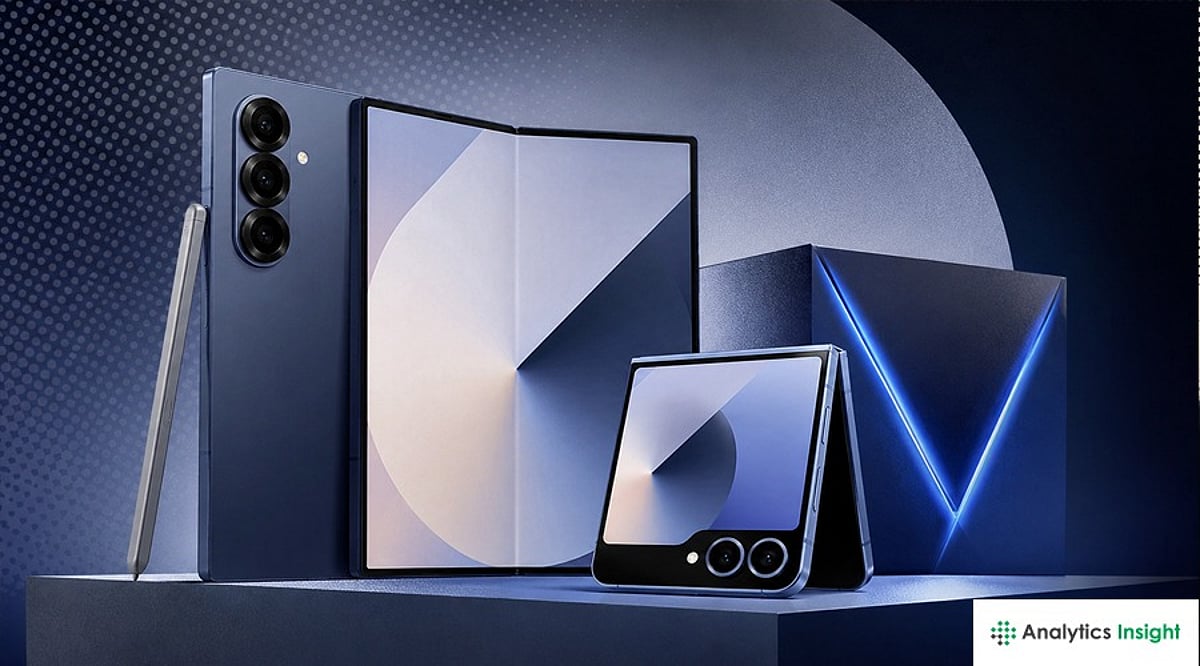
    • Galaxy Z Fold 8 – A larger, passport-style design aimed at providing a traditional smartphone experience.
    • Galaxy Z Flip 8 – An annual update to the popular clamshell foldable.
    • Galaxy Z Fold 8 Ultra – A new premium book-style foldable with flagship-level specs and productivity features, marking the first time Samsung releases an Ultra model alongside its regular foldables.

    Galaxy Watch 9 Series and Android XR Glasses

    Samsung may also introduce the Galaxy Watch 9 Series, expected to include minor hardware changes and AI-powered health and fitness features. Additionally, the rumored Android XR glasses could make an appearance, signaling Samsung’s continued push into augmented reality technology.

    Pre-Bookings Now Open in India

    In India, Samsung has already started pre-bookings for the upcoming Galaxy range. Customers can reserve devices by paying Rs. 999 and receive a Rs. 2,799 voucher redeemable upon purchase of eligible devices after launch.

    For more details, stay tuned to our coverage of the event.

  • Wall Street Today: NASDAQ Declines as DeepSeek Chip Ambitions and Samsung Selloff Weigh on Sentiment

    Wall Street Today: NASDAQ Declines as DeepSeek Chip Ambitions and Samsung Selloff Weigh on Sentiment

    U.S. stocks opened mixed on Tuesday, with weakness in chip stocks dragging down the NASDAQ Composite and S&P 500. The Dow Jones Industrial Average hovered near record levels, buoyed by gains in healthcare, financials, and select large-cap names.

    Investor attention returned to the AI trade after reports emerged that China’s DeepSeek is developing its own AI chip. The news introduced fresh uncertainty about demand for U.S.-linked semiconductor names, even as Samsung posted a strong profit update.

    NASDAQ Falls as Chip Stocks Retreat

    The NASDAQ Composite opened 161 points lower, or 0.62%, at 25,960.13. The S&P 500 fell 20.8 points, or 0.28%, to 7,516.63. The Dow Jones Industrial Average rose 48.1 points, or 0.09%, to 53,104.06 at the opening bell. Later in the morning, the Dow gave back part of its early gain and traded near the flat line. The blue-chip index had earlier touched a new all-time intraday high. The S&P 500 declined 0.5%, while the NASDAQ lost 1.3% as chip selling intensified.

    DeepSeek AI Chip Report Roils Semiconductor Sentiment

    According to reports, DeepSeek is working on its own AI chip, a move that could reduce its reliance on suppliers such as NVIDIA and Samsung. NVIDIA shares traded more than 1% lower as investors assessed the implications. The selling spread across major chip names: Micron fell about 7%, while KLA, Marvell Technology, Broadcom, and AMD also posted losses. The VanEck Semiconductor ETF dropped more than 5%, reflecting broad weakness across the sector.

    Samsung Reaction Adds to Doubts About AI Earnings Bar

    The pressure originated in Asia-Pacific markets before reaching Wall Street. South Korea’s Kospi dropped nearly 5% after Samsung Electronics fell close to 7%. Samsung reported a sharp rise in second-quarter profit, but the market focused on spending plans and demand concerns. Adam Crisafulli of Vital Knowledge noted that the Samsung reaction highlights one of the biggest risks heading into earnings season: “Q2 earnings results are likely to be quite robust on an absolute basis … but unlike with the Q1 season, expectations are presently very bullish.” His comment pointed to uncertainty about whether strong earnings alone can support AI-linked stocks, given that the S&P 500 has moved significantly higher since the first-quarter reporting season.

    Dow Holds Near Record as Investors Rotate

    While chip stocks came under pressure, investors rotated into other parts of the market. Eli Lilly gained more than 2%, while JPMorgan Chase and Microsoft also advanced. Walmart added more than 2% after announcing price cuts on products such as ground beef and Coca-Cola. The rotation helped the Dow stay near 53,000 even as the NASDAQ weakened, showing that selling was concentrated in AI- and chip-linked shares rather than across the full market.

    Apple, Rivian, Amazon, and Trade Data in Focus

    Apple drew attention after JPMorgan raised its price target to $345 from $325, maintaining an Overweight rating. Analyst Samik Chatterjee said Apple’s revenue and earnings could be better than feared, even after a 20% price increase on iPads and Macs. Rivian shares fell more than 13% in morning trading after the electric vehicle maker announced a public offering of 75 million Class A shares. The drop followed a 8.1% rise on Monday and a 19% gain last week. Amazon also stayed in focus after sources said the company planned to raise $25 billion through a bond sale; its shares gained 0.8% in premarket trading.

    Meanwhile, the U.S. trade deficit widened sharply in May. The Commerce Department reported a deficit of $77.6 billion, up from a revised $54.6 billion in April. Exports fell 3.2%, while imports rose 3.3%. Economists polled by Dow Jones had expected a deficit of $78.08 billion.

    The market now shifts its attention to upcoming corporate earnings, which will determine whether the recent rotation out of AI chip stocks is temporary or the start of a broader change in investor sentiment.

  • Samsung Reports 1,800% Profit Surge Driven by AI Memory Chip Boom

    Samsung Reports 1,800% Profit Surge Driven by AI Memory Chip Boom

    Samsung Electronics has announced a staggering 1,800% jump in operating profit for the first half of 2026, fueled by explosive demand for its advanced memory chips used in artificial intelligence systems. The South Korean tech giant estimates an operating profit of 89.4 trillion won (approximately $58.4 billion) for the period, compared to the same timeframe last year.

    Revenue also soared, with the company projecting sales of 171 trillion won in the quarter—a 129% increase year-over-year. Samsung plans to publish its full results later this month.

    The earnings highlight a dramatic shift in the semiconductor landscape driven by the global AI boom. Data centers and AI systems require high-performance memory chips, and supply remains tight, enabling Samsung and rival SK Hynix to raise prices and boost margins.

    Marc Einstein of Counterpoint Research called the estimate “among the best quarterly performances ever,” attributing the surge entirely to AI demand. Samsung is one of the world’s largest memory chip makers and supplies key players like NVIDIA and Google.

    According to IDC, the memory industry is experiencing a unique demand cycle concentrated in data center and AI infrastructure, which is expected to keep chip supplies tight for the next year. IDC analyst Bryan Ma noted that strong AI-related demand will continue to pressure supply.

    Despite the robust earnings forecast, Samsung’s shares fell 7% to 8% in Seoul trading, as some investors had anticipated even higher profits. However, the company’s market value has doubled since the start of the year, and SK Hynix has surged over 200%.

    South Korea’s Kospi index has risen more than 80% in 2026, driven by chip makers. The government recently announced plans to invest at least $880 billion in Samsung and SK Hynix-related projects to expand chip production. Analysts caution that the key risk is whether AI memory demand will sustain beyond next year.

    For now, Samsung remains a top beneficiary of the global AI infrastructure race.

  • Top Samsung Refrigerators with Digital Inverter Technology in 2026: A Complete Buying Guide

    Top Samsung Refrigerators with Digital Inverter Technology in 2026: A Complete Buying Guide

    Samsung’s inverter refrigerators combine AI-powered cooling, energy efficiency, smart connectivity, and modern designs. From compact single-door models to premium Family Hub refrigerators, this guide compares features, pricing, and the best options for every household.

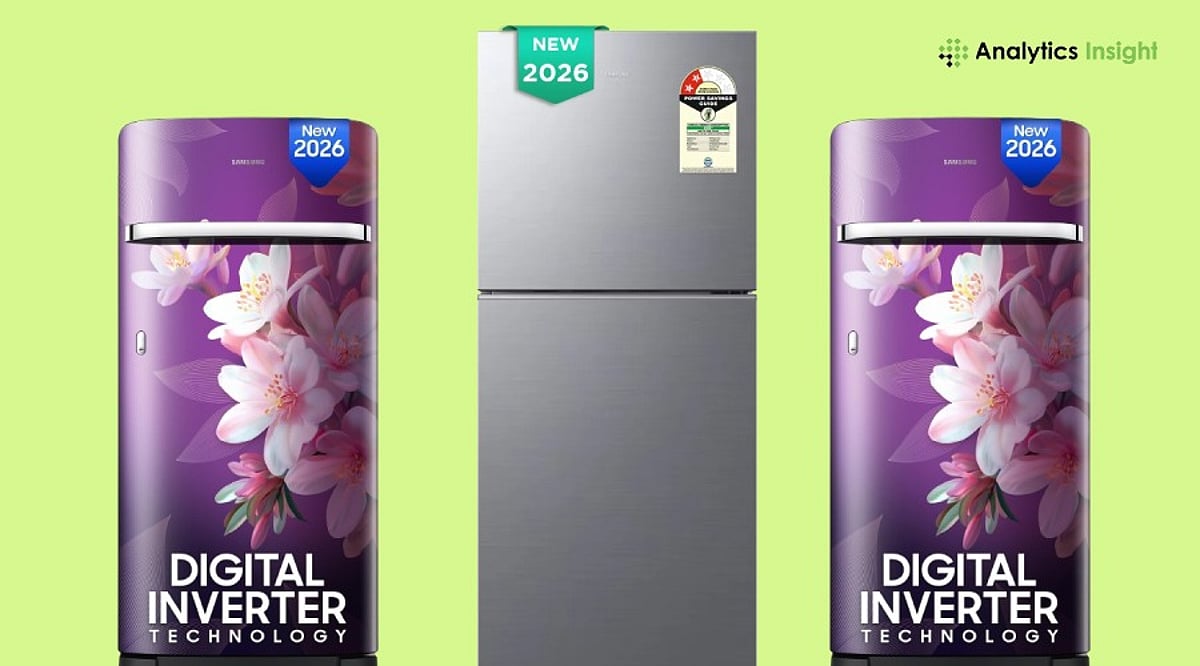
    Samsung is leading the refrigerator market with its futuristic inverter technology. The inverter models, coupled with smart technology, allow the refrigerator to adjust compressor speed based on the cooling needs. It ensures consistent freshness, quieter performance, and exceptional energy savings.

    Inverter technology has massively raised the benchmark in the cooling device industry. Unlike conventional refrigeration, which operates on fixed cooling cycles, Samsung’s inverter refrigerators raise the bar by adjusting the cooling with its Smart Cooling technology, adapting to various needs and conditions. From premium AI-powered Family Hub designs to compact single-door options, the brand offers options that keep every type of buyer interested. Samsung’s inverter technology has proven essential for efficiency and sustainable living, which define the modern lifestyle.

    Best Samsung Refrigerators with Digital Inverter Technology in 2026

    Samsung Bespoke AI Family Hub (653L, Side-by-Side)

    The Bespoke AI Family Hub suits large families and tech-savvy users who need personalized cooling and quick adaptation to certain occasions. It has Twin Cooling Plus and frost-free features, delivering exceptional cooling options. It is AI-powered with Gemini that tracks food expiry and provides timely notifications. A 21.5-inch touchscreen, WiFi, and SmartThings are some useful integrations that take refrigeration beyond just keeping the food cool. It has a 3-star energy efficiency rating that consumes 450-500 units of electricity per year. Samsung Bespoke AI Family Hub is currently priced between Rs. 77,000 and Rs. 90,000.

    Samsung RT38DG5A4DBXHL (350L, Double Door)

    The Samsung RT38DG5A4DBXHL is highly compatible with mid-sized families whose needs are limited yet require adaptive features on different occasions. It has frost-free technology that uses sensors and a heating coil to detect and automatically melt ice buildup. This model has a 3-star energy efficiency rating and is priced between Rs. 40,000 and Rs. 50,000.

    Samsung RR23 (215L, Single Door)

    The Samsung RR23 is a game-changer for small families or bachelors with limited needs. It is certified with a 4-star BEE (Bureau of Energy Efficiency) rating. It has a compact design with an antibacterial gasket that prevents bacterial infestation. Samsung RR23 is priced at Rs. 21,690.

    Samsung RS76CG8003S9HL (653L, Side-by-Side)

    The Samsung RS76CG8003S9HL is strictly for premium buyers who are into sustainable living and modern stylistic features. It has SpaceMax technology that optimizes space with thinner interior walls, providing more room for food storage. It has a twin cooling system, which controls the temperature of the fridge and freezer separately. The AI energy mode makes up for its smart intelligence that indicates essential information.

    Samsung RT34 (330L, Double Door)

    The Samsung RT34 caters to the needs of medium-range families and targets the middle-class society. It is equipped with a WiFi-enabled feature that delivers all-round connectivity. A convertible freezer turns the fridge into an ice-building space. The Twin Cooling system maintains the fridge and freezer temperature separately. Samsung RT34 is priced modestly at Rs. 45,990.

    Final Thoughts

    For tech-savvy large families, the Samsung Bespoke AI Family Hub is the best option, as it offers a wide range of advanced features and ample storage space. The Samsung RT38DG5A4DBXHL best suits mid-sized families who value both advanced features and compact space. The Samsung RR23 single-door refrigerator is versatile and well-suited to small homes and bachelors. Meanwhile, the Samsung RS76CG8003S9HL appeals to the premium buyer segment. Samsung inverter technology no doubt leads the market, offering advanced features and catering to all kinds of families. This technology saves big on electricity, providing style and substance.

    FAQs

    1. What is Samsung digital inverter technology?

    Samsung digital inverter technology automatically adjusts the compressor speed according to cooling requirements, reducing energy consumption, minimizing noise, and maintaining a consistent temperature.

    2. Are Samsung inverter refrigerators more energy-efficient than conventional refrigerators?

    Yes. Samsung inverter refrigerators consume significantly less electricity than conventional models by operating at variable compressor speeds instead of repeatedly switching on and off.

    3. Which Samsung refrigerator is best for a large family in 2026?

    The Samsung Bespoke AI Family Hub (653L) is an excellent choice for large families, offering spacious storage, AI-powered features, Twin Cooling Plus, and SmartThings connectivity.

    4. Do Samsung inverter refrigerators require a voltage stabilizer?

    Most Samsung inverter refrigerators can operate within a wide voltage range of approximately 90V–310V, allowing them to function without a separate voltage stabilizer under normal conditions.

    5. Which Samsung inverter refrigerator offers the best value for mid-sized families?

    Samsung RT38DG5A4DBXHL and Samsung RT34 are ideal for mid-sized families, combining energy efficiency, frost-free operation, smart features, and ample storage at competitive prices.