Tag: Samsung

  • Samsung Galaxy Unpacked 2026: Fold 8, Flip 8, Watch 9, and AI Glasses Revealed in London

    Samsung Galaxy Unpacked 2026: Fold 8, Flip 8, Watch 9, and AI Glasses Revealed in London

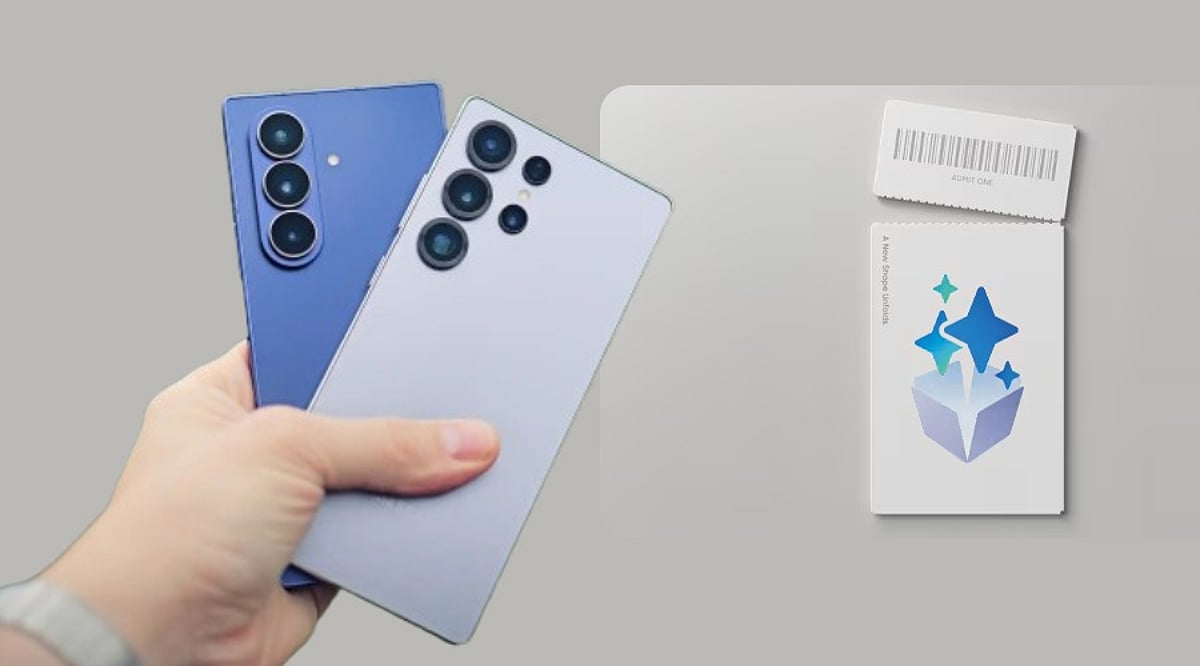
    Samsung held its Galaxy Unpacked event in London on July 23, 2026, unveiling a comprehensive lineup of new devices including the Galaxy Z Fold 8, Galaxy Z Fold 8 Ultra, Galaxy Z Flip 8, Galaxy Watch Ultra 2, Galaxy Watch 9, and AI-powered smart glasses. The event underscored Samsung’s commitment to expanding its foldable ecosystem and integrating artificial intelligence across its hardware.

    New Foldable Phones with Wider Displays and Durable Hinges

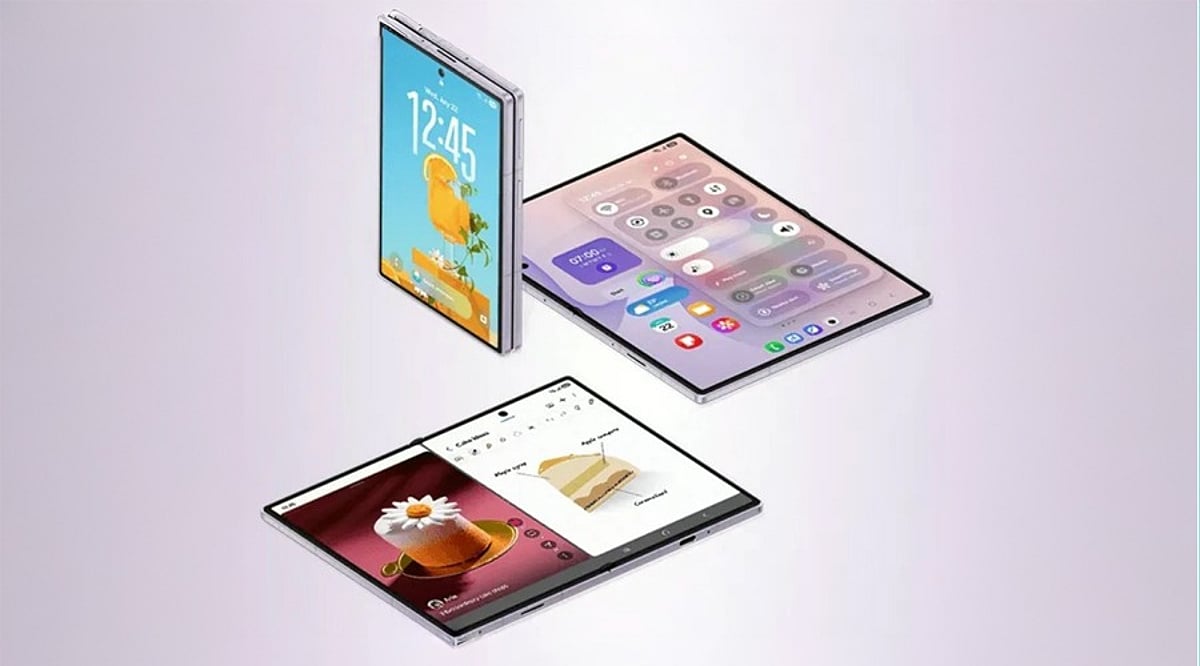
    The Galaxy Z Fold 8 introduces a redesigned form factor featuring a near 4:3 inner display that reduces black bars and enhances video streaming, gaming, multitasking, and social media experiences. Samsung has incorporated a titanium hinge to minimize the display crease and improve overall durability.

    The Galaxy Z Fold 8 Ultra is positioned as Samsung’s most premium foldable, equipped with an upgraded titanium hinge, a 5,000mAh battery, and a 200MP primary camera. Meanwhile, the Galaxy Z Flip 8 retains its classic clamshell design while receiving updated hardware and new Galaxy AI capabilities.

    Galaxy AI Expands Across Devices

    All three foldable devices run One UI 9, which is based on Android 17. The software includes AI-powered tools such as the AI Assistant Activity Dashboard and My FanCam, which automatically tracks subjects and adjusts video framing.

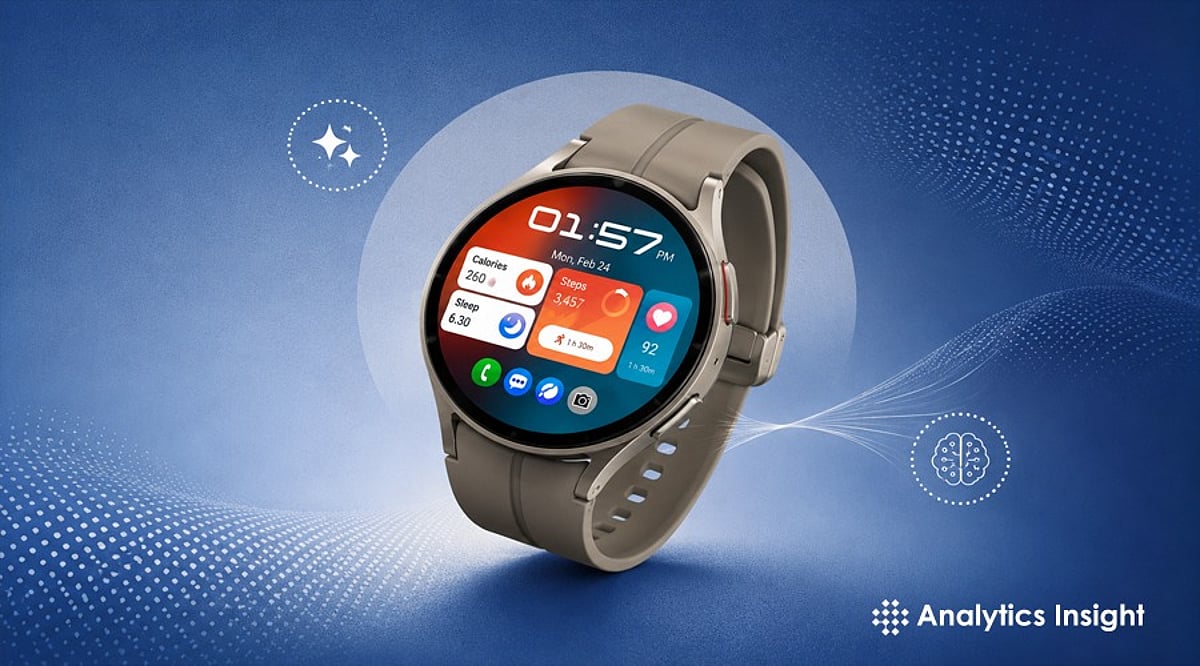
    Samsung also refreshed its smartwatch lineup with the Galaxy Watch Ultra 2 and Galaxy Watch 9. The Watch Ultra 2 features a brighter display, a Snapdragon Wear Elite processor, advanced fitness tracking, and improved battery life. The Watch 9 focuses on everyday wellness through AI-driven health monitoring.

    AI Smart Glasses Preview

    Samsung previewed intelligent smart glasses developed in collaboration with Google, Warby Parker, and Gentle Monster. The upcoming wearable supports notifications, voice features, and Gemini-powered AI, signaling Samsung’s expansion beyond smartphones into an AI-connected ecosystem.

    The event highlighted Samsung’s strategy to strengthen its premium device lineup ahead of increased competition in the foldable market later this year.

  • Samsung Galaxy Z Fold 8 and Z Flip 8 Launch in India with AI Upgrades and Refined Designs

    Samsung Galaxy Z Fold 8 and Z Flip 8 Launch in India with AI Upgrades and Refined Designs

    Samsung has officially launched the Galaxy Z Fold 8 and Galaxy Z Flip 8 in India, introducing slimmer designs, flagship processors, advanced AI features, upgraded displays, and improved durability. The devices were unveiled during the Galaxy Unpacked Event in London, and advance orders are now being accepted in the Indian market.

    Galaxy Z Fold 8: Redesigned for Better Ergonomics

    The Galaxy Z Fold 8 features a 7.6-inch Dynamic AMOLED 2X foldable display and a 5.5-inch exterior display. It is powered by Qualcomm’s Snapdragon 8 Elite Gen 5 for Galaxy chipset, paired with up to 16GB of RAM and up to 1TB of storage. The new ‘passport-style’ design makes the device easier to hold in one hand, while the refined hinge mechanism reduces the visibility of the display crease. Enhanced multitasking capabilities and improved Galaxy AI tools are also included.

    Galaxy Z Flip 8: Portability Meets Functionality

    The Galaxy Z Flip 8 retains its iconic clamshell design but now features a larger 6.9-inch foldable AMOLED display and a 4.1-inch cover screen that supports more native apps and widgets without opening the phone. Samsung has made it the thinnest flip phone it has ever launched, with a lightweight body. It packs a 4,300mAh battery and comes with AI-driven personalized widgets and productivity features accessible directly from the cover display.

    India Pricing and Availability

    The Samsung Galaxy Z Flip 8 starts at Rs 1,19,999, while the Galaxy Z Fold 8 is priced from Rs 1,74,999. Pre-orders are now open through Samsung’s offline and online channels, with deliveries expected to begin within a month. Customers can avail launch offers during the pre-order period.

  • Samsung Galaxy Unpacked 2026: Fold 8, Flip 8, Watch 9, and Galaxy Glasses Launch

    Samsung Galaxy Unpacked 2026: Fold 8, Flip 8, Watch 9, and Galaxy Glasses Launch

    Samsung’s Galaxy Unpacked 2026 event, held in London, delivered a wave of new devices and software innovations. The company unveiled the next-generation Galaxy Z Fold 8, Galaxy Z Fold 8 Ultra, Galaxy Z Flip 8, Galaxy Watch 9, Galaxy Watch Ultra 2, and its long-rumored Galaxy Glasses. Here’s a comprehensive rundown of the key announcements.

    Galaxy Z Fold 8 and Z Fold 8 Ultra

    The Galaxy Z Fold 8 starts at $1,899.99 and features a 7.6-inch inner AMOLED display (120Hz) and a 5.5-inch outer display, powered by the Snapdragon 8 Elite Gen 5 for Galaxy chipset. It comes in lavender, cream, graphite, and pistachio. The Galaxy Z Fold 8 Ultra, priced at $2,099, offers a thinner 4.1mm unfolded profile, a larger 5,000mAh battery, and a 200MP main camera, 50MP ultrawide, and 10MP telephoto with 3x optical zoom. Both foldables introduce a 4:3 aspect ratio for improved multitasking.

    Galaxy Z Flip 8

    The Galaxy Z Flip 8 ($1,200) features a thinner, lighter design and an improved cover screen with easier app access and a new Recent Apps menu. It retains the 50MP main camera, 12MP ultrawide, and 10MP selfie camera, along with a 4,300mAh battery.

    Galaxy Watch 9 and Watch Ultra 2

    The Galaxy Watch 9 introduces sleep apnea detection, proactive heart health monitoring, and a partnership with iFit for fitness content. The Galaxy Watch Ultra 2 boasts a 5,000-nit peak brightness, 60-hour battery life, and OCF OLED technology.

    Galaxy Glasses

    Samsung’s first smart glasses, the Galaxy Glasses, are powered by a Snapdragon chipset and feature a built-in camera for AI-driven visual queries. They offer up to 9 hours of battery life and are available in frames designed in collaboration with Warby Parker and Gentle Monster.

    Galaxy AI and Software Upgrades

    Galaxy AI now includes a personal data engine that anticipates user needs, a Gemini Notebook (formerly NotebookLM) for research, and My FanCam for subject-focused video exports. Google’s Rick Osterloh highlighted deeper Gemini integration across 40+ apps.

    Pricing and Availability

    Pre-orders are open now, with general availability starting August 7. In India, the Galaxy Z Fold 8 starts at Rs. 1,79,999, and the Ultra at Rs. 1,99,999.

    Samsung’s 2026 lineup emphasizes foldable innovation, AI-powered experiences, and expanded wearables, setting the stage for the next era of mobile technology.

  • India’s Semiconductor Chip Supply Chain: Key Sources and Domestic Ambitions

    India’s Semiconductor Chip Supply Chain: Key Sources and Domestic Ambitions

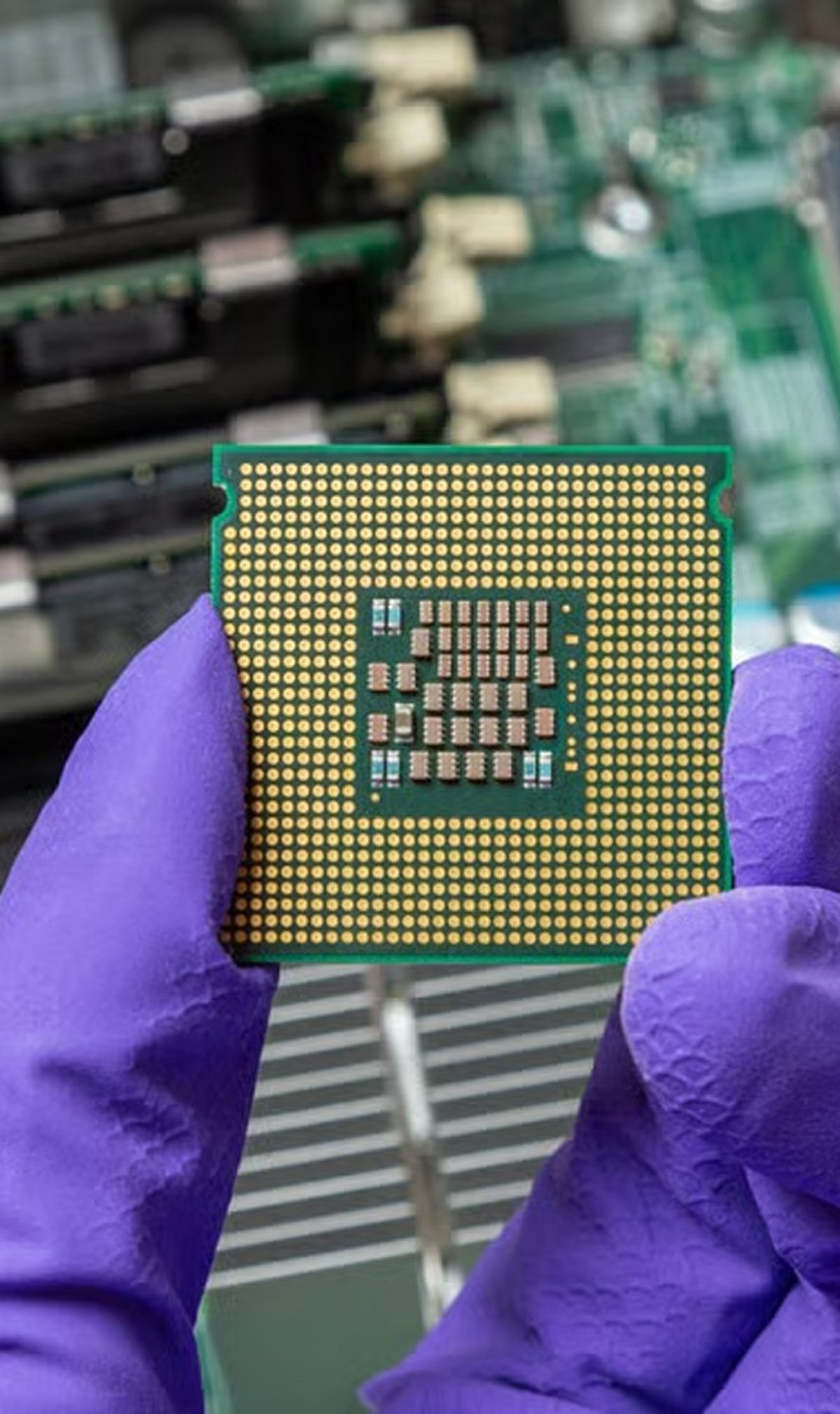
    India relies heavily on imported semiconductor chips to power its booming electronics, automotive, and telecommunications sectors. Understanding the primary sources of these critical components reveals the global dependencies and strategic initiatives shaping the nation’s tech landscape.

    Taiwan: The Dominant Supplier

    Taiwan stands as India’s largest semiconductor supplier, led by industry giants like TSMC. These manufacturers produce advanced chips for smartphones, computers, automotive systems, and industrial electronics, making Taiwan an indispensable partner in India’s technology ecosystem.

    China: Mature Components Despite Geopolitical Tensions

    China supplies a wide range of mature semiconductor components used across consumer electronics, appliances, telecommunications equipment, and industrial manufacturing. Despite geopolitical challenges, China remains a key source for India’s semiconductor needs.

    South Korea: Memory and Storage Leadership

    South Korean companies Samsung and SK Hynix export memory chips, storage components, and semiconductor technologies that support India’s electronics manufacturing and smartphone production industries.

    United States: Advanced Processors and AI Semiconductors

    American companies design advanced processors, networking chips, and AI semiconductors widely integrated into India’s technology, cloud computing, and enterprise hardware markets.

    Japan: Specialty Materials and Equipment

    Japan provides specialty semiconductor materials, sensors, manufacturing equipment, and electronic components essential for India’s growing electronics and automotive industries across multiple sectors.

    Singapore: Regional Trading and Distribution Hub

    Singapore functions as a regional semiconductor trading and distribution hub, exporting integrated circuits and electronic components from multiple global manufacturers efficiently to India.

    Malaysia: Assembly, Testing, and Packaging

    Malaysia is a major assembly, testing, and packaging center, exporting semiconductor products and electronic components to India’s consumer electronics and automotive manufacturing sectors consistently.

    Vietnam: Emerging Electronics Manufacturing Hub

    Vietnam is an emerging electronics manufacturing hub supplying semiconductor-based components used in smartphones, computers, networking equipment, and other consumer electronic devices worldwide today.

    India’s Domestic Chip Mission

    Government initiatives encourage semiconductor fabrication, packaging, and design through incentives, aiming to reduce import dependence and strengthen domestic manufacturing. This strategic push seeks to build a self-reliant semiconductor ecosystem within India.

  • Tech Roundup: Samsung Unpacked 2026, iPhone Price Increase in India, GTA 6 Launch, OpenAI Controversy, and Apple Lawsuit

    Tech Roundup: Samsung Unpacked 2026, iPhone Price Increase in India, GTA 6 Launch, OpenAI Controversy, and Apple Lawsuit

    Samsung is gearing up for its highly anticipated Unpacked 2026 event, while iPhone prices are expected to rise in India. Meanwhile, Grand Theft Auto 6 aims for a record-breaking launch, OpenAI faces growing backlash, and Apple has filed a lawsuit against OpenAI. Here’s a quick rundown of today’s top tech stories.

    Samsung Unpacked 2026
    Samsung is preparing to unveil new devices at its Unpacked 2026 event. The tech giant is expected to showcase the latest Galaxy smartphones, foldables, and possibly new wearables. Industry watchers anticipate significant upgrades in camera technology, battery life, and AI integration.

    iPhone Price Hike in India
    Apple may increase iPhone prices in India due to rising import duties and currency fluctuations. The potential hike could affect the entire lineup, including the latest iPhone models. This move comes as Apple continues to expand its manufacturing footprint in the country.

    GTA 6 Eyes Record Launch
    Rockstar Games’ Grand Theft Auto 6 is on track for a historic launch, with pre-order numbers and anticipation breaking records. The game is expected to set new benchmarks for the gaming industry, both in terms of sales and cultural impact.

    OpenAI Faces Backlash
    OpenAI is under fire over recent controversies, including allegations of unethical data usage and governance issues. Critics are calling for greater transparency and accountability from the AI research lab.

    Apple Sues OpenAI
    Apple has filed a lawsuit against OpenAI, accusing the company of violating intellectual property rights and misusing proprietary technology. The legal battle highlights the growing tensions between Big Tech and AI developers.

    Join our WhatsApp Channel to get the latest news, exclusives, and videos on tech.

  • Top 10 Semiconductor Companies Driving the AI Revolution

    Top 10 Semiconductor Companies Driving the AI Revolution

    The rapid advancement of artificial intelligence is heavily reliant on cutting-edge semiconductor technology. From high-performance GPUs to specialized memory and fabrication, these ten companies are at the forefront of powering AI workloads across data centers, edge devices, and consumer electronics.

    • Nvidia: Leads AI computing with powerful GPUs that accelerate machine learning, generative AI, scientific research, and enterprise data center workloads globally.
    • AMD: Develops high-performance CPUs and GPUs supporting AI workloads, cloud computing, gaming, and enterprise applications with competitive processing capabilities.
    • Intel: Expands AI hardware through advanced processors, AI accelerators, and data center solutions supporting enterprise computing and intelligent automation.
    • TSMC: Manufactures cutting-edge semiconductor chips for leading technology companies, enabling advanced AI processors through world-class fabrication technologies.
    • Samsung Electronics: Produces advanced memory chips and semiconductor technologies powering AI devices, smartphones, servers, and high-performance computing systems worldwide.
    • Qualcomm: Designs AI-enabled mobile processors delivering intelligent photography, voice assistants, efficient performance, and edge AI capabilities across connected devices.
    • Broadcom: Develops networking chips, AI infrastructure components, and connectivity solutions supporting large-scale cloud computing and enterprise artificial intelligence deployments.
    • MediaTek: Builds AI-capable smartphone processors with efficient performance, intelligent imaging, and advanced connectivity for affordable consumer electronics worldwide.
    • Micron Technology: Supplies high-performance memory and storage solutions essential for AI training, inference workloads, and modern data center infrastructure.
  • Samsung Galaxy Unpacked 2026: What to Expect from the July 22 London Event

    Samsung Galaxy Unpacked 2026: What to Expect from the July 22 London Event

    Samsung is gearing up for one of its biggest technology showcases of the year with Galaxy Unpacked 2026, scheduled for July 22 in London. The event is expected to highlight the company’s next-generation foldable smartphones, AI-powered software features, and an expanded lineup of wearable devices. While Samsung has kept official details under wraps, teasers, industry leaks, and analyst reports suggest that the company is preparing one of its most comprehensive product launches in recent years.

    Next-Generation Foldables Expected to Lead the Showcase

    It seems that the foldable phones will continue to serve as the highlight of the Galaxy Unpacked event for the year. It is believed that Samsung will be unveiling its Galaxy Z Fold 8, Galaxy Z Flip 8, and the new flagship foldable phone which some sources claim to be named the Galaxy Z Fold 8 Ultra. There have been rumors about the launch of an additional foldable phone which will come with a book-fold design similar to that of a tablet.

    The upcoming foldables will feature slimmer designs, better hinges, minimized display creases, increased battery capacity, and the latest generation of the Snapdragon processor by Qualcomm. Samsung has also announced the development of its new foldable display technology called the Flex Titanium.

    Galaxy AI and Wearables Could Receive Major Upgrades

    Artificial intelligence is projected to feature prominently in various parts of the event. Samsung has dropped subtle hints that its upcoming Galaxy products will offer improved AI experiences compared to those seen previously in the form of Galaxy AI which was unveiled in early 2023. The advancements are expected to boost productivity, communication, photography, and on-device intelligence.

    Apart from smartphones, Samsung will reveal the Galaxy Watch 9 and Galaxy Watch Ultra 2 along with advanced health tracking features thanks to wearable processors. Speculations abound of new AI-driven products being announced at the event, including Samsung’s much-talked-about smart glasses and potentially, new open-ear wireless earbuds that could increase situational awareness for users.

    AI Ecosystem and Software Experience in Focus

    In contrast to just concentrating on hardware, it seems that Samsung plans to turn Galaxy Unpacked 2026 into an event that will demonstrate its comprehensive approach to the AI ecosystem. Samsung has been stressing its vision of the intelligent software that is coupled with innovative forms of devices that would help to have better experiences while using different products.

    Software-related improvements may come from a new edition of One UI, additional AI features, health tracking enhancements, better multitasking experience on foldable devices, and improved connectivity between devices. All these developments may be helpful for Samsung to compete better, as smartphones are currently becoming more about AI than about hardware specifications.

    Also Read: Samsung Drops Biggest Galaxy Watch 9 Tease Yet Ahead of Unpacked 2026

    A Pivotal Event for Samsung’s Mobile Strategy

    Galaxy Unpacked has always been Samsung’s stage for unveiling its most innovative products in the mobile category, and the Galaxy Unpacked event in 2026 is not an exception. With the introduction of new foldables, smartwatches with new capabilities, and even possibly the launch of some other product lines, Galaxy Unpacked 2026 can define Samsung’s mobile strategy in the rest of the year.

    The increasing competition in the premium smartphones and AI devices market means that Galaxy Unpacked 2026 will provide insight into how Samsung intends to preserve its leading position in foldable devices while building up its ecosystem. It is anticipated that Samsung will officially reveal the details of the products in its lineup during its event on July 22.

  • Samsung Slashes Nearly 840 US Jobs as Consumer Electronics Headquarters Relocates to Texas

    Samsung Slashes Nearly 840 US Jobs as Consumer Electronics Headquarters Relocates to Texas

    Samsung Electronics has significantly reduced its US workforce, cutting hundreds of jobs as the company relocates the headquarters of its consumer electronics business from New Jersey to Texas. The restructuring has affected employees across display, smartphone, and other consumer electronics divisions.

    The largest impact has been in New Jersey, where 739 roles at the Englewood Cliffs office have been eliminated. Additionally, around 100 employees in Plano, Texas, including members of the mobile division, have been laid off. Samsung stated that a majority of affected workers were offered relocation opportunities, but did not disclose how many accepted.

    Documents reviewed by Reuters show employees were informed on June 30 about an ‘enterprise-wide reduction-in-force’ with a ‘significant number of impacts.’ More than 30 senior sales and marketing executives from Texas, New Jersey, and other US locations have recently left the company.

    The layoffs come as Samsung’s consumer electronics business faces slowing growth, higher costs, and increased competition. While its semiconductor division benefits from strong AI chip demand, the consumer side is under pressure. The mobile division is expected to report its first-ever loss, and Apple continues to dominate the premium smartphone market. Chinese brands TCL and Hisense are expanding in TV and home appliances, and higher chip costs are squeezing margins.

    The headquarters relocation occurs less than a year after Samsung opened its new office in Englewood Cliffs. The company stated the move aims to ‘foster stronger collaboration and optimize the organization by bringing more teams together within a growing technology and AI ecosystem.’ Samsung joins other tech giants like Tesla and Oracle in expanding operations in Texas. Samsung also clarified that there is no broad global restructuring underway within its consumer products business.

  • Leading Smart Glasses Brands Shaping 2026: Meta, XREAL, Apple & More

    Leading Smart Glasses Brands Shaping 2026: Meta, XREAL, Apple & More

    The smart glasses market is rapidly evolving, with 2026 poised to be a breakthrough year for wearable AI and augmented reality. From stylish consumer frames to enterprise-grade headsets, several brands are leading the charge. Here’s a look at the companies defining the future of smart eyewear.

    Meta Ray-Ban

    Meta’s collaboration with Ray-Ban has produced stylish smart glasses integrated with AI features, a camera, speakers, and voice assistance. These glasses blend fashion with functionality, making them a popular choice for everyday use.

    XREAL

    XREAL (formerly known as Nreal) offers popular AR glasses designed for immersive entertainment and productivity. Their lightweight form factor and compatibility with smartphones make them a leader in consumer AR.

    Google

    Google continues to develop AI-powered smart eyewear that integrates with its Gemini AI platform. Leveraging years of research, Google aims to bring contextual assistance and hands-free computing to users.

    Apple

    Apple’s wearable roadmap is expected to redefine premium mixed-reality experiences. While the Apple Vision Pro sets the stage, future iterations may bring more accessible smart glasses, combining high-end design with advanced sensors.

    Vuzix

    Vuzix focuses on enterprise-grade smart glasses for logistics, healthcare, and industrial applications. Their headsets provide rugged, hands-free solutions for workers requiring real-time data overlays.

    Lenovo

    Lenovo offers innovative AR wearables designed for business collaboration and virtual workspaces. Their ThinkReality series targets professionals seeking augmented productivity tools.

    Rokid

    Rokid produces affordable AR smart glasses that are gaining popularity for education and entertainment. Their devices focus on accessibility, making AR experiences available to a wider audience.

    Samsung

    Samsung is building an AI-powered XR ecosystem expected to expand wearable computing. With deep expertise in displays and mobile technology, Samsung’s upcoming smart glasses could integrate seamlessly with Galaxy devices.

    These brands are pushing the boundaries of what wearable AI and AR can achieve, from personal assistants to immersive work tools. Keep an eye on 2026 as these companies release next-generation smart glasses.

  • Samsung Teases AI-Powered Galaxy Watch 9 with Advanced Health Tracking Ahead of Unpacked 2026

    Samsung Teases AI-Powered Galaxy Watch 9 with Advanced Health Tracking Ahead of Unpacked 2026

    Samsung has begun building anticipation for its next-generation smartwatch by teasing an AI-powered wearable ahead of the Galaxy Unpacked 2026 event scheduled for July 22. While the company has not officially confirmed the product name, industry speculation strongly points to the Galaxy Watch 9 series. The teaser highlights artificial intelligence, redesigned internal hardware, and improved battery performance, indicating Samsung’s continued push to strengthen its position in the premium smartwatch market as AI becomes central to wearable technology.

    AI Takes Center Stage in Samsung’s Wearable Strategy

    In the teaser, Samsung seems to focus on health-centric artificial intelligence rather than new innovations in hardware. According to the teaser, the smartwatch will be an advanced version of the Galaxy Watch, which provides health insights through a new level of intelligence about individual health. By incorporating Galaxy AI into the health-centric watch, Samsung will use its intelligence to evaluate a person’s activities, sleeping habits, heart health, and fitness levels.

    Analysts consider this a move to a larger trend in the smartwatch industry, whereby software intelligence becomes the competitive edge, more than any new innovations in hardware.

    Hardware Upgrades Could Improve Performance and Battery Life

    While Samsung has been tight-lipped about technical specifications, it has stated that the upcoming wearable device will contain “all-new internal components” in addition to improved battery life. According to reports, the Galaxy Watch 9 might get a new processor, which can provide better performance along with less consumption of energy, thus ensuring battery longevity without enlarging the physical size of the device.

    Leaks have also pointed out that Samsung will most likely continue with its signature round design but will include some improvements in the internal structure and health sensors. Improved biometric sensing, processing, and energy efficiency could help in providing the AI-based features demonstrated by Samsung. These enhancements might help Samsung gain an edge over competitors like Apple, Google, and Garmin, who are also increasingly focusing on providing health-related AI-based features in their wearables.

    Galaxy Unpacked Expected to Showcase a Broader AI Ecosystem

    The announcement of the smartwatch is expected to be held during the Galaxy Unpacked event, where Samsung will reveal its next-generation foldable smartphones like Galaxy Z Fold 8 and Galaxy Z Flip 8. As seen by Samsung’s recent actions, Galaxy AI is expected to become the uniting element for smartphones, tablets, wearables, and any connected devices.

    The CEO of Samsung TM Roh has recently pointed out that the future of AI development lies in devices that can recognize individual user preferences and provide more personal experiences rather than just perform some commands. Such an approach is likely to be applied to wearable devices, where AI is also expected to ensure excellent privacy through Samsung Knox technology.

    Smarter Wearables Signal Samsung’s Next Growth Phase

    With the competitive space becoming heated up in the realm of high-end smartwatches, Samsung is more and more relying on AI as the unique element that is supposed to define future wearable gadgets. Although the Galaxy Watch 9 is not officially released yet and should be revealed on July 22, the recent teaser by Samsung indicates that the emphasis is going to shift from technical aspects to more advanced health management and battery performance.