Tag: Semicon 2.0

  • India’s Semicon 2.0 Program Targets 200 New Chip Design Firms

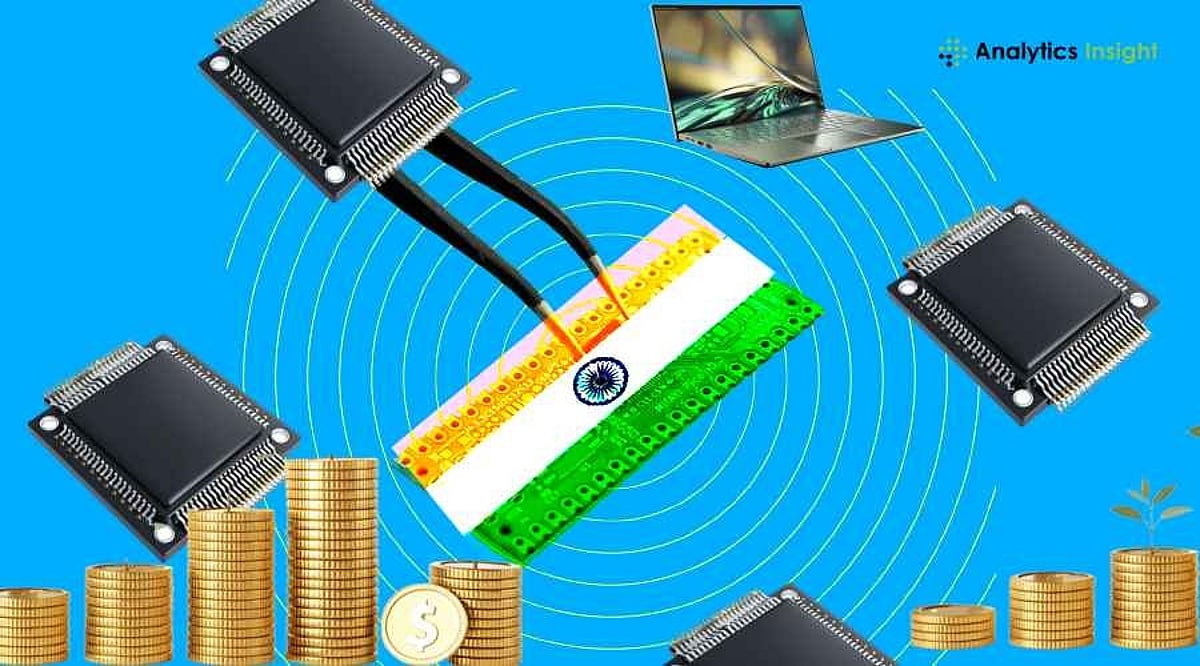
    India expects around 200 chip design companies to emerge under its Semicon 2.0 programme as the government expands support for semiconductor design, manufacturing and research. Union Electronics and Information Technology Minister Ashwini Vaishnaw said the new companies could strengthen India’s domestic chip design base. The government is building on the first phase of the India Semiconductor Mission, which supports startups with design tools, funding and technical resources.

    Semicon 2.0 Targets Growth in India’s Chip Design Sector

    Vaishnaw said India’s existing strength in information technology and global capability centres is now extending into semiconductor design. “We estimate at least 200 chip design companies emerging under Semicon 2.0,” he said during a fireside chat.

    Under the first phase of the India Semiconductor Mission, the government focused on reducing the high cost of Electronic Design Automation tools. More than 105 chip design startups received access to advanced EDA tools, which companies use to develop, test and verify semiconductor designs.

    The government said 20 of these startups also secured venture capital funding. The funding has helped some firms move beyond early product development and work towards commercial applications. Semiconductor startups are also developing chips for use in different products.

    India has also expanded training for semiconductor professionals. Around 70,000 chip-design engineers have received training over the past four years, against a target of 85,000. The government expects this workforce to support chip design, research, manufacturing and related activities.

    Semiconductor Plants Begin Commercial Production

    India is also increasing domestic semiconductor manufacturing capacity. According to Vaishnaw, five of the 12 semiconductor plants approved under the first phase of the India Semiconductor Mission have started commercial production.

    The government is now focusing on applied research and development inside manufacturing plants. Vaishnaw said this work should improve product quality and manufacturing processes. The electronics manufacturing sector has also helped Indian micro, small and medium enterprises build precision manufacturing skills used across electronics, aerospace, defence and semiconductor production.

    The government is also working with companies on local production of critical semiconductor equipment and materials. Vaishnaw said Indian companies and overseas partners have started discussions and signed agreements related to machinery and key materials.

    He added that semiconductor production facilities will use water recycling systems to reduce fresh water use. The government is also encouraging data centres and manufacturing facilities to use closed-loop cooling systems where possible.

    Global Partners Explore Semiconductor Opportunities in India

    SEMICON India 2026 brought companies and government representatives from several major semiconductor markets together to discuss investment and supply-chain cooperation. Participants included companies from the United States, Japan, Singapore, South Korea, the Netherlands and Finland.

    “The country roundtables are basically showing that companies from those countries can expand their work here,” Vaishnaw said. He added that overseas governments were supporting companies that were exploring opportunities in India.

    The India-Singapore Country Roundtable attracted 142 participants and discussed manufacturing, advanced packaging and supply-chain management. The India-Europe session had 139 participants and covered investment, equipment, materials, manufacturing, chip design, research and talent development.

    Meanwhile, the India-South Korea Country Roundtable brought together 115 participants. Discussions covered semiconductor manufacturing, materials, advanced packaging, technology, investment and supply chains.

    Foreign Secretary Vikram Misri said resilient semiconductor supply chains require trusted international partnerships. He identified reliability, credibility, incentives and value creation as key areas for cooperation while calling for a balance between domestic capabilities and international partnerships.

    India’s Semicon 2.0 programme will now focus on expanding chip design, manufacturing, research, equipment production and skilled talent while bringing more domestic and international companies into the semiconductor ecosystem.

  • Today’s Top Tech Roundup: Gemini AI Voice Tests, India’s Semiconductor Mission, Meta AI Safety, and More

    Today’s Top Tech Roundup: Gemini AI Voice Tests, India’s Semiconductor Mission, Meta AI Safety, and More

    Stay ahead with the latest tech developments making headlines today. From Google’s Gemini AI voice experiments to India’s ambitious semiconductor push, here is your quick roundup of top tech news.

    Google Tests Custom Gemini Voices

    Google is reportedly testing custom voice options for its Gemini AI assistant, giving users more personalized interactions. The move signals growing competition in the AI voice assistant space as companies race to differentiate through natural language capabilities.

    India Launches Semiconductor Mission 2.0

    India approved a massive ₹1.27 lakh crore investment under Semiconductor Mission 2.0 to build a self-reliant global semiconductor ecosystem. The initiative aims to boost domestic chip manufacturing, reduce import reliance, and foster innovation in chip design and fabrication.

    Meta Adds AI Safety Alerts

    Meta is rolling out new AI safety alerts across its platforms, aiming to protect users from potential harms such as misinformation, hate speech, and malicious AI-generated content. The step aligns with broader industry efforts to implement responsible AI guardrails.

    IT Hiring Rebounds

    After a period of slowdown, IT hiring is showing signs of recovery. Companies are increasingly recruiting for roles in artificial intelligence, data science, and cybersecurity, driven by demand for digital transformation and emerging technologies.

    Microsoft Expands Beyond OpenAI

    While continuing its partnership with OpenAI, Microsoft is actively exploring other AI partnerships and internal projects. This diversification strategy aims to reduce dependency on a single vendor and accelerate AI integration across its product suite.

    These stories underscore the rapid pace of change in technology. For deeper insights, explore related coverage on India’s Semicon 2.0 and other breaking tech news.

  • India’s Semicon 2.0 Program to Take Equity Stakes in Chip Startups, Shifting from Grants to Venture-Style Funding

    India’s Semicon 2.0 Program to Take Equity Stakes in Chip Startups, Shifting from Grants to Venture-Style Funding

    The Indian government is preparing to take equity stakes in semiconductor startups under the newly approved Semicon 2.0 program, signaling a major shift in how it supports the country’s chip industry. Instead of relying primarily on one-time grants, the Centre plans to co-invest alongside venture capital (VC) firms, providing funding to promising startups while allowing founders to retain operational control. The move aims to strengthen India’s semiconductor design ecosystem and attract greater private investment into one of the country’s most strategic sectors.

    The policy is part of the broader India Semiconductor Mission (ISM) 2.0, which received Cabinet approval earlier this week with an outlay of Rs. 1.27 lakh crore to expand domestic semiconductor manufacturing, chip design, packaging, research, and supply-chain capabilities.

    From Grants to Venture-Style Funding

    Under the new scheme, eligible semiconductor startups that obtain funding from private venture capital firms would also receive matching investment from the government on an equity basis. Unlike conventional government funding schemes, the government will not seek board representation or management control in these startups.

    The Centre also plans to exit its investments as the companies mature or obtain additional funding, recycling the capital into other semiconductor firms. More mature and larger companies would be supported through royalty payments.

    Semicon 2.0 Expands Beyond Chip Manufacturing

    Semicon 2.0 emphasizes developing every link in the semiconductor value chain, including design, packaging, materials, equipment manufacturing, research, and skilled labor. The Indian government anticipates this will build a robust ecosystem at home, reduce reliance on foreign technology, and position India as a competitive player in the global semiconductor market.

    Speaking at a media interaction on Wednesday, India Semiconductor Mission (ISM) CEO Amitesh Kumar Sinha said, The government will also match the amount brought in by investors. The Centre would invest on the same commercial terms and hold the same class of equity as private investors. He added, We don’t want to interfere in their day-to-day working, clarifying that the government would remain a financial investor without board representation. Detailed operational guidelines will be issued separately.

    Sinha also noted, When the revenue starts flowing, we’ll take back 1.5 times the amount the government has given.

    A Confidence Boost for India’s Startup Ecosystem

    This move reflects an understanding that semiconductor R&D requires patient, long-term investment. Semiconductor companies often take years to become profitable as they develop innovative products. By having the government share risks with VC funds, the program is expected to increase private financing for young enterprises and provide more stable financial conditions during the startup stage. It may also encourage more entrepreneurs to pursue semiconductor development, leveraging India’s large engineering workforce.

    Bigger Than Startup Funding

    Beyond funding individual firms, the policy signals a fundamental shift in India’s industry approach. Rather than simply offering incentives, the Indian government is positioning itself as a long-term ecosystem builder by making equity investments that foster innovation and recycle public money back into the economy.

    If the strategy succeeds, it could create a steady pipeline of domestic semiconductor firms capable of supplying products for industries such as artificial intelligence, electric vehicles, telecommunications, and defense. At a time when global competition for stable chip supplies is intensifying, India is aiming to become not just a manufacturing hub but also an innovation center.

  • India Unveils Rs 1.27 Lakh Crore Semicon 2.0 Program to Build Global Chip Ecosystem

    The Union Cabinet has approved Semicon 2.0, a massive Rs 1.27 lakh crore program aimed at transforming India into a global hub for semiconductor design and production. This marks the country’s largest investment yet in chip manufacturing.

    Unlike the initial phase of the India Semiconductor Mission, which focused primarily on fabrication and packaging, Semicon 2.0 expands support across the entire value chain. The program is built around six pillars: chip design, semiconductor equipment and materials, fabrication plants, packaging and testing, research and development, and talent creation.

    It also introduces incentives for companies producing critical inputs such as specialty chemicals, gases, and manufacturing equipment. The government expects international firms to manufacture chips in India while boosting domestic capabilities amid surging demand from artificial intelligence, electric vehicles, smartphones, electronics, telecommunications, and defense sectors.

    This initiative follows the successes of Semicon 1.0, which secured several chip manufacturing and packaging projects in India. Industry experts believe Semicon 2.0 will ensure supply chain resilience, create skilled jobs, and attract increased investments. As global competition for reliable chip supplies intensifies, the program anchors India’s long-term ambition to become a dominant force in the semiconductor industry.

  • Daily Tech Roundup: India’s Semicon 2.0 Launch, CurifyLabs Funding, and Bitcoin Strategy Shift

    Daily Tech Roundup: India’s Semicon 2.0 Launch, CurifyLabs Funding, and Bitcoin Strategy Shift

    Greetings from the Digital World! Welcome to today’s quick tech roundup. From AI and startups to crypto, careers and digital innovation, here’s what made headlines today.

    What’s New Today

    India has launched Semicon 2.0 to boost its semiconductor industry, while Finnish health tech startup CurifyLabs secured funding to expand its personalized medicines platform. In cryptocurrency news, Grayscale claims that Bitcoin sales by Strategy could make its financial model more credible. Meanwhile, the IT skills shortage continues to challenge new graduates, and experts warn about JADEPUFFER AI agents capable of executing cyber attacks autonomously.

    Quick Insights

    • India’s Semicon 2.0 targets chip manufacturing, design, research, raw materials, equipment, and talent development.
    • CurifyLabs raised $14 million to expand its personalized medicine technology.
    • Grayscale believes Strategy’s Bitcoin sales could strengthen investor confidence.
    • Employers say many tech graduates still lack industry-ready skills despite high demand.
    • Researchers warn that JADEPUFFER AI can autonomously breach systems and deploy ransomware.

    A Quick Rundown

    India Launches Semicon 2.0 to Expand Chip Ecosystem Support

    India has launched Semicon 2.0, broadening its chip ambitions beyond manufacturing to include design, research, raw materials, equipment, and workforce development. The initiative aims to attract international investment and reduce reliance on foreign chips.

    CurifyLabs Raises $14 Million Series A

    CurifyLabs, a Finland-based healthcare technology firm specializing in personalized medicines, closed a $14 million Series A round. The funding will support international expansion, supply chain development, and research, enabling hospitals and pharmacies to produce customized medications.

    Grayscale Backs Strategy’s Bitcoin Sales

    Grayscale has expressed support for Strategy’s recent Bitcoin sales, stating that generating liquidity through cash could make the company’s funding process more sustainable and enhance investor confidence in its financial model.

    The IT Job Market Faces a Growing Skills Gap

    Fresh graduates are finding it harder to land tech jobs. Despite high demand, employers report that many candidates lack practical, industry-ready skills. The disconnect between academic learning and workplace expectations leaves many graduates underemployed while companies continue searching for qualified talent.

    JADEPUFFER AI Can Hack Systems Without Human Help

    Scientists have demonstrated that the experimental AI bot JADEPUFFER can execute cyber attacks with minimal human intervention. The research highlights the emerging threat of autonomous AI systems capable of identifying vulnerabilities, moving across networks, and deploying ransomware.