
Tag: smart lighting

  • 5 DIY Smart Home Projects You Can Build with a Raspberry Pi

    5 DIY Smart Home Projects You Can Build with a Raspberry Pi

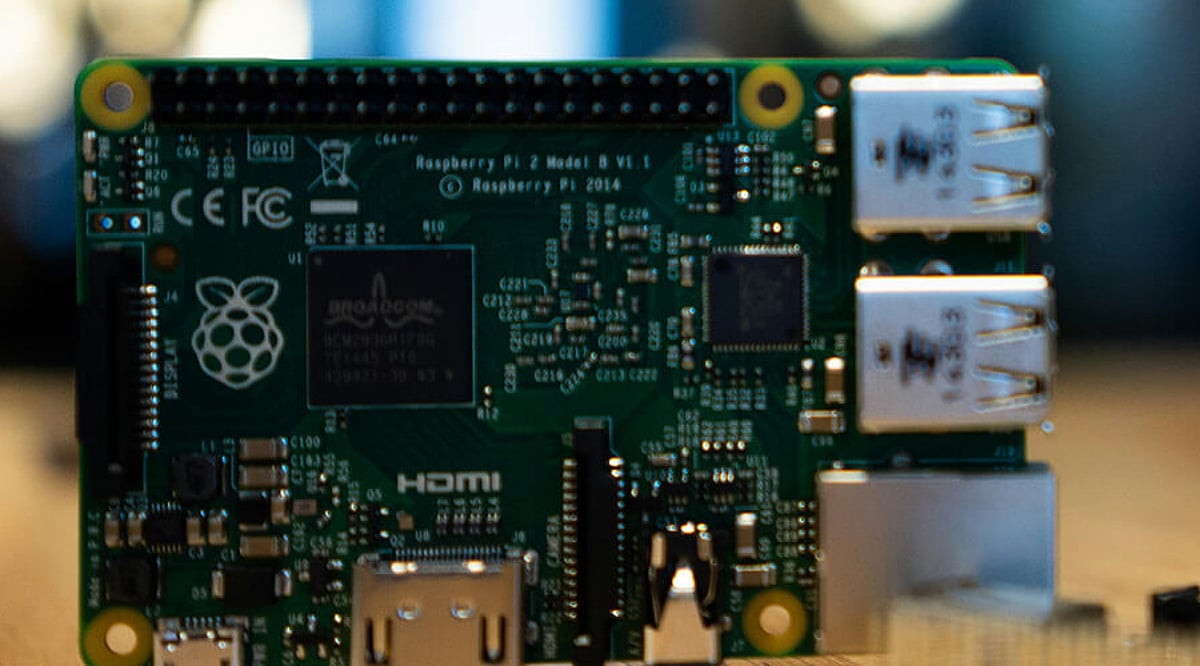
    Raspberry Pi is a compact, affordable computer that can serve as the brain for a wide range of home automation projects. By connecting sensors, switches, cameras, and other devices, you can build systems that monitor conditions and trigger actions automatically. These projects not only make your home smarter but also offer a hands-on way to learn about programming, networking, and the Internet of Things (IoT). Best of all, most can be expanded as you add more devices.

    1. Automated Smart Lighting

    With a Raspberry Pi, you can control lights based on schedules, motion sensors, or voice commands. Motion sensors can turn lights on when someone enters a room, while timers can switch them off automatically. Using appropriate hardware and software, you can create different lighting routines for various rooms. This project provides a practical introduction to automated device control.

    2. Smart Temperature Monitoring

    Connect temperature and humidity sensors to your Raspberry Pi to build a home environment monitoring system. The device can collect readings at regular intervals and display them on a local dashboard. You can also configure alerts when temperatures cross selected thresholds. This project is ideal for monitoring rooms, storage areas, or any space where environmental conditions need regular observation.

    3. DIY Home Security System

    Pair a Raspberry Pi with cameras and motion sensors to create a basic home monitoring system. The setup can capture images or video when movement is detected and store recordings for later review. You can also add notifications to alert you of activity. Remember to implement proper network security and access controls when connecting cameras to the internet.

    4. Smart Doorbell and Alerts

    Build a customized smart doorbell using a button, camera, and speaker connected to a Raspberry Pi. When someone presses the button, the system can capture an image and send an alert to your phone or another device. With the right hardware and software, you can add two-way communication, motion detection, or automated responses to create a more capable setup.

    5. Voice-Controlled Home Devices

    With suitable software and microphones, a Raspberry Pi can become part of a voice-controlled home automation system. You can issue commands to control lights, switches, or other connected devices. This project demonstrates how voice interfaces interact with IoT hardware. Be mindful of privacy settings, especially when using microphones or cloud-based services.

    Bonus: Create a Custom Automation Hub
    Bring multiple projects together by using your Raspberry Pi as a central dashboard or automation platform. Connect sensors, lights, cameras, and switches, then create rules that link different devices. For example, motion detection could trigger lighting automatically. Building a central hub lets you experiment with increasingly complex smart-home routines while retaining full control over your setup.

  • Colorful Table Lamps: Transform Your Walls with Vibrant Light

    Colorful Table Lamps: Transform Your Walls with Vibrant Light

    Colorful Table Lamps: A Simple Way to Change Your Room’s Mood

    Colorful table lamps can instantly change a room’s mood by casting vibrant shades across nearby walls. From soft blue and warm orange to bold pink and purple, these lamps add character without major decor changes. They work especially well in bedrooms, living rooms, gaming spaces, and creative corners.

    RGB Table Lamps: Full Spectrum Control

    RGB table lamps offer a wider range of colors for people who want more control over their room’s look. Users can switch between bright colors, soft tones, and flowing color effects. Some models also allow different lighting zones, helping create layered visuals that make plain walls look more dynamic.

    Smart Table Lamps: Convenience at Your Fingertips

    Smart table lamps bring lighting controls directly to your phone or smart home setup. Users can adjust brightness, change colors, create schedules, and switch between preset scenes. This makes them useful for different moments, whether you want calm lighting for reading, colorful effects for entertainment, or brighter illumination for everyday tasks.

    Ambient Lighting: Soft and Comfortable Atmosphere

    Ambient lighting helps create a softer and more comfortable atmosphere without making the room overly bright. A table lamp placed near a wall can spread gentle color across the surface, adding depth to the space. Warm shades can create a relaxed setting, while cooler colors can give the room a modern appearance.

    Gaming Room Lighting: Immersive and Energetic

    Table lamps with colorful lighting can also enhance gaming setups by adding color behind monitors and desks. RGB effects can complement the colors on a screen while creating a more immersive environment. Players can choose steady colors or changing patterns to give their gaming corner a more personalized and energetic look.

    Music-Synced Light Effects: Light That Moves with the Beat

    Some colorful lamps can react to music, allowing light patterns to change with the beat. This feature can turn a simple table lamp into part of an entertainment setup. Music-synced effects are especially useful during parties, movie nights, or gaming sessions when static lighting may feel less engaging.

    Decorative Wall Glow: Highlighting Textures and Art

    A table lamp does not always need to illuminate an entire room to make an impact. Placing one close to a wall can create a decorative glow that highlights textures, artwork, shelves, or furniture. With the right color and position, even a simple lamp can become an eye-catching part of the room’s decor.

  • Philips Hue Play Screen Sync: How Camera-Based AI Eliminates the Need for HDMI in TV Lighting

    Philips Hue Play Screen Sync: How Camera-Based AI Eliminates the Need for HDMI in TV Lighting

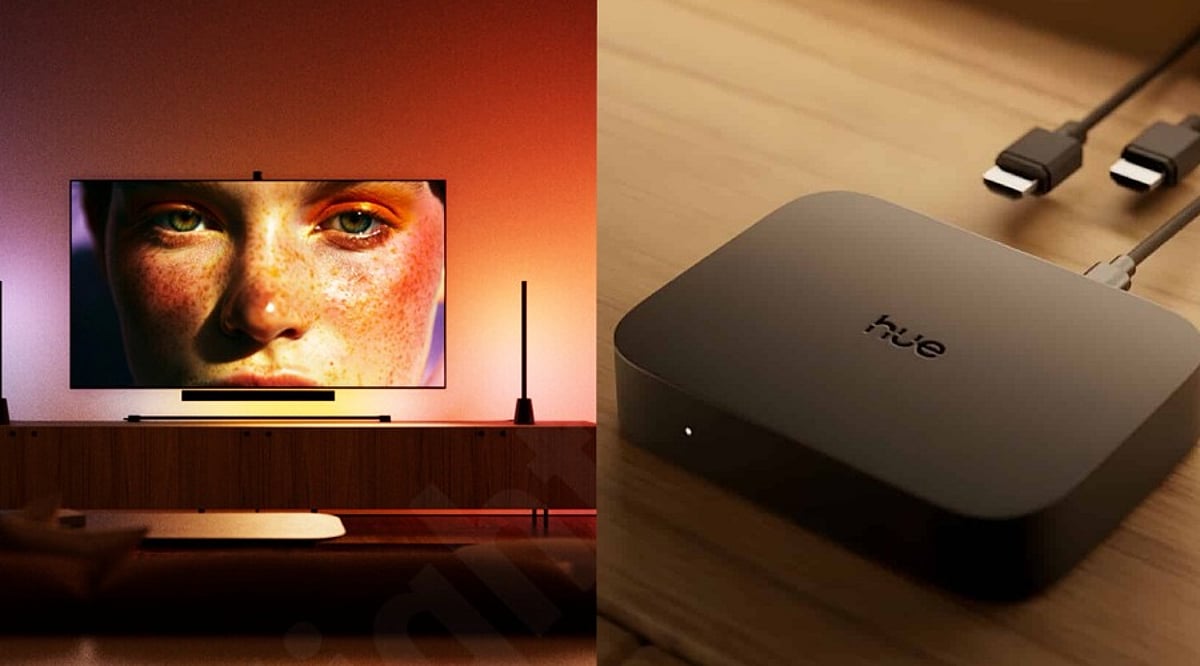
    Philips Hue has introduced the Play Screen Sync, a camera-based device that synchronizes smart lighting with TV content without requiring an HDMI connection. By using a fisheye lens and real-time image analysis, the system reads the screen directly, allowing it to work with virtually any video source — including built-in streaming apps, broadcast TV, games, and external HDMI devices.

    How the Camera Replaces HDMI

    Traditional HDMI sync boxes can only process video that passes through their input, which means they cannot detect content from smart TV apps or built-in tuners. The Play Screen Sync overcomes this limitation by placing a small camera near the TV that captures the entire display. After automatic calibration, the system continuously analyzes the picture and sends matching color data to compatible Hue lights placed around the television.

    AI’s Role in the System

    It’s important to note that the Play Screen Sync relies primarily on camera vision, calibration, and image analysis rather than artificial intelligence. Philips Hue offers a separate AI feature called Custom AI Behaviors, which allows Bridge Pro users to describe lighting routines in natural language. That feature handles smart-home automation, while Screen Sync focuses solely on matching TV content with light colors.

    Simplified Setup and Cost Benefits

    A single Hue Play gradient TV strip can connect to the Play Screen Sync over Bluetooth without needing a Hue Bridge, lowering the entry barrier. The same option is available with the new Play HDMI Sync Box 4K, which costs $149.99 and supports 4K at 60Hz. The Play Screen Sync itself is priced at $119.99. A full system can support up to 10 lights for a surround effect.

    Trade-Offs: Camera vs. HDMI Sync

    While the camera method offers broader source compatibility, HDMI sync boxes can provide lower latency because they receive the digital video signal before it reaches the screen. The camera must capture the image, process it, and then control the lights — a process that can introduce a slight delay and is more sensitive to screen reflections and camera placement. For fast-paced gaming, HDMI sync may be preferable; for films, shows, and TV apps, the camera’s versatility is a clear advantage.

    Wider Ecosystem Updates

    The launch of Play Screen Sync is part of a larger Hue refresh that includes new cuttable Play gradient strips, cloud backup, Sonos control via Hue switches, and support for Nanoleaf Shapes through a new Hue Wall Light Module. This shift marks a move away from relying solely on HDMI hardware for screen-based lighting effects, making the system more accessible for households that primarily use smart TV apps.

    Key Takeaways

    • Camera-based syncing reads the TV display directly, working with almost any video source.
    • More flexible setups: built-in streaming apps and broadcast TV can trigger Hue lighting without an HDMI sync box.
    • HDMI syncing offers lower latency; camera-based syncing provides broader compatibility.
  • Essential Smart Home Categories to Prioritize on Prime Day

    Essential Smart Home Categories to Prioritize on Prime Day

    Prime Day is the perfect opportunity to upgrade your home with the latest smart technology. From voice assistants to automated cleaning, here are the top smart home categories worth exploring during the sales event.

    Smart Speakers

    Voice assistants simplify everyday tasks by controlling connected devices, playing music, answering questions, and managing schedules with simple voice commands.

    Smart Displays

    Interactive screens combine entertainment, video calling, smart home controls, and digital assistants for a connected and convenient household experience daily.

    Smart Lighting

    Wi-Fi-enabled bulbs and light strips offer customizable brightness, colors, schedules, and energy savings through smartphone apps or voice assistants effortlessly.

    Smart Security Cameras

    Indoor and outdoor cameras provide live monitoring, motion detection, cloud storage, and instant alerts to enhance home security around-the-clock.

    Video Doorbells

    See, hear, and communicate with visitors remotely while receiving motion notifications, ensuring better security and convenience wherever you are.

    Robot Vacuums

    Automated cleaners intelligently navigate floors, remove dust, and reduce daily household chores while integrating seamlessly with smart home ecosystems.

    Smart Thermostats

    Intelligent temperature control learns your preferences, improves comfort, reduces energy consumption, and helps lower electricity bills throughout every season.

    Smart Plugs

    Convert ordinary appliances into connected devices with scheduling, remote operation, and voice control without replacing existing household electronics.

    Smart Kitchen Appliances

    Connected coffee makers, air fryers, and ovens simplify meal preparation through app-based controls, automation, and personalized cooking settings.

  • Must-Have Smart Home Devices for 2026: Upgrade Your Lifestyle with AI and Automation

    Must-Have Smart Home Devices for 2026: Upgrade Your Lifestyle with AI and Automation

    As we look ahead to 2026, the smart home ecosystem is becoming more integrated, intuitive, and energy-efficient than ever. Whether you’re a tech enthusiast or simply looking to simplify daily routines, these devices are worth the investment for a smarter, more connected lifestyle.

    AI-Powered Smart Speakers

    Smart speakers continue to evolve as the central hub of the connected home. With enhanced AI assistants, they now offer better voice recognition, multi-room audio, and seamless control over other smart devices. They are the cornerstone of any modern smart home setup.

    Advanced Security Cameras

    Modern security cameras go beyond simple recording. In 2026, models feature advanced object detection—distinguishing between people, animals, and vehicles—and send real-time alerts directly to your phone. This adds a new layer of safety and convenience.

    Video Doorbells

    Video doorbells have become essential for monitoring deliveries and visitors when you’re not home. Many now include package detection, two-way audio, and cloud storage, ensuring you never miss a moment at your doorstep.

    Smart Thermostats

    Energy savings and comfort go hand in hand with smart thermostats. These devices learn your schedule and preferences, automatically adjusting temperature settings to reduce energy consumption without sacrificing comfort.

    Connected Lighting Systems

    Smart lighting offers voice control, scheduling, and customizable scenes to match your mood or activity. From dimming lights for movie night to simulating occupancy while away, these systems add both convenience and ambiance.

    Robot Vacuum Cleaners

    Robot vacuums have become remarkably efficient thanks to AI navigation. They map your home, avoid obstacles, and clean thoroughly with minimal human intervention. Many models also include mopping functionality for complete floor care.

    Smart Locks

    Forget physical keys—smart locks provide app-based access, temporary digital keys for guests, and integration with other security systems. They enhance home security and offer peace of mind whether you’re inside or away.

    Smart Plugs

    Smart plugs are an affordable way to automate any appliance. Use them to schedule coffee makers, control lamps remotely, or monitor electricity usage—all from your smartphone. They are a simple entry point into home automation.

    Matter-Compatible Devices

    The Matter standard continues to unify the smart home landscape, making devices from different brands work together seamlessly. Investing in Matter-compatible products ensures future-proof interoperability and a smoother user experience.

    These smart home devices not only add convenience but also improve energy efficiency, security, and overall quality of life. As technology advances, the home of 2026 is smarter, safer, and more responsive to your needs.