
Tag: smart ring

  • Garmin Cirqa Smart Ring Clears Regulatory Hurdles: 10 Model Variants Spotted in Filings

    Garmin Cirqa Smart Ring Clears Regulatory Hurdles: 10 Model Variants Spotted in Filings

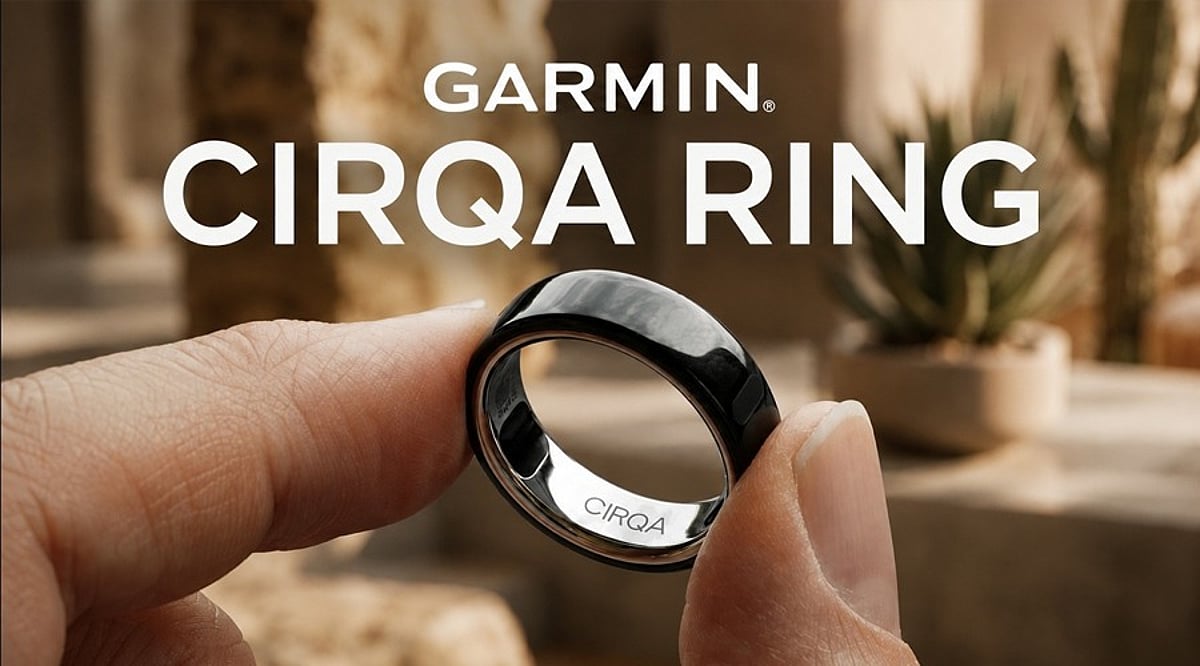
    Garmin appears to be moving closer to launching its first smart ring, with regulatory filings in Brazil and China revealing 10 model variants that may belong to the upcoming Cirqa Smart Ring lineup. While the company has not officially confirmed the product, the filings suggest a possible launch in late 2026 or at CES 2027, with an estimated price between $199 and $249.

    10 Model Variants Filed in Brazil

    Brazil’s National Telecommunications Agency (ANATEL) has certified 10 Garmin models under the same homologation on the same day. The model numbers are A05124, B05124, C05124, D05124, E05124, F05124, G05124, H05124, I05124, and AA5124. While the certification does not explicitly label these as smart rings, earlier regulatory records link the model family to the Cirqa name, leading analysts to believe these represent different ring sizes.

    Chinese Certification Adds to Evidence

    Four of the same models—C05124, E05124, G05124, and H05124—were also certified in China on September 1, 2026, with Garmin’s Taiwanese business registering them as Bluetooth devices. The filings offer few technical details and do not confirm sensors, battery, charging method, or health tracking features. Given the compact form factor of smart rings, Garmin would need to adapt its existing health-tracking technology to fit a smaller device.

    Pricing and Launch Window Speculation

    Previous reports estimate the Garmin Cirqa Smart Ring could cost between $199 and $249. However, official pricing remains unconfirmed, and it is not yet known whether all 10 models will reach the market as consumer versions. The recent certifications could support a launch in October or early November 2026, or alternatively at CES 2027 in Las Vegas. Regulatory approval often precedes product launches by months, so no timeline is definitive.

    Garmin already sells the Cirqa screen-free wrist tracker, introduced earlier in 2026, which gives the company a presence in the screen-free wearable category. A Cirqa smart ring would extend that product name into a smaller format, though Garmin has yet to confirm such a device.
  • Smart Ring, Fitness Tracker, or Smartwatch: Picking the Ideal Wearable for 2026

    Smart Ring, Fitness Tracker, or Smartwatch: Picking the Ideal Wearable for 2026

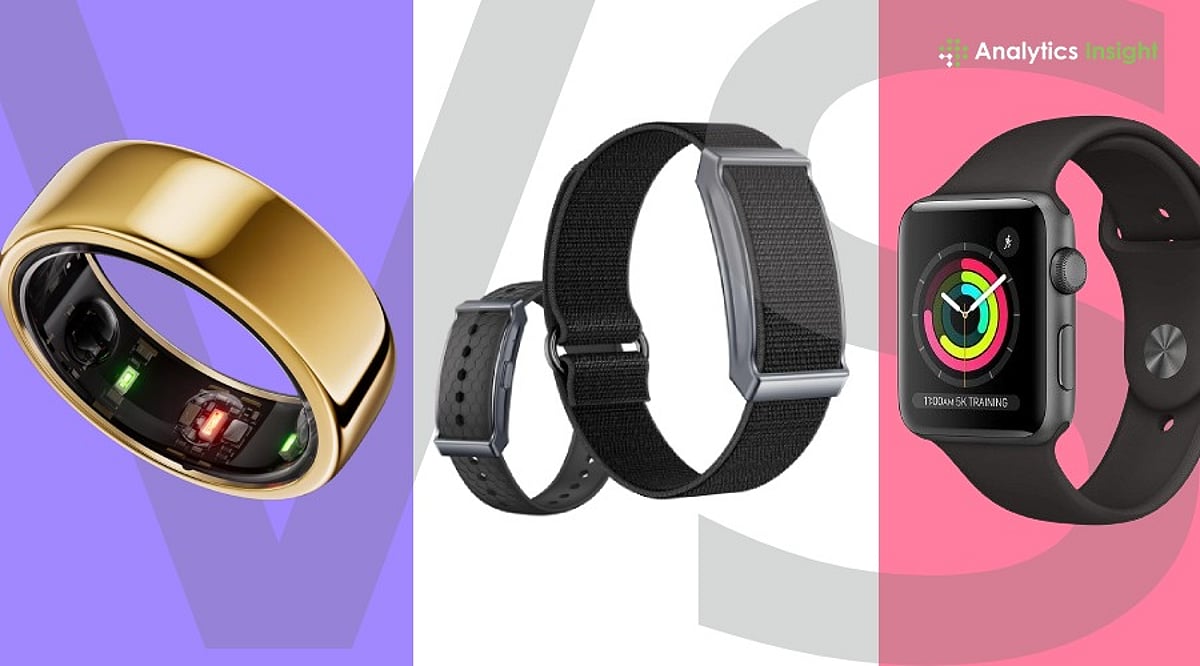
    Smart wearables have moved beyond basic step counting and heart rate monitoring. In 2026, smart rings, fitness trackers, and smartwatches each cater to distinct lifestyles. This article breaks down their features, battery life, pricing, and best use cases to help you choose the right companion for health, fitness, and productivity.

    Comparing Wearable Categories

    Each wearable type offers unique advantages:

    • Smart Rings – Discreet, always-on health tracking. Lightweight and minimalist, ideal for sleep, heart rate variability, and stress monitoring. No screen distractions, battery lasts 4–7 days.
    • Fitness Trackers – Focus on performance metrics like calories burned, VO₂ max, recovery scores, and GPS tracking. Lightweight, water-resistant, battery 5–10 days. Affordable entry point for athletes.
    • Smartwatches – All-rounders combining health features (ECG, SpO₂, fall detection) with productivity tools (notifications, apps, payments). Battery 1–3 days (premium models up to 5). Higher cost.

    Battery Life Comparison

    Battery life varies by device and usage:

    • Smart Rings: 4–7 days
    • Fitness Trackers: 5–10 days (GPS usage reduces)
    • Smartwatches: 1–3 days; some optimized models reach 5 days

    Best Use Cases

    • Smart Ring: Perfect for discreet health monitoring and sleep optimization.
    • Fitness Tracker: Best for athletes prioritizing fitness-first features.
    • Smartwatch: Ideal for professionals who want productivity, fitness, and connectivity in one device.

    Price Ranges in 2026 (Rs.)

    • Smart Rings: 15,000–25,000
    • Fitness Trackers: 5,000–12,000
    • Smartwatches: 20,000–60,000

    Final Thoughts

    The wearables market is booming, and selecting the right device depends on personal priorities. If minimalism and health focus are key, choose a smart ring. For workout performance, a fitness tracker offers great value. For an all-in-one experience, a smartwatch is the way to go. Map your needs to the device that best supports your lifestyle.

    Frequently Asked Questions

    1. Which smart wearable is best for health monitoring in 2026?

    Smart rings excel for continuous health tracking (sleep, HRV, stress) without a screen. For richer insights plus productivity, a smartwatch is a strong alternative.

    2. Are fitness trackers better than smartwatches for workouts?

    Yes, fitness trackers are more focused on exercise metrics (calories, VO₂ max, GPS) and offer longer battery life at a lower price, making them ideal for dedicated athletes.

    3. How long do smart wearable batteries last?

    Smart rings: 4–7 days; Fitness trackers: 5–10 days; Smartwatches: 1–3 days (some premium models up to 5 days).

    4. What is the difference between a smart ring, fitness tracker, and smartwatch?

    A smart ring is for discreet health tracking; a fitness tracker focuses on activity metrics; a smartwatch combines health, communication, apps, and payments.

    5. Which wearable offers the best value for money in 2026?

    Fitness trackers are most affordable with strong fitness features. Smart rings suit wellness minimalists. Smartwatches provide the most comprehensive experience for health, productivity, and connectivity.

  • Apple Readies ‘iRing’ Smart Wearable to Challenge Samsung and Oura in Health Tracking

    Apple Readies ‘iRing’ Smart Wearable to Challenge Samsung and Oura in Health Tracking

    Apple is reportedly developing the iRing, a smart wearable designed to compete directly with the Samsung Galaxy Ring and Oura Ring. The device could expand Apple’s health ecosystem by bringing advanced tracking features and deeper integration across its portfolio of connected devices.

    The iRing appears to be in early development, and few details are available about its capabilities or launch timeline. Tipster Kosutami (@Kosutami_Ito) recently posted on X: “iRing thing under development. What a surprise.” The leak offers no further specifics but signals Apple’s intent to enter the rapidly growing smart ring market.

    How iRing Could Compete With Samsung Galaxy Ring and Oura

    The iRing is expected to rival Samsung’s Galaxy Ring, which launched in 2024 at Rs. 38,999 and offers health and fitness monitoring, sleep scoring, snoring analysis, and IP68 dust and water resistance in sizes 5 through 13. Samsung is rumored to release the Galaxy Ring 2 in early 2027 with improved battery life (up to 10 days) and sensor accuracy.

    Oura’s lineup, including the Oura Ring 4 and Oura Ring 5, also sets a high bar. The Oura Ring 5 boasts a lighter body, better accuracy, and up to 9 days of battery life.

    What Apple’s Wearable Expansion Means for Consumers

    Apple often takes a measured approach, analyzing market trends before entering new categories. The iRing would follow that pattern, similar to the company’s late but successful entry into foldable phones. If launched, the iRing could give consumers another health and fitness tracking option within the Apple ecosystem, intensifying competition and potentially accelerating innovation in the wearable sector.

    For now, the iRing remains unconfirmed, but the rumor underscores Apple’s ongoing interest in health-tech wearables.