
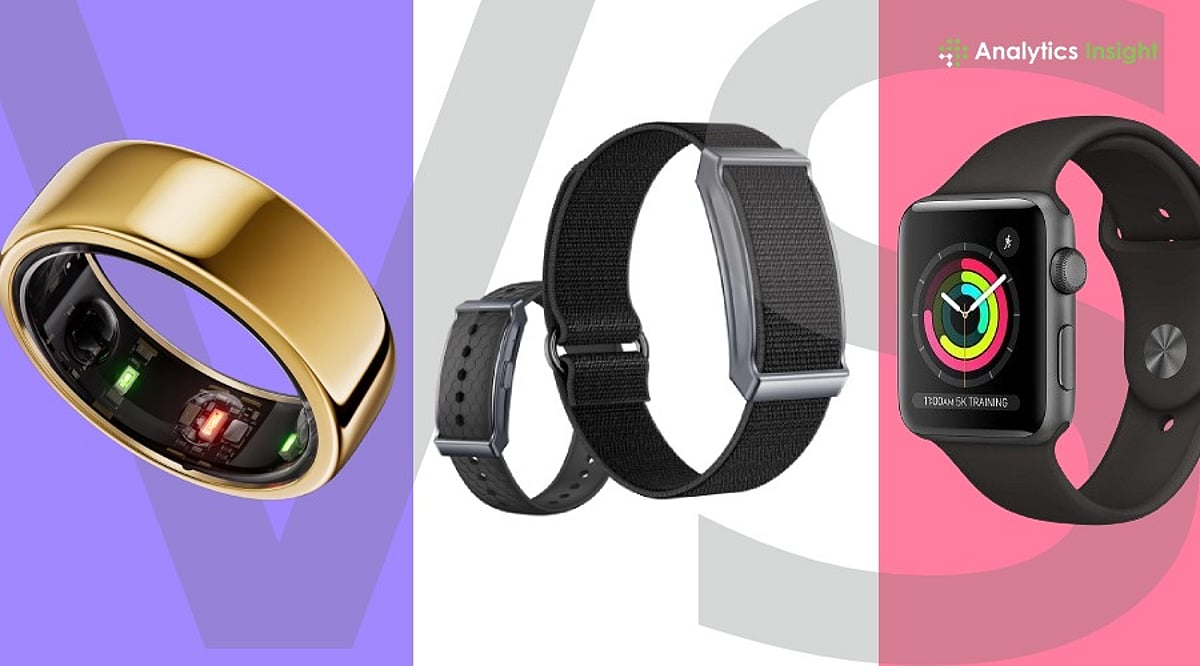
Smart wearables have moved beyond basic step counting and heart rate monitoring. In 2026, smart rings, fitness trackers, and smartwatches each cater to distinct lifestyles. This article breaks down their features, battery life, pricing, and best use cases to help you choose the right companion for health, fitness, and productivity.
Comparing Wearable Categories
Each wearable type offers unique advantages:
- Smart Rings – Discreet, always-on health tracking. Lightweight and minimalist, ideal for sleep, heart rate variability, and stress monitoring. No screen distractions, battery lasts 4–7 days.
- Fitness Trackers – Focus on performance metrics like calories burned, VO₂ max, recovery scores, and GPS tracking. Lightweight, water-resistant, battery 5–10 days. Affordable entry point for athletes.
- Smartwatches – All-rounders combining health features (ECG, SpO₂, fall detection) with productivity tools (notifications, apps, payments). Battery 1–3 days (premium models up to 5). Higher cost.
Battery Life Comparison
Battery life varies by device and usage:
- Smart Rings: 4–7 days
- Fitness Trackers: 5–10 days (GPS usage reduces)
- Smartwatches: 1–3 days; some optimized models reach 5 days
Best Use Cases
- Smart Ring: Perfect for discreet health monitoring and sleep optimization.
- Fitness Tracker: Best for athletes prioritizing fitness-first features.
- Smartwatch: Ideal for professionals who want productivity, fitness, and connectivity in one device.
Price Ranges in 2026 (Rs.)
- Smart Rings: 15,000–25,000
- Fitness Trackers: 5,000–12,000
- Smartwatches: 20,000–60,000
Final Thoughts
The wearables market is booming, and selecting the right device depends on personal priorities. If minimalism and health focus are key, choose a smart ring. For workout performance, a fitness tracker offers great value. For an all-in-one experience, a smartwatch is the way to go. Map your needs to the device that best supports your lifestyle.
Frequently Asked Questions
1. Which smart wearable is best for health monitoring in 2026?
Smart rings excel for continuous health tracking (sleep, HRV, stress) without a screen. For richer insights plus productivity, a smartwatch is a strong alternative.
2. Are fitness trackers better than smartwatches for workouts?
Yes, fitness trackers are more focused on exercise metrics (calories, VO₂ max, GPS) and offer longer battery life at a lower price, making them ideal for dedicated athletes.
3. How long do smart wearable batteries last?
Smart rings: 4–7 days; Fitness trackers: 5–10 days; Smartwatches: 1–3 days (some premium models up to 5 days).
4. What is the difference between a smart ring, fitness tracker, and smartwatch?
A smart ring is for discreet health tracking; a fitness tracker focuses on activity metrics; a smartwatch combines health, communication, apps, and payments.
5. Which wearable offers the best value for money in 2026?
Fitness trackers are most affordable with strong fitness features. Smart rings suit wellness minimalists. Smartwatches provide the most comprehensive experience for health, productivity, and connectivity.
Leave a Reply