Tag: Smartphone

  • Tecno Camon 50 Ultra Review: A Camera-Focused Mid-Range Smartphone with Impressive Battery Life

    Tecno Camon 50 Ultra Review: A Camera-Focused Mid-Range Smartphone with Impressive Battery Life

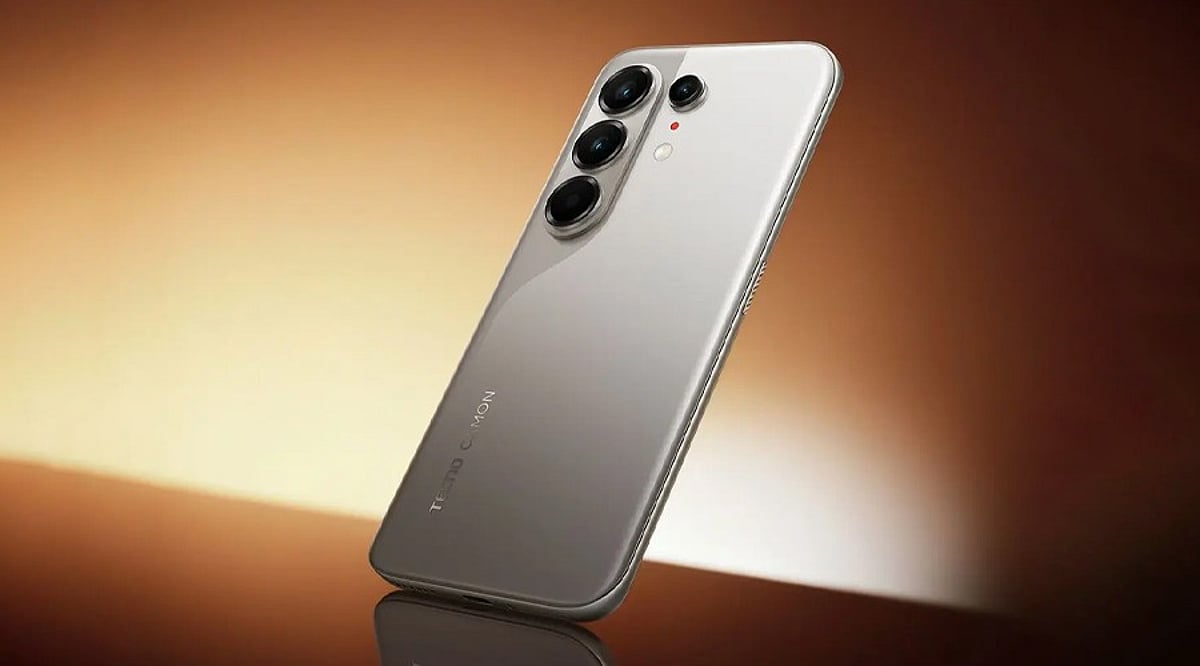
    The Tecno Camon 50 Ultra is a smartphone that positions itself as a high-end-looking mid-range device, prioritizing camera quality, design, and battery life over raw processing power. It combines a curved AMOLED display, a versatile multi-camera system with a dedicated telephoto lens, and a substantial 6,500mAh battery. Here is a detailed breakdown of what this phone offers.

    General Specifications

    The Tecno Camon 50 Ultra comes equipped with a 6.8-inch curved AMOLED screen offering a high refresh rate and vivid colors, ideal for media consumption. The device is powered by a mid-range processor that handles everyday tasks smoothly but is not designed for intensive gaming. Its triple rear camera setup includes a primary sensor, an ultra-wide lens, and a telephoto module for optical zoom capabilities. The front camera is also capable of high-resolution selfies. With 8GB of RAM and 256GB of internal storage, the phone provides ample space and multitasking capability. The 6,500mAh battery supports extended usage and fast charging.

    Pros and Cons

    Here are the key advantages and disadvantages of the Tecno Camon 50 Ultra:

    Pros

    • Premium curved AMOLED display with vibrant colors and good brightness
    • Versatile triple camera setup with a dedicated telephoto lens
    • Long-lasting 6,500mAh battery
    • Elegant design that resembles higher-end smartphones
    • Good value for money for everyday users

    Cons

    • Processor not suited for heavy gaming
    • 144Hz refresh rate is implemented poorly, causing occasional inconsistencies
    • No wireless charging support
    • Software experience may vary depending on region

    Final Verdict

    The Tecno Camon 50 Ultra delivers a balanced user experience by focusing on the aspects that matter most to photography enthusiasts and daily users. Its high-end appearance, bright curved AMOLED screen, good triple camera system with a separate telephoto lens, and impressive battery life fulfill the core expectations of its target audience. However, the processor is not built for gaming, and the 144Hz refresh rate implementation leaves room for improvement. Nevertheless, for its price point, the phone is a solid choice for everyday use and entertainment, making it a worthy contender in the mid-range segment.

  • Motorola Razr Flex: Wide Foldable Phone with 165Hz OLED and Snapdragon Chip Expected in December

    Motorola Razr Flex: Wide Foldable Phone with 165Hz OLED and Snapdragon Chip Expected in December

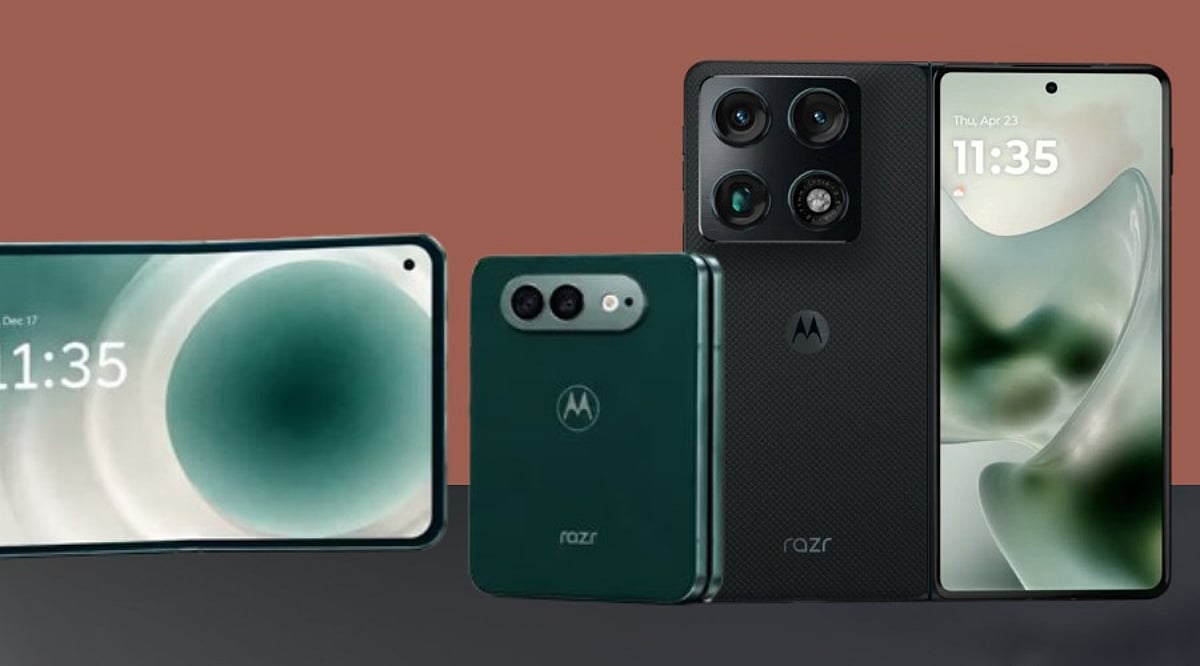
    Motorola is preparing to introduce a new book-style foldable smartphone, the Razr Flex (codenamed Parker), which could launch in December 2026. The device marks Motorola’s entry into the wide foldable segment, expanding beyond its traditional clamshell designs.

    Design and Display

    The Razr Flex is expected to feature a compact design with a 6.92-inch inner OLED display offering a 2,364 × 1,728 resolution and a smooth 165Hz refresh rate. On the outside, a 4.97-inch OLED cover display with 1,736 × 1,140 resolution provides quick notifications and selfie previews. The phone measures 110 × 149 × 5.8mm unfolded and 110 × 76 × 12.6mm folded, weighing around 215 grams.

    Performance and Battery

    Under the hood, the device is rumored to pack Qualcomm’s Snapdragon 8 Elite Gen 5 processor, 12GB of RAM, and 256GB of storage. A 5,000mAh battery supports 25W wireless charging, and the phone will run Android 17 at launch. It also boasts IP48 and IP49 protection for dust and water resistance.

    Camera System

    The Razr Flex is said to include dual 50MP cameras, enabling high-resolution photography and video. This setup aligns with Motorola’s focus on imaging capabilities in its foldable devices.

    Launch and Availability

    Motorola has not officially confirmed the name or launch date, but leaks point to a mid-December release. Pricing and market availability are still unknown. More details are expected as the launch window approaches.

  • Motorola Signature 27 Announced: Snapdragon 8 Elite, Google Gemini AI, and 200MP Camera Lead Premium Flagship

    Motorola Signature 27 Announced: Snapdragon 8 Elite, Google Gemini AI, and 200MP Camera Lead Premium Flagship

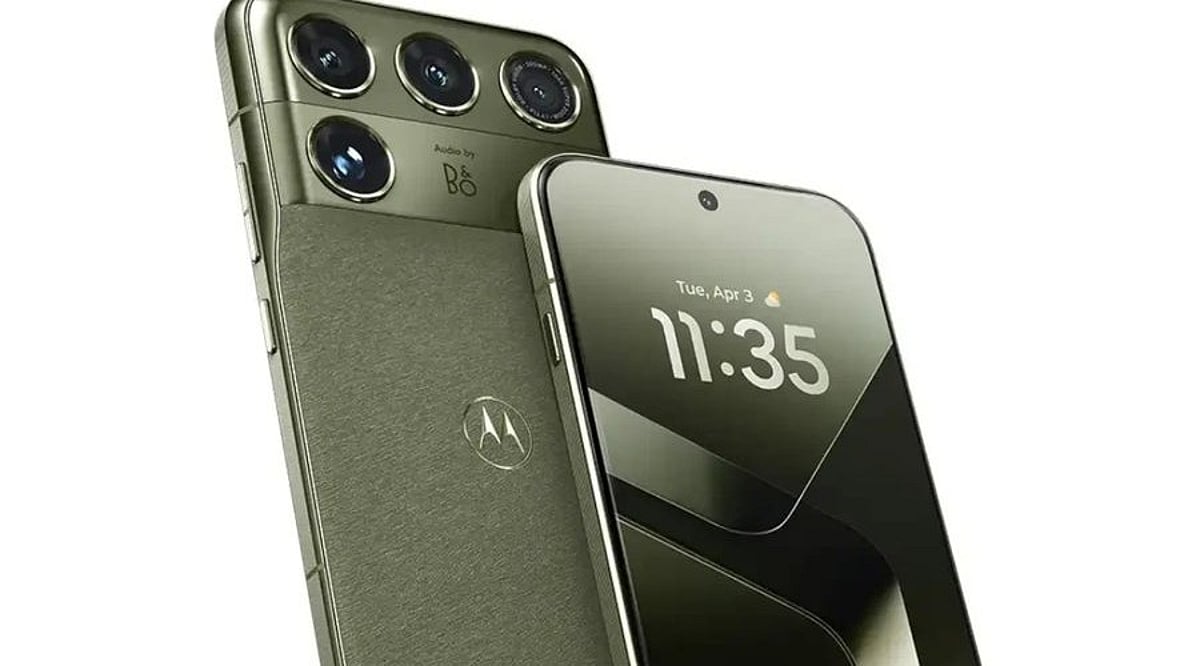
    Motorola has officially unveiled the Motorola Signature 27, the second-generation model in its premium Signature family, at the Snapdragon Summit 2026. The device is one of the first smartphones to feature Qualcomm’s new Snapdragon 8 Elite Extreme Gen 6 Mobile Platform, and it is designed to deliver flagship performance, on-device AI, advanced photography, sustained cooling, and a premium design. While several core specifications remain undisclosed, Motorola has confirmed key features that position the Signature 27 as a high-end contender in the smartphone market.

    Snapdragon 8 Elite Extreme Gen 6 Performance

    The Signature 27 is powered by Qualcomm’s Snapdragon 8 Elite Extreme Gen 6 Mobile Platform, which Motorola says enables stronger on-device AI, responsive gaming, enhanced camera processing, and faster downloads. The phone also uses six antennas working together to support connectivity and cloud-based AI applications. Motorola has not yet detailed the processor’s clock speeds, memory configuration, or benchmark performance.

    AI Features with Google Gemini

    The smartphone integrates Google Gemini for tasks that go beyond conventional question answering. Motorola says Gemini can help users plan activities, make bookings, and find event tickets. Gemini Omni can turn prompts, photos, or existing footage into videos, while Lyria can generate original music and custom soundtracks. These features require compatible services, languages, and an internet connection.

    50MP Sony LYTIA 910 Main Camera

    Motorola has confirmed a 50MP Sony LYTIA 910 main sensor for the Signature 27. The company highlights its ability to capture detailed images with strong colour reproduction and contrast. The camera system combines dedicated hardware with computational photography and intelligent processing. Motorola has not yet provided full sensor dimensions, aperture details, or a complete list of camera modes.

    200MP Periscope Telephoto Camera

    A 200MP periscope telephoto camera is another major component of the phone’s camera system. Motorola says it is designed for photographing distant subjects, architectural details, and landscapes. The camera also combines Qualcomm Technologies’ image stabilisation with 3.5-degree OIS hardware.

    AI-Powered Video Enhancement

    Motorola’s Video Enhancement Engine adds an AI layer to video recording. It analyses a scene before and during capture and adjusts colour tones in real time. Motorola says the system is designed to support low-light recording, sharper footage, and natural-looking colours. The company did not publish detailed technical information about the processing pipeline or supported recording resolutions.

    ArcticMesh Cooling System

    The Signature 27 introduces Motorola’s ArcticMesh cooling system, combining diamond-infused thermal gel, liquid metal, copper mesh, and a redesigned 3D vapour chamber. Motorola says the vapour chamber is 40 percent larger than the previous generation. The system is intended to manage heat during sustained gaming, AI workloads, and video use, helping maintain performance over longer sessions.

    Audio by Bang & Olufsen

    The Signature 27 will be Motorola’s first smartphone featuring Audio by B&O, following the company’s recently announced multi-year partnership with Bang & Olufsen. The collaboration brings B&O’s audio expertise and design approach into Motorola’s premium smartphone range. Motorola has not yet revealed detailed speaker specifications, supported audio formats, or other hardware information related to the partnership.

    Premium Design and Finishes

    The phone features an aluminium silhouette with contoured edges and a distinctive camera housing combining ceramic and brushed aluminium. Motorola has announced two finishes: PANTONE Coal Smoke with a Tactical Weave texture and PANTONE Capulet Olive with a brushed, textile-inspired finish. The company says the textures are intended to provide a distinctive tactile experience and improved grip.

    Seven Years of Software Updates

    Motorola is promising seven OS upgrades and up to seven years of security updates, starting from the global launch date. The company notes that support can vary by market, network provider, and model. The Signature 27 is expected to launch with Android 17, although Motorola has not yet disclosed the precise software rollout schedule.

    Availability and Specifications yet to be Confirmed

    Motorola did not announce the Signature 27’s price or exact sale date. Several important specifications also remain undisclosed, including display size and refresh rate, battery capacity, charging speeds, RAM, storage, and the complete camera configuration. Motorola says the phone is expected to reach markets worldwide in 2026 and will provide additional details closer to availability.

    Frequently Asked Questions

    What processor does the Motorola Signature 27 use?

    The Motorola Signature 27 uses Qualcomm’s Snapdragon 8 Elite Extreme Gen 6 Mobile Platform, supporting on-device AI, gaming, camera processing, and connectivity.

    What AI features are available on the Motorola Signature 27?

    The phone integrates Google Gemini, Gemini Omni, and Lyria, enabling assistance, video creation from prompts or footage, music generation, and personalised soundtracks.

    What cameras does the Motorola Signature 27 feature?

    Motorola has confirmed a 50MP Sony LYTIA 910 main sensor and 200MP periscope telephoto camera, alongside Qualcomm stabilisation and 3.5-degree OIS.

    How long will Motorola support the Signature 27?

    Motorola promises seven OS upgrades and up to seven years of security updates, beginning from the global launch date, subject to market variations.

    When will the Motorola Signature 27 launch?

    Motorola says the Signature 27 is expected to reach markets worldwide in 2026, but it has not announced pricing or an exact sale date.

  • Qualcomm Unveils Agentic Smartphone Vision: On-Device AI to Automate Tasks Across Apps

    Qualcomm Unveils Agentic Smartphone Vision: On-Device AI to Automate Tasks Across Apps

    Qualcomm has unveiled its ambitious vision for the next generation of smartphones at the Snapdragon Summit 2026 in Maui. The company’s handset chief, Christopher Patrick, and premium mobile leader Dino Bekis introduced the concept of the ‘agentic smartphone’ — a device that acts as an intelligent assistant capable of understanding user intent and autonomously completing multi-step tasks across different applications.

    For example, if someone emails you their contact details, instead of manually copying that information into your contacts app and forwarding it, the phone’s AI agent could handle the entire process automatically, only pausing to ask for your approval when necessary.

    However, this level of automation raises significant privacy concerns. To function effectively, the AI needs access to personal data such as emails, photos, and app accounts. Qualcomm’s solution is to process as much of this data as possible on the device itself, minimizing reliance on cloud servers. Users would have clear control over permissions, able to grant or revoke access at any time.

    The strategy is powered by Qualcomm’s newest processors: the Snapdragon 8 Elite Extreme Gen 6 and the Snapdragon 8 Elite Gen 6. Both chips feature the company’s Oryon CPU and Hexagon NPU, along with a low-power Sensing Hub that continuously monitors context without draining the battery. The Extreme version offers enhanced performance for graphics, camera, and video workloads.

    Qualcomm is also collaborating with Liquid AI to develop a system that builds a user profile from device data (with permission), giving AI agents the context they need without constant cloud access. Heavier AI workloads will still be offloaded to the cloud, but the goal is to split tasks based on privacy, speed, and cost considerations.

    While the chips are ready, the full realization of this vision depends on smartphone manufacturers and app developers building the necessary permission systems and app connections. Qualcomm has laid the foundation, but the ecosystem must catch up to make the agentic smartphone a reality in everyday life.

  • Vivo X500 Pro Max: 200MP ZEISS Camera, 8,000mAh Battery, and 2nm Dimensity Chip – Full Specs

    Vivo X500 Pro Max: 200MP ZEISS Camera, 8,000mAh Battery, and 2nm Dimensity Chip – Full Specs

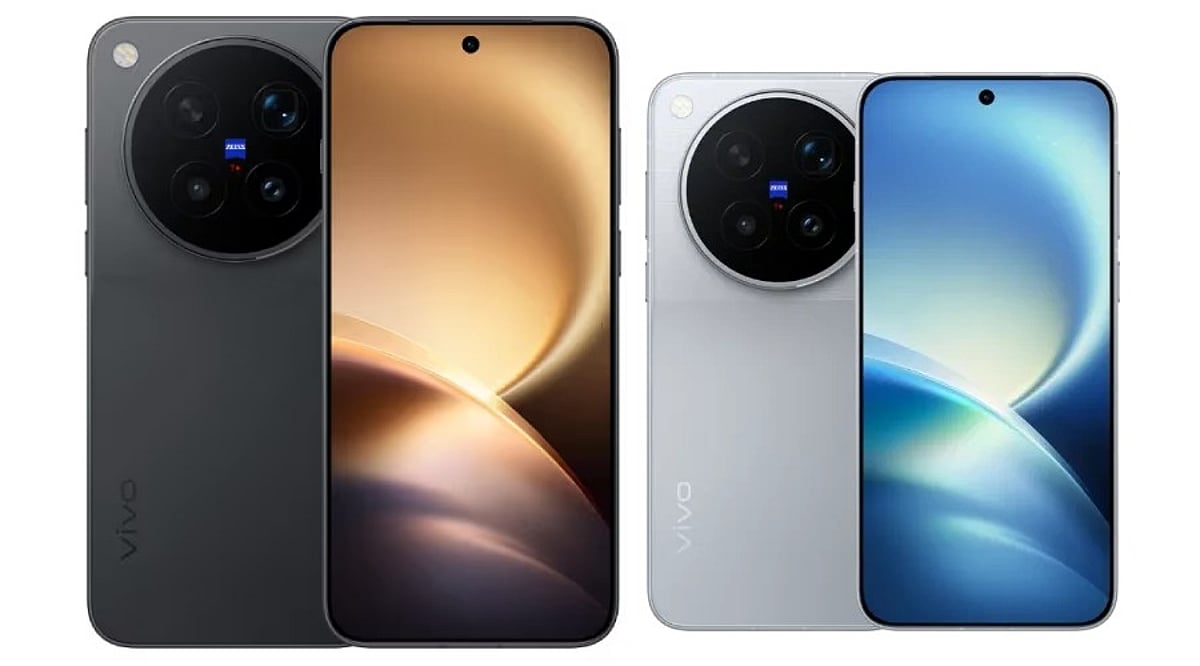
    The vivo X500 Pro Max has officially launched in China, marking a major step forward in flagship smartphone hardware. With a 200MP ZEISS APO super-telephoto camera, an 8,000mAh silicon-carbon battery, and MediaTek’s new 2nm Dimensity 9600 Pro chip, the device targets photography enthusiasts and power users alike.

    Display and Performance

    The phone features a 6.85-inch BOE Q11 ZEISS Master Color OLED display with a 2K resolution and an adaptive refresh rate ranging from 1Hz to 144Hz. This large panel sets it apart from the smaller 6.36-inch X500 Pro, making it ideal for reviewing photos, watching videos, and gaming.

    Under the hood, the Dimensity 9600 Pro is built on a 2nm process with a tri-cluster CPU: two cores at 4.55GHz, three at 4.35GHz, and three at 3.1GHz. Memory options go up to 16GB RAM with storage up to 1TB. Software is handled by OriginOS 7 based on Android 17.

    Battery and Charging

    The 8,000mAh fifth-generation silicon-carbon cell (25% silicon content) supports 90W wired charging and 40W wireless charging. Vivo also states that the battery can operate at temperatures as low as -30°C under test conditions.

    Camera System

    The rear camera consists of a 50MP Sony LYTIA L910 main sensor with LOFIC technology and 3° optical stabilization, a 50MP ultra-wide camera, and the highlight: a 200MP ZEISS APO super-telephoto camera offering approximately 3.7x optical zoom. The telephoto supports the ZEISS G2 Ultra teleconverter, extending the equivalent focal length to 400mm for distant subjects. CIPA 7.0-class stabilization is included on the telephoto.

    Video capabilities include 4K at 240fps slow motion, 4K at 120fps with advanced subject lock, 8K recording, 10-bit Log, 4:2:2 capture, ACES support, Cinematic Video, Cinematic Portrait Video, and 8K Native Live. The phone integrates BlueImage Dynamic Imaging Technology Stack, combining sensor, chip, ZEISS optics, and vivo’s V3+ and VS1+ image processors. A 50MP front camera completes the setup.

    Pricing and Global Launch

    China pricing starts at CNY 6,999 (12GB/256GB) and goes up to CNY 12,999 (16GB/1TB Creator Edition). A satellite communication model (12GB/1TB) is priced at CNY 8,999.

    According to a vivo Austria microsite, the global launch is scheduled for October 27, 2026, at 4 p.m. CEST, with preorders beginning the same day. International pricing and exact specifications are still unconfirmed. Some reports suggest that global models may feature a smaller battery than the China version.

    Key Takeaways

    • 200MP ZEISS APO super-telephoto camera with ~3.7x optical zoom and 400mm teleconverter option.
    • 8,000mAh battery with 90W wired and 40W wireless charging.
    • MediaTek Dimensity 9600 Pro chip on 2nm process.
    • 6.85-inch 2K OLED display with 144Hz adaptive refresh rate.
    • Global launch expected October 27, 2026.
  • Apple’s 2027 Anniversary iPhone to Feature Curved OLED Display Despite Delays in Advanced Screen Tech

    Apple’s 2027 Anniversary iPhone to Feature Curved OLED Display Despite Delays in Advanced Screen Tech

    Apple is reportedly scaling back some of the advanced display technologies originally planned for its 20th-anniversary iPhone in 2027, but the company is still moving forward with a significant visual redesign. According to industry reports, the upcoming model will feature a four-sided curved OLED display that creates a near-borderless appearance.

    Apple Delays Advanced Display Technologies

    Color Filter on Encapsulation (COE) and LTPO+ were among the technologies expected to debut in the 2027 iPhone. COE integrates the color filter into the display structure, reducing panel thickness and improving light efficiency. LTPO+ is designed to enhance power efficiency through improved transistor technology. However, Apple has reportedly postponed the introduction of both technologies, with no revised timeline confirmed.

    Industry sources suggest the delays may be due to technology maturity and rising production costs. Adding new display components could increase manufacturing expenses at a time when memory prices are already pressuring smartphone costs.

    Four-Sided Curved Display Remains

    Despite the delays, Apple is expected to pursue a four-sided curved OLED display. The panel will curve subtly around all four edges, giving the impression of a larger screen and significantly reducing the visual presence of the frame. Earlier reports described Apple’s approach as a ‘micro-curved’ design, which is less extreme than the waterfall-style displays used by some Android manufacturers. This shallow curvature helps reduce image distortion and makes edge gestures more comfortable.

    Apple may also use optical engineering alongside the physical curve to make the display appear almost bezel-free. Reports have also suggested an all-glass design as part of the company’s broader redesign plans.

  • Qualcomm’s Agentic AI Vision Could Reshape Smartphones — But Raises Data Privacy Concerns

    Qualcomm’s Agentic AI Vision Could Reshape Smartphones — But Raises Data Privacy Concerns

    Qualcomm CEO Cristiano Amon recently outlined a future where smartphones evolve from simple command receivers into proactive AI agents capable of understanding user intent and completing tasks autonomously. Speaking at the Snapdragon Summit 2026 in Maui, Amon described the transition to an ‘agentic age,’ where artificial intelligence becomes the central driver of the mobile experience.

    “We are going from a phone-centric model to an agent-centric model. Going forward, agents will become the center of experience. We can finally see what an AI phone truly means,” Amon said.

    To support this vision, Qualcomm unveiled two new mobile platforms: the Snapdragon 8 Elite Gen 6 and Snapdragon 8 Elite Gen 6 Extreme. These chips are designed to handle substantial AI workloads locally, reducing the need to offload every task to the cloud. This local processing could enable faster, more private interactions — but it also requires the phone to access more personal data, such as calendars, messages, and shopping details, to anticipate user needs.

    Amon acknowledged the importance of user permission and context, stating, “The permission to use will be very important. And, so is context. Because the phone is very personal and specific to you. Agentic AI will need your phone to do a lot more than just execute tasks for you.”

    The shift could fundamentally change how users interact with their devices. Instead of manually controlling every step, users might only need to approve key actions while the phone handles the rest. Qualcomm expects this agentic model to extend beyond smartphones to PCs, smart glasses, wearables, and cars, creating a seamless ecosystem of interconnected devices.

    As AI agents take on more responsibility, the balance between convenience and privacy becomes critical. Users will need clear visibility into what their devices access and when they are allowed to act. Transparent permission controls and user oversight will be just as important as AI performance in earning trust.

  • iPhone 18 Pro vs Galaxy S26 Ultra: Which Flagship Wins in 2026?

    iPhone 18 Pro vs Galaxy S26 Ultra: Which Flagship Wins in 2026?

    Overview: Two Flagships, Two Philosophies

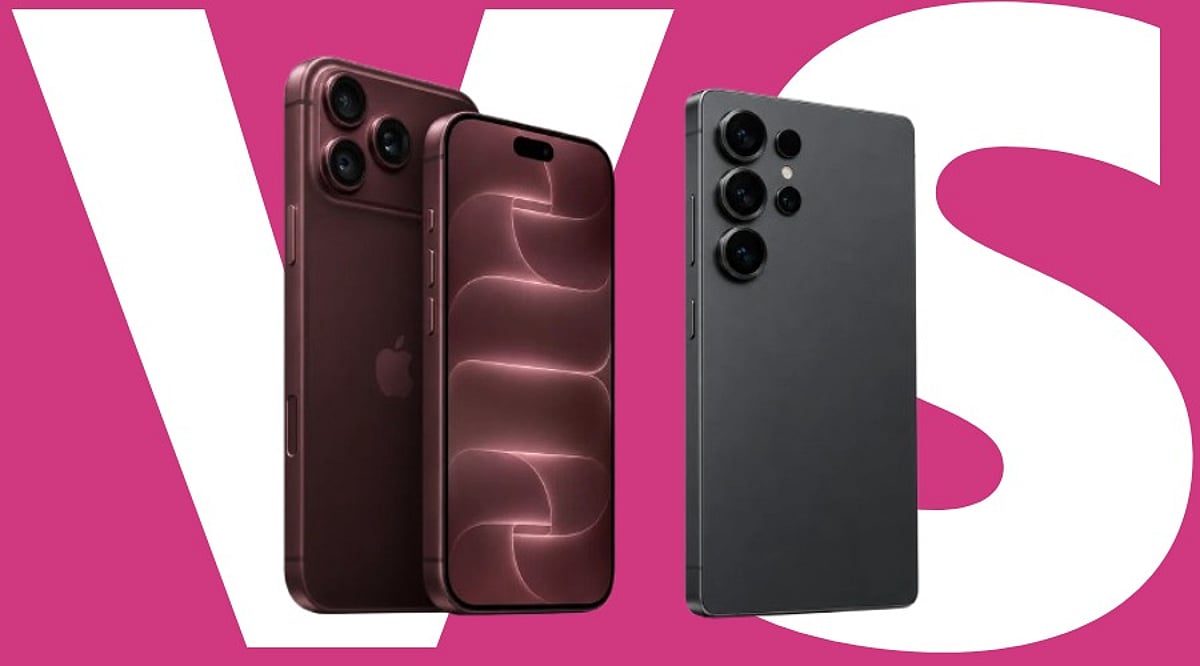
    In 2026, the flagship race comes down to one thing: which phone removes more friction from daily life? Samsung’s Galaxy S26 Ultra arrived first, bringing a 200MP camera system, a large display, and a built-in Privacy Display. Apple followed with the iPhone 18 Pro, which carries the A20 Pro chip, a variable-aperture camera, and the new C2 modem. Samsung widens what the phone can do; Apple sharpens camera control, sustained performance, and tight hardware integration.

    Chip and Connectivity: A20 Pro vs. Snapdragon 8 Elite Gen 5

    The A20 Pro gives the iPhone 18 Pro a strong performance base. It runs on a 2nm process and carries a 7-core GPU that Apple rates up to 40% faster than the A19 Pro. It also adds a dual 16-core Neural Engine for on-device AI. Apple redesigned the vapor chamber too—it’s now three times larger, bringing up to 40% higher sustained performance.

    The new C2 modem adds another change: Apple says it improves cellular quality through AI and enables faster uploads than C1X while using 15% less energy. mmWave 5G support now extends to the U.S.

    Samsung counters with a Galaxy-tuned Snapdragon 8 Elite Gen 5 and its own thermal system for heavy workloads. Both chips handle daily tasks well. The real gap shows up during long gaming sessions, video editing, and connectivity-heavy tasks, where thermal design and modem efficiency start to matter more.

    Camera: Precision vs. Resolution

    Apple’s camera strategy favors control over count. The 48MP Fusion Main camera adds variable aperture—a first for iPhone. Six laser-cut blades shift automatically for light and depth, or a user can set the aperture manually across four positions in the Camera app. Apple points to sharper low-light shots and cleaner detail toward the back of group photos.

    Samsung’s rear setup, confirmed on its own listing, pairs a 200MP main sensor (f/1.4) with a 50MP ultrawide (f/1.9), a 50MP periscope telephoto at 5x optical zoom (f/2.9), and a 10MP telephoto at 3x optical zoom (f/2.4). Four lenses give the S26 Ultra more framing range, especially at long zoom, than the iPhone’s three-lens setup built around aperture control instead.

    Neither system wins outright. The choice comes down to whether zoom range or aperture control matters more to the person holding the phone.

    Display and Everyday Privacy

    Samsung’s biggest hardware story this year is Privacy Display, which the company calls the industry’s first built-in privacy display on a phone. It narrows the viewing angle from the sides. Samsung’s own support page confirms it can cover the whole screen, single apps, notifications, or moments like typing a PIN. A commuter checking a banking app on a crowded train gets a real reason to switch it on. Samsung also notes that results can shift with viewing angle and brightness.

    The iPhone 18 Pro carries a smaller, redesigned Dynamic Island on its 6.3-inch screen, now able to run three Live Activities at once while still powering Face ID. It has no matching privacy mode, relying instead on standard Face ID and app-level controls.

    Battery and Charging

    Samsung lists a 5,000mAh battery and 60W wired charging for the Galaxy S26 Ultra. Apple does not share the iPhone 18 Pro’s exact battery size, but says the new battery design and chip efficiency bring better battery life. eSIM-only models get up to 36 hours of video playback.

    The iPhone 18 Pro can reach 50% charge in about 15 minutes with a 60W-capable cable and a USB PD 3.1 adapter. Apple and Samsung test battery life under their own conditions, so their figures cannot be compared directly.

    Price Comparison

    Phone Starting Price (India, 256GB)
    iPhone 18 Pro ₹1,64,900
    Galaxy S26 Ultra ₹1,39,999

    The Galaxy S26 Ultra is ₹24,901 cheaper at launch.

    Which One Actually Fits?

    Photography-focused buyers who value aperture control and those staying close to Apple’s ecosystem get more from the iPhone 18 Pro. Buyers who want a bigger screen, longer zoom, or extra privacy from side-angle glances in public, at a lower starting price, tend to lean toward the Galaxy S26 Ultra. Neither phone wins across the board. The right pick tracks daily habits more than spec count.

    Final Thoughts

    The gap between these two phones has less to do with one dominant chip or camera number and more to do with the role each one is built to play. The iPhone 18 Pro pushes harder on camera control and in-house hardware like the C2 modem. The Galaxy S26 Ultra pushes harder on screen size, zoom range, and a privacy feature no rival currently matches. For anyone spending more than ₹1 lakh on a phone, those everyday differences carry more weight than a single benchmark number.

    FAQs

    1. Which is more powerful, the iPhone 18 Pro or Galaxy S26 Ultra?

    Both offer flagship-level performance. The iPhone 18 Pro uses the A20 Pro, while the Galaxy S26 Ultra uses the Galaxy-tuned Snapdragon 8 Elite Gen 5.

    2. Does the iPhone 18 Pro have a better camera than the Galaxy S26 Ultra?

    They take different approaches. The iPhone 18 Pro adds variable aperture for greater camera control, while the Galaxy S26 Ultra offers a 200MP main camera and multiple telephoto lenses for greater zoom flexibility.

    3. Which phone has the larger display?

    The Galaxy S26 Ultra has the larger 6.9-inch display, compared with the iPhone 18 Pro’s 6.3-inch screen.

    4. What is the price difference between the iPhone 18 Pro and Galaxy S26 Ultra in India?

    The iPhone 18 Pro starts at ₹1,64,900, while the Galaxy S26 Ultra starts at ₹1,39,999, creating a difference of ₹24,901.

    5. What is the main difference between the iPhone 18 Pro and Galaxy S26 Ultra?

    The iPhone 18 Pro focuses on camera control, sustained performance, and Apple’s hardware ecosystem. The Galaxy S26 Ultra emphasizes camera versatility, a larger display, long-range zoom, and Privacy Display.

  • iPhone Duo: 5 Exclusive Features That Redefine Apple’s Foldable Experience

    iPhone Duo: 5 Exclusive Features That Redefine Apple’s Foldable Experience

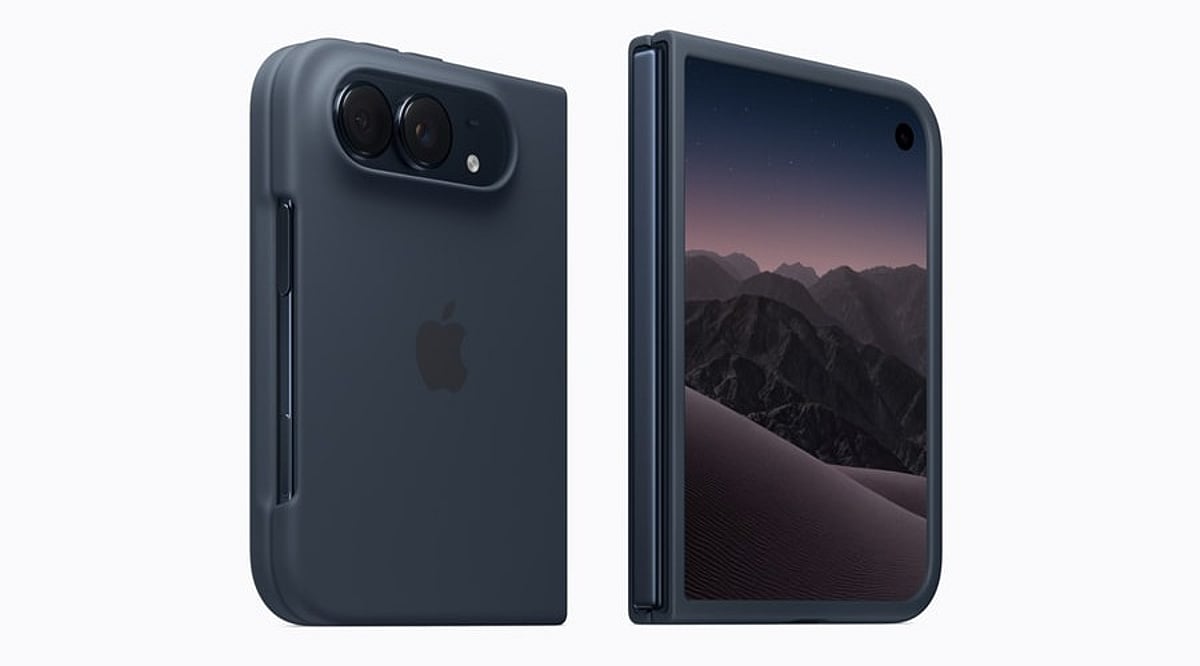
    Apple has finally entered the foldable phone market with the iPhone Duo, a book-style device featuring two screens. This launch answers questions iPhone users have been asking for years: What changes when a phone becomes a small tablet, and what stays the same? Apple has packed the iPhone Duo with exclusive features that don’t exist on any other iPhone model, from dual-screen camera tricks to a different unlocking method and even unique charging capabilities.

    1. Dual-Screen Camera Software

    The iPhone Duo sports a dual 48-megapixel camera system on the back, similar to the iPhone 18 Pro, but its software is where Apple gets creative. Features like Smart Take, Kid Cue, and Duo Preview are exclusive to this model, and they exist because the phone can display a live camera view on both screens simultaneously. A parent photographing a child can use Kid Cue to capture their attention on the outer display while framing the shot on the inner one. Duo Preview lets a photographer show the subject exactly what the shot looks like before the picture is taken—something a single-screen iPhone simply cannot do.

    2. Under-Display Camera on the Inner Screen

    For the first time on any iPhone, Apple has placed a camera underneath the display itself. The inner 7.6-inch screen carries this under-display camera, keeping the folding display free of any visible cutout or notch. The trade-off is that this camera doesn’t match the quality of the Center Stage front camera on the outer screen, so Apple recommends using the outer camera for video calls and selfies whenever the phone stays closed.

    3. Touch ID Instead of Face ID

    Every recent iPhone has relied on Face ID for unlocking, but the Duo breaks that pattern. Apple moved authentication to a side-mounted Touch ID sensor, a design choice driven by the thinner profile needed for a folding phone. This lets users unlock the device whether it sits open or closed, without needing a front-facing sensor array that would otherwise eat into the slim bezels Apple aimed for on the folding screen.

    4. Apple Pencil Support & Familiar Charging

    Apple Pencil has always been an iPad feature, but the iPhone Duo changes that boundary. The company has confirmed that Apple Pencil support will roll out for both the inner and outer displays later this year. On the charging side, the Duo sticks with what iPhone owners already know, supporting fast wired charging alongside MagSafe and Qi2 wireless charging, so an existing iPhone charger still works fine with the new model. This turns the Duo into a note-taking and sketching device in a way no earlier iPhone allowed, positioning it as a bridge between Apple’s phone and tablet lineups.

    5. Adaptive Postures

    The iPhone Duo supports several distinct postures that Apple built software around, including Landscape, Portrait, Closed, Seated, and Standing modes. In Seated mode, the phone can rest at an angle for watching a video or following a workout routine. In Standing mode, it doubles as a bedside display through StandBy, showing a clock, photos, or widgets. Split View lets two apps run side by side on the larger inner display, a functionality closer to what people expect from a small tablet than a phone.

    Why These Features Matter

    These five features show that Apple did not simply put a hinge on an existing iPhone design. Each one, from the camera software to the authentication method, reflects a rethink of what a phone can do once it has two screens working together. For anyone weighing whether the Duo justifies its higher iPhone price compared to a regular Apple iPhone, these software and hardware choices matter more than the display size alone, since they define how the phone actually gets used day to day.

    FAQs

    1. What makes the iPhone Duo different from other iPhone models?
    The iPhone Duo is Apple’s first foldable iPhone, featuring a book-style design with two screens, exclusive camera software, and an under-display camera not found on any other iPhone.

    2. Does the iPhone Duo use Face ID?
    No, the iPhone Duo replaces Face ID with a side-mounted Touch ID sensor, letting users unlock the device whether it is open or closed.

    3. Can the iPhone Duo work with Apple Pencil?
    Yes, Apple has confirmed Apple Pencil support for both the inner and outer displays, rolling out later this year.

    4. Does the iPhone Duo need a special charger?
    No, the iPhone Duo supports the same fast wired charging along with MagSafe and Qi2 wireless charging as other recent iPhone models, so an existing iPhone charger works fine.

    5. What are the exclusive camera features on the iPhone Duo?
    The iPhone Duo offers Smart Take, Kid Cue, and Duo Preview—camera features built specifically to use both the inner and outer displays at the same time.

  • Samsung Galaxy S27 Ultra Leaks Hint at ₹1,49,990 Price, Horizontal Camera and 200MP Sensor

    Samsung Galaxy S27 Ultra Leaks Hint at ₹1,49,990 Price, Horizontal Camera and 200MP Sensor

    Fresh leaks surrounding the Samsung Galaxy S27 Ultra suggest an early 2027 launch in India, with a rumored starting price of ₹1,49,990. While Samsung has not confirmed the device or its specifications, CAD renders and insider reports point to one of the most significant design changes in the Ultra series in years.

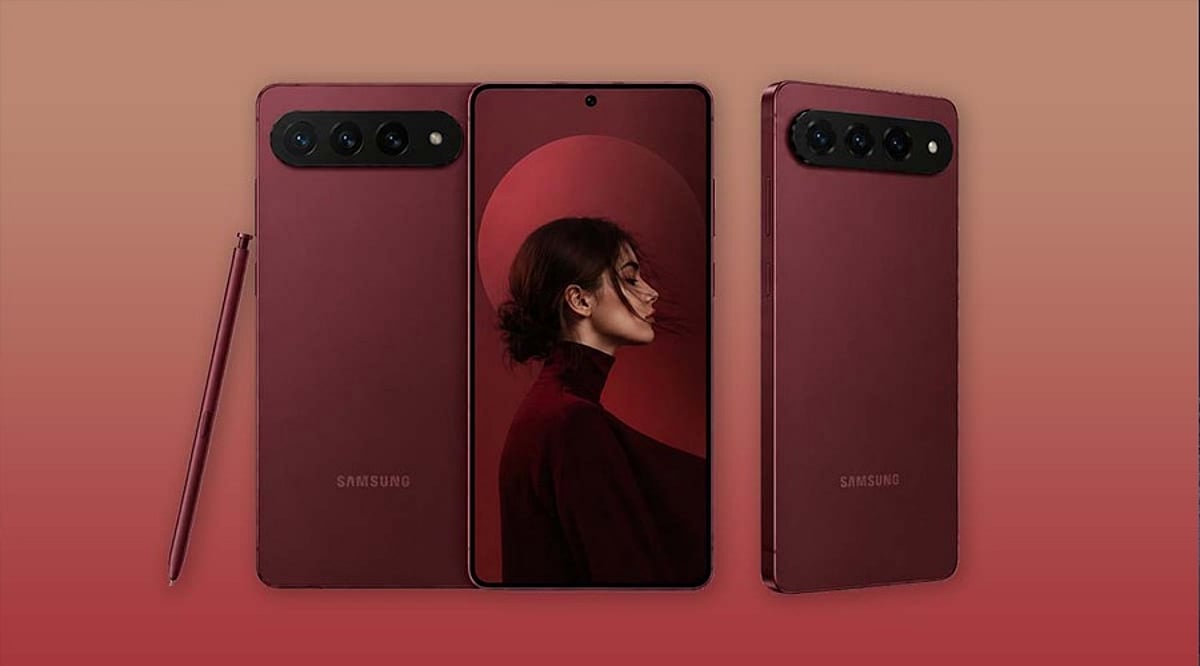
    The most notable visual shift could be a horizontal camera module, replacing the familiar separate camera rings seen on recent Ultra models. Leaked renders show three cameras aligned inside a single wide island, resulting in a cleaner, more streamlined rear panel.

    Camera specifications are expected to remain impressive: a 200MP primary sensor with optical image stabilization, a 50MP ultrawide lens, and a 50MP 5x telephoto camera. Notably, Samsung may drop the dedicated 3x telephoto sensor, leaning more heavily on computational photography to cover the mid-range zoom gap.

    Under the hood, the Galaxy S27 Ultra is rumored to pack a 6.9-inch Dynamic LTPO AMOLED 2X display with a 120Hz adaptive refresh rate and a peak brightness of 3,000 nits. Processing duties should fall to Qualcomm’s Snapdragon 8 Elite Gen 6 Pro chip, though an Exynos variant remains possible for certain markets.

    Battery capacity could see a significant boost to 5,700mAh, with charging speeds potentially reaching 65W — up from earlier expectations of 45W. The larger battery would likely become one of the device’s standout features, alongside brighter display technology and improved power efficiency.

    Higher storage variants may cost considerably more than the base model. All details remain preliminary until Samsung officially unveils the phone, expected around February 2027.