Tag: Smartphone

  • eSIM vs Physical SIM: Which Smartphone Option Wins in 2026?

    eSIM vs Physical SIM: Which Smartphone Option Wins in 2026?

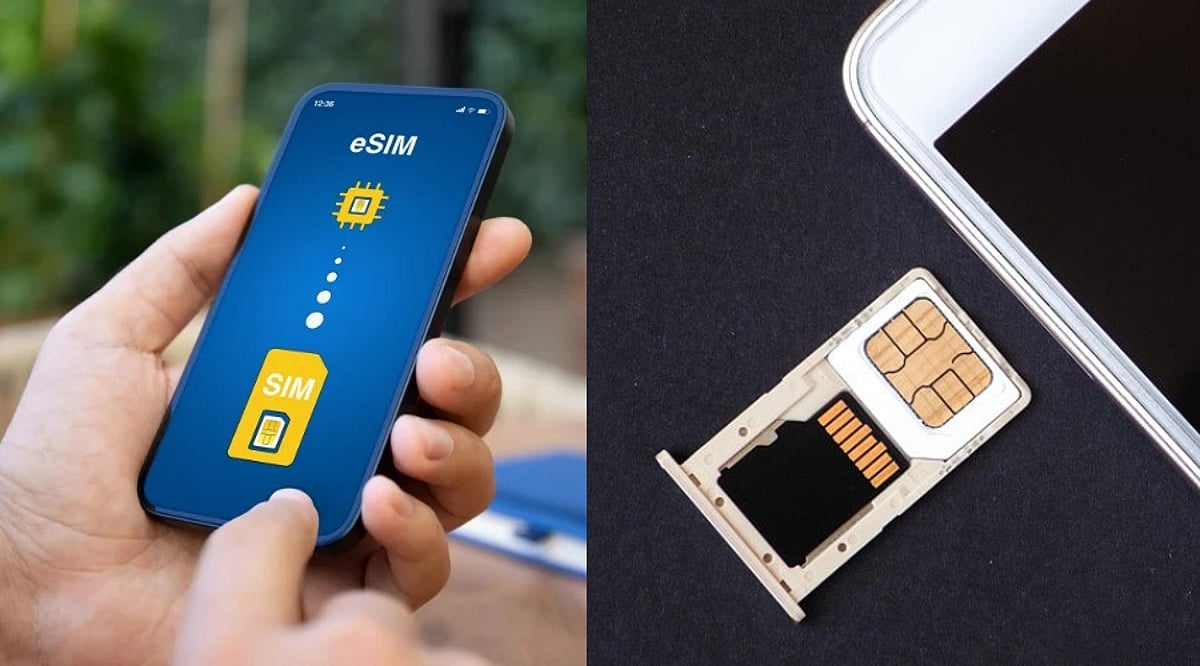
    Smartphones no longer require a small plastic card for mobile service. An eSIM stores a mobile plan directly inside the phone, while a physical SIM remains a removable card. Both options provide calls, messages, mobile data, and 5G access. The real difference lies in travel convenience, phone changes, security, carrier support, and recovery after device failure.

    For most modern flagship phones, eSIM offers the more flexible choice. A physical SIM still has a clear advantage for quick phone changes and broader device compatibility. A phone that supports both options provides the strongest mix of convenience and backup.

    Key Takeaways

    • eSIM wins on convenience: Ideal for travelers, multiple numbers, and digital activation.
    • Physical SIM wins on flexibility: Easy to move between compatible phones, especially during emergencies.
    • Dual-SIM is the best of both: Combines eSIM convenience with physical SIM backup.

    eSIM Makes Travel and Multiple Numbers Easier

    Travel stands out as a major advantage of eSIM. A travel data plan can be added without visiting a local store for a plastic SIM. Plans can often start before a flight or soon after arrival, simplifying mobile access abroad. Apple states that international eSIM providers offer plans across more than 190 countries and regions. Modern smartphones can also hold several eSIM profiles, keeping a main number active while a second plan handles travel data. For frequent international trips, eSIM offers a clear advantage.

    Multiple numbers also work well with eSIM. A personal number can stay on one line while a work number or travel plan uses another. A compatible phone can manage both lines without two physical cards. Security gives eSIM another useful edge: a thief cannot simply pull an eSIM from a stolen phone and place it in another device. That extra barrier helps preserve cellular access for device recovery. Strong screen locks, account protection, and theft protection remain essential, so eSIM should not serve as the only security measure.

    Physical SIM Still Has One Major Advantage

    A physical SIM remains useful for fast phone changes. A SIM card can be moved from one compatible phone to another within minutes. This matters when a main phone fails, loses power, or needs repair. A spare phone can often take the same card without a carrier visit or new digital activation. An eSIM may require carrier approval, account checks, a QR code, an app, or a transfer process. The exact steps vary by carrier and phone, creating trouble when fast access to a mobile number is critical.

    Physical SIM also offers broader compatibility. Older phones, budget models, and some imported devices may not support eSIM. Regional phone versions can have different SIM setups. A phone bought in one country may not match the SIM configuration of the same model sold elsewhere. Buyers should check the exact phone model and carrier before purchase. eSIM support alone does not confirm support for every carrier feature.

    2026 Phones Make the Choice More Important

    The smartphone market continues moving toward eSIM. Apple already sells eSIM-only iPhone models in some markets, while Android brands add eSIM support to more devices. Huawei also reports eSIM support for its upcoming Mate XT 2. India has reached a mature stage for eSIM use. Apple lists Airtel, Reliance Jio, and Vi as Indian eSIM carriers. Airtel and Jio support eSIM Quick Transfer on compatible iPhones. Carrier steps can still differ, so model and network checks remain important before a SIM conversion.

    One common myth needs clarification: eSIM does not make 5G faster. eSIM and physical SIM deliver the same cellular performance on the same phone and network. Modem quality, antenna design, supported network bands, carrier coverage, network traffic, and the mobile plan have a much greater effect on speed and signal quality.

    For most modern flagship phones, eSIM makes the most sense. Frequent travelers, people with several numbers, and buyers who want simple digital activation can gain more from the technology. A physical SIM remains the safer practical choice for those who often move a number between phones or keep a spare device. The strongest setup in 2026 remains a phone with both options: a physical SIM for the main number and an eSIM for a work line or travel plan. That combination brings eSIM flexibility without losing the quick recovery offered by a removable card.

    The choice depends less on speed and more on convenience, recovery, and carrier support. eSIM represents the direction of modern smartphones, while physical SIM still solves a problem that digital activation cannot always solve as quickly: getting a mobile number onto another phone at short notice.

    Frequently Asked Questions

    1. Is eSIM better than a physical SIM?

    For most modern smartphones, eSIM is more convenient, especially for travel and managing multiple numbers. Physical SIM remains better for quick phone transfers.

    2. Does eSIM provide faster 5G?

    No. eSIM does not inherently make 5G faster. Speed depends mainly on the phone’s modem, network bands, carrier, coverage, and plan.

    3. Can I use eSIM and physical SIM together?

    Yes, on compatible phones. You can use one for your main number and the other for a work, travel, or backup line.

    4. What happens if my eSIM phone breaks?

    Moving your number to another phone may require carrier verification or an eSIM transfer process. A physical SIM can usually be moved directly to a compatible backup phone.

    5. Should I choose eSIM or physical SIM in 2026?

    Choose eSIM for convenience and frequent travel. Choose physical SIM if you regularly switch phones or rely on a spare device. A phone supporting both offers the most flexibility.
  • Motorola Unveils Edge 70 Plus and Moto Watch Ultra at IFA 2026

    Motorola Unveils Edge 70 Plus and Moto Watch Ultra at IFA 2026

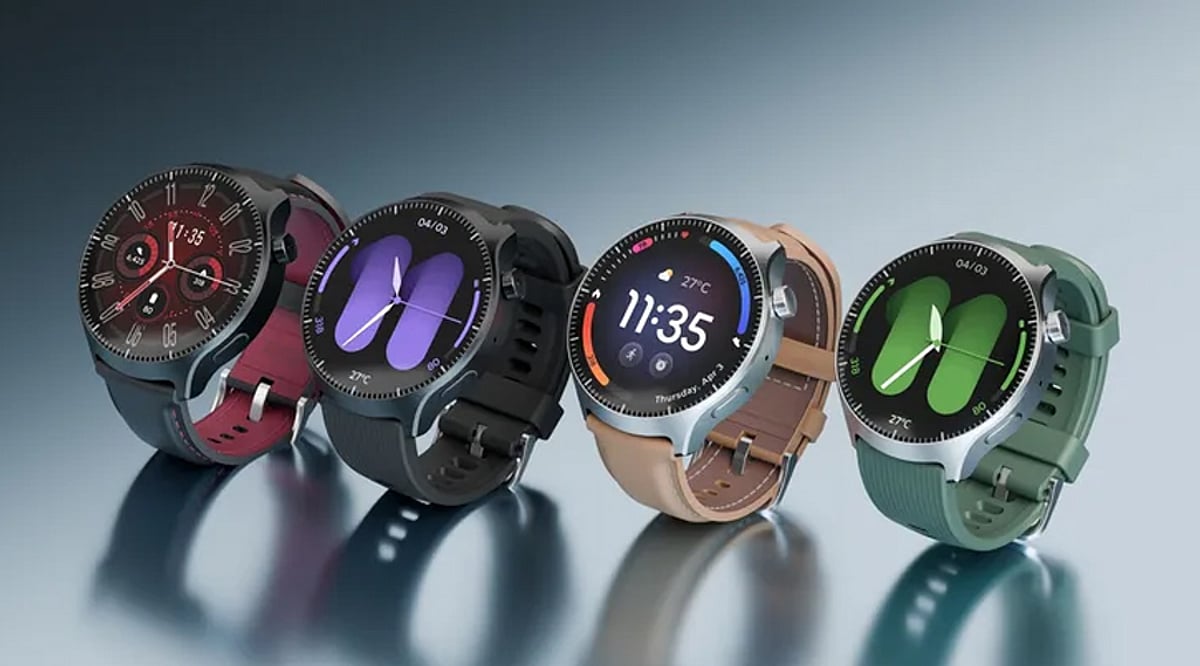
    At IFA 2026, Motorola took the stage to introduce two major additions to its lineup: the Edge 70 Plus smartphone and the Moto Watch Ultra smartwatch. The former emphasizes camera prowess, battery longevity, and a refined design, while the latter marks the company’s push into premium Wear OS wearables with deep health tracking integration.

    Motorola Edge 70 Plus: A Camera-First Flagship

    The Edge 70 Plus is built around a 200-megapixel main sensor — Motorola’s highest-resolution smartphone camera to date. It includes optical image stabilization, 10x Super Zoom, and 4K video recording. A dedicated macro camera and a 32-megapixel selfie shooter round out the photography suite, with AI enhancements that automatically optimize image quality.

    Under the hood, the device runs on the Snapdragon 7s Gen 3 processor, paired with a massive 6,500mAh battery. Motorola claims up to 42 hours of talk time and 34 hours of video streaming. The phone supports 45W TurboPower charging and bypass charging — a feature that reduces heat buildup during gaming sessions by powering the device directly.

    The display is a 6.78-inch Extreme AMOLED panel with a 144Hz refresh rate, designed to make scrolling and gaming feel fluid. Dolby Atmos stereo speakers enhance media consumption, and the quad-curved design gives the phone a premium in-hand feel.

    Moto Watch Ultra: Premium Wear OS Smartwatch

    The Moto Watch Ultra is Motorola’s answer to high-end smartwatches, running Wear OS by Google. It features a 46mm stainless steel body and a 1.5-inch OLED display with peak brightness of 2,700 nits. LTE connectivity, dual-band GPS, and Google Wallet support are built-in, enabling calls, texts, and contactless payments without needing a phone nearby.

    Health tracking is powered by a partnership with Polar, offering sleep tracking, recovery insights, activity scores, stress management tools, calorie tracking, and a Running Coach. Features like Nightly Recharge and Sleep Plus Stages provide deeper wellness analysis.

    Battery life is rated at up to two days of active use, and a 15-minute charge can deliver up to 24 hours of usage. The watch supports popular Wear OS apps including Google Maps, Google Messages, YouTube Music, and Gemini.

    Both devices are expected to hit markets in the coming months, with pricing and availability to be announced regionally.

  • OnePlus N6 Lite India Launch Expected by September-End: Price, Specs, and More

    OnePlus N6 Lite India Launch Expected by September-End: Price, Specs, and More

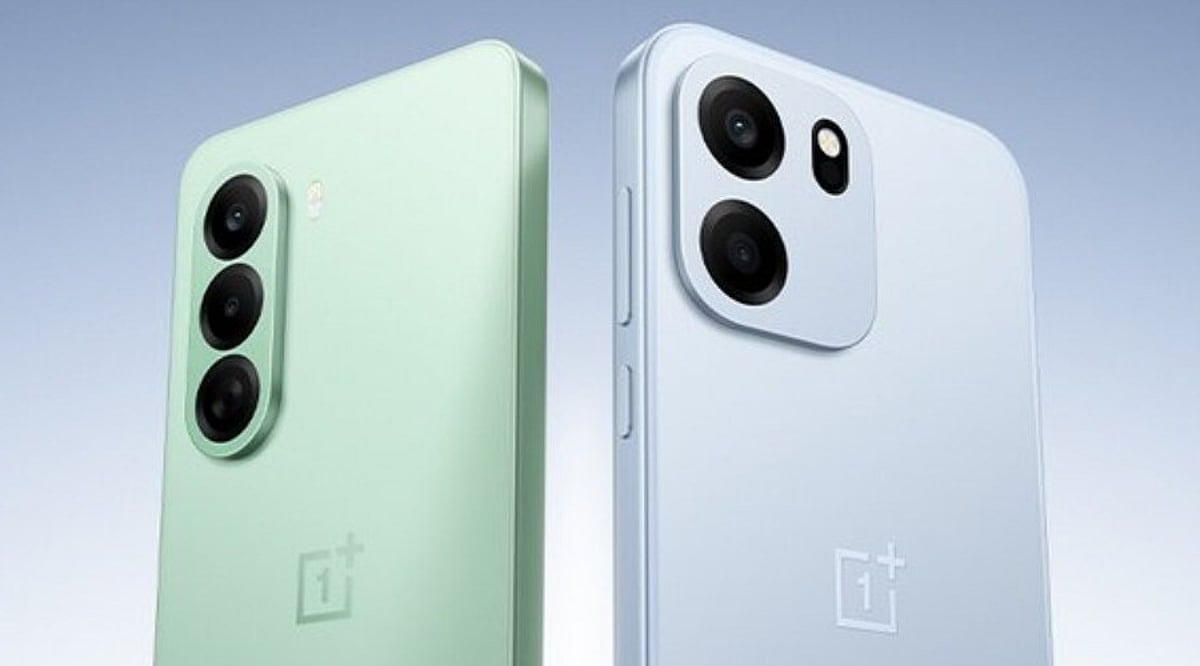
    OnePlus is reportedly gearing up to introduce the N6 Lite in India by the end of September, positioning it as a more affordable addition to its N series lineup. While the company has yet to officially confirm the launch date or specifications, early reports from tipsters offer a glimpse into what buyers might expect.

    Expected Price and Availability

    The OnePlus N6 Lite is tipped to start at around Rs. 18,999 in India. However, this is not an official figure, and the final price could vary when the device is formally announced. There is currently no confirmed release date for the Indian market.

    Performance and Display

    Under the hood, the smartphone is expected to be powered by the MediaTek Dimensity 6360 Max chipset, paired with 4 GB of RAM and 128 GB of internal storage. It is likely to run on Android 16 out of the box, offering a modern software experience. The device is also expected to feature a 6.80-inch display with a 120 Hz refresh rate, ensuring smooth scrolling and an immersive viewing experience.

    Battery and Cameras

    One of the standout features could be a substantial 7,000 mAh battery, which would significantly extend usage time between charges. For photography, the rear setup is expected to include a 13 MP main camera, while a 5 MP front-facing camera would handle selfies and video calls.

    What to Expect Next

    As with any unannounced device, specifications and pricing are subject to change. OnePlus has not disclosed further details about the N6 Lite, and enthusiasts will need to wait for an official announcement to get the full picture. In the meantime, the device appears to be a promising option for those seeking a budget-friendly OnePlus smartphone.

  • Ai+ Nova 2 Power India Launch: 7,000mAh Battery, Dimensity 7100, and More Revealed

    Ai+ Nova 2 Power India Launch: 7,000mAh Battery, Dimensity 7100, and More Revealed

    Ai+ has officially confirmed the launch of the Nova 2 Power in India, a smartphone designed for users who prioritize battery life and solid mid-range performance. The device will pack a massive 7,000mAh lithium polymer battery with 33W fast charging, ensuring all-day usage without frequent top-ups.

    Performance and Software

    Under the hood, the Nova 2 Power is powered by the MediaTek Dimensity 7100 chipset, built on a 6nm process. It features four Cortex-A78 performance cores and four Cortex-A55 efficiency cores. The phone runs on Ai+’s nxtQ OS, offering a smooth and optimized software experience.

    Memory and Storage Options

    Buyers can choose between two configurations: 6GB RAM with 128GB storage or 8GB RAM with 128GB storage. These options cater to different multitasking needs and budgets.

    Color Variants and Design

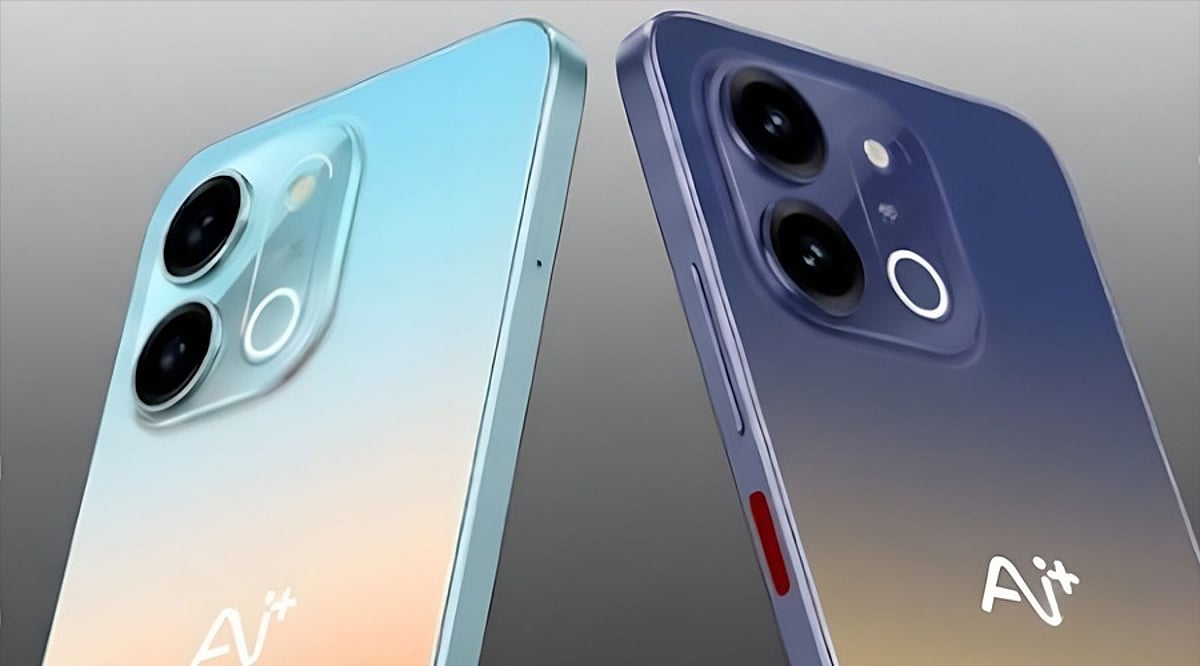
    The Ai+ Nova 2 Power will be available in five colors: Blue Fusion, Blue Gold Fusion, Deep Purple, Midnight Black, and Ocean Green. The rear features a raised, rounded camera module with two circular rings and an LED flash. A red-accented power button adds a distinctive design touch.

    What We Don’t Know Yet

    Ai+ has not disclosed the official pricing, display specifications, camera details, or exact launch date. More information is expected closer to the India release. The Nova 2 Power joins the existing Nova 2 lineup, which includes the Nova 2 5G and Nova 2 Ultra 5G, both launched earlier this year with 6,000mAh batteries.

    A Flipkart microsite has already revealed key specifications, colors, and memory options, hinting at an imminent launch. Stay tuned for further updates.

  • Huawei Pura X View Launches in China: 200MP Camera, 7,000mAh Battery, and Pricing Details

    Huawei Pura X View Launches in China: 200MP Camera, 7,000mAh Battery, and Pricing Details

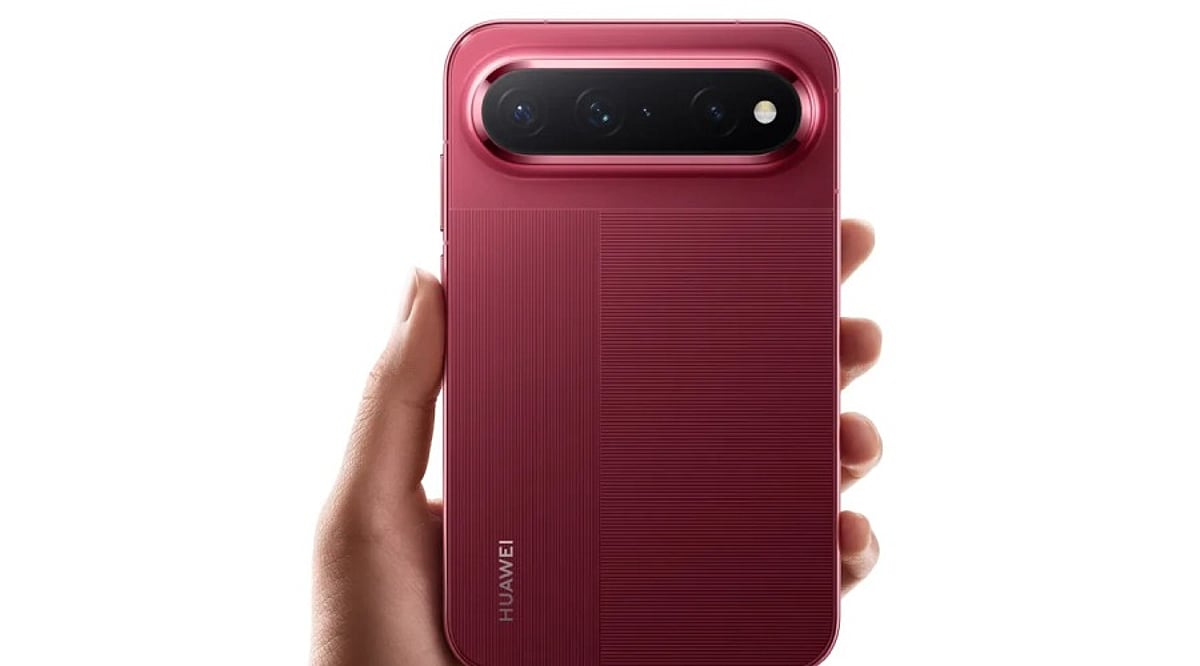
    Huawei has officially unveiled the Pura X View in China, a new addition to its premium smartphone lineup that combines a unique wide-screen design with top-tier camera and battery specs. The device is set to go on sale in China starting September 9.

    Huawei Pura X View Price and Availability

    The Pura X View is priced starting at CNY 5,999 for the 12GB RAM + 256GB storage model. For users needing more space, the 12GB + 512GB variant costs CNY 6,999, while the top-tier 12GB + 1TB configuration is available for CNY 8,499. The first sale is scheduled for September 9 in China, with no word yet on an India launch or international pricing.

    Display and Design

    The device features a 6.39-inch OLED display with an unusual 16:9.5 aspect ratio, making it considerably wider than typical smartphones. The screen offers a 2232 x 1320 pixel resolution, a 120Hz refresh rate, and a 300Hz touch sampling rate. Protection is provided by Huawei’s Kunlun Glass. The phone measures just 6.68mm in thickness and weighs approximately 201 grams.

    Camera System

    Photography is a major highlight of the Pura X View. It boasts a 200MP primary camera with an F/1.8 aperture and optical image stabilization (OIS). This is complemented by an 8MP ultra-wide macro camera and a 50MP periscope telephoto lens with OIS, which supports approximately 3.7x optical zoom. The device also incorporates Huawei’s second-generation Red Maple color imaging technology for enhanced photo quality.

    Performance and Battery

    Under the hood, the Pura X View is powered by Huawei’s Kirin 9030S chipset and runs on HarmonyOS 7. The device is equipped with a massive 7,000mAh battery, ensuring all-day usage even with heavy use.

    With its blend of a wide display, flagship-grade cameras, and a large battery, the Huawei Pura X View aims to carve out a niche in the competitive smartphone market. As the device debuts in China, enthusiasts worldwide will be watching to see if Huawei expands its availability to other regions.

  • Realme 16 Pro 5G Gets a Magical Harry Potter Limited Edition

    Realme 16 Pro 5G Gets a Magical Harry Potter Limited Edition

    Realme Teams Up with Warner Bros. for a Harry Potter-Inspired Smartphone

    Realme is adding a touch of wizardry to its popular 16 Pro 5G with a special Harry Potter Edition. In collaboration with Warner Bros. Discovery, this limited-edition device brings the enchanting world of Harry Potter to life on a smartphone, marking the second such partnership between the two companies. Previously, they released the Realme 15 Pro Game of Thrones Limited Edition.

    The Harry Potter Edition of the Realme 16 Pro 5G features design elements inspired by the beloved franchise, blending magical aesthetics with Realme’s signature style. A special co-branded Realme x Harry Potter logo will be included, making the device a must-have for collectors and devoted fans. The collaboration aims to transform everyday technology into a piece of wizarding world memorabilia.

    Same Powerful Hardware, Enchanting New Look

    Under the hood, the special edition is identical to the standard Realme 16 Pro 5G. It boasts a 6.78-inch AMOLED display with a 144Hz refresh rate, powered by the MediaTek Dimensity 7300 Max chipset, and offers up to 12GB of RAM. The camera setup includes a 200MP main sensor, while a robust 7,000mAh battery supports 80W fast charging.

    While the price for the Harry Potter Edition has not yet been announced, the real draw here is the themed design. Realme has ensured that the special edition stands apart from the regular model with distinctive wizarding world-inspired details and branding.

    Who Should Buy the Harry Potter Edition?

    This limited edition is clearly aimed at die-hard Harry Potter fans and collectors who appreciate the unique aesthetic and themed touches. For the average consumer, the standard Realme 16 Pro 5G offers the same performance at what is likely a more accessible price point. The hardware remains unchanged; only the appearance differs.

    Whether the special edition introduces any exclusive software features is still under wraps. Ultimately, the Harry Potter Edition is a niche product for enthusiasts who want to carry a piece of the magical world in their pocket, while others may find the regular model a more practical choice.

  • OPPO F35 Series Set for India Launch in September 2026: Key Specs and Expected Price

    OPPO F35 Series Set for India Launch in September 2026: Key Specs and Expected Price

    OPPO has officially confirmed the launch of its F35 Series in India for September 2026, marking a decade of the F Series in the country. The new lineup aims to strengthen OPPO’s position in the competitive Indian smartphone market with a focus on design, durability, and meaningful innovation.

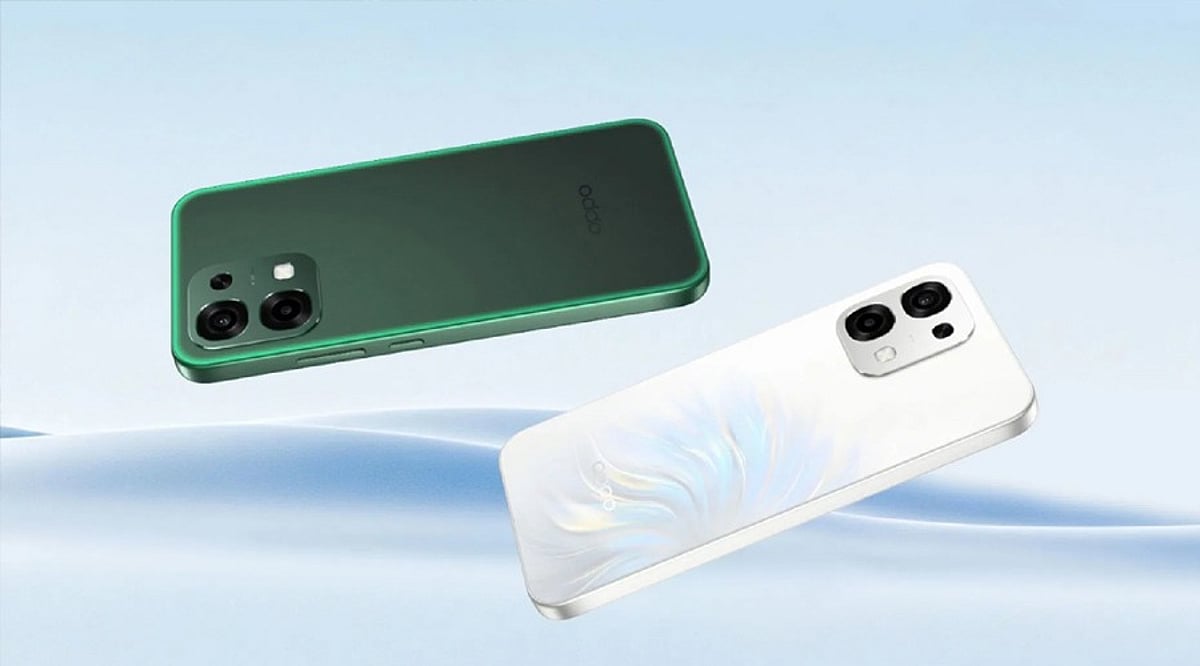
    While the exact launch date remains undisclosed, OPPO has begun teasing the upcoming devices. The company describes the F35 Series as a continuation of the F Series legacy, tailored for young buyers and evolving everyday needs. The teaser images reveal a slim smartphone with rounded edges, a centered punch-hole camera, and an orange-gold outline that highlights a premium curved frame. 5G branding is confirmed, though the complete model list has not been announced.

    Industry leaks suggest the lineup may include the OPPO F35 and OPPO F35 Pro. The F35 Pro is rumored to pack a massive 10,000mAh battery with 80W fast charging, a 6.78-inch AMOLED display with a 120Hz refresh rate, and a Snapdragon 4 Gen 5 chipset paired with UFS 3.1 storage. The OPPO F35 Pro’s price could range between Rs. 40,000 and Rs. 45,000 in India. OPPO has not confirmed these specifications or pricing, and more details are expected closer to the official unveiling.

  • Google Pixel 11 Pro Matte Black Renders Leak: Design, Camera, and Tensor G6 Details

    Google Pixel 11 Pro Matte Black Renders Leak: Design, Camera, and Tensor G6 Details

    Fresh leaked renders have revealed the Google Pixel 11 Pro in a striking matte black finish. Unlike previous Pixel Pro models, the matte coating now covers the back, frame, and even the sides of the camera bar, giving the phone a cleaner and more premium appearance. The images, shared by trusted leaker Evan Blass, closely resemble official marketing renders.

    The new matte finish is exclusive to the black model, also referred to as Obsidian or Midnight in different leaks. It extends across both the Pixel 11 Pro and Pixel 11 Pro XL, while other colors are expected to retain glossy metallic frames. This design aims to reduce fingerprints and improve grip without changing the phone’s overall shape.

    The leaked gallery highlights the phone from multiple angles, showing a more uniform look around the camera bar. Google appears to have removed the reflective metal sides found on earlier Pro models, making the camera module blend seamlessly with the rest of the device for a more refined design.

    Leaks also point to major camera improvements. The Pixel 11 Pro is expected to offer up to 120x zoom, simultaneous photo and video capture, and enhanced Night Sight performance. While the 120x zoom sounds impressive, some of that range may rely on AI-powered image processing rather than optical zoom.

    Google is also expected to introduce the Tensor G6 processor, bringing faster AI performance and better power efficiency. Another leaked feature is the new HiLight interface, a successor to Pixel Glow, which appears in multiple visual modes and is designed to work closely with Gemini AI.

    According to recent leaks, the Pixel 11 Pro lineup could arrive in Midnight, Fog, Pine, and Dune color options. However, only the Midnight (matte black) version is expected to feature the fully matte frame and camera bar, making it the standout choice for buyers who prefer a cleaner finish.

    Google is expected to unveil the Pixel 11 series at its Made by Google event on August 12, 2026. If the leaks prove accurate, the matte black design, Tensor G6 chip, and upgraded AI camera features could make the Pixel 11 Pro Google’s most polished flagship yet.

  • Samsung Galaxy S27 Ultra Leaks: Redesign, Snapdragon 8 Elite Gen 6 Pro, 5,700mAh Battery, and More

    Samsung Galaxy S27 Ultra Leaks: Redesign, Snapdragon 8 Elite Gen 6 Pro, 5,700mAh Battery, and More

    Samsung has already started early work on the Galaxy S27 Ultra, even though the official launch remains several months away. The company typically unveils its Galaxy S series in January or February, and current reports point to the same schedule for early 2027. Industry sources have shared several details about the upcoming flagship, giving a clear picture of Samsung’s plans. Most leaks suggest the Galaxy S27 Ultra could bring one of the biggest upgrades in recent Galaxy history, though Samsung has not confirmed any features at this stage.

    Fresh Design Could Change the Look

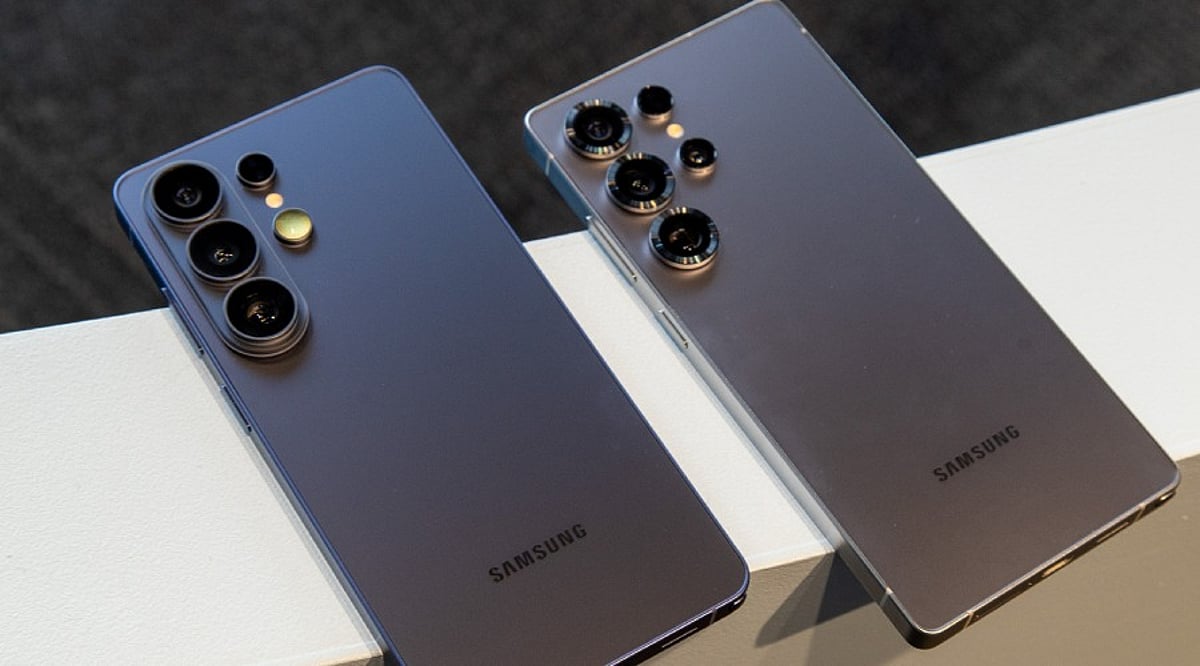
    Samsung may finally move away from the familiar Ultra design. Recent leaks suggest the company plans a new rear camera layout instead of the separate camera rings that appeared on recent Galaxy Ultra models. A single camera island could replace the current setup, giving the phone a cleaner appearance. Reports also mention a flat titanium frame, thinner display borders, an IP68 rating, and a built-in S Pen. These changes could help the Galaxy S27 Ultra stand apart from earlier models while maintaining the premium feel Galaxy Ultra phones already offer.

    Large Display Stays at the Center

    Samsung is likely to continue using its 6.9-inch AMOLED display with QHD+ resolution and a 120Hz adaptive refresh rate. Rumors suggest even better peak brightness compared to the Galaxy S26 Ultra. Another intriguing report mentions a brand new ‘Privacy Display’ feature. According to preliminary reports, this technology may make the screen less visible from the sides while remaining bright and clear for the person holding the phone. Samsung has not given any official information about this feature, so its actual nature remains vague.

    Powerful Chip Promises Better Performance

    Most reports agree that Samsung plans to use the Snapdragon 8 Elite Gen 6 Pro processor inside the Galaxy S27 Ultra. The new chip could arrive with a 2nm manufacturing process, delivering faster performance along with better power efficiency. Leaks also mention a stronger neural processor for Galaxy AI features, smoother gaming, and improved heat control during heavy workloads. These upgrades could help the Galaxy S27 Ultra deliver faster speed across everyday tasks as well as demanding applications.

    Memory Rumors Create Some Questions

    Early reports claimed Samsung would introduce LPDDR6 RAM and UFS 5.0 storage with the Galaxy S27 Ultra. New leaks now paint a different picture. Several industry insiders believe Samsung may continue with LPDDR5X memory and UFS 4.0 storage instead. Rising component costs appear to play a major role in this decision. Samsung has not confirmed either option, so the final hardware remains uncertain until the official announcement. Storage options could include 256GB, 512GB, and 1TB, while RAM may start at 12GB with a possible 16GB version for higher-end models.

    Camera System Could Receive Major Changes

    The camera system remains one of the most debated aspects of the Galaxy S27 Ultra. Latest rumors indicate a new 200MP main camera with a larger sensor, quicker autofocus, better HDR capabilities, and improved low-light photography. The rumors also suggest a 50MP ultra-wide camera and state-of-the-art telephoto cameras. However, recent news hints that Samsung may cut down the rear cameras from four to three by removing one of the telephoto cameras. Contradictory reports continue, so the final camera configuration remains unclear. The front camera might feature a 16MP sensor with optical image stabilization for better selfies and video calls.

    Bigger Battery May Improve Daily Use

    The Galaxy S27 Ultra may feature improved battery performance. According to recent leaks, Samsung could replace the current lithium-ion battery with a 5,700mAh silicon-carbon battery. This technology allows for higher energy density, potentially improving battery life without increasing the phone’s size. Past rumors indicated a battery capacity of about 5,500mAh, so the real number needs verification. Charging speed may increase to 65W wired, while maintaining 15W wireless charging and reverse wireless charging capabilities.

    Galaxy AI Could Become Smarter

    Samsung continues to place strong focus on artificial intelligence across its flagship devices. The Galaxy S27 Ultra may arrive with expanded Galaxy AI features that handle more tasks directly on the device. Leaks mention smarter photo editing tools, improved live language translation, stronger voice assistant functions, better video editing support, and enhanced writing features. The new Snapdragon processor could also help these AI tools deliver quicker responses while keeping personal data on the device whenever possible.

    Early Picture Looks Promising

    Recent leaks suggest the Galaxy S27 Ultra will represent significant changes. We could expect a completely redesigned look, a bigger silicon-carbon battery, a speedier Snapdragon processor, improved camera hardware, and better Galaxy AI capabilities. Together, these could make this phone one of Samsung’s greatest releases in years. However, some important aspects remain unknown or unclear, such as memory technology, storage standards, battery power, and camera assembly. The complete picture will become clear when Samsung officially unveils the device in early 2027.

  • Google Pixel 11 Leak Roundup: Design, Tensor G6 Specs, Pricing, Colors, and Launch Date Revealed

    Google Pixel 11 Leak Roundup: Design, Tensor G6 Specs, Pricing, Colors, and Launch Date Revealed

    Google’s Pixel 11 leaks have unveiled key details about its design, potential Tensor G6 chipset, pricing, colors, and launch timeline ahead of the official announcement. While some information is confirmed, much of it remains based on credible leaks. Buyers may also want to consider trade-in offers and post-launch discounts before upgrading.

    Overview

    Google has confirmed the Pixel 11 event for August 12, 2026, with wide availability tracking to August 20. Leaks point to a possible 2 nm Tensor G6 chip, mandatory 256 GB base storage, and a lower-profile camera bar. Trade-in value swings and past launch discounts matter as much as specs for buyers deciding whether to wait.

    An Amazon listing error briefly revealed pricing, storage tiers, and colors before disappearing, creating one of the clearest pre-launch pictures of a Pixel flagship to date. This tracker sorts what Google has actually confirmed from what still rests on leaks.

    What Do We Know About the Google Pixel 11 So Far?

    Design

    The shape stays close to the Pixel 10. Renders show a 6.3-inch OLED display at 120Hz on the base model and Pro, growing to 6.8 inches on the Pro XL. The real change sits on the back. Case leaks from ThinBorne point to a wider camera bar that sits flatter against the body, echoing the slimming move Google made when it updated the 9a into the 10a. Some early reaction online called the design repetitive, but a flatter camera bar changes how the phone sits in a pocket and how it feels in hand. A rumored Pixel Glow light ring around the bar has also surfaced in early leaks, though Google has not confirmed it.

    Specifications

    Supply chain reports suggest the Tensor G6 could move to a 2nm process, a step that would put Pixel among the first phones built on that node. Google has not confirmed the chip. Camera leaks point to a 50MP main sensor, a 13MP ultrawide, and a 10.8MP 5x telephoto lens, alongside a battery near 5,000mAh and 30W wired charging. RAM is the messiest detail right now: some reports hold 16GB on Pro models, others describe a cut to 12GB to manage rising component costs. A single leak also mentions 3D facial recognition arriving on the Pro line, similar to Apple’s system, though one source alone is thin evidence. Cellular reception, a weak spot across past Pixel generations, has not come up in any leak yet.

    AI Features

    Android 17 is expected to ship out of the box, with Gemini Intelligence going deeper into the camera app through speak-to-tweak editing and sketch-to-image generation. Google’s own roadmap statements make this direction close to certain, even without an official feature list.

    Colors

    Base models are expected in Midnight Haze, Light Sterling, Fuchsia, and Moss. Pro and Pro XL variants lean quieter with Light Fog, Dune, and Pine. The split is deliberate: standard Pixel buyers get louder shelf appeal, while Pro buyers get a palette built to look premium in hand.

    Pricing

    Leaked US pricing lists the base Pixel 11 at $899 for 256GB, the Pro at $1,099, the Pro XL at $1,299, and the Pro Fold above $1,899. Dropping the 128GB tier explains most of the jump from last year’s $799 starting price. Google has not confirmed any of these figures.

    Release Date

    Only one date is locked: the Made by Google event on August 12, 2026, in New York. A leaker with a strong record on Pixel timing expects wide availability on August 20, exactly a year after the Pixel 10 shipped.

    Pixel 10 vs Pixel 11

    History gives a clear pattern here. The Pixel 8 dropped 20 percent by Black Friday, just five weeks after launch. Trade-in credit swings hard too, ranging from $75 to $400 depending on the promotion running that season. Software bugs at launch remain a recurring complaint among current owners, which gives patient buyers another reason to hold off past August 20. Anyone comparing a discounted Pixel 10 against a full-price Pixel 11 should watch trade-in offers closely, not just the sticker price. A budget Pixel 11a is expected separately in spring 2027.

    Final Thought

    Every Pixel cycle eventually comes down to one question: does the software gap justify the price gap? This year, with storage doubled and AI pushed further into the camera, Google is betting the answer is yes before a single review has been published.

    FAQs

    1. When will the Google Pixel 11 be released?

    Google is expected to unveil the Pixel 11 series at the Made by Google event on August 12, 2026, with pre-orders likely opening the same day. Sales are expected to begin around August 20, 2026, although regional availability may vary.

    2. What are the expected Google Pixel 11 specifications?

    Leaked information suggests the Pixel 11 could feature a 6.3-inch 120Hz OLED display, a Tensor G6 chipset, 8GB or 12GB RAM, 256GB or 512GB storage, a 5,000mAh battery, and support for 30W wired and Qi2 wireless charging. Final specifications will be confirmed at launch.

    3. What colors will the Google Pixel 11 come in?

    Rumored color options for the standard Google Pixel 11 include Light Sterling, Midnight Haze, Fuchsia, and Moss. The Pro models are expected to feature additional premium color variants, though Google has not officially confirmed them.

    4. How much will the Google Pixel 11 cost?

    Leaks indicate the base Google Pixel 11 may start at around $859 to $899, with 256GB expected to become the entry-level storage option. Official pricing for different regions, including India and the UAE, will be announced at launch.

    5. Should you wait for the Google Pixel 11?

    If you’re interested in Google’s latest AI features, Tensor G6 performance improvements, enhanced cameras, and longer software support, waiting for the Pixel 11 could be worthwhile. However, if you need a new phone immediately, discounts on the Pixel 10 series may offer better value before the new flagship arrives.