Tag: Smartphone

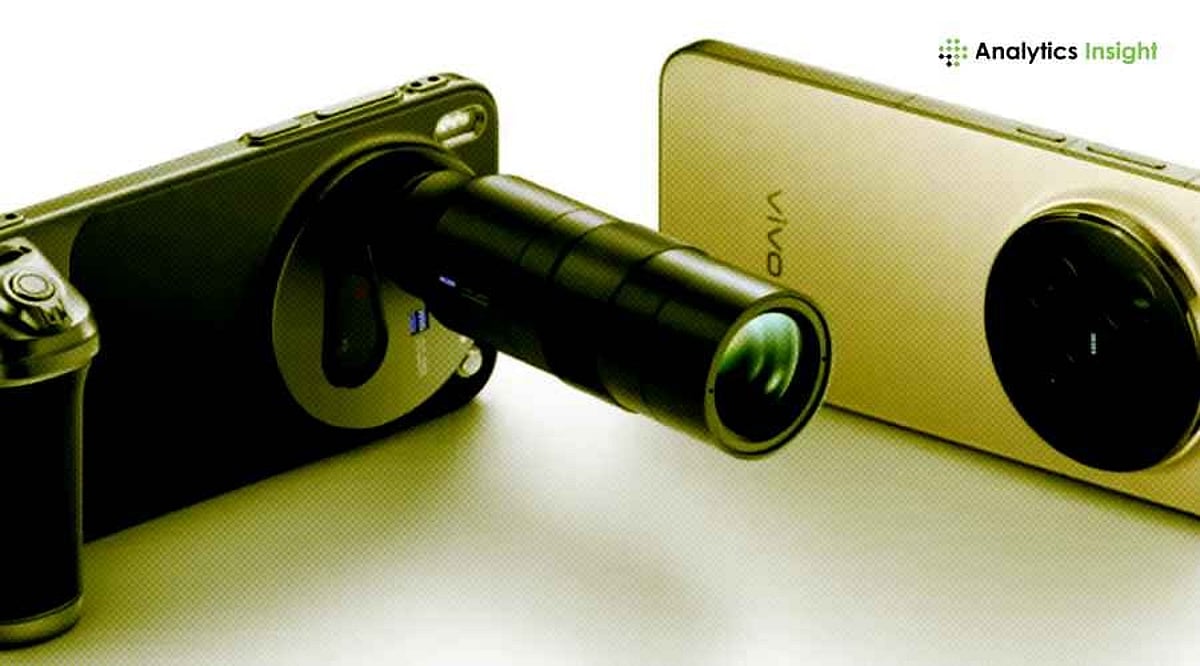
  • Vivo X500 Pro Max Goes Global: 200MP Periscope Camera and 8,000mAh Battery Confirmed by TKDN Certification

    Vivo X500 Pro Max Goes Global: 200MP Periscope Camera and 8,000mAh Battery Confirmed by TKDN Certification

    Vivo has taken a significant step toward the global launch of its upcoming flagship smartphone, the X500 Pro Max, as the device secures TKDN certification in Indonesia. The listing, bearing model number V2610, matches an earlier GSMA IMEI database entry, strongly indicating that this is the international variant of the highly anticipated handset.

    According to industry reports, Vivo is expected to unveil the X500 series in China this September, with a global rollout likely to follow shortly after. While the company has yet to confirm official dates, certification approvals typically surface just weeks before a new smartphone reaches retail markets.

    Display and Performance Expectations

    Though the TKDN listing does not disclose full specifications, trusted leaks have painted a detailed picture of the device’s hardware. The Vivo X500 Pro Max is rumored to feature a 6.85-inch flat LTPO OLED display with 2K resolution and a 144Hz refresh rate. An ultrasonic fingerprint scanner is also expected for faster, more secure unlocking.

    Under the hood, the phone may be powered by the MediaTek Dimensity 9600 chipset, with some sources suggesting a Dimensity 9600 Pro variant. This next-generation processor promises enhanced performance and power efficiency for demanding tasks such as gaming, multitasking, and daily use. Vivo has not officially confirmed the processor, so these details remain based on leaks.

    Battery and Camera Highlights

    Battery life could be a standout feature. Leaks suggest a massive battery capacity between 7,000mAh and 8,000mAh, potentially offering all-day or even multi-day usage on a single charge. Fast wired and wireless charging support is also anticipated, though exact charging speeds have not been disclosed.

    The camera system has generated considerable buzz. Reports point to a 50MP main sensor with Sony’s LOFIC technology, a 50MP ultra-wide lens, and a 200MP periscope telephoto camera capable of high-quality zoom photography. A 50MP front-facing camera is expected for selfies and video calls, rounding out a versatile imaging setup.

    Global Launch and Market Strategy

    The TKDN certification confirms that Vivo is preparing the X500 Pro Max for markets beyond China. India is often mentioned as a likely early recipient, given Vivo’s history of launching premium devices there shortly after their China debut. However, the company has not made any official announcements regarding specific markets.

    With its large battery, powerful processor, and advanced camera system, the Vivo X500 Pro Max appears poised to compete with other flagship smartphones. Official specifications, pricing, and availability details are expected to be revealed once Vivo makes a formal announcement.

    Stay tuned for more updates as the launch approaches.
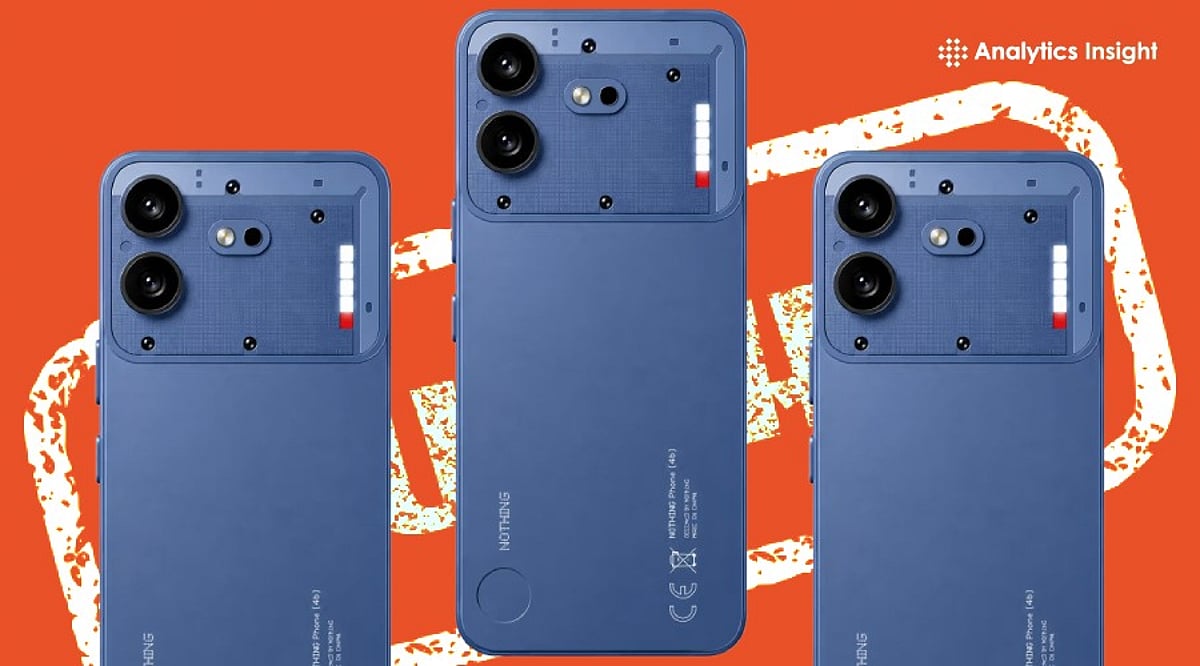
  • Nothing Phone 4b Launches in India: Snapdragon 6 Gen 4, 6,000mAh Battery, and 120Hz Display

    Nothing Phone 4b Launches in India: Snapdragon 6 Gen 4, 6,000mAh Battery, and 120Hz Display

    Nothing has officially introduced the Phone 4b in India, targeting younger consumers who value a distinctive software experience and signature design language at a more accessible price point. The device will be available from July 14 via Flipkart and major retail partners including Croma, Reliance Digital, and Vijay Sales. Two configurations are offered: 8GB + 128GB at Rs. 34,999 and 8GB + 256GB at Rs. 38,999.

    Display and Build

    The Phone 4b features a 6.77-inch Samsung Super AMOLED display with Full HD+ resolution and an adaptive 120Hz refresh rate, ensuring smooth animations and scrolling. Nothing quotes a peak brightness of up to 2,000 nits for improved outdoor legibility. The exterior sports a new translucent back with unibody construction, extending Nothing’s signature semi-transparent aesthetic while giving the 4b a distinct look within the lineup.

    Performance, Battery, and Charging

    Powering the Phone 4b is the Qualcomm Snapdragon 6 Gen 4 processor, paired with 8GB of RAM and up to 256GB of internal storage. The handset packs a 6,000mAh battery that supports 33W fast charging. Additionally, the phone offers 7.5W reverse wired charging, enabling users to top up accessories or other devices in emergencies. Nothing positions the Phone 4b as a device capable of extended usage between charges for typical mixed workloads.

    Camera and Multimedia

    The dual-camera system comprises a 50-megapixel primary sensor with optical image stabilization (OIS) and an 8-megapixel ultra-wide lens. For selfies, there is a 16-megapixel front-facing camera. The phone employs Nothing’s TrueLens Engine 4 for image processing, supports dual-video recording, and can capture 4K video at 30 frames per second. Audio is handled by dual stereo speakers tuned for balanced output.

    Additional Features and Final Takeaway

    Additional hardware and connectivity features include an in-display fingerprint sensor, Bluetooth 6.0, Wi-Fi 6, and an IP64 rating for dust and splash resistance. Nothing has also refreshed the Glyph Bar and integrated on-device AI features into the software, enhancing notification interactions and everyday usability without compromising the company’s clean visual aesthetic. The Phone 4b is a well-rounded mid-range option that brings premium design and strong battery life to a broader audience.

  • iQOO 16 India Launch in Doubt as Rising Hardware Costs Threaten Competitive Pricing

    iQOO 16 India Launch in Doubt as Rising Hardware Costs Threaten Competitive Pricing

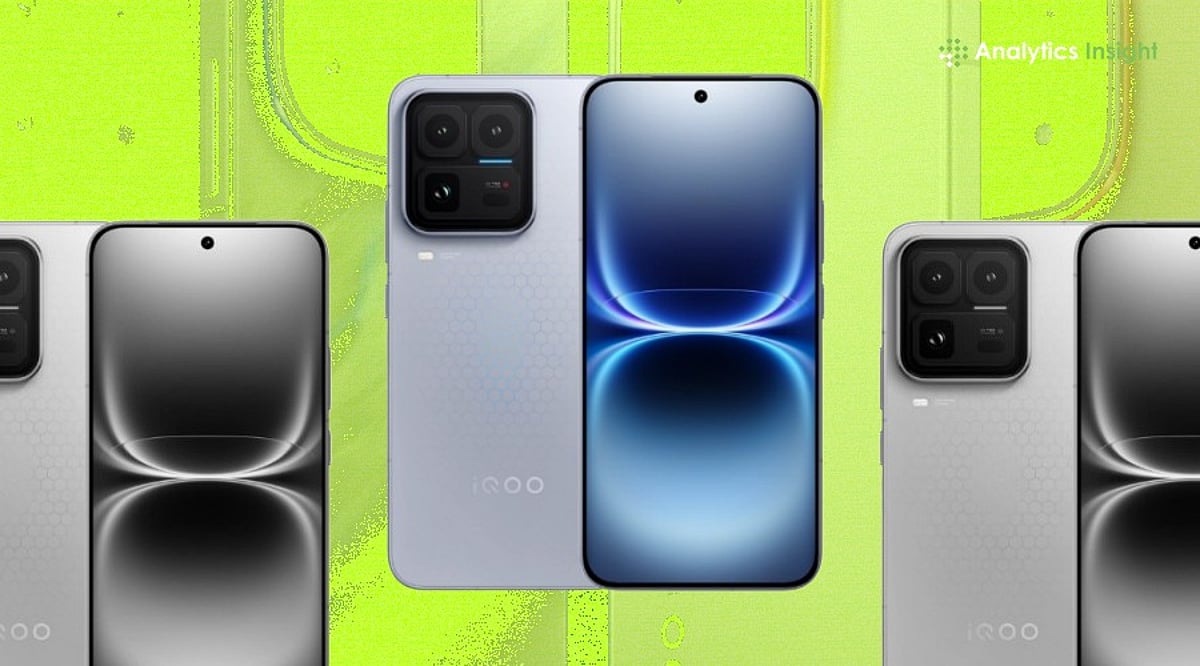
    iQOO has carved out a strong reputation in India’s flagship smartphone market by delivering premium features at relatively affordable prices. However, the company’s strategy has shifted with the iQOO 15, which launched at a starting price of Rs. 72,999. Now, fresh leaks suggest the upcoming iQOO 16 may not launch in India at all, citing steep hardware cost increases.

    A new report from tipster Yogesh Brar indicates that rising memory prices could push the iQOO 16’s price to around Rs. 85,000, making it difficult for the brand to maintain its value proposition. Brar tweeted, “We may not see iQOO 16 launch in India..With current memory rates, iQOO 16 will cross Rs 85k. iQOO has only 1 budget Z series phone for this year, all other products have been scrapped.”

    The iQOO 16 is rumored to feature significant upgrades compared to its predecessor, including a new flagship processor, a larger battery, improved cameras, and a brighter display. While these enhancements are expected to elevate the user experience, they also contribute to a likely substantial price increase over the iQOO 13, which launched at Rs. 54,999.

    This potential pricing hike poses a strategic challenge for iQOO. The brand has built its identity on offering flagship-level specifications at a lower price point than many premium competitors. If the iQOO 16 ends up priced similarly to other top-tier devices, it could lose the competitive edge that has fueled its growth in India. The company has not officially confirmed the leak, leaving its launch plans uncertain.

    If iQOO decides to skip the Indian market, rivals stand to benefit. Samsung’s Galaxy S series could become the most accessible premium option, while OnePlus may attract users seeking fast performance at a lower cost. Xiaomi’s flagship lineup and Vivo’s X series are also likely to gain traction, especially for their superior camera capabilities.

    Nothing is final yet, and iQOO could still alter its plans. Nevertheless, the situation highlights a broader trend: the rising expense of building flagship smartphones. Brands are increasingly forced to choose between increasing prices or reconsidering their market strategies for high-end devices.

  • Apple Scales Up Foldable iPhone Ultra Production Targets to 10 Million Units

    Apple Scales Up Foldable iPhone Ultra Production Targets to 10 Million Units

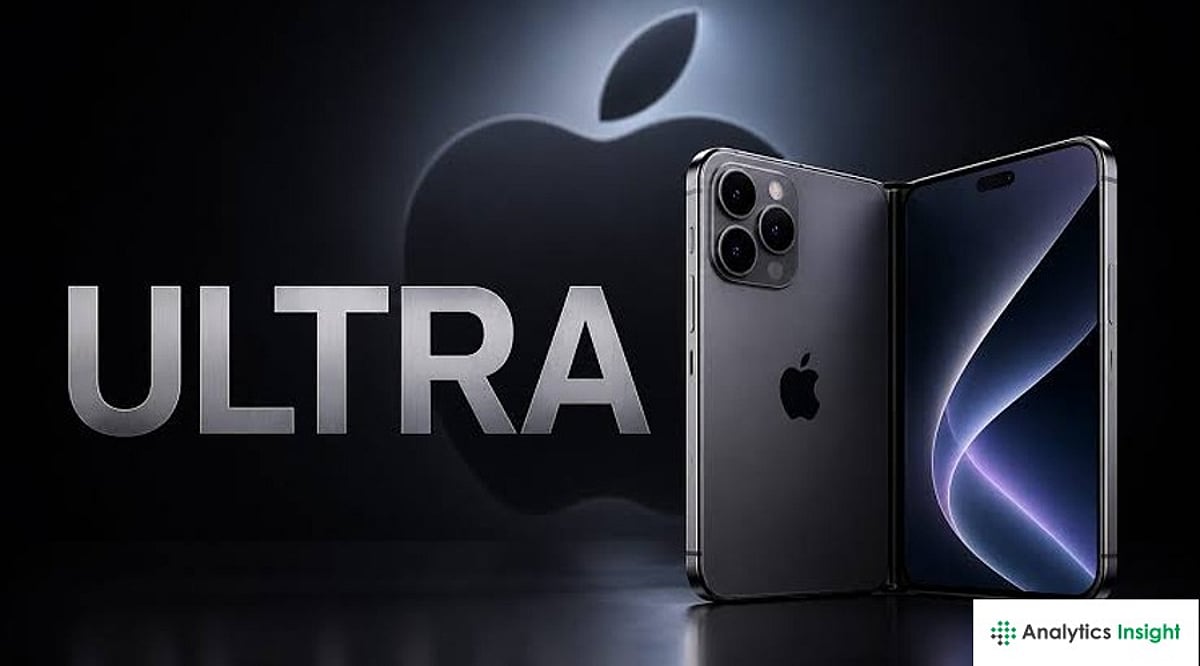
    Apple is reportedly increasing its manufacturing plans for the company’s first foldable smartphone, widely expected to launch as the iPhone Ultra. According to sources cited by Nikkei Asia and 9to5Mac, the tech giant has asked suppliers to prepare for the production of nearly 10 million units of the foldable device—up from earlier estimates of 7–8 million. This ramp-up signals stronger-than-expected confidence in demand for the premium product.

    In addition to the foldable model, Apple plans to manufacture over 70 million units of the iPhone 18 Pro and iPhone 18 Pro Max, bringing total premium iPhone production to roughly 80 million units in the second half of 2026. The company’s overall iPhone production target for the year is reportedly around 220 million units, with IDC estimating it could reach 240 million. Apple has also instructed suppliers to stockpile certain components for the iPhone 18 Pro models.

    The foldable iPhone Ultra is expected to be the most expensive iPhone ever, with IDC pegging its base price at approximately $2,500 (around ₹2.38 lakh). Versions with higher storage capacity could cost up to $3,000. Apple is expected to unveil the iPhone 18 Pro, iPhone 18 Pro Max, and the foldable iPhone Ultra at its traditional September 2026 launch event, though the foldable model may ship later due to its complex manufacturing process. Reports also suggest the standard iPhone 18 could be delayed until spring 2027.

  • Vivo X500 Leak Reveals Major Camera Upgrades with 64MP Periscope Zoom and Enhanced Low-Light Photography

    Vivo X500 Leak Reveals Major Camera Upgrades with 64MP Periscope Zoom and Enhanced Low-Light Photography

    Vivo is expected to unveil the X500 later this year, and fresh leaks suggest the company is preparing one of its biggest camera upgrades in recent years. According to information shared by tipsters on Weibo, the upcoming flagship will feature a significantly improved camera system rather than incremental yearly changes. Although Vivo has not officially confirmed the details, the leaks have already generated excitement among smartphone enthusiasts.

    The most notable upgrade is a new periscope telephoto camera designed for superior long-range zoom. The leak indicates the X500 will include a 50MP Sony primary sensor with a 1/1.28-inch sensor, a 50MP ultrawide lens, and a 64MP Sony periscope telephoto with a 1/2-inch sensor. Additionally, the device is expected to offer improvements in image processing and low-light photography.

    These reported changes mark a departure from previous generation models. Instead of simply adding another sensor, Vivo appears to be focused on enhancing the overall camera experience, including better zoom capabilities, stronger portrait photos, and faster image processing. If the leaks are accurate, the X500 will deliver noticeable improvements rather than minor tweaks.

    The leaked hardware could intensify competition in the premium smartphone market, where brands like Samsung, Apple, Xiaomi, and Oppo are increasingly prioritizing mobile photography. Camera quality has become a primary factor for consumers choosing a flagship phone, and Vivo seems to be following that trend.

    At this stage, these details remain unofficial. Vivo has yet to announce the X500’s launch date or confirm its features. However, the latest leaks suggest the company is aiming for more than a routine upgrade. If the final product matches these early reports, Vivo could have another strong flagship that stands out primarily for its camera performance.

  • Apple Boosts Foldable iPhone Ultra Production to 10 Million Units Ahead of 2026 Launch

    Apple Boosts Foldable iPhone Ultra Production to 10 Million Units Ahead of 2026 Launch

    Apple is accelerating preparations for its first foldable iPhone, widely expected to debut as the iPhone Ultra later this year. According to a new report from Nikkei Asia, the tech giant has asked suppliers to scale up production to nearly 10 million units for 2026, up from earlier estimates of 7–8 million. While Apple has not officially confirmed the device or its production plans, supply chain sources indicate the company is expanding manufacturing capacity well ahead of an anticipated September launch.

    Apple Bets Big on Its First Foldable iPhone

    The reported increase in production targets signals strong confidence in consumer demand for the upcoming foldable model. Nikkei Asia notes that Apple has raised its initial production target from the previously reported 7 million to 8 million units. Although the company remains tight-lipped, industry insiders suggest the foldable iPhone will feature several major upgrades:

    • A book-style folding design
    • A crease-minimizing display
    • Flagship-grade hardware
    • A titanium chassis

    The device is expected to compete directly with premium foldables already on the market. Suppliers have been told to prepare for additional orders if component demand exceeds expectations. Apple is also reportedly reserving certain components from the iPhone 17 series for future use.

    Apple Yet to Confirm Official Details

    The foldable iPhone is rumored to launch alongside the iPhone 18 Pro lineup at Apple’s next product event in September. However, the exact model name, specifications, release timeline, and manufacturing quantities have not been confirmed by Apple. The 10 million unit figure comes solely from supply chain sources and remains unverified.

    As the foldable smartphone market heats up, Apple’s aggressive production ramp-up underscores its ambition to capture a leading position in the premium segment. All eyes will be on Cupertino for an official announcement later this year.

  • Elon Musk Dismisses SpaceX AI Smartphone Rumors as ‘Utterly False’

    Elon Musk Dismisses SpaceX AI Smartphone Rumors as ‘Utterly False’

    Elon Musk has publicly denied recent reports claiming that SpaceX is developing an AI-powered smartphone. The rumors, which gained traction after reports of a prototype AI device, have been firmly rejected by the billionaire entrepreneur.

    The speculation began when The Wall Street Journal reported that SpaceX was working on an AI handheld device powered by Qualcomm’s Snapdragon chipset and running a custom operating system with AI capabilities from xAI, Musk’s AI company. The report also suggested that SpaceX had shown an early prototype to investors ahead of its record-breaking IPO. Days earlier, the Financial Times reported that SpaceX COO Gwynne Shotwell had discussed launching a mobile service in the U.S. using the Starlink satellite network, further fueling the rumors.

    In response, Musk took to X (formerly Twitter) on July 1, 2026, posting a simple but definitive statement: “Utterly false.” This is not the first time he has denied such claims. Earlier this year, he refuted a Reuters report, stating that SpaceX is “not developing a phone.” During an event in Pennsylvania last year, Musk made his position clear: “The idea of making a phone makes me want to die. If we have to make a phone, we will, but we will aspire not to make a phone.”

    Despite the denial, the rumors underscore growing industry interest in dedicated AI hardware. OpenAI is also reportedly exploring purpose-built AI devices. Industry analysts believe that if OpenAI pursues such a device, Musk would want to compete. SpaceX and its sister company Tesla have the manufacturing expertise to mass-produce AI hardware, and SpaceX has signaled interest in expanding into wireless services via Starlink Mobile, potentially challenging Verizon and AT&T.

    Musk continues to focus on artificial intelligence, recently predicting that AI could surpass the combined intelligence of all humans within the next four to five years. While a SpaceX smartphone remains off the table, the broader AI hardware race is accelerating, with the potential to reshape how users interact with AI through purpose-built devices.

  • Fire-Boltt Launches ‘Boltt’ Smartphone Brand in India via Flipkart Partnership

    Fire-Boltt Launches ‘Boltt’ Smartphone Brand in India via Flipkart Partnership

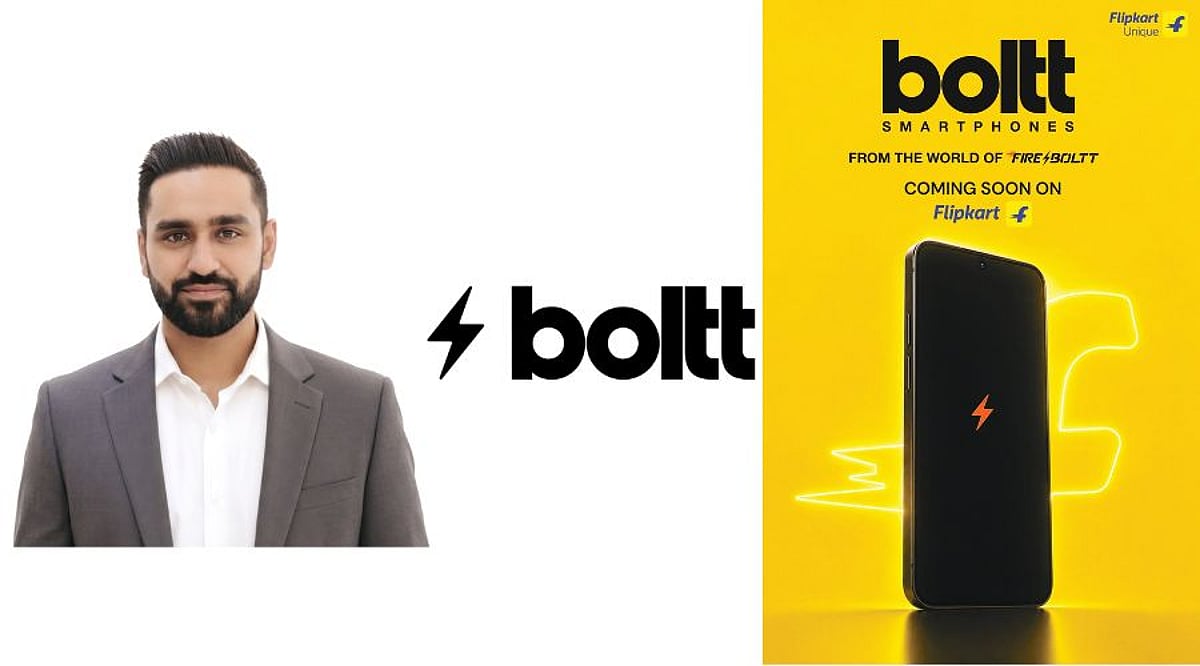
    Fire-Boltt, a leading wearables brand with a user ecosystem of over 4 crore consumers, has officially entered India’s smartphone market with the launch of a new Made-in-India brand called ‘boltt’. The smartphones will be available through Flipkart and other retail channels, marking the company’s strategic expansion from wearables to broader consumer technology.

    The boltt smartphone portfolio will include both 4G and 5G devices across the Evo and Ace series, designed to offer reliability, innovation, and affordability for Indian consumers. Manufactured in India, the brand aims to combine local production with deep market understanding, leveraging Flipkart’s extensive distribution network to reach users across metros and non-metros.

    Arnav Kishore, Founder and CEO of boltt, said: “Over the years, millions of consumers have welcomed Fire-Boltt into their daily lives, helping us build one of India’s largest connected consumer ecosystems. boltt is the next chapter in that journey. Smartphones sit at the heart of how people connect, create, learn, and aspire today, and we believe there is a significant opportunity for a homegrown brand that truly understands Indian consumers.”

    Mukund Kedia, Senior Director at Flipkart, added: “Flipkart is deeply committed to make premium smartphone experiences accessible to every consumer across metros and non-metros. With Flipkart’s large distribution scale and reach, coupled with boltt’s portfolio of 4G and 5G devices designed for everyday realities, consumers across the country can now enjoy smartphones that combine durability, performance, and innovation.”

    With strong presence in Tier 2 and Tier 3 markets and a robust logistics network, Flipkart will play a key role in boltt’s nationwide rollout. Further details about the smartphone lineup are expected in the coming weeks.

  • Samsung Galaxy A27 Hits India with Snapdragon 6 Gen 3 and 120Hz AMOLED Screen

    Samsung Galaxy A27 Hits India with Snapdragon 6 Gen 3 and 120Hz AMOLED Screen

    Samsung has officially launched the Galaxy A27 in India, expanding its popular A-series lineup. The new mid-range smartphone brings a larger battery, improved performance, and a familiar design compared to its predecessor. Samsung promises six generations of Android and One UI upgrades along with six years of security updates.

    Samsung Galaxy A27 Specifications

    The Galaxy A27 is powered by the Qualcomm Snapdragon 6 Gen 3 mobile platform. It comes with up to 8GB LPDDR5X RAM and 256GB UFS 3.1 storage. The device packs a 5,000mAh battery with 25W fast charging support. Its 6.7-inch FHD+ Super AMOLED display features an adaptive 120Hz refresh rate and is protected by Corning Gorilla Glass Victus+.

    Out of the box, the Galaxy A27 runs One UI 8.5 based on Android 16. Samsung has committed to six generations of Android and One UI upgrades, plus six years of security patches. The smartphone also includes Galaxy AI features and Samsung Knox security.

    Samsung Galaxy A27 Camera

    For photography, the Galaxy A27 sports a triple rear camera setup: a 50MP primary sensor, a 5MP ultra-wide lens, and a 2MP macro sensor. On the front, there is a 12MP selfie camera for video calls.

    Samsung Galaxy A27 Price in India

    Samsung has launched the Galaxy A27 in three variants:

    • 6GB RAM + 128GB storage: Rs. 28,999
    • 8GB RAM + 128GB storage: Rs. 31,999
    • 8GB RAM + 256GB storage: Rs. 37,499

    The company is offering an instant discount of Rs. 3,000, along with free EMI options and UPI cashback.

    Samsung Galaxy A27 Availability

    The Galaxy A27 will go on sale in India on July 3. It will be available in Light Green, Light Pink, and Black colors through Samsung’s online and offline stores.

  • iPhone 18 Pro Rumored to Feature 12GB RAM and Major Apple Intelligence Upgrades

    iPhone 18 Pro Rumored to Feature 12GB RAM and Major Apple Intelligence Upgrades

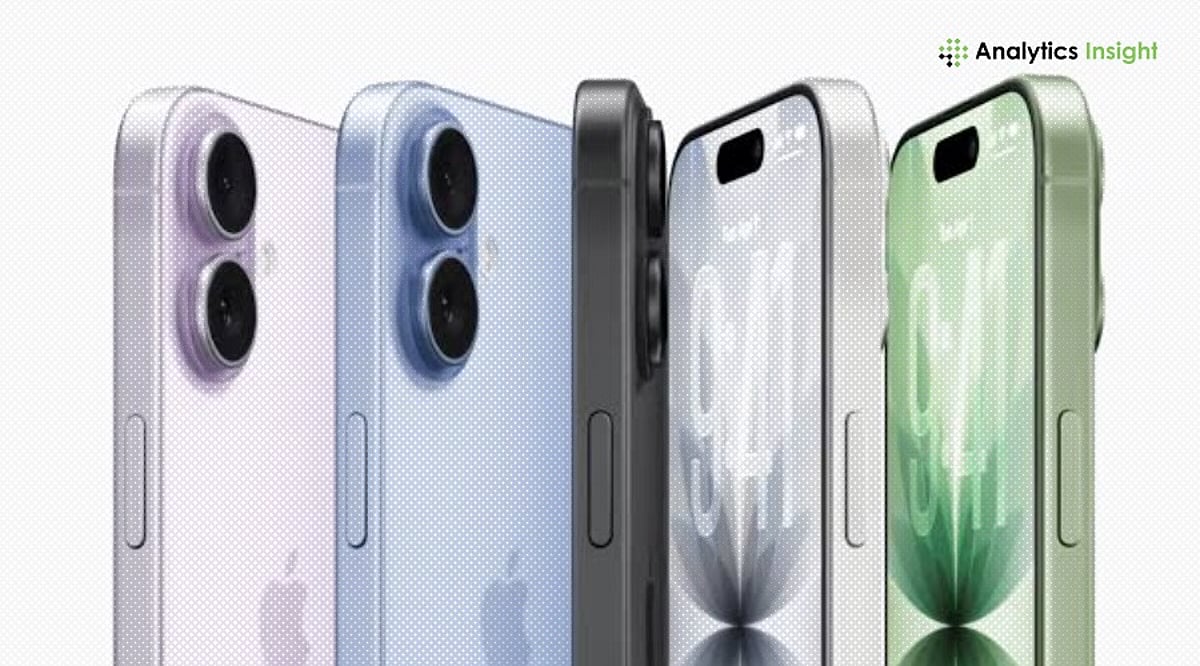
    Apple’s next flagship smartphone is already generating significant buzz, even though it remains months away from an official launch. According to the latest leaks and industry speculation, the iPhone 18 Pro could deliver one of the most substantial upgrades in recent years, with a focus on enhanced artificial intelligence capabilities, a brighter display, improved cameras, and a next-generation processor.

    12GB RAM for Smarter AI and Multitasking

    One of the most talked-about rumors is the jump to 12GB of RAM. This memory increase is expected to power more advanced Apple Intelligence features, enabling smoother multitasking and more sophisticated on-device AI processing. The move would bring the iPhone 18 Pro closer to the memory capacities seen in many high-end Android rivals.

    Display and Design Innovations

    Apple is reportedly working on a display that hides Face ID components beneath the screen, though the technology may not be ready for the iPhone 18 Pro. If delayed, users could still benefit from a larger usable screen area without sacrificing facial recognition security.

    Camera and Performance Upgrades

    According to supply chain analyst Ming-Chi Kuo, Apple is testing larger camera sensors to improve low-light photography and zoom capabilities. Video recording is also expected to see sharpness improvements thanks to sensor enhancements. The iPhone 18 Pro is likely to be powered by the A20 chipset, built on TSMC’s 2nm process, delivering a significant leap in speed and energy efficiency.

    Keeping Pace with Android Rivals

    The premium smartphone market is fiercely competitive, with Samsung, Google, Xiaomi, and Vivo all pushing boundaries in zoom, AI, and fast charging. Apple’s rumored upgrades — including better cameras, a brighter display, a faster chip, and deeper AI integration — suggest the company is aiming to match these strengths while retaining its advantages in software support and ecosystem integration.

    While none of these features have been officially confirmed, the leaks point to an iPhone 18 Pro that focuses on improving the daily user experience rather than just changing the exterior design. Improved cooling, smarter AI-assisted photography, and performance optimizations could make this one of Apple’s most meaningful upgrades in years.