Tag: smartphones

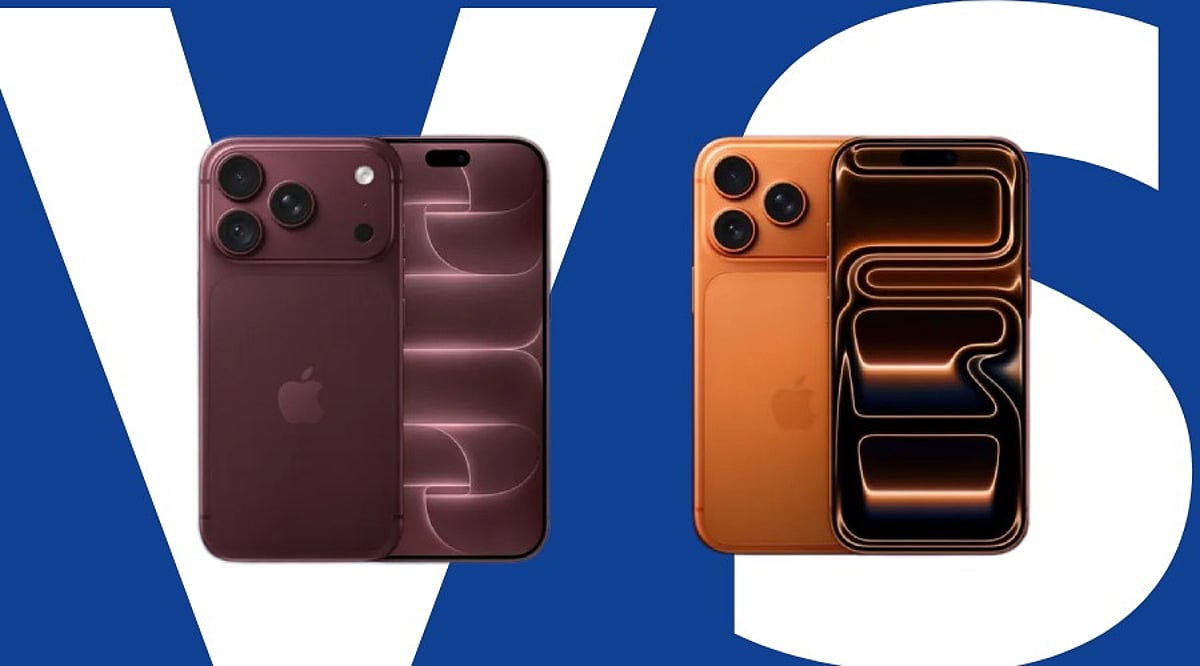
  • Apple’s Foldable iPhone Duo vs iPhone 18 Pro Max: A Flagship Showdown

    Apple’s Foldable iPhone Duo vs iPhone 18 Pro Max: A Flagship Showdown

    Apple now offers two distinctly different flagship phones: the iPhone 18 Pro Max and the all-new foldable iPhone Duo. Each targets a different type of user, and the choice ultimately depends on what you value most in a smartphone.

    Design and Display

    The iPhone Duo is Apple’s first foldable device. It opens to reveal a 7.6-inch inner screen—nearly 50% larger than the iPhone 18 Pro Max’s 6.9-inch display—and features a 5.4-inch external screen for quick tasks without unfolding. In contrast, the iPhone 18 Pro Max retains a traditional slab design with a familiar 6.9-inch display.

    Performance and Storage

    Both phones are powered by Apple’s A20 Pro chip and offer up to 2TB of storage, ensuring top-tier performance for demanding apps, games, and multitasking.

    Camera Systems

    The iPhone 18 Pro Max boasts a triple 48MP Pro Fusion camera system with Main, Ultra Wide, and Telephoto lenses. The iPhone Duo shares the same 48MP Main lens (without variable aperture) but lacks a telephoto lens. Instead, it includes a 12MP Center Stage selfie camera. For photography enthusiasts, the Pro Max provides greater versatility.

    Pricing and Availability

    Price is a major differentiator. The iPhone 18 Pro Max starts at $1,299 (₹1,79,900 in India), while the iPhone Duo starts at $1,999 (₹2,99,900). The Pro Max goes on sale September 18; the Duo follows on October 23.

    Which iPhone Should You Choose?

    For most buyers seeking strong cameras, a large display, and better value, the iPhone 18 Pro Max is the smarter choice. The iPhone Duo is for early adopters willing to pay a premium for Apple’s first foldable experience—offering a huge screen in a compact, pocketable form factor. If you already own a recent Pro Max, the Duo may not feel like a spec upgrade, but it delivers a unique, flexible experience.

  • Why Smartphones Charge Fast at First and Slow Down Near 80%

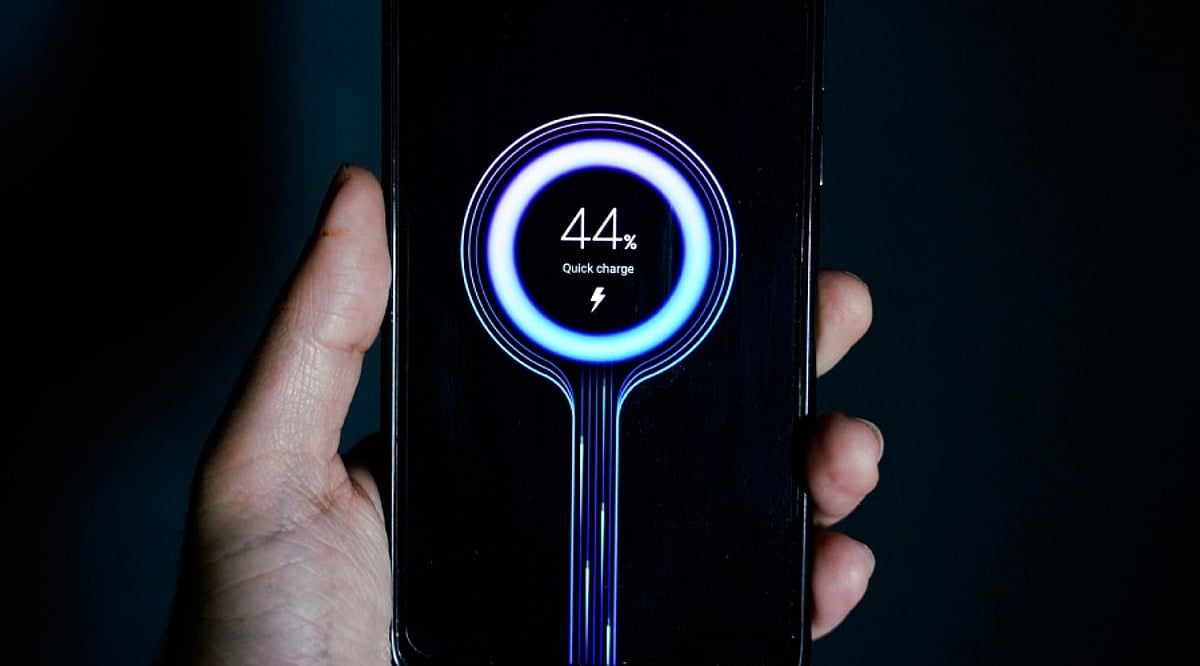
    Why Smartphones Charge Fast at First and Slow Down Near 80%

    Fast charging peaks early, then tapers near 80% as batteries approach their voltage limit. The slowdown reflects deliberate engineering, not a fault. Peak wattage rarely tells the full story. Brands like OnePlus, Samsung, Xiaomi, and Apple each balance speed against battery longevity differently.

    Fast charging is not constant. It runs hardest early and tapers as the battery fills, a pattern rooted in lithium-ion chemistry, not a flaw. The 80% slowdown is common but not fixed. The point where the curve turns conservative varies by phone, battery design, and temperature. Advertised wattage numbers describe a peak, not the average speed across a full charge, and real examples from major brands show why that gap matters.

    A phone does not charge at one steady speed. It pushes hard early, while the battery can take it, then pulls back near the top. That is why 50% can arrive in minutes, while the last 20% takes far longer. The slowdown is not weakness—it is the system managing power without adding extra heat or stress.

    The Battery Is Not a Simple Container

    Lithium-ion cells store energy by moving lithium ions between two electrodes through a liquid electrolyte. Charging pushes these ions in one direction. That movement generates heat on its own. Faster ion movement builds more heat, and repeated heat exposure wears down the electrode material over time. Every charging system balances speed against long-term battery health.

    How Fast Charging Pushes More Power Early

    A fast charger communicates with the phone’s charging system to set an appropriate voltage and current level. The phone then decides how much of that available power actually reaches the battery. Early in the cycle, the battery can generally accept higher power without reaching its upper voltage limit. The controller uses this room to push more energy in fast. This is why the first stretch of charging feels dramatic. The Redmi Note 14 Pro Plus supports 120W HyperCharge and filled its 5,110 mAh battery in 21 minutes during independent lab testing by GSMArena. That result shows how much charge can land in a short early window.

    Why Charging Slows Near 80%

    Charging happens in two stages. First comes a fast stage where the charger sends a strong, steady current. Then comes a slower stage where the charger holds the voltage steady instead. As the battery fills up, it gets closer to its top voltage limit. At that point, it cannot safely take in as much current. The system starts to ease off by lowering the current while keeping the voltage close to its target. This change does not happen all at once. Your phone does not simply turn off fast charging the moment it hits 80%. The drop in power happens smoothly over time. This is why 80% feels less like a hard stop and more like the point where charging starts to slow down and play it safe.

    Why 80% Is Not a Fixed Number

    Not every phone slows down at the same point. Some phones start tapering off earlier than others. Some keep up higher speeds for a longer stretch. This difference comes from the battery’s chemistry, the way the cells are built, and how the manufacturer tunes the charging software. Heat plays a role too, separate from the charge level shown on screen. A phone that warms up while charging, whether from a hot room or from apps running in the background, may see its charging speed drop no matter how full the battery already is.

    How Different Brands Handle It

    Each company takes its own approach to this problem. OnePlus pushes high power early in the charging cycle with its SuperVOOC system, seen in phones like the OnePlus 12. Samsung takes a calmer approach with its 45W charging. The Galaxy S24 Ultra reaches about 65% charge in 30 minutes, based on the company’s own test results. Xiaomi uses dual-cell and multi-cell batteries in its HyperCharge lineup. This design spreads out the load, which helps manage current, voltage, and heat while keeping power high for a longer stretch. Apple goes a different route entirely. Its iPhones charge at fairly modest speeds compared to many Android rivals. Instead, the Optimized Battery Charging feature slows down the final stretch when it senses the phone will stay plugged in for a while.

    Peak Wattage Is Not the Same as Charging Speed

    Marketing tends to skip this part: peak wattage is a snapshot, not a measure of the full session. A phone paired with a high-wattage charger does not draw that output from zero to full. It touches that peak briefly, then pulls back as voltage rises, temperature shifts, or the battery nears its limit. Two phones with matching wattage ratings can still charge at different real speeds, since each sustains its peak for a different length of time. Comparison charts rarely mention this, yet it explains more about real charging performance than the headline number ever will.

    What This Means for Battery Health

    Anyone who does not need a full battery every day can stop charging below 100% to cut down time spent at a high state of charge. Many phones already build this kind of management into their software, rather than leaving the choice entirely to the user. The point is not to avoid fast charging—it is to avoid unnecessary heat and long stretches near full charge.

    Final Thought

    The slowdown near 80% is not proof that fast charging has stopped working. It marks the point where a phone shifts its priority from raw speed to control. Early on, the battery accepts power quickly. Near its limit, the system pulls back current, manages heat, and finishes the job with care. Peak wattage only tells part of that story. The full charging curve, not the number printed on the charger box, is what actually shapes the experience.

  • iPhone 18 Pro vs iPhone 17 Pro: Is the Rs 30,000 Price Gap Justified?

    iPhone 18 Pro vs iPhone 17 Pro: Is the Rs 30,000 Price Gap Justified?

    Apple’s latest iPhone 18 Pro brings a faster A20 Pro chip, a variable-aperture main camera, improved battery life, and additional AI capabilities over the iPhone 17 Pro. However, with a starting price of Rs 1,64,900 in India compared to Rs 1,34,900 for the iPhone 17 Pro (both 256GB), the Rs 30,000 premium raises an important question: is the upgrade worth it for most users?

    Key Differences at a Glance

    The iPhone 18 Pro introduces several meaningful upgrades, but not all of them will matter to every buyer. Here’s a breakdown of the most significant changes.

    Camera: Variable Aperture Steals the Show

    The most notable camera upgrade is the 48MP Fusion main camera with a variable aperture offering ƒ/1.48, ƒ/1.8, ƒ/2.8, and ƒ/4.0 settings, compared to the iPhone 17 Pro’s fixed ƒ/1.78 aperture. This gives you more control over depth of field and low-light performance. Both phones share the same 48MP ultra-wide and telephoto cameras with 4x optical zoom and up to 8x optical-quality zoom. For photography enthusiasts, the variable aperture could be the deciding factor.

    Performance: A20 Pro vs A19 Pro

    The A20 Pro chip delivers roughly 20% faster CPU performance and 40% faster GPU performance compared to the A19 Pro, according to third-party analysis. The 7-core GPU and enhanced neural engine are aimed at demanding AI tasks, gaming, and creative applications. For everyday tasks like messaging or streaming, the difference is less noticeable.

    Battery Life: Three Extra Hours

    Apple claims up to 36 hours of video playback on the iPhone 18 Pro versus 33 hours on the iPhone 17 Pro. While not a dramatic jump, the extra three hours could make a difference for heavy users.

    Display: Minimal Changes

    Both models feature a 6.3-inch Super Retina XDR OLED display with ProMotion and a smaller Dynamic Island that supports up to three Live Activities. There are no major display improvements to justify an upgrade.

    Which One Should You Buy?

    The iPhone 18 Pro is clearly the more advanced device, but the Rs 30,000 price gap gives the iPhone 17 Pro a strong value proposition. If you prioritize the latest camera technology, AI performance, battery life, or up to 2TB storage, the iPhone 18 Pro is the better long-term investment. However, for most users who are satisfied with the A19 Pro chip, ProMotion display, and 48MP camera system, the iPhone 17 Pro remains an excellent choice—especially when retailer or bank discounts are available.

    Frequently Asked Questions

    Is the iPhone 18 Pro worth upgrading from the iPhone 17 Pro?
    The upgrade is worthwhile for camera enthusiasts, AI users, and performance seekers, but unnecessary for everyday users.

    What is the price difference?
    The iPhone 18 Pro starts at Rs 1,64,900, while the iPhone 17 Pro launched at Rs 1,34,900 in India.

    Does the iPhone 18 Pro have a better camera?
    Yes, its 48MP main camera features a variable aperture, offering greater flexibility than the fixed aperture on the iPhone 17 Pro.

    Which iPhone has better battery life?
    The iPhone 18 Pro offers up to 36 hours of video playback, compared to 33 hours on the iPhone 17 Pro.

    Which iPhone offers better value for money?
    The iPhone 17 Pro offers better value, especially when discounted, while the iPhone 18 Pro provides newer hardware.

  • Reliance Digital Ganesh Chaturthi Tech Deals: Laptops, TVs, Smartphones & More

    Reliance Digital Ganesh Chaturthi Tech Deals: Laptops, TVs, Smartphones & More

    Ganesh Chaturthi is the perfect time to upgrade your home with useful technology. Reliance Digital’s festive lineup features laptops, televisions, smartphones, audio gear, and smartwatches across various price points.

    The selection ranges from a 32-inch Xiaomi TV at ₹13,999 to premium devices such as the Lenovo LOQ laptop and Samsung Galaxy Watch 8 Classic. Prices and offers below reflect the latest details listed for the products.

    Laptops for Work, Study and Play

    The HP 15 15-fd0682TU costs ₹75,499 (MRP ₹1,24,097) — a 39% discount. It features an Intel Core 5 120U processor, 16GB RAM, 512GB PCIe NVMe SSD, and Intel Iris Xe Graphics. The 15.6-inch Full HD anti-glare display (1920×1080) comes with Windows 11 Home and MS Office Home 2024 preloaded, plus one year of Microsoft 365 Basic. Additional features include a 1080p FHD webcam, backlit keyboard, Wi-Fi 6, Bluetooth 5.4, and up to 7 hours 45 minutes battery life. A one-year warranty and 7.5% discount on Axis cards are also available.

    The Lenovo LOQ 15ARP10E 83S000FYIN is priced at ₹1,07,990 (MRP ₹1,46,790) — a 26% discount. It runs on an AMD Ryzen 5 7535HS processor with 16GB DDR5 RAM, 512GB SSD, and NVIDIA GeForce RTX 3050 6GB GDDR6 graphics (65W TGP). The 15.6-inch FHD anti-glare display (1920×1080) comes with Windows 11 Home Single Language and Office Home & Student 2024. It also includes a backlit keyboard, three USB ports, HDMI, LAN, Bluetooth 5.2, and Nahimic stereo audio.

    TVs for a Festive Home Upgrade

    The Xiaomi F Series 32-inch HD Ready Smart TV L32MB-FIN costs ₹13,999 (MRP ₹24,999) — a 44% discount. This 81.28 cm display offers 1366×768 HD Ready resolution, 60Hz refresh rate, and supports Netflix, JioHotstar, Prime Video, and YouTube via two HDMI and two USB ports. A 20W speaker provides sufficient audio for daily use.

    The iffalcon 65U65 65-inch 4K UHD TV is available at ₹39,990 (MRP ₹1,20,990) — a 67% discount. The 165.1 cm screen delivers 3840×2160 4K resolution at 60Hz, with Google TV for access to Google Play, YouTube, and featured apps. It includes three HDMI ports and one USB port.

    The TCL 55C6K 55-inch QD-Mini LED Google TV costs ₹61,990 (MRP ₹1,07,990) — a 43% discount. This model features 4K 3840×2160 resolution with a 144Hz refresh rate. Google TV powers the software, while four HDMI ports, one USB port, and LAN offer broad connectivity. A two-year manufacturer warranty and up to ₹8,000 off with HDFC or ICICI credit cards are included.

    Smartphones and Personal Tech

    The Redmi A7 4G (64GB, 3GB RAM, Sky Blue) costs ₹12,999 (MRP ₹25,999) — a 50% discount. It features a 6.88-inch HD+ 120Hz display (600 nits brightness), 13MP rear camera, 8MP front camera, 5200mAh battery, HyperOS 3, Bluetooth 5.4, USB Type-C 2.0, and support for up to 2TB expandable storage.

    The POCO C81x (64GB, 3GB RAM, Crystal Black) is priced at ₹11,999 (MRP ₹18,999). It offers a 6.88-inch 120Hz HD+ display, 13MP dual AI rear camera, Unisoc T7250 processor, 64GB internal storage, Android 15 Go, fingerprint scanner, water resistance, and expandable memory slot.

    The Apple AirPods Pro 2nd Gen (USB-C and MagSafe Charging Case) costs ₹18,900 (MRP ₹24,900). These earbuds provide Active Noise Cancellation, Transparency mode, and Personalized Spatial Audio with dynamic head tracking. Both earbuds and case carry IP54 rating, with the case supporting USB-C, Apple Watch, MagSafe, and Qi wireless charging. Total play time is up to 30 hours.

    Smartwatches for a Premium Festive Gift

    The Samsung Galaxy Watch 8 Classic 46mm Bluetooth (Black, L500N) costs ₹27,599 (MRP ₹46,999) — a 41% discount. It features a rotating bezel, Sapphire glass, Armor Aluminum, and Super AMOLED display with up to 3000 nits brightness. The 3nm processor, BioActive Sensor, and Dual GPS support daily fitness and health functions.

    The Samsung Galaxy Watch 8 40mm Bluetooth (Graphite, L320N) is priced at ₹20,399 (MRP ₹32,999) — a 38% discount. Its 8.6 mm slim-fit design uses Sapphire glass and Armor Aluminum, with a Super AMOLED screen reaching up to 3000 nits. The 3nm processor, BioActive Sensor, Dual GPS, and Galaxy AI health features provide a premium experience in a smaller size.

    With options from compact TVs and affordable phones to powerful laptops and premium wearables, this Reliance Digital selection gives Ganesh Chaturthi tech purchases a clear purpose: a useful upgrade that stays relevant beyond the festive season.

  • Apple Unveils Foldable iPhone Duo, iPhone 18 Pro, and Watch Series 12 at Surprise and Shine Event

    Apple Unveils Foldable iPhone Duo, iPhone 18 Pro, and Watch Series 12 at Surprise and Shine Event

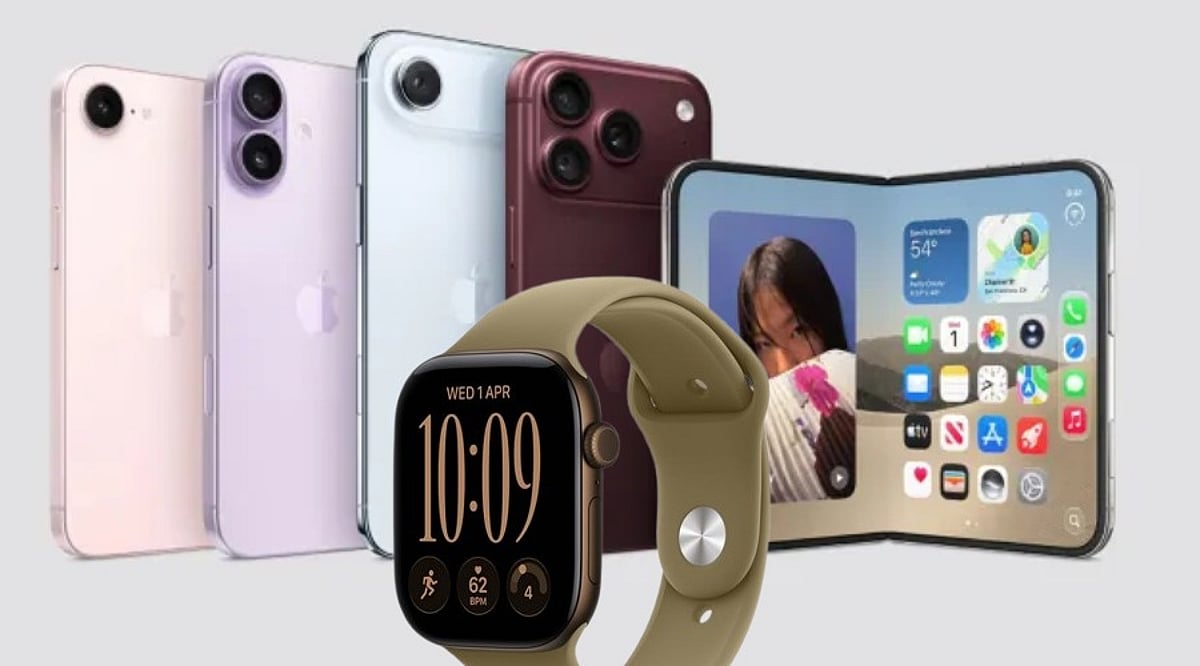
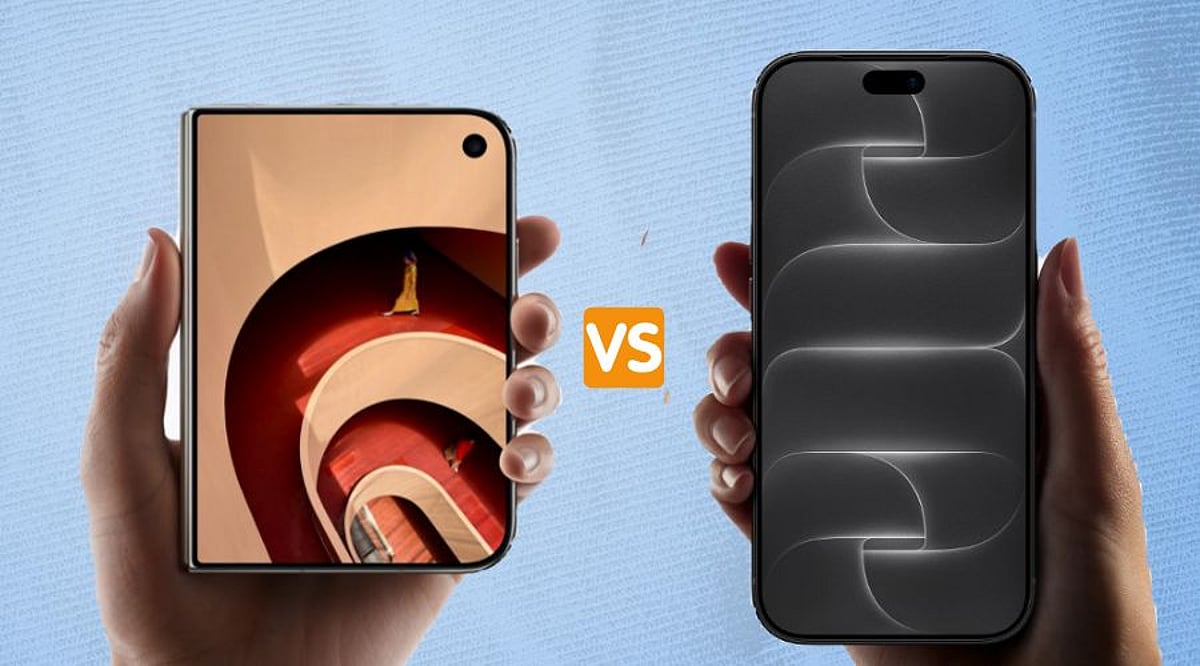
    Apple launched the iPhone Duo, its first foldable iPhone, alongside the iPhone 18 Pro and iPhone 18 Pro Max at the ‘Surprise and Shine’ event at Apple Park in Cupertino, California, on Wednesday. The event marked the first major iPhone launch under CEO John Ternus, following Tim Cook’s departure.

    iPhone Duo: Apple’s First Foldable

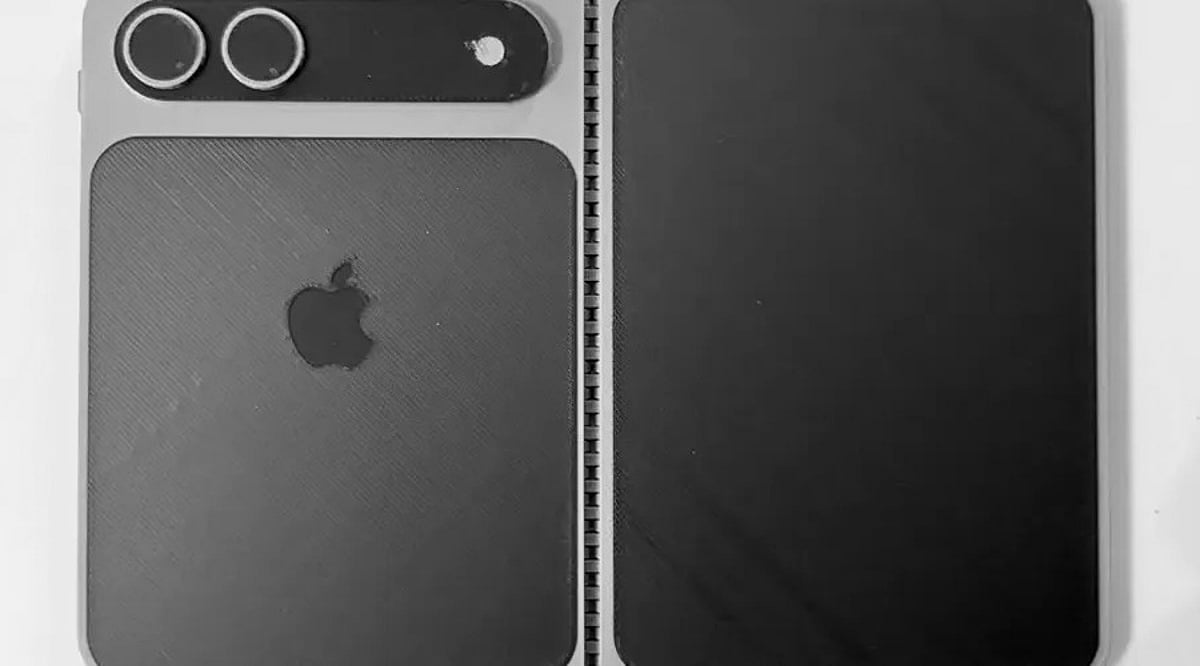
    The iPhone Duo starts at USD 1,999, while the price in India starts at Rs. 2,99,900. Apple describes it as its thinnest iPhone ever when unfolded and the biggest design change to its flagship product. Ternus said other foldable phones ‘just feel like two phones awkwardly stuck together.’ Apple aimed for a display ‘that feels as natural and intuitive as (the) iPad.’ The hinge plays a key role in ergonomics and robustness.

    iPhone 18 Pro, Pro Max Prices and Features

    The iPhone 18 Pro starts at USD 1,199, while the iPhone 18 Pro Max starts at USD 1,299. In India, the iPhone 18 Pro starts at Rs. 1,64,900 and the Pro Max at Rs. 1,79,900. Both models offer 256GB, 512GB, 1TB, and 2TB storage options in burgundy, glacier, silver, and black. Apple introduced a mechanical variable aperture for the main camera, allowing the lens opening to adjust the amount of light reaching the sensor. The Camera app also gets ‘Pro controls’ for photography and videos, including shutter speed for more motion blur.

    Apple Watch Series 12, AirPods 5

    Apple Watch Series 12 and Watch Ultra 4 receive three Health Sensing System additions: increased electrode surface area for ECG, more efficient photodiodes, and background heart-rate readings every 5 seconds, 60x more than before. Apple said this is the most accurate heart-rate sensor in any wearable. AirPods 5 feature improved noise cancellation through new acoustic architecture, with 50% more noise cancellation. Customers can pre-order AirPods 5 with Wireless Charging Case for Rs. 17,900, with stores receiving them on Friday, September 18. Apple also introduced Apple Reference Image to prove the authenticity of images taken with the new iPhone 18 Pro cameras. The company said it will support SynthID for identifying AI-created or edited images. Apple Reference Image will not be available in the EU or China. The event also focused on privacy and Apple Intelligence.

  • Apple’s Foldable iPhone: ‘Duo’ Leads the Naming Race Over ‘Ultra’ and ‘Fold’

    Apple’s Foldable iPhone: ‘Duo’ Leads the Naming Race Over ‘Ultra’ and ‘Fold’

    Apple is on the verge of launching its first foldable iPhone, and speculation is heating up over what the device will be called. Recent leaks have pointed to three possible names: iPhone Duo, iPhone Ultra, and iPhone Fold. While Apple has not confirmed any of these, the rumor mill suggests that iPhone Duo is emerging as the frontrunner.

    Each name carries its own significance. iPhone Duo hints at the device’s dual-screen design, iPhone Ultra positions it as a premium offering, and iPhone Fold directly describes its form factor. However, with Samsung already using the ‘Fold’ branding for its own foldable smartphones, it seems unlikely that Apple would adopt the same name.

    According to reports, the foldable iPhone could feature two rear cameras, while the Pro Max variant might include three. There is also speculation that the device may use Touch ID instead of Face ID. The name ‘Duo’ feels more neutral and aligns well with the two-screen concept without suggesting it is a replacement for the Pro Max line.

    Apple has a history with the ‘Duo’ name, having used it for the PowerBook Duo and the MagSafe Duo Charger. This legacy reinforces the idea of two parts working together—a perfect fit for a phone that can function as a standard smartphone and unfold into a larger display.

    The final name will play a key role in how consumers perceive Apple’s entry into the foldable market. ‘Fold’ is descriptive but already taken. ‘Ultra’ suggests a top-tier model but may not capture the unique design. ‘Duo’ offers Apple the flexibility to build an entirely new category around the device.

    As the launch approaches, all eyes are on Apple’s naming decision. For now, iPhone Duo seems to be the most fitting choice, but Apple could still surprise everyone with something completely different.

  • Top Smartphones Worth Your Attention During Amazon’s September Sale

    Top Smartphones Worth Your Attention During Amazon’s September Sale

    Amazon’s September sale is here, and it’s the perfect time to snag a deal on some of the best smartphones on the market. Whether you’re after flagship performance, a capable camera, or a mid-range powerhouse, this roundup covers the devices that offer real value when prices drop.

    • Antara iPhone Air – Apple’s iPhone Air delivers a slim, premium build, a large display, and reliable everyday performance for buyers who want style and substance.
    • Samsung Galaxy S25 Edge – With a premium design, Snapdragon power, and a 200MP camera, the Galaxy S25 Edge makes a strong case for an upgrade during the sale.
    • Google Pixel 8a – Clean Android software, solid cameras, and consistent performance make the Pixel 8a a fantastic choice, especially when its price drops.
    • Xiaomi 17 – Packed with powerful hardware and generous storage, the Xiaomi 17 delivers flagship-like performance without compromise.
    • OnePlus 13s – Fast performance, a smooth display, and a premium experience at a reduced price make the OnePlus 13s a smart buy.
    • Nothing Phone (4b) – An AMOLED display, 6,000mAh battery, and Snapdragon chipset make the Nothing Phone (4b) a compelling mid-range option.
    • iQOO Z11 5G – With powerful hardware and 12GB of RAM, the iQOO Z11 5G is built for gaming and demanding tasks.
    • vivo X300 Ultra – A high-end camera system, fast chipset, high-refresh-rate display, and large battery cater to demanding users.
    • Tecno Camon 50 Ultra 5G – Feature-packed with a large display and strong camera hardware, the Tecno Camon 50 Ultra 5G is worth a look.

    These smartphones are likely to see significant discounts, so keep an eye on Amazon’s September sale to grab the best deal.

  • Apple Foldable iPhone Duo Launching at $2,000: Specs, Design, and What We Know

    Apple Foldable iPhone Duo Launching at $2,000: Specs, Design, and What We Know

    Apple is set to unveil its first foldable iPhone Duo at its September 9 event in Cupertino. The announcement, scheduled for 10 a.m. Pacific Time from the Steve Jobs Theater, marks a major milestone for the company as it enters the foldable smartphone arena with a device that blends dual-screen versatility and premium hardware.

    A New Form Factor for iPhone

    Dubbed the “iPhone Duo,” the device is expected to feature a passport-style foldable design with two displays: a 5.5-inch outer screen and a 7.8-inch inner OLED panel. The larger screen will support multitasking, immersive video, and tablet-style usage, giving Apple a direct competitor in the growing foldables market.

    Under the hood, reports point to an A20 Pro chip, dual 48MP rear cameras, and Touch ID. Apple has reportedly spent years refining the design, focusing on hinge durability and minimizing screen creasing. The foldable is said to use a titanium and aluminum hinge with custom cover glass to withstand repeated folding.

    Premium Pricing and Availability

    The iPhone Duo is expected to start near $2,000 for the 256GB model, with higher-end versions approaching $3,000. Component costs have been pushed up by memory shortages, adding to the device’s premium positioning. Sales are predicted to begin as early as October, following the September announcement.

    IDC analyst Nabila Popal anticipates strong demand despite the high price, calling it potentially the “Birkin” of smartphones in China — a reference to the iconic luxury handbag.

    More Than a New iPhone

    The launch also represents a leadership test for John Ternus, who took over as Apple CEO earlier this month and will lead the keynote. Alongside the foldable, the event is expected to introduce the iPhone 18 Pro, new Apple Watch models, and AirPods.

    Apple’s entry into foldables signals a significant design shift, one that could redefine its product lineup and restore its reputation as an innovator. All eyes will be on Cupertino as the company makes one of its boldest moves in years.

  • Today’s Tech Roundup: Jio Bundles, Googlebook Leak, China’s AI Talent, Nokia Open-Source AI, and Oppo Find X10 Ultra Details

    Today’s Tech Roundup: Jio Bundles, Googlebook Leak, China’s AI Talent, Nokia Open-Source AI, and Oppo Find X10 Ultra Details

    Welcome to today’s roundup of the biggest tech stories. From new bundled plans and historical leaks to AI talent moves and smartphone camera innovations, here’s what you need to know.

    Jio Launches 3-in-1 Bundled Home Entertainment Plans

    Reliance Jio has introduced new 3-in-1 bundled plans that combine broadband, TV, and OTT subscriptions into a single package. The move aims to simplify home entertainment and compete with other integrated service providers in India.

    Googlebook Leak Reveals Early Laptop History

    A leaked document, dubbed “Googlebook,” has surfaced, offering an inside look at Google’s early laptop development. The leak provides details on design prototypes, hardware specifications, and the strategic thinking behind Google’s initial foray into the laptop market.

    China Invests Heavily in AI Talent Pipeline

    China is accelerating its push to develop artificial intelligence talent, with new government initiatives and university programs aimed at training thousands of AI specialists. This strategic investment underscores Beijing’s ambition to lead the global AI race.

    Nokia Open-Sources AI Video Technology

    Nokia has announced it will open-source its AI-powered video processing technology. The move is expected to spur innovation in video analytics, compression, and real-time enhancement, making advanced tools accessible to developers worldwide.

    Oppo Find X10 Ultra Camera Leak Emerges

    Details of the upcoming Oppo Find X10 Ultra have leaked, revealing a cutting-edge camera system with periscope zoom, improved low-light performance, and AI-driven computational photography features. The device is expected to challenge other flagship smartphones in the ultra-premium segment.

    Stay tuned for more updates on these developing stories.

  • Top Budget Smartphones Under ₹20,000 to Grab During Amazon Great Freedom Sale 2026

    Top Budget Smartphones Under ₹20,000 to Grab During Amazon Great Freedom Sale 2026

    The Amazon Great Freedom Sale 2026 brings many budget smartphones at attractive prices. Buyers who want a new 5G phone without crossing the ₹20,000 mark have plenty of options this time. Samsung, realme, Motorola, Redmi, and OnePlus have launched several models with large batteries, smooth displays, capable cameras, and useful software features. Many phones also come with AI tools, long software support, and durable designs. Every model serves a different type of buyer, so the sale offers something for almost every need.

    Key Takeaways

    • Samsung offers long software support, AI features, and durable designs under ₹20,000.
    • Realme focuses on massive batteries, fast charging, and high refresh rate displays.
    • Motorola, OnePlus, and Redmi provide strong value with competitive hardware and affordable pricing.

    Samsung Galaxy M17 5G – Starts at ₹16,999

    Samsung Galaxy M17 5G ranks among the most budget-friendly offerings in this sale. The model with 4GB RAM and 128GB storage is priced at ₹16,999, while the one with 6GB RAM and 128GB storage is available for ₹18,999 during the Freedom Sale. It comes with a 50MP OIS triple camera ensuring the capturing of high-quality images with enhanced stability. Thanks to Gorilla Glass Victus, the handset has solid protection against scratches and with the IP54 certification, it is water-resistant against light water splashes and dust. Also, the firm has promised six generations of Android updates, which guarantees long-term value. The phone offers AI capabilities, Gemini Live support, and gaming optimization.

    Samsung Galaxy M36 5G – Premium Features at ₹19,999

    Samsung Galaxy M36 5G comes with a sale price of ₹19,999 for the 6GB RAM and 128GB storage model. The device includes Gorilla Glass Victus+, a slim 7.7mm body, and a 50MP OIS triple camera with Nightography support. Google Gemini features also come built into the phone. Samsung focuses on smooth everyday performance, AI tools, and reliable software support. This model suits buyers who want premium features while staying below the ₹20,000 limit.

    OnePlus N6x – Focus on Battery Life at ₹18,999

    OnePlus N6x appears in the Freedom Sale at ₹18,999 for the 4GB RAM and 64GB storage version. A massive 7000mAh battery stands as the biggest highlight of this smartphone. The company also claims 36 months of smooth performance for long-term use. A 120Hz display delivers fluid scrolling, while the large 5300mm² cooling system helps maintain stable performance during long gaming sessions. Military-grade durability adds another advantage for users who need a sturdy device.

    realme Narzo 90x 5G – Fast Charging at ₹19,498

    Realme Narzo 90x 5G makes its debut at a price of ₹19,498 offering a configuration of 6GB RAM and 128GB storage. Users have a choice between the two attractive colors Flash Blue 2026 and Maroon Red 2026. The device comes with a massive battery of 7000mAh and a fast charging capability of 60W. Its 144Hz display provides a smooth visual experience. The 50MP AI camera Sony shoots amazing pictures, while the 400% Ultra Boom Speaker improves sound effects. Overall, the model finds a good mixture of battery life, display features, and camera performance in the low-cost category.

    realme Narzo 100 Lite 5G – For Heavy Users

    The realme Narzo 100 Lite 5G has also become available at a great price. The 4GB RAM and 128GB storage option is priced at ₹17,499, while the counterpart 6GB RAM and 128GB version comes at ₹19,999. The large 7000mAh Titan Battery gives the phone enough energy for prolonged daily usage. The phone also offers a 144Hz display, a 5G octa-core chip, VC cooling, and an eye-catching look. The brand claims four years of lag-free operation, making it perfect for people who are looking for a device that does not slow down over time.

    Motorola Moto G37 Power 5G – Strong Hardware at ₹19,740

    Motorola Moto G37 Power 5G enters the sale at ₹19,740 with 8GB RAM and 128GB storage. The smartphone features a 6.67-inch HD+ display with a 120Hz refresh rate. MediaTek Dimensity 6400 powers the device for everyday tasks and gaming. A 50MP rear camera captures detailed photos, while the 7000mAh battery supports extended usage. Motorola also includes 30W fast charging to reduce charging time.

    Samsung Galaxy A07 5G – Balanced Performance at ₹19,999 (Effective ₹18,999)

    Samsung Galaxy A07 5G sells for ₹19,999, while a coupon lowers the effective price to ₹18,999 for the 6GB RAM and 128GB storage variant. The phone includes a 120Hz refresh rate display, a 6000mAh battery, a 50MP dual rear camera, Knox Vault security, and six generations of Android upgrades. This combination makes the device suitable for users who want reliable security, modern software, and dependable everyday performance.

    Redmi A7 Pro 5G – Value at ₹15,499

    Redmi A7 Pro 5G comes at a sale price of ₹15,499 with 4GB RAM and 128GB storage. Redmi highlights the fastest processor in its segment along with a large battery and a 6.9-inch 120Hz display. Buyers who want a large screen and modern 5G connectivity without spending much may find this smartphone worth considering.

    realme Narzo 80 Lite and P4R 5G – Completing the Lineup

    The realme Narzo 80 Lite 2026 is available for ₹12,999 and boasts 4GB of RAM and 64GB of internal storage. The phone has a 6300mAh battery, 7.94mm thin design, 300% Ultra Volume, nine colors, five light modes, and AI Assist among other features. It is one of the cheapest models available during the sale.

    Another model worth checking out is the realme P4R 5G with a price of ₹18,990. This phone comes with 4GB of RAM, 128GB of internal memory, 8000mAh battery, and 144Hz display which makes it a viable option to consider especially for customers looking for battery backup.

    Final Thoughts

    The Amazon Great Freedom Sale 2026 introduces various budget-friendly smartphones that come at approximately ₹20,000. Samsung is popular among buyers for its extended software support, AI features, and rugged design. The focus of realme is on extensive performances of battery, fast charging, and high-frequency display. OnePlus also satisfies buyers with solid battery performance and a sturdy exterior, while Motorola comes up with good RAM and dependable hardware. Redmi enables buyers to enter 5G technology by bringing an affordable device along with a satisfying display size and a good price. The broad price range allows buyers to purchase the phone that suits both their requirements and their budget strictly limited to ₹20,000.

    FAQs

    1. Which is the cheapest smartphone in this list? The realme Narzo 80 Lite 2026 is the most affordable option at ₹12,999.
    2. Which phone offers the biggest battery? The Realme P4R 5G comes with a massive 8000mAh battery.
    3. Which Samsung phone offers six generations of Android upgrades? Samsung Galaxy M17 5G, Galaxy M17e 5G, Galaxy M36 5G, and Galaxy A07 5G offer six generations of Android upgrades.
    4. Which phone features a 144Hz display? Realme Narzo 90x 5G, realme Narzo 100 Lite 5G, and realme P4R 5G include a 144Hz display.
    5. Which smartphone has 8GB RAM under ₹20,000? Motorola Moto G37 Power 5G offers 8GB RAM with 128GB storage at ₹19,740.