Tag: Sony

  • PS6 Price Hike Likely as Memory Costs Surge: What Gamers Need to Know

    PS6 Price Hike Likely as Memory Costs Surge: What Gamers Need to Know

    Next-gen gaming consoles are expected to bring a bigger jump in power than earlier generations. Better graphics, faster loading, improved ray tracing, more memory, and AI-based features could make future consoles more capable, while also raising their production costs.

    The PS6 is already at the center of next-generation PlayStation discussions. Sony confirmed work on its next-generation platform, although the company did not reveal the final PS6 price, release date, or full hardware details.

    Rising memory prices could become a major concern for console makers. Strong demand from AI data centers is putting pressure on memory supply, while other parts such as advanced chips and storage could also add to the cost of future consoles.

    Gaming consoles have come a long way over these years. A console is no longer a mere machine that runs games; it has now shifted to systems with fast processors, powerful graphics, quick storage, large memory, strong cooling, and a range of online features.

    The next-generation gaming consoles may take things further. The rising demands from players regarding better graphics, smoother frame rates, faster loading, and more detailed game worlds turn them into advanced systems. Even AI could also play a bigger role in how future consoles process images and run games.

    All these improvements sound good for gamers, but there’s still one question that bothers them throughout: how much will the next console generation cost?

    The rumors and speculation around PlayStation 6 are a good example to understand what players expect from a console and the price. Sony confirmed that it is working on its next-generation PlayStation hardware. The company did not yet confirm the PS6 name, price, release date, or final specifications.

    However, the company also spoke about rising memory costs and mentioned that it may force the makers to increase the price of the hardware. Along with that, the tech giant also mentioned that it does not plan to absorb all of these increases by selling hardware at major losses.

    Next-Gen Consoles Get More Powerful

    The biggest reason future consoles could become more expensive is the growing demand for better performance. Current consoles already support 4K gaming, fast SSD storage, high frame rates, and advanced lighting. The next generation is expected to improve these areas even further.

    To understand expectations for the next-gen console, we can look at the PS6. Reports about the PS6 have pointed to possible upgrades in graphics performance, memory, ray tracing, and AI-based image processing. Some reports have also mentioned newer AMD technology. These details have not been confirmed by Sony, so they should be treated as reports rather than final specifications.

    Graphics could be one of the biggest areas of change. Players now expect games to offer detailed worlds, realistic lighting, better reflections, and smoother movement. Achieving all of this requires stronger hardware.

    Ray tracing is another area that could see a bigger shift. The technology can make lighting and reflections look more realistic, although it also requires more graphics power.

    AI may become another part of the next console race. AI-based image tools can help a console create a sharper picture without rendering every frame at the highest possible resolution. This could help developers offer better visuals without placing as much pressure on the hardware.

    Storage is also becoming more important. Modern games can take up a huge amount of space. Players also expect games to load quickly. Faster and larger SSDs could therefore become a standard part of future consoles.

    More powerful hardware can create another problem: heat. Stronger chips need better cooling, while higher power use can require improved internal parts. A console may therefore need upgrades across several areas, not just the main processor.

    Sony’s comments about hardware costs show why pricing is becoming an important issue. If memory and other parts become more expensive, console makers have to decide whether to accept lower margins or charge customers more.

    Memory Costs Could Push Prices Higher

    Higher console prices go beyond gaming; it’s more about memory. AI data centers are using huge amounts of memory chips for servers and advanced computing systems. This is increasing demand across the wider memory market.

    The AI advancement is also changing how memory makers use their production capacity. Now that most production procedures are going toward AI hardware, this can put pressure on the supply of other memory chips. Gaming consoles are only one part of a much bigger market, so console makers must deal with these broader changes.

    Some unofficial PS6 estimates have also suggested a sharp rise in hardware costs. One recent estimate put the possible bill of materials at around USD 960, compared with an earlier estimate of about USD 760. Shipping, assembly, marketing, taxes, retailer margins, software costs, and other expenses must still be considered.

    Sony did not confirm these PS6 cost estimates. The company also said it did not decide the timing and pricing of its next-generation platform.

    Higher Costs Could Reshape Consoles

    The next console generation could bring a major jump in performance. Players can expect stronger graphics, faster storage, more memory, better lighting, and possibly a larger role for AI.

    Higher hardware costs could make this jump more expensive, though. For gamers, the next generation will be a tough choice to buy. More powerful hardware can offer better games and smoother performance, while higher production costs may push the price higher.

    The final cost will depend on hardware choices, market conditions, component prices, and how much of the increase the company decides to pass on to buyers. For now, the bigger the hardware jump becomes, the more important the price question will be.
  • PlayStation 6: Everything We Know About Expected Release Date, Rumored Specs, Price, and Features

    PlayStation 6: Everything We Know About Expected Release Date, Rumored Specs, Price, and Features

    Sony’s next-generation console remains one of the most anticipated topics in gaming. While the company has confirmed investment in a next-generation platform, it has not officially announced the PlayStation 6 name or its hardware details. Here’s a breakdown of everything we know so far about expected launch timing, possible specs, pricing factors, and the features that could define the system.

    Expected PS6 Release Date

    Sony has not confirmed a launch date. Reports indicate 2027 remains possible, but ongoing memory shortages could push the console toward 2028.

    Sony’s Next-Generation Plans

    Sony has confirmed that it is investing in a next-generation platform, but the company has not officially announced the PlayStation 6 name or detailed hardware specifications.

    AMD Partnership and Project Amethyst

    Sony’s Project Amethyst collaboration with AMD is expected to play a significant role in the next-generation console’s graphics, AI processing, ray tracing, and image reconstruction technologies.

    AI-Powered Graphics and PSSR

    Sony’s upgraded PSSR already uses AI-based image reconstruction, signaling that machine-learning capabilities will become increasingly important in future PlayStation hardware.

    Rumored Hardware Specifications

    Leaks suggest the PlayStation 6 may use next-generation AMD architecture, advanced CPU and GPU technologies, and substantially improved ray-tracing performance. None of these specifications are confirmed.

    Memory Shortage Challenges

    Sony is navigating a global memory shortage driven by AI infrastructure demand, which could affect hardware costs and launch timing for the next-generation console.

    Shift Toward Digital-First Distribution

    Sony plans to discontinue physical disc production for new PlayStation games starting January 2028, signaling a stronger move toward digital distribution in the coming years.

    Possible Handheld Device

    Reports suggest Sony could develop a dedicated handheld capable of running PS5 games, potentially expanding its next-generation hardware ecosystem.

    PS6 Price Outlook

    Sony has not announced pricing. Rising memory and component costs make the eventual retail price difficult to estimate reliably.

  • Top Smart TVs of 2026: Comprehensive Guide to Features, Deals, and Best Picks

    Top Smart TVs of 2026: Comprehensive Guide to Features, Deals, and Best Picks

    Smart TVs continue to evolve with cutting-edge technology, superior image quality, and advanced features. As of 2026, several models lead their categories, offering options for every budget, performance need, and smart-home integration. This guide highlights the best smart TVs of 2026, detailing their standout features and unique characteristics.

    Samsung QN90D – Best Smart TV Overall

    The Samsung QN90D is widely regarded as the best overall smart TV of 2026. It delivers crystal-clear picture quality with an anti-reflective screen, making it ideal for bright rooms. Samsung’s refined QLED technology provides deeper blacks, richer colors, and improved energy efficiency. AI-based picture and sound optimization create an immersive viewing experience.

    TCL C845K – Top Value Smart TV

    For value-conscious shoppers, the TCL C845K offers outstanding performance without breaking the bank. It features stunning picture quality, high brightness, and a user-friendly smart interface. Support for major HDR formats (Dolby Vision, HDR10+) makes it competitive in the mid-range segment. Built-in streaming apps and voice commands add convenience.

    Sony Bravia XR X90L – Best LED 4K TV

    The Sony Bravia XR X90L excels with excellent color accuracy and contrast, powered by Sony’s Cognitive Processor XR. Its superior motion handling makes it perfect for sports and action content. Google TV enhances the experience with personalized recommendations and easy access to streaming services.

    Amazon Fire TV – Best Smart 4K TV

    Amazon’s Fire TV stands out for its advanced smart capabilities and seamless Alexa integration. It offers 4K resolution with HDR for clear, vibrant images. The intuitive interface provides instant access to streaming media and hands-free voice commands. AI-based content discovery simplifies browsing, while its price offers great value.

    Hisense U8N – The Brightest Smart TV

    The Hisense U8N is acclaimed for its exceptional brightness, high contrast, and wide color gamut. With a 144Hz native refresh rate, VRR, and AMD FreeSync Premium Pro, it’s a top choice for gamers. Apple AirPlay, Google Assistant, and Google Cast support enable seamless multi-ecosystem connectivity. Hisense’s Mini-LED technology balances performance and price.

    LG Evo G4 OLED TV – Ultimate OLED TV for Gaming

    LG’s Evo G4 OLED TV delivers rich, precise colors and outstanding gaming performance. Near-instant response times and a 120Hz refresh rate make it ideal for console and PC gaming. LG’s OLED technology ensures deep blacks and high contrast for a cinematic experience. AI-enhanced picture and sound settings adapt to room lighting.

    Panasonic Z95A OLED TV – Brightest OLED TV

    The Panasonic Z95A OLED TV offers superb brightness, accurate wide-color representation, and a spatial audio speaker system. It supports all major HDR formats, including Dolby Vision IQ and HDR10+, delivering optimal picture quality for any content.

    Samsung S95D – Best OLED TV with Anti-Glare Technology

    Samsung’s S95D combines OLED technology with a distinctive matte finish that minimizes glare while preserving color accuracy. Superior contrast and brightness make it impressive even in brightly lit rooms. Sub-millisecond input lag appeals to gamers, and the smooth Tizen OS ensures easy navigation. This model is a strong contender in the high-end TV segment.

    Final Thoughts

    The top smart TVs of 2025 cater to diverse preferences, whether you prioritize gaming, value, or image quality. Brands like Samsung, Sony, LG, and Hisense continue to push boundaries with new features and improved user experiences. When choosing a smart TV, consider display technology, refresh rate, and smart features to find the best fit for your needs. With emerging AI and display technologies, the future of smart TVs promises even more immersive experiences for viewers worldwide.

    Frequently Asked Questions

    1. Which smart TV is best overall in 2026? Samsung QN90D offers strong picture quality, anti-reflective technology, and AI-based optimization.
    2. Which smart TV is best for gaming? LG Evo G4 OLED provides 120Hz refresh rate, fast response, deep blacks, and high contrast.
    3. Which smart TV is best for bright rooms? Samsung QN90D and Hisense U8N perform well due to high brightness and robust screen performance.
    4. Which smart TV offers the best value for money? TCL C845K combines high brightness, strong picture quality, HDR support, and smart features at a competitive price.
    5. What should you consider before buying a smart TV? Display type, picture quality, brightness, refresh rate, HDR support, gaming features, operating system, smart features, and budget.
  • Sony Patent Hints PS5 DualSense May Process Payments via Smartphone

    Sony Patent Hints PS5 DualSense May Process Payments via Smartphone

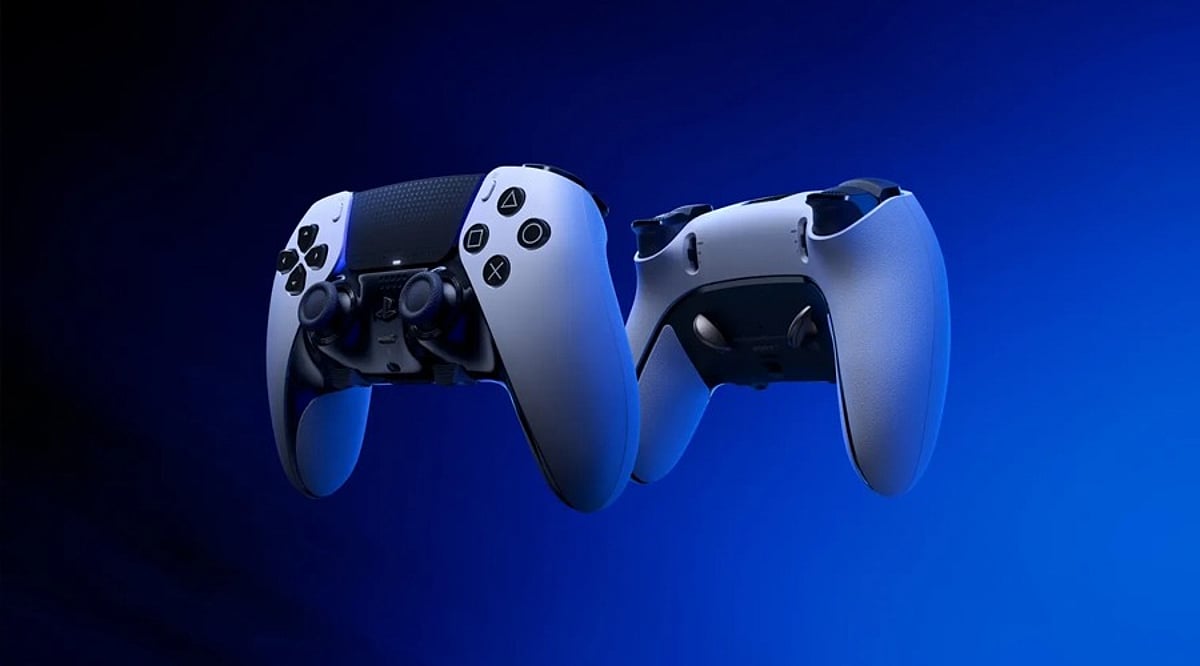
    Sony may have a surprise for PlayStation 5 players, especially those who use the DualSense controller. A new patent suggests the company is preparing a system that lets the controller connect to a nearby phone and process payments.

    The idea could make it easier for players to buy games, add-ons, and other digital content. However, the patent was reportedly filed in March 2025 but published in September 2026. At the time of writing, the company did not say whether the idea will become a real feature.

    The patent suggests that if the idea becomes a reality, the DualSense will act as a link between the payment device and the PlayStation console. It will detect a nearby smartphone, and the controller will then pass the payment details to the device.

    According to the patent, “In response to receiving the notification, a first message that includes payment method information for a video game player associated with the video game controller is received from the electronic device, and a second message that includes the payment method information is transmitted from the video game controller to the video game console.”

    The DualSense could also use its light bar, vibration, or sound to show when it detects a device or when a payment goes through. Players have already been speculating about a Wallet Credits app that a few reportedly spotted on the PlayStation Store, without any launch date or details. The system is still only a patent, so players should not expect it on their consoles yet.

    PlayStation already supports cards, PayPal, and Apple Pay, along with other payment options depending on the region. The patent does not replace these methods; instead, it points to another way of linking a payment device with the console.

    The patent does not confirm a new payment feature for PS5. Still, it shows Sony is thinking beyond traditional controller functions. If the idea reaches players, the DualSense could one day help with purchases as well as gameplay.

  • PSVR 2 Sells Out on US PlayStation Store Following Price Cut

    PSVR 2 Sells Out on US PlayStation Store Following Price Cut

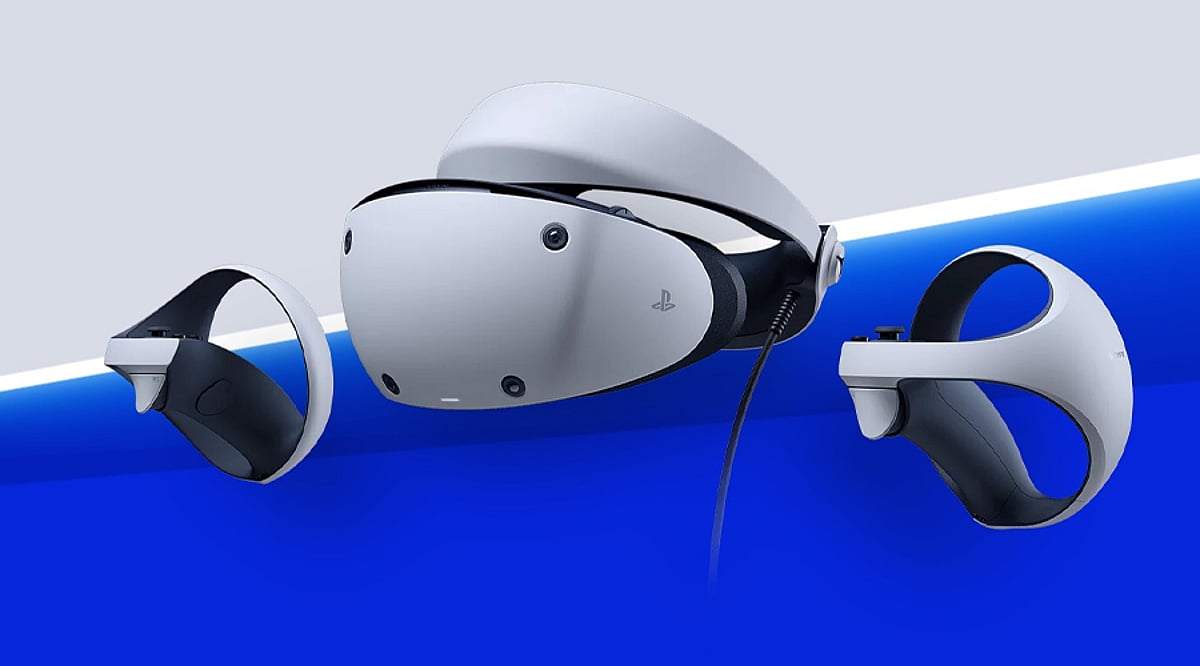
    Sony’s PlayStation VR2 headset has completely sold out on the official US PlayStation Store, signaling a surge in demand after a recent price reduction. The stock shortage leaves potential buyers scrambling for alternative retailers, with no official timeline for restocking from Sony.

    The price cut, which made the PSVR 2 more affordable for PlayStation 5 owners, appears to have sparked renewed interest in Sony’s virtual reality platform. The headset, originally launched at a premium price point, now offers a more competitive entry into high-end VR gaming.

    Designed exclusively for the PlayStation 5 ecosystem, the PSVR 2 features OLED displays, eye tracking, haptic headset feedback, and the innovative Sense controllers. These components work together with the console’s processing power to deliver deeply immersive gaming experiences. The device also supports a growing library of VR titles, spanning genres from action and horror to racing and adventure.

    In addition to its PS5 integration, the PSVR 2 can be connected to compatible PCs via Sony’s official adapter, broadening its utility beyond console gaming. This flexibility has been a key selling point for users who want access to both PlayStation and PC VR content.

    With the US PlayStation Store now out of stock, consumers are advised to check other authorized retailers for availability. The shortage underscores the ongoing demand for VR hardware as manufacturers compete for attention in the gaming and entertainment sectors.

  • Sony Bravia Theatre Bar 7 Review: A Modular 5.0.2 Soundbar for Cinematic Home Theater

    Sony Bravia Theatre Bar 7 Review: A Modular 5.0.2 Soundbar for Cinematic Home Theater

    Bravia Theatre Bar 7 Review

    Rating: 4.5/5

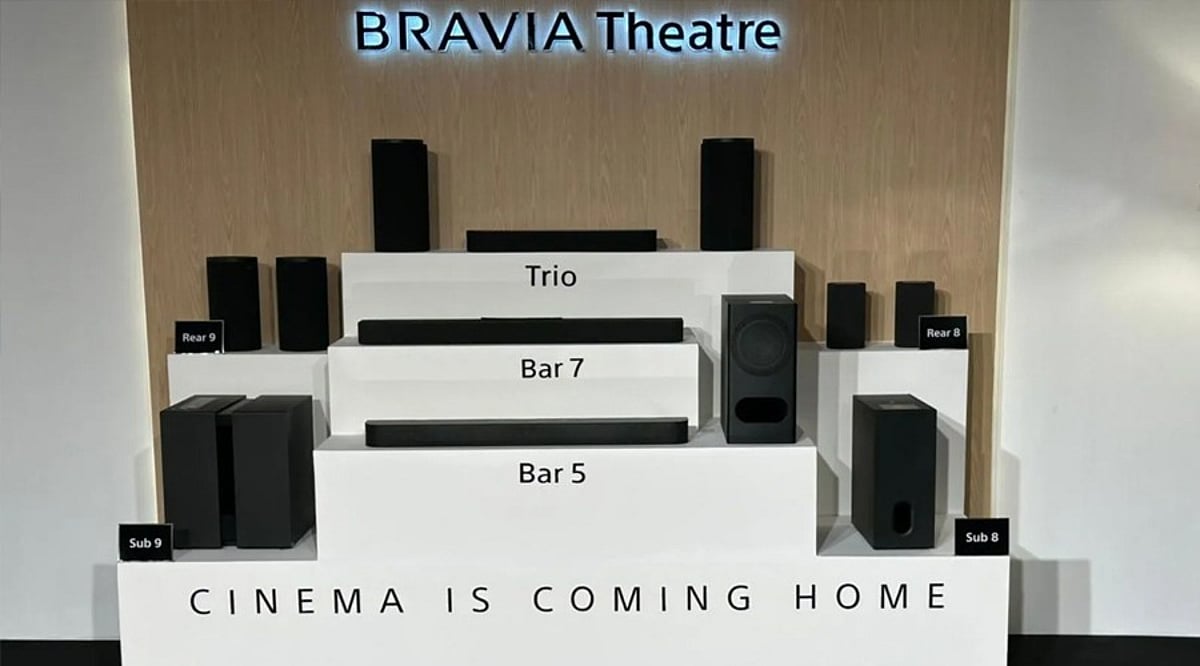
    The Bravia Theatre Bar 7 is a premium soundbar designed for users who want a modular home theater setup without compromising on audio quality. With a 5.0.2 channel configuration and nine speaker units, it delivers spacious, room-filling sound. The bar supports Dolby Atmos, DTS, and Sony’s proprietary 360 Spatial Sound Mapping to create an immersive listening experience.

    One of the standout features is its expandability. The system can be paired with the optional Theatre Sub 8 subwoofer and Theatre Rear 8 speakers to build a complete surround-sound setup. Connectivity is also comprehensive, with HDMI eARC, Bluetooth 6, Wi-Fi, Apple AirPlay, Spotify Connect, and HDMI 2.1 support for gaming.

    General Specifications

    • Channel configuration: 5.0.2
    • Speaker units: 9
    • Audio technologies: Dolby Atmos, DTS, 360 Spatial Sound Mapping
    • Connectivity: HDMI eARC, Bluetooth 6, Wi-Fi, Apple AirPlay, Spotify Connect
    • Gaming: HDMI 2.1 support
    • Optional add-ons: Theatre Sub 8 subwoofer and Theatre Rear 8 speakers

    Pros and Cons

    Pros

    • Cinema-quality sound with clear dialogue
    • Immersive spatial audio with Dolby Atmos
    • Strong gaming features with HDMI 2.1
    • Easy installation and calibration
    • Modular expansion options

    Cons

    • Optional Theatre Sub 8 and Theatre Rear 8 add significantly to the total cost

    Final Verdict

    The Bravia Theatre Bar 7 is an excellent soundbar for anyone seeking cinematic sound, advanced spatial audio, and useful gaming features. Its clear dialogue and straightforward setup make it a compelling choice. However, the full home theater experience depends on optional add-ons that considerably raise the overall price.

  • PS6 Could Cost $1,000: Rising Component Prices Fuel Price Speculation

    PS6 Could Cost $1,000: Rising Component Prices Fuel Price Speculation

    PlayStation 6 price rumors are intensifying as rising costs for memory, storage, and chips put pressure on Sony. A new estimate suggests the console could cost nearly $1,000 to build, sparking widespread discussion among gamers.

    Overview of the PS6 Rumors

    The PS6 is expected to deliver major leaps in graphics, ray tracing, memory, and AI-based features. However, Sony has not confirmed any official price, specifications, or launch date. A recent hardware leak estimates the cost of console parts at around $960, up from $760 just a few months ago.

    This figure represents only the estimated cost of hardware components. Sony must also account for shipping, marketing, retail costs, and other expenses. If the parts alone cost nearly $1,000, the final retail price could be even higher.

    PS6 Specs, Price, and Launch Rumors

    To date, Sony has only confirmed that it is working on a next-generation PlayStation console, without revealing further details. In May 2026, Sony stated it had not made decisions on timing or pricing. Current reports point to a possible 2028 launch, though earlier rumors suggested 2027 or early 2028.

    Rumored hardware includes a new AMD processor and graphics chip, faster memory, GDDR7 memory, and significantly improved ray tracing. AI-based image technology is also expected to play a larger role. These features would support increasingly demanding modern games, but they come at a cost.

    The parts cost estimate rose from about $760 to $960 in just a few months, primarily due to higher memory and storage prices. Sony could choose to sell the console below cost, or adjust hardware before launch.

    Why Could the PS6 Cost More?

    Memory is a major factor. The gaming industry competes with AI companies and data centers for high-performance memory chips, driving up prices. Sony has acknowledged that rising memory prices are a significant obstacle in console development.

    The PS6 may require more memory than the PS5 to handle larger game worlds, better textures, and advanced ray tracing. A new AMD processor built on a newer process, a larger SSD, and more powerful graphics hardware all contribute to higher costs.

    Sony faces a difficult choice: absorb some costs and sell at a lower price, cut features, or pass more of the cost to consumers.

    The PS6 Faces a Changing Console Market

    The biggest challenge may be the price tag. The PS6 must feel like a genuine upgrade from the PS5, with better graphics, faster performance, and new features, while remaining affordable enough for a broad audience.

    Current rumors are unconfirmed, but the reported $960 hardware cost is not baseless. If component costs remain high until launch, Sony may need to rethink its pricing strategy.

    FAQs

    Will the PlayStation 6 cost $1,000?

    There is no confirmed price. A recent hardware estimate puts parts cost at around $960, sparking speculation about a four-figure retail price.

    When will the PS6 launch?

    Sony has not announced a launch date. Current reports point to 2028, while earlier rumors suggested 2027 or early 2028.

    Why could the PS6 be more expensive?

    Higher memory and storage prices, more powerful chips, stronger graphics hardware, and increased production costs could all push up the final price.

    What PS6 features are rumored?

    Reports mention next-generation AMD hardware, faster memory, stronger ray tracing, and improved AI-based graphics. Sony has not confirmed these features.

    Does a $960 parts cost mean the PS6 will sell for $960?

    No. Parts cost does not include shipping, marketing, retail costs, and other expenses. Sony could also absorb some costs.

  • 7 Key Enhancements Coming to PS5 Pro in Sony’s Next System Update

    7 Key Enhancements Coming to PS5 Pro in Sony’s Next System Update

    Sony’s next PS5 system update is set to bring a host of improvements specifically tailored for PS5 Pro owners. From enhanced graphics to faster user interfaces, here are seven major changes expected to elevate the gaming experience on Sony’s most powerful console.

    1. PS5 Pro Support

    The upcoming update will introduce optimizations that directly benefit PS5 Pro users, enhancing compatibility, performance, and the overall gaming experience.

    2. Enhanced Graphics

    Expect sharper textures, better lighting, smoother performance, and more detailed environments in supported games, delivering a noticeable visual upgrade.

    3. Better Performance

    Performance optimizations will improve frame rates, stability, and responsiveness across a wide range of gaming experiences, making gameplay smoother and more immersive.

    4. Improved PSSR (PlayStation Spectral Super Resolution)

    Sony is refining its upscaling technology to deliver sharper images while maintaining high performance and smooth gameplay in compatible titles.

    5. Expanded Game Compatibility

    The update will broaden support for PS5 Pro-enhanced titles, giving players access to a larger library of optimized gaming experiences.

    6. System Stability and Faster User Experience

    Background fixes and stability improvements will address software issues, while system optimizations will make menus, settings, and other console interactions faster and more responsive.

    7. Refined Gaming Features and Future-Proofing

    Sony is introducing refinements to existing gaming features, offering more customization and management options. The update also prepares the PS5 Pro for upcoming games and technologies, ensuring it remains capable as gaming demands evolve.

    These enhancements underscore Sony’s commitment to delivering a premium gaming experience on the PS5 Pro, combining performance, visual fidelity, and user convenience.

  • Gaming Giants in 2026: The Industry’s Highest Market Valuations

    Gaming Giants in 2026: The Industry’s Highest Market Valuations

    Microsoft leads the gaming industry in market capitalization as of 2026, despite gaming representing only a fraction of its overall technology business. Its gaming operations encompass Xbox, Activision Blizzard, and a portfolio of major franchises. The company’s cloud infrastructure, subscription services, and expansive gaming ecosystem give it substantial influence across the global interactive entertainment landscape.

    Tencent remains one of the world’s largest gaming companies, supported by a diverse portfolio of popular online and mobile games. Its operations span major international franchises and Chinese titles, while its broader technology ecosystem enhances distribution and player engagement. Tencent’s scale makes it a dominant force in global gaming.

    Sony holds a strong position through PlayStation, one of the industry’s most recognizable platforms. Its business combines consoles, software, subscriptions, and exclusive franchises to create a broad entertainment ecosystem. Major first-party titles and the PlayStation brand continue to drive Sony’s importance in the global gaming market and its overall corporate valuation.

    NetEase has emerged as a major player with a wide array of online and mobile titles. The company has expanded internationally while continuing to serve Chinese audiences. Its gaming division remains a key contributor, supported by established franchises, live-service models, and ongoing investment in game development.

    Sea Limited’s Garena gaming division has made the company a significant force in Southeast Asian and international digital entertainment. Garena operates popular online games and benefits from Sea’s broader digital ecosystem. Gaming remains a core component alongside e-commerce and digital financial services across multiple markets.

    Nintendo continues to be one of gaming’s most recognizable and valuable companies, built on distinctive hardware and iconic franchises. Mario, Zelda, and Pokémon-related properties attract generations of players, while Nintendo’s dedicated platforms create a tightly integrated ecosystem. Its unique hardware-software approach sets it apart from other gaming giants.

    Take-Two Interactive is among the largest pure-play gaming publishers, with a portfolio featuring globally recognized franchises. Its businesses include Rockstar Games and 2K, covering blockbuster releases and ongoing digital experiences. The company’s valuation reflects investor expectations around major franchises, recurring revenue, and the continued growth of interactive entertainment worldwide.

    Electronic Arts remains a major global publisher with an extensive portfolio spanning sports, action, and multiplayer games. Franchises such as EA Sports FC, Madden NFL, and Battlefield contribute to its worldwide reach. Its recurring live-service revenue model and established player communities give it an important position in the competitive gaming industry.

    Roblox occupies a unique niche by combining gaming, social interaction, and user-generated content. Its platform allows creators to build experiences while users explore games and virtual environments. This community-driven model gives Roblox a different growth profile from traditional publishers and highlights the rising importance of creator ecosystems in gaming.

    Aristocrat has a significant presence across gaming and casino technology, with businesses spanning physical gaming machines and digital entertainment. Its operations extend beyond conventional console and PC gaming, reflecting the broader definition of the gaming industry. The company’s digital expansion and established gaming technology business contribute to its position among major publicly traded gaming companies.

  • Macy’s Headphone & Earbud Sale: Top Discounts and What’s Actually Worth Buying

    Macy’s Headphone & Earbud Sale: Top Discounts and What’s Actually Worth Buying

    Macy’s is currently running a limited-time sale on headphones and earbuds, with discounts that range from modest to steep depending on the model. While the big percentage tags grab attention, the real value lies in understanding what’s behind each markdown. A 45% cut off an inflated list price means little, but the same discount on a product that has consistently sold at a lower price for months represents genuine savings. This guide breaks down the current lineup, highlights the strongest deals, and offers tips to help you shop smarter.

    What’s on Sale at Macy’s Right Now

    Two products in this sale carry discounts directly confirmed on Macy’s own listings. The rest are priced based on recent tracking across Macy’s category pages and independent price trackers, which can shift by color and availability. Treat these as a reliable range rather than a locked price, and always verify the final cost before checking out.

    JBL Live Pro 2

    Price: $99.95 (was $169.95)
    Why it stands out: Adaptive noise cancellation and roughly 40 hours of combined battery life. This is a feature-rich pair at a price that undercuts its original MSRP significantly.

    Sony WH-CH720N

    Price: High $80s to high $90s (recent range)
    Why it stands out: Sony’s reputation for solid ANC and a 35-hour battery with a quick 3-minute charge providing about an hour of playback. This is a consistent performer under $100.

    JBL Tune 670NC

    Price: $59.95 (was $109.95)
    Why it stands out: The budget pick for noise cancellation. Offers active noise cancellation and up to 70 hours of battery life with ANC off—a rare combination at this price point.

    Beats Studio Buds+

    Price: Varies by color
    Why it stands out: Works seamlessly on both iPhone and Android. Features active noise cancellation, a transparency mode, and up to 36 hours of total battery life with the charging case.

    JBL Tour One M3

    Price: $299.95 (was $449.95)
    Why it stands out: The premium option for those who demand top-tier noise cancellation and build quality. The price gap from JBL’s other models reflects a significant step up in performance.

    JBL Endurance Peak 3

    Price: Check current listing
    Why it stands out: Built for workouts with an IP68 rating for dust and water resistance. The ear hooks bend for a secure fit, and battery life reaches up to 50 hours with the charging case—enough for days of training.

    JLab GO Pods ANC

    Price: $25–$32 (varies by retailer and color)
    Why it stands out: The most affordable option with real hybrid noise cancellation. Even at full price, it’s a rare value in the budget segment.

    How to Tell a Real Deal from a Marketing Gimmick

    Across all seven products, a clear pattern emerges. The listings with retailer-confirmed markdowns—like the JBL Live Pro 2 and Tune 670NC—offer the most transparent savings. The others reward buyers who check recent price history rather than trusting the tag alone. A discount is only meaningful if it’s applied to a price that reflects the product’s true market value.

    Before you buy, consider what matters most: a confirmed markdown, a specific feature set like ANC or battery life, or a use case like workouts that a general pair can’t cover as well. Sales built around wide percentage ranges reward patience and research over impulse.

    Final Thoughts

    Macy’s current sale has solid options across budget, mid-range, and premium tiers. But the best deal isn’t always the one with the biggest number. Take a few extra minutes to compare the sale price with recent price trends, and verify the final price at checkout. That small effort can turn a vague “up to 65% off” into a decision backed by real data.