Tag: Sony

  • Sony Pivots PS5 Strategy: From Hardware Sales to Recurring Revenue

    Sony Pivots PS5 Strategy: From Hardware Sales to Recurring Revenue

    Sony is reshaping its PlayStation 5 strategy as the console enters the latter half of its lifecycle. Rather than aggressively pushing hardware sales, the company is now focusing on monetizing its massive existing user base through subscriptions, digital games, and services.

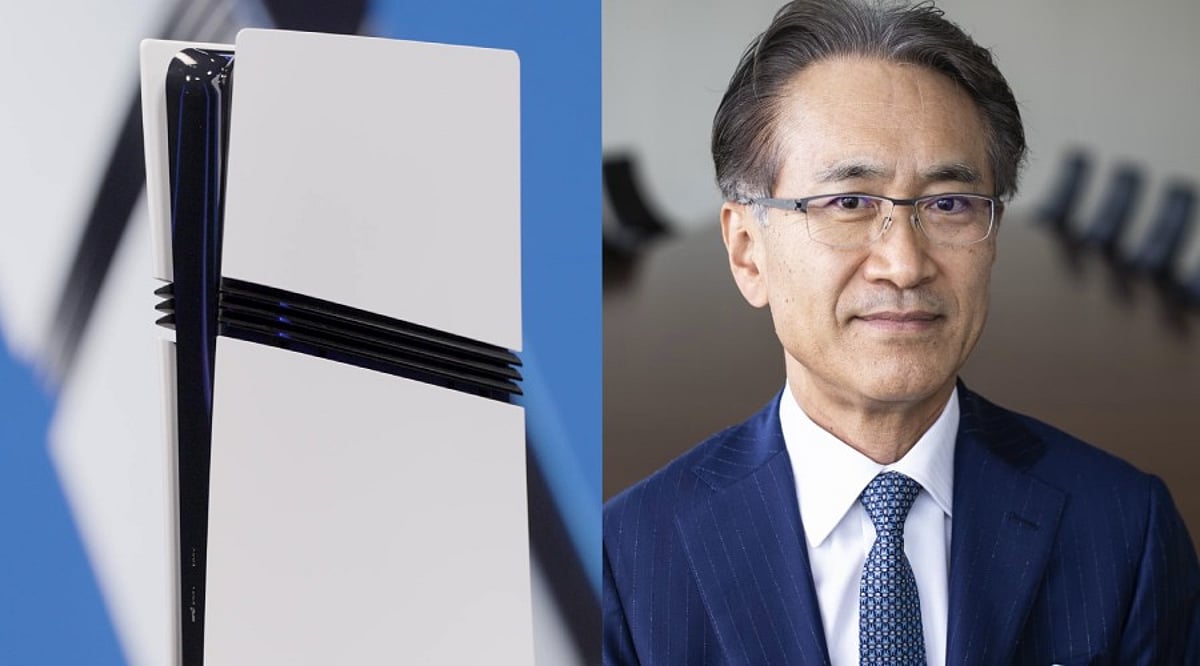
    Speaking about the shift, Sony CEO Hiroki Totoki confirmed that the company no longer needs to prioritize selling additional PS5 consoles. This move reflects a broader emphasis on recurring revenue streams, including software sales, PlayStation Plus subscriptions, and digital content.

    PS5 Builds a Large User Base

    The PS5 has already established a substantial global footprint. As of June 30, 2026, Sony reported that the console had sold over 95 million units worldwide, with approximately 125 million monthly active users across the PlayStation ecosystem.

    With such a large installed base, Sony sees an opportunity to generate more revenue from existing players instead of relying solely on new console purchases. Services like PlayStation Plus, digital game sales, and additional content are becoming increasingly central to the company’s strategy.

    Roadmap Ahead

    Sony’s figures show that the PS5 generation has delivered strong financial results, described as the most profitable PlayStation generation to date. Reportedly, the platform generated more than $136 billion in sales and $13 billion in operational profit.

    The shift also mirrors the rapid transition from physical to digital game purchases. During the fiscal year ending March 2026, digital downloads accounted for 78% of full-game unit purchases.

    This strategic pivot positions Sony to capitalize on recurring revenue as the PS5 matures, ensuring long-term profitability beyond hardware sales.

  • Killzone Revival Rumored: Remake in Development at Sony, May Launch Before Horizon 3

    Killzone Revival Rumored: Remake in Development at Sony, May Launch Before Horizon 3

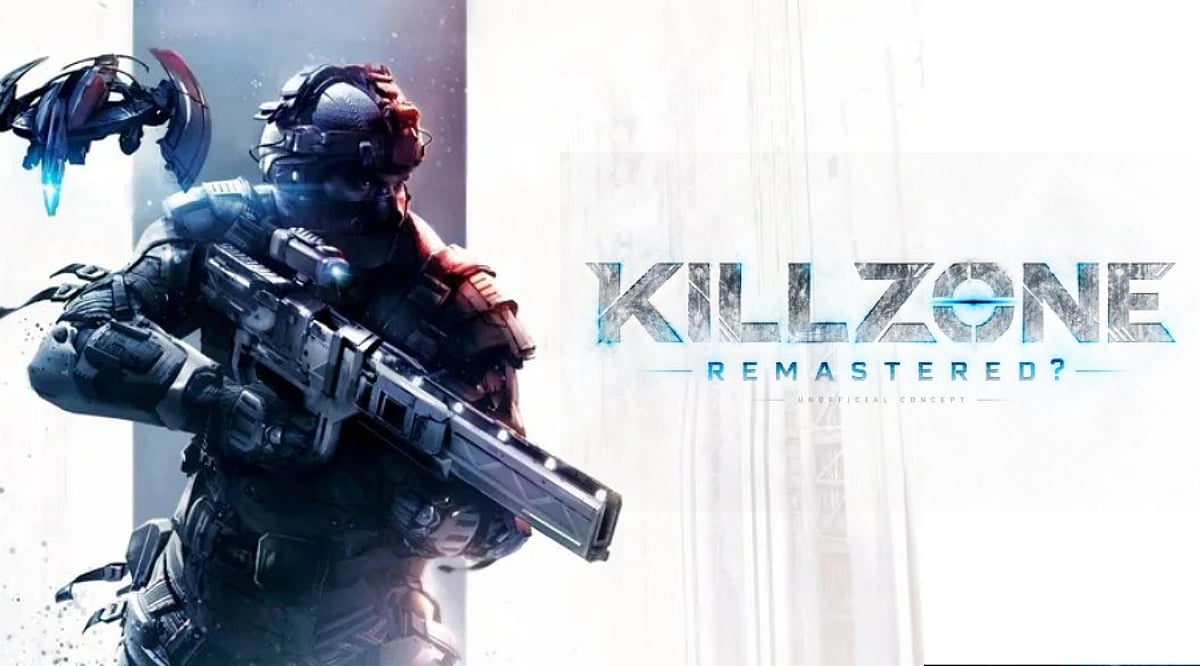
    Sony is reportedly moving forward with a new Killzone project. According to a recent report, Guerrilla Games is collaborating with an external studio to develop a remake or remaster of the classic first-person shooter. The original Killzone debuted on PlayStation 2 in 2004, spawning several sequels before the franchise went dormant after Killzone: Shadow Fall on PS4 in 2013.

    The rumored project is still in early development, so no release window has been set. Neither Sony nor Guerrilla has officially commented, but insiders suggest the new Killzone could arrive before the next mainline Horizon title. Horizon 3 is believed to be years away, with only a small team currently working on it. Guerrilla is also reported to be handling Horizon Hunters Gathering, another project that has undergone changes.

    Polish studio People Can Fly is said to be involved in the Killzone remake, though their specific role remains unclear.

    Bringing Killzone back via a remake would allow Sony to reintroduce the series to modern consoles without building from scratch. The original game sold roughly 2 million copies, and a polished remaster could attract both nostalgic veterans and new players looking for a gritty shooter.

    Killzone Remake vs. Horizon 3

    Based on current rumors, Killzone seems more likely to launch first. While the project is in early stages, it is reportedly further along than Horizon 3. Still, plans can change, and fans should temper expectations until Sony makes an official announcement.

    If the remake is real, it could give Sony a flagship shooter franchise once again. For now, the PlayStation community waits for confirmation.

  • Best Premium Neckbands of 2026: Top Picks for Sound, ANC, and Battery Life

    Best Premium Neckbands of 2026: Top Picks for Sound, ANC, and Battery Life

    Premium Neckbands in 2026: A Buyer’s Guide

    While true wireless earbuds dominate the market, premium neckbands remain a top choice for users who prioritize call comfort, battery endurance, and the security of a connected design. The latest models now boast features once exclusive to flagship TWS earbuds, including active noise cancellation (ANC), spatial audio, AI-enhanced microphones, and rapid charging. Here are the ten best premium neckbands of 2026, each offering a unique blend of performance and value.

    1. OnePlus Bullets Wireless Z3

    The OnePlus Bullets Wireless Z3 continues to lead the segment with its 12.4mm dynamic drivers, Bluetooth 5.4, and 3D Spatial Audio for an immersive soundstage. Its standout feature is the fast-charging capability: a 10-minute charge delivers up to 27 hours of playback. The lightweight design and balanced sound profile make it an excellent all-rounder for daily use.

    2. realme Buds Wireless 5 ANC

    realme packs flagship features into the Buds Wireless 5 ANC, offering up to 50dB of active noise cancellation, 13.6mm dynamic drivers, and 360-degree Spatial Audio. Dual-device connectivity, IP55 dust and water resistance, and a 38-hour battery life make it a compelling choice for feature-hungry users.

    3. Sony WI-C100

    Sony’s WI-C100 focuses on audio purity, featuring DSEE technology and customizable EQ settings. With up to 25 hours of battery life, it delivers rich vocals and detailed sound, ideal for music lovers, podcast enthusiasts, and frequent callers.

    4. CrossBeats Shuffl AI ANC

    For battery champions, the CrossBeats Shuffl AI ANC offers an incredible 120 hours of playback, AI-powered ENC microphones, Bluetooth 5.4, and a dedicated low-latency gaming mode. This combination makes it perfect for professionals and travelers who need reliable performance all day long.

    5. boAt Rockerz 301 ANC

    The boAt Rockerz 301 ANC blends premium features with practicality, including 30dB ANC, 13mm drivers, ENx technology for clearer calls, and Hall Switch support for quick pairing. Its low-latency mode also suits gaming and video streaming.

    6. boAt Rockerz 255 Z Plus

    Offering a balanced mix of battery and performance, the Rockerz 255 Z Plus features Spatial Audio, AI-powered ENx calling, fast charging, and up to 50 hours of playback. The lightweight design and magnetic earbuds ensure comfort during extended wear.

    7. iFAST IF-G959

    The iFAST IF-G959 brings rare features to the category, including a digital battery display, TF card support, Bluetooth 5.4, and voice assistant compatibility. With up to 50 hours of playback, it’s ideal for long listening sessions and offline music playback.

    8. boAt Rockerz 255 Pro+

    The Rockerz 255 Pro+ remains a dependable choice, offering up to 60 hours of battery life, IPX7 water resistance, magnetic earbuds, dual-device pairing, and fast charging. Its durability makes it suitable for both office and outdoor use.

    9. realme Buds Wireless 3 Neo

    Delivering premium features at a competitive price, the Buds Wireless 3 Neo includes Bluetooth 5.4, AI ENC for clearer calls, 13.4mm dynamic drivers, IP55 protection, and up to 32 hours of playback. It’s a strong value pick for budget-conscious buyers.

    10. iFAST B-998

    The iFAST B-998 rounds out the list with Bluetooth 6.0, Hi-Fi audio, and replaceable rechargeable batteries—a rare feature in neckbands. Designed for users wanting extended battery life and uninterrupted listening, it stands out from conventional options.

    Final Thoughts

    Premium neckbands continue to evolve, offering better ANC, improved microphones, faster charging, and longer battery life. The OnePlus Bullets Wireless Z3 and realme Buds Wireless 5 ANC are the most well-rounded choices, while the CrossBeats Shuffl AI ANC is ideal for battery-focused users. Sony’s WI-C100 remains a top pick for audiophiles. Ultimately, the best neckband depends on your priorities: sound quality, battery endurance, call clarity, or premium features.

    Frequently Asked Questions

    What are the advantages of choosing a premium neckband over TWS earbuds?
    Premium neckbands typically offer longer battery life, a more secure fit, and lower risk of losing the earbuds. They are ideal for long calls, frequent travel, and all-day audio needs.

    Which premium neckband offers the longest battery life in 2026?
    The CrossBeats Shuffl AI ANC leads with up to 120 hours of playback, perfect for frequent travelers and heavy users.

    Are premium neckbands suitable for gaming and video streaming?
    Yes. Models like the boAt Rockerz 301 ANC and CrossBeats Shuffl AI ANC feature low-latency modes that minimize audio delay, enhancing gaming and movie experiences.

    Which premium neckband is best for call quality?
    Neckbands with AI-powered ENC microphones, such as the realme Buds Wireless 5 ANC, CrossBeats Shuffl AI ANC, and boAt Rockerz series, provide clearer calls by reducing background noise.

    What should buyers consider before purchasing a premium neckband?
    Compare ANC performance, battery life, sound quality, Bluetooth version, water resistance, charging speed, and comfort. Matching these features to your daily usage ensures the best value.

  • 2026’s Top Camera Lens Brands: A Photographer’s Guide to Choosing the Best

    2026’s Top Camera Lens Brands: A Photographer’s Guide to Choosing the Best

    A camera body captures a photo, but the lens defines the final result. Sharp details, rich colors, smooth background blur, and fast autofocus all depend on lens quality. A reliable lens also retains value across camera upgrades. In 2026, several brands dominate the industry with advanced optics, robust performance, and diverse options for beginners, enthusiasts, and professionals. The following list highlights the leading manufacturers based on innovation, optical excellence, compatibility, and market reputation.

    1. Canon

    Canon retains the top spot with the largest lens ecosystem, featuring over 120 RF and EF lenses covering every genre from portraiture to wildlife. The premium L-series remains a professional favorite for its sharpness, weather sealing, and dependable autofocus. Canon holds about 46.5% of the interchangeable camera market in Japan, reflecting the strength of its body and lens lineup. New RF lenses continue to push optical boundaries while remaining fully compatible with modern mirrorless cameras.

    2. Sony

    Sony is a powerhouse in mirrorless photography, offering more than 100 full-frame FE lenses, including G Master, compact primes, and versatile zooms. G Master lenses deliver corner-to-corner sharpness with minimal distortion. Sony’s imaging business reported steady growth in 2026, driven by strong demand for its cameras and lenses worldwide.

    3. Nikon

    Nikon continues to impress with its Z-mount lens line, now exceeding 50 native options. The S-Line series earns consistent praise for sharpness, vivid colors, and exceptional build quality. Nikon expands its lineup each year with new telephoto, portrait, and travel lenses, appealing especially to nature and landscape photographers who value clean, consistent image quality across the frame.

    4. Sigma

    Sigma is the leading independent lens manufacturer, designing optics for Sony E, Leica L, Canon RF, Fujifilm X, Nikon Z, and multiple DSLR mounts. The renowned Art series offers premium image quality at lower prices than many first-party alternatives. Sigma continues to expand its mirrorless lineup with modern autofocus lenses that match the latest camera technology.

    5. Tamron

    Tamron controls roughly 60% of the global third-party interchangeable lens market, a testament to its high-quality, competitively priced products. In 2026, Tamron plans to release over 10 new lenses—nearly double its annual pace from a few years ago. Support for Canon RF, Sony E, and Nikon Z mounts is growing, and travel photographers particularly appreciate Tamron’s lightweight yet sharp zoom designs.

    6. Fujifilm

    Fujifilm remains the premier APS-C brand, offering over 45 XF lenses and GF lenses for medium format. Most Fujifilm lenses are compact without sacrificing image quality. The brand is known for rich colors and sharp output, making it a favorite among street, portrait, and travel photographers.

    7. Leica

    Leica represents the pinnacle of craftsmanship and optical precision. Its M and SL lenses deliver unique rendering, rich colors, and remarkable sharpness. Although prices are higher than most competitors, Leica attracts professionals, collectors, and enthusiasts who value luxury equipment with lasting investment potential.

    8. Panasonic Lumix

    Panasonic Lumix has gained popularity among hybrid shooters who produce both photos and videos. Through the L-Mount Alliance with Leica and Sigma, users access a wide lens portfolio. Lumix lenses feature fast autofocus, solid build quality, and excellent video performance, with reliable stabilization and versatile zoom ranges.

    9. OM System

    OM System focuses on compact, weather-sealed Micro Four Thirds lenses ideal for wildlife, bird, and travel photography. Telephoto lenses are significantly lighter than full-frame equivalents, while robust weatherproofing makes them suitable for harsh outdoor conditions. This balance of portability and durability appeals to field photographers.

    10. Zeiss

    Zeiss is renowned for optical excellence, offering high-end manual-focus lenses such as the Otus, Batis, and Loxia series. Known for exceptional sharpness, high contrast, and color accuracy, Zeiss lenses are a top choice for commercial, landscape, and fine art photography. Though its audience is niche, Zeiss continues to demonstrate unwavering optical commitment.

    Why This Matters

    The lens you choose directly impacts image quality, creative flexibility, and long-term investment. Each brand offers distinct strengths suited to different shooting styles and budgets. Understanding the leading manufacturers in 2026 helps photographers make informed decisions and invest in gear that delivers outstanding performance and value.

    Final Thoughts

    The global camera lens market is projected to reach about US$10.6 billion in 2026, with industry shipments of roughly 10.56 million interchangeable lenses in 2025. Canon leads with its massive ecosystem and strong market share; Sony dominates mirrorless; Nikon offers premium optics; Sigma provides exceptional value; and Tamron controls the third-party segment. Fujifilm, Leica, Panasonic Lumix, OM System, and Zeiss each bring unique strengths. Every brand on this list continues to shape modern photography through innovation, reliability, and outstanding image quality.

    Frequently Asked Questions

    1. Which camera lens brand is the best in 2026? Canon ranks first thanks to its extensive RF lens lineup, exceptional image quality, and strong professional reputation.
    2. Which brand offers the best value for money? Sigma and Tamron provide excellent optical performance at competitive prices, making them top value choices.
    3. Are third-party lenses reliable? Yes. Brands like Sigma and Tamron produce high-quality autofocus lenses compatible with major camera systems.
    4. Which lens brand is best for mirrorless cameras? Sony, Canon, Nikon, Fujifilm, and Panasonic Lumix all offer outstanding mirrorless lens ecosystems.
    5. Which lens brand is ideal for travel photography? Tamron, Fujifilm, and OM System are excellent choices because they offer lightweight, compact, and versatile lenses.
  • Top 4 Smart TVs With the Longest Software Support in 2026

    Top 4 Smart TVs With the Longest Software Support in 2026

    Choosing a smart TV today means looking beyond screen quality and price. Software support is a key consideration, as regular updates bring security patches, new features, and better performance over time. Some manufacturers stand out with extended update commitments. Here are four smart TV brands that offer the longest software support, ensuring your investment stays current for years.

    Samsung Smart TVs

    Samsung provides several years of software updates for its premium smart TV models. The company regularly enhances Smart Hub, gaming capabilities, and security features. AI-powered improvements often arrive via firmware updates, keeping compatible TVs feeling modern long after the initial purchase. This commitment makes Samsung a reliable choice for long-term use.

    LG OLED TVs

    LG delivers extended webOS updates for its recent OLED and premium LED TVs. Users benefit from interface refinements, security patches, and compatibility improvements. Gaming features also receive ongoing enhancements through software releases. LG’s support strategy makes it a solid option for those seeking a durable smart TV experience.

    Google TV (Sony)

    Sony’s Google TV models gain from Google’s Android TV ecosystem, receiving consistent platform updates. These provide new apps, security upgrades, and enhanced smart functions. Integration with Google Assistant continues to improve over time, helping extend the TV’s lifespan significantly. Sony’s partnership with Google ensures long-term support for its users.

    TCL Google TV

    TCL’s Google TV lineup enjoys ongoing Android and Google TV software improvements. Frequent updates boost performance, streaming compatibility, and system stability. Google also expands smart home integration through software releases, positioning TCL as an affordable yet well-supported choice for long-term usage.

    Why Software Support Matters

    Software updates do more than refresh the user interface. They add critical security patches, support newer streaming apps, enhance overall performance, and introduce fresh features. TVs with longer support remain functional and enjoyable for many more years, potentially delaying expensive upgrades and offering better value over time.

    Final Verdict

    When purchasing a smart TV, prioritize software support alongside display quality and pricing. Samsung, LG, Sony, and TCL all provide robust, long-term update experiences on their recent models. Choosing a well-supported TV ensures you get the most from your investment and keeps your entertainment experience current for years to come.

  • The Evolution of Sony’s Logo: From Simple Beginnings to a Global Icon

    The Evolution of Sony’s Logo: From Simple Beginnings to a Global Icon

    Sony’s logo journey began in the 1940s, reflecting the company’s early identity before it became a global electronics leader. The initial design was simple, setting the stage for a brand that would eventually be recognized worldwide.

    Early Brand Identity (1950s)

    In the 1950s, Sony introduced cleaner lettering, helping the company create a professional image as it expanded beyond Japan into international markets. This shift marked a deliberate move toward a more modern and trustworthy appearance.

    The Famous Wordmark (Late 1950s)

    By the late 1950s, Sony adopted its iconic serif wordmark, a timeless design that has been recognized across generations. The bold, classic typeface became synonymous with quality and innovation.

    Focus on Simplicity

    Unlike many brands, Sony kept its logo simple, proving that clean typography can build trust and lasting recognition. The minimalist approach allowed the logo to remain versatile and effective across countless applications.

    Supporting Product Innovation

    The logo appeared on radios, televisions, cameras, and gaming consoles, becoming closely linked with reliable technology and innovation. Each product carried the emblem, reinforcing Sony’s reputation for excellence.

    Global Expansion

    As Sony entered more countries, the familiar logo helped customers instantly identify its products regardless of language or regional differences. The consistent branding became a universal symbol of quality.

    Digital Era Presence

    In the digital age, Sony carried the same logo into websites, apps, entertainment platforms, and digital services. This consistency ensured strong brand recognition across all modern touchpoints.

    Gaming and Entertainment

    The logo became even more famous through PlayStation, movies, music, and cameras, strengthening Sony’s influence across multiple entertainment industries worldwide. The emblem now represents not just electronics but a vast media empire.

    A Timeless Symbol

    Today, Sony’s classic wordmark remains unchanged, demonstrating how simple, consistent branding can achieve worldwide recognition and lasting customer confidence. The logo’s evolution proves that a strong visual identity can endure for decades without losing its impact.

  • Sony Confident Disc-Free PlayStation Future Won’t Hurt Business, Digital Sales Surge to 82%

    Sony Confident Disc-Free PlayStation Future Won’t Hurt Business, Digital Sales Surge to 82%

    Sony has reaffirmed that its plan to discontinue physical disc production for new PlayStation games by 2028 will not negatively impact its gaming business. The company’s confidence stems from the continued rise of digital game sales, which now represent the vast majority of PlayStation software purchases.

    During Sony’s first-quarter FY2026 earnings call, CFO Lin Tao stated that the company has observed no adverse effects since announcing the disc-free transition and does not foresee any in the future. Digital downloads accounted for 82% of full-game software sales on PlayStation consoles in Q1 FY2026, up from 78% for the entire FY2025. This trend validates Sony’s long-term digital-first strategy.

    While production of discs for new titles will end in 2028, Sony confirmed that existing games released on disc before that deadline will continue to be supported, ensuring a gradual transition for players and developers.

    “We are not seeing any impact on our business as of now. Going forward, about the content sales, large part is already digitized. Therefore as a result of the discontinuation of a disc, we don’t see that there will be any negative impact on our business. However, as I already said, the users, the players, have attachments, and we have to think about how to respond to those feedbacks.” — Lin Tao, Sony CFO

    Acknowledging Fan Concerns

    Despite the company’s confidence, the announcement has drawn criticism from gamers, collectors, and industry figures worried about digital ownership, game preservation, and the loss of physical resale options. Tao acknowledged the strong emotional attachment many players have to physical discs and said Sony is considering how to respond to community feedback. However, he emphasized that the broader entertainment industry is rapidly shifting toward digital distribution.

    Sid Shuman, Senior Director of Sony Interactive Entertainment Content Communications, stated in a PlayStation Blog post: “In response to shifting trends in consumer preference, new games will be released on PlayStation Store and at retailers in digital formats only.”

    Competing on Content, Not Discs

    Sony dismissed the notion that physical discs are essential to differentiating PlayStation from PC gaming. The company’s competitive advantage lies in offering curated content, a stable gaming ecosystem, and hardware that remains more affordable than high-end gaming PCs. These strengths, Sony believes, will continue to attract players even as the platform embraces an all-digital future.

    With PlayStation 5 sales surpassing 93 million units and active monthly users growing, Sony remains optimistic that the disc-free transition will support long-term business growth rather than hinder it.

  • Sony Launches True RGB TVs in India: 115-Inch Bravia 9 II and More

    Sony Launches True RGB TVs in India: 115-Inch Bravia 9 II and More

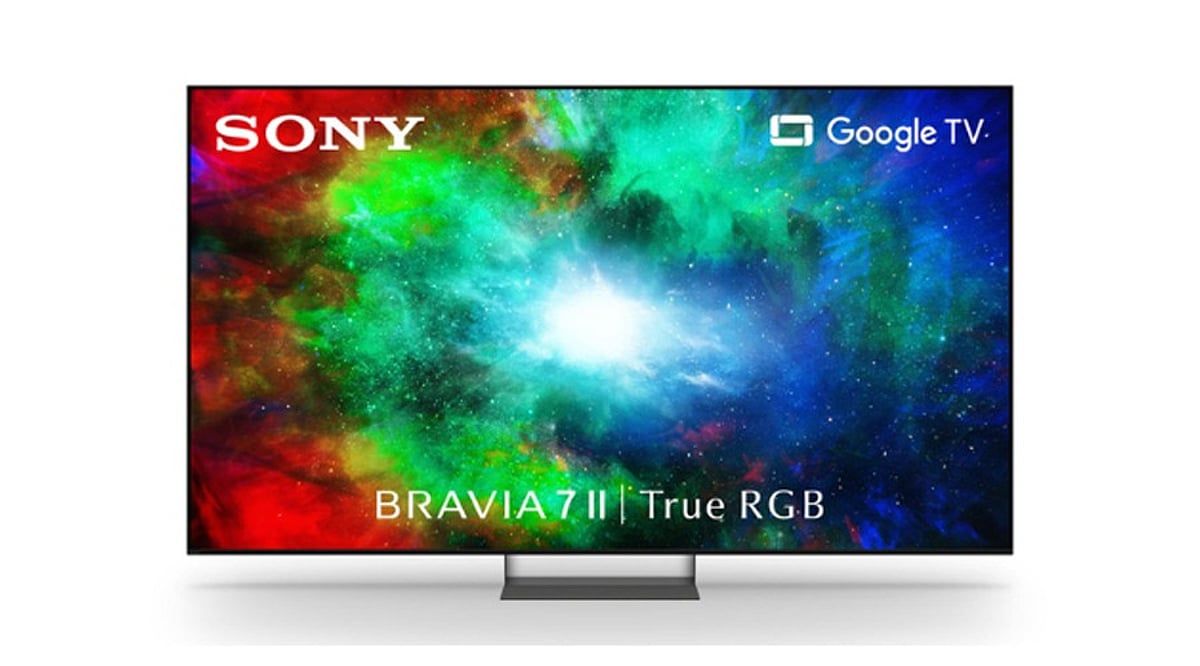
    Sony has officially launched its new True RGB televisions in India, marking a significant entry into the country’s premium TV market. The lineup includes the flagship Bravia 9 II and the Bravia 7 II, with the 115-inch Bravia 9 II leading the charge.

    The company’s proprietary RGB Backlight Master Drive Pro technology independently controls red, green, and blue LEDs, promising brighter pictures and richer, more accurate colors. Sony India introduced the Bravia 9 II via its official X account, stating, “Your home. Your cinema. Introducing BRAVIA 9 II.” The company emphasized the TV’s wide color gamut and its ability to reproduce scenes closer to the creator’s original vision.

    The 115-inch Bravia 9 II is Sony’s largest home television ever launched in India. Its listed price is Rs. 45,99,900, with a best-buy price of Rs. 28,99,990. The 75-inch version costs Rs. 8,39,900, while the 85-inch model is priced at Rs. 9,89,900.

    The Bravia 7 II also incorporates True RGB technology across multiple screen sizes, offering enhanced color control while maintaining the high brightness expected from premium Mini LED TVs.

    Both models support 4K resolution at 120Hz refresh rates, Google TV, Dolby Vision, and Dolby Atmos. For gamers, features include 4K at 120fps, variable refresh rate (VRR), and Auto Low Latency Mode (ALLM).

    Sony enters a competitive premium TV market in India, facing rivals such as Samsung, LG, TCL, and Hisense, all of which offer OLED, Mini LED, and RGB-based display technologies. While the high price points may limit these TVs to premium buyers, the new range broadens options for Indian consumers seeking large, high-end televisions.

  • Sony Raises PS5 Slim Disc Edition Price Ahead of GTA 6 Launch

    Sony Raises PS5 Slim Disc Edition Price Ahead of GTA 6 Launch

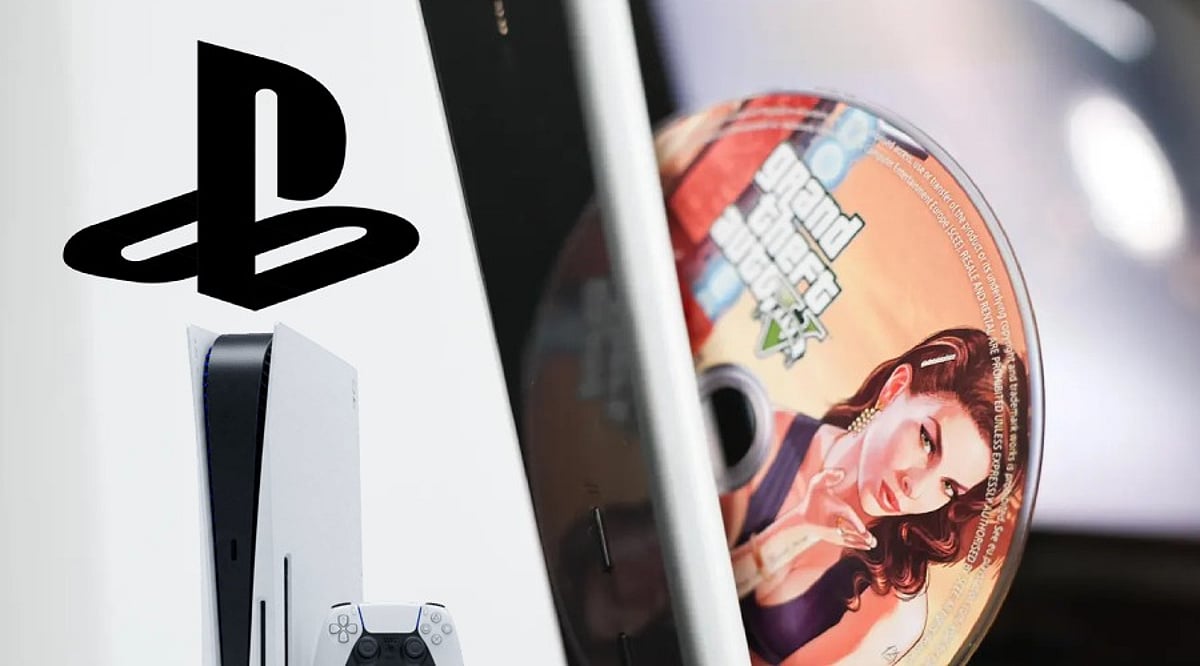
    Sony has increased the price of the PlayStation 5 Slim Disc Edition in multiple international markets, citing inflation, rising manufacturing costs, and currency fluctuations. The move comes as the company balances profitability with demand ahead of major game releases like Grand Theft Auto VI.

    The price hike affects the standard PS5 Slim Disc Edition, while other PS5 models and accessories are impacted differently depending on the region. Sony attributed the change to the difficult global economic climate affecting hardware manufacturing costs.

    Why Sony Raised PS5 Prices

    Unlike previous console generations that became progressively less expensive, the PlayStation 5 has seen several price increases since its 2020 launch. Sony pointed to ongoing inflation, rising component costs, and currency exchange rates as key factors. The company also adopted a market-specific pricing strategy, adjusting prices based on how economic conditions in each region affected operational costs.

    What the PS5 Slim Offers

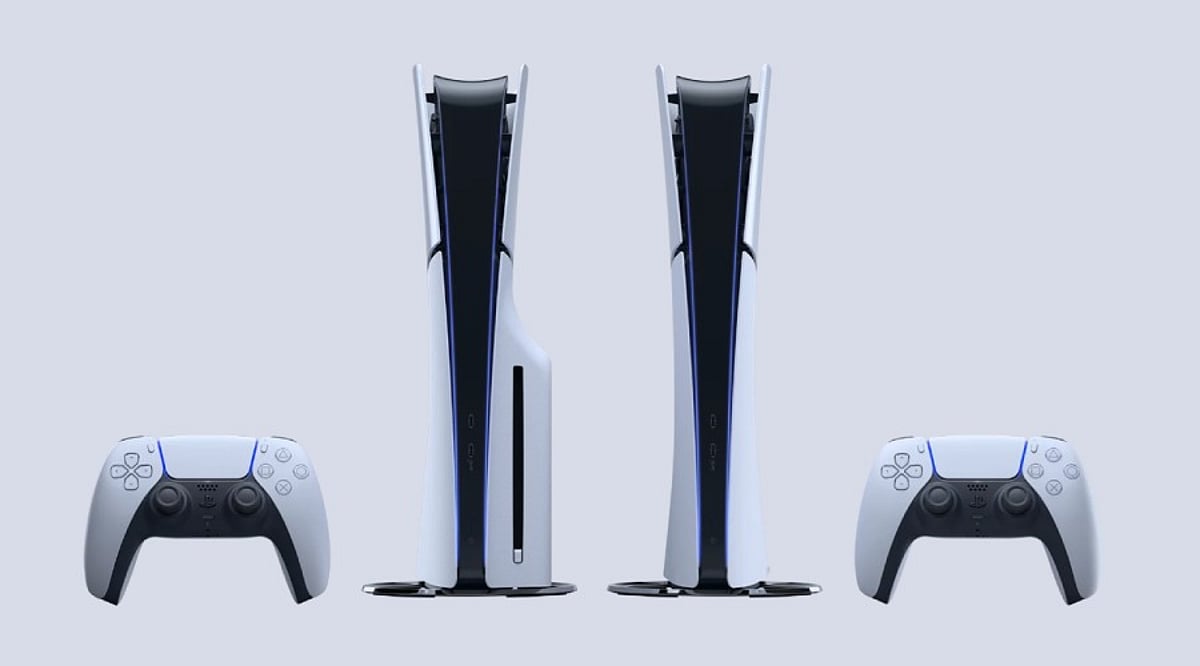
    The PS5 Slim has become Sony’s most popular gaming console since replacing the original PS5. It delivers the same performance in a more compact design, featuring 1TB of internal storage and a detachable Ultra HD Blu-ray disc drive.

    Price Revision Ahead of Major Game Releases

    The latest price adjustment arrives before an anticipated surge in PlayStation 5 demand, driven by upcoming blockbuster titles such as Grand Theft Auto VI. Industry observers believe the long-awaited game could encourage more consumers to purchase the console despite the higher price point. However, analysts warn that repeated price hikes may dampen interest among budget-conscious buyers.

    What Happens Next

    Sony has not announced additional price revisions for other markets at this time. The company continues to emphasize that inflation, higher memory chip costs, and supply chain expenses remain significant factors in its hardware pricing decisions. This latest increase reflects Sony’s effort to strike a balance between profitability and steady consumer demand as the PlayStation 5 enters a later stage of its lifecycle.

  • PlayStation Fans Launch Boycott After Sony Plans to Phase Out Physical Game Discs by 2028

    PlayStation Fans Launch Boycott After Sony Plans to Phase Out Physical Game Discs by 2028

    Sony is facing a wave of backlash after announcing plans to remove physical game discs starting January 2028. The decision, which follows a recent price hike for the PS5 console, has ignited a boycott campaign among players who fear losing ownership of their games.

    Earlier this month, Sony raised the price of PS5 consoles and confirmed it would stop producing physical game discs. While the price increase drew concern, the move toward an all-digital future has sparked a more sustained outcry from the global gaming community.

    A post on X (formerly Twitter) has rallied fans to participate in a one-week #PSBlackout in August, during which they will avoid logging into PlayStation Network, playing any games, or making purchases from Sony’s store. The campaign is supported by a petition titled “Don’t Kill the Disc,” which has already garnered over 345,000 signatures.

    “Sony wants to abandon fans? Let’s give them a small taste of their own medicine! Together with other creators we call for a 1 week #PSBlackout in August. No logins, no play sessions, no purchases on any of Sony’s platforms.” — @DoesItPlay1

    Many fans expressed their frustration on social media. One user wrote: “Whether it’s closing beloved studios like Bluepoint, pursuing a misguided live-service strategy, canceling fan events, leaving PS VR2 to die, or being completely out of touch with the franchises players want to see return, PlayStation has never felt more disconnected from its community. Ending physical discs in 2028 feels like the last straw.”

    While Sony has not reversed its reported plans, the debate has become one of the most talked-about topics in gaming.

    Why Players Are Worried About Digital Games

    For many gamers, the core issue is not the disc itself but the concept of ownership. When purchasing a digital game, buyers typically receive a license to play the title rather than permanent ownership. Physical copies offer more freedom: players can lend, keep, or resell their games. Digital games rely on online stores and account access, meaning that if a game is removed or a service changes, players may lose access to content they have paid for.

    This concern has kept the value of physical media alive for a significant portion of the gaming community.

    The Future of Game Ownership Remains Unclear

    Digital gaming continues to expand, and many players appreciate the convenience of instant downloads. However, the recent backlash shows that physical games still matter to a large part of the audience. Fans argue that there is room for both digital and physical releases. Whether or not Sony reverses its decision, the debate has made one thing clear: gamers want more control over the games they pay for, and they do not want ownership to disappear in an all-digital future.