Tag: valuation

  • PayPal Board Rejects $53 Billion Takeover Proposal as Too Low, Seeks Improved Offer

    PayPal Board Rejects $53 Billion Takeover Proposal as Too Low, Seeks Improved Offer

    PayPal Holdings is currently reviewing a $53 billion takeover bid from Stripe and Advent International. The proposal values the payments giant at $60.50 per share, but the board has indicated that the price is too low. Directors are now deciding whether to enter formal negotiations or push for a significantly higher valuation.

    The review comes as PayPal faces slower growth, fierce competition, and a series of leadership changes. Once valued at nearly $360 billion during the 2021 digital commerce boom, the company’s market cap has dropped sharply as rivals have gained ground in payments and digital wallets. Investors are watching closely to see if a revised offer can unlock more value from PayPal’s assets, including Venmo and its massive global consumer network.

    Board Questions the Current Takeover Bid

    According to sources familiar with the talks, the board does not support the offer in its current form. Some directors question whether PayPal should even engage in negotiations at $60.50 per share, believing that the company’s latest turnaround plan could justify a higher valuation. Stripe and Advent may have room to improve their bid, having secured $17 billion in equity commitments and arranged approximately $50 billion in bank financing, giving them capacity to raise the price.

    PayPal has not commented publicly on the takeover discussions. Chief Executive Enrique Lores, who took charge in March after the company replaced Alex Chriss, has also remained silent on the proposal. The leadership change is part of another turnaround effort aimed at restoring growth.

    Slower Growth Adds Pressure on PayPal

    PayPal built its reputation on online checkout and digital payments, but rivals such as Apple, Google, Samsung, Stripe, and Affirm have introduced new payment tools and banking services. PayPal has been slower to move into mobile payments, digital banking, and artificial intelligence. Apple Pay now leads PayPal in the U.S. digital wallet market, holding a ten-point advantage according to PYMNTS Intelligence. PayPal also trails several competitors in agentic commerce, where software can complete purchases on behalf of consumers.

    Growth has weakened across Venmo and other key services. Buy now, pay later products have not delivered the expected momentum. Meanwhile, PayPal’s customer base has flattened, so management now focuses more on earnings from existing users. The company admitted in February that “the pace of change and execution was not in line” with board expectations, as it announced yet another leadership change.

    Earnings May Shape the Next Move

    PayPal’s upcoming quarterly results could significantly influence both the board and the bidders. Weak results might increase pressure to negotiate, while stronger figures could support the board’s push for a higher price and improve its bargaining position. Analysts see few likely rival bidders. Morgan Stanley called the Stripe and Advent proposal the “most credible path to value realisation,” citing strong wallet competition and PayPal’s mature customer base.

    Deal advisers are also studying PayPal’s separate businesses, including Venmo, merchant checkout services, and more than 400 million consumer accounts, to assess whether these assets carry more value together or through separate sales. The board must now compare the offer with its turnaround targets. Stripe and Advent must decide whether a higher bid can win support. PayPal’s earnings report will provide the next major test for both sides.

  • Databricks Reaches $188 Billion Valuation With New Strategic Funding for Enterprise AI

    Databricks Reaches $188 Billion Valuation With New Strategic Funding for Enterprise AI

    Data and AI company Databricks has announced a new strategic funding round that values the company at $188 billion, signaling strong investor confidence in enterprise artificial intelligence. The financing, led by existing investor Coatue with participation from other new and existing investors, is expected to close later this summer.

    The fresh capital will be used to strengthen Databricks’ AI portfolio, expand research efforts, and support future acquisitions as the company meets rising enterprise demand for AI-powered business solutions.

    Focus on AI Products

    Databricks said the funding will accelerate development across three key offerings: Unity AI Gateway, Genie, and Lakebase.

    Unity AI Gateway enables enterprises to manage AI models from multiple providers while improving governance, security, and cost control. Genie acts as an AI-powered coworker that helps employees turn business data into actionable insights. Lakebase is a serverless PostgreSQL database designed to support AI agents and modern enterprise applications.

    According to the company, these products aim to address what it describes as the ‘context gap’ in enterprise AI, where disconnected data systems, governance challenges, and rising infrastructure costs prevent organizations from deploying AI effectively at scale.

    Enterprise AI Strategy

    Commenting on the funding, Databricks Co-founder and CEO Ali Ghodsi said enterprises are increasingly prioritizing measurable business value over indiscriminate AI spending.

    ‘Enterprises are moving from tokenmaxxing to valuemaxxing. They don’t want to burn expensive tokens on the smartest model for every task, they want the best outcome per dollar. That means having the freedom to choose the right AI for the job,’ Ghodsi said.

    He added that the new investment will help the company strengthen its multi-AI strategy by enhancing Unity AI Gateway, expanding Genie, and advancing Lakebase.

    Growing Enterprise Adoption

    Headquartered in San Francisco, Databricks serves more than 20,000 organizations worldwide, including Adidas, AT&T, Bayer, Block, Mastercard, Rivian, and Unilever. The company says around 70% of Fortune 500 companies use its Data + AI Platform to build AI applications, analytics tools, and autonomous AI agents.

    The latest funding further strengthens Databricks’ position in the rapidly expanding enterprise AI market as businesses continue to invest in scalable, governed, and cost-efficient AI infrastructure.

  • SpaceX Stock Plunges 33% From Peak, Nears $135 IPO Price Amid Valuation Worries

    SpaceX Stock Plunges 33% From Peak, Nears $135 IPO Price Amid Valuation Worries

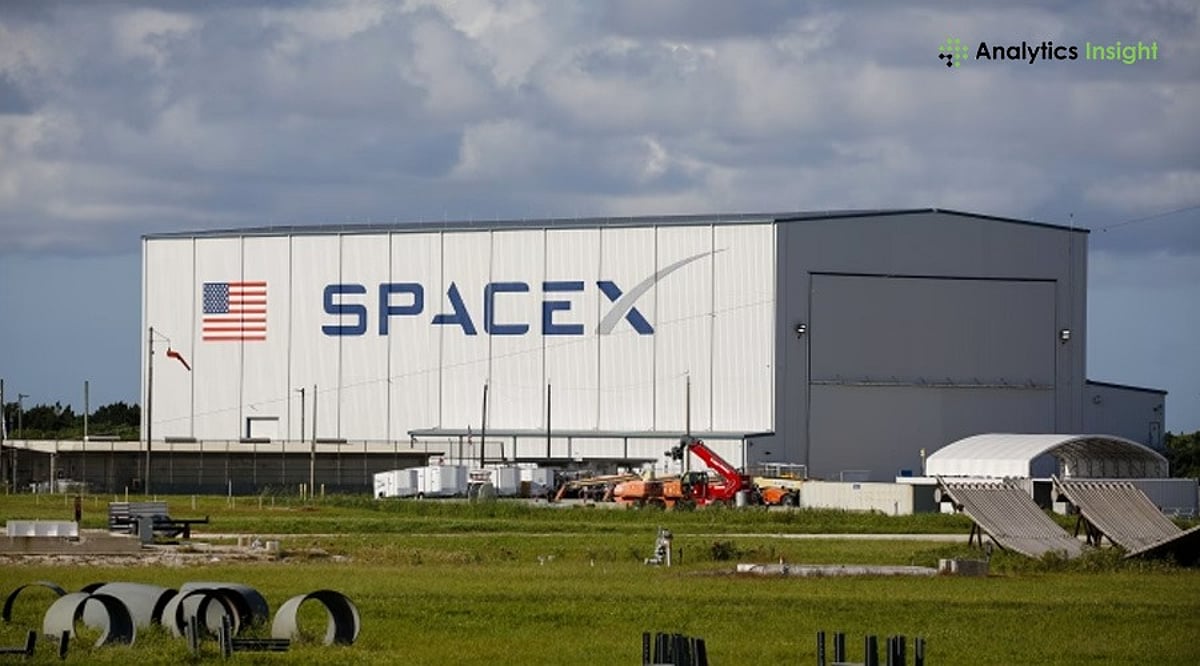
    SpaceX shares closed at $136.08 on Tuesday, July 14, marking a third consecutive daily decline and putting the stock just $1.08 above its initial public offering price of $135. The drop represents a 33% fall from the post-listing peak of $225.64, erasing nearly $850 billion in market value according to Bloomberg estimates.

    SpaceX Stock Tests Key IPO Level

    The stock’s slide has brought the $135 IPO price back into focus. A move below that level would put early buyers in a losing position, particularly concerning given that retail investors received roughly 20% of the IPO allocation. The stock already trades below its opening price of $150 and its first-day close of $160.95, despite being added to the NASDAQ-100 through fast-entry rules last week.

    High Valuation and New Supply Add Pressure

    SpaceX trades at an estimated forward price-to-sales ratio above 30 times, among the highest in the NASDAQ-100. The valuation has drawn increased scrutiny as technology shares face broader questions about growth expectations. Additionally, a staggered lock-up schedule will release insider shares over the coming months, potentially adding supply. Ken Mahoney, CEO of Mahoney Asset Management, noted, “We still don’t think SpaceX has found its low,” citing the need for sufficient market demand to absorb new shares.

    Wall Street Targets Stay Well Above the Price

    Despite the recent decline, Wall Street analysts remain broadly supportive. Over 80% of analysts covering SpaceX recommend buying, with an average price target of $236.25—more than 70% above Tuesday’s close. However, early volatility is common among large tech listings; a Truist Wealth review of 30 major technology IPOs over 15 years found an average maximum first-year decline of 55%. Some investors may view the $135 area as an attractive entry point after missing the IPO allocation. Talley Leger, chief market strategist at Wealth Consulting Group, said he may consider buying if the decline continues. The coming sessions will test whether demand holds near the offer price as insider supply approaches.

  • PayEm Sold for $500K After Raising $247M: A Cautionary Fintech Tale

    PayEm Sold for $500K After Raising $247M: A Cautionary Fintech Tale

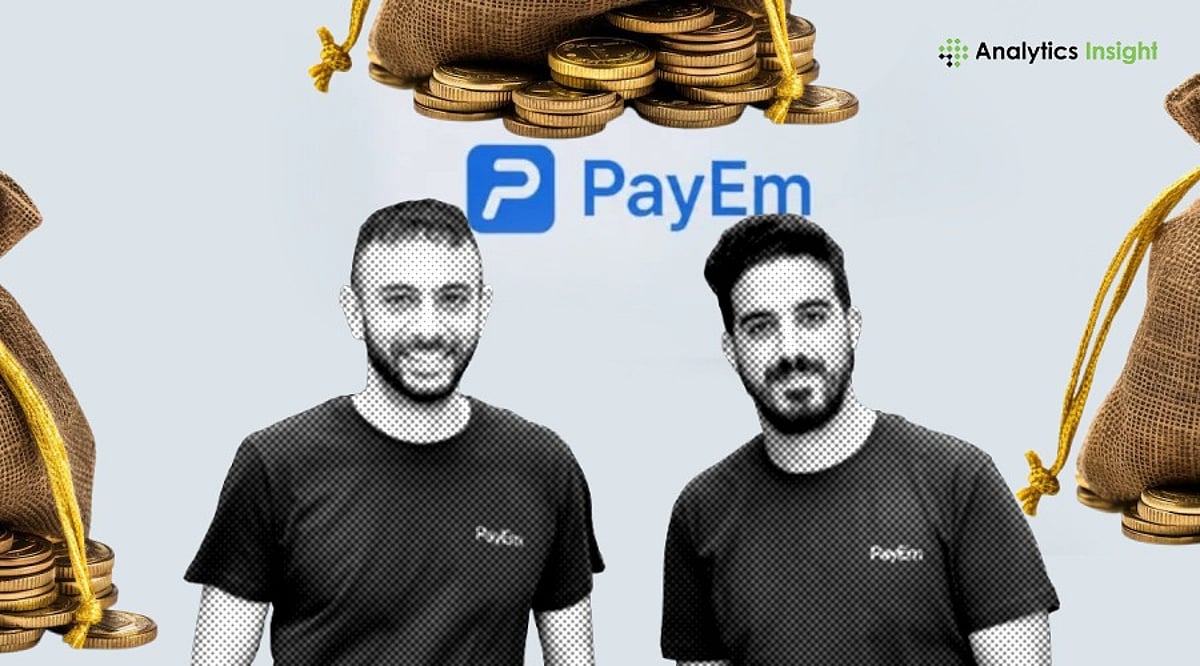
    Fintech startup PayEm has been acquired for just $500,000, despite having raised nearly $247 million in funding, marking one of the most dramatic valuation reversals in the sector. Top Group Software announced that its wholly owned subsidiary, Top Nippando, has completed the acquisition of all PayEm shares. The deal, finalized after being agreed upon in late June, reflects the recent turmoil in the fintech industry.

    Founded in 2020 by Itamar Jobani and Omer Rimoch, PayEm built a SaaS platform for corporate expense management, control, and automation. Its comprehensive solution included corporate debit and credit card issuance and management, procurement process automation, multi-currency digital wallet management, and financial connectivity with complex enterprise ERP systems.

    During the tech industry’s high-growth years, PayEm raised capital rapidly. In September 2021, it announced a $27 million Seed and Series A round led by Pitango, NFX, and Glilot Capital Partners. In early 2023, despite a market shift, the company announced another major $220 million funding round—comprising $20 million in equity and $200 million in credit lines from Viola Credit, Mitsubishi Group, and other partners to finance clients’ card usage.

    However, PayEm faced serious financial challenges in recent years. Its audited 2025 financial records show a negative equity position: total assets of NIS 47.08 million ($15.8M) against liabilities of NIS 51.1 million ($17.1M). Revenue for that year was NIS 19.1 million ($6.4M), but the net loss reached NIS 17.1 million ($5.7M).

    Under the acquisition agreement, all existing equity instruments and options will be canceled, and an aggressive efficiency drive started in 2026—including workforce reductions—will continue. These measures are expected to bring PayEm to operational break-even this year, even before considering potential synergies with Top Group and Top Nipendo. The buyer intends to fund the deal through internal resources or external financing, with a commitment to contribute up to an additional $3.5 million to reduce obligations and stabilize the company’s finances.

    The acquisition highlights the volatility in the fintech startup ecosystem, where once-high-flying companies can see their valuations collapse amid shifting market conditions and operational challenges.

  • SpaceX to Join NASDAQ 100 on July 7 Following New Index Entry Rules for Large IPOs

    SpaceX to Join NASDAQ 100 on July 7 Following New Index Entry Rules for Large IPOs

    SpaceX will officially enter the NASDAQ 100 index before the market opens on July 7, 2026, less than a month after its public debut on June 12. The addition, confirmed by NASDAQ on Friday, places the rocket, satellite, and artificial intelligence company among the exchange’s largest non-financial firms.

    JP Morgan estimates that the inclusion could trigger approximately $4.3 billion in passive inflows from index-tracking funds. However, skeptics like Morningstar have raised valuation concerns, noting the company’s limited trading history and recent net losses.

    Index Funds Prepare for Rebalancing

    Funds that replicate the NASDAQ 100, including Invesco QQQ and QQQM, will need to purchase SpaceX shares according to its assigned weight. The NASDAQ 100 tracks 100 large non-financial companies listed on NASDAQ, and its membership influences retirement accounts, brokerage portfolios, and other savings vehicles. NASDAQ reports that over 200 investment products track the index, with more than $800 billion in assets under management worldwide. This could create a large block of price-insensitive demand when the change takes effect.

    Faster Index Rules Pave the Way

    SpaceX began trading under the ticker SPCX on June 12, pricing its IPO at $135 per share. The swift entry into the NASDAQ 100 reflects revised rules that ease conditions on profitability, public float, and trading history for newly listed companies. NASDAQ, FTSE Russell, and MSCI have all relaxed some of these criteria to accommodate large, high-valuation firms. SpaceX reported a $4.9 billion net loss for 2025, though revenue grew as the company expanded Starlink, launch services, and AI operations.

    Valuation Debate Persists

    Despite the expected buying, concerns about SpaceX’s valuation remain. Morningstar chief equity market strategist Michael Field commented, “We think the stock is overvalued,” citing the company’s short public record and heavy spending needs. Meanwhile, S&P Global maintains stricter entry requirements for the S&P 500, including a 12-month trading history and profitability tests, meaning SpaceX cannot be considered for that index until at least June 2027.

    The divergent approaches create separate timelines for index-linked buying. NASDAQ 100 trackers will adjust in July, while S&P 500 funds will not purchase SpaceX under current rules. Other high-profile tech companies like OpenAI and Anthropic may face similar index questions if they proceed with public listings in 2026 or 2027 at valuations above $1 trillion.

  • OpenAI Weighs IPO Delay to 2027 Amid $1 Trillion Valuation Skepticism

    OpenAI Weighs IPO Delay to 2027 Amid $1 Trillion Valuation Skepticism

    OpenAI is reportedly considering delaying its initial public offering until 2027, as financial advisers question whether current market conditions can support a $1 trillion valuation. The ChatGPT developer had been preparing for a possible listing in late 2026 after filing confidential paperwork with the U.S. Securities and Exchange Commission.

    The potential shift follows notable volatility in technology shares. SpaceX’s stock, which soared after its June 2026 IPO, has since fallen sharply, raising concerns about investor appetite for high-valuation tech offerings.

    Advisers Flag Concerns Over 2026 IPO Timing

    OpenAI has engaged bankers and legal teams to explore a public listing. CEO Sam Altman reportedly directed the team to target a $1 trillion market capitalization, exceeding OpenAI’s most recent private valuation of roughly $852 billion. However, advisers cautioned that public markets may not show sufficient enthusiasm for the deal under current conditions.

    According to sources familiar with the discussions, two paths were presented: wait until 2027 to pursue the full valuation, or accelerate the timeline in 2026 at a lower price. Altman described any valuation reduction as a “nonstarter.” OpenAI confirmed it has filed confidential IPO documents but emphasized it has not committed to any specific timeline.

    Financial Readiness and Spending Pressures

    OpenAI generated approximately $13 billion in revenue last year while reporting a net loss of about $21 billion. The company expects sustained heavy spending on computing infrastructure, chips, data centers, and hardware through 2030. CFO Sarah Friar has voiced concerns about whether OpenAI is prepared for the rigorous public reporting requirements, including regular financial statements, risk disclosures, and cost guidance.

    Meanwhile, OpenAI is exploring new revenue streams. It has tested advertising within ChatGPT and is pursuing commerce partnerships with Shopify and Stripe. The company has also scaled back spending on some loss-making projects, such as parts of its Sora video business, as part of a broader cost-review initiative.

    SpaceX Market Activity Reshapes IPO Sentiment

    SpaceX went public on June 12 in a record-breaking IPO that raised more than $85 billion. Shares initially surged above $225 but later dropped to around $153, demonstrating how quickly investor sentiment can shift after a high-profile debut. This volatility has become a key reference for OpenAI’s advisers, reinforcing that a strong first trading day does not guarantee sustained support at elevated valuations.

    Broader weakness in the technology sector has also made investors more cautious toward capital-intensive companies. Anthropic, another AI firm, has filed confidentially for its own IPO, and other companies like Discord, Kraken, Strava, and Oura have also entered the IPO pipeline, creating a crowded market.

    OpenAI has not made a final decision. The company could still list in late 2026 at a lower valuation, or postpone to 2027. Any update will depend on its financial performance, spending trajectory, market stability, and investor confidence in the $1 trillion target.