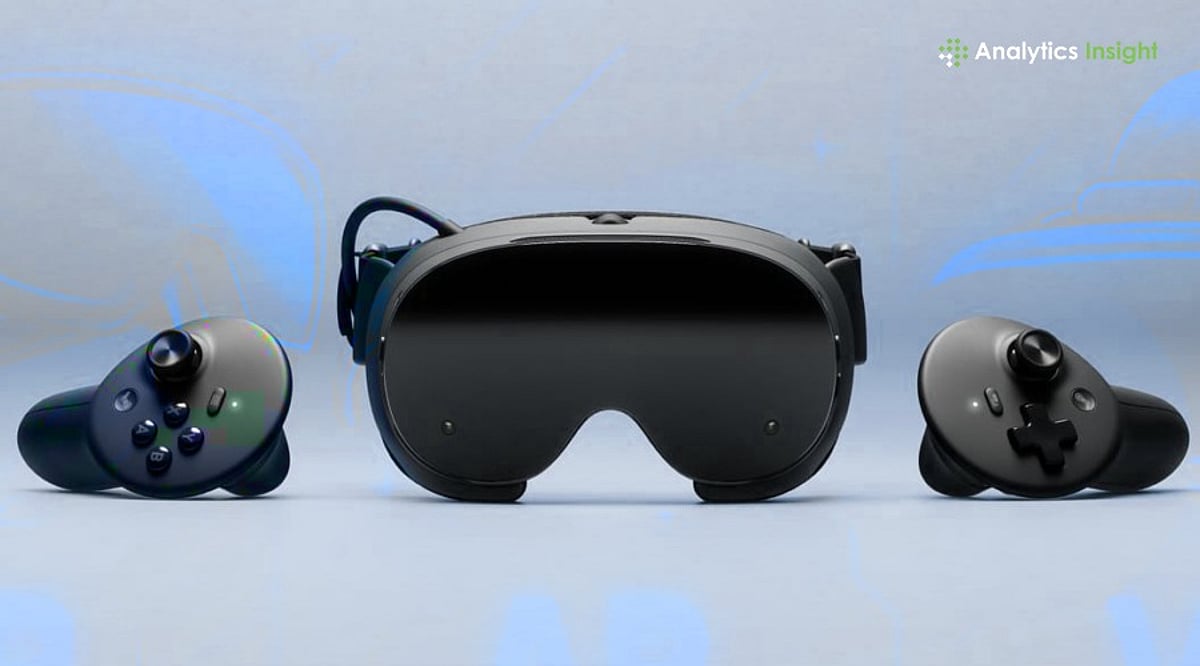
Tag: Virtual Reality

  • 10 Comfort-Focused VR Games for Beginners to Avoid Motion Sickness

    10 Comfort-Focused VR Games for Beginners to Avoid Motion Sickness

    Virtual reality has become more affordable and accessible, but one concern continues to hold many first-time players back: motion sickness. The dizzy feeling caused by rapid in-game movement can turn an exciting experience into an uncomfortable one. Fortunately, developers have introduced several VR games that prioritize comfort through stationary gameplay, teleport-based movement, or slower-paced mechanics.

    Dive Into VR Minus Motion Sickness: Top 10

    If you’re buying your first VR headset or simply want a smoother introduction to the medium, these games offer immersive experiences without leaving you reaching for a chair:

    Beat Saber: The Perfect First Step into VR

    Few games define beginner-friendly VR like Beat Saber. Players remain in one spot while slicing colored blocks with glowing sabers to the rhythm of popular music tracks. The gameplay is simple to understand, physically engaging, and remarkably comfortable, making it the go-to recommendation for first-time headset owners.

    Moss: A Charming Storybook Adventure

    Unlike traditional first-person VR games, Moss places players above the action, guiding a tiny mouse named Quill through magical landscapes. The third-person perspective reduces motion discomfort while delivering an emotionally engaging adventure filled with puzzles and exploration.

    Walkabout Mini Golf: Relaxed Multiplayer Fun

    Mini golf translates surprisingly well into virtual reality. Walkabout Mini Golf combines realistic physics with scenic courses and teleport movement, allowing players to enjoy long sessions without discomfort. It is also one of the best multiplayer experiences available in VR.

    Job Simulator: Everyday Work Made Entertaining

    Office work has never been this entertaining. Job Simulator transforms ordinary professions into hilarious interactive experiences where players cook, repair machines, and manage offices. Since nearly every interaction happens within arm’s reach, there’s little artificial movement to trigger motion sickness.

    I Expect You To Die: Spy Missions from Your Chair

    This escape room game requires you to sit down while performing clever tasks inspired by spy movies. I Expect You To Die does not require fast reactions but rather observation and thinking, making it perfect for novice gamers.

    Tetris Effect: Connected Brings a Classic to VR

    Sometimes, well-known gameplay is the best way to start. In Tetris Effect: Connected, this classic puzzle game is presented with fantastic graphics and sound effects without any simulated motion at all.

    Rec Room: Social Gaming Without the Stress

    One of the most popular free VR games, Rec Room features mini-games, sports, and community-built content. New users can enable teleportation movement mode to increase comfort while playing.

    Pistol Whip: Action with Controlled Movement

    For those looking for something thrilling, Pistol Whip provides stylish gameplay without free movement. The game directs you through cinematic stages as you dodge and shoot enemies in rhythm.

    Cubism: A Relaxing Puzzle Experience

    Minimalistic yet fulfilling, Cubism offers a soothing environment with a static sitting position and no quick movements, making it one of the most comfortable puzzle experiences in virtual reality.

    Angry Birds VR: Familiar Fun in a New Dimension

    The popular mobile game series translates easily into virtual reality. Angry Birds VR: Isle of Pigs retains the classic slingshot mechanism but allows players to view objects from different angles. Fixed mechanics guarantee fun for beginners.

    Final Takeaway

    Many first-time VR users make the mistake of jumping straight into fast-paced shooters or racing games. Starting with comfort-focused titles allows the brain to adapt gradually to virtual environments, reducing dizziness and fatigue. Once players build confidence, transitioning to more demanding VR experiences becomes significantly easier.

    For anyone taking their first steps into virtual reality, these 10 games offer the perfect balance of immersion, entertainment, and comfort, proving that the best VR experiences don’t always have to move fast.

  • 10 Cutting-Edge Technologies Revolutionizing Professional Sports

    10 Cutting-Edge Technologies Revolutionizing Professional Sports

    From wearable trackers to AI-driven analytics, professional sports are being transformed by a wave of innovative technologies. Here are ten key advancements reshaping how athletes train, compete, and engage with fans.

    Wearable Performance Trackers

    These devices monitor heart rate, speed, workload, recovery, and movement patterns, helping athletes optimize performance while reducing injury risks during training.

    Artificial Intelligence Analytics

    AI processes massive performance datasets, identifying tactical improvements, player strengths, opponent weaknesses, and strategic opportunities for coaches and analysts.

    Video Assistant Referee (VAR)

    VAR assists match officials by reviewing controversial decisions using multiple camera angles, improving fairness and reducing officiating errors in competitive sports.

    Hawk-Eye Tracking System

    Using high-speed cameras, Hawk-Eye accurately determines ball trajectories, assisting line calls, goal decisions, and player movement analysis across multiple sports.

    Smart Equipment Sensors

    Embedded sensors in balls, bats, rackets, and helmets collect real-time performance data for coaches, broadcasters, and athletes during competitions.

    Virtual Reality Training

    VR creates immersive practice environments where athletes safely improve reaction times, tactical awareness, and decision-making without physical game conditions or travel.

    Biomechanics Motion Capture

    This technology records body movements precisely, helping identify inefficient techniques, improve athletic performance, and minimize injury risks through scientific movement analysis.

    GPS Athlete Monitoring

    GPS tracks player positioning, running distances, sprint intensity, and workload, enabling personalized fitness programs and better match preparation strategies.

    Recovery Technology Systems

    Cryotherapy, compression devices, and AI-powered recovery monitoring accelerate muscle healing, reduce fatigue, and improve long-term athletic performance.

    Fan Engagement Platforms

    Augmented reality, interactive apps, and real-time statistics provide immersive experiences, strengthening fan participation both inside stadiums and through digital broadcasts.

  • 2026’s Breakthrough AR and VR Trends Transforming Work, Learning, and Daily Life

    2026’s Breakthrough AR and VR Trends Transforming Work, Learning, and Daily Life

    Augmented reality (AR) and virtual reality (VR) have moved far beyond gaming and entertainment. By 2026, these technologies have become practical tools that help businesses train employees, improve customer experiences, and streamline everyday operations. From AI-driven smart glasses to immersive VR workspaces, the next wave of innovation is redefining how people work, learn, shop, and connect.

    Top Augmented Reality Trends in 2026

    AI-Powered AR Experiences

    AI is supercharging AR with real-time object recognition, contextual assistance, and personalized content. Scene understanding and automated content creation allow businesses to deliver deeply interactive experiences in retail, healthcare, and education.

    Spatial Computing and Smart AR Glasses

    Spatial computing enables devices to track and understand their environment. Lightweight smart glasses now blend digital information seamlessly into the physical world, enabling hands-free navigation, workplace assistance, and natural interactions.

    Enterprise AR for Training and Maintenance

    Companies use AR for employee training, remote support, equipment maintenance, and process optimization. Visual instructions reduce errors and accelerate learning, making AR a must-have for modern enterprises.

    Why This Matters: AR is evolving from a novelty into a business solution. Integrating AI, spatial computing, and enterprise tools boosts productivity, enhances customer experience, and simplifies complex workflows across sectors.

    Top Virtual Reality Trends in 2026

    Hyper-Realistic Immersive Environments

    Advances in graphics, AI, and spatial audio create incredibly realistic virtual worlds. These environments benefit not only entertainment but also training, education, architecture, and virtual tourism.

    VR for Collaboration and Remote Working

    VR transforms remote work with immersive meeting spaces and virtual offices. Teams can collaborate on designs, conduct training, and solve problems together without geographical barriers.

    Industry-Specific VR Simulations

    Healthcare, education, manufacturing, and retail increasingly adopt VR simulations for realistic, risk-free practice and scenario-based learning.

    Why This Matters: VR is no longer just for gaming. Its ability to simulate real-life scenarios, enable collaboration, and support specialized software helps organizations train, cooperate, and solve real-world problems in virtual settings.

    Final Takeaway

    With improvements in hardware and software, AR and VR are steadily integrating into daily life—boosting workplace productivity, revolutionizing education, and elevating customer experiences. Early adoption gives businesses a significant competitive edge.

    Frequently Asked Questions

    What is the biggest AR trend in 2026?

    AI-powered augmented reality is a top trend, enabling smarter object recognition, personalized experiences, and real-time assistance across retail, healthcare, manufacturing, and education.

    How are smart AR glasses changing everyday technology?

    Smart glasses display digital information directly in the user’s field of view, enabling hands-free navigation, workplace assistance, remote collaboration, and more natural interactions with digital content.

    Why is VR becoming popular outside gaming?

    VR is now widely used for employee training, virtual meetings, education, healthcare simulations, and product design because it creates immersive, realistic environments that improve learning, collaboration, and decision-making.

    Which industries benefit the most from AR and VR?

    Healthcare, manufacturing, retail, education, construction, and logistics are among the biggest adopters, using AR and VR to improve training, customer experiences, operational efficiency, and workplace safety.

    Should businesses invest in AR and VR technologies now?

    Businesses that adopt AR and VR early can improve productivity, reduce training costs, enhance customer engagement, and gain a competitive advantage as immersive technologies become mainstream.

  • 2026 XR Headset Buyer’s Guide: How to Pick the Perfect VR or AR Device

    2026 XR Headset Buyer’s Guide: How to Pick the Perfect VR or AR Device

    Choosing an XR headset in 2026 involves more than comparing specs. With budget standalone devices, premium spatial computers, console headsets, and lightweight AR glasses now available, the decision depends on your budget, purpose, comfort, and compatibility. This guide breaks down the key factors to help you make a smart purchase without getting lost in technical jargon.

    Checklist for Choosing a VR Headset in 2026

    Start by defining your primary use case. Gaming, fitness, design work, and remote meetings each require different hardware. List your top three planned activities to narrow your options.

    Check compatibility carefully. Some headsets require a console, a powerful PC, or a specific phone. Many buyers assume cross-platform support exists, which can lead to early disappointment.

    Explore app availability in each platform’s store, as libraries vary widely. Comfort matters more than expected—proper weight distribution prevents fatigue during long sessions. Beware of marketing gimmicks; don’t choose based on resolution numbers alone. An ‘AR-ready’ label does not guarantee full VR support, and battery life is crucial in multi-user modes.

    Insights & Cost Analysis

    Price remains the clearest dividing line. Total cost of ownership tells a better story than the sticker price.

    • Entry-level standalone headsets: Meta Quest 3S at $299, Meta Quest 3 at $499. No subscription needed; accessories are affordable.
    • Mid-range devices: Samsung Galaxy XR around $599. Offers on-device AI but has a smaller software library.
    • Premium spatial computers: Apple Vision Pro at $3,499, plus AppleCare and software pushing first-year cost near $3,900.

    For most shoppers, a standalone headset delivers great value. A premium pick makes sense only when spatial anchoring is essential for your work.

    Better Solutions & Competitor Analysis

    No single headset suits everyone. Developers building spatial apps often prefer Apple Vision Pro for its mature platform. Enterprise buyers needing industrial precision choose Varjo XR-4 or Magic Leap 2. Educators running large VR labs favor Meta Quest 3S for easy management. Remote teams can use Android XR devices for smoother workplace tool integration.

    Customer Feedback Synthesis

    Standalone headsets earn praise for easy setup and reliable tracking. Premium devices excel in eye-tracking accuracy and audio quality, but battery drain during long sessions remains a complaint. Passthrough camera quality is a common drawback across budget and mid-range models—users describe it as soft or low contrast. On the positive side, motion sickness complaints have dropped sharply due to higher refresh rates and smarter rendering in 2026 models.

    Maintenance, Safety & Legal Considerations

    Extend your headset’s life by cleaning lenses with a microfiber cloth only—avoid alcohol or rough materials. Store in a cool, dry place (below 30°C). Keep firmware updated to prevent tracking drift. No government currently regulates headset use at work, but general safety guidelines recommend a 20-minute break per hour of near-eye display use.

    Conclusion

    First-time buyers wanting gaming or fitness will do well with a standalone headset like Quest 3S. Professionals needing precise spatial anchoring should consider a premium spatial computer. Those tied to a specific phone ecosystem may find hybrid AR devices the smoothest fit, accepting a smaller app library. For personal screens during travel or media consumption, light AR glasses are often better than a full headset. Match the device to your real use case for the best purchase.

    FAQs

    1. What is the difference between VR and AR headsets? VR creates a fully virtual environment; AR overlays digital content onto the real world. Mixed reality combines both.
    2. Which XR headset is best for beginners in 2026? Standalone headsets like Meta Quest 3S are affordable, easy to set up, and require no PC or console.
    3. Is Apple Vision Pro worth buying in 2026? It’s best for professionals, developers, and enterprise users needing advanced spatial computing. Casual users may find better value in standalone headsets.
    4. What should I check before buying? Primary use case, compatibility, app availability, comfort, battery life, and total ownership cost.
    5. How to maintain my headset? Clean lenses with microfiber cloth, store in a cool dry place, update firmware, avoid heat and direct sunlight.
  • Best VR Headset Deals for Weekend Sales at Walmart and Amazon (2026)

    Best VR Headset Deals for Weekend Sales at Walmart and Amazon (2026)

    This weekend’s VR sales bring notable discounts on popular gaming headsets. Walmart and Amazon are offering competitive pricing alongside bonus content, making it the perfect time to buy. Standalone and console VR options both have strong promotions, and buyers have multiple ways to maximize value.

    What Makes a VR Deal Worth Taking

    A lower sticker price is only part of the story. The most important number is the effective value after bundle contents are factored in. A headset that includes a major game and a three-month subscription trial at a modest discount often outperforms a cheaper headset shipped with nothing.

    Four questions cut through the noise: What does the bundle actually include? Is the headset standalone or console-dependent? Which hardware generation is it? Does either retailer add store credit or extras on top? Running through these before purchasing turns a confusing sales page into a clear decision.

    Best Overall Deal: Meta Quest 3S

    The Meta Quest 3S 128GB is the weekend VR sale benchmark. Walmart has offered it at $250, bundled with Batman: Arkham Shadow and a three-month Meta Horizon+ subscription trial. That combination puts a critically acclaimed AAA VR title and access to the games library alongside a fully wireless standalone headset for less than the price of most gaming consoles.

    The Quest 3S runs on the Snapdragon XR2 Gen 2 chip with 8GB of RAM, the same core hardware as the full-spec Quest 3. It needs no PC, no console, and no additional setup. For first-time VR buyers, that frictionless entry is the most compelling part of the deal.

    Best Premium Standalone: Meta Quest 3

    The Quest 3 sits above the 3S at a higher price, and the upgrade is visible the moment the headset goes on. It features Meta’s pancake lenses, which deliver sharper clarity across a wider field of view with precise interpupillary distance adjustment. For daily VR users or anyone who spends extended time in a headset, the optical quality matters.

    The price gap between the two models narrows when the Quest 3S is at full price, and the Quest 3 catches a weekend sale discount. Checking both simultaneously on sale day is worth the extra minute. The Quest 3 is the right call for buyers who plan to get serious about VR.

    Best Console VR Deal: PSVR 2

    Sony did not raise PSVR 2 pricing when Meta adjusted its lineup. The headset currently sits at roughly $399, and the memory crisis that pushed standalone headset costs up did not affect PSVR 2. It is not a standalone computer—it borrows all its processing from a PlayStation 5 the buyer already owns.

    For PS5 owners, that $399 price represents genuine value. The OLED display, eye tracking, headset haptics, and foveated rendering make it the most technically capable console VR experience available. Walmart has offered PSVR 2 in-game bundles during past sale events. The caveat: without a PS5 already, the real entry cost climbs close to $900.

    Best Budget Entry: Meta Quest 2

    The Quest 2 is the starter option for buyers whose primary goal is getting into VR at the lowest possible cost. It is an older generation with a narrower display and less processing headroom, but it runs a broad VR game library and has appeared at Walmart with store credit bundled alongside it. Frame it as the entry door, not the destination.

    VR Accessories Worth Adding

    Some of the sharpest weekend VR sale savings appear in accessories rather than headsets. Elite head straps improve comfort on long sessions. Charging docks eliminate cable hunting. Carrying cases protect hardware between uses. A well-chosen accessory bundle at sale pricing can add more practical value than a small headset price reduction.

    Walmart vs Amazon: Where the Better Value Usually Lives

    Walmart tends to win on bundle construction—free games, subscription trials, and occasional gift card bonuses make its VR listings worth reading carefully. Amazon competes on headline discounts and restocks faster during sale periods. Checking both on the same day during a weekend VR sale often surfaces a clear winner.

    Choosing the Right Deal

    The decision framework is simple: PS5 owners should look seriously at PSVR 2 bundles at Walmart. Buyers who want wireless VR with no additional hardware should target the Quest 3S at sale pricing. Anyone prioritizing the lowest entry cost should consider the Quest 2 with store credit added. In every case, bundle contents and platform compatibility matter more than the headline discount.

    Final Thoughts

    Weekend sales on Walmart and Amazon continue to be one of the best opportunities to find savings on VR headsets. The most attractive offers will often feature compelling bundles alongside competitive pricing. Compare the full package instead of focusing solely on the discount to see the best overall value.

  • Top VR Games That Keep Streamers and Viewers Entertained

    Top VR Games That Keep Streamers and Viewers Entertained

    Virtual reality gaming has surged in popularity, and streamers have played a pivotal role in its rise. These VR titles deliver moments of genuine surprise, laughter, and tension that captivate both players and audiences alike.

    Streaming platforms have turned many VR games into viral hits. Unlike traditional games, VR captures every physical reaction — a flinch, a leap, a nervous laugh — making streams feel more personal and engaging. For content creators looking to grow their channels, choosing the right VR game is essential. Here are some of the best VR games for streaming in 2026.

    Astro Bot Rescue Mission

    Astro Bot Rescue Mission proves that VR doesn’t need epic battles or horror to be compelling. Players guide Astro through colorful, inventive levels packed with puzzles, jumps, and hidden secrets. Each stage introduces a new mechanic, keeping the experience fresh. The bright visuals and straightforward gameplay make it a joy to watch as well.

    Why it’s great for streaming: Colorful levels, fun surprises, simple gameplay.

    Beat Saber

    Beat Saber remains one of the most iconic VR games. Players slice blocks in rhythm with music, creating a fast-paced, energetic performance. Every song feels distinct, so content never gets stale. Whether chasing high scores or attempting expert tracks, there’s always something exciting happening.

    Why it’s great for streaming: Music-driven action, movement, fast-paced gameplay.

    Blade and Sorcery

    Blade and Sorcery offers unmatched freedom in combat. Players wield swords, magic, and creative attacks, all powered by a realistic physics engine. This often leads to hilarious or unexpected moments — a dropped weapon, a physics glitch, an improvised kill. No two fights are alike, making it a staple for regular streaming.

    Why it’s great for streaming: Unexpected combat moments, player creativity.

    Half-Life: Alyx

    Half-Life: Alyx set a new standard for story-driven VR. It blends action, exploration, and suspense to keep players fully immersed. Every environment is richly detailed, and the game’s pacing creates perfect opportunities for streamer reactions during tense scenes or shocking reveals. It’s ideal for a multi-part series.

    Why it’s great for streaming: Strong storytelling, exciting moments, series-friendly.

    Demeo

    Demeo brings tabletop role-playing into VR. Players cooperate to plan strategies and face dungeon challenges. Every session is unique thanks to procedural elements, and the conversation between teammates often becomes the highlight of the stream. Perfect for creators who enjoy multiplayer content.

    Why it’s great for streaming: Teamwork, unexpected outcomes, team strategy.

    Batman: Arkham Shadow

    Batman: Arkham Shadow lets players explore Gotham City as the Dark Knight, combining stealth, combat, and detective work. The familiar IP draws viewers in, while the mix of action and mystery keeps them engaged. Streamers can investigate cases, fight villains, and react to the dark atmosphere.

    Why it’s great for streaming: Batman’s massive popularity, the mix of action and mystery.

    These VR Games Know How to Entertain an Audience

    Not every game is built for streaming — especially in VR. Some titles are fun to play but fail to hold a viewer’s attention. The games listed above avoid that problem. They create moments that are easy to follow and genuinely entertaining. Whether it’s the rhythm of Beat Saber, the chaos of Blade and Sorcery, or the narrative depth of Half-Life: Alyx, each title offers something distinct for content creators.

    For streamers, variety matters. Good VR streams produce memorable moments that keep audiences coming back.

    Also Read: Best VR Headsets in 2026 for Gaming and Entertainment

    Also Read: Top 10 Free VR Games You Should Try in 2026


    FAQs

    Why are VR games popular among streamers?
    VR games show real reactions, movements, and emotions. Viewers enjoy watching these moments because they feel natural and often lead to funny, surprising, or exciting situations during a stream.

    Which VR game is easiest for new streamers to start with?
    Beat Saber is one of the easiest VR games to stream. The gameplay is simple to understand, and viewers can quickly follow the action even if they have never played it.

    Is Half-Life: Alyx good for a video series?
    Yes. Half-Life: Alyx has a strong story, exciting gameplay, and memorable moments. These features make it a great choice for creators who want to build a multi-part series.

    What makes Blade and Sorcery fun to watch?
    The game’s combat system gives players a lot of freedom. This often leads to unique fights, funny situations, and unexpected moments that viewers enjoy seeing on stream.

    Can multiplayer VR games help creators grow?
    Multiplayer VR games create more interaction and conversation. They also produce different situations every time, giving viewers fresh content and more reasons to return for future streams.

  • Latest Advances in 3D Imaging: From Brain Mapping to Tactile Models

    Latest Advances in 3D Imaging: From Brain Mapping to Tactile Models

    MIT News has published a series of groundbreaking articles on 3D imaging, covering innovations that range from whole-brain mapping to tactile 3D models. Researchers at the MIT Computer Science and Artificial Intelligence Laboratory (CSAIL) and other MIT labs are pushing the boundaries of what’s possible with three-dimensional visualization and printing.

    TactStyle: 3D Modeling You Can Feel

    Developed by CSAIL researchers, TactStyle uses image prompts to replicate both the visual appearance and tactile properties of 3D models. This system allows users to not only see a 3D object but also feel its texture, opening new possibilities for virtual reality and product design.

    Thermochromorph: Images That Transform Through Heat

    The Thermochromorph printmaking technique allows images to transition into each other through changes in temperature. This innovation, also from CSAIL, uses heat-sensitive materials to create dynamic prints that shift appearance based on environmental conditions.

    3D Imaging of Whole Human Brain Hemispheres

    Three innovations by an MIT-based team enable high-resolution, high-throughput imaging of human brain tissue at a full range of scales. This technology maps connectivity of neurons at single-cell resolution, providing unprecedented insights into brain structure and function.

    New Sensor Uses MRI to Detect Light Deep in the Brain

    Researchers have developed a sensor that uses MRI to detect light deep within the brain. This approach allows scientists to map how light spreads in opaque environments, with potential applications in optogenetics and brain imaging.

    Better Nasal Swab for COVID-19 Testing

    MIT spinout OPT Industries uses novel additive manufacturing systems to create intricately-designed nasal swabs for COVID-19 testing. The company’s 3D-printed swabs offer improved efficiency and comfort.

    Live Imaging of Brain Function

    A new live imaging method brings structure to mapping brain function. Scientists can now distinguish brain regions based on their activity and overlay information about their structural organization.

    Objects That Change Color Like a Chameleon

    CSAIL’s new reprogrammable ink uses light to change the color of objects. This technology mimics the color-changing abilities of chameleons, with potential applications in adaptive camouflage and dynamic displays.

    Creating 3D Images with Regular Ink

    MIT startup Lumii helps manufacturers replicate the visual effects of holograms on printed materials using standard ink. This innovation makes 3D imaging accessible for everyday products like packaging and security features.

    RePaint: Reproducing Paintings with Deep Learning and 3D Printing

    CSAIL’s RePaint system uses deep learning and 3D printing to faithfully recreate famous paintings. The system captures the texture and depth of original artworks, producing faithful reproductions.

    Glasses-Free 3D Movies at Home

    A CSAIL system converts 3D movies into a format that can be viewed without specialized glasses. This technology could bring immersive 3D entertainment to living rooms worldwide.

    Larger Scale Glasses-Free 3D Displays

    A prototype display enables viewers to watch 3D movies without glasses from any seat in a theater. This system uses a novel screen design to create a wide viewing zone.

    Fab By Example: Custom Designs at Your Fingertips

    CSAIL’s Fab By Example lets users quickly create thousands of custom designs for furniture, go-carts, and more. The system simplifies the design process, making 3D modeling accessible to non-experts.

    Illuminating Neuron Activity in 3D

    A new technique allows scientists to monitor the entire nervous system of a small worm in 3D. This method provides a comprehensive view of neural activity, advancing understanding of basic neural circuits.

    The Physics of Curly Hair

    Researchers developed the first detailed model for a 3D strand of curly hair. Understanding the physics behind hair curl could lead to new products in cosmetics and materials science.

    3D Scanning with Your Smartphone

    Startup Viztu Technologies developed commercial software that generated 3D models from 2D photos, before selling to a tech giant. This technology demonstrated the potential of smartphone-based 3D scanning.

  • Apple Vision Pro Launch Ushers in Spatial Computing Era

    Apple Vision Pro Launch Ushers in Spatial Computing Era

    Apple has officially announced the launch date for its first headset, the Apple Vision Pro, marking the company’s entry into the spatial computing market. The device will be available in the United States starting February 2, 2024, with pre-orders opening on January 19, 2024. CEO Tim Cook shared the news on Twitter, declaring, “The era of spatial computing has arrived!” The release is currently limited to the US, with no global availability timeline confirmed.

    Priced at $3,499 for the 256GB model, the Vision Pro is Apple’s most expensive product since the original iPhone and costs roughly three times as much as Meta’s top-tier headset. The device runs on Apple’s M2 chip alongside a new R1 chip designed to process data from sensors, cameras, and microphones in real time. Users can control the interface without a physical controller, using eye, head, and hand movements.

    Spatial computing—the integration of virtual objects with the real world—is expected to become a dominant force in technology over the next decade, leveraging AI, extended reality (XR), IoT, and advanced sensors. The Vision Pro aims to blend digital content seamlessly with physical environments, potentially transforming industries such as education and professional training.

    Despite the hype, skepticism remains. Some Apple executives reportedly referred to the project as a “science project” in 2023, according to CNBC. Meanwhile, Meta continues to lead the headset market with its Quest 3, which offers mixed reality at a starting price of $500. Apple’s stock has faced recent pressure, losing $177 billion in market value in January 2024, making the Vision Pro a critical test for the company’s future growth.