Tag: YouTube

  • YouTube Copyright and Community Guidelines Explained: Key Differences and Channel Safety Tips

    YouTube Copyright and Community Guidelines Explained: Key Differences and Channel Safety Tips

    Two Systems, Two Sets of Rules

    YouTube operates copyright enforcement and Community Guidelines enforcement as separate systems, though the same content can sometimes trigger both. Understanding which system issued the notice is the first step in responding correctly, as the resolution for one rarely applies to the other.

    Content ID Claims vs Copyright Strikes

    A Content ID claim is an automated match against a library of registered works. The video usually remains available, but the rights holder can monetize, track, or restrict it. Creators can dispute a claim if they hold the rights or have proper authorization. In contrast, a copyright strike follows a formal removal request from the rights holder. It takes the video down and marks the channel. Three strikes within 90 days can lead to termination and loss of all uploaded videos.

    How Community Guidelines Strikes Build Up

    Community Guidelines cover harassment, hate speech, graphic violence, misinformation, spam, and more, applying to private videos, comments, and thumbnails. A first violation typically results in a warning and content removal without upload restrictions. Serious violations may skip the warning and go straight to termination. Warnings can be cleared by completing policy training and avoiding further violations for 90 days. Repeat violations within that period become strikes, with increasing restrictions: first strike pauses uploads for a week, second for two weeks, third leads to permanent termination.

    Responding to an Enforcement Action

    For copyright strikes, creators can complete copyright school and let the strike expire after 90 days, obtain a retraction from the claimant, or submit a valid counter notice. Community Guidelines warnings and strikes can usually be appealed within six months, while removed content can be appealed within a year.

    Why ‘Just a Few Seconds’ Is Not Automatic Fair Use

    Adding commentary or trimming a clip does not automatically make copyrighted material safe. Fair use depends on the purpose of use, the nature of the work, the amount taken, and the effect on the original’s market. These rules vary outside the United States, so there is no fixed length or word count that guarantees safety.

    Three Habits That Keep a Channel Safe

    • Content Checks: Review copyright and community guidelines before publishing, not after.
    • Account Protection: Enable two-step verification and avoid phishing links or suspicious app permissions.
    • Organized Records: Keep licenses, permissions, and source files ready for any dispute.

    These habits become routine and help avoid scrambling after a strike has landed.

    Final Thoughts

    YouTube’s rules will continue to evolve with new content formats and legal pressures. Creators who integrate policy checks into their regular workflow stay ahead of changes and reduce the risk of enforcement actions.

    Frequently Asked Questions

    What is the difference between a Content ID claim and a copyright strike?
    A Content ID claim is an automated match that may lead to monetization or blocking. A copyright strike follows a formal removal request and can lead to channel termination.

    How many copyright strikes can a YouTube channel receive?
    Three copyright strikes within 90 days can result in channel termination. Copyright strikes and Community Guidelines strikes are separate systems.

    What happens after a Community Guidelines violation?
    A first violation typically results in a warning. Further violations lead to strikes with escalating restrictions within the 90-day period.

    Does fair use protect short clips on YouTube?
    Not automatically. Fair use depends on the circumstances, and there is no fixed clip length that guarantees protection.

    How can creators improve YouTube channel safety?
    By reviewing policies before publishing, using account security measures, and keeping organized records of permissions.
  • YouTube Monetization Beyond Ads: 6 Proven Revenue Streams for Creators

    YouTube Monetization Beyond Ads: 6 Proven Revenue Streams for Creators

    Introduction

    Ad revenue alone leaves YouTube channels financially exposed. Six income streams, including memberships, sponsorships, affiliate links, and owned products, can reduce that dependence. The right mix depends on audience trust, not subscriber count.

    Why Ads Alone Fall Short

    Ad income is unpredictable as a sole source. RPM varies by niche, audience location, season, and format. A channel that earns well in Q4 can see rates drop sharply in January. Building around multiple revenue paths instead of one changes that dynamic.

    Six Alternative Revenue Streams

    1. Channel Memberships and Fan Funding

    Channel memberships let viewers pay a monthly fee in exchange for perks such as badges and exclusive content. Super Chat and Super Thanks give fans a way to pay to highlight their messages during streams and videos. Under the Commerce Product Module, creators receive 70% of net revenue from memberships, Super Chat, Super Stickers, and Super Thanks. Access requires meeting YouTube Partner Program thresholds. Fan-funding features open at 500 subscribers, three public uploads in 90 days, and either 3,000 watch hours in 12 months or three million Shorts views in 90 days. Ad revenue sharing currently requires 1,000 subscribers with 4,000 watch hours or 10 million Shorts views. From February 1st, 2027, new applicants for ad and premium revenue sharing will need 1,000 subscribers plus 8,000 watch hours in 365 days, or 20 million Shorts views in 90 days. Existing partners are not affected. Creators who enabled fan funding before 2023 may still be on the older Commerce Product Addendum. They must accept the current Commerce Product Module in YouTube Studio by January 31st, 2027, or lose access to these features on February 1st.

    2. Brand Sponsorships

    Sponsorships pay a fixed fee for featuring a product or service in a video. Rates depend on average views, audience location, and niche fit, not just subscriber count. A personal finance channel with 20,000 engaged viewers can often command strong rates. For brands, a closely matched audience can matter as much as raw reach. YouTube Creator Partnerships lets brands find eligible Partner Program creators and send deal inquiries. The tool includes a media kit built from channel data, and India is among the available countries. All paid promotions must be disclosed in line with YouTube’s policies and local advertising law.

    3. Affiliate Marketing

    Affiliate links earn a commission when a viewer buys through a tracked link in the video description. The format works best for reviews, tutorials, and comparisons, where viewers are already close to a purchase decision. Some software programs pay recurring commissions, though customers may cancel and program terms can change. Unlike YouTube Shopping, traditional affiliate marketing sends viewers to an external merchant or affiliate platform. All affiliate relationships require clear, easy-to-notice disclosure.

    4. YouTube Shopping

    YouTube Shopping lets eligible creators tag products directly in videos, Shorts, and live streams. Products can come from the creator’s own store or from partner brands. Sales from a channel’s own store are settled by the merch retailer or platform. Eligible creators can also earn affiliate commission on third-party products they feature. Access depends on channel and country eligibility.

    5. Own Products and Services

    Owned products offer more control over pricing and margins than any platform-based revenue stream. Common options include online courses, templates, presets, ebooks, paid communities, and consulting. Payment fees, software costs, customer support, and refunds still reduce profit. An owned product also builds a direct relationship with customers through email, which reduces reliance on YouTube for future sales. Comments, search queries, and repeated viewer questions can point directly to where that demand exists.

    6. License Content and Repurpose Expertise

    Licensing means another party pays for the right to use original footage. Media companies, documentary makers, and stock platforms regularly license clips. Repurposing takes that same expertise into new formats such as newsletters, podcasts, or paid reports. Both approaches extend the economic life of content beyond its original YouTube upload. YouTube Premium adds another revenue path for eligible creators. From February 1, 2027, Premium Lite expands to every country where Premium is available. Creators share in a pool worth 60% of net Premium Lite subscription revenue, distributed by member watch time and views. Creators then receive 55% for long-form videos and 45% for Shorts.

    Quick Comparison

    • Memberships/Fan Funding: Recurring revenue from loyal viewers; requires Partner Program eligibility.
    • Sponsorships: Fixed fee per video; depends on audience engagement and niche.
    • Affiliate Marketing: Commission per sale; works well with review/tutorial content.
    • YouTube Shopping: Product tagging in videos; requires eligibility and can include own or third-party products.
    • Own Products: Full control over pricing; builds direct audience relationship.
    • Licensing: One-time fees for footage or repurposed content; extends content lifespan.

    How to Choose the Right Revenue Stream

    The right starting point depends on where a channel stands with its audience. Affiliate links need no Partner Program access, which makes them a practical early option. Fan funding and shopping open once a small audience shows consistent loyalty. Sponsorships suit channels whose viewers act on recommendations. Owned products make sense once a creator has built a niche following with a clear, shared interest. Tracking revenue per video, not just views, shows which content is actually earning.

    Final Thought

    The long-term opportunity on YouTube is not simply more views. Platforms shift, algorithms change, and ad rates fluctuate, but an audience that trusts a creator travels with them. That trust, built through consistent and useful content, is what makes every other revenue stream possible. Creators who own that relationship directly, through email lists, products, and loyal communities, are the ones best positioned as the platform continues to evolve.

    Frequently Asked Questions

    • Can you make money on YouTube without ads? Yes. Creators can earn through channel memberships, Super Chat, Super Thanks, sponsorships, affiliate marketing, YouTube Shopping, digital products, services, and content licensing.
    • How many subscribers do you need to monetize YouTube? For the expanded YouTube Partner Program in eligible countries, creators can qualify at 500 subscribers with additional activity and watch-time or Shorts-view requirements. Ad and YouTube Premium revenue sharing currently requires 1,000 subscribers plus higher watch-time or Shorts-view thresholds.
    • How do YouTubers make money from sponsorships? Creators negotiate fees with brands to feature products or services in videos. Rates can depend on audience size, average views, niche, audience location, engagement, and campaign requirements.
    • Can YouTubers earn money through affiliate marketing? Yes. Creators can share tracked affiliate links and earn a commission when viewers make qualifying purchases. This works particularly well for product reviews, tutorials, comparisons, and buying guides.
    • What is the best way to make money on YouTube beyond ads? There is no single method that works best for every channel. The right option depends on the audience, niche, content format, and stage of the channel. Creators can combine affiliate marketing, sponsorships, fan funding, Shopping, owned products, and licensing to diversify income.
  • Top Free Streaming Services for Your Smart TV: No Subscription Needed

    Top Free Streaming Services for Your Smart TV: No Subscription Needed

    Want to watch movies and TV channels without adding another monthly subscription? Several ad-supported streaming platforms can turn your Smart TV into an entertainment hub, with free content available through supported apps and services.

    Tubi

    Tubi offers thousands of movies and TV shows for free, supported by short ad breaks instead of subscription fees. Its official help centre says the service is free and legal.

    Pluto TV

    Pluto TV combines live-style TV channels with on-demand movies and shows, making it feel more like traditional television while keeping the viewing experience free.

    The Roku Channel

    The Roku Channel brings free movies, TV episodes, and live channels together, giving Smart TV viewers another easy way to discover entertainment without paying for every title.

    Amazon Freevee

    Amazon Freevee offers ad-supported movies, TV shows and original programming, making it a useful option for viewers who want premium-style entertainment without a monthly subscription.

    YouTube

    YouTube is more than short videos, with free movies, documentaries, news streams and TV content available through official channels and supported services.

    Plex

    Plex combines free ad-supported movies and TV shows with live channels, creating a flexible entertainment library that works across many supported Smart TV platforms.

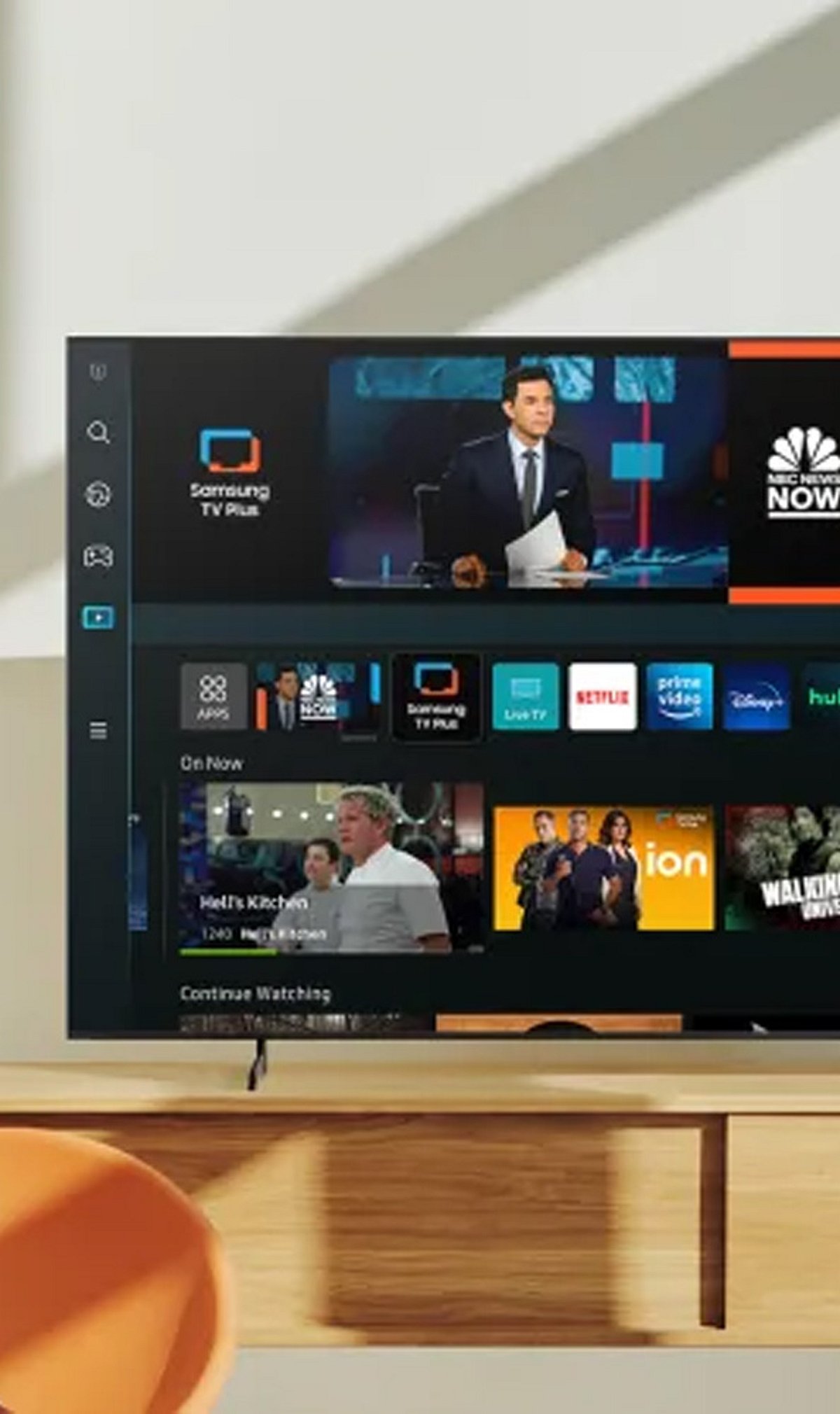
    Samsung TV Plus

    Samsung TV Plus provides free live channels and on-demand entertainment on compatible Samsung Smart TVs, with no separate paid TV subscription required for its free content.

    LG Channels

    LG Channels gives compatible LG Smart TV owners access to free streaming channels and entertainment, turning the television itself into a convenient content hub.

    Read More Stories
    Join our WhatsApp Channel to get the latest news, exclusives and videos on WhatsApp

  • YouTube Tests Custom Feeds for Personalized Video Recommendations

    YouTube Tests Custom Feeds for Personalized Video Recommendations

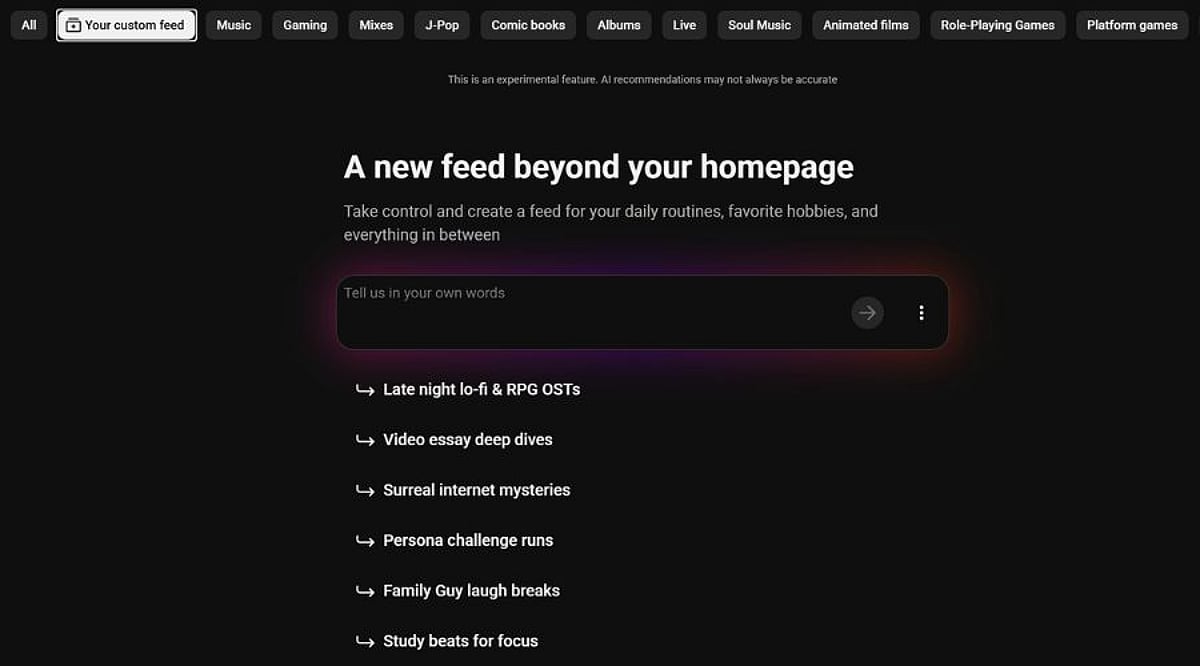
    YouTube is testing a new Custom Feeds feature that gives eligible users more control over the videos recommended to them. Instead of relying only on viewing behavior, users can describe what they want to watch and create a dedicated feed around that request.

    The feature appears at the top of YouTube Home as a Custom Feed chip. Users can enter a natural-language description covering a topic, routine, or mood, after which YouTube generates a stream of recommendations based on the prompt.

    YouTube Tests Up to Eight Custom Feeds

    The latest version of the experiment allows some eligible users in the US to save up to eight active Custom Feeds. Users can switch between these feeds from the top of the Home page and edit their prompts when their interests change.

    On mobile, Custom Feeds can replace YouTube’s standard topic chips, while desktop users continue to have access to the existing topic chips. The feature remains experimental, and availability may vary by account.

    Custom Feeds are different from a standard search. While a search generally provides results for a single query, a Custom Feed is designed to remain as a dedicated destination that users can return to without entering the same request again.

    Custom Feeds Still Work with YouTube’s Algorithm

    Despite giving viewers more direct control, Custom Feeds do not replace YouTube’s recommendation system. The platform continues to determine which videos appear in each feed.

    YouTube also requires both watch and search history to remain enabled for the experiment. Videos watched through Custom Feeds are added to the user’s normal watch history and may influence recommendations on the main Home page.

    This means the feeds are not isolated spaces. Instead, they provide YouTube with an additional signal about what users want to watch at a particular time.

    Availability and Creator Impact

    The latest multi-feed experiment is limited to eligible, signed-in users in the US on Android, iOS and desktop, with English language settings and watch history enabled. YouTube has not announced an official India rollout date.

    For creators, views from Custom Feeds contribute to watch time and monetization in the same way as views from Home. However, creators cannot guarantee that their videos will appear in a particular Custom Feed because YouTube’s ranking system still determines placement.

    YouTube is also monitoring how the experiment affects views, watch time, and revenue as it evaluates the feature.

  • Indian-Origin CEOs Steering Major US Companies: From Microsoft to YouTube

    Indian-Origin CEOs Steering Major US Companies: From Microsoft to YouTube

    Indian-origin entrepreneurs and executives now lead some of the most influential technology companies in the United States. Their journeys from India to the top of corporate America highlight a growing trend of global leadership rooted in Indian talent. Here are the key figures behind major US companies.

    Satya Nadella – Microsoft

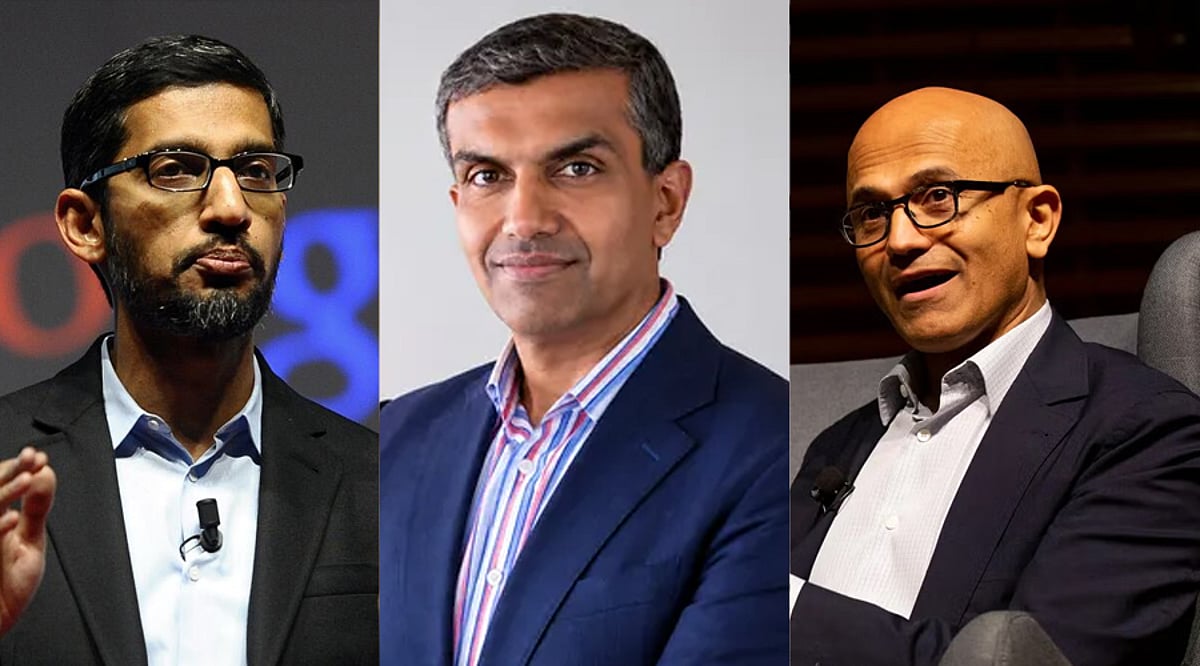
    Born in Hyderabad, Satya Nadella has served as chairman and CEO of Microsoft since 2014. Under his leadership, the company has pivoted strongly toward cloud computing and artificial intelligence. Nadella played a pivotal role in expanding Microsoft Azure and continues to steer the company’s AI-first strategy.

    Sundar Pichai – Google and Alphabet

    Sundar Pichai, who grew up in Chennai, became CEO of Google in 2015 and later took the helm of Alphabet in 2019. His tenure has seen major investments in AI, cloud computing, Android, and other technologies. Pichai remains one of the most recognized Indian-origin leaders in global tech.

    Anil Chakravarthy – Adobe

    Anil Chakravarthy is set to become Adobe’s next president and CEO on December 1, 2026, succeeding Shantanu Narayen, who led the company for nearly two decades. Chakravarthy studied computer science at IIT Varanasi before earning advanced degrees from MIT. He joined Adobe in 2020 after serving as CEO of Informatica.

    Arvind Krishna – IBM

    Arvind Krishna is chairman and CEO of IBM, one of the world’s largest enterprise technology companies. With a career spanning decades at IBM, he has centered the company’s strategy on hybrid cloud and artificial intelligence.

    Nikesh Arora – Palo Alto Networks

    Nikesh Arora is chairman and CEO of Palo Alto Networks, a leading US cybersecurity firm. Under his leadership, the company has focused on digital security and AI-driven protection, capitalizing on rising corporate spending in this area.

    Neal Mohan – YouTube

    Neal Mohan is the CEO of YouTube, the world’s largest video platform. He assumed the role in 2023 after serving as chief product officer. Mohan has shaped product strategy across advertising, creators, subscriptions, and online video.

    Expanding Influence Across Industries

    Indian-origin leaders now hold top positions not only in technology but also in cybersecurity, finance, healthcare, consumer goods, and logistics. Recent 2026 reports highlight executives such as Raj Subramaniam at FedEx, Vimal Kapur at Honeywell, Revathi Advaithi at Flex, and Jayshree Ullal at Arista Networks. Their presence underscores the growing influence of Indian-origin talent in Corporate America.

  • Top 7 YouTube Channels to Master Crypto Trading in India

    Top 7 YouTube Channels to Master Crypto Trading in India

    Here are seven YouTube channels that offer valuable crypto trading education tailored for Indian audiences.

    Coin Bureau

    Coin Bureau is one of the most trusted crypto education channels worldwide. It covers Bitcoin, Ethereum, altcoins, market trends, blockchain technology, and macroeconomic developments. The channel focuses on detailed research rather than trading hype, making it suitable for beginners and experienced investors seeking reliable cryptocurrency knowledge.

    Whiteboard Crypto

    Whiteboard Crypto simplifies complex blockchain and cryptocurrency concepts using engaging animations. Topics include wallets, decentralized finance, NFTs, trading basics, tokenomics, and market mechanics. Its visual teaching style makes it one of the easiest channels for beginners wanting to understand crypto before investing or actively trading.

    Crypto Banter

    Crypto Banter provides daily cryptocurrency market updates, technical analysis, expert interviews, and discussions on emerging digital assets. The channel helps viewers understand market sentiment, price movements, and trading opportunities. It is particularly useful for traders looking to stay informed about fast-changing crypto markets.

    DataDash

    DataDash focuses on cryptocurrency investing, technical analysis, macroeconomic trends, and portfolio management. The channel explains how global financial events influence digital assets while sharing long-term investment perspectives. Its educational approach helps viewers build analytical skills instead of relying solely on short-term trading signals.

    Crypto India

    Crypto India is dedicated to the Indian cryptocurrency community. It explains crypto regulations, exchange updates, taxation, blockchain developments, and beginner-friendly trading concepts. The channel also discusses important news affecting Indian investors, making it valuable for anyone entering the country’s growing crypto ecosystem.

    Trade Brains

    Trade Brains covers stock markets, personal finance, and cryptocurrency education for Indian audiences. It explains blockchain fundamentals, investment principles, crypto risks, and portfolio diversification in simple language. The practical approach helps beginners understand how cryptocurrencies fit into broader financial planning and wealth creation.

    CoinDCX Official

    CoinDCX Official publishes educational videos covering cryptocurrency basics, blockchain technology, trading tutorials, security practices, and industry updates. The content is designed for Indian users and includes practical guidance on responsible crypto participation. Beginners can learn essential concepts while staying updated with developments in India’s crypto market.

    These channels provide a strong foundation for anyone looking to learn crypto trading in India, from absolute beginners to more experienced traders.

  • Google and YouTube Release Free Digital Wellbeing Guidebook for Indian Families to Foster Healthy Tech Habits

    Google and YouTube Release Free Digital Wellbeing Guidebook for Indian Families to Foster Healthy Tech Habits

    Google and YouTube have unveiled the Digital Wellbeing Guidebook for Indian Families, a free resource designed to help parents, caregivers, and educators guide children through the digital world. Developed with input from mental health, child development, and education experts, the guidebook addresses the unique needs of Indian households.

    Tailored for Indian Households

    The guidebook acknowledges that many Indian families share smartphones and tablets among members. Instead of simply advocating reduced screen time, it offers practical strategies for navigating privacy, child safety, and age-appropriate content in shared-device environments. Google emphasizes ongoing parent-child conversations and collaborative boundary-setting rather than unilateral restrictions.

    Expert-Backed Recommendations

    Created in consultation with specialists from the National Institute of Mental Health and Neurosciences (NIMHANS), Fortis Healthcare, and education experts, the guidebook provides actionable tips such as establishing technology-free zones, creating family media agreements, and modeling positive online behavior. The aim is to translate research into everyday practices.

    Built-In Safety Features

    The resource highlights Google’s existing digital wellbeing tools, including supervised YouTube and YouTube Kids sessions, Family Link parental controls, the Family Center, Take a Break reminders, Bedtime and School Time modes, and the ‘Who’s Watching’ feature. This last tool enables multiple family members to use the same device while preserving individual privacy and enhancing child safety.

    Promoting Responsible Technology Use

    With this guidebook, Google and YouTube encourage families to focus on responsible technology use rather than solely limiting screen time. Through open communication, realistic expectations, and thoughtful decision-making, the companies believe families can build healthy digital habits that integrate seamlessly into daily life.

    The guidebook is available for free download and represents a significant step toward empowering Indian families to navigate the digital age safely and effectively.

  • Report: YouTube and X Fuel Surge in AI Deepfake Nudify App Discoveries

    Report: YouTube and X Fuel Surge in AI Deepfake Nudify App Discoveries

    Finding AI nudify apps online may be easier than many people think. A new study claims that social media platforms, especially YouTube and X (formerly Twitter), are helping users discover websites that offer these harmful tools. The research, conducted by The Institute for Strategic Dialogue (ISD), reveals that this occurs despite most major platforms having rules against abusive and non-consensual explicit content.

    According to the report, many nudify websites receive millions of visits. Between December 2025 and March 2026, social media accounted for 5.7 million visits to these sites. YouTube sends the largest share—over 1.82 million visits, representing nearly 30% of all social media traffic. X follows with about 20%, contributing more than 1.3 million visits. Reddit, Facebook, Instagram, and other platforms also send users to these sites, but in much smaller numbers.

    The study highlights how videos, posts, and shared links are often used to direct people to AI nudify services. It also puts a spotlight on content moderation gaps. YouTube states it removes content promoting harmful or illegal activity and prohibits explicit material. X also claims it does not allow non-consensual intimate content. However, researchers found that posts linking to these websites remain available in many cases.

    Facebook and Instagram have announced policies against deepfake abuse and AI-generated explicit content, but the report suggests a gap between rules and what users actually see. Some posts stay online until reported, while others are taken down only to reappear quickly. The study concludes that current moderation systems are struggling to keep pace with the spread of AI tools, emphasizing the need for faster and more effective action by platforms to prevent harmful content from reaching wider audiences.

  • The Evolution of Social Media: From Six Degrees to TikTok

    The Evolution of Social Media: From Six Degrees to TikTok

    Social media has transformed how we connect, communicate, and consume content. This timeline traces the major platforms that shaped the digital landscape over the past two decades.

    • Six Degrees (1997): Widely regarded as the first social networking website, it introduced friend lists, user profiles, and online connections before mainstream adoption.
    • Friendster (2002): Revolutionized online networking by emphasizing real-life friendships, inspiring future social platforms despite technical limitations and declining popularity later.
    • MySpace (2003): Dominated early social media through customizable profiles, music sharing, and artist promotion before Facebook overtook its massive user base.
    • Facebook (2004): Transformed global communication with personal profiles, business pages, communities, messaging, and powerful advertising tools reaching billions worldwide today.
    • YouTube (2005): Changed digital entertainment forever by enabling users to upload, watch, share, and monetize videos across every imaginable content category.
    • Twitter/X (2006): Popularized real-time conversations through short posts, becoming a leading platform for breaking news, public discussions, and live event updates.
    • Instagram (2010): Made visual storytelling mainstream through photos, Stories, Reels, influencer marketing, and advanced shopping experiences for global audiences everywhere.
    • Snapchat (2011): Introduced disappearing messages, augmented reality filters, and short-lived Stories, encouraging spontaneous communication among younger smartphone users globally.
    • TikTok (2016): Redefined short-form entertainment with AI-driven recommendations, viral trends, creative editing tools, and unmatched user engagement across diverse audiences worldwide.

    Read more stories and join our WhatsApp Channel to get the latest news, exclusives, and videos on WhatsApp.