Bitcoin’s share of the cryptocurrency market has fallen to 58.5%, slipping below the 60% level that traders often watch as a signal of market leadership. The move comes as altcoins recover from a soft stretch and privacy-focused crypto assets attract fresh attention.
Glassnode’s Altcoin Cycle Signal has climbed to 81.25, and the total market value of altcoins has risen about 33% since mid-August. Even so, the Altcoin Season Index remains neutral, suggesting that a broad, sustained run of altcoin outperformance has not yet been confirmed.
Altcoin recovery is visible, but not yet a full season
Recent price action shows selective strength rather than a market-wide rotation. Filecoin gained 5.88%, Theta Network added 5.55%, and Axie Infinity rose 5.11%, with order activity favoring buyers in those assets. Those gains are notable, but the neutral Altcoin Season Index indicates that most altcoins have not consistently beaten Bitcoin.
The current market structure may also differ from earlier cycles. Spot Bitcoin exchange-traded funds now give institutional investors a direct way to gain exposure to the largest cryptocurrency. That channel could reduce the amount of capital that moves from Bitcoin into smaller tokens, meaning Bitcoin dominance might decline without producing the same kind of altcoin rotation seen in the past.
Shielded Bitcoin proposal puts privacy back in focus
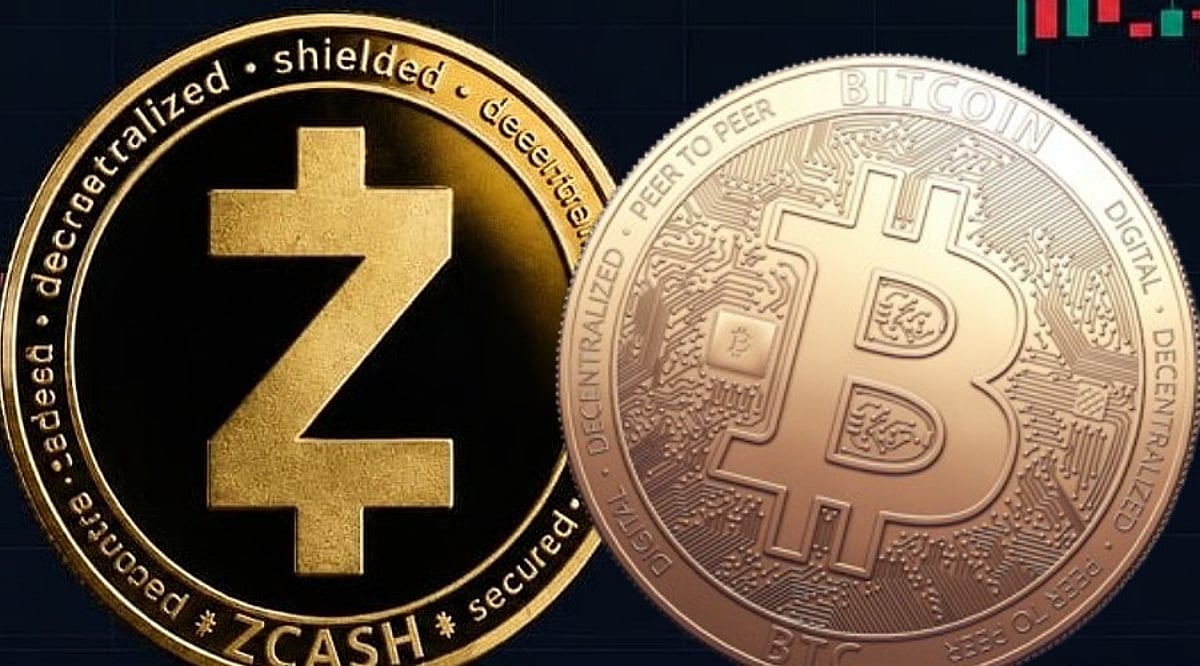
Separately, researchers Clara Shikhelman, Mikhail Komarov, and Aleksei Moskvin from cryptography firm [alloc] init have proposed a privacy system called Shielded Bitcoin. The design borrows the encrypted payment structure used by Zcash and aims to make Bitcoin payments harder to trace without altering Bitcoin’s core network rules.
Under the proposal, Bitcoin-denominated value would be held in encrypted records called notes. When a user spends a note, the system would publish a marker showing that the record had already been used. A mathematical proof would verify ownership and confirm that no new value was created. The transfer would conceal the payment amount as well as the sender and recipient.
The key difference from Zcash is enforcement. Bitcoin nodes currently validate every transaction against a shared set of rules, and transactions that fail those rules cannot enter a valid block. Shielded Bitcoin would instead place encrypted transfer information on Bitcoin while separate software checks whether the private payment follows the proposed system’s rules. As a result, Bitcoin could confirm an underlying transaction even if the private payment encoded inside it fails Shielded Bitcoin’s separate checks.
Zcash shielded activity rises with privacy demand
The proposal arrives as developers explore privacy for payroll, business payments, and everyday spending. Standard Bitcoin transactions permanently display amounts and addresses on the public ledger. Once an address is linked to a company or individual, related activity can become easier to trace. Shielded Bitcoin seeks to reduce that visibility while preserving Bitcoin’s public transaction record.
Users could reconstruct accepted private payments with wallet keys because encrypted transfer data would remain on Bitcoin. Separate viewing keys could give accountants or auditors transaction access without spending authority.
Zcash already supports both transparent and shielded payments. Transparent transactions expose addresses and values, while shielded transactions encrypt those details. According to CoinDesk calculations based on ZecStats data, Zcash shielded pools held about 4.9 million ZEC on Friday, up 14% from July 30. That represented roughly 29% of issued ZEC and had an estimated value of USD 7.8 billion after the cryptocurrency’s rally.
Zcash also recorded around 63,000 shielded transactions last week, its busiest week for private transactions since 2022 and its fourth-highest total on record. Reported transfer volume across the Zcash network exceeded USD 23 billion, the largest weekly total since 2021 and the second-highest weekly level in the network’s history.
What to watch next
For crypto traders, the main question is whether altcoin strength broadens enough to push the Altcoin Season Index out of neutral. For privacy advocates, the focus is whether proposals such as Shielded Bitcoin can advance without compromising Bitcoin’s validation model or creating new audit and compliance challenges.
Bitcoin dominance has slipped below 60% as altcoins recover, but neutral altcoin-season readings show that broad outperformance remains unconfirmed. At the same time, Shielded Bitcoin and rising Zcash shielded activity show that private cryptocurrency payments are drawing renewed attention.