
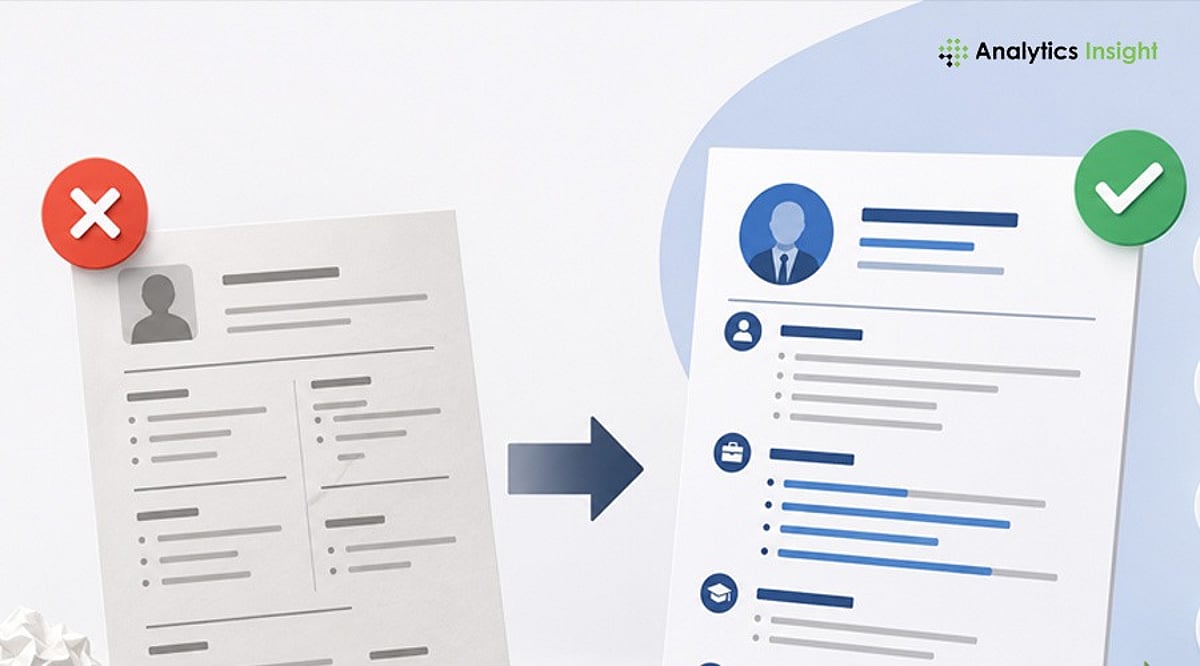
A strong resume is more than a career summary—it is a marketing tool. In today’s competitive job market, even qualified candidates are overlooked because of a weak resume. Recruiters spend as little as 10 seconds scanning your resume before deciding. And with Applicant Tracking Systems (ATS) screening most applications, poor formatting, vague descriptions, or missing keywords can cost you an interview. This guide walks you through the most common resume mistakes, practical fixes, and ATS-friendly strategies to help you stand out.
Overview
- Discover common resume mistakes recruiters instantly notice, along with practical solutions to fix them effectively.
- Learn ATS-friendly formatting techniques to improve resume visibility in automated recruitment screening.
- Showcase measurable achievements, relevant skills, and tailored content to increase interview opportunities significantly.
Top Three Mistakes People Make While Job Seeking
The first mistake is sending the same generic resume to every employer. While convenient, it rarely includes the keywords and skills required by each job description. ATS measures how well your resume matches the posting.
Another common error is treating your resume like a job description—listing responsibilities such as “managed a team” or “answered client questions” without showing real achievements or results. Recruiters want evidence that you can deliver outcomes.
Why Formatting Deserves More Attention
A good-looking resume isn’t always effective. Overly designed templates with images, icons, tables, or text boxes can confuse ATS software, causing it to skip critical information. Stick with a clean, well-organized layout.
Follow these formatting rules:
- Use standard section headings like Work Experience, Skills, and Education.
- Use a single font style throughout.
- Avoid headers or footers for contact details.
- Use bullet points instead of long paragraphs.
- Upload your resume in the requested file format.
Achievements Speak Louder Than Responsibilities
Replace task-oriented statements with achievement-oriented ones. Numbers add context and credibility. For example:
Instead of: “Accountable for managing social media accounts.”
Write: “Increased social media engagement rate by 42% within six months.”
Specify the time or effort saved wherever possible. This helps recruiters gauge your potential impact.
Tailor Every Application
Tailoring your resume is no longer optional. Study each job posting to identify required skills, certifications, and experience. Include relevant keywords naturally—overstuffing can trigger red flags even with sophisticated ATS.
Small Details Make a Big Difference
Spelling errors, incorrect dates, poor formatting, and overused buzzwords like “excellent” or “outstanding” without evidence can derail an otherwise strong application. Use clear, concise language and strong action verbs such as Led, Developed, Implemented, Designed, and Delivered. Avoid passive phrases like “Responsible for.”
Quick Fixes That Instantly Strengthen a Resume
Before submitting, ensure your resume:
- Aligns with the specific job description.
- Includes accomplishments wherever possible.
- Has an ATS-friendly format.
- Highlights relevant skills.
- Features a professional summary (not a long objective).
- Is free of grammar and spelling mistakes.
- Does not contain unnecessary or outdated information.
Bottom Line
A poorly written resume doesn’t mean a weak candidate—it often means the candidate hasn’t presented their achievements, skills, and career path in a way that resonates with recruiters. With ATS screening resumes before they reach human eyes, your resume must do more than list past jobs. Treat it as a marketing tool that highlights your value and the achievements you can bring to a prospective employer.
Frequently Asked Questions
1. Why is an ATS-friendly resume important?
An ATS-friendly resume improves visibility during automated screenings, increasing your chances of reaching recruiters and securing interviews.
2. How long should a resume ideally be?
Most professionals should aim for one page. Experienced candidates may use two pages if the additional achievements justify the length.
3. Should I customize my resume for every job application?
Yes. Tailoring your resume with relevant keywords and skills improves ATS rankings and shows alignment with the role.
4. What should I include instead of listing job responsibilities?
Focus on measurable achievements, quantifiable results, and business impact. Use action verbs to demonstrate value.
5. How often should I update my resume?
Update every six months or after significant achievements, certifications, promotions, or role changes to keep it competitive.
Leave a Reply