

Category: Leadership

  • Jinhua Zhao Appointed Lead of MIT’s Urban Studies and Planning Department

    Jinhua Zhao Appointed Lead of MIT’s Urban Studies and Planning Department

    Jinhua Zhao MCP ’04, SM ’04, PhD ’09, a renowned transportation planner and educator, has been appointed head of the Department of Urban Studies and Planning (DUSP) at MIT, effective July 1. Zhao, the Class of 1941 Professor of Cities and Transportation, brings deep expertise in behavioral science and transportation, combined with artificial intelligence and public policy, to tackle urban challenges.

    MIT School of Architecture and Planning Dean Hashim Sarkis praised Zhao as a rare scholar who moves fluidly between cutting-edge research and real-world policy. ‘His work with governments and transportation agencies around the world is a model for what MIT’s impact can look like beyond our campus,’ Sarkis said. Zhao succeeds Professor Christopher Zegras, who served as department head since 2020.

    Zhao earned all three of his advanced degrees at MIT before joining the faculty. He noted that the Institute’s unconventional culture and interdisciplinary connectivity were key attractions. ‘We have fewer boundaries than other universities — intellectually and physically. Our infinite corridor literally connects us to so many disciplines,’ he said.

    Globally, Zhao has shaped mobility systems through collaborations with Transport for London, Hong Kong’s Mass Transit Railway, Japan Railways, and U.S. agencies like the MBTA, Chicago Transit Authority, and Washington Metropolitan Area Transit Authority. He has also guided autonomous vehicle deployment strategy in Singapore and the Middle East. ‘Every city I’ve worked with faces the same tension: The technology is moving faster than the institutions designed to govern it,’ Zhao explained. ‘My work has been about closing that gap.’

    At MIT, Zhao founded the MIT Mobility Initiative and hosts the weekly MIT Mobility Forum, which has grown from a small internal list to a global platform drawing over 200 practitioners, policymakers, and researchers weekly. He also directs the JTL Urban Mobility Lab, which unites behavioral science and transportation technology, and is a lead principal investigator with the Mens, Manus, and Machina initiative exploring AI, work, and learning.

    As department head, Zhao aims to accelerate the transfer of DUSP research to city leaders, planners, and engineers who make decisions on issues like aging infrastructure, AI integration, and congestion. ‘We know a great deal about how cities grow, how people move, and how that will change. The question is whether the people responsible for making these changes can access what we know, when they need it,’ he said.

    Zhao’s appointment underscores MIT’s commitment to addressing urgent urban challenges through interdisciplinary research and practice.
  • How Salil Parekh Quietly Built a Legacy of Steady Leadership at Infosys

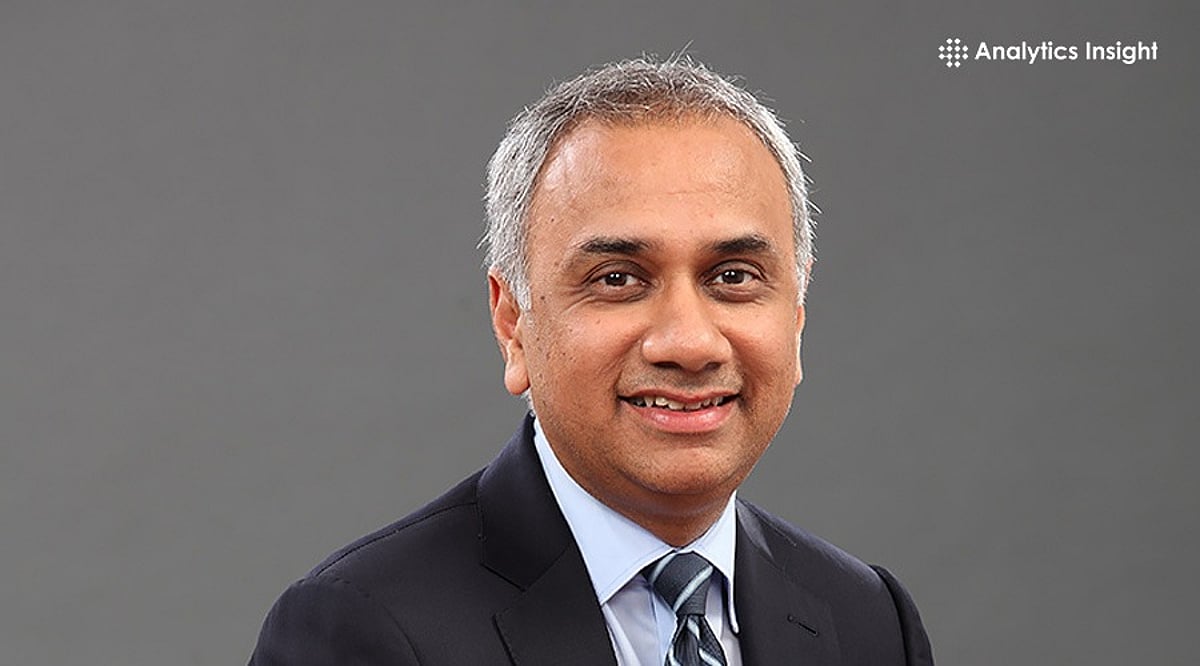
    How Salil Parekh Quietly Built a Legacy of Steady Leadership at Infosys

    While many tech leaders chase headlines, Salil Parekh has built Infosys with calm leadership, steady decisions, and long-term thinking. From AI growth to global uncertainty, the company continued expanding quietly under his balanced and practical leadership style. His journey shows that strong leadership is not always loud—consistency, patience, and stability often matter more than constant visibility.

    Leading Without the Noise

    In an industry that rewards loud personalities and bold declarations, Salil Parekh has built his reputation doing the opposite. No viral statements, no constant media appearances, no carefully curated social media presence. Yet over the years, he has quietly become one of the most respected names in India’s IT industry, leading Infosys through one of the most turbulent periods in global technology.

    Since taking charge of Infosys in 2018, Parekh has helped the company grow amid rapid changes in the tech industry. Cloud computing, AI, automation, and digital services have become a much bigger part of business across the world. Through all these changes, Infosys has continued to grow steadily.

    The Journey Before Infosys

    Before joining Infosys, Parekh spent many years at Capgemini, handling different leadership roles and working with global clients across industries. Those years gave him experience in technology, consulting, and business operations. When Infosys announced him as CEO in 2018, the company was going through a difficult period with leadership changes and internal disagreements. Many people felt the company needed stability and calm leadership. Parekh entered quietly and focused on the work instead of creating headlines.

    A Different Kind of CEO

    One thing many people notice about Salil Parekh is his calm personality. He is not the kind of business leader who tries to dominate every conversation. He usually speaks in a simple and measured way. Even during difficult times, he rarely appears reactive or dramatic. That style has helped him build trust over time. Inside Infosys, many employees see him as practical and balanced, often described as someone who listens carefully and focuses on long-term goals instead of short-term excitement.

    Infosys Under His Leadership

    Infosys has changed a lot during Parekh’s time as CEO. The company expanded its digital and cloud services as businesses around the world started moving more operations online. Infosys also increased its work in AI and automation as demand for those services grew. The company continued to sign large global deals and strengthen relationships with international clients. Employee training became important as technology evolved rapidly, and Infosys invested in helping workers learn new skills and adapt to shifting industry needs. The company’s global presence also became stronger during these years.

    Difficult Times Along the Way

    The tech industry has not had an easy few years. Economic uncertainty affected business spending in many countries. Competition in the IT sector intensified, with companies vying hard for major contracts. Managing large teams across different countries brought challenges, especially during remote work periods. Then came the rapid rise of AI, pressuring technology companies to move faster and adapt quickly to changing customer demands. Through these periods, steady leadership became very important. Instead of reacting with panic, Parekh kept the company focused on stability and long-term growth.

    Why His Leadership Gets Attention

    Many business leaders today are known for high visibility. Salil Parekh is respected for almost the opposite reason. He keeps a low profile and focuses more on execution than publicity. Clients trust consistency, employees value stability, and investors often look for leaders who stay calm during uncertain times. Over the years, Parekh has built that kind of image. His leadership style may not always create headlines, but it has helped Infosys stay strong during a fast-changing period for the global tech industry.

    Final Thoughts

    Salil Parekh embodies a quieter style of leadership that many people still deeply value. He does not try to be the loudest voice in the room. Instead, he focuses on steady work, long-term growth, and keeping the company prepared for the future. As AI, cloud services, and automation continue changing the tech world, Infosys is moving through that shift under his leadership. His story is a reminder that leadership is not always about visibility—sometimes calm thinking, patience, and consistency can matter even more.