
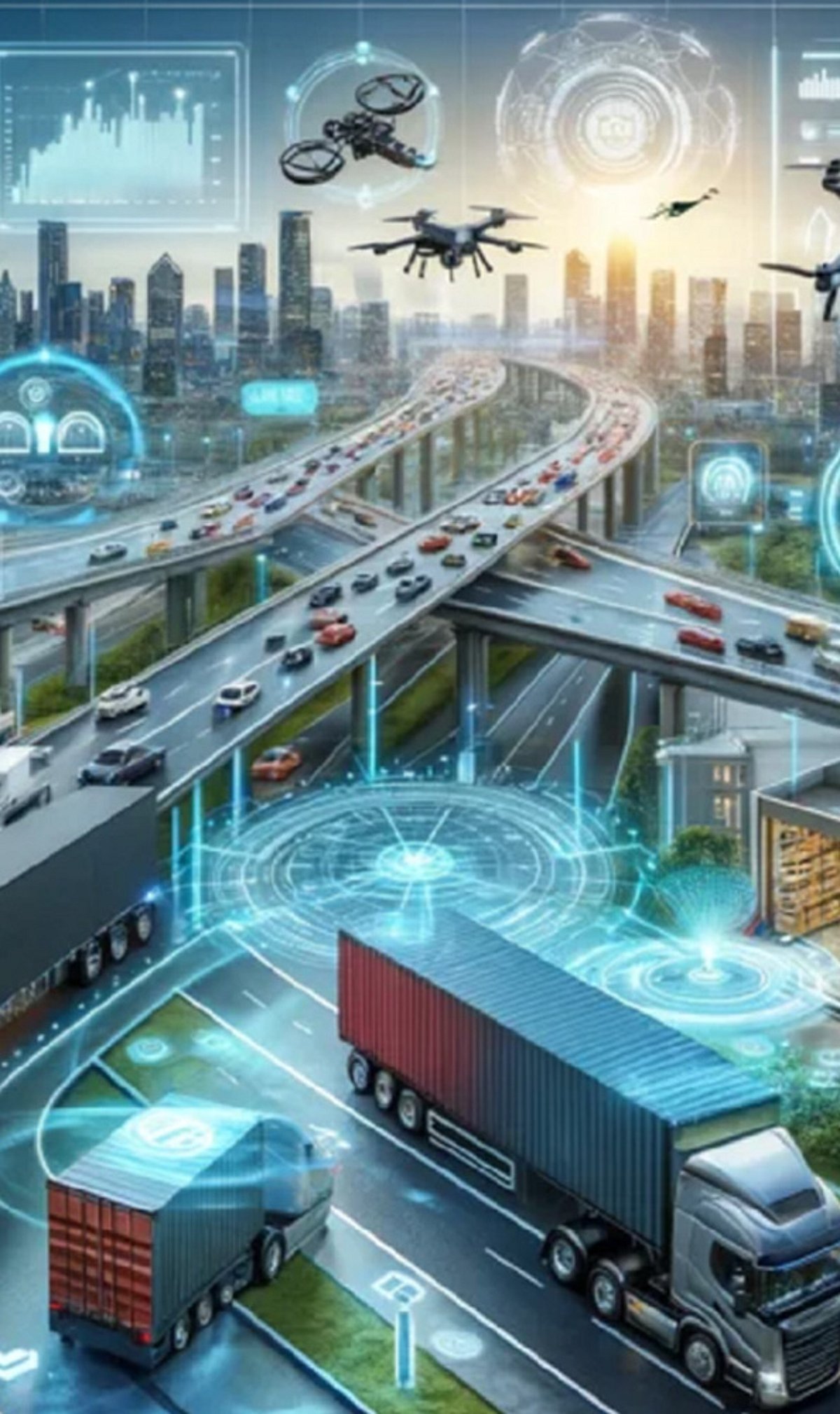
Modern transportation is undergoing a radical transformation, driven by cutting-edge engineering technologies that enhance safety, efficiency, and sustainability. From autonomous vehicles to hydrogen fuel cells, these innovations are reshaping how we move people and goods. Here are 10 smart engineering technologies powering the future of transportation.
Autonomous Driving Systems
Autonomous driving systems combine sensors, cameras, artificial intelligence, and powerful computing to navigate roads safely with minimal human intervention. These systems improve efficiency, reduce accidents, and pave the way for fully self-driving vehicles.
Vehicle-to-Everything (V2X) Communication
V2X technology enables vehicles to exchange real-time information with roads, infrastructure, pedestrians, and other vehicles. This communication enhances safety, improves traffic management, and reduces congestion by allowing vehicles to anticipate and react to conditions instantly.
Electric Powertrain Technology
Electric powertrains replace traditional combustion engines with efficient electric motors, drastically reducing emissions, operating costs, and environmental impact. This technology is being adopted globally across cars, buses, trucks, and even ships.
AI Traffic Management
Artificial intelligence optimizes traffic signals, reduces congestion, and improves emergency response times. AI-driven traffic management systems analyze real-time data to adjust signal timings, reroute vehicles, and enhance urban mobility.
Predictive Maintenance Platforms
Predictive maintenance uses continuous vehicle performance analysis to identify potential failures before breakdowns occur. This reduces repair costs, maximizes fleet availability, and improves operational reliability for commercial and public transport.
Digital Twin Technology
Digital twins create virtual models of transportation systems for testing, monitoring, and optimization. Engineers can simulate changes, plan infrastructure improvements, and predict performance without disrupting real-world operations.
Smart Railway Signaling
Advanced communication-based train control systems automate train operations, improving passenger safety, scheduling accuracy, and rail network capacity. Smart signaling enables more frequent and reliable service on existing tracks.
Hydrogen Fuel Cell Systems
Hydrogen fuel cells generate clean electricity, offering longer driving ranges and rapid refueling compared to battery-electric vehicles. This technology is especially promising for heavy-duty trucks, buses, and other commercial applications requiring high energy density.
Advanced Battery Management Systems
Battery management systems monitor performance, temperature, charging cycles, and health in real time. They extend battery lifespan, improve electric vehicle reliability, and enhance safety by preventing overheating and overcharging.
These smart engineering technologies are not just concepts—they are being deployed today to make transportation safer, greener, and more efficient. As innovation continues, the way we travel will continue to evolve, driven by engineering excellence.
Leave a Reply