
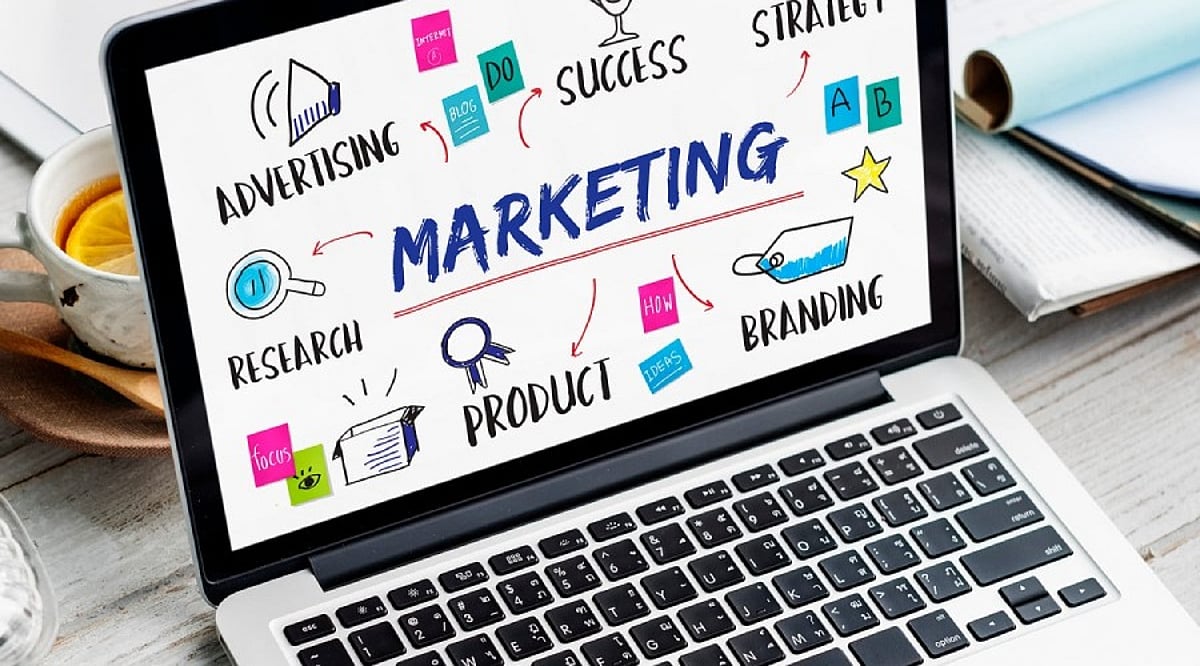
Free digital marketing tools help small businesses improve visibility, strengthen customer engagement, and measure marketing performance without significant upfront costs. Choosing one reliable tool for each core function is more effective than managing dozens of apps. Consistently using them as a connected workflow creates sustainable long-term growth.
What Separates a Useful Tool From a Distraction
A free tool earns its place only if it clears three tests. It should solve a real bottleneck, not add a nice-to-have feature. Its free tier should stay usable for months, not function as a disguised trial. And it should take under an hour to learn well enough to use daily. Any tool failing these tests adds more mental clutter than value.
Getting Found: Local Search and Website Visibility
For local businesses, Google Business Profile carries more weight than almost any other free tool. It places a business on Maps, gathers reviews, and answers “Who is open nearby?” without requiring a website visit. The listing stays free indefinitely, with no hidden tier.
Google Search Console adds a second layer for businesses running a website. It reveals which search terms already bring visitors in, flags broken pages, and shows current rankings. This tool becomes useful once a website has some traffic to measure.
Google Trends rounds out this group as a directional signal. It shows whether interest in a topic is rising or falling, making it useful for spotting shifts rather than sizing markets.
Building Credibility Through Design
Inconsistent, rough visuals can make a business appear unstable. Canva’s free tier includes enough templates and brand-kit basics to keep social posts and promotional materials visually consistent. Premium features sit behind Canva’s paid tier, so the free version works well as a launch tool.
For written content, tools like ChatGPT or Claude help draft captions and email copy faster, though every draft still needs a human pass for accuracy and brand voice before it goes out.
Turning First-Time Buyers Into Repeat Customers
Social platforms control their own algorithms, and reach can shift overnight. An email list belongs to the business that built it, making email marketing one of the strongest channels for nurturing repeat purchases.
Mailchimp’s free plan covers a few hundred contacts along with basic automation. Brevo offers a strong alternative for businesses wanting more automation without hitting a contact ceiling as quickly. Businesses juggling leads and past customers across scattered spreadsheets often benefit from adding HubSpot’s free CRM tier to keep contact history organized.
Staying Visible Without Constant Manual Posting
Buffer’s free plan allows a handful of social channels to be queued in advance, encouraging content planning in batches for more consistent messaging. The tradeoff comes through account and post limits on the free tier, making it best suited to businesses running two or three platforms.
Measuring What Actually Works
Marketing without measurement amounts to a guess dressed up as a decision. Google Analytics 4 tracks where visitors originate, what they do once they arrive, and which channels lead to actual conversions. Many businesses discover that search and email drive more converting traffic than social media, reshaping where future effort goes.
Connecting the Tools Into One System
Used separately, these remain just apps. Combined, they form a loop. Google Trends flags what people care about. Canva turns that insight into a graphic or post. Buffer schedules it consistently. Mailchimp follows up with anyone who is engaged. GA4 and Search Console reveal what converted, feeding directly back into the next round of content. Running this loop weekly, even loosely, produces more growth than five disconnected tools ever could.
Free tools do not replace a marketing strategy. They allow a business to execute one without needing a budget first. The businesses gaining the most from this approach are not the ones running the most software. They are the ones building a simple, repeatable system and improving it steadily over time.
Final Thought
The next shift in small business marketing will not come from another new app. It will come from businesses treating their existing free tools as one connected system rather than a scattered toolkit, turning what used to feel like overhead into a genuine competitive edge.
FAQs
- What are the best free digital marketing tools for small businesses? Some of the best include Google Business Profile, Google Analytics 4, Google Search Console, Canva, Buffer, Mailchimp, Brevo, and Google Trends.
- Can free digital marketing tools help a small business grow? Yes. They enable businesses to improve online visibility, create content, engage customers, and measure performance without significant upfront costs.
- Which free tools are best for improving SEO? Google Search Console, Google Business Profile, Google Trends, and Google Keyword Planner are among the most effective.
- What should I consider when choosing free marketing tools? Choose based on business goals, ease of use, free plan features, integration with workflow, and scalability.
- How many digital marketing tools does a small business need? Most can start with one tool for SEO, content creation, email marketing, social media scheduling, and analytics.
Leave a Reply