
Buying Crypto in India: What Beginners Need to Know
For first-time buyers, getting started with cryptocurrency in India can feel complicated. In practice, most crypto trading apps follow a simple flow: create an account, finish KYC, deposit Indian rupees, and place an order. Before you invest, however, you need to choose a compliant platform and understand the fees, taxes, and risks involved.
Step 1: Choose a Compliant Crypto App
Select a crypto exchange or trading app that operates in India and supports INR transactions. Confirm that the platform is registered with the Financial Intelligence Unit-India (FIU-IND). FIU-IND requires virtual digital asset service providers involved in crypto-to-fiat exchange, crypto transfers, and custody to comply with the Prevention of Money Laundering Act (PMLA). This matters because the Indian government recently ordered the removal of websites and apps belonging to 15 VDA service providers over alleged PMLA non-compliance.
Step 2: Complete Your KYC
Register using your mobile number and email, then complete the app’s verification process. You will generally need your PAN and valid identification proofs. KYC helps the platform confirm your identity and meet anti-money-laundering rules. As a basic safety measure, never share your OTP, password, or crypto wallet recovery phrase with anyone who claims to be from the exchange.
Step 3: Add Money to Your Account
Once your KYC is approved, you can deposit Indian rupees into your trading account. Most platforms support UPI or bank transfers. Before depositing, check the platform’s minimum and maximum deposit limits, processing time, and applicable charges.
Step 4: Buy Cryptocurrency
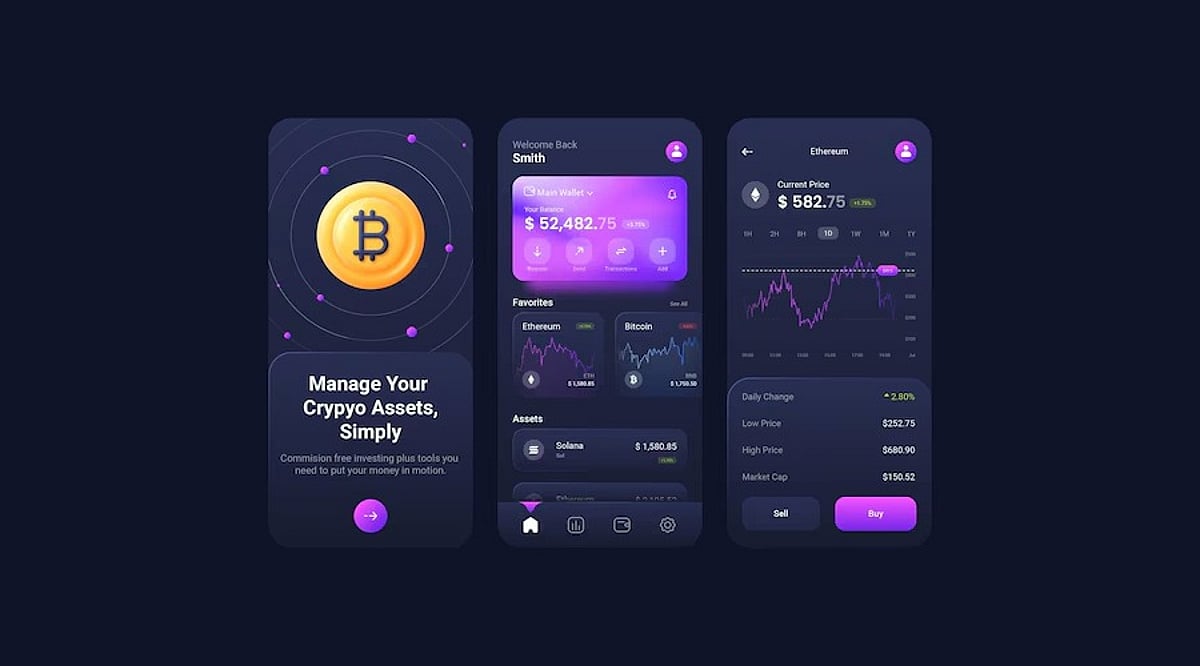
After your INR balance is available, open the trading section and choose the cryptocurrency you want to purchase. Enter the amount you want to spend in INR or the quantity of crypto you want. The app will display the current price and applicable fees. Review the details and confirm your order if everything looks correct.
Remember that crypto prices can move sharply in a short time. The government has warned that virtual digital asset and NFT transactions carry significant risks and may not provide regulatory recourse for losses.
Step 5: Understand India’s Crypto Tax Rules
Cryptocurrency gains are taxable in India. Under Income Tax Department rules, income from the transfer of virtual digital assets is taxed at 30%, plus applicable surcharge and 4% cess. A 1% TDS provision also applies to VDA transfers, subject to thresholds: ₹10,000 in aggregate consideration during the financial year for most people, and ₹50,000 for specified persons.
Step 6: Keep Records for Tax Reporting
Maintain detailed records of your crypto purchases and sales, transaction values, fees, and TDS. Good records make tax filing much simpler.
FAQs
Is cryptocurrency legal to buy in India?
Yes, cryptocurrency can be bought and sold in India, but it is not recognized as legal tender. Use platforms registered with FIU-IND where applicable, and understand that crypto transactions carry financial, regulatory, and security risks.
What documents are required for crypto KYC in India?
Platforms generally require personal information, PAN, and valid identity documents. Exact requirements vary by platform. Share information only through the exchange’s official website or app, and never share OTPs or passwords.
How can I deposit money into a crypto trading app?
After KYC approval, add Indian rupees through supported payment methods such as UPI or bank transfer. Check minimum and maximum limits, processing times, and any applicable fees before depositing.
How do I buy cryptocurrency using an Indian crypto app?
Once INR is credited, go to the trading section, select the cryptocurrency you want, enter the amount in rupees or the desired crypto quantity, review the displayed price and fees, and confirm the order if the details are correct.
What taxes apply when buying and selling cryptocurrency in India?
Income from transferring virtual digital assets is generally taxed at 30%, plus applicable surcharge and 4% cess. A 1% TDS provision also applies subject to thresholds. Keeping detailed transaction, fee, purchase, and sale records can simplify tax reporting.
Leave a Reply