Author: vitorcherulli

  • Bitcoin ETFs Shed $460 Million as Ethereum Funds Extend Inflow Streak

    Bitcoin ETFs Shed $460 Million as Ethereum Funds Extend Inflow Streak

    Spot Bitcoin ETFs turned red for the first time since mid-August, losing more than $460 million over four business days last week. Ethereum ETFs moved in the opposite direction during the same stretch, pulling in fresh money as the underlying asset pushed toward an eight-month high.

    The shift played out across US-listed exchange-traded funds tracking both cryptocurrencies, with data from SoSoValue showing a clear split in investor sentiment. Bitcoin’s outflows followed a strong run in August, while Ethereum extended its winning streak into a fourth straight week.

    Bitcoin Funds Reverse Inflow Trend

    Bitcoin ETFs recorded their best week in months between August 17 and 21, pulling in over $1.9 billion as the price jumped from under $65,000 to nearly $80,000. That momentum carried into the following two weeks too, with $924 million and $986 million in net inflows. Last week broke that pattern.

    Outflows began on Tuesday at $46.65 million, followed by $120.24 million on Wednesday, $282.56 million on Thursday, and $13.29 million on Friday, the same day fresh inflation data landed. Total net inflows for Bitcoin funds slipped from $55.62 billion to $55.15 billion. Bitcoin’s price also swung sharply, dropping to $76,000 before climbing to $79,800 and settling back near its starting point.

    Ethereum ETFs Maintain Strong Inflows

    Ethereum ETFs followed a bumpier path early in the week, with $24.29 million leaving on Monday before $34.75 million came back in on Wednesday. Thursday saw another $29.76 million in outflows. Friday changed everything, as net inflows hit a two-week high of $216.41 million. Ethereum’s price spiked more than 8% within an hour of the inflation report, touching $2,670 before settling near $2,500.

    Only one of the last ten weeks saw Ethereum ETFs post outflows, and that dip stayed small at just $2.26 million. Total net inflows for Ethereum funds climbed from under $10.89 billion to $13.39 billion over that period.

    What’s Next for Crypto ETFs?

    Markets now turn their attention to the CLARITY Act, which heads to the US Senate next week, along with the Federal Reserve’s upcoming rate decision, both of which could shape investor flows into crypto ETFs going forward.

  • Indian Bank Enters Life Insurance and Asset Management, Eyes Dubai Office and Southeast Asia Growth

    Indian Bank Enters Life Insurance and Asset Management, Eyes Dubai Office and Southeast Asia Growth

    Indian Bank is moving ahead with plans to enter the life insurance and asset management businesses as part of its wider growth strategy. The public sector lender will seek board approval for the proposed ventures before starting discussions with potential partners and approaching regulators, Managing Director and CEO Binod Kumar said.

    The bank is also expanding its international presence. It plans to open a representative office in Dubai and is studying possible opportunities in Malaysia and Indonesia.

    Insurance and Asset Management

    Indian Bank’s proposed entry into life insurance and asset management remains on schedule, Kumar told PTI. The lender is considering whether to establish subsidiaries or joint ventures for the two businesses.

    “It is very much on track. We are in the process of seeking board approval and thereafter initiating other relevant regulatory and administrative processes,” Kumar said.

    Once the board clears the proposals, Indian Bank will begin the next stage, including selecting partners and completing regulatory requirements. According to Kumar, finding the right partner will remain one of the main steps before the bank starts operations in the new businesses.

    “It will take time, say one year or so. Identifying a good partner is the most essential part of that. If you have a good partner, wealth creation is faster,” he said.

    Kumar said subsidiaries and joint ventures can help financial institutions create new revenue sources while building their brands in other parts of the financial services market.

    Indian Bank already has exposure to the insurance sector through its 28.52% stake in Universal Sompo General Insurance Company. The stake became part of Indian Bank after Allahabad Bank merged with the lender in 2020.

    Indian Bank Expands Insurance Presence

    Universal Sompo General Insurance began operations in 2007 as a joint venture involving several Indian financial institutions and companies. Indian Bank currently owns 28.52%, while Indian Overseas Bank holds 18.06% and Karnataka Bank owns 6%.

    Dabur Investment Corp holds a 12.81% stake. Japan-based Sompo Japan Insurance Inc is the largest shareholder with a 34.61% holding.

    However, the proposed life insurance business would expand Indian Bank’s presence into another part of the insurance market. Its planned asset management venture would also allow the bank to enter the investment management business after receiving the required approvals.

    Indian Bank did not announce potential partners for either venture. Kumar said the process may take about a year as the lender evaluates its options and completes the required steps.

    Overseas Growth Plans

    Indian Bank is also working to increase its overseas presence. Kumar said the lender plans to open a representative office in Dubai to tap business linked to the large Indian community living and working across West Asia.

    “My aim now is to open a rep office in Dubai,” Kumar said, adding that the bank sees business opportunities from non-resident Indians in the region.

    The bank’s board has already approved the Dubai representative office. Indian Bank is now seeking the remaining regulatory clearances before it can start operations there.

    Indian Bank currently operates a full-service international branch in Singapore and branches in Colombo and Jaffna in Sri Lanka. It also runs an IFSC Banking Unit at GIFT City in Gandhinagar, which functions as an offshore branch.

    “We are getting good business from our GIFT City branch, including participation in various syndicated loans,” Kumar said.

    Along with Dubai, Indian Bank is studying possible expansion into Malaysia and Indonesia. The lender has not provided a timeline or operating model for entering those two markets.

  • Larry Ellison Abandons $7.5 Billion Oracle Stock Sale After European Regulatory Concerns

    Larry Ellison Abandons $7.5 Billion Oracle Stock Sale After European Regulatory Concerns

    Oracle co-founder and executive chairman Larry Ellison has canceled a planned sale of up to 50 million shares of the company, worth approximately $7.5 billion at Friday’s closing price. The decision came just one day after the trading plan was disclosed in a regulatory filing, and no shares were sold under the arrangement.

    The plan, adopted on June 22, 2026, with an expiry date of October 24, 2026, was structured under Rule 10b5-1, a U.S. mechanism that allows executives to schedule stock sales in advance to avoid insider trading concerns. However, the rapid reversal followed scrutiny from commentators who noted that European market rules would have handled such a disclosure differently. Under EU market abuse regulations, company managers are prohibited from trading in the 30 days before earnings announcements, and there is no direct equivalent to the advance disclosure allowed in the U.S.

    Oracle confirmed in a statement that Ellison does not plan to sell any of his Oracle stock. Ellison controls nearly 40% of the company and has historically funded his spending by borrowing against his shares rather than selling them outright, which would trigger capital gains taxes.

    Oracle’s stock has faced significant pressure this year, falling nearly 23% year-to-date and sitting more than 18% below its June 18 level, the day before Ellison set up the plan. Despite the stock’s decline, the company reported stronger-than-expected quarterly results this week and raised its annual guidance. Oracle added over $30 billion in new AI cloud contracts during the quarter, pushing its total revenue backlog to $664 billion. The company also raised its fiscal 2027 earnings forecast while keeping its capital spending target between $90 billion and $95 billion.

    However, analysts noted that a full recovery in free cash flow remains elusive, and Oracle confirmed that restructuring costs tied to ongoing job cuts would rise by nearly $700 million.

  • NSE IPO Finally Opens After a Decade of Regulatory Delays: Key Details and Investor Insights

    NSE IPO Finally Opens After a Decade of Regulatory Delays: Key Details and Investor Insights

    The National Stock Exchange of India (NSE) is set to go public after nearly a decade of regulatory and legal hurdles. The much-anticipated NSE IPO will open for subscription on September 17 and close on September 21, with anchor investor bidding on September 16. Shares are expected to list on or around September 24.

    IPO Details

    The price band has been set at Rs 1,700 to Rs 1,785 per share. The offer comprises 126.4 million existing shares through a complete offer for sale. NSE will not raise fresh capital; instead, existing shareholders will sell part of their holdings. At the upper end of the price band, the IPO values NSE at approximately USD 46 billion.

    Why the NSE IPO Was Delayed for Nearly a Decade

    NSE first pursued a public listing in 2016, but the process was halted by regulatory investigations. The core issue involved the exchange’s co-location system, which allowed trading firms to place servers near NSE’s trading systems. Regulators examined allegations that some brokers had unfair access to NSE’s trading infrastructure.

    In 2019, the Securities and Exchange Board of India (SEBI) passed orders against NSE regarding the co-location matter. NSE challenged parts of SEBI’s findings, and the case moved through the Securities Appellate Tribunal and eventually the Supreme Court. Additional questions over dark fibre connections also prolonged the regulatory scrutiny, keeping the NSE listing in limbo.

    Legal Settlement Clears Path for IPO

    In 2025, NSE renewed efforts to resolve the long-running disputes by filing settlement applications with SEBI covering both the co-location and dark fibre cases. The exchange proposed a settlement payment of Rs 1,491 crore to close the pending matters. In July 2026, SEBI granted in-principle approval for the settlement, contingent on payment. The Supreme Court dismissed the regulator’s case in early September after the settlement process advanced, ending a regulatory dispute that had lasted around a decade and removing a major legal barrier to the NSE IPO.

    Investor Considerations

    After several existing shareholders reduced their planned share sales, the final offer size of 126.4 million shares is more than 15% lower than the earlier proposal. At the upper price of Rs 1,785 per share, selling shareholders could receive approximately Rs 22,500 crore. NSE itself will not receive any proceeds from the offer.

    NSE remains India’s largest stock exchange by trading activity. It has more than 2,200 listed companies and controls about 95% of India’s cash equity market, according to its disclosures. NSE also holds roughly 75% of the equity derivatives market and ranks as the world’s largest derivatives exchange by the number of contracts traded.

    For the financial year ended March 2026, NSE reported a profit of Rs 103 billion, down 15% from the previous year. Revenue reached approximately Rs 187 billion, more than double its 2019 level. Transaction charges generate over 80% of NSE’s total income, with derivatives trading contributing a significant portion.

    The NSE IPO is now poised for its public debut after years of regulatory investigations, appeals, and settlement talks. The offer opens on September 17, bringing India’s largest stock exchange closer to a listing it first pursued in 2016.

  • Apple Watch Series 12’s Audio Intelligence and Privacy Controls Hint at Smart Glasses Future

    Apple Watch Series 12’s Audio Intelligence and Privacy Controls Hint at Smart Glasses Future

    Apple introduced new Audio Intelligence tools on the Apple Watch Series 12, allowing the device to listen for sounds, recall recent conversations, and create conversation summaries. However, the company built several privacy controls around the technology, offering a possible look at how it could handle similar concerns with future smart glasses.

    Audio Intelligence Features

    Apple’s Audio Intelligence package includes Sound Recognition, Live Rewind, Siri Recap, and Shazam. Sound Recognition listens for noises such as alarms, sirens, doorbells, and crying babies. Shazam can identify music playing near the user and display the song information on the watch.

    Live Rewind and Siri Recap take the technology further. Live Rewind keeps a rolling buffer of about 15 seconds of nearby conversation. When the wearer double-presses the Digital Crown, the watch converts the previous 15 seconds into text. Apple designed the feature for situations where users may have missed information during a conversation.

    Siri Recap can create short summaries of conversations that users can review later. Instead of producing a full transcript, the system generates a title and key points. Apple says the feature can help users stay engaged during meetings or conversations without constantly taking notes. Apple plans to release Siri Recap and Live Rewind in beta later this year.

    On-Device Audio Privacy

    Apple built Audio Intelligence around the Secure Exclave inside the S11 chip. The dedicated hardware compartment processes audio separately from watchOS and other apps. According to Apple, neither apps, the operating system, the user, nor Apple can directly access the raw audio.

    Live Rewind processes its transcription locally on the Apple Watch. Its temporary audio buffer is repeatedly overwritten rather than stored as a permanent recording. When the feature activates, the watch also plays an audible chime, even when the device is set to silent or connected to headphones.

    Siri Recap follows a different process. The watch converts speech into text before deleting the original audio. Apple then uses Private Cloud Compute to process the text and prepare the summary. The company says its cloud system prevents Apple from accessing the submitted data. Apple also says Siri Recap does not identify speakers or connect statements to specific people. The system is designed to leave out sensitive details such as financial information, authentication data, and government-issued identification numbers.

    Privacy Controls for Wearables

    The public-facing warning used by Live Rewind could provide a clue about how Apple may handle recording features on future wearable products. Apple did not announce consumer smart glasses, but reports have suggested the company is developing AI-powered glasses that could eventually enter the market.

    Wearable cameras and microphones have raised privacy concerns because people nearby may not always know when recording takes place. Apple’s approach on the Series 12 adds both visual and audible signals when Live Rewind activates. The watch displays a full-screen animation and microphone indicator while also playing its warning sound. Such controls could become useful if Apple adds similar listening or recording functions to smart glasses. Rather than relying only on software permissions for the wearer, the company could also provide visible or audible notices for people nearby.

    Apple Expands AI on Watch

    The privacy controls arrive as Apple broadens the Apple Watch beyond health and fitness. Series 12 introduces a new Health Sensing System, more frequent heart-rate and heart-rate variability measurements, a readiness score, and updated step tracking.

    The S11 chip also supports Siri AI through watchOS 27, bringing personal context features and broader knowledge functions to the watch. Apple Watch Series 12 starts at $399 in the U.S., with store availability beginning September 18. As Apple adds more AI tools to devices worn throughout the day, the Series 12 shows how the company is combining always-available intelligence with limits on how personal audio is processed, stored, and disclosed.

  • ITC Targets ₹20,000 Crore in Aashirvaad Consumer Spending Within Five Years

    ITC Targets ₹20,000 Crore in Aashirvaad Consumer Spending Within Five Years

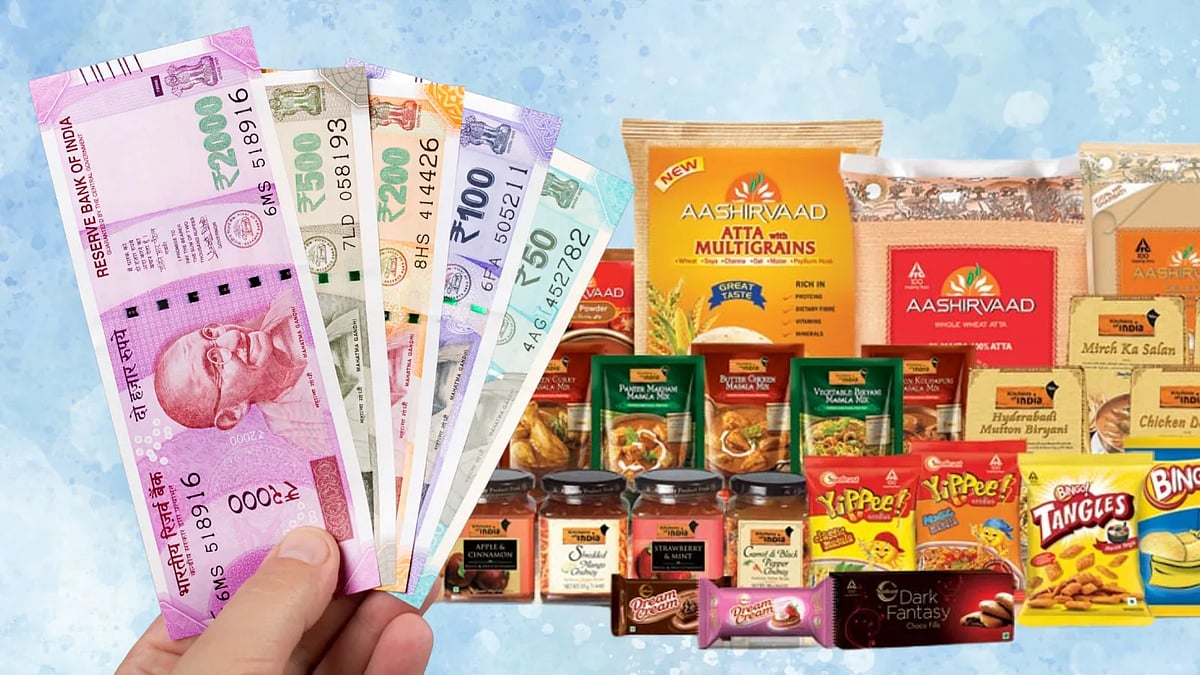
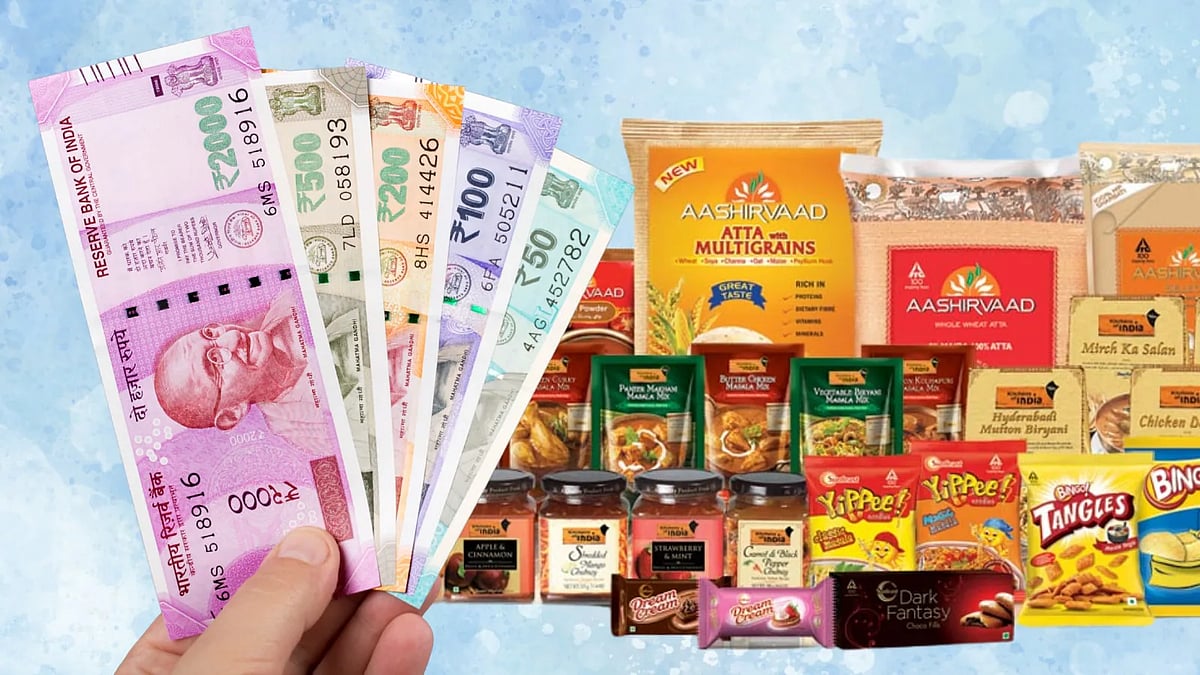
    ITC expects consumer spending on its Aashirvaad brand to double from over ₹10,000 crore to ₹20,000 crore within the next five years. The company plans to grow its core atta business while expanding into ready-to-cook, frozen, and other food categories.

    Hemant Malik, Chief Executive Officer of ITC’s Foods Division and Executive Director at ITC Ltd, said the brand is on track to reach the new spending target by 2031. “We will double in the next five years,” Malik stated.

    ITC Expands Aashirvaad Beyond Atta

    Aashirvaad entered the Indian market in May 2002 as a whole wheat atta brand. Since then, ITC has expanded it into staples, spices, fresh foods, and frozen products. The brand now has more than 200 stock-keeping units across different food categories.

    ITC currently manufactures Aashirvaad products at 66 facilities across India. This network allows the company to serve consumers in different regions and support wider distribution, while also enabling shorter delivery times.

    In FY26, ITC’s entire FMCG portfolio reached around 28 crore households and recorded nearly ₹37,000 crore in consumer spending. Consumer spending includes net sales, channel margins, and applicable taxes paid by buyers.

    ITC sees more room for growth in the atta market. The company introduced multigrain, high-protein, organic, and millet-based atta variants as consumers increasingly look for products linked to nutrition, wellness, and regional food preferences.

    Aashirvaad Expands Food Portfolio

    Along with atta, ITC is using the Aashirvaad brand to enter more convenience food categories. The company introduced ready-to-cook chapatis aimed at younger households and consumers with limited cooking time. Each pack contains 10 chapatis with no added preservatives and a shelf life of five to six days.

    The wider range also includes besan, vermicelli, rava, soya chunks, frozen naans, frozen parathas, fresh chutneys, and sambar. ITC wants these products to increase the number of meals and cooking occasions in which consumers use Aashirvaad products.

    Malik said consumers increasingly look beyond price when selecting packaged food products. “Premiumisation is not merely about a higher price point. Consumers today are willing to spend on products that offer tangible value, whether through superior quality, convenience, health and nutritional benefits built through meaningful innovation,” he said.

    He also said ITC plans to enter categories where it can address specific consumer needs. “The objective is to be present in categories where ITC can meaningfully address consumer pain points through innovation and differentiation,” Malik added.

    ITC Expands Sattu Push

    ITC also added sattu to the Aashirvaad portfolio as it expands into protein-rich traditional foods. The company launched Aashirvaad Chana Sattu in Bihar, Jharkhand, and West Bengal. It also introduced Sattu Masala under Sunrise, the spice brand ITC acquired in 2020.

    The company makes Aashirvaad Chana Sattu using a traditional sand-roasting process. It sells Chana Sattu with Jeera in Bihar and Plain Chana Sattu in West Bengal and Jharkhand. ITC also introduced a ₹10 pack that provides 10 grams of protein.

    Malik said ITC wants to expand the product outside eastern India. “While we have initially launched it in the eastern markets, we see significant potential in the product. Our ambition is to scale it nationally and make ‘sattu’ a widely accessible and affordable protein option for consumers,” he said.

    The expansion of sattu, ready-to-cook foods, frozen products, and premium atta variants forms part of ITC’s plan to widen Aashirvaad’s presence across India while working toward the ₹20,000 crore consumer spending target.

  • ITC Targets ₹20,000 Crore in Aashirvaad Consumer Spend Over Five Years as Brand Expands Beyond Atta

    ITC Targets ₹20,000 Crore in Aashirvaad Consumer Spend Over Five Years as Brand Expands Beyond Atta

    ITC Ltd expects consumer spending on its flagship Aashirvaad brand to double from over ₹10,000 crore to ₹20,000 crore within five years, driven by expansion into ready-to-cook meals, frozen foods, and other kitchen categories.

    The company plans to grow its core atta business while adding products such as ready-to-cook chapatis, frozen naans and parathas, besan, vermicelli, rava, soya chunks, fresh chutneys, and sambar. Hemant Malik, Chief Executive Officer of ITC’s Foods Division and Executive Director at ITC Ltd, confirmed the brand would reach the new spending target in half a decade.

    “We will double in the next five years,” Malik said.

    Aashirvaad’s Journey from Atta to Full Portfolio

    Launched in May 2002 as a whole wheat atta brand, Aashirvaad has since expanded into staples, spices, fresh foods, and frozen products. The brand now carries more than 200 stock-keeping units across diverse food categories. ITC manufactures Aashirvaad products at 66 facilities across India, enabling shorter delivery times and broader distribution.

    In FY26, ITC’s entire FMCG portfolio reached around 28 crore households and recorded nearly ₹37,000 crore in consumer spending, which includes net sales, channel margins, and applicable taxes.

    Premiumisation and Convenience

    Malik noted that consumers increasingly look beyond price when selecting packaged foods. “Premiumisation is not merely about a higher price point. Consumers today are willing to spend on products that offer tangible value, whether through superior quality, convenience, health and nutritional benefits built through meaningful innovation,” he said.

    ITC is entering categories where it can address specific consumer pain points through innovation and differentiation. For example, its ready-to-cook chapatis, with no added preservatives and a shelf life of five to six days, target younger households with limited cooking time.

    Sattu Expansion

    ITC has also added Aashirvaad Chana Sattu to its portfolio, focusing on protein-rich traditional foods. The product, made using a traditional sand-roasting process, is initially available in Bihar, Jharkhand, and West Bengal. ITC also introduced Sattu Masala under the Sunrise spice brand acquired in 2020.

    “While we have initially launched it in the eastern markets, we see significant potential in the product. Our ambition is to scale it nationally and make ‘sattu’ a widely accessible and affordable protein option for consumers,” Malik said.

    The expansion into sattu, ready-to-cook foods, frozen products, and premium atta variants forms part of ITC’s broader strategy to widen Aashirvaad’s presence across India and achieve the ₹20,000 crore consumer spending goal.

  • Anthropic CEO Urges Slower AI Development, Sparking Pressure on Chip Stocks

    Anthropic CEO Urges Slower AI Development, Sparking Pressure on Chip Stocks

    Anthropic CEO Dario Amodei’s recent call to slow the pace of advanced AI development is creating near-term headwinds for semiconductor and technology stocks. However, sustained demand for chips, data centers, and computing infrastructure may limit the long-term market impact.

    Anthropic Advocates for Measured AI Progress

    In a September essay, Amodei urged AI companies to prioritize safety by adopting a more deliberate development pace. He emphasized that this is not a halt to training models but a call for stronger safety checks and independent third-party evaluations. OpenAI CEO Sam Altman supported the initiative, and xAI owner Elon Musk publicly agreed with Amodei’s stance. Anthropic has also committed to granting independent evaluators ongoing access to review its safety practices.

    Market Reaction and Chip Stock Vulnerability

    The warnings could amplify selling pressure on semiconductor stocks, which have already experienced weakness. The Nasdaq 100 has fallen over 4% from its June peak, and a U.S. chip-stock gauge dropped roughly 14%. Asian technology shares have declined nearly 8% in the same period. Portfolio manager Gary Tan of Allspring Global Investments noted that while short-term pressure is likely, the longer AI investment cycle remains intact. The market’s focus will be on whether slower model development alters future chip orders.

    AI Infrastructure Spending Remains Robust

    Despite the slowdown rhetoric, spending on AI infrastructure continues to underpin chipmakers and suppliers. Investments in processors, memory, networking equipment, cooling systems, data centers, and power capacity remain strong. Many projects are already underway, limiting the immediate effect of a slower model cycle on spending plans. Investment strategist Billy Leung of Global X Management pointed out that a longer development timeline could allow companies to generate more revenue from existing systems, shifting emphasis toward commercialization and broader AI adoption.

    Broader Market Conditions Add Pressure

    Technology stocks also face headwinds from rising interest rate expectations, which can weigh on high-growth, high-valuation names. As a result, semiconductor and AI shares remain sensitive to any changes in spending, earnings, or model development plans. Still, demand for computing power persists. Charu Chanana, chief investment strategist at Saxo Markets, suggested that added safeguards could spur further investment in cybersecurity and AI monitoring tools. Early market signals, such as SK Hynix-linked perpetual futures on Hyperliquid falling about 2.5% as of Sunday afternoon in Singapore, indicate caution before traditional markets reopen.

  • Anthropic Targets Record $100B IPO With Potential $10B NVIDIA Investment

    Anthropic Targets Record $100B IPO With Potential $10B NVIDIA Investment

    Anthropic is reportedly planning the largest initial public offering in history, aiming to raise up to $100 billion at a valuation of approximately $2 trillion. The move has already generated significant buzz in the market, and NVIDIA is reportedly considering a $10 billion investment as part of the deal. The plan is not yet final and could change.

    The potential investment underscores the deepening relationship between NVIDIA and Anthropic. Over recent years, Anthropic has become one of NVIDIA’s biggest customers for chips, making NVIDIA a natural early investor in the IPO. The two companies are also expanding their broader partnership: Anthropic has agreed to purchase $30 billion in Microsoft Azure computing capacity powered by NVIDIA chips. Additionally, Amazon and Google are backing Anthropic with substantial resources. The company plans to spend more than $100 billion on Amazon’s AWS over a decade and has secured additional computing capacity through Google.

    Anthropic’s need for computing power is growing rapidly as demand for its Claude AI models surges. The company raised $65 billion in May at a valuation of $965 billion, and by July its annual revenue run rate had already crossed $65 billion. These deepening ties highlight how AI firms now depend on chips and cloud services to scale, and NVIDIA stands to benefit as Anthropic requires more computing power to train and run its models.

    Anthropic’s possible $100 billion fundraising could set a new benchmark for IPOs, and a $2 trillion valuation would demonstrate sustained investor enthusiasm for AI. NVIDIA’s potential $10 billion investment could provide a major boost to the offering, further cementing the link between the company building advanced AI models and the company supplying the hardware to run them. Anthropic’s market debut will serve as a critical test for the AI boom, revealing how much investors are willing to pay for next-generation AI companies.

  • Oppo Find N6 vs Motorola Razr Fold: Comparing Design, Performance, and Cameras

    Oppo Find N6 vs Motorola Razr Fold: Comparing Design, Performance, and Cameras

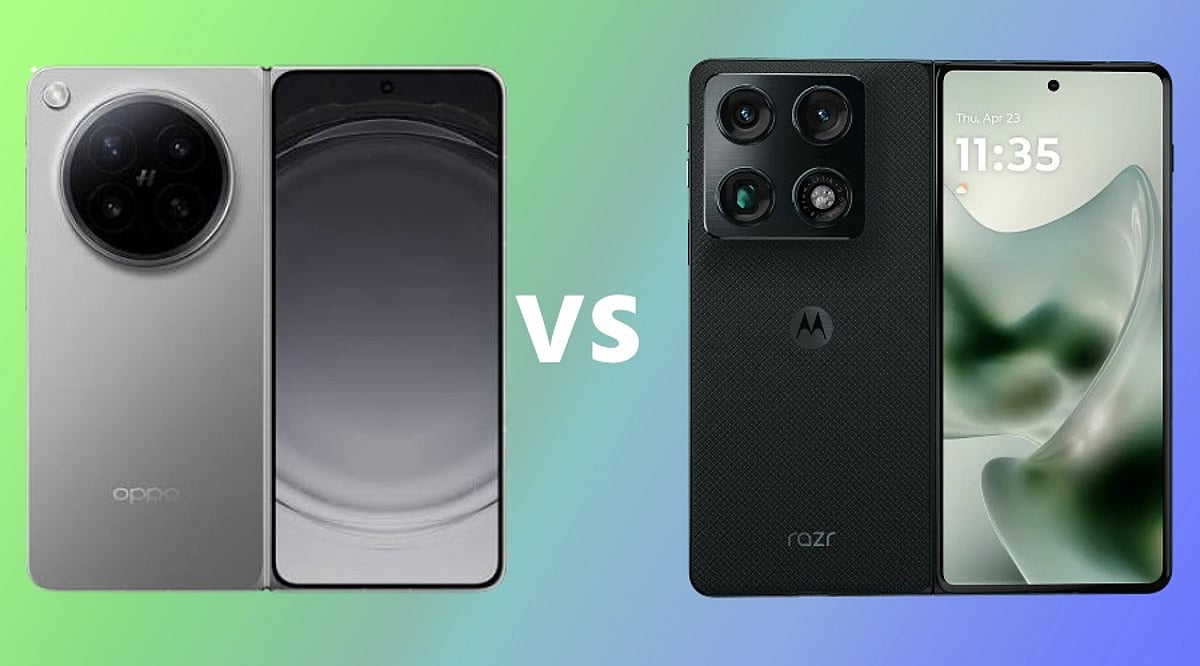
    The foldable smartphone market continues to heat up, with Oppo and Motorola each offering book-style devices that combine large screens with portability. The Oppo Find N6 and Motorola Razr Fold share several core specs—including 6,000mAh batteries, 80W wired charging, and 50W wireless charging—but differ significantly in design, camera systems, performance, and software support. This comparison breaks down the key differences to help you decide which foldable fits your needs.

    Design and Display

    The Oppo Find N6 features an 8.12-inch inner LTPO OLED display and a 6.62-inch cover screen, while the Motorola Razr Fold comes with an 8.1-inch internal display and a 6.6-inch cover panel. Both use LTPO OLED technology for the main screens, but the Razr Fold’s cover display supports a 165Hz refresh rate compared to the Find N6’s 120Hz cover screen.

    Oppo’s design focus is its second-generation Titanium Flexion Hinge, which the company says produces a ‘Zero-Feel Crease’—meaning the crease is barely visible under normal viewing angles, though it is still physically present. The Find N6 is also lighter and thinner: it weighs 225g and measures 4.2mm when unfolded (8.93mm folded), versus the Razr Fold’s 243g and 4.55mm unfolded (10.04mm folded).

    Performance and Software

    Under the hood, the Oppo Find N6 is powered by the Snapdragon 8 Elite Gen 5 Mobile Platform, while the Motorola Razr Fold uses the Snapdragon 8 Gen 5 chipset. Both are flagship-level processors, but the Elite variant in the Find N6 may offer a slight edge in raw performance.

    On the software side, the Find N6 runs Android 16 with ColorOS 16, which includes a Free-Flow Window feature that lets users run up to four apps simultaneously on the inner display. It also supports the optional OPPO AI Pen. The Razr Fold runs Android 16-based My UX and stands out with a promise of seven years of OS and security updates—a major advantage for long-term users.

    Camera Systems

    Camera hardware is one of the biggest differentiators. The Oppo Find N6 boasts a 200-megapixel Hasselblad Ultra-Clear Main Camera, a 50-megapixel ultra-wide lens, a 50-megapixel 3x periscope telephoto, and a dedicated True Color Camera. It supports 4K 120fps Dolby Vision recording on the main camera and 4K 60fps Dolby Vision on all three rear cameras.

    The Motorola Razr Fold uses a triple 50-megapixel setup: a main, ultra-wide, and telephoto camera. While still capable, it lacks the high-resolution main sensor and dedicated color camera found on the Oppo. For photography enthusiasts, the Find N6 clearly has the upper hand.

    Battery and Charging

    Both devices pack identical 6,000mAh silicon-carbon batteries and support 80W wired charging plus 50W wireless charging. In this area, neither phone holds a clear advantage—users can expect similar endurance and charging speeds from either foldable.

    Which One Should You Choose?

    The Oppo Find N6 excels in hardware: a more powerful processor, a superior 200MP Hasselblad camera system, a lighter and thinner design, and a nearly invisible crease. It’s the better choice for users who prioritize camera quality, performance, and a premium feel.

    The Motorola Razr Fold counters with a smoother 165Hz cover display, a versatile triple 50MP camera, and an industry-leading seven-year software update commitment. It appeals to those who value long-term support and a slightly more fluid cover screen experience.

    Ultimately, your decision should hinge on whether you want top-tier camera and performance hardware (Oppo) or extended software longevity and a higher refresh rate cover display (Motorola).

    Frequently Asked Questions

    Which phone has the larger display?

    The Oppo Find N6 has an 8.12-inch inner display, while the Motorola Razr Fold features an 8.1-inch internal display.

    Which foldable has a better camera?

    The Oppo Find N6 features a 200MP Hasselblad main camera, while the Motorola Razr Fold offers three 50MP rear cameras. The Oppo’s camera system is more advanced overall.

    Do both phones have the same battery capacity?

    Yes, both the Oppo Find N6 and Motorola Razr Fold pack 6,000mAh batteries with 80W wired charging and 50W wireless charging.

    Which phone is lighter?

    The Oppo Find N6 weighs 225g, making it lighter than the Motorola Razr Fold, which weighs 243g.

    Which phone offers longer software support?

    The Motorola Razr Fold offers seven years of OS and security updates, providing extended software support for users.