Author: vitorcherulli

  • Realme Buds T500 Pro vs Logitech G Pro X2 Superstrike: Which Gaming Accessory Fits Your Setup?

    Realme Buds T500 Pro vs Logitech G Pro X2 Superstrike: Which Gaming Accessory Fits Your Setup?

    Gaming accessories are becoming increasingly specialized, with manufacturers focusing on features designed to improve responsiveness, immersion, and overall performance. Two products that take very different approaches are the Realme Buds T500 Pro and Logitech G Pro X2 Superstrike.

    The Realme Buds T500 Pro are true wireless stereo (TWS) earbuds with a dedicated low-latency gaming mode. Meanwhile, the Logitech G Pro X2 Superstrike is a wireless gaming mouse built for competitive play. The two devices therefore target different aspects of the gaming experience.

    Realme Buds T500 Pro: Focus on Audio

    Realme launched the Buds T500 Pro in India at Rs. 2,799. The earbuds went on sale from April 23, 2026, through Realme’s website, Flipkart, Myntra, Amazon, and select offline retail stores. The company also offered a Rs. 200 discount during the initial sale period, bringing the effective price to Rs. 2,599.

    The earbuds feature a 12.4mm titanium-plated dynamic driver and support Hi-Res Audio and the LHDC 5.0 codec. Realme not only provides adaptive ANC up to 50dB, but it also adjusts based on the environment and how well the earbuds fit in the ears.

    During calls, the Realme Buds T500 Pro earbuds use a 6-microphone array and AI-based noise reduction. The earbuds support spatial audio, and the low-latency gaming mode has 45ms latency. They use Bluetooth 6.1 for connectivity and can connect to 3 devices at once.

    Battery life is another key feature. The earbuds are claimed to offer up to 13.5 hours of playback on a single charge and up to 56 hours with the charging case. The case has a 530mAh battery, while each earbud carries a 62mAh battery. The earbuds also support fast charging, with Realme claiming up to 10 hours of playback from a 10-minute charge.

    The Buds T500 Pro are available in Lemon Cola, Orange Mint, and Chocolate, and carry an IP55 rating.

    Logitech G Pro X2 Superstrike: Built for Competitive Gamers

    The Logitech G Pro X2 Superstrike takes a completely different approach. It is a wireless gaming mouse developed with more than 100 esports professionals from teams including NAVI, G2, GEN.G, BLG, and FlyQuest RED.

    The mouse uses Logitech’s HERO 2 sensor, which supports sensitivity of up to 44,000 DPI. The sensor is rated for speeds over 888 IPS and acceleration of 88 G. The mouse supports polling rates up to 8,000Hz via Lightspeed wireless connectivity and 1,000Hz when wired.

    The Pro X2 Superstrike weighs 61g and measures 125 x 63.5 x 40mm. It consists of five programmable buttons and supports Lightspeed 2.4GHz wireless connectivity, wired USB-C connectivity, and Powerplay 2 compatibility. At the time of review, its listed price is USD 179.99.

    Different Priorities for Gamers

    The two products serve completely different purposes. Realme earbuds are made for gamers who want wireless earbuds with ANC, battery life, and low latency. On the other hand, the Logitech mouse is designed for gamers who need precise equipment.

    For gaming audio, the Realme Buds T500 Pro is a good fit. For the mouse, the Logitech G Pro X2 Superstrike is the best fit. It depends on what you need to update in your gaming system.

    FAQs

    What are the Realme Buds T500 Pro designed for?

    Realme Buds T500 Pro are wireless earbuds offering low-latency gaming audio, active noise cancellation, spatial audio, and extended battery life.

    What latency do the Realme Buds T500 Pro offer?

    The Realme Buds T500 Pro offer a 45ms low-latency gaming mode, helping reduce audio delays during competitive gaming sessions.

    What makes Logitech G Pro X2 Superstrike suitable for gaming?

    The Logitech G Pro X2 Superstrike offers precision controls, an advanced HERO 2 sensor, high polling rates, and adjustable actuation.

    What is the maximum DPI supported by Logitech G Pro X2 Superstrike?

    The Logitech G Pro X2 Superstrike features the HERO 2 sensor, supporting sensitivity of up to 44,000 DPI for gaming.

    Are Realme Buds T500 Pro and Logitech G Pro X2 Superstrike competitors?

    No, they serve different purposes, with Realme targeting gaming audio while Logitech focuses on precision mouse performance for competitive players.
  • NYT Strands Puzzle Guide: Hints and Full Answers for September 13, 2026

    NYT Strands Puzzle Guide: Hints and Full Answers for September 13, 2026

    Today’s Strands Puzzle at a Glance

    The New York Times Strands puzzle for September 13, 2026, sends players on a spy-themed mission. Instead of an ordinary word-search category, this puzzle asks you to find six words connected to espionage and secret operations. The spangram, UNDERCOVER, ties the whole board together.

    Hints for Solving the Puzzle

    If you’re stuck, keep this theme in mind: every answer describes a person involved in covert work or hidden identities. Think of spy films, intelligence agencies, and the vocabulary used when someone quietly gathers information. Some answers describe people who infiltrate organizations, while others refer to people who detect or expose spies.

    Opening Letters

    The first two letters of each theme word are:

    AG, AS, CO, MO, OP, PL

    These letter pairs are designed to point you toward espionage terms. Once you recognize the theme, the remaining answers should fall into place. If you need extra help, the game’s built-in hint system reveals part of a theme word after you find three valid non-theme words of at least four letters.

    Today’s Spangram

    The spangram is UNDERCOVER. It captures the puzzle’s central idea: working in secret without revealing your true identity. The spangram stretches across the grid and touches both the left and right edges.

    Theme Words and Meanings

    • AGENT – A person who works secretly to gather information for an organization or government.
    • ASSET – A person recruited to provide inside information without formally joining an agency.
    • COUNTERSPY – A person whose job is to detect and stop the work of enemy spies.
    • MOLE – A person who secretly works inside an organization while reporting to an outside party.
    • OPERATIVE – A trained person carrying out secret assignments on behalf of an agency.
    • PLANT – A person placed inside a group to gather information without being noticed.

    Final Take

    Today’s NYT Strands puzzle leans into espionage with six words that all describe people operating in secret. Once you see the UNDERCOVER spangram, the rest of the grid becomes much easier to solve. Whether you’re a seasoned word sleuth or just enjoy a good puzzle, this set of answers should help you complete the board.

  • Top Wearable Tech for Travelers: Smartwatches, Rings, and Earbuds That Make Trips Smoother

    Top Wearable Tech for Travelers: Smartwatches, Rings, and Earbuds That Make Trips Smoother

    Traveling often means juggling a phone for directions, messages, fitness stats, and entertainment. Wearable gadgets like smartwatches, smart rings, and wireless earbuds can handle many of these tasks hands-free, letting you stay focused on the journey. Here are seven standout options available through Amazon India that cater to different travel styles.

    Garmin Instinct Series

    For adventurers who love trekking or hiking, the Garmin Instinct series offers GPS navigation, activity tracking, heart-rate monitoring, and a rugged design. Its extended battery life is a major plus when outlets are scarce.

    Buy Now

    Apple Watch

    iPhone users will find the Apple Watch a seamless travel companion. It delivers notifications, activity tracking, navigation, and call handling without constant phone checks—ideal for exploring new cities while keeping your phone secure.

    Buy Now

    Samsung Galaxy Watch

    Android users can rely on the Samsung Galaxy Watch for GPS, fitness tracking, notifications, calls, and health features. It reduces the need to pull out your phone during sightseeing or daily walks.

    Buy Now

    Samsung Galaxy Ring

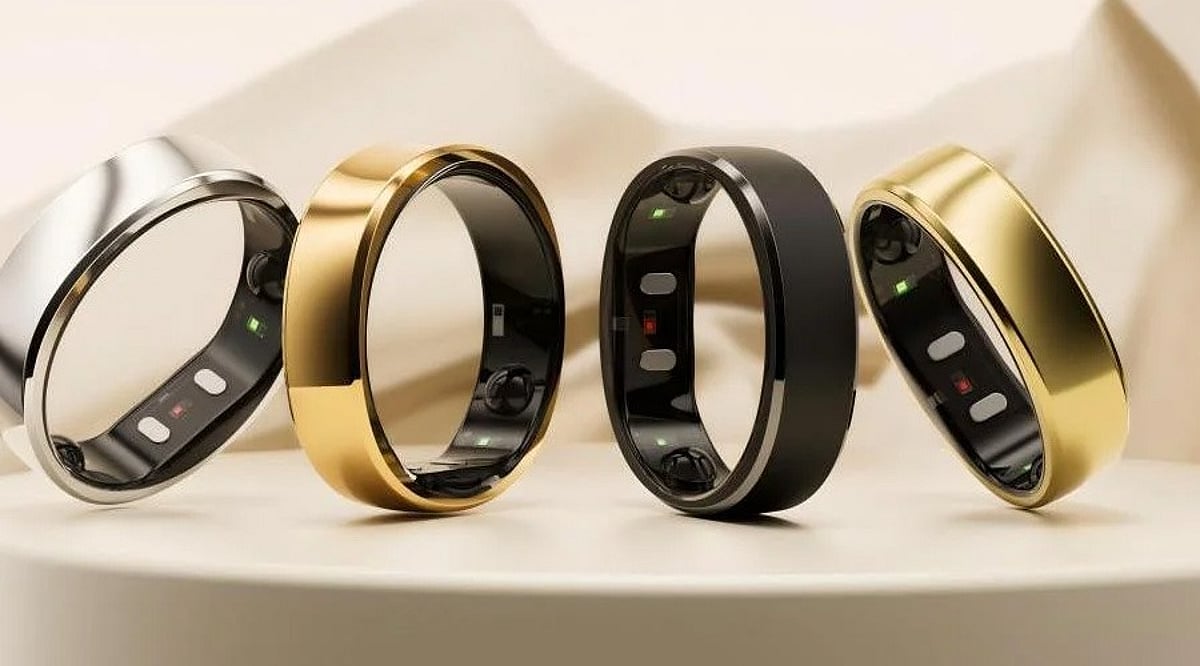
    If you prefer not to wear a smartwatch, especially while sleeping, the Samsung Galaxy Ring provides discreet health and activity tracking. Its small size makes it easy to wear throughout a trip without an extra screen.

    Buy Now

    Ultrahuman Ring Air

    This ring focuses on sleep, recovery, and activity—metrics that can be disrupted by travel. Its lightweight design ensures comfort during long days and nights away from home.

    Buy Now

    Sony Wireless Noise-Cancelling Earbuds

    Long flights become more bearable with Sony’s noise-cancelling earbuds. They’re compact, block ambient noise, and deliver clear audio for music, podcasts, movies, and calls during flights or train rides.

    Buy Now

    Amazon Basics Wireless Neckband

    For an affordable and straightforward option, the Amazon Basics wireless neckband keeps earphones around your neck when not in use. It’s perfect for music, podcasts, and calls without the premium price tag.

    Buy Now

    Final Takeaway

    The best wearable depends on your travel style. Adventure seekers may prefer the Garmin Instinct, while iPhone and Android users can choose Apple Watch or Galaxy Watch. Smart rings offer discreet health tracking, and quality earbuds improve long journeys. Always check current Amazon India listings, prices, seller ratings, and warranty details before purchasing.

    Frequently Asked Questions

    What are the best wearable gadgets for travel?

    Smartwatches, smart rings, and wireless earbuds are top choices. They assist with navigation, activity tracking, notifications, sleep monitoring, and entertainment while reducing smartphone dependence.

    Are smartwatches useful while traveling?

    Yes. GPS-enabled models help with directions, notifications, calls, and fitness data, especially when exploring unfamiliar areas or hiking.

    Are smart rings good for travel?

    Smart rings are excellent for discreet health and activity tracking without adding a screen. They monitor sleep, movement, and recovery, which can be disrupted by travel.

    Which earbuds are best for long flights?

    Noise-cancelling wireless earbuds with comfortable designs and reliable battery life are ideal. Sony’s models are a strong example.

    What should you check before buying travel wearables?

    Consider battery life, durability, water resistance, GPS availability, smartphone compatibility, charging needs, and warranty. For Amazon India purchases, compare prices, seller ratings, delivery options, and return policies.

  • The Lord of the Rings Power Ranking: Every Major Character From Weakest to Strongest

    The Lord of the Rings Power Ranking: Every Major Character From Weakest to Strongest

    How Power Works in Middle-earth

    Power in The Lord of the Rings is never just about strength. Middle-earth is full of different kinds of power: physical combat, supernatural magic, ancient wisdom, leadership, and even the will to endure. This ranking looks at each character’s origins, abilities, and greatest deeds to determine where they fall on the spectrum.

    Characters Ranked From Least to Most Powerful

    1. Gollum — Least Powerful

    Gollum may not look like a threat, but years of surviving in the dark made him incredibly agile and resilient. His bond with the One Ring also gives him a unique insight into how it corrupts the mind. Still, his abilities are nothing compared with the warriors, Elves, and Maiar who shape the fate of Middle-earth.

    2. Legolas

    Legolas is one of the most gifted fighters in the Fellowship. His sharp eyesight, lightning-quick reflexes, and flawless archery make him deadly in battle, and he can move through rough terrain with ease. His power, however, is physical skill rather than magic, so he sits lower on this list.

    3. Aragorn

    Aragorn combines expert swordsmanship with natural leadership and the long-lived bloodline of the Númenóreans. As the heir of Isildur, he stands above ordinary Men and proves himself one of the greatest mortal heroes in Middle-earth. But he does not possess the supernatural gifts of the Istari, Maiar, or ancient Elves.

    4. Elrond

    Elrond is a wise half-elven king, a skilled healer, and one of the Wise. His long life, deep knowledge, and connection to the Rings of Power elevate him far beyond most mortal characters. He is not a frontline warrior in the same way as Aragorn, but his influence and understanding of Middle-earth make him formidable.

    5. Witch-king of Angmar

    The Witch-king of Angmar is the most powerful of the Nazgûl and Sauron’s most dangerous servant. Once a mortal man, he was transformed into a Ringwraith through one of the Rings of Power. His supernatural presence spreads fear, and his physical strength and command of Sauron’s armies make him a terrifying opponent.

    6. Saruman

    Saruman is one of the Istari, which means he is actually a Maia sent to Middle-earth in wizard form. His deep knowledge, magical abilities, and nearly irresistible persuasive voice make him extremely dangerous. His fall to evil shows just how much damage his power and ambition can do.

    7. Balrog of Moria

    Known as Durin’s Bane, the Balrog of Moria is a corrupted Maia who once served Morgoth. It combines immense physical might with supernatural terror, making it one of the most fearsome creatures the Fellowship ever faces. Gandalf only defeats it after a battle that lasts two days.

    8. Galadriel

    Galadriel is one of the most powerful Elves remaining in Middle-earth. Her vast knowledge, spiritual strength, and Elven authority make her far more than a ruler. With Nenya, one of the Elven Rings, she helps protect Lothlórien. When Frodo offers her the One Ring, she reveals just how terrifying her potential power could be.

    9. Gandalf the White

    Gandalf is a Maia who holds far more power than his old wizard form suggests. After defeating the Balrog, he returns as Gandalf the White with greater authority and a clearer purpose. He becomes the leader of the Istari and plays a central role in bringing down Sauron’s plans.

    10. Sauron — Most Powerful

    Sauron sits at the top because he combines supernatural power, sorcery, and cunning on a scale no other character can match. As one of the most powerful Maiar, he spends ages trying to rule Middle-earth. By forging the One Ring and pouring much of his own strength into it, he becomes the dark force that unites all the other Rings of Power under his control.

    Final Take

    The power structure of The Lord of the Rings goes far beyond physical combat. Characters like Aragorn and Legolas show what mortals can achieve, while Galadriel and Gandalf draw on ancient, supernatural strength. At the very top is Sauron, whose combination of magic, intelligence, and total dominance makes him the most powerful character in the story.

    Frequently Asked Questions

    What makes a Lord of the Rings character powerful?

    Power in Middle-earth comes from many sources, including physical strength, magic, ancient wisdom, supernatural influence, leadership, courage, and possession of powerful artifacts.

    Who is the most powerful character in The Lord of the Rings?

    It depends on how power is measured. Sauron, Gandalf, Saruman, and Galadriel all have extraordinary abilities, but they are powerful in very different ways.

    Is Sauron more powerful than Gandalf?

    Sauron generally has more raw supernatural power. Gandalf is a powerful Maia, but his mission in Middle-earth is to guide and inspire others rather than dominate the world.

    Why is Gandalf considered one of the most powerful characters?

    Gandalf is a Maia with immense knowledge and supernatural abilities. His wisdom, magic, leadership, and transformation into Gandalf the White make him exceptionally powerful.

    Are powerful characters always the strongest warriors?

    No. The Lord of the Rings treats magic, wisdom, influence, resilience, leadership, and spiritual strength as just as important as physical combat ability.

  • NYT Connections September 13, 2026: Hints, Full Answer List, and Category Guide

    NYT Connections September 13, 2026: Hints, Full Answer List, and Category Guide

    Today’s NYT Connections puzzle brings a satisfying mix of everyday vocabulary, presidential history, and two clever wordplay categories. If you need a nudge, the clues below will help you solve the September 13, 2026 puzzle before revealing the complete answers.

    Connections Hints at a Glance

    One representative word from each category:

    • Yellow: SLACK
    • Green: GRANT
    • Blue: ODIE
    • Purple: PARAMOUNT

    Additional Clues for Each Group

    • Yellow Category: Think of ways to describe something limp, flimsy, or lacking firmness.
    • Green Category: These are surnames of former U.S. presidents from past centuries.
    • Blue Category: Say each word out loud and listen for two letters strung together.
    • Purple Category: Look at the ending of each word — it hides a term for an elevated landform.

    Full Category Breakdown for September 13, 2026

    • Yellow: Lacking In Firmness
    • Green: U.S. Presidents
    • Blue: Words That Sound Like Two Letters
    • Purple: Ending In Elevated Landforms

    Complete Answers

    Yellow — Lacking In Firmness: DROOPY, FLACCID, SAGGING, SLACK

    Green — U.S. Presidents: CLEVELAND, GARFIELD, GRANT, MADISON

    Blue — Words That Sound Like Two Letters: EMPTY (M.T.), EXCESS (X.S.), KEWPIE (Q.P.), ODIE (O.D.)

    Purple — Ending In Elevated Landforms: DOUBLESPEAK (peak), HEATHCLIFF (cliff), PARAMOUNT (mount), PORRIDGE (ridge)

    Final Thoughts

    Today’s puzzle balanced straightforward word associations with playful twists. The yellow and green groups were likely quick wins, while the blue and purple categories required a sharper eye — and ear — for hidden patterns. However you fared, the September 13 NYT Connections offered a rewarding mix of logic and language.

  • 7 Essential Skills Beyond Generative AI to Future-Proof Your Career

    7 Essential Skills Beyond Generative AI to Future-Proof Your Career

    Generative AI has transformed how millions work—from brainstorming with ChatGPT to summarizing documents and drafting emails. But as AI tools become more intuitive, the real career advantage lies not in writing prompts but in building AI-powered workflows, verifying outputs, and solving meaningful business problems. Here are seven skills that will define the next wave of AI-driven careers.

    1. Understand How AI Agents Work

    AI is moving beyond single-answer responses. AI agents can handle sequences of tasks, use external tools, and complete workflows with minimal human intervention. Learning how agents operate—how to grant them access to tools and where human oversight is critical—will set you apart from casual AI users.

    2. Master Retrieval-Augmented Generation (RAG)

    RAG enables AI to pull information from documents, databases, or company knowledge before generating answers. This is vital for businesses that want AI to work with proprietary data rather than relying solely on pre-trained knowledge. Start with concepts like embeddings, vector databases, and retrieval methods—no need to become a machine learning expert overnight.

    3. Build AI Automation Skills

    Move from using AI to integrating it into daily workflows. Learning basic Python, APIs, databases, and automation tools helps connect AI models with other applications. Even modest technical know-how allows you to automate repetitive tasks and build simple AI-powered solutions.

    4. Develop AI Evaluation Skills

    AI can sound confident even when wrong. Being able to evaluate outputs for accuracy, hallucinations, and consistency is increasingly valuable—especially in fields like finance, healthcare, and legal work. Learn to test model performance and compare responses systematically.

    5. Learn AI Security and Governance

    As companies give AI access to sensitive data and business systems, privacy, security, and responsible use become critical. Understanding data protection, access controls, compliance, and AI risk management opens doors to roles at the intersection of technology and business.

    6. Strengthen Data and Machine Learning Fundamentals

    Generative AI may make technical depth seem unnecessary, but a basic grasp of statistics, data analysis, and how models are trained reveals both strengths and limitations. You don’t need to be a researcher—just knowing why an AI behaves a certain way makes you a smarter user and decision-maker.

    7. Never Forget Human Skills

    The World Economic Forum’s Future of Jobs Report 2025 highlights that analytical thinking, creativity, resilience, and collaboration remain essential. Combining these human abilities with AI proficiency creates the highest career value. The most sought-after professionals will be those who know when to use AI, how to make it work, and when not to trust it.

    By investing in these skills—AI agents, automation, RAG, evaluation, governance, data basics, and human judgment—you position yourself for the next phase of AI, where the real question isn’t “Can you use ChatGPT?” but “Can you use AI to solve a real problem?”

  • 2026’s Top Smartwatches: Bluetooth Calling and Voice Assistant Showdown

    2026’s Top Smartwatches: Bluetooth Calling and Voice Assistant Showdown

    A smartwatch today needs more than just a bright screen and fitness tracking. Clear wrist calls and fast voice assistance add real value. Premium Apple and Samsung models now compete with long-life Wear OS watches and affordable picks. The key differences lie in voice assistant quality, phone compatibility, battery life, and price.

    Top Smartwatches Compared

    Samsung Galaxy Watch8

    The Samsung Galaxy Watch8 stands out as a strong Android all-rounder. It supports Bluetooth calls through its built-in microphone and speaker. Gemini provides a more advanced voice assistant experience, with Samsung’s software focused on AI help. Battery life is about 30 to 40 hours, so daily charging may still be needed. Best for Samsung phone owners, but works well with other Android devices. Price near Rs. 23,999.

    Apple Watch Series 11

    The Apple Watch Series 11 remains a top choice for iPhone users. It supports Bluetooth calls and Siri voice control. Battery lasts about 24 hours, making daily charging likely. Price near Rs. 40,999 places it in the premium class. A score of 4.8 from about 13,000 reviews confirms its high-end status.

    OnePlus Watch 3

    The OnePlus Watch 3 puts battery life at the center of its appeal, with up to 120 hours of use. It works with Google’s assistant ecosystem and Gemini. The 43 mm model costs around Rs. 20,710, with a 4.8 rating from about 1,200 reviews. Ideal for buyers who want long battery life at a lower price.

    CMF Watch 3 Pro

    The CMF Watch 3 Pro takes a different route with a low price and strong AI focus. It supports Bluetooth calls, ChatGPT access, voice recording, transcription, and voice assistant access. Battery life can reach up to 13 days. India launch price was Rs. 7,999 (early price Rs. 6,999), making it one of the most affordable options with calls, voice tools, and long battery life.

    Samsung Galaxy Watch8 Classic

    The Galaxy Watch8 Classic adds a more traditional watch look to Samsung’s Wear OS range. Bluetooth calls and Gemini voice assistant are included. Battery life is near 30 to 40 hours. Price around Rs. 35,499. It fits buyers who want a formal watch style with voice help and wrist-based calls.

    Moto Watch Ultra

    The Moto Watch Ultra brings one of the newest options, with Wear OS 6, Gemini, Motorola’s Qira assistant, LTE, and a built-in speaker and microphone for calls. Battery life reaches about two days. Its 46 mm stainless-steel case suits those who prefer a large premium design. US price is USD 349.99, with sales starting September 10, 2026.

    Why Bluetooth Calling and Voice Assistants Matter

    Bluetooth calls let you take calls without reaching for your phone. Voice assistants provide quick access to information and controls. Battery life, phone support, and assistant quality shape the overall experience, so the right choice depends on your needs.

    What Sets These Watches Apart

    The Galaxy Watch8 offers a strong Android package, while Apple Watch Series 11 is best for iPhone users. OnePlus Watch 3 leads on battery life. CMF Watch 3 Pro offers the lowest price with strong AI features. Galaxy Watch8 Classic adds a traditional design, and Moto Watch Ultra brings newer software and assistant options. Voice tools now mark the biggest shift—Bluetooth calls are common, but assistant quality varies sharply from basic phone assistants to Gemini or ChatGPT.

    FAQs

    1. Which smartwatch is best for Android users? Samsung Galaxy Watch8 is a strong overall choice, especially for Samsung smartphone owners.
    2. Which smartwatch has the longest battery life? OnePlus Watch 3 offers up to 120 hours, while CMF Watch 3 Pro can reach up to 13 days.
    3. Which smartwatch is best for iPhone users? Apple Watch Series 11 is the natural choice due to close integration with iPhone and Siri.
    4. Which smartwatch is the most affordable? CMF Watch 3 Pro is the most budget-friendly, with an India launch price of Rs. 7,999.
    5. Which watches support voice assistants? Models include Gemini, Siri, ChatGPT, or other voice-assistant features, depending on the watch and phone ecosystem.
  • Ganesh Chaturthi Sale: Top Personal Care Appliance Deals at Reliance Digital with Up to 48% Off

    Ganesh Chaturthi Sale: Top Personal Care Appliance Deals at Reliance Digital with Up to 48% Off

    Reliance Digital is celebrating Ganesh Chaturthi with an exclusive collection of personal care appliances, offering discounts of up to 48% on a wide range of products including beard trimmers, hair dryers, grooming kits, electric shavers, hair straighteners, and styling brushes. The sale, which features 18 carefully selected appliances, caters to various budgets and grooming needs.

    Highlights of the sale include the Havells BT9000 Beard Trimmer, now priced at Rs. 1,249 with a 48% discount (saving Rs. 1,146), and the Dyson Airstrait Hair Straightener at Rs. 29,900, offering the largest absolute saving of Rs. 16,000. For budget-conscious shoppers, the Philips BT1230/18 Cordless Beard Trimmer is available at just Rs. 688, while the Philips HP8143/00 1000W Hair Dryer provides an affordable option at Rs. 1,049.

    Additional savings are available through a 10% discount on UPI payments, select bank card offers, and exchange benefits that can reduce prices further. The Havells HS4211 Hair Straightening Brush also stands out with a 46% discount, dropping the price to Rs. 2,299 from Rs. 4,295.

    The complete list of deals includes the Philips BHC010/10 1200W Hair Dryer (Rs. 1,549 after 9% off), Havells HD3152 1200W Hair Dryer (Rs. 1,399 after 24% off), Havells GS8714 15-in-1 Grooming Kit (Rs. 3,199 after 24% off), Philips BG1025 Body Groomer (Rs. 1,549 after 6% off), Philips S1151/03 Electric Shaver (Rs. 2,149 after 19% off), Philips BHS507/40 Hair Straightener (Rs. 3,299 after 15% off), and Philips BHH885 Hair Straightener Brush (Rs. 3,999 after 20% off).

    Why This Matters: This Ganesh Chaturthi sale offers significant savings on essential personal care appliances, making it an ideal time for individuals to upgrade their grooming tools without breaking the bank. With discounts ranging from 6% to 48% and additional payment benefits, shoppers can find value across all price points.

    Note: Prices, stock, and payment benefits may change. Buyers should check the product page and terms before purchasing.

  • Geopolitical Turmoil and Its Ripple Effects on Global Stock Markets

    Geopolitical Turmoil and Its Ripple Effects on Global Stock Markets

    Key Takeaways

    • Oil is the transmission channel: A prolonged energy disruption can raise costs, inflation, and pressure corporate profits.
    • Import-heavy economies face greater risks: Higher oil prices can weaken currencies, increase import bills, and hurt domestic demand.
    • The biggest danger is stagflation: Sustained geopolitical shocks can combine higher inflation with slower growth, complicating central-bank decisions.

    A fresh oil shock has put global stocks under pressure. Brent crude crossed USD 100 per barrel on September 9 after new U.S.-Iran military strikes and Houthi attacks on Saudi cities. Brent reached USD 100.95, its highest level since July 24.

    The Dow Jones fell 0.75%, the S&P 500 fell 0.30%, and the Nasdaq fell 0.35%. European stocks also lost ground, while gold rose 1.5% to USD 4,418 an ounce. These moves show how a geopolitical shock can reach stocks through oil, inflation, rates, trade and company profits.

    Oil Turns a Military Shock into a Market Shock

    Oil often gives the first signal after a major conflict. A threat to oil fields, ports or the Strait of Hormuz can cut supply or raise fear of a supply cut. Higher crude prices raise costs for airlines, transport firms, chemical makers and factories. Consumers can also face higher fuel and food costs.

    The current shock has a wider effect. The 10-year U.S. Treasury yield stood at 4.794% on September 9, close to a recent three-year high. Higher energy costs can lift inflation, while higher inflation can push central banks toward higher rates. Higher bond yields then put pressure on stock values, with growth stocks under more pressure than firms with strong cash flow.

    The Federal Reserve now faces a harder choice. About 70% of economists expect the U.S. central bank to hold rates at its next policy session meeting, yet confidence in that view has weakened since August. U.S. inflation data can shift that view fast. Markets also expect the Bank of Japan to raise rates on September 17–18.

    Import-Heavy Markets Face a Sharper Hit

    India offers a clear example. On September 9, the rupee fell past the 95-per-dollar mark as Brent moved above USD 100. Mumbai’s stock index fell about 0.9%. The Reserve Bank of India likely used foreign exchange action and swaps to support the rupee and manage local liquidity. The rupee closed at 95.1050 per dollar, while the one-year implied dollar-rupee yield reached 3.16%, a three-month high.

    A weaker currency can lift import costs, while higher rates can reduce demand for homes, cars and business credit. Foreign funds can also leave local markets when global risk appetite falls. The IMF has warned that commodity importers face a larger financial shock than stronger economies.

    The Bigger Risk Sits Between Inflation and Growth

    Geopolitical tensions do not always cause a long stock market decline. Markets can absorb a short conflict if oil prices fall back and trade routes stay open. The danger grows when a military crisis turns into a long energy shock.

    The IMF expects global growth at 3.1% in 2026 and 3.2% in 2027 under the assumption of a limited Middle East conflict. It also expects global inflation to rise modestly in 2026 before a decline in 2027. A longer conflict, deeper geopolitical division or fresh trade tensions could weaken growth and unsettle markets.

    The IMF’s April 2026 financial stability report points to higher energy costs, lower equity prices, higher bond yields, capital outflows, currency pressure and leverage at non-bank financial firms. It also flags high valuations in artificial intelligence stocks as a source of wider market stress.

    If oil returns below USD 100, inflation pressure may ease and stocks may regain ground. If oil stays above that level for a long period, central banks may keep rates high for longer, which can weaken stock values and business demand.

    What Matters Most for Global Stocks Now

    The Strait of Hormuz remains a key market risk. A long disruption could raise energy costs across Asia, Europe and other import-heavy regions. Freight and supply costs could also rise, which would add pressure to company margins and consumer prices. The IMF has warned that a prolonged conflict could weaken growth and raise inflation much more sharply.

    Gold has shown its role as a defensive asset, while the Japanese yen reached a seven-month high. The U.S. dollar index slipped to 98.65. These moves show that investors still seek protection, yet higher oil prices also create pressure on major economies.

    J.P. Morgan’s mid-year outlook remained constructive on equities if the energy shock stays manageable. The key risk sits where war meets inflation. A short conflict may create a sharp but limited market shock. A longer crisis could raise oil prices, lift inflation, force tougher central bank policy and slow economic growth at the same time. That chain can turn a geopolitical event into a broad financial problem.

    FAQs

    1. How do geopolitical tensions affect stock markets?

    They can increase oil prices, disrupt trade, weaken currencies, raise inflation and increase uncertainty, leading investors to reduce exposure to riskier assets.

    2. Why is a rise in oil prices bad for stocks?

    Higher oil prices increase operating and transportation costs for many companies and can reduce consumer spending, corporate margins and economic growth.

    3. Which economies are most vulnerable to an oil shock?

    Oil-importing economies are generally more exposed because higher crude prices increase import bills, inflationary pressure and currency risks.

    4. Why do higher oil prices affect interest rates?

    Expensive energy can push inflation higher. Central banks may therefore delay rate cuts or maintain tighter monetary policy, which can weigh on equity valuations.

    5. Can geopolitical tensions create a long-term stock market decline?

    Not necessarily. Markets can recover if the conflict remains contained and oil prices normalize. A prolonged energy or trade disruption poses a much greater risk to global growth and equities.

  • AI-Generated Music Dominates Charts and Streaming, But New Rules Are Emerging

    AI-Generated Music Dominates Charts and Streaming, But New Rules Are Emerging

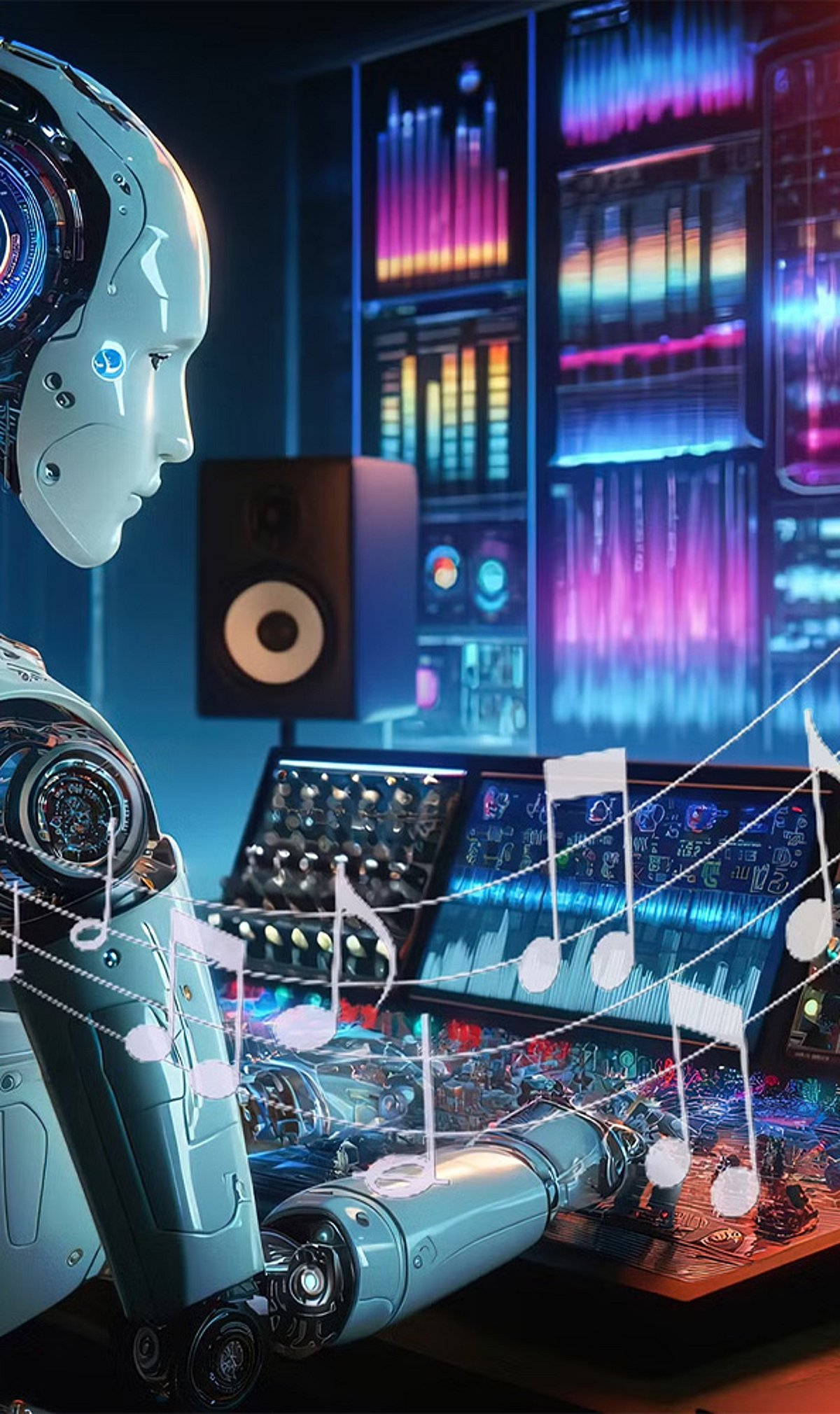
    AI-generated music has moved from experimental curiosity to mainstream phenomenon, with virtual artists now competing head-to-head with human musicians on major streaming platforms and music charts. This surge has prompted platforms and industry bodies to introduce new rules and labels to manage the influx of synthetic tracks.

    Chart Success for AI Artists

    AI-powered country act Breaking Rust has captured significant attention with songs like “Walk My Walk,” which reached No. 1 on Billboard’s Country Digital Song Sales chart. Meanwhile, Xania Monet, created using Suno by poet Talisha Jones, made history as one of the first AI-generated artists to appear on Billboard charts, gaining recognition across gospel and R&B genres.

    Streaming Audiences Embrace AI Singers

    Virtual blues artist Enlly Blue has become one of AI music’s biggest names, attracting hundreds of thousands of monthly Spotify listeners and millions of streams. This growing fan base underscores how AI-generated music is resonating with audiences worldwide.

    Explosive Growth in AI Uploads

    Streaming platform Deezer reported receiving approximately 90,000 fully AI-generated tracks daily in June 2026, with AI music accounting for more than half of its new daily uploads. This staggering volume is reshaping the music industry’s landscape.

    Platforms Introduce New Measures

    In response, Spotify plans to introduce AI Persona badges to identify synthetic artist identities and will limit their visibility in personalized and curated recommendations. Tidal has stopped monetizing fully AI-generated music, but allows AI-assisted songs when humans remain involved in writing, producing, or performing the creative work.

    Industry Rules and Debates

    Australia’s ARIA now excludes wholly AI-generated recordings from official charts, though songs using AI can still qualify if the creative work is substantially human-made. These moves have sparked a broader industry debate: supporters view AI as a powerful creative tool, while musicians fear playlist flooding, lower royalties, voice cloning, and copyright disputes could make competition harder for human artists.

    As AI music continues to evolve, the balance between innovation and protecting human creativity will remain a central challenge for the industry.