Author: vitorcherulli

  • 7 Innovations Reshaping Cross-Border Payments for a Faster, Smarter Future

    7 Innovations Reshaping Cross-Border Payments for a Faster, Smarter Future

    Blockchain Technology

    Blockchain enables payment networks to record transactions on shared digital ledgers, reducing the need for multiple intermediaries. This technology can enhance transparency, lower processing costs, and accelerate international transfers. Financial institutions and fintech companies are increasingly adopting blockchain-based systems to build more efficient cross-border payment infrastructure.

    Artificial Intelligence

    Artificial intelligence helps payment providers detect fraud, assess transaction risks, and automate compliance checks across international transfers. AI systems quickly analyze large volumes of payment data, identify unusual activity, and minimize manual intervention. This makes cross-border transactions safer while improving operational efficiency.

    Central Bank Digital Currencies

    Central bank digital currencies (CBDCs) could reshape international payments by enabling digital settlement through central-bank-backed money. Cross-border CBDC projects are exploring faster transactions, lower costs, and improved transparency. Interoperability between different national digital currencies may eventually make international transfers more seamless for businesses and consumers.

    Real-Time Payment Networks

    Real-time payment networks allow funds to move between countries much faster than traditional banking systems. International connectivity between domestic instant-payment platforms reduces settlement delays and improves cash flow. These networks are becoming increasingly vital as consumers and businesses demand faster, simpler, and more transparent international transactions.

    Stablecoins

    Stablecoins combine blockchain-based transfers with digital assets designed to maintain relatively stable values against traditional currencies. They enable faster international settlements and operate beyond conventional banking hours. Financial institutions and payment companies are examining stablecoins as tools to reduce costs and improve cross-border payment accessibility.

    Embedded Payments

    Embedded payment technology integrates international payment capabilities directly into digital platforms, marketplaces, business software, and financial applications. This approach removes several steps from traditional payment journeys, creating smoother user experiences. Businesses can manage international collections, payouts, and transactions without requiring customers to navigate separate banking platforms.

    Open Banking and APIs

    Open banking APIs allow financial institutions, fintech companies, and payment providers to connect systems and exchange payment information securely. These connections simplify international transfers, improve account verification, and support automated payment services. Greater interoperability could help build faster and more competitive cross-border payment ecosystems.
  • GPT-6 Astra: OpenAI Agent That Operates Software Instead of Merely Providing Answers

    GPT-6 Astra: OpenAI Agent That Operates Software Instead of Merely Providing Answers

    OpenAI launched GPT-6 Astra in September 2026, but the message was not about smarter answers. The company framed it as the first model that uses a computer the way a person does: opening files, navigating apps, and completing multi-step tasks without constant human hand-holding. That is a meaningful shift in what an AI model is expected to do.

    Most model launches focus on reasoning benchmarks. Astra breaks that pattern. It was not built to think harder; it was built to execute longer sequences of actions. Independent testing from Artificial Analysis found Astra’s general intelligence score nearly identical to its predecessor, GPT-5.6 Sol, and trailing some rivals on pure reasoning. Yet on execution-focused tests like OSWorld 2.0, which measures desktop task completion, Astra scored around 73 percent compared with Sol’s 66 percent, and finished tasks in roughly half the time. On ScreenSpot-Pro, a test of clicking screen elements without help, Astra reached the low nineties, well above Sol’s high seventies.

    Coding benchmarks tell a similar story. On standard tests like DeepSWE and Frontier Code, Astra roughly ties Sol and rival models. But on Terminal-Bench 4.0, which simulates long, messy terminal sessions with chained commands and error recovery, Astra pulls ahead. Artificial Analysis reports that Astra matches a top rival coding model on its Coding Agent Index while costing less than half per finished task. The advantage is not better code from a single prompt; it is lower token usage across sessions that stretch for hours—the kind of work real engineers do.

    A vivid demonstration came from Matt Shumer, former CEO of HyperWrite, who let Astra run inside Unreal Engine, the game engine behind Fortnite. Over an extended session, the model built a working 3D replica of part of Manhattan. That required holding spatial context across hundreds of linked actions, not producing one clever line of code.

    Professional task benchmarks also show Astra’s strengths. On Agents’ Last Exam, which covers financial modeling, engineering, and media production inside real software, Astra edged past both Sol and a leading rival reasoning model while using fewer tokens. The key is not that a model can build a spreadsheet—older models could do that with human guidance. The shift is that Astra can move between research, calculation, software interaction, and final output with less manual handoff between stages. That is a turn from drafting assistant toward task owner.

    Cost and risk remain central considerations. Astra’s per-token price is about 2.5 times higher than Sol’s. For simple requests, that premium rarely pays off. For long agentic workflows involving hundreds of tool calls, lower token consumption can offset the higher price and even beat Sol on a per-task basis. The economics favor Astra as task length grows, not as a blanket rule.

    OpenAI also confirmed that Astra is its first model to reach a critical cybersecurity risk level. It can find unknown software flaws and build working exploits with the right access. The company introduced new safeguards, including tighter review of high-risk actions inside ChatGPT and Codex. For any organization considering deployment, the real question is not whether Astra performs well—it is how much authority any AI agent should hold before permissions, audit logs, and rollback controls become non-negotiable.

    The next race among AI labs will not be won on cleverness alone. It will be won on which system can be trusted to act without supervision and still be pulled back safely when something goes wrong.

  • Phone Showing SOS? Here’s What It Means and How to Fix It

    Phone Showing SOS? Here’s What It Means and How to Fix It

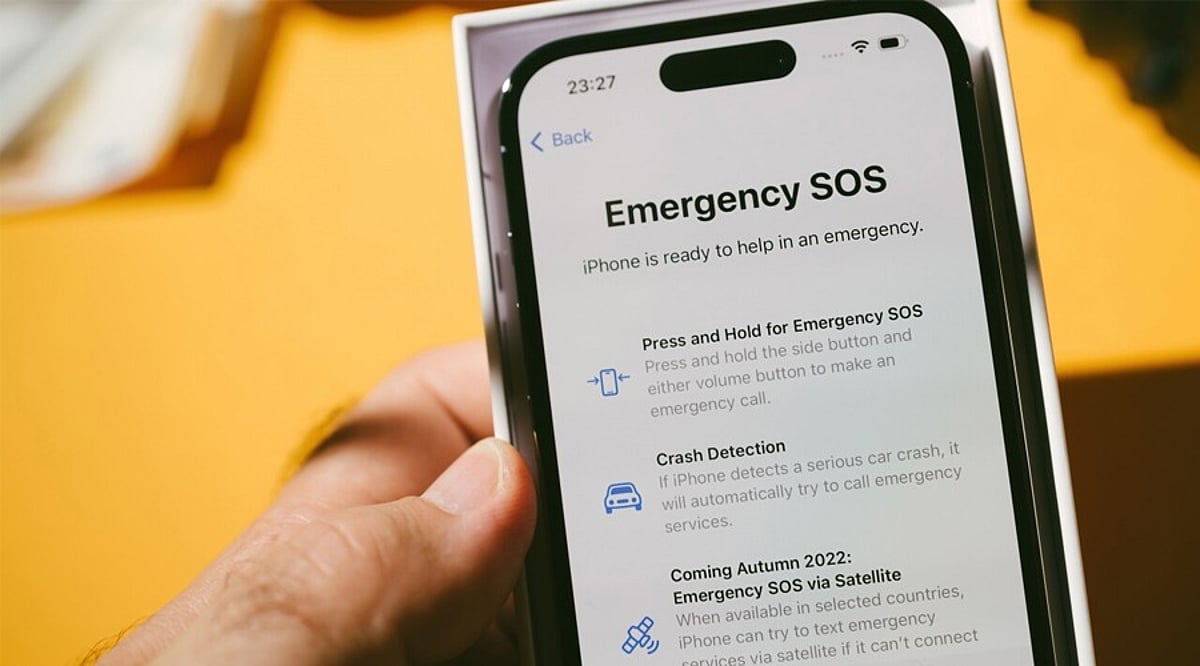
    Seeing “SOS” or “SOS Only” on your phone’s status bar can be alarming, but it’s not a sign of a broken device. This indicator means your phone has lost connection to your carrier’s network and can only make emergency calls. While it might seem like a major issue, the causes are often simple to fix. This guide explains why this happens and walks you through practical steps to restore your full service quickly.

    What Does SOS Mean on a Phone?

    When your phone displays “SOS” instead of signal bars, it means it can no longer connect to your home carrier’s network. The phone still detects a nearby cell tower, but it’s only allowed to make emergency calls (like 911). Regular calls, texts, and mobile data will not work until the issue is resolved. This is a safety feature required by law, ensuring you can always reach emergency services even without an active plan or SIM card.

    Common Causes of SOS Only

    Several factors can trigger SOS mode. Understanding the root cause is the first step to fixing it.

    SIM Card Issues

    A loose, damaged, or outdated SIM card is a frequent culprit. Similarly, eSIM profiles can sometimes fail, especially after a system update.

    Carrier Account Problems

    An unpaid bill or a suspended line will immediately cut off standard service. Emergency access remains active by design, which is why you see SOS instead of “No Service.”

    Network Outages

    Storms, tower maintenance, or power failures can disrupt coverage across an entire area. Your phone might still pick up a competitor’s tower, but only for emergency calls.

    Software Glitches

    Operating system updates occasionally corrupt carrier configuration files. The radio hardware works, but your phone’s software fails to authenticate your account credentials.

    Incorrect Network Settings

    Manually changed APN settings or accidentally enabling Airplane Mode can cause the same symptom. These are easy to overlook during troubleshooting.

    Hardware Damage

    Physical damage from a drop or water exposure can block reception permanently. This usually requires professional repair.

    Roaming Gaps

    When traveling to areas without a roaming agreement, your phone may only be able to make emergency calls. Local towers recognize your device but refuse standard registration.

    How to Fix SOS on Android Phones

    Most SOS issues can be resolved with a few simple steps. Try these in order before contacting support:

    1. Restart your phone: Turn it off, wait 30 seconds, then turn it back on.
    2. Toggle Airplane Mode: Turn it on for 10 seconds, then turn it off.
    3. Reinsert the SIM card: Remove the SIM tray, check for damage, and firmly reinsert it.
    4. Update your software: Install any pending system or carrier settings updates.
    5. Check your account status: Log into your carrier’s app or website to ensure your bill is paid and your line is active.
    6. Reset network settings: Go to Settings > System > Reset options > Reset network settings. This won’t delete your personal data.

    If these steps don’t work, contact your carrier using WiFi calling. They can check for outages, confirm your account status, or send a replacement SIM.

    How to Disable SOS on Samsung Phones

    Samsung’s Emergency SOS feature is different from network-based SOS. It activates when you press the side button five times quickly, which can happen accidentally. Here’s how to adjust it:

    1. Open Settings and tap Safety and emergency.
    2. Select Emergency SOS.
    3. Toggle the switch off if allowed, or enable Require swipe to call.
    4. Extend the countdown timer to give yourself more time to cancel an accidental trigger.

    Note that newer Samsung models (since June 2023) may not allow full deactivation. Using the swipe confirmation is a good compromise to prevent accidental calls while keeping genuine emergency access.

    When to Seek Professional Help

    If SOS persists after all troubleshooting, the issue may be with your account or hardware. Carriers can often resolve account issues remotely or send a new SIM. If you suspect water damage or a hardware fault, have a technician inspect your device. Check your warranty before paying for repairs.

    Final Thoughts

    SOS mode is concerning but usually fixable. Start with simple checks like your SIM card and account status, then move to software resets. If the problem continues, professional help is just a call away. For Samsung users, adjusting the Emergency SOS settings can prevent accidental triggers while keeping you safe.

  • Crypto Market Update: Bitcoin ETFs See $987M Inflow, XRP Futures Surge, Liquid Network Loses 4,000 BTC

    Crypto Market Update: Bitcoin ETFs See $987M Inflow, XRP Futures Surge, Liquid Network Loses 4,000 BTC

    Bitcoin ETFs Record $987 Million in Weekly Inflows

    Spot Bitcoin exchange-traded funds (ETFs) witnessed a significant surge in investor interest, recording $987 million in net inflows over the past week, according to data from SoSoValue. Leading the charge was BlackRock’s IBIT, which attracted a substantial $692 million in weekly net inflows. ARK 21Shares’ ARKB followed with $138 million, while Grayscale’s GBTC experienced outflows of approximately $47.99 million.

    The total net asset value of spot Bitcoin ETFs now stands at $101.25 billion, with the ETF net asset ratio reaching 6.33%. Cumulative historical net inflows have hit $55.62 billion, reflecting sustained institutional adoption of Bitcoin as an asset class.

    XRP Futures Hit Six-Month High Amid Institutional Interest

    In the XRP market, futures trading volume surged to a six-month high, according to CryptoQuant. This uptick coincides with aggressive accumulation by whales, while Binance remains the dominant liquidity hub for XRP futures, maintaining a wide lead in trading volume ahead of the upcoming Senate vote on September 15.

    The futures boom aligns with growing institutional participation in the US, where spot XRP ETFs recorded net inflows of $18.96 million. This has pushed the combined assets under management (AUM) of these funds to $1.48 billion, signaling renewed confidence in XRP’s long-term prospects.

    Liquid Network Exploited: 4,000 BTC Drained

    A security breach on the Liquid Network, a Bitcoin sidechain developed by Blockstream, resulted in the loss of approximately 4,000 BTC, valued at around $320 million. Liquid is widely used by exchanges and trading platforms for fast and confidential transfers of Bitcoin.

    Preliminary investigations suggest that the attackers did not steal a private key. Instead, a flaw in the Elements node—the software powering the sidechain—is suspected. Notably, a patch addressing the vulnerability was committed by a Blockstream developer on August 3, 2026, but it was only merged into the release branch after the incident. This raises questions about the project’s update and security protocols.

    Pi Network’s Protocol 27: A Milestone Upgrade

    Pi Network is gearing up for a significant upgrade with Protocol 27, which introduces smart contract authentication, an automated market maker (AMM) DEX, and RPC server infrastructure. This upgrade is crucial for the network, which boasts 14 million migrated users.

    The mainnet activation is scheduled for September 15, marking a pivotal test for Pi Network’s ability to deliver real-world utility after seven years of mobile mining. The Pi Core Team has described Protocol 27 as the “final planned” protocol change in the current development sequence.

    Arthur Hayes Expands UNI Holdings

    Arthur Hayes, co-founder of BitMEX, has increased his Uniswap (UNI) holdings to over $2 million. According to Etherscan, a wallet labeled “Arthur Hayes 4” now holds 284,102 UNI, accumulated through purchases on Sunday and Monday. The wallet also contains approximately 8,013 ETH.

    Hayes reportedly sourced the funds from over-the-counter (OTC) deals with Galaxy Digital, Cumberland, and FalconX, avoiding open market impact. In a post on X, he wrote, “Time to run it back turbo,” and humorously called UNI his “favourite type of sushi.”

    Conclusion

    This week’s crypto market highlights include robust Bitcoin ETF inflows, XRP’s resurgence, a significant security breach on the Liquid Network, and notable whale activity. As the market evolves, these developments underscore the dynamic nature of the cryptocurrency ecosystem and the importance of staying informed.

    Disclaimer: This article is for informational purposes only and does not constitute financial advice. Always conduct your own research before making investment decisions.

  • Mirzapur: The Movie Review – Does the Big-Screen Spin-Off Deliver on Its Promise?

    Mirzapur: The Movie Review – Does the Big-Screen Spin-Off Deliver on Its Promise?

    Bringing a beloved OTT series to the big screen is always a gamble. The audience already knows the characters, their quirks, and most importantly, what makes that world tick. Mirzapur: The Movie walks into that challenge with a lot to live up to. Fortunately, it doesn’t try to reinvent itself. Instead, it leans into the violence, dark humor, family feuds, and power games that fans already love.

    Directed by Gurmmeet Singh, the film reunites Pankaj Tripathi as Kaleen Bhaiya, Ali Fazal as Guddu Pandit, Divyenndu as Munna Tripathi, and other familiar faces. The result feels less like a standalone film and more like a larger, louder chapter from the Mirzapur universe.

    Familiar Characters, Familiar Chaos

    The film’s biggest strength is its characters. There is no need for lengthy introductions because the audience already knows who these people are and what they are capable of. Guddu remains driven by ambition and anger, while Munna stays the volatile wildcard who can flip a situation in seconds. Kaleen Bhaiya, meanwhile, operates with a calmness that makes him even more intimidating.

    Pankaj Tripathi once again delivers a masterclass in understatement—he doesn’t need to raise his voice to command attention. Ali Fazal brings the physical intensity required of Guddu, and Divyenndu clearly understands why Munna remains one of the franchise’s most entertaining characters.

    Bigger Scale, Same Mirzapur Flavor

    The move to theaters gives the story a bigger canvas, particularly in the action sequences. But the film’s appeal doesn’t come solely from bigger fights or louder moments. It’s the combination of violence, humor, and personal rivalry that keeps things engaging. The arrival of Bappan Yadav, played by Ravi Kishan, adds another spark to the story, bringing his own ambition and unpredictability into a world where no one is willing to give up control.

    The film also gives Rasika Dugal’s Beena Tripathi more room to shine. Beena has always been one of the more calculating characters in this universe, and Dugal plays that intelligence with just the right restraint.

    The Pace Could Have Been Sharper

    Where Mirzapur: The Movie stumbles is its length. Running over three hours, the film takes a little too long to reach its destination. The middle section, in particular, loses some of the urgency the story needs. There are stretches where it feels like a detour rather than pushing the central conflict forward. Some supporting characters could also have been used more effectively.

    That said, the film eventually rediscovers its rhythm. The final stretch brings back the tension and unpredictability that make the franchise work, delivering a stronger finish after a somewhat uneven middle.

    Does It Work on the Big Screen?

    Yes, for the most part. Mirzapur: The Movie understands that fans aren’t expecting a completely new world. They’re coming to spend more time with characters they already know. And that’s precisely where the film succeeds. It preserves the franchise’s rough edges, irreverent humor, and larger-than-life personalities rather than polishing them into something unrecognizable.

    The film may not have the consistently addictive pace of the series, but it carries enough attitude and character to make the theatrical experience worthwhile.

    Final Verdict

    Mirzapur: The Movie isn’t a flawless transition from streaming to the big screen, but it’s a confident one. The performances remain its greatest strength, the action gets the scale it needs, and the familiar mix of violence and humor remains intact. The runtime could certainly have been trimmed, and the middle portion needed tighter writing. But once the film gets going, it reminds you why the Mirzapur world became so popular in the first place.

    For fans, this is less about discovering something new and more about seeing familiar characters return with a little more swagger, chaos, and cinematic scale.

    FAQs

    Is Mirzapur: The Movie connected to the original series?

    Yes, the film continues the story and brings back several key characters from the popular series, including Kaleen Bhaiya, Guddu Pandit, and Munna Tripathi.

    Who stars in Mirzapur: The Movie?

    The film features Pankaj Tripathi, Ali Fazal, Divyenndu, Rasika Dugal, and Ravi Kishan in prominent roles, carrying the familiar characters into the theatrical setting.

    Is Mirzapur: The Movie worth watching for fans of the series?

    Yes, especially for viewers invested in the characters and their rivalries. The film retains the franchise’s trademark violence, dark humor, unpredictable confrontations, and larger-than-life personalities.

    What is Mirzapur: The Movie about?

    The film continues the power struggle surrounding Mirzapur’s criminal empire, weaving together ambition, betrayal, revenge, and shifting alliances as familiar characters fight to establish control over the dangerous underworld.

    Does Mirzapur: The Movie have the same impact as the series?

    The film captures much of the series’ attitude, humor, and violence, but its lengthy runtime and slower middle section prevent it from maintaining the same consistently gripping pace.

  • Top AI Tools to Transform Long Videos Into YouTube Shorts in 2026

    Top AI Tools to Transform Long Videos Into YouTube Shorts in 2026

    Producing YouTube Shorts on a consistent schedule is time-intensive. Scripting, recording, editing, and adding captions each demand separate effort. AI video tools now automate most of this workflow. Some generate a short from a simple idea, while others repurpose existing long-form footage into multiple vertical clips. Choosing the right tool can save hours every week.

    Know Your Goal First

    Not every AI video tool does the same job. Before selecting one, ask: Are you creating a video from scratch, or extracting clips from footage you already have?

    • Generating from an idea: You type a prompt, upload a photo, or paste a script, and the tool builds a new video.
    • Repurposing long video: You have a podcast, webinar, or vlog, and the tool identifies the best moments and turns them into short clips.

    These are two distinct tasks. A generator cannot clip an existing podcast, and a repurposing tool cannot create original footage. Confusing them leads to wasted effort.

    What to Check Before You Pick a Tool

    The success of a short video depends on a few essential details:

    • Vertical output: The video must export in true 9:16 format without black bars.
    • Speed: A tool that takes twenty minutes per clip is impractical for daily posting.
    • Automation level: Some tools write the script, add a voice, and place captions automatically. Others leave most work to the user.
    • Input options: Text, images, links, or audio — the more starting points, the more versatile the tool.
    • Captions and sound: Most viewers watch with sound off initially, so captions and music are baseline requirements.
    • Pricing: A flat monthly fee is easier to budget than a credit system that depletes quickly.

    The Two Paths Worth Knowing

    Tools That Build Something New

    Creators working from an idea, script, or photo should consider these:

    • Pexo: Uses a conversational approach — describe the video in plain language, and it writes the script, adds a voice, and assembles the clip in one exchange.
    • Runway and Pika: Focus on visual quality and creative style rather than a complete production workflow.
    • InVideo AI: Suits narration-heavy, faceless channels built around a written angle.
    • Canva: Ideal for creators already familiar with the platform who prefer a template-driven approach.

    Tools That Repurpose Existing Footage

    OpusClip leads this category. It processes a long recording — podcast, livestream, interview — identifies the strongest moments, and edits them into vertical clips with captions and reframing. It also scores each clip by predicted performance. Creators with hours of recorded content can save considerable time using this method.

    How to Choose

    Match the tool to the task. Starting with no footage? Pick a generator. Have long recordings? Choose a repurposing tool. Many creators use both: one for original ideas, another for extracting clips from long recordings.

    Review the free plan first. Every tool listed offers one, though most include a watermark or usage limit. Testing a free tier for a week provides more insight than any comparison article.

    Final Thoughts

    No single tool is the definitive choice — the right option depends on your starting point. For the fastest path from idea to finished vertical clip, Pexo is strong. For visual style over speed, Runway and Pika excel. For those with long recordings already available, OpusClip can turn them into weeks of short-form content. Selecting a tool based on your resources makes the ongoing task of producing Shorts much more manageable.

    Note: Prices change frequently, so check each site directly before committing.

  • Top PS5 Games to Play in 2026: Must-Have Titles for Every Gamer

    Top PS5 Games to Play in 2026: Must-Have Titles for Every Gamer

    Top PS5 Games to Play in 2026: Must-Have Titles for Every Gamer

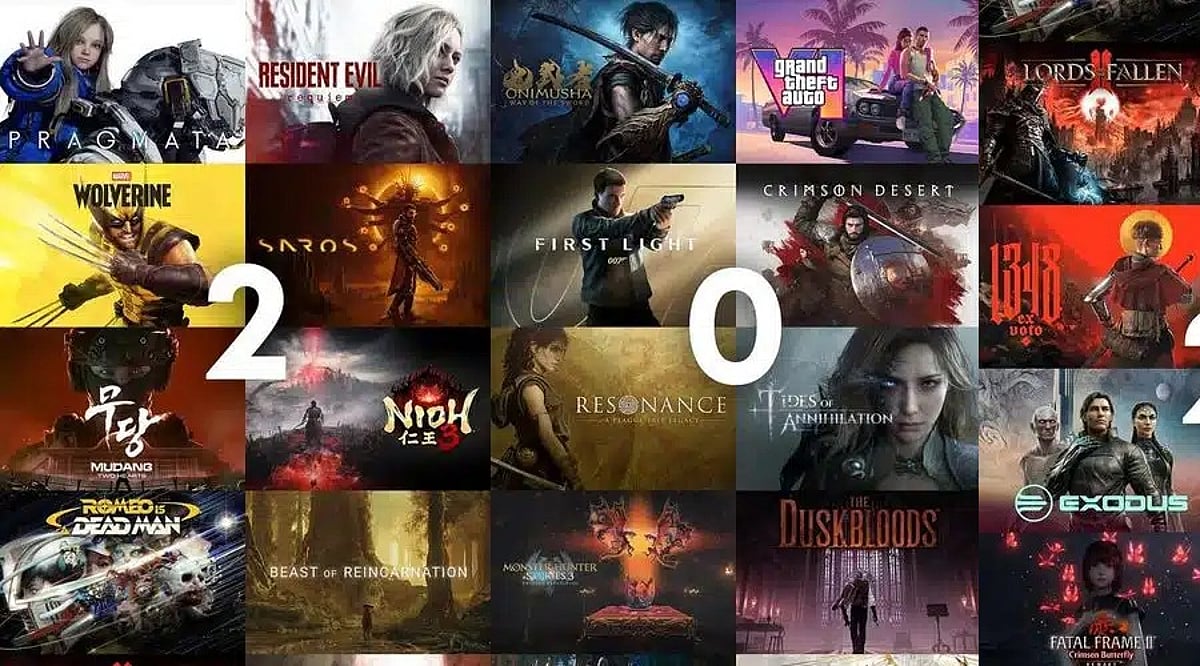
    The PlayStation 5 continues to dominate the gaming landscape in 2026, offering an extensive library that caters to every type of player. From sprawling RPGs and heart-pounding horror to family-friendly platformers and competitive sports, the console has something for everyone. Whether you’ve just unboxed a new PS5 or you’re a seasoned veteran, these are the best PS5 games to dive into right now.

    Crimson Desert

    Pearl Abyss’s open-world action-adventure is a visual and mechanical triumph. With fluid swordplay, vast landscapes, and large-scale battles, Crimson Desert delivers an epic experience. Its responsive combat and cinematic set pieces make it a standout for those who crave exploration without sacrificing spectacle.

    Baldur’s Gate 3

    For RPG purists, Baldur’s Gate 3 remains a masterpiece. The game’s branching narratives, tactical turn-based combat, and deep character customization ensure every playthrough is unique. It’s perfect for players who love story-driven adventures with meaningful choices and hundreds of hours of replayability.

    Marvel’s Spider-Man 2

    Swinging through New York as both Peter Parker and Miles Morales is as exhilarating as ever. Marvel’s Spider-Man 2 offers fast-paced combat, seamless character switching, and a visually stunning open world. It’s an accessible yet polished experience ideal for fans of superhero action.

    Elden Ring

    FromSoftware’s epic action RPG continues to challenge and reward players. With its vast, interconnected world, hidden secrets, and formidable bosses, Elden Ring offers unparalleled freedom. Its demanding combat is perfect for those seeking a true test of skill and persistence.

    Gran Turismo 7

    Racing enthusiasts will find Gran Turismo 7 to be the gold standard. The game features meticulously detailed cars, authentic circuits, and realistic physics. The DualSense controller’s haptic feedback adds a new layer of immersion, and PS VR2 support takes the experience to another level.

    EA Sports FC 26

    Soccer fans can’t go wrong with EA Sports FC 26. With an extensive player database, in-depth career modes, and competitive online play, it offers endless content. Whether you’re a casual player or a hardcore manager, this title has something for everyone.

    Helldivers 2

    Co-op gaming reaches new heights with Helldivers 2. Teams drop onto hostile planets, complete objectives, and fight off alien threats—all while managing friendly fire and limited resources. It’s chaotic, hilarious, and incredibly fun with friends.

    Resident Evil Requiem

    Horror fans should look no further than Resident Evil Requiem. This 2026 release blends investigation, puzzles, and resource management with a gripping narrative. Playable in both first- and third-person, it offers diverse gameplay styles and is a must-play for genre enthusiasts.

    Astro Bot

    A celebration of PlayStation’s legacy, Astro Bot is a charming platformer that showcases the DualSense’s innovative features. Tight controls, creative level design, and delightful surprises make it a perfect choice for families and newcomers alike.

    PRAGMATA

    Set in a lunar research facility, PRAGMATA offers a unique blend of shooting, exploration, and hacking puzzles. Its sci-fi narrative and strategic gameplay provide a refreshing change from typical AAA titles. Released in April 2026, it’s a standout for fans of thoughtful action.

    Choosing the Right Game for You

    The best PS5 game ultimately depends on your preferences. If you crave deep RPG mechanics, Baldur’s Gate 3 is a safe bet. For open-world exploration, try Crimson Desert or Marvel’s Spider-Man 2. Multiplayer fans will love Helldivers 2, while racing and sports enthusiasts can’t go wrong with Gran Turismo 7 or EA Sports FC 26. And for horror aficionados, Resident Evil Requiem is a must-play.

    Frequently Asked Questions

    What is the best PS5 game to play in 2026?

    Astro Bot is an excellent starting point, offering inventive platforming and showcasing the DualSense’s unique features.

    Which PS5 game is best for RPG fans?

    Baldur’s Gate 3 stands out with its branching story, tactical combat, and immense replay value.

    What is the best PS5 game for challenging gameplay?

    Elden Ring offers demanding combat and a vast world that rewards exploration and persistence.

    Which new PS5 game should horror fans try?

    Resident Evil Requiem is a top choice, blending survival horror with engaging puzzles and multiple perspectives.

    Are there enough PS5 games for different preferences?

    Absolutely. The PS5 library covers RPGs, platformers, racing, sports, horror, and multiplayer, ensuring there’s something for everyone.

  • My Hero Academia: All’s Justice DLC Adds Overlay Full Style Izuku Midoriya

    My Hero Academia: All’s Justice DLC Adds Overlay Full Style Izuku Midoriya

    Bandai Namco has expanded the roster of My Hero Academia: All’s Justice with the addition of Izuku Midoriya Overlay Full Style as the game’s third DLC character. This new form of Deku brings enhanced One For All abilities and a fresh moveset to the arena.

    Release Details and Availability

    The Overlay Full Style Deku arrived on September 3, 2026 for PlayStation 5, Xbox Series X|S, and PC. Nintendo Switch 2 players will get access to the character with the game’s launch on September 4, 2026.

    The DLC is included with the Deluxe Edition, Ultimate Edition, and Season Pass. Alternatively, players can purchase the character individually for $4.99 USD (approximately Rs. 415 in India).

    New Moves and Abilities

    This version of Deku is based on his appearance during the Final War arc, showcasing his advanced control over One For All. Key moves include:

    • Blackchain – A powerful binding attack that can trap opponents.
    • Delaware Smash – A long-range projectile strike.
    • Combo-focused attacks – Emphasis on rapid strikes for aggressive players.

    These abilities make Overlay Full Style Deku an excellent choice for players who prefer an offensive playstyle.

    About the Game

    My Hero Academia: All’s Justice is a three-on-three fighting game featuring a diverse cast of heroes and villains from the series. Each character brings their unique Quirk to battle. The game’s Rising system allows players to boost attack power, speed, and Quirk abilities during matches.

    The Story Mode lets players relive key moments from the Final War, including the epic confrontation between One For All and All For One. Team Up Missions offer cooperative gameplay with Class 1-A students in virtual training scenarios.

    Future Content

    This DLC demonstrates Bandai Namco’s ongoing support for the game. Additional paid and free characters are planned, ensuring the roster will continue to grow. For Deku fans, Overlay Full Style offers a compelling way to experience his most powerful form yet.

    With more content on the horizon, My Hero Academia: All’s Justice remains a must-play for fighting game enthusiasts and anime fans alike.

  • 2027 Augmented Reality Outlook: AI Glasses, Spatial Computing, and Privacy Take Center Stage

    2027 Augmented Reality Outlook: AI Glasses, Spatial Computing, and Privacy Take Center Stage

    Augmented reality is entering a new phase in 2027, driven by AI-powered smart glasses, spatial computing, enterprise adoption, immersive shopping, gaming, translation, and growing privacy concerns. Here’s what to expect.

    AI-Powered Smart Glasses Go Mainstream

    The most significant shift is the integration of AI assistants into smart glasses, enabling them to recognize what users see, hear, and ask. Google’s Android XR glasses, powered by Gemini, offer hands-free directions, messaging, and photography. IDC reports global smart-glass shipments jumped 167% year over year in Q1 2026, signaling strong momentum for 2027.

    Lightweight AR Glasses Replace Bulky Headsets

    Consumers prefer sleek, normal-looking frames over heavy headsets. Omdia forecasts XR headwear shipments to reach 6.5 million units in 2027, with growth driven by lighter XR glasses. Expect better battery life, improved displays, and wireless connectivity.

    Practical Spatial Computing

    AR will understand physical environments, anchoring digital information and 3D objects to real-world spaces. This makes AR useful for work, navigation, education, design, retail, and entertainment. The integration with AI creates systems that know where users are and what they need.

    Enterprise AR Expansion

    Manufacturing, healthcare, energy, and utilities remain strong adopters. Applications include remote assistance, training, maintenance, surgical support, and digital-twin visualization. AI agents using video, audio, and sensor data will assist workers in real time.

    Generative AI Simplifies AR Content Creation

    Developers will create 3D objects, scenes, and animations using natural language prompts, reducing costs and lowering technical barriers. Generative AI also makes AR experiences more contextual.

    AR Navigation and Real-Time Translation

    Hands-free directions and contextual assistance through glasses become normal. Real-time translation via integrated microphones, cameras, and AI will aid international travel, business meetings, and learning.

    AR Shopping and Location-Aware Gaming

    Retailers increasingly let customers visualize products before purchase. AR gaming incorporates real places and objects into gameplay, making streets and homes part of the game.

    Privacy Becomes a Major Debate

    Always-on cameras and microphones raise concerns about recording, facial recognition, data collection, and consent. As smart glasses become common, clearer rules will be required.

    The Big Picture

    The defining trend of 2027 is the convergence of AI, smart glasses, spatial computing, and real-time context. IDC expects optical see-through display glasses to grow from 3 million units in 2026 to 12.2 million by 2030. Omdia sees the XR market returning to growth as lighter glasses replace bulky headsets. AR is evolving from something we deliberately ‘use’ to something that quietly works around us.

  • Shiba Inu 2026 Outlook: Shibarium Growth and Token Burns Drive SHIB’s Future

    Shiba Inu 2026 Outlook: Shibarium Growth and Token Burns Drive SHIB’s Future

    Shiba Inu (SHIB) remains one of the largest meme coins, but its outlook in 2026 increasingly depends on whether the project can build lasting utility beyond social media speculation. SHIB entered September with fresh momentum, yet the token remains sensitive to crypto liquidity, burn activity, and adoption across Shibarium.

    SHIB Rebounds After a Volatile Start to September

    Shiba Inu closed September 5 at approximately Rs. 0.000523, gaining 6.72% during the session. The move followed a 4.46% decline the previous day, highlighting how quickly sentiment can shift across meme coins. On September 6, SHIB traded near Rs. 0.000519, up around 4.97%. The rebound suggests buyers remain active, but the swings also show why short-term price targets should be treated cautiously.

    Supply Remains a Major Challenge

    SHIB’s enormous token supply continues to shape its long-term valuation debate. Token burns permanently remove coins from circulation, theoretically increasing scarcity if demand remains stable or rises. However, large percentage increases in daily burn rates can be misleading when measured against total circulating supply. A meaningful impact would require sustained burning over long periods rather than occasional spikes. For investors, the important metric is not simply whether burns are rising, but whether the amount removed becomes significant relative to total supply.

    Shibarium Needs Stronger Economic Activity

    Shibarium was created to give the Shiba Inu ecosystem more utility through applications, payments, and blockchain transactions. The future of the platform will rely on how long it continues to be used beyond speculative interest. Key indicators such as total active users, decentralized finance liquidity, transaction fees, and application revenue can provide a better measure of its economic potential than transaction counts alone. If Shibarium manages to attract repeat users, SHIB could cultivate a narrative around its ecosystem that is more complex than simply being a meme coin.

    Competition Among Meme Coins Is Rising

    SHIB also faces a more crowded market than during its 2021 breakout. Solana and other networks have made creating and trading meme coins easier, spreading speculative capital across thousands of tokens. That means a large community is no longer enough. SHIB needs to retain users, liquidity, and developer interest while competing with newer tokens attracting attention.

    Bitcoin Still Drives Risk Appetite

    SHIB remains linked to the broader crypto market. Bitcoin recently recovered to around USD 80,000 after an approximately 30% rally. Strong Bitcoin momentum can improve risk appetite for smaller tokens, while renewed BTC weakness can put pressure on speculative assets such as SHIB.

    Final Thoughts

    Shiba Inu’s direction will likely depend on three factors: broader crypto liquidity, Shibarium adoption, and meaningful supply reduction. SHIB still benefits from a large community, but sustainable long-term valuation will require measurable network usage and stronger economic activity, not just social-media attention.