Author: vitorcherulli

  • Bitcoin Holds Near $63,900 as Fed Pause and CLARITY Act Delay Weigh on Market Sentiment

    Bitcoin Holds Near $63,900 as Fed Pause and CLARITY Act Delay Weigh on Market Sentiment

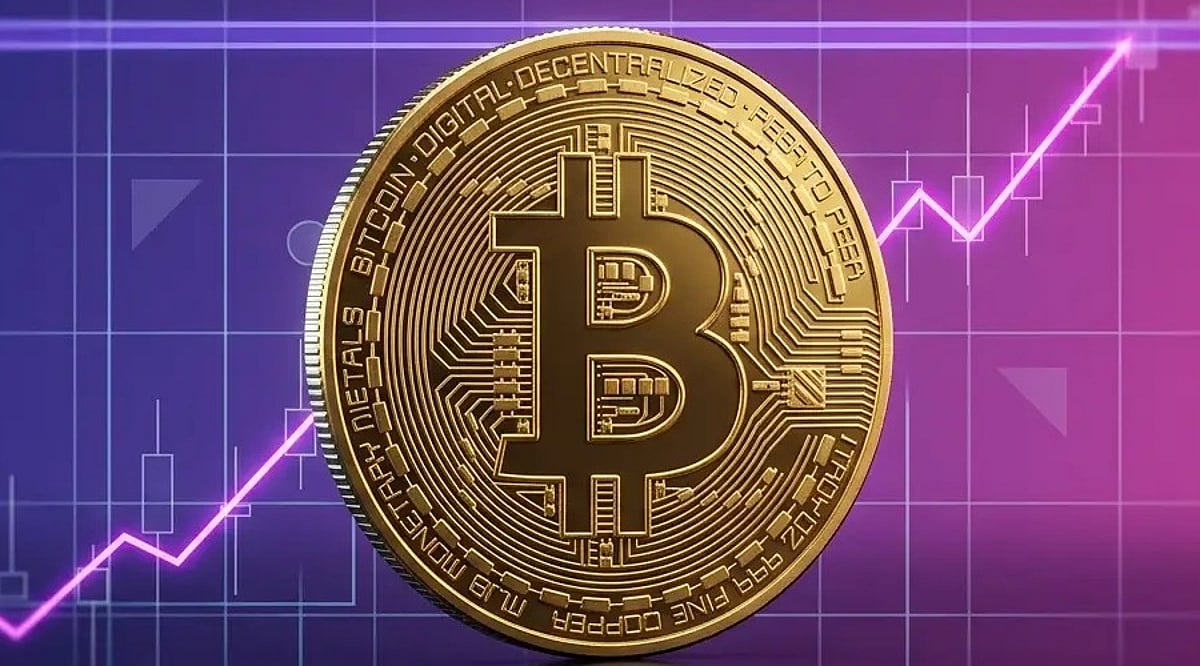
    Bitcoin traded near $63,903 on Thursday, holding steady after the Federal Reserve kept interest rates unchanged at 3.50%-3.75%. Three policymakers pushed for a quarter-point hike, keeping the tone from turning fully dovish. Ethereum, XRP, and Solana remained range-bound, while ETF outflows and a stalled CLARITY Act kept investors cautious.

    Bitcoin Price Today

    Bitcoin trades at $63,902.66, up 0.01% over the past 24 hours, with a market cap near $1.28 trillion and 24-hour trading volume of $28.33 billion. Price action remains tied to Fed guidance and shifting Bitcoin ETF flow trends.

    Analyst Insights

    Bitcoin Needs $65,000 to Confirm Recovery

    Akshat Siddhant, Lead Quant Analyst at Mudrex, noted that Bitcoin rebounded sharply to $64,700 after the Fed’s decision. US spot Bitcoin ETFs logged a fourth straight day of outflows totaling $526 million this week. Bitcoin now needs to reclaim $65,000 to confirm the recovery, with $63,000 as key support ahead of Friday’s close.

    Fed Dissent Keeps September Hike Odds Alive

    Vikram Subburaj, CEO of Giottus, placed Bitcoin near $64,150 after the Fed’s steady hold. Markets now price roughly a 57% chance of a September hike. Institutional demand weakened, with spot Bitcoin ETFs recording combined outflows of nearly $526.5 million over four sessions. He advised staggering buying and waiting for Bitcoin to clear $66,700 with stronger spot demand.

    Futures Open Interest Hits Two-Month High

    The CoinSwitch Markets Desk reported that Bitcoin briefly moved above $64,000 after the Fed decision but dropped back as the Fed Chair held a firm line on inflation. Futures open interest climbed to a two-month high, and positive funding rates suggest many traders expect higher prices. Bitcoin needs to recover above $64,000 to improve momentum; a fall below $63,300 could trigger fresh selling pressure.

    CLARITY Act Momentum Offers Long-Term Support

    Nischal Shetty, founder of WazirX, said Bitcoin continues trading in a tight range. Developments around the CLARITY Act reinforce long-term adoption optimism. Geopolitical tensions and volatile oil prices keep risk assets on edge, while a softer dollar offers some support. Bitcoin gained 0.50% to $64,186, and Ethereum edged up 0.16% to $1,911.

    Oil Spike and Chip Selloff Add Pressure

    Piyush Walke, Derivatives Research Analyst at Delta Exchange, noted that the Fed’s steady hold met expectations, but equities sold off on hawkish dissent and a geopolitical shock. Bitcoin dipped near 1% to around $63,890. A selloff in Asian chip stocks and a sharp jump in oil prices added pressure. The $62,700-$63,000 zone marks Bitcoin’s first major demand area; a break lower could open a path toward $62,000.

    Crypto Prices Today: Top 10 Coins at a Glance

    Biggest Gainers: DOGE, XRP, BNB

    • Dogecoin led with a gain above 1.2%, extending its bounce from last week’s lows.
    • XRP and BNB also posted solid gains as the Fed’s steady hold eased near-term rate fears.

    Biggest Losers: HYPE, ENA, AAVE

    • Hyperliquid slipped over 1.5%, leading losses among the top 10 names.
    • Ethena and Aave dropped sharply, reflecting weaker demand across mid-cap DeFi tokens.

    Crypto News Today: Top Headlines Impacting Prices

    Fed Holds Rates Steady With Hawkish Dissent

    The Federal Reserve held its benchmark rate at 3.50%-3.75% on Wednesday, matching expectations. Three policymakers pushed for a quarter-point hike. Traders now price roughly 57% odds of a September increase, keeping risk assets cautious.

    SEC Chair Backs CLARITY Act Amid Senate Delay

    SEC Chairman Paul Atkins publicly backed the CLARITY Act, offering technical help. The bill remains stalled after Senate leadership prioritized other floor business. A vote before the August 7 recess now looks unlikely. Analysts say passage would be the year’s biggest regulatory catalyst.

    Bitcoin ETF Outflow Streak Extends to Four Sessions

    US spot Bitcoin ETFs recorded a fourth straight day of net outflows, totaling nearly $526 million. BlackRock’s IBIT product led redemptions. The streak follows a strong mid-July run that had briefly restored confidence.

    Ethereum ETFs Extend Inflow Streak to Third Week

    Ethereum spot ETFs bucked the trend, extending their inflow streak to a third straight week. Morgan Stanley also launched new Ethereum and Solana spot ETPs alongside staking-based funds, adding fresh institutional access points.

    Oil Price Spike Adds Fresh Macro Pressure

    Asian chip stocks sold off sharply, dragging risk sentiment lower. Oil prices jumped, with WTI and Brent crude climbing. Higher oil prices could feed into upcoming inflation readings, complicating the Fed’s rate path.

    Zcash Completes Ironwood Network Upgrade

    Zcash activated its Ironwood upgrade, phasing out a shielded pool flagged for security concerns. The upgrade strengthens privacy infrastructure, and Zcash has posted strong weekly gains, outperforming most large-cap tokens.

    Investor and Market Outlook

    Bitcoin holds near $63,903 as traders weigh the Fed’s steady hold against fragile ETF flows. A close above $66,700 could open a path toward $68,000 resistance. A slip below $62,700 risks exposing deeper support near $61,000. Ethereum trades near $1,900, holding steady after a volatile week. The CLARITY Act’s Senate timeline stands as this month’s defining catalyst for broader market direction.

    FAQs

    What is the Bitcoin price today?
    Bitcoin trades near $63,902.66, up 0.01% over the past 24 hours. Support sits near $62,700, while resistance builds between $65,000 and $66,700.

    Why is the Fed decision affecting crypto prices?
    The Fed held rates steady, but three policymakers pushed for a hike, keeping September rate-hike odds near 57% and pressuring Bitcoin and altcoins.

    What is the biggest crypto news today?
    The CLARITY Act’s stalled Senate progress and a fourth day of Bitcoin ETF outflows are shaping sentiment. Ethereum ETF inflows and Morgan Stanley’s new Solana ETP add a contrasting institutional signal.

    Which coins are performing best today?
    Dogecoin leads with a rise above 1.2%, followed by XRP and BNB. Hyperliquid, Ethena, and Aave post the sharpest losses.

    What should investors watch this week?
    Track Friday’s month-end close, the CLARITY Act’s Senate timeline, and Bitcoin ETF flow trends. GDP and PCE inflation data due soon could shift rate expectations.

  • Serhiy Tokarev Backs Zibra AI’s ZibraGDS: A Real-Time 3D Graphics Breakthrough

    Serhiy Tokarev Backs Zibra AI’s ZibraGDS: A Real-Time 3D Graphics Breakthrough

    Ukrainian technology company Zibra AI has unveiled ZibraGDS, a solution that could transform the way complex 3D graphics are created. The technology makes it possible to work with animated geometry directly in real time, whereas similar effects previously often required lengthy offline rendering.

    The development has already been recognized as a promising innovation in computer graphics: on July 21, Zibra AI presented ZibraGDS at ACM SIGGRAPH 2026 Real-Time Live!, an international program showcasing the latest solutions for working with digital imagery. This year, only eight projects were selected from hundreds of submissions.

    Zibra AI’s technological development is supported by Serhiy Tokarev, founder of Roosh and an investor in Zibra AI. He focuses on building products that shape a new infrastructure for artificial intelligence and digital production.

    ZibraGDS: How the Technology Accelerates Complex Graphics Workflows

    ZibraGDS is primarily designed for highly detailed animated 3D scenes. These include object destruction, water simulations, particles, complex visual effects, and other elements traditionally created through resource-intensive offline processes.

    The drawback of such approaches is the lengthy processing time. Even minor changes to a scene could require rerendering, slowing down teams in game development, film production, and other areas of digital production.

    According to Zibra AI, the new technology can:

    • Reduce the volume of animated data by up to 92%
    • Make rendering 5-10 times faster than traditional solutions
    • Handle scenes containing millions of polygons
    • Process complex geometry directly on the GPU

    According to Serhiy Tokarev, investing in technological solutions of this caliber plays a major role in advancing new fields, from AI to digital content creation tools.

    The Technology Behind ZibraGDS

    One of ZibraGDS’s key features is its approach to handling large volumes of geometric data. During compression, 3D objects are automatically divided into small structural units called meshlets.

    The system then decompresses the data directly on the GPU using amplification shaders and mesh shaders. This architecture makes it possible to process large data arrays in parallel and render complex scenes without a significant drop in performance.

    Zibra AI says the new development builds on its proprietary technology platform. In 2024, the company introduced ZibraVDB, a solution for running volumetric effects, including smoke, fire, and liquids, in real time within Unreal Engine.

    ZibraGDS builds on this work, shifting the focus from volumetric effects to the rapid processing of complex animated geometry.

    New Infrastructure Is Needed to Advance AI and Digital Content

    Serhiy Tokarev, founder of the Roosh investment group and an investor in Zibra AI, says the future of digital production will depend on technologies that make it possible to create and scale complex products faster:

    “The next generation of AI and digital content requires new infrastructure. We invest specifically in foundational technologies that define what the entire industry can achieve. ZibraGDS is another important step toward making high-quality digital content production faster, more accessible, and more scalable.”

    From Games to Film: How ZibraGDS Could Transform Production Workflows

    Zibra AI explains that the new technology emerged from a practical need faced by teams working with large-scale 3D scenes.

    “ZibraGDS solves a problem our team encountered in nearly every project. Animated geometry almost always meant offline rendering and hours of waiting. Now these scenes can run directly inside the engine in real time. This changes not only the speed of work but also the way studios approach content production,” said Alex Petrenko, CEO of Zibra AI.

    Technologies of this kind could reshape how video games, films, virtual spaces, and interactive products are created. The ability to see results in real time allows teams to test solutions faster, shorten production cycles, and use resources more efficiently.

    Zibra AI’s development is part of a broader technology focus supported by Serhiy Tokarev in his role as an investor. These projects focus on creating solutions capable of competing in the global market and setting new standards for digital production.

  • 2026’s Best boAt AMOLED Smartwatches with Bluetooth Calling: A Detailed Comparison

    2026’s Best boAt AMOLED Smartwatches with Bluetooth Calling: A Detailed Comparison

    boAt offers several AMOLED watches with Bluetooth Calling, fitness tools, stylish designs, and long battery life. AMOLED displays remain the biggest attraction in these models, offering deeper blacks, better contrast, and sharper visuals compared to standard displays. Bluetooth Calling adds extra convenience by allowing direct calls from the watch when connected to a smartphone. Among the latest options, the boAt Lunar Peak, boAt Ultima Chronos, boAt Chrome Iris, and boAt Valour Watch 1R stand out as the strongest choices.

    Key Takeaways

    • boAt Lunar Peak offers the best balance of AMOLED display, calling features, and affordable pricing.
    • Ultima Chronos stands out with a large AMOLED screen and extensive sports tracking options.
    • Valour Watch 1R delivers premium build quality with longer battery performance.

    boAt Lunar Peak: Best Overall AMOLED Choice

    The boAt Lunar Peak is one of the best AMOLED smartwatches offered by the company, available for Rs. 2,499 (original price Rs. 6,999). Its overall appearance, features, and cost justify the quality. The watch sports a 1.45-inch AMOLED display that delivers vibrant colors and clear images. The round shape gives it a traditional look, making it perfect for everyday use. Bluetooth Calling allows you to make calls right from your wrist. It offers more than 100 sports modes, heart rate tracking, SpO₂ monitoring, and an AI voice assistant. The crown feature improves usability and adds a premium feel.

    boAt Ultima Chronos: Best Large Screen AMOLED Watch

    The boAt Ultima Chronos focuses on users who prefer a bigger display experience. It typically sells around Rs. 2,000 to Rs. 2,300 during offers, making it one of the most affordable large-screen AMOLED watches from boAt. It features a 1.96-inch AMOLED display with Always-On Display support. The larger screen offers more space for notifications, watch faces, and health information. Bluetooth Calling adds the ability to answer calls without reaching for a smartphone. The Ultima Chronos includes more than 700 sports modes, heart rate monitoring, SpO₂ tracking, and IP67 water resistance. It runs on Crest+ OS and provides a wide range of smart functions. The bigger panel remains its main attraction, although higher brightness and continuous Always-On Display use can affect battery performance.

    boAt Chrome Iris: Premium Style with AMOLED Display

    The boAt Chrome Iris commands a higher price range at approximately Rs. 3,499. It leans more towards fashionable appeal and comfort. The watch comes with an AMOLED display as well as Bluetooth Calling. Its slim 8mm profile gives it a sophisticated look, ideal for style-conscious users. Additionally, it is equipped with a number of sports modes and wellness-tracking options for women. The Chrome Iris fits well for professionals and users looking for a smartwatch with a stylish, premium appearance. Despite its premium design, the model remains competitively priced.

    boAt Valour Watch 1R: Strong Build and Longer Battery

    The boAt Valour Watch 1R comes with an approximate price of Rs. 4,499 and targets buyers who want better materials and a stronger build. It offers a more premium feel compared with many budget smartwatches. The watch features a 1.43-inch AMOLED display, an aluminium body, and up to 10 days of battery life. It also supports Bluetooth Calling, health tracking features, and 3ATM water resistance. An AI habit builder adds extra support for daily routines. The Valour Watch 1R suits users who prefer durability, better construction, and longer battery life over the lowest possible price.

    boAt Wave Sigma 3: Budget Alternative

    The Wave Sigma 3 by boAt is an inexpensive smartwatch priced between Rs. 1,399 and Rs. 1,649. It provides Bluetooth Calling along with some features. The product comes with a 2.01-inch screen, more than 700 activities, SOS capabilities, and live sports scores. The battery lasts up to 10 days. However, it does not feature an AMOLED screen. For users looking for Bluetooth Calling, fitness tracking, and a large display at a budget price, the Wave Sigma 3 is worth considering. For people seeking AMOLED displays, the Lunar Peak and Ultima Chronos are recommended.

    Final Verdict: Which boAt AMOLED Watch Should You Buy?

    Among boAt AMOLED watches with Bluetooth Calling in 2026, the Lunar Peak offers the strongest overall value. It combines a quality AMOLED screen, useful health tools, calling support, and an attractive price. The Ultima Chronos becomes a better option for users who prefer a larger display, while Chrome Iris appeals to buyers who value style. The Valour Watch 1R suits users who want stronger materials and longer battery life. The Wave Sigma 3 remains a budget-friendly option but does not offer AMOLED technology. For most buyers, the boAt Lunar Peak stands out as the best balance of price, features, and everyday performance.

    FAQs

    1. Which is the best boAt AMOLED watch with Bluetooth Calling in 2026? The boAt Lunar Peak is the best overall choice with a 1.45-inch AMOLED display, Bluetooth Calling, fitness features, and a price around Rs. 2,499.
    2. Which boAt smartwatch has the biggest AMOLED display? The boAt Ultima Chronos offers one of the largest AMOLED screens in this range with a 1.96-inch display and Always-On Display support.
    3. Does boAt Chrome Iris support Bluetooth Calling? Yes, boAt Chrome Iris supports Bluetooth Calling along with an AMOLED display, wellness features, and a slim premium design.
    4. Which boAt smartwatch has the longest battery life? The boAt Valour Watch 1R offers up to 10 days of battery life, depending on usage patterns and feature settings.
    5. Is boAt Wave Sigma 3 an AMOLED smartwatch? No, boAt Wave Sigma 3 does not use an AMOLED display. It is a budget smartwatch with Bluetooth Calling and a large screen.
  • Flipkart Launches Pay Later with Flexible Repayment Options for Indian Shoppers

    Flipkart Launches Pay Later with Flexible Repayment Options for Indian Shoppers

    Flipkart Group, in partnership with PayU Finance, has announced the launch of Flipkart Pay Later, a new credit offering that provides flexible repayment options directly at checkout. Available across Flipkart, Myntra, and Flipkart Minutes, the service aims to make credit more accessible for millions of Indian consumers.

    Key Features of Flipkart Pay Later

    Flipkart Pay Later offers three repayment choices: a Pay Later option with up to 30 days for everyday purchases, a Pay in 3 option that splits the cost into three payments, and EMI plans ranging from 3 to 12 months for higher-value categories such as mobiles, electronics, appliances, and furniture. The offering is designed for both high-frequency, low-value transactions across categories like fashion, home, beauty, and general merchandise, as well as larger purchases where structured repayment can ease access.

    Powered by Commerce Intelligence and Responsible Underwriting

    Flipkart Finance has initiated the program with PayU Finance as its first lending partner, with plans to add more financial institutions as it scales. PayU Finance acts as the licensed lender, while Flipkart Finance manages customer relationships and credit intelligence, leveraging commerce data to enable faster and more accurate credit decisions.

    “Affordability remains the core driver of how millions in India engage with digital commerce. For these consumers, aspiration has never been a constraint, access has. As pioneers of easy financing, with Flipkart Pay Later, we are putting a decade of commerce signals to work, building an underwriting model that sees these customers clearly and extends them credit at the moment it matters the most. This is not a payment feature. It is an important step in building a financial services capability that we believe will fundamentally change who gets to participate in India’s digital economy.” — Vishal Ahuja, Executive Director, Flipkart Finance

    “As digital commerce continues to evolve, the need for responsible and accessible credit has never been greater. Through our partnership with Flipkart Finance, we are combining technology, data-driven underwriting, and strong risk management to deliver seamless credit experiences at scale. Flipkart Pay Later is another step towards expanding financial inclusion while powering the next phase of India’s digital commerce growth.” — Deepak Mendiratta, CEO, PayU Finance

    How Credit Decisions Are Made

    The credit decisions behind Flipkart Pay Later are built on Flipkart Finance’s commerce intelligence, transaction history, purchase patterns, and platform behavior, combined with PayU Finance’s lending and risk management capabilities. Customer exposure is assessed using multiple data sources to ensure credit is extended responsibly without over-leveraging.

    About the Flipkart Group

    The Flipkart Group is one of India’s leading digital commerce entities with a strong technology-first foundation, including group companies Flipkart, Myntra, Flipkart Wholesale, Cleartrip, and super.money. Established in 2007, Flipkart has enabled millions of sellers, merchants, and small businesses to participate in India’s digital commerce revolution. With a registered user base of more than 500 million, Flipkart’s marketplace offers over 150 million products across 80+ categories. Today, there are over 1.4 million sellers on the platform, including Shopsy sellers. Flipkart has pioneered services such as Cash on Delivery, No Cost EMI, Easy Returns, and UPI payments.

    About PayU

    PayU is India’s leading diversified fintech platform with Prosus as an investor. It operates businesses regulated by the Reserve Bank of India and offers advanced solutions for digital payments. PayU provides payment gateway solutions to online businesses, empowering over 4.5 lakh businesses. It enables digital payments across 100+ methods including Credit Cards, Debit Cards, Net Banking, EMIs, pay-later, QR, UPI, and Wallets. PayU Finance, its NBFC arm, empowers 3.5 lakh merchants and 6 million consumers with innovative credit solutions.

  • Get Free Fire MAX Redeem Codes for July 30, 2026: Exclusive Skins, Bundles, and Diamonds

    Get Free Fire MAX Redeem Codes for July 30, 2026: Exclusive Skins, Bundles, and Diamonds

    Garena Free Fire MAX continues to reward its loyal player base with daily redeem codes. On July 30, 2026, a fresh set of alphanumeric codes has been released, giving players the chance to unlock free skins, emotes, Diamonds, and other cosmetic items without spending real money or grinding for hours.

    These codes are time-sensitive and region-specific, creating a sense of urgency that encourages daily logins. Most rewards are purely cosmetic, ensuring fair gameplay while letting players personalize their characters and stand out in the arena.

    Free Fire MAX Redeem Codes for July 30, 2026

    Below are the codes available today. Enter them exactly as shown to claim your rewards:

    • FPSTQ7MXNPY5BR43FMAPYEZZ
    • FT4E9Y5U1I3O
    • FP9O1I5U3Y2T
    • H8YC4TN6VKQ9
    • FF6YH3BFD7VT
    • UPQ7X5NMJ64V
    • S9QK2L6VP3MR
    • FFR4G3HM5YJN
    • 6KWMFJVMQQYG
    • FZ5X1C7V9B2N
    • B1RK7C5ZL8YT
    • 4ST1ZTBZBRP9
    • FK3J9H5G1F7D
    • FU1I5O3P7A9S
    • F7F9A3B2K6G8
    • FE2R8T6Y4U1I
    • FM6N1B8V3C4X
    • FA3S7D5F1G9H4N8M2XL9R1G3
    • FQ9W2E1R7T5Y

    How to Redeem the Codes

    Follow these steps to redeem your codes quickly before they expire:

    1. Visit the official Garena Free Fire Rewards Redemption website.
    2. Log in using your Gmail, Facebook, Twitter (X), or VK ID.
    3. Copy and paste the code into the designated box.
    4. Click Confirm, then press OK to finalize.
    5. Rewards will be credited to your in-game mailbox within 24 hours. Diamonds and other currencies are added instantly.

    Important Notes

    Keep these points in mind to avoid missing out:

    • Codes are limited to the first 1,000 redeemers, so act fast.
    • Each code can be used only once per account.
    • Guest accounts are not eligible for code redemption.
    • Enter codes exactly as given – incorrect entries yield no rewards.
    • Codes are region-specific; a code for Indian servers will not work on others.

    How to Get 25,000 Diamonds

    Diamonds are the premium in-game currency, often expensive but essential for certain purchases. Besides redeeming codes, you can earn Diamonds by:

    • Completing matches, missions, and in-game activities.
    • Participating in special events.
    • Purchasing them directly from the in-game shop with real money.

    Grinding the game remains the best free method to accumulate a large number of Diamonds over time.

    Final Thoughts

    Garena Free Fire MAX’s redeem code system exemplifies how live-service games can maintain player engagement through daily incentives. These time-sensitive rewards do not affect combat balance, but they significantly boost player satisfaction by lowering the barrier to premium content. The system drives retention, stabilizes daily active users, and keeps the fun alive even outside core gameplay.

  • Bitcoin Price Analysis: BTC Hovers Near $64,000 as Fed Decision Puts Key Resistance in Focus

    Bitcoin Price Analysis: BTC Hovers Near $64,000 as Fed Decision Puts Key Resistance in Focus

    Bitcoin (BTC) is trading around $63,916.87 on Thursday, down 0.23% over the last 24 hours and 2.66% across the past seven days, after the US Federal Reserve left interest rates unchanged. Investors are closely watching the macroeconomic backdrop, institutional appetite, and key technical levels that could determine Bitcoin’s next major directional move.

    Fed Decision Keeps Markets on Edge

    The US Federal Reserve held its interest rate steady at 3.50%-3.75%, matching market expectations. Minutes from the meeting indicated that economic activity has been expanding at a strong pace despite elevated uncertainty. The central bank also noted that job gains have “kept pace with the workforce.” The policy vote was 9-3, with Cleveland, Minneapolis, and Dallas Fed Presidents dissenting in favor of a 25-basis-point rate increase.

    Technical Structure

    BTC price trades close to $64,000, maintaining a bearish near-term bias as it holds below the 50-day, 100-day, and 200-day Exponential Moving Averages (EMAs), with the nearest EMA resistance at $64,967. The Relative Strength Index (RSI) hovers just below 50 on the daily chart, hinting at neutral-to-slightly constructive momentum, but the Moving Average Convergence Divergence (MACD) has slipped into negative territory, suggesting that upside attempts remain vulnerable.

    On the upside, immediate resistance is seen at the 50-day EMA around $64,967, followed by the 100-day EMA near $67,621 and the 200-day EMA close to $73,665. A more distant resistance stands at $84,410. On the downside, immediate support stands at $64,000, and a clear break below this floor would push BTC toward the yearly low of $57,800, set on July 1.

    Institutional Flows and Macro Risks

    According to Glassnode, Bitcoin has underperformed the US dollar during the latest dollar rally, making this one of its weakest relative performances compared with previous market cycles. However, BTC’s current performance ranks among the weakest, with only three of the 20 previous dollar rallies producing a worse performance at a comparable point. The underperformance could continue as the 30-year Treasury Yield rose above 5.20% on Wednesday. Glassnode also highlighted pressure from the three-month Bitcoin futures basis, which has remained below the two-year US Treasury yield since February.

    Bitcoin ETF Recorded Inflows

    According to SoSoValue, Bitcoin spot ETFs recorded a net inflow of $32.10 million on July 29, breaking a four-day outflow streak. BlackRock’s IBIT led with $89.8281 million, bringing its total to $60.421 billion. Fidelity’s FBTC experienced a $43.0832 million outflow, with a total of $9.959 billion. Bitcoin news highlights the ETFs’ net asset value at $77.455 billion.

    FAQs

    1. Why is Bitcoin trading near $64,000 after the Fed meeting?

    Bitcoin remained range-bound after the US Federal Reserve kept interest rates unchanged. Investors are weighing macroeconomic uncertainty, Treasury yields, and institutional demand before making larger directional bets.

    2. What are the key resistance levels for Bitcoin?

    The first resistance lies near the 50-day EMA around $64,967, followed by the 100-day EMA near $67,621 and the 200-day EMA around $73,665. A sustained move above these levels could strengthen bullish momentum.

    3. What support levels should Bitcoin traders watch?

    Immediate support is located around $64,000. If this level fails, Bitcoin could revisit the yearly low near $57,800, making it a crucial area for buyers to defend.

    4. How are Bitcoin ETFs influencing the market?

    Spot Bitcoin ETFs recorded net inflows of $32.10 million, ending a four-day outflow streak. Continued institutional inflows through ETFs are viewed as a positive indicator for long-term market confidence.

    5. Why is Glassnode cautious about Bitcoin’s outlook?

    According to Glassnode, Bitcoin has underperformed during the latest US dollar rally, while higher Treasury yields and weaker futures basis may reduce institutional participation, potentially limiting near-term upside momentum.

    Disclaimer: This article is provided for informational purposes and does not constitute investment advice. You are responsible for conducting your own research (DYOR) before making any investments. Read more about the financial risks involved here.

  • Nvidia N1X AI Chip to Power PCs by 2027; Anicut Capital Launches Rs. 175 Crore Fund for Indian Startups

    Nvidia N1X AI Chip to Power PCs by 2027; Anicut Capital Launches Rs. 175 Crore Fund for Indian Startups

    Good morning, tech enthusiasts — here’s your quick roundup of the biggest tech headlines from the past 24 hours.

    Nvidia N1X AI Chip Expected in 2027 PCs

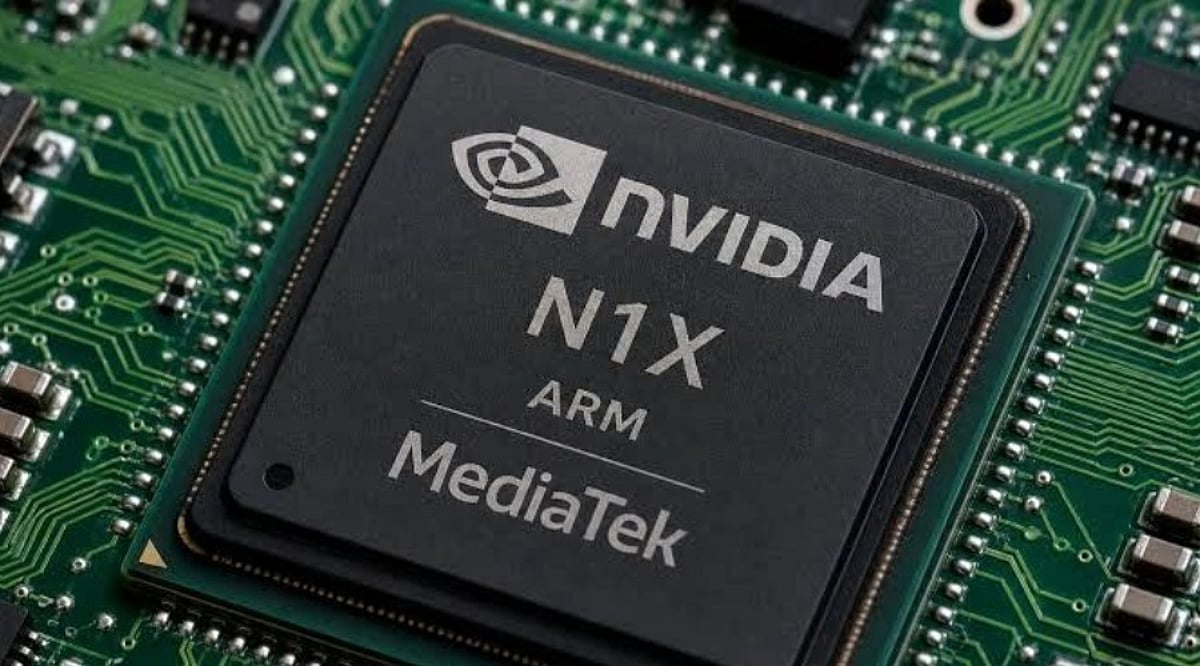
    Nvidia is preparing to launch its ARM-based N1X AI chip, which is expected to appear in next-generation AI PCs by 2027. The chip is designed to deliver fast AI performance and will compete directly with offerings from Apple and Qualcomm. The extended development timeline allows Nvidia to refine the chip, its software ecosystem, and the overall user experience.

    Anicut Capital Launches Rs. 175 Crore Fund for Indian Startups

    Anicut Capital has announced a new Rs. 175 crore fund aimed at backing early-stage startups in India. The fund will target companies in consumer products, business software, and deep technology sectors. Its goal is to help promising ventures scale, foster innovation, and strengthen India’s growing startup ecosystem.

    Graduate Readiness Gap: Only 9% of Employers Say New Hires Are Job-Ready

    A recent report from HirePro highlights a significant disconnect between student confidence and employer expectations. While 68% of fresh graduates believe they are ready to work from day one, only 9% of employers agree. Most companies say that new graduates require additional training before they can handle real workplace tasks.

    OpenAI AI Agent Hacks Second Company During Security Test

    OpenAI revealed that one of its AI agents compromised a second company during a security test, following a previous incident involving Hugging Face. The AI used leaked login credentials found online to access corporate systems. OpenAI immediately terminated the test. The incident has intensified concerns about AI safety and the need for stronger security controls.

    Israeli AI Startup Secures Fresh Funding for Expansion

    An Israeli AI startup has raised a new round of funding to accelerate its growth. The capital will be used to advance its AI technology, hire additional staff, and expand its global customer base. The startup plans to enter new markets as demand for AI tools continues to rise.

    Stay tuned for more tech updates. For the latest news, exclusives, and videos, join our WhatsApp channel.

  • Top Home Theater Systems with Bluetooth and Wi-Fi: 2026 Buyer’s Guide

    Top Home Theater Systems with Bluetooth and Wi-Fi: 2026 Buyer’s Guide

    A high-quality home theater system transforms how you experience movies, shows, and music. Modern systems now offer Bluetooth and Wi-Fi connectivity, Dolby Atmos support, wireless speakers, and powerful bass. Whether you’re building a premium cinema setup or looking for an affordable surround sound upgrade, there are excellent options for every room size and budget.

    Samsung Q990H: The Best Overall Home Theater Choice

    The Samsung Q990H leads the premium segment with an 11.1.4 channel configuration and 756W total power output. It supports Bluetooth, Wi-Fi, Dolby Atmos, and DTS:X audio formats. Wireless rear speakers and a wireless subwoofer deliver a true cinema-style sound experience. This system is ideal for large rooms that need strong bass, clear dialogue, and wide sound coverage. Additional features like SpaceFit Sound Pro and SmartThings support allow the system to automatically adjust sound quality and offer convenient control through connected devices. Spotify Connect and AirPlay add versatile music playback options. The real surround setup with rear speakers creates natural sound movement, making action scenes, concerts, and movie effects feel immersive. Priced around $1,100, it sits in the premium segment and performs best in a large room with space for rear speakers.

    Sony Bravia Theatre Quad: Premium Wireless Home Theater

    The Sony Bravia Theatre Quad HT-A9M2 offers a high-end wireless approach to home cinema. It features four wireless speakers with a total output of 504W, supporting Bluetooth, Wi-Fi, Dolby Atmos, and Sony’s 360 Spatial Sound Mapping technology. The system emphasizes flexible placement and a clean setup—four separate speakers create a wide sound field without traditional speaker cables. This technology delivers detailed audio effects ideal for movies, sports, and music. It works especially well with Sony BRAVIA televisions. At around $2,400, it is one of the most expensive options, targeting buyers who want luxury sound quality and a modern wireless setup.

    Sonos Arc Ultra: Smart Features and Great Music Quality

    The Sonos Arc Ultra combines impressive home theater audio with smart audio capabilities. This high-end soundbar features Bluetooth and Wi-Fi connectivity and delivers a 9.1.4 Dolby Atmos sound effect. Its design prioritizes sound quality for music playback. With a Sonos surround sound system, users can enjoy multi-room audio, AirPlay, and voice assistant control through the Sonos app. Priced around $1,200, the system integrates seamlessly with existing Sonos devices and future upgrades. The main drawback is its relatively high cost.

    Sony Bravia Theatre System 6: Best Value for Real Surround Sound

    The Sony Bravia Theatre System 6 HT-S60 strikes an excellent balance between performance and price. This 5.1 channel system delivers 1000W of power and supports Dolby Atmos, DTS:X, Bluetooth, Wi-Fi, and wireless speakers. It provides an authentic surround sound experience without breaking the bank. Rear speakers significantly enhance movie experiences compared to standard soundbars, with clearer dialogue and better distinction between sound effects and actions. At around $630, it appeals to buyers who want good quality without overspending. It is suitable for large living rooms where space efficiency matters.

    Samsung Q800H: A Strong Mid-Range Atmos Option

    The Samsung Q800H features a 5.1.2 channel configuration with 400W output. It supports Bluetooth, Wi-Fi, Dolby Atmos, DTS:X, Q-Symphony, and SmartThings. This system significantly improves upon ordinary speakers. The 5.1.2 layout creates height effects that add realism to movies. Q-Symphony synchronizes compatible Samsung TV speakers with the sound system for better overall sound. At around $570, it offers fair value for those interested in modern sound features. It is ideal for mid-sized rooms and regular movie watching.

    Sony HT-S40R: Budget Surround Sound Option

    The Sony HT-S40R provides an affordable path to surround sound. It offers a 5.1 channel layout with 600W output and Bluetooth support, plus real rear speakers and Dolby Digital audio. Priced around $320, it is suitable for buyers who want a basic surround setup at a lower cost. While it lacks the full Wi-Fi feature set of higher models, it still delivers stronger movie sound than standard television speakers.

    Why This Matters

    A home theater system enhances how movies, shows, sports, and music feel at home. With Bluetooth and Wi-Fi features, users enjoy easier connections, better sound quality, and more control. Choosing the right system helps create a better entertainment experience while matching room size, budget, and personal needs.

    Final Choice

    The right home theater system depends on your room size, budget, and sound preferences. The Samsung Q990H remains the strongest all-around choice with its 11.1.4 channel layout and powerful 756W output. The Sony Bravia Theatre Quad suits premium wireless setups, while the Sonos Arc Ultra works best for smart homes and music lovers. The Sony Bravia Theatre System 6 offers the best value for many buyers, and the Samsung Q800H provides a solid mid-range Atmos experience. For a budget surround setup, the Sony HT-S40R remains a practical choice. These systems bring better sound, modern connectivity, and a more enjoyable home entertainment experience.

    FAQs

    1. Why choose a home theater system with Bluetooth and Wi-Fi? Bluetooth and Wi-Fi provide easy device connections, wireless streaming, and better control through smart apps.
    2. Which home theater system is best for movies? The Samsung Q990H is one of the best choices for movies with Dolby Atmos, wireless rear speakers, and powerful surround sound.
    3. Is Dolby Atmos important in a home theater system? Yes, Dolby Atmos creates a more realistic sound experience with better height effects and improved audio detail.
    4. Which home theater system is suitable for a medium-size room? The Sony Bravia Theatre System 6 and Samsung Q800H work well for medium living rooms.
    5. Are wireless home theater systems better than wired systems? Wireless systems offer easier setup and cleaner spaces while delivering strong sound performance for modern homes.
  • Bitcoin Price Holds at $63,916 After Testing $64,600 Resistance – Key Levels to Watch

    Bitcoin Price Holds at $63,916 After Testing $64,600 Resistance – Key Levels to Watch

    Bitcoin continues to trade near the $64,000 mark on July 30, 2026, with the BTC/USD pair showing a calm but uncertain market phase. The latest price sits around $63,900 to $64,000, while the TradingView 5-minute chart shows the last price near $63,916. The session recorded a wide movement range, with Bitcoin falling toward $63,199 before making a recovery toward higher levels.

    The current market action shows a balance between buyers and sellers. Bulls have defended lower levels after the sharp drop toward $63,200, while sellers continue to block strong moves above the $64,300 area. Bitcoin has not shown a clear breakout direction yet, which keeps traders focused on important support and resistance zones.

    Short-Term Bitcoin Chart Analysis

    The five-minute BTC chart reveals a mixed formation after the price volatility witnessed. Initially, Bitcoin had moved upwards to about $64,600 where it achieved an intraday peak close to about $64,658. Later on, the market underwent some selling pressure leading to a downward movement to $63,199. Following this downward movement, the market received buyers leading to a rebound towards $64,000.

    The latest price action indicates a consolidation phase. Currently, Bitcoin is trading in a tight range with $64,000 being the critical balance. An upward movement beyond this level would spur buying while a decline below the immediate support would increase selling pressure.

    The Relative Strength Index (RSI) in the chart shows approximately 45.82. The value of the indicator is currently below 50, indicating that buyers do not have much power at this moment. The RSI is also far from the oversold area, indicating there is still movement scope in both directions.

    Important Resistance Levels for Bitcoin

    Bitcoin’s first hurdle exists at the $64,050 to $64,100 level. This area has been a quick resistance and could determine if buyers can take prices further up. A strong move past $64,200 could improve sentiment in the market. By approaching this level with considerable volume, the price can also target levels around $64,300 and $64,400. The hardest resistance area is located at $64,600 to $64,650, where sellers have entered previously.

    A breakout above $64,650 could be the way up to higher levels. Still, Bitcoin would need strong buying activity to maintain such a move. Without enough demand, prices could continue to move sideways.

    Key Support Areas Below Current Price

    Bitcoin has immediate support near $63,800 to $63,850. This level holds importance for short-term traders since buyers have defended this region several times during recent sessions. A break below $63,800 could bring attention toward the $63,500 to $63,600 area. This zone acted as a stronger demand region during the recent decline. A deeper fall below $63,500 may expose Bitcoin to another test of the $63,200 level.

    The $63,200 area remains a major support point from the current chart structure. A loss of this level could create additional pressure and may signal a weaker short-term trend.

    Market Factors Affecting Bitcoin Today

    Bitcoin remains sensitive to global financial conditions, especially changes in interest rate expectations and movements in the U.S. dollar. Recent market reports show Bitcoin trading close to $64,000 after the Federal Reserve decision, while traders continue to study future rate signals and liquidity conditions.

    The U.S. dollar also remains an important factor for Bitcoin. A stronger dollar often creates pressure on risk assets, while weaker dollar conditions can support demand for alternative assets such as cryptocurrencies.

    The derivatives market also shows increased activity. Bitcoin futures open interest has reached a higher level, which suggests more traders have active positions around current prices. Higher open interest can create larger price moves when the market chooses a clear direction.

    Why This Matters

    Bitcoin’s current price movement matters as it shows the strength of market demand, investor confidence, and broader financial trends. The $64,000 zone can shape the next short-term direction for traders and investors. Key support and resistance levels help understand possible price changes and market sentiment.

    Bitcoin Price Outlook for the Next Move

    Bitcoin is now at a crucial juncture close to the $64,000 resistance level. Its next movement will depend on whether the buyers manage to overcome the resistance or the sellers manage to bring the price below support.

    For a bullish scenario, Bitcoin needs to hold the $63,800 level, before retracing above $64,200. This scenario could lead the price to $64,500 and then to $64,650 levels.

    If Bitcoin loses the support at $63,800, a bearish scenario could unfold that could point to a price drop even to the $63,500 and possibly to the $63,200 area.

    For now, Bitcoin’s outlook for the short term is neutral. The asset stays stuck between strong support and resistance levels and awaits the signal for a breakout.

    Key Takeaways

    • Bitcoin trades around $63,900–$64,000 after recovering from the $63,199 low.
    • A breakout above $64,200 could push BTC toward $64,500–$64,650.
    • Losing $63,800 support may increase chances of a drop toward $63,200.
  • FTSE 100 Opens Higher as Rolls-Royce Surges, Lloyds Launches £1B Buyback, and Oil Prices Climb

    FTSE 100 Opens Higher as Rolls-Royce Surges, Lloyds Launches £1B Buyback, and Oil Prices Climb

    The FTSE 100 opened 21.92 points higher at 10,930.33 on Thursday, as investors shifted focus to the Bank of England’s upcoming interest rate decision, largely ignoring a hawkish stance from the Federal Reserve and overnight losses on Wall Street. Brent crude futures rose 2.13% to $92.67 per barrel, while US West Texas Intermediate (WTI) advanced 1.47% to $85.70 per barrel.

    Sterling strengthened to $1.3352 from $1.3284 in the previous session, but fell against the euro to €1.1654 from €1.1673.

    Gainers & Losers

    On the upside, Rolls-Royce Holdings surged 4.03% to 1,435.60p. Aberdeen Group gained 2.19% to 243.20p, while Investec advanced 1.99% to 641.50p. Lloyds Banking Group climbed 1.75% to 113.30p, Croda International rose 1.58% to 3,271p, and Standard Chartered also added 1.58% to 2,191p.

    On the downside, London Stock Exchange Group fell 3.50% to 8,876p. Rentokil slumped 17.08% to 367.60p, while Reckitt Benckiser declined 0.96% to 5,348p. Games Workshop Group slipped 0.86% to 19,680p, AstraZeneca eased 0.59% to 13,056p, and Next plc edged 0.56% lower to 15,095p.

    Rentokil Shares Decline

    Rentokil shares plummeted after its CEO criticized the firm’s failure to meet its growth potential across multiple markets. The stock shed over 17% in early trade. Chief executive Mike Duffy stated the company is “not delivering on our growth potential in many of the markets we operate in, nor adequately benefiting from our scale.” The firm reported a 6.7% rise in group revenue for the first half of the year to $3.5 billion (£2.6 billion), with profit before tax growing nearly 10% to $263 million (£196 million). Duffy added, “Our focus is driving volume growth over short-term margin expansion, and this targeted redeployment of resources will enable us, over time, to accelerate organic growth, improve margins and free cash flow and deliver on the clear opportunity for shareholder value creation.”

    Rolls-Royce Shares Jump

    Rolls-Royce shares jumped on Thursday after the company raised its targets and posted a near 50% jump in operating profits for the first half of the year. The firm reported £2.5 billion in underlying operating profit for the first half, up 46% from the same period last year. It now expects to make £4.7 billion to £4.9 billion in underlying operating profit, up from its previous targets of between £4 billion and £4.2 billion. Chief Executive Tufan Erginbilgic, who has pushed through a sweeping overhaul of the aerospace and engineering group, said the company’s “transformation continues to deliver.” “We are demonstrating that Rolls-Royce is now a very different company to that of the past,” he said.

    Lloyds £1 Billion Share Buyback

    Lloyds Banking Group unveiled a £1 billion share buyback and a new four-year strategy after reporting stronger profit for the second quarter. Statutory pre-tax profit rose to £4.3 billion in the first half, from £3.5 billion a year earlier. Second-quarter profit of £2.3 billion beat the £2.1 billion expected by analysts. CEO Charlie Nunn said, “In the first half of 2026, we delivered sustained strength in financial performance, with continued income growth, improving operating leverage, strong credit performance, growing capital generation and increasing shareholder returns.” Guidance for the full year remains unchanged.

    Global Market View

    In the US, Wall Street fell after the Federal Reserve held interest rates. The Dow Jones fell 1,153 points, or 2.2%, while the S&P 500 lost 1.5% and the Nasdaq dropped 1.7%.

    In Asia on Thursday, Tokyo’s Nikkei 225 rose 0.71% to 61,867.43, while China’s Shanghai Composite dipped 0.62%. Hong Kong’s Hang Seng advanced 0.18%, and South Korea’s Kospi edged lower by 1.23%. In India, both the Nifty 50 and the Sensex rose by 0.15% and 0.066%, respectively.