
Author: vitorcherulli

  • Top MetaMask Alternatives for Crypto Users in 2026: Trust Wallet, Rabby, Phantom, and More

    Top MetaMask Alternatives for Crypto Users in 2026: Trust Wallet, Rabby, Phantom, and More

    MetaMask remains one of the most popular crypto wallets worldwide, with over 100 million users and support for Ethereum and EVM-compatible blockchains. However, the crypto landscape has expanded far beyond Ethereum, and many users now seek wallets that offer broader multi-chain support, stronger security, and smoother experiences. In 2026, wallets like Trust Wallet, Rabby, Phantom, Coinbase Wallet, Exodus, and Zengo provide compelling alternatives for managing digital assets across multiple networks, staking, NFTs, and DeFi.

    Why Many Crypto Users Choose Other Wallets

    The crypto ecosystem has diversified significantly. Leading blockchains such as Solana, Bitcoin, Base, Polygon, Avalanche, and BNB Chain now host thriving dApps and communities. Users increasingly hold assets across multiple chains, driving demand for wallets that natively support many networks without manual configuration. Modern wallets also offer improved mobile apps, lower swap fees, better recovery options, and enhanced scam protection, making them attractive for both beginners and experienced users.

    Key Takeaways

    • Trust Wallet excels in multi-chain asset management with support for over 100 blockchains.
    • Rabby and Zengo prioritize advanced security via transaction protection and seedless recovery.
    • Phantom, Exodus, and Coinbase Wallet deliver smooth experiences for NFTs, DeFi, and portfolio management.

    Top MetaMask Alternatives

    Trust Wallet

    Trust Wallet supports more than 100 blockchains and millions of cryptocurrencies, allowing users to manage diverse assets from one app. It includes staking, NFT storage, token swaps, and direct dApp access. Its intuitive design makes it especially beginner-friendly, while supporting Ethereum, BNB Chain, Solana, and many other networks.

    Rabby Wallet

    Rabby Wallet is popular among DeFi users for its smart security features, including automatic network detection. When you open a dApp, Rabby switches to the correct blockchain without manual intervention. It also checks every transaction for risks before approval and supports hardware wallets, making it a trusted choice for frequent DeFi interactions.

    Phantom Wallet

    Originally built for Solana, Phantom has expanded to support Ethereum, Bitcoin, Polygon, Base, and more. Its clean interface displays NFT collections in an organized gallery, and token swaps are straightforward. Phantom is favored by both new and experienced crypto users for its simplicity and performance.

    Coinbase Wallet

    Coinbase Wallet gives users full control over their digital assets without requiring funds on the Coinbase exchange. It supports thousands of cryptocurrencies, connects easily with dApps, and offers NFT storage and simple recovery options. Hardware wallet support adds extra security for long-term holders.

    Exodus Wallet

    Exodus focuses on simplicity and portfolio management. It supports hundreds of cryptocurrencies on desktop and mobile, with an inbuilt exchange and portfolio charts. Exodus is also compatible with Ledger hardware wallets, providing an extra layer of safety.

    Zengo Wallet

    Zengo uses Multi-Party Computation (MPC) technology, eliminating the traditional seed phrase and reducing the risk of loss or theft. It offers biometric login, NFT storage, and crypto purchases, appealing to users who want robust protection without the burden of managing recovery phrases.

    Latest Wallet Trends in 2026

    The crypto wallet market is booming, with innovations in smart wallets, passkey authentication, gas abstraction, and seamless cross-chain transactions. MetaMask continues to expand its ecosystem with products like the MetaMask Card and broader chain support. Meanwhile, other wallets focus on phishing protection, transaction previews, and scam detection to keep users safe.

    Final Thoughts

    Crypto wallets have evolved far beyond storage devices. They now integrate staking, NFTs, DeFi, token exchanges, and portfolio management into a single interface. While MetaMask remains a strong choice, alternatives like Trust Wallet, Rabby, Phantom, Coinbase Wallet, Exodus, and Zengo offer features tailored to modern crypto investors. The best wallet depends on your preferred blockchains, security needs, and intended crypto activities.

    FAQs

    1. Why are more users choosing MetaMask alternatives in 2026?
    Many users want better multi-chain support, stronger security, easier recovery, and built-in features like staking and cross-chain swaps.
    2. Which wallet is best for DeFi users?
    Rabby Wallet is a top choice thanks to automatic network detection, transaction previews, and enhanced security features.
    3. Which wallet is ideal for beginners?
    Trust Wallet and Coinbase Wallet offer intuitive interfaces that make crypto management simple for new users.
    4. Is MetaMask still a good wallet?
    Yes. MetaMask remains one of the leading self-custody wallets, especially for Ethereum and EVM-compatible blockchains.
    5. Which wallet offers the most unique security approach?
    Zengo uses Multi-Party Computation (MPC), eliminating traditional seed phrases while providing strong account protection.
  • Top 10 Cryptocurrencies Under $1 to Watch in July 2026

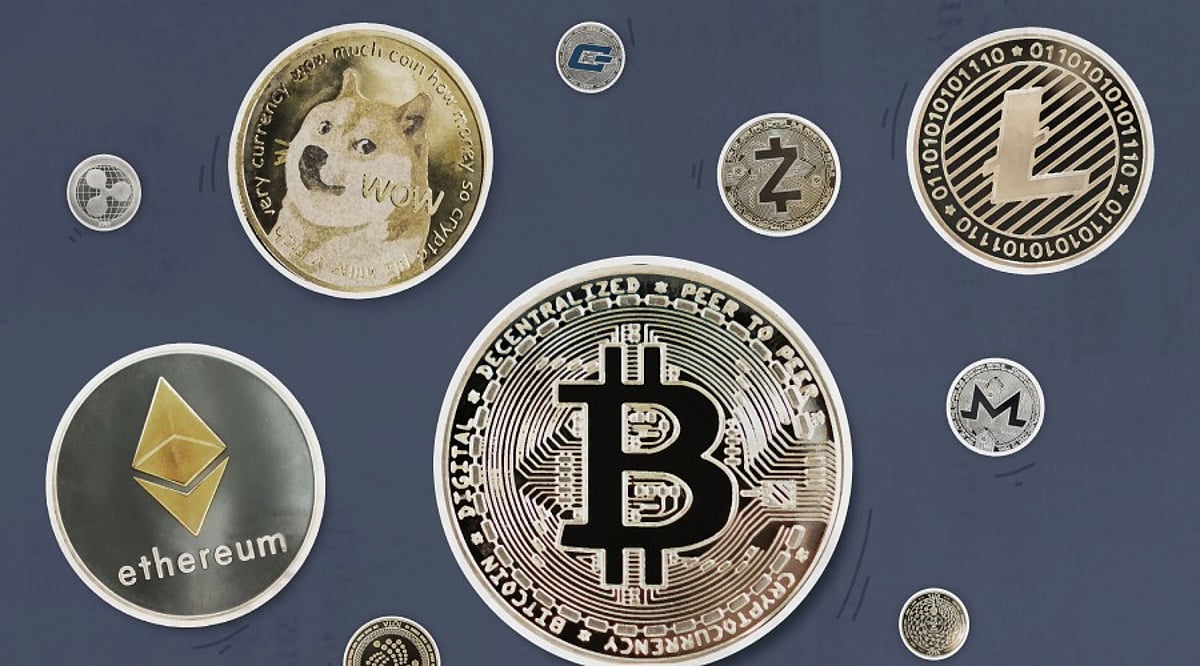
    Top 10 Cryptocurrencies Under $1 to Watch in July 2026

    Many investors assume that a cryptocurrency priced below $1 is automatically a bargain. However, a low token price does not always indicate value—supply and market cap matter more. Smart investors look beyond the price tag, focusing on the project’s technology, real-world use, development roadmap, and team. In July 2026, several affordable projects stand out for their strong fundamentals, enterprise adoption, AI integration, DeFi growth, and long-term potential. Below are ten cryptocurrencies under $1 worth considering this month.

    Stellar (XLM) – Reliable in Global Payments

    Stellar has built a solid reputation by focusing on faster, cheaper international payments. In July 2026, XLM trades between $0.20 and $0.40, making it accessible. The network enables near-instant cross-border transfers at low cost. Banks and payment providers continue to explore Stellar, and the project is also expanding into asset tokenization. Its proven track record makes it one of the most dependable cryptocurrencies below $1.

    Hedera (HBAR) – Trust from Big Business

    Hedera’s governance council includes major global corporations, adding a layer of credibility. HBAR remains under $1, offering fast transactions, low energy consumption, and enhanced security—ideal for enterprise blockchain applications.

    VeChain (VET) – Blockchain for Real-World Business

    VeChain solves practical supply chain issues: tracking products, verifying authenticity, streamlining logistics, and monitoring carbon footprints. With partnerships across industries and a token price under $0.10, VET is a strong pick for those who value real-world utility.

    Algorand (ALGO) – Strong Technology, Quiet Growth

    Algorand rarely makes headlines but remains a top-tier blockchain. It offers fast, low-cost transactions and reliable performance. Governments and organizations are exploring Algorand for tokenized assets and digital financial systems. For fundamentals-focused investors, ALGO is an attractive option under $1.

    Sei (SEI) – Purpose-Built for Trading

    Sei is designed specifically for decentralized trading and financial applications. Its specialized architecture enables faster transactions for exchanges and DeFi projects. While still under $1, SEI carries higher risk but targets a rapidly growing sector, offering meaningful long-term potential.

    Arbitrum (ARB) – Scaling Ethereum

    Arbitrum solves Ethereum’s high gas fees by processing transactions faster and cheaper. ARB trades below $1, and developers continue to build on its Layer-2 network. Despite short-term volatility from token unlocks, Arbitrum’s long-term prospects remain strong as one of the largest Layer-2 ecosystems.

    Optimism (OP) – Ethereum’s Next Layer

    Optimism shares a similar scaling goal with Arbitrum but follows its own “Superchain” vision, connecting multiple blockchains into one ecosystem. It has drawn attention through its relationship with Coinbase’s Base network. Strong developer activity suggests Optimism will play a bigger role as blockchain adoption grows.

    Dogecoin (DOGE) – Enduring Popularity

    Dogecoin started as a joke but has survived multiple market cycles. In July 2026, DOGE trades near $0.07. Its loyal community, excellent liquidity, and broad exchange support keep it relevant, even though its price often moves with sentiment rather than technical progress.

    eCash (XEC) – High Risk, High Potential

    eCash appeals to investors with its extremely low price—fractions of a cent. The project focuses on digital payments and continues active development. However, the payment sector is highly competitive, so success is not guaranteed. eCash suits investors who understand the higher risk of smaller projects.

    JasmyCoin (JASMY) – Tapping the AI Economy

    JasmyCoin focuses on secure data ownership and IoT, allowing users to control their personal information. As connected devices and AI grow, the demand for secure data management may rise. JASMY faces tough competition, but its AI and data connection gives it an interesting market position.

    Final Thoughts

    Investing in sub-$1 cryptocurrencies should not be based solely on price. The best opportunities are projects with solid technology, ongoing development, and real-world adaptability. In July 2026, Stellar, Hedera, VeChain, Algorand, Arbitrum, and Optimism stand out for their established ecosystems. Sei, Dogecoin, eCash, and JasmyCoin offer higher potential but also greater risk. Key trends this year include AI, real-world asset tokenization, DeFi, enterprise blockchain, and Ethereum Layer-2 networks. Investors who focus on these trends rather than the cheapest tokens will be better positioned.

    FAQs

    1. Is a cryptocurrency under $1 automatically a good investment?
    No. A low token price doesn’t mean it’s undervalued. Always consider market cap, utility, adoption, and development.

    2. Which sectors look strongest in July 2026?
    AI, real-world asset tokenization, decentralized finance (DeFi), enterprise blockchain, and Ethereum Layer-2 ecosystems.

    3. Which coins are considered more established?
    Stellar (XLM), Hedera (HBAR), VeChain (VET), Algorand (ALGO), Arbitrum (ARB), and Optimism (OP).

    4. Which cryptocurrencies carry higher risk but higher potential?
    Sei (SEI), Dogecoin (DOGE), eCash (XEC), and JasmyCoin (JASMY) may offer greater upside but also increased volatility.

    5. What should investors evaluate before buying any cryptocurrency?
    Research the project’s technology, use cases, partnerships, tokenomics, development activity, roadmap, and overall market trends rather than focusing only on the token price.

  • Hyperliquid HYPE Surpasses Dogecoin in Market Cap: Investors Shift Focus to Utility-Driven Cryptos

    Hyperliquid HYPE Surpasses Dogecoin in Market Cap: Investors Shift Focus to Utility-Driven Cryptos

    Hyperliquid has achieved a significant milestone in the cryptocurrency market. Its native token, HYPE, has overtaken Dogecoin (DOGE) in market capitalization, entering the top 10 cryptocurrencies by market value. This development underscores a broader trend: investors are increasingly valuing projects with real revenue and strong fundamentals over those driven solely by community hype.

    According to recent data, Hyperliquid’s market cap stands at approximately $16 billion, slightly ahead of Dogecoin’s $15.9 billion. While the gap is narrow and rankings may fluctuate, the shift signals growing confidence in Hyperliquid’s business model.

    Strong Price Growth and Trading Activity

    HYPE has experienced remarkable price appreciation. Trading between $67 and $69, with an all-time high near $76.70, the token has surged over 1,600% from its lowest point. Daily trading volumes range from $480 million to over $1.1 billion, reflecting robust investor interest and liquidity.

    Revenue Generation Sets Hyperliquid Apart

    Unlike many cryptocurrencies that rely on market sentiment, Hyperliquid generates substantial revenue through its decentralized perpetual futures exchange. In the first quarter of 2026, the platform reported approximately $215 million in protocol revenue. The second quarter had already surpassed $104 million before its end, placing Hyperliquid among the top revenue-generating DeFi projects.

    This revenue stream provides a solid financial foundation, reducing dependence on speculative trading.

    Token Buybacks Create Sustained Demand

    A key feature of Hyperliquid is its token buyback mechanism. The platform allocates 99% of protocol fees (excluding certain builder and unit fees) to an Assistance Fund, which purchases HYPE tokens from the open market. This process creates consistent demand, directly linking platform success to token value—similar to corporate share buybacks.

    Institutional Interest Grows

    Traditional financial institutions are taking notice. The launch of the 21Shares Hyperliquid ETF (THYP) on Nasdaq and the Bitwise Hyperliquid ETF (BHYP) on the New York Stock Exchange has made HYPE accessible to a broader investor base. Some products also offer staking rewards, adding further appeal. Institutional support brings larger capital pools and enhances market confidence.

    Why Dogecoin Faces Challenges

    Dogecoin remains a well-known cryptocurrency with a loyal community and strong brand. However, it lacks protocol revenue, has an inflationary supply, and does not feature buybacks linking network activity to token demand. Its value largely depends on community support and market sentiment.

    In contrast, Hyperliquid combines exchange services, governance, staking, and the growing HyperEVM ecosystem, offering multiple reasons for investors to hold the token beyond speculation.

    Future Growth and Risks

    Hyperliquid continues to expand with developments like HyperEVM for decentralized applications, HIP-3 permissionless perpetual markets, and synthetic asset trading including pre-IPO contracts. These innovations could drive further network activity.

    However, risks remain. Future contributor token unlocks may increase circulating supply and cause selling pressure. Regulatory changes could impact decentralized derivatives platforms. Additionally, the current valuation relies on sustained trading activity and revenue growth; any slowdown could affect investor confidence.

    A New Direction for Crypto

    Hyperliquid’s ascent past Dogecoin is not a mere statistical anomaly. It represents a market shift toward projects with real revenue, active ecosystems, and long-term value propositions. While Dogecoin’s cultural impact is undeniable, HYPE’s rise suggests that utility-based cryptocurrencies may lead the next wave of digital asset development.

    FAQs

    1. Why did HYPE overtake Dogecoin? HYPE’s strong revenue generation, buyback mechanism, and growing ecosystem boosted investor confidence and market value.

    2. What makes Hyperliquid different from Dogecoin? Hyperliquid generates protocol revenue, supports staking, governance, and token buybacks, while Dogecoin primarily relies on community support and market sentiment.

    3. How do HYPE buybacks work? Most protocol fees are used to buy HYPE tokens from the open market, creating consistent demand.

    4. Why are institutions interested in Hyperliquid? The launch of HYPE-focused ETFs and the platform’s revenue-generating business model have attracted traditional investors.

    5. What risks should investors consider? Potential token unlocks, regulatory changes, and any decline in trading activity or protocol revenue could impact HYPE’s future performance.

  • Bank of America Creates Unified Head of Digital Assets and AI Role to Strengthen Crypto Strategy

    Bank of America Creates Unified Head of Digital Assets and AI Role to Strengthen Crypto Strategy

    Bank of America has appointed a new Head of Digital Assets and AI, merging oversight of cryptocurrency strategy and artificial intelligence under a single executive. The move signals a deeper internal focus on governance, analytics, and infrastructure rather than a new product launch.

    One Executive, Two Strategic Areas

    The new structure combines digital-asset and AI leadership, suggesting the bank sees operational overlap between automation, analytics, and asset infrastructure. The appointment does not confirm a new product rollout but points to internal coordination across functions that shape policy, governance, and market readiness.

    Bank of America has also published research on how stablecoins fit into financial infrastructure, adding context to the new role and showing continued attention to digital-asset policy and operational planning.

    What the Restructuring Signals

    The move indicates the bank wants closer alignment between technology, compliance, and asset strategy. It may help internal teams coordinate more quickly and places AI tools within the same governance framework as digital-asset operations and analytics. Large financial institutions often use leadership changes to signal where they see future growth; here, the appointment frames crypto as part of broader enterprise innovation.

    Institutional Crypto Strategy Comes into View

    Bank of America is among the largest U.S. banking institutions, so any leadership change tied to crypto draws wide attention. Institutional participation often acts as a credibility signal for the sector. The new role sits within that broader trend, though it remains a governance move rather than a confirmed announcement of new services, partnerships, or products. One report also noted that the bank shifted a top trader to oversee crypto strategy across the firm, adding to the picture of a wider restructuring around digital assets.

    The appointment places Bank of America’s crypto work inside a larger strategic framework and shows that AI now sits beside digital assets in the bank’s leadership structure.

    What’s Next?

    Bank of America has created a Head of Digital Assets and AI role, bringing crypto strategy and artificial intelligence under one executive. The restructuring strengthens internal coordination around governance, analytics, and digital assets while reflecting the bank’s broader approach to advancing its crypto strategy.

  • Britannia Little Hearts Celebrates World Emoji Day with AI-Powered AR Campaign

    Britannia Little Hearts Celebrates World Emoji Day with AI-Powered AR Campaign

    Britannia Little Hearts has unveiled an innovative AI-powered augmented reality (AR) campaign titled ‘Share the OG Heart’ to mark World Emoji Day. The campaign blends browser-based AI, XR technology, and quick-commerce partnerships to transform the brand’s iconic heart-shaped biscuit into a digital symbol of affection.

    How the Campaign Works

    The initiative kicks off with QR-code-enabled print advertisements. Consumers simply scan the QR code using their smartphone camera to launch the ‘OG Heart Selfie’ experience directly in a web browser—no app download required. The AI-driven tool recognizes the popular Korean Heart gesture in real time, allowing users to capture a selfie and share it with friends and family.

    Britannia has extended the campaign beyond print by teaming up with quick-commerce platforms Zepto and Blinkit. On Zepto, shoppers who add Britannia Little Hearts to their cart encounter the Korean Heart animation alongside the brand’s signature ‘Ting Ting Ti-Ding’ sonic identity during checkout.

    Blending Nostalgia with Youth Culture

    Puneet Das, Chief Marketing Officer at Britannia Industries, explained that the campaign is a natural extension of Little Hearts’ brand identity of affection. By leveraging the Korean Heart gesture—a wildly popular expression among young people—the brand creates a fun, shareable experience that bridges traditional advertising and modern digital interaction.

    This campaign reflects a broader trend in FMCG marketing, where brands are combining print, AI, AR, and digital commerce to build interactive consumer journeys. For Little Hearts, the strategy not only celebrates a beloved product shape but also brings the brand closer to the moment of purchase through print media, browser-based technology, and quick commerce.

    The technology behind the campaign was ideated by Monks, with AI and XR development by Xtendr.

  • Bitcoin Surpasses $65,000 as Spot ETF Inflows Drive Institutional Buying Spree

    Bitcoin Surpasses $65,000 as Spot ETF Inflows Drive Institutional Buying Spree

    Bitcoin climbed above $65,000 this week, reaching its highest level since early June 2026. The move came after three straight days of gains and a weekly rise of about 8%. According to a July 18, 2026, Yahoo Finance report, the main driver was not retail speculation. It was steady institutional buying through U.S. spot Bitcoin ETFs.

    The rally lifted Bitcoin’s market capitalization above $1.28 trillion. At the same time, the wider cryptocurrency market held near $2.4 trillion. Price data from CoinGecko and TradingView showed Bitcoin clearing the key level during early Asian trading hours.

    ETF Flows Take Center Stage

    Yahoo Finance cited unnamed market analysts who described the current buying as consistent and non-speculative. They said asset managers and pension funds continued to add exposure. The report contrasted that pattern with the retail-led surge seen in 2021.

    Over the past seven days, spot Bitcoin ETFs added about $1.2 billion in new capital. BlackRock’s iShares Bitcoin Trust (IBIT) accounted for nearly half of that total. This was the strongest week of inflows since March 2026.

    Cumulative inflows into spot Bitcoin ETFs now exceed $35 billion since launch. Average daily inflows reached about $170 million over the past week, compared with roughly $80 million in the previous month.

    Broader Market Response Stays Tied to Bitcoin

    ETF trading activity also stayed elevated. Daily turnover across the products averaged about $2.5 billion. The report linked that volume to continued demand from registered investment advisers and other institutional allocators.

    Several large pension funds and endowments have begun placing 1% to 3% of their portfolios into Bitcoin through ETFs. Wisconsin’s state pension fund took a similar step in 2024. Those allocations helped create longer holding periods and lower selling pressure.

    Macro conditions also played a role. U.S. inflation remained sticky at around 3.2% in June 2026. As a result, institutions looked for assets with limited correlation to traditional markets. Bitcoin’s 30-day correlation with the S&P 500 fell to 0.15 this week, the lowest in six months.

    Market Pricing and Investor Focus

    The Coinbase premium turned positive this week, signaling that U.S. buyers paid more on Coinbase Pro than on Binance for direct exposure, another sign of institutional demand.

    Other crypto assets also moved higher. Ethereum rose 4% to $3,450, while Solana gained 6% to $155, according to the July 18 report. However, altcoin strength depends on Bitcoin holding its recent gains.

    Market figures added more context. Michael Saylor said institutional adoption remained early, while Cathie Wood said the asset class was maturing. The report did not offer a price target, instead focusing on whether ETF buying could continue at the same pace.

    The options market reflected calmer expectations. The 30-day implied volatility index fell to 42%, down from 55% in May 2026. Real-time ETF flow trackers from SoSoValue and CoinGlass remain central monitoring tools for investors following the trend.

    What’s Next?

    Bitcoin climbed above $65,000 after strong spot Bitcoin ETF inflows boosted institutional demand. Rising ETF investments, higher trading volumes, and sustained capital allocations shaped the latest rally. Investors may continue monitoring ETF flow data to assess whether institutional buying remains strong.

  • Vanguard Creates Head of Digital Assets Role to Accelerate Blockchain Strategy

    Vanguard Creates Head of Digital Assets Role to Accelerate Blockchain Strategy

    Vanguard has posted a job opening for a senior executive to lead its digital assets strategy, signaling a new step toward blockchain-based financial infrastructure. The role comes even as the firm continues to reject launching its own cryptocurrency investment products.

    The company listed the Head of Digital Assets, Personal Wealth vacancy on July 6. The position seeks a leader to build a multi-year plan across advisory, self-directed, and wealth management businesses. The job covers custody, settlement, tokenization, stablecoins, wallet infrastructure, and regulatory coordination, pointing to internal preparation for a tokenized financial system.

    Strategy Shifts Toward Infrastructure

    The job posting suggests Vanguard is now focusing less on whether crypto belongs in client portfolios and more on how digital assets may move through its systems. The role calls for reviewing custody structures, reconciliation tools, settlement workflows, reporting systems, and third-party integrations. It also requires tracking tokenized securities, regulated stablecoins, blockchain providers, and digital asset custodians.

    What happens when a firm that rejected Bitcoin ETFs begins planning for tokenized finance? The answer appears in the role itself: Vanguard wants a leader who can shape governance, compliance, enterprise risk, and operational readiness.

    Cautious Stance, Wider Preparation

    Vanguard declined to offer spot Bitcoin ETFs after US regulators approved them in January 2024, stating that volatile digital assets did not fit its long-term investment philosophy. Even so, the latest hiring move shows a different focus. Vanguard appears to be preparing its wealth platform for digital assets as demand grows and regulation continues to evolve. The company has said it still has no plans to launch its own crypto ETFs or crypto mutual funds and continues to warn investors about the risks and volatility of digital assets.

    Tokenization and Long-Term Positioning

    The job description places strong emphasis on tokenization and digital cash infrastructure, as well as settlement, interoperability, and regulatory coordination. Tokenization can turn assets such as bonds, equities, and real estate into blockchain-based digital forms, potentially reducing settlement time, lowering costs, and cutting counterparty risk. Vanguard’s move aligns with broader institutional trends, as large asset managers increasingly examine blockchain infrastructure beyond direct cryptocurrency products.

    Vanguard managed about $12 trillion in assets for more than 50 million investors as of December 2025. That scale makes any operational shift potentially significant across the investment industry. Even a small allocation through third-party digital asset products could funnel billions into blockchain-linked infrastructure. Analysts have noted that 0.1% of Vanguard’s managed assets would equal about $12 billion. The new executive would not focus on speculation but rather on the systems that could support tokenized finance inside a large wealth platform.

    What’s Next?

    Vanguard’s digital assets hiring move signals a clear shift toward blockchain infrastructure, tokenization, and operational readiness. While the firm still rejects its own crypto ETFs, it is preparing for a future where digital assets may move through traditional wealth platforms.

  • Former Twitter CEO Parag Agrawal’s AI Startup Parallel Hits $2 Billion Valuation

    Former Twitter CEO Parag Agrawal’s AI Startup Parallel Hits $2 Billion Valuation

    Parag Agrawal has made a notable comeback after his controversial departure from Twitter. The Indian-American technology executive, who served as Twitter’s CEO before Elon Musk’s acquisition, now leads the AI startup Parallel Web Systems.

    The company recently achieved a $2 billion valuation after raising $100 million in a Series B funding round led by Sequoia Capital. This latest investment brings Parallel’s total funding to $230 million and positions Agrawal at the helm of one of the fastest-growing startups in the AI infrastructure space.

    From Twitter CEO to AI Entrepreneur

    Elon Musk acquired Twitter for $44 billion in October 2022 and terminated Agrawal along with other top executives. Agrawal subsequently shifted his focus from social media to artificial intelligence.

    Agrawal founded Parallel Web Systems to build infrastructure for autonomous AI agents. Its technology enables AI agents to search, browse, and utilize information from the open web for complex tasks. Unlike traditional search technologies designed primarily for human use, Parallel’s technology specializes in machine-oriented research. The platform allows AI agents to gather information, browse websites, and conduct multistep research.

    This technology finds applications in legal research, finance, insurance, and enterprise intelligence. Among the companies using Parallel’s platform is the AI legal startup Harvey. Additionally, over 100,000 developers are leveraging the infrastructure.

    Funding Fuels AI Agent Ambitions

    The latest funding round was led by Sequoia Capital, with existing investors including Kleiner Perkins, Index Ventures, Khosla Ventures, First Round Capital, Spark Capital, and Terrain Capital. Parallel plans to use the funds to expand its R&D efforts and strengthen its sales and marketing operations while targeting more enterprise customers.

    Parallel has also expanded its partnership with Google. Customers from Google Cloud who develop AI agents using Gemini can now benefit from Parallel’s search engine technology, providing another pathway into the larger enterprise ecosystem.

    Agrawal’s journey from a short-lived tenure as Twitter CEO to leading a $2 billion AI startup underscores the rapidly changing technology landscape.

  • Top 7 Crunchyroll Anime for Beginners in 2026

    Top 7 Crunchyroll Anime for Beginners in 2026

    Anime has become one of the most popular forms of entertainment worldwide, offering stories that appeal to audiences of every age. From thrilling battles and emotional character arcs to futuristic worlds and supernatural adventures, the genre has something for everyone. Whether you enjoy fast-paced action, thought-provoking mysteries, or inspiring tales of perseverance, anime delivers unforgettable experiences through compelling storytelling and striking animation.

    Discover seven legendary anime series that have captivated audiences worldwide with unforgettable characters, gripping stories, emotional moments, and stunning animation, making them perfect choices for both first-time viewers and longtime anime fans. From fantasy and action to mystery, these anime deliver emotional journeys with memorable character development throughout. Perfect recommendations for beginners and longtime fans seeking critically acclaimed anime worth binge-watching anytime today.

    Legendary Anime Worth Every Minute Watching: Top 7

    These titles have gained worldwide fame for their unforgettable characters, intriguing plots, and overall impact on audiences. In case you need an anime title to binge-watch right now, these award-winning anime are great options to consider:

    Blade Runner: Black Lotus

    Set in the Blade Runner universe, the series tells the story of Elle’s quest to regain her lost memories. The futuristic design, thrilling storyline, and overall action make up a unique cyberpunk setting for the series.

    Demon Slayer: Kimetsu no Yaiba

    In search of a way to revert Nezuko, his sister who was turned into a demon by demons that killed their family, Tanjiro Kamado tries to become a Demon Slayer. This series is known for its breathtaking animation and emotional depth.

    Naruto Shippuden

    Having spent many years in training, Naruto Uzumaki returns ready to achieve his goal. Powerful foes appear, and the hero fights to protect his village and become Hokage. This long-running series is a staple for anime newcomers.

    Attack on Titan

    To stay alive from the horrifyingly scary giants called titans, humans survive inside very large walls. Eren Yeager gets involved in the conflict after the loss of his mother due to a horrific attack and finds out a truth he never imagined. It’s a gripping tale of survival and mystery.

    Fullmetal Alchemist

    Fullmetal Alchemist revolves around Edward and Alphonse Elric making the tragic mistake of attempting to bring their dead mother back using prohibited alchemy techniques. Their hunt for the philosopher’s stone leads them to become involved in an evil conspiracy that is endangering the entire country. This classic combines action with deep philosophical themes.

    Black Clover

    In Black Clover, Asta is born without any magic power in a kingdom where the more power you have, the more respect you get. Despite being at a disadvantage, Asta doesn’t give up because of his strong determination and ability to block off magic powers. It’s an inspiring underdog story.

    Jujutsu Kaisen

    The life of Yuji Itadori changes when he eats a very cursed item that belongs to the very strong Sukuna. He finds himself in a world of powerful sorcerers, fighting against extremely dangerous enemies while dealing with the cursed spirit inside him. This modern hit is praised for its fluid action and dark themes.

    The Takeaway

    Great anime sticks with you long after you watch the last episode, not only because of its good stories but also because of characters who stay with viewers. The titles presented here span various genres and subjects, showing how much anime has to offer beyond action. Whether you want to revisit a title you already liked before or discover something new, each one of them has something special about it and deserves to be watched. With fascinating worlds, interesting stories, great battles, and touching moments, anime continues to attract new fans from generation to generation.

    FAQs

    What are the best Crunchyroll anime for beginners in 2026?
    Beginners can start with Demon Slayer, Jujutsu Kaisen, Naruto Shippuden, Fullmetal Alchemist, Black Clover, Attack on Titan, and Blade Runner: Black Lotus for engaging stories and memorable characters.

    Which anime on Crunchyroll has the best action scenes?
    Demon Slayer, Jujutsu Kaisen, and Attack on Titan are widely praised for spectacular fight sequences, fluid animation, and intense battles that keep viewers engaged throughout every season.

    Is Attack on Titan suitable for first-time anime viewers?
    Yes, although it features mature themes and violence. Its gripping story, emotional characters, and suspenseful plot make it an excellent choice for viewers exploring anime seriously.

    Why is Fullmetal Alchemist considered a classic anime?
    Fullmetal Alchemist combines emotional storytelling, compelling characters, philosophical themes, and thrilling action. Its balanced narrative and satisfying conclusion have earned lasting praise from anime fans worldwide.

    Which anime offers the best mix of fantasy and adventure?
    Black Clover, Naruto Shippuden, and Demon Slayer blend fantasy, adventure, and action with inspiring protagonists, exciting battles, and strong character development, making them excellent binge-worthy choices.

  • July 18, 2026 Free Fire MAX Redeem Codes: Unlock Rare Skins, Bundles, and Free Diamonds

    July 18, 2026 Free Fire MAX Redeem Codes: Unlock Rare Skins, Bundles, and Free Diamonds

    Fresh Free Fire MAX redeem codes for July 18 give players an opportunity to unlock premium weapon skins, character outfits, emotes, diamonds, and other exclusive in-game rewards before the codes expire.

    Redeem the available codes through the official Free Fire Rewards Redemption website using a linked account to receive eligible rewards safely in your in-game mailbox.

    Along with redeem codes, participate in daily missions, limited-time events, and seasonal challenges to earn additional rewards, level up faster, and expand your Free Fire MAX inventory.

    Every day in Free Fire MAX offers players the chance to earn premium items through redeem codes. There is no need to spend any money when using today’s redeem codes as you will be able to earn exclusive weapon skins, character packs, diamonds, emotes, and collectibles. July 18th is definitely the best time to earn some valuable in-game items using today’s redeem codes since they will be valid for just a short period of time.

    Free Fire MAX Redeem Codes for July 18, 2026

    The active Free Fire MAX redeem codes for July 18, 2026 are listed below:

    • FF6YH3BFD7VTB1RK7C5ZL8YT4ST1ZTBZBRP9BR43FMAPYEZZUPQ7X5NMJ64VS9QK2L6VP3MRFFR4G3HM5YJN6KWMFJVMQQYGFZ5X1C7V9B2NFT4E9Y5U1I3OFP9O1I5U3Y2TFM6N1B8V3C4XFA3S7D5F1G9HFK3J9H5G1F7DFU1I5O3P7A9SF7F9A3B2K6G8FE2R8T6Y4U1IFQ9W2E1R7T5Y

    How to Redeem Garena Free Fire MAX Codes

    1. Go to the official website for Garena Rewards Redemption.
    2. Use the appropriate account (Facebook, Google, Apple ID, X, or VK) to log in.
    3. Fill in the blank field with a valid code.
    4. To continue, tap ‘Confirm.’
    5. Rewards will be sent to your game email within 24 hours after finishing.

    Important: You cannot use guest accounts. Make sure your accounts are connected before trying to redeem.

    Final Take

    Experienced players can obtain a lot of diamonds, uncommon skins, and gun skin improvements with Free Fire MAX redeem codes without having to pay a dime. Successfully redeeming a code gives players instant access to valuable rewards before jumping into their next battle royale match. Use the codes on the Garena rewards page and keep an eye on them every day to stay one step ahead of the competition. Free Fire MAX players have the finest opportunity to arm themselves to defeat every battle royale they encounter as new rewards may be acquired today.