Author: vitorcherulli

  • 10 Legendary Video Games That Revolutionized the Industry Forever

    10 Legendary Video Games That Revolutionized the Industry Forever

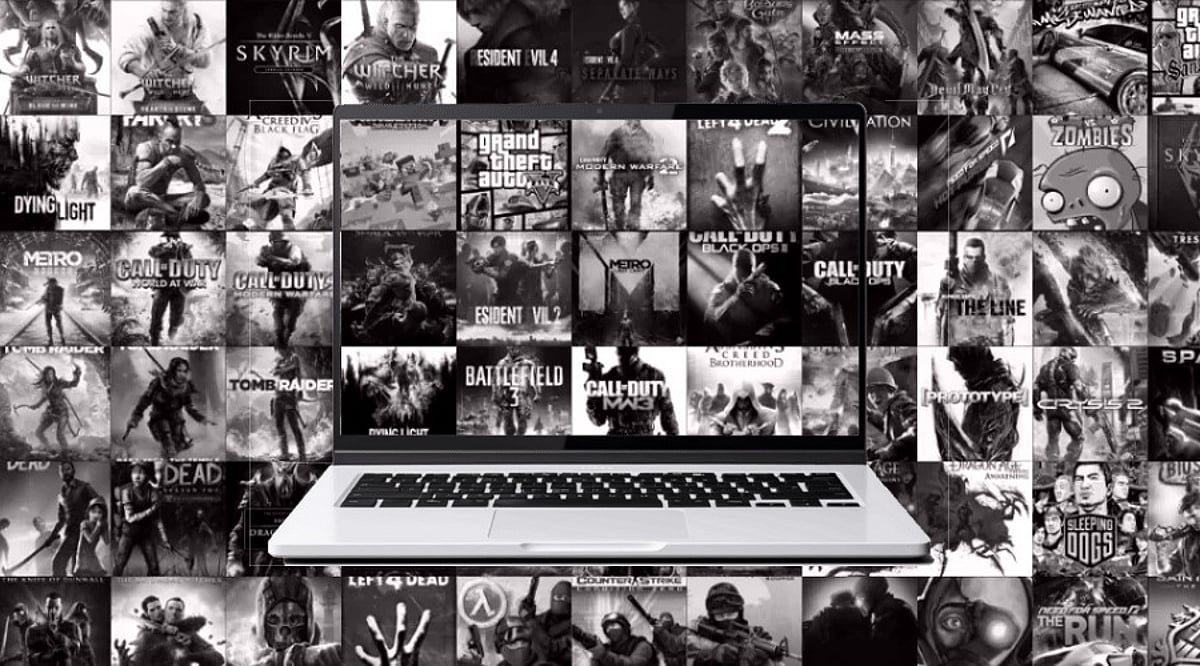
    From the simple yet revolutionary Pong to the cultural phenomenon Fortnite, certain video games have transcended mere entertainment to reshape the entire gaming landscape. These titles introduced groundbreaking mechanics, spawned new genres, and inspired countless developers. Here are 10 games that didn’t just sell millions—they changed how we play, connect, and imagine virtual worlds.

    1. Pong (1972)

    Before realistic graphics or sprawling open worlds, Pong proved that video games could be fun and mainstream. Its simple table-tennis premise became an arcade sensation and laid the foundation for the modern gaming industry.

    2. Super Mario Bros. (1985)

    With memorable characters, precise controls, and brilliantly designed levels, Super Mario Bros. revitalized console gaming. It set a gold standard for platformers and showed how engaging gameplay could captivate a global audience.

    3. The Legend of Zelda (1986)

    Unlike linear level-based games of its time, The Legend of Zelda encouraged exploration. It introduced secret areas, puzzles, and a vast overworld, pioneering the action-adventure genre and inspiring future open-world designs.

    4. Doom (1993)

    Doom revolutionized first-person shooters (FPS) with fast-paced combat, multiplayer deathmatches, and a vibrant modding community. It set the template for PC shooters and remains a benchmark for the genre.

    5. Super Mario 64 (1996)

    Mario’s leap to 3D was risky but transformative. Super Mario 64 introduced smooth movement, a dynamic camera, and open-ended levels, establishing standards for 3D platformers that still influence games today.

    6. Grand Theft Auto III (2001)

    Grand Theft Auto III redefined open-world gaming. Players could freely navigate a city, take on missions at will, or create their own adventures. Its legacy is visible in countless action-adventure titles that followed.

    7. World of Warcraft (2004)

    For millions, World of Warcraft was more than a game—it was a community. It popularized the massively multiplayer online role-playing game (MMORPG) genre and shaped the live-service model through constant expansions and updates.

    8. Minecraft (2011)

    Minecraft gave players unprecedented creative freedom. Instead of dictating a story, it provided tools to build, explore, and survive in infinite blocky worlds. It inspired user-generated content, educational uses, and a new sandbox genre.

    9. Pokémon Red & Blue (1996)

    These games turned creature-catching into a global phenomenon. Trading and battling via link cables made gaming social, and the franchise became one of the biggest entertainment properties ever.

    10. Fortnite (2017)

    Fortnite transformed how games are supported post-launch. Frequent updates, crossovers, live concerts, and cross-platform play turned it into an evolving digital platform, defining the live-service era.

    Final Takeaway

    These games achieved far more than commercial success. They introduced ideas that reshaped the industry—from technological breakthroughs to innovative gameplay and online communities. As gaming moves toward AI, cloud streaming, and virtual reality, these classics remain the foundation on which the future is built.

  • Why a Poorly Chosen MS in Data Science Can Derail Your Career

    Why a Poorly Chosen MS in Data Science Can Derail Your Career

    The boom in artificial intelligence has turned data science into one of the world’s most sought-after career paths. Universities across the globe have responded by launching hundreds of Master’s programs promising lucrative jobs, cutting-edge skills, and six-figure salaries. But not every MS in Data Science degree is built the same.

    For aspiring professionals, choosing the wrong program can have consequences that extend far beyond graduation. A poor curriculum, limited industry exposure, or weak placement support could leave graduates struggling to compete in a job market that increasingly values practical skills over academic credentials.

    As employers raise hiring standards, students are learning that the name of a degree matters far less than what they actually learn during it.

    Degree Alone No Longer Guarantees a Job

    Just a few years ago, having a master’s degree in data science was enough to grab recruiters’ attention. Today, the landscape has changed dramatically. When companies look to hire data scientists, they usually expect a certain level of programming skill, primarily in Python and SQL, plus the ability to build machine learning models. They also care that you can navigate cloud platforms without getting lost in today’s AI tools. Recruiters tend to scan your GitHub profile and want to see internships and projects from real life—stuff that quietly proves you can solve problems instead of only talking about them.

    Meanwhile, students who graduate from programs that focus largely on classroom theory often notice they’re missing the hands-on experience employers actually want. So a lot of people end up signing up for extra bootcamps or taking certification courses even though they already put a lot into a postgraduate degree.

    Outdated Curriculum Can Quickly Become Irrelevant

    Data science is one of the most rapidly changing areas of technology. Every year, new frameworks, AI model architectures, and other automation solutions completely change the industry. However, some courses still teach ideas that do not align with the present-day needs of the job market. Although basics are essential, companies demand more knowledge in cloud services, machine learning operations (MLOps), deep learning, large language models, and AI deployment. Two years of studying a curriculum that has become irrelevant may be a mistake for students, as they will enter the job market with obsolete knowledge.

    Industry Exposure Often Makes the Biggest Difference

    One of the major signs of a good data science program is industry interaction. Students get the chance to solve actual problems rather than examples through internships, projects, hackathons, collaborative research, and mentoring from the corporate world. This not only improves students’ technical skills but also their communication and analytical skills. Those programs that lack industry interaction would graduate students who know everything in theory but nothing about how data science is applied in real-world business. Experience weighs more than grades when hiring.

    Placement Support Matters More Than Rankings

    When some people select colleges based on rankings or the promise of high salaries, placements may be more complicated. A career service center, company contacts, an alum network, and recruitment days play important roles in helping people get placed. Colleges with strong industry connections give students a better chance of securing internships and on-campus placements. On the other hand, colleges without assistance in placing students face difficulty, making students’ lives difficult when entering the competitive labor market alone. In the opinion of experts, future college students need to look at the employment rates, average salaries, internships, and alum success stories.

    Financial Cost Extends Beyond Tuition Fees

    A foreign MS in Data Science costs lakhs, while a national MS in Data Science program is also substantial. Selecting a program that does not equip the candidate with valuable skills means they will have to invest money to gain those skills, either through certification courses, self-study, or low-paid jobs. Opportunity cost also becomes immense, since with each passing month, the individual becomes more employable yet earns less due to a lack of job-related skills. For some, the wrong program choice proves costlier than choosing a good course.

    What Prospective Students Need to Consider Before Applying

    Many experts advise going beyond college promotional materials when making decisions. The effective program must be characterized by modern courses and field practice, qualified lecturers, ongoing research, partnerships, and transparency concerning the placement of its alums. Prospective students should consult alums of the university, examine its programs, and find out whether its graduates work at major technology companies, rather than simply considering its placement statistics. Accreditation, faculty quality, and internship opportunities still matter.

    Final Thought

    Due to the high demand for specialists in artificial intelligence and data science, organizations have become very selective in hiring candidates with the required knowledge and competencies. MS in Data Science is an excellent choice, yet not every program provides its graduates with the required expertise. The hiring environment makes it necessary not only to earn the right degree but also to gain valuable skills and confidence and to pursue other opportunities after two years of study.

  • Agentic Analytics vs. Text-to-SQL: Choosing the Right AI Data Analysis Approach

    Agentic Analytics vs. Text-to-SQL: Choosing the Right AI Data Analysis Approach

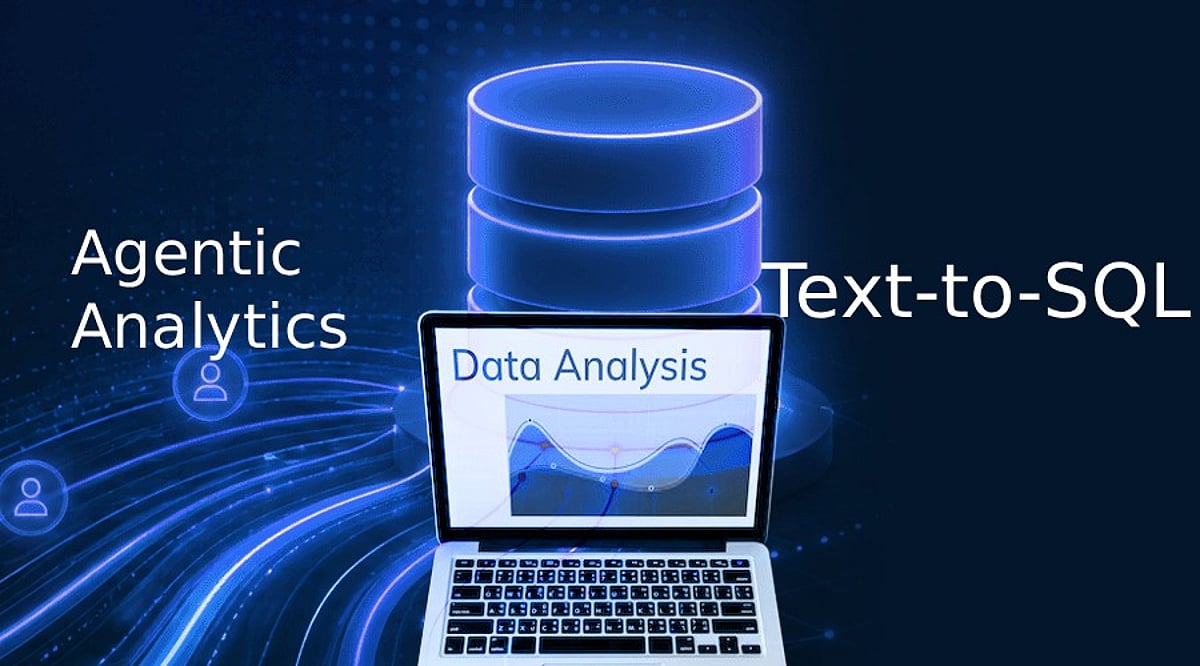
    Artificial intelligence has transformed how organizations analyze data. Instead of relying solely on data analysts to write SQL queries and generate reports, users can now ask questions in natural language and get answers in seconds. Two key technologies driving this shift are Text-to-SQL and Agentic Analytics, but they serve very different purposes.

    What is Text-to-SQL?

    Text-to-SQL uses language models to convert natural language questions into SQL statements. For example, a user might ask, “Which products sold best in June?” The AI generates the appropriate SQL query, runs it against the database, and returns results. This approach makes database interaction easier for non-technical users, reduces dependence on analysts for simple queries, and speeds up reporting. However, the process ends once the query is executed.

    What is Agentic Analytics?

    Agentic Analytics goes far beyond query generation. It employs AI agents that understand business objectives, break them into multiple tasks, retrieve data from various systems, perform calculations, validate outputs, generate charts, and explain findings in plain language. Instead of just answering the question asked, an agent can identify trends, detect anomalies, investigate root causes, and suggest next steps. This makes Agentic Analytics ideal for organizations dealing with large, complex, and dynamic datasets.

    Agentic Analytics vs. Text-to-SQL: Key Differences

    • Scope: Text-to-SQL focuses on translating questions into database queries. Agentic Analytics covers the entire analytical workflow, from planning to recommendation.
    • Automation: Text-to-SQL requires manual query initiation. Agentic Analytics can work autonomously once a goal is set.
    • Output: Text-to-SQL returns raw query results. Agentic Analytics delivers insights, visualizations, and actionable recommendations.
    • Complexity: Text-to-SQL is simpler to deploy for structured databases. Agentic Analytics handles multi-source, multi-step analyses.

    Which One Should Businesses Choose?

    Text-to-SQL remains valuable for organizations that need faster access to structured databases. It allows employees to extract data without SQL knowledge and lightens the load on data teams. It is easy to implement and works well for standard reporting.

    However, for advanced analytics requirements, Agentic Analytics is the better fit. Companies that work with data from multiple departments need more than SQL capabilities—they need an AI system that can gather data, apply business rules, produce visualizations, and make recommendations. Agentic Analytics also excels in automation: users can state a high-level goal, such as analyzing declining sales or understanding customer churn, and let the AI agent handle the rest.

    The Future of AI-Powered Analytics

    It is unlikely that one approach will dominate. Most organizations will use both: Text-to-SQL for quick database queries and Agentic Analytics for deeper analysis and forecasting. As AI algorithms improve, the focus shifts from simply accessing information to generating actionable intelligence. Agentic Analytics represents the future of enterprise analytics, while Text-to-SQL remains a powerful tool for efficient database exploration.

    Frequently Asked Questions

    What is Agentic Analytics?
    Agentic Analytics uses AI agents to perform complete analytical workflows, generate insights, validate results, and recommend business actions automatically.
    What does Text-to-SQL do?
    Text-to-SQL converts natural language questions into SQL queries, enabling users to retrieve database information without writing SQL manually.
    Which is better for enterprise data analysis?
    Agentic Analytics suits enterprises needing automation, reasoning, and multi-source analysis, while Text-to-SQL excels at straightforward database querying.
    Can Agentic Analytics replace Text-to-SQL?
    Not entirely. Many organizations use both together: Text-to-SQL for queries and Agentic Analytics for deeper insights and automated decision-making.
    Is Text-to-SQL suitable for non-technical users?
    Yes. Text-to-SQL enables business users to access database information using everyday language instead of complex SQL syntax.
  • AI and FinTech Are Transforming Banking: Personalization, Speed, and Proactive Support

    AI and FinTech Are Transforming Banking: Personalization, Speed, and Proactive Support

    From Transactions to Relationship Management

    Traditional banking operated on a transaction model: customers visited branches, filled out paperwork, and received products. Today, the focus has shifted to relationship management. Financial institutions and FinTechs leverage data on earnings, spending, savings, and financial goals to deliver personalized solutions that adapt to each customer’s life stage.

    Personalization for Everyday Life

    Data analytics enables banks to uncover patterns in spending habits, income cycles, and financial plans. This leads to:

    • Personalized credit card offers based on actual spending behavior
    • Savings plans aligned with monthly cash flow
    • Investment options tailored to risk tolerance and time horizons

    Customers no longer face a fixed list of products; they receive advice that feels relevant to their unique situation.

    Support That Works When You Need It

    Customer support has evolved dramatically. Chatbots and virtual assistants handle routine tasks—checking balances, recent transactions, blocking cards, or resetting passwords—around the clock. For complex issues, the system collects details and transfers them to a human agent who has full context, enabling faster resolutions.

    Payments That Are Fast and Secure

    AI and FinTech have upgraded payment and money transfer systems. Biometric authentication (face scan, voice check, fingerprint) makes access simple and secure. Fraud detection systems analyze each transaction in real time, blocking risky moves while minimizing false alarms. FinTech platforms embed payments into daily activities—online shopping, travel bookings, ride apps, and food orders—making banking seamless.

    Banking That Helps You Stay on Track

    Modern banking is proactive. Systems can:

    • Warn about unusual spending or potential overspending
    • Suggest budget adjustments or better loan terms based on cash flow
    • Offer insurance or savings ideas when life changes occur (new job, marriage, child, home purchase)

    Banks are transitioning from account holders to financial partners that guide customers through different life stages.

    The Role of FinTech and Neobanks

    FinTech companies and neobanks have accelerated innovation in user experience, speed, and transparency. Key features include:

    • Account opening in minutes with minimal documentation
    • Real-time updates, intuitive interfaces, and easy controls
    • Payment-splitting services, quick loans, and transparent pricing

    Open Banking and Customer Control

    Open Banking regulations and APIs allow FinTechs to access consumer data (with consent) and provide deeper analysis. Benefits include:

    • Aggregating accounts from multiple banks in one place
    • Comparing loans, credit cards, and savings across institutions
    • Easy account or loan transfers

    Customers now have greater control and visibility, enabling them to choose better options and switch services when needed.

    What Banking Will Look Like Next

    In the coming years, banking will become highly predictive and automated. Systems will anticipate customer goals and actions, managing cash, savings, credit, and investments with minimal human intervention. Tasks like refinancing or adjusting investment strategies may happen automatically. Expect faster onboarding, personalized advice in local languages, and banking features integrated into shopping, UPI, and travel apps.

    Conclusion

    Artificial Intelligence and FinTech are transforming banking from a product-oriented industry to a customer-centric one. The future promises speed, personalization, and proactive support, delivering a smoother, more efficient experience for all customers.

  • The 10 High-Paying Jobs with the Least Stress in 2026

    The 10 High-Paying Jobs with the Least Stress in 2026

    For years, a high salary came with long hours, tight deadlines, and constant pressure. That is changing. Many of today’s best-paying careers reward expertise more than endurance, offering stable schedules, meaningful work, and fewer high-pressure situations. Here are 10 careers that stand out in 2026 for offering both strong pay and a better work-life balance.

    1. Natural Sciences Manager

    Median annual salary: Around $161,180. Natural sciences managers ensure that research projects stay on course. They coordinate teams, handle budgets, and make sure science-related activities are on time. The position is mostly planned out and well-coordinated, which makes it one of the best-paying positions with little stress.

    2. Astronomer

    Median annual salary: Around $132,170. Astronomers spend their days researching and observing the universe. From working with telescopes to building scientific theories, everything involves patience, accuracy, and exploration. The job offers a low-stress environment at work.

    3. Actuary

    Median annual salary: Around $125,770. Every insurance and pension scheme is underpinned by the expertise of an actuary. The job requires meticulous analysis and attention to detail, yet involves well-defined steps and timelines. It remains one of the most sought-after careers today due to its stability and high salaries.

    4. Mathematician

    Median annual salary: Around $120,000. Mathematicians solve difficult questions that help companies, governments, and institutions make decisions. Most work is performed independently, giving specialists the opportunity to concentrate on analysis rather than dealing with operational stress.

    5. Physical Scientist

    Median annual salary: Around $117,960. Physical scientists operate in disciplines like physics, chemistry, and earth sciences, participating in projects that may take considerable time. Their work is motivated by experiments, not deadlines.

    6. Economist

    Median annual salary: Around $115,730. Economists examine issues like markets, inflation, unemployment, and government policies. They focus on analyzing data rather than dealing with crises, making their career mentally challenging but not overly stressful.

    7. Environmental Economist

    Median annual salary: Around $115,440. With the growing importance of climate change and sustainability, environmental economists analyze the economic effects of environmental problems by conducting research and solving real-world problems in a steady job environment.

    8. Computer Systems Analyst

    Median annual salary: Around $103,790. This job involves aiding organizations in enhancing their use of technology. Unlike other IT roles that deal with troubleshooting, the computer systems analyst evaluates systems and suggests improvements, resulting in lower stress.

    9. Statistician

    Median annual salary: Around $98,000. Statisticians make sense of information in fields including sports, technology, healthcare, and finance. Demand for these professionals keeps rising as organizations increasingly rely on data for decision-making.

    10. Research Scientist

    Median annual salary: Around $95,000. Scientific researchers deal with problems that may take months or even years to solve. From creating new drugs to enhancing industrial operations, the focus is on research and not quick fixes. This profession rewards curiosity, patience, and skills.

    More Than Just a Good Paycheck

    Salary is not the only measure of a good career. Professionals now pay closer attention to flexibility, workload, and long-term well-being. These jobs prove that earning a six-figure income does not always mean working around the clock. For those planning a career move in 2026, they offer a rare combination of financial security and a healthier way to work.

    Frequently Asked Questions

    What makes a job low stress despite offering a high salary?
    Low-stress jobs typically involve predictable schedules, fewer emergencies, manageable workloads, and greater autonomy. They often rely on specialized knowledge and long-term planning instead of constant deadlines or high-pressure decision-making.

    Which high-paying low-stress job offers the highest salary in 2026?
    Natural sciences manager ranks among the highest-paying low-stress careers in 2026, with a median annual salary of about $161,180, followed by astronomers and actuaries.

    Do low-stress jobs require advanced education?
    Many do. Careers such as astronomer, actuary, economist, and research scientist usually require a bachelor’s degree, while several positions also prefer or require postgraduate qualifications.

    Are technology careers included among low-stress high-paying jobs?
    Yes. Computer systems analysts are considered one of the least stressful technology careers because they focus on improving systems and planning solutions rather than handling constant technical emergencies.

    Why are professionals choosing low-stress careers in 2026?
    More professionals are prioritizing work-life balance, flexible schedules, mental well-being, and long-term job satisfaction alongside salary, making low-stress careers increasingly attractive across industries.

  • Best AI Architecture Certifications for 2026: From Beginner to Expert

    Best AI Architecture Certifications for 2026: From Beginner to Expert

    The demand for AI architects is skyrocketing as enterprises scale generative AI, agentic AI, and automation across industries. Whether you’re just starting out or an experienced professional, earning the right AI architecture certification can validate your expertise and unlock higher-paying roles. This guide covers the top certifications for 2026, from entry-level to advanced, and offers tips on choosing the best path for your career.

    Why AI Architecture Certifications Matter Now

    AI architecture goes beyond traditional software development. It involves building end-to-end systems that integrate data pipelines, cloud services, machine learning models, APIs, security, governance, and monitoring. Employers increasingly seek professionals who not only understand how AI models work but also how to deploy and scale them responsibly. Modern certifications cover real-world scenarios like retrieval-augmented generation (RAG), AI agents, MLOps, prompt engineering, and responsible AI, making them highly relevant for hands-on roles.

    Best Certifications for Beginners

    If you’re new to AI, these foundational certifications require no prior programming experience:

    • Microsoft Azure AI Fundamentals (AI-900): Introduces machine learning, computer vision, natural language processing, and responsible AI concepts with a focus on Microsoft’s AI services.
    • AWS Certified AI Practitioner: Designed for both technical and business professionals, covering generative AI concepts, AWS AI services, and real-world use cases.
    • Google Generative AI Leader: A newer option gaining traction for professionals interested in understanding how generative AI can be applied in business contexts.

    Intermediate Certifications for AI Engineers

    After building a foundation, these certifications focus on creating and deploying practical AI applications:

    • Microsoft Azure AI Engineer Associate (AI-102): Concentrates on building AI applications using Azure AI services, cognitive services, and responsible AI practices.
    • Google Cloud Professional Machine Learning Engineer: Ideal for those working with ML pipelines, model deployment, and AI infrastructure on Google Cloud.
    • AWS Certified Machine Learning Engineer – Associate: Covers building, deploying, and monitoring models with cloud-native ML workflows.

    Advanced Certifications for AI Architects

    Experienced professionals designing enterprise-scale AI platforms should consider these advanced programs:

    • Databricks Certified Generative AI Engineer Associate: Focuses on production-grade generative AI applications using vector databases, retrieval systems, MLflow, and large language models. Ideal for organizations deploying AI copilots and enterprise search.
    • NVIDIA Deep Learning Institute (DLI) Certifications: Increasingly valuable as enterprises adopt GPU-accelerated AI. Programs cover deep learning optimization, LLM deployment, and high-performance AI computing.

    How to Choose the Right Certification Path

    Your choice should align with your career goals and experience level:

    • Non-technical professionals: Start with AI literacy certifications, then move to cloud AI engineering certifications.
    • Software developers: Choose associate-level cloud AI certifications to build on existing coding skills.
    • Data scientists: Combine cloud certifications with MLOps and generative AI credentials.

    Also consider the cloud ecosystem of your target employer. Azure is common in large enterprises, AWS dominates the infrastructure market, and Google Cloud is strong in ML and data engineering.

    Beyond Certifications: Building Real-World Skills

    Certifications validate knowledge, but employers want proof of practical experience. Work on AI systems, explore open-source LLMs, build RAG applications, and contribute to GitHub projects. Combining recognized certifications with hands-on projects will make you far more competitive. The goal is to create secure, scalable, production-ready AI systems.

    Why This Matters

    AI architecture certifications provide structured learning, validate industry-relevant skills, and keep you current with emerging technologies like LLMs, RAG, MLOps, AI governance, and cloud AI services. When paired with real-world experience, they significantly boost employability and prepare you for AI leadership roles.

  • NYT Wordle Answer for July 18, 2026: Hints, Clues, and Walkthrough for Puzzle #1855

    NYT Wordle Answer for July 18, 2026: Hints, Clues, and Walkthrough for Puzzle #1855

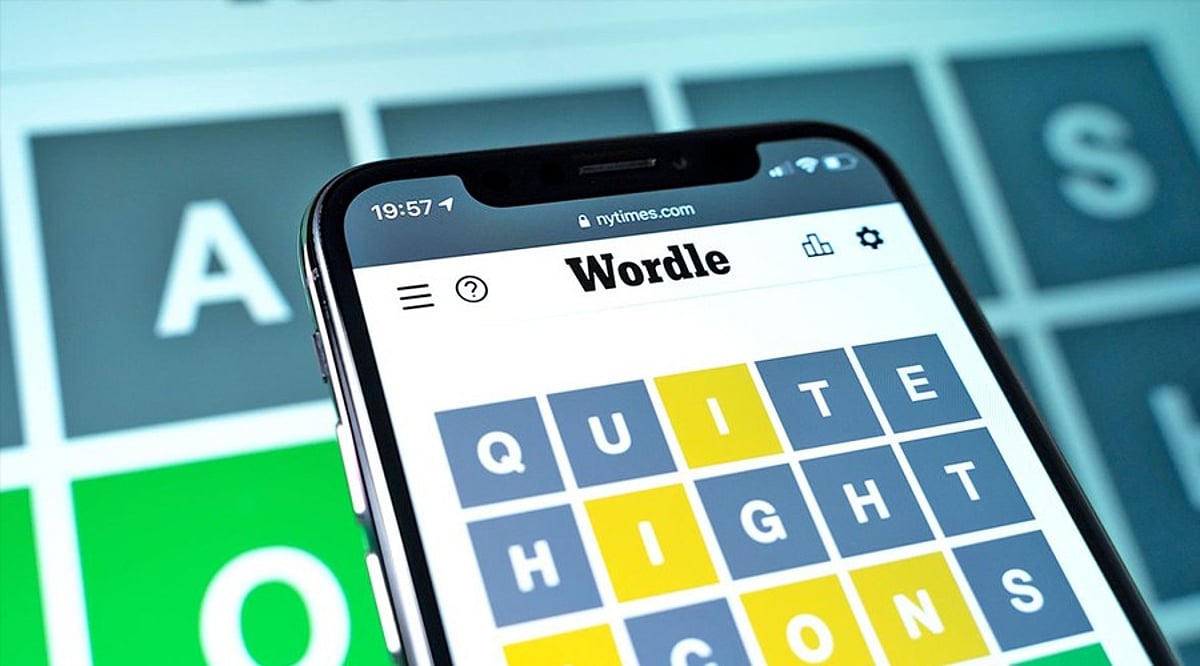
    Today’s Wordle puzzle challenges players to think beyond familiar letter patterns and pay close attention to how each guess narrows the possibilities. Testing different vowel and consonant placements early can help eliminate misleading combinations and lead to a quicker solution. Careful deduction, smart guess selection, and tracking eliminated letters remain the most reliable approach to solving Puzzle #1855.

    Saturday’s Wordle offers another engaging vocabulary challenge, encouraging players to rely on careful deduction rather than quick guesses. Before revealing today’s solution, take a look at these spoiler-free hints and clues for Puzzle #1855 to see if you can solve it on your own.

    How to Play Wordle

    First Guess: Type any five-letter English word (like SLATE), then hit Enter.

    Color Feedback: After each guess, letters will change colors:

    • Green: You have the correct letter in the correct location.
    • Yellow: You have the correct letter in the incorrect location.
    • Gray: The letter is not in the word at all.

    Apply Logic: Now, with mistakes in grays ruled out from the next guess, greens will be prioritized, and yellows will be tried in other locations based on their color.

    Guess Within Six Tries: Suppose you can find the word within six guesses. Congratulations! You have won for the day. Everyone gets the same puzzle each day.

    Yesterday’s Wordle: July 17, 2026

    BUTTE

    Today’s NYT Wordle Hints for July 18

    If today’s Wordle feels challenging, these hints can help you move closer to the solution without giving it away too quickly:

    • Vowels: The word contains only one vowel (O).
    • Starting Letter: It begins with the letter B.
    • Ending Letter: It ends with the letter H.
    • Definition: A small, private space.

    NYT Wordle Answer Today

    The Wordle answer for July 18, 2026, is BOOTH.

    Want More Wordle? Play Again and Again!

    Paid NYT Games members have access to a tool known as the Wordle Bot. This allows them to track their performance in each day’s game. Newcomers can look back and catch up on earlier editions. If you are an NYT subscriber with full access to the publication’s games, you don’t need to quit after a single round. You’ll have access to an archive of over 1,400 games. See you tomorrow for another round of Wordle.

  • Top Tech Skills to Boost Your Freelance Income in 2026

    Top Tech Skills to Boost Your Freelance Income in 2026

    As the freelance economy continues to expand, certain tech skills are emerging as particularly lucrative in 2026. Professionals who invest in these areas can unlock significant earning potential and secure consistent project work.

    Artificial Intelligence (AI) Skills

    AI expertise is in high demand as businesses seek specialists to build, manage, and optimize AI tools. Key areas include AI automation, prompt engineering, and designing AI-based workflow solutions. These skills open up freelance opportunities across nearly every industry.

    Web Development

    Web development remains a cornerstone of freelance work. Companies need professionals to create and maintain websites, web applications, and customized digital platforms. Proficiency in modern frameworks and responsive design is essential.

    Cybersecurity

    With rising cyber threats, companies are hiring freelancers for security testing, risk assessment, and data protection. Cybersecurity skills are increasingly valuable for short-term and long-term projects.

    Cloud Computing

    Knowledge of cloud platforms like AWS, Azure, and Google Cloud enables freelancers to work on modern IT infrastructure projects. Cloud skills are crucial for deploying scalable applications and managing remote systems.

    Data Analytics

    Freelancers who can transform raw data into actionable insights are in demand. Skills in data visualization, reporting, and business intelligence help companies make informed decisions.

    Mobile App Development

    As businesses invest in digital products and customer-focused applications, mobile app development continues to offer steady freelance opportunities. Expertise in iOS and Android platforms is highly valued.

    UI/UX Design

    User experience and interface design remain critical as companies strive to create seamless digital experiences. Freelancers with strong design portfolios and user research skills can command premium rates.

    Soft Skills Matter Too

    Professionals who combine technical expertise with strong communication and problem-solving abilities often find more freelance opportunities. These soft skills help in client management and project delivery.

    By focusing on these high-demand tech skills, freelancers can position themselves for success in 2026 and beyond.

  • Wearable Robot from South Korea-US Team Helps Users Dress Independently

    Wearable Robot from South Korea-US Team Helps Users Dress Independently

    Researchers from South Korea and the United States have developed a groundbreaking wearable robotic system that assists individuals with dressing. The technology combines smart sensors and robotic arms to provide gentle, precise movements, making it easier for elderly people and those with mobility challenges to put on clothes without assistance.

    The robot uses artificial intelligence to adapt its force and movement, ensuring that clothing is handled safely and comfortably. This innovation is designed to promote independence and improve the quality of life for millions who struggle with daily tasks.

    Hospitals and rehabilitation centers are expected to be major adopters of this technology, which also holds promise for home care and assisted living facilities. The developers plan to make the system smaller, faster, and more affordable in future iterations.

    Assistive robotics like this one could transform daily living for people worldwide, offering a new level of autonomy and dignity. The collaboration between South Korea and the US underscores the global effort to advance healthcare through robotics and AI.

  • iPhone 17 Pro Max Buried in Time Capsule: A Look Inside the America250 Project

    iPhone 17 Pro Max Buried in Time Capsule: A Look Inside the America250 Project

    In a unique blend of technology and tradition, Apple’s flagship iPhone 17 Pro Max has been buried as part of the America250 time capsule project, designed to preserve a snapshot of today’s digital life for future generations. The burial, which coincides with America’s 250th anniversary celebrations, aims to offer people in the year 2276 a firsthand glimpse into modern innovation and culture.

    Why Was the iPhone Buried?

    The iPhone 17 Pro Max was selected for this historic time capsule because it represents the pinnacle of consumer technology in the 2020s. According to organizers, the device embodies advanced engineering, cutting-edge design, and the digital lifestyle that defines contemporary society. By preserving this smartphone, the project hopes to document how people communicated, worked, and connected during the early 21st century.

    The America250 Time Capsule

    The burial is part of the America250 celebration, marking the nation’s 250th anniversary. The time capsule contains not only the iPhone but also historical documents, cultural memorabilia, and everyday objects that reflect American society at this milestone moment. The capsule is interred at a designated America250 heritage site, where it will remain sealed for exactly 250 years.

    Will the iPhone Survive 250 Years?

    While internal electronics and batteries are expected to deteriorate over centuries, preservation techniques have been employed to protect the iPhone’s physical structure. Experts believe the device will not function when opened in 2276, but its preserved design will remain historically valuable for researchers and museums. The buried iPhone could become one of the longest-preserved smartphones in history.

    What Future Generations Might Learn

    People in 2276 may view the iPhone 17 Pro Max as an iconic invention, revealing how technology shaped 21st-century civilization. The device offers a tangible connection to the digital age, documenting the tools and habits that defined modern life. As part of the America250 time capsule, it stands as a testament to human ingenuity and the enduring desire to communicate across time.